
The American Civil Rights Movement was not just speeches and protests; it was held in everyday places that became symbols of justice. Across the United States, landmarks preserve this powerful history, allowing visitors to walk where ordinary citizens risked everything for equality. According to the National Park Service, the U.S. Civil Rights Trail now includes over 100 sites across 15 states. Each destination tells part of the story of resilience, sacrifice, and courage. Exploring these locations provides a living connection to the people and events that reshaped America’s moral and legal foundations.
1. Edmund Pettus Bridge, Selma, Alabama
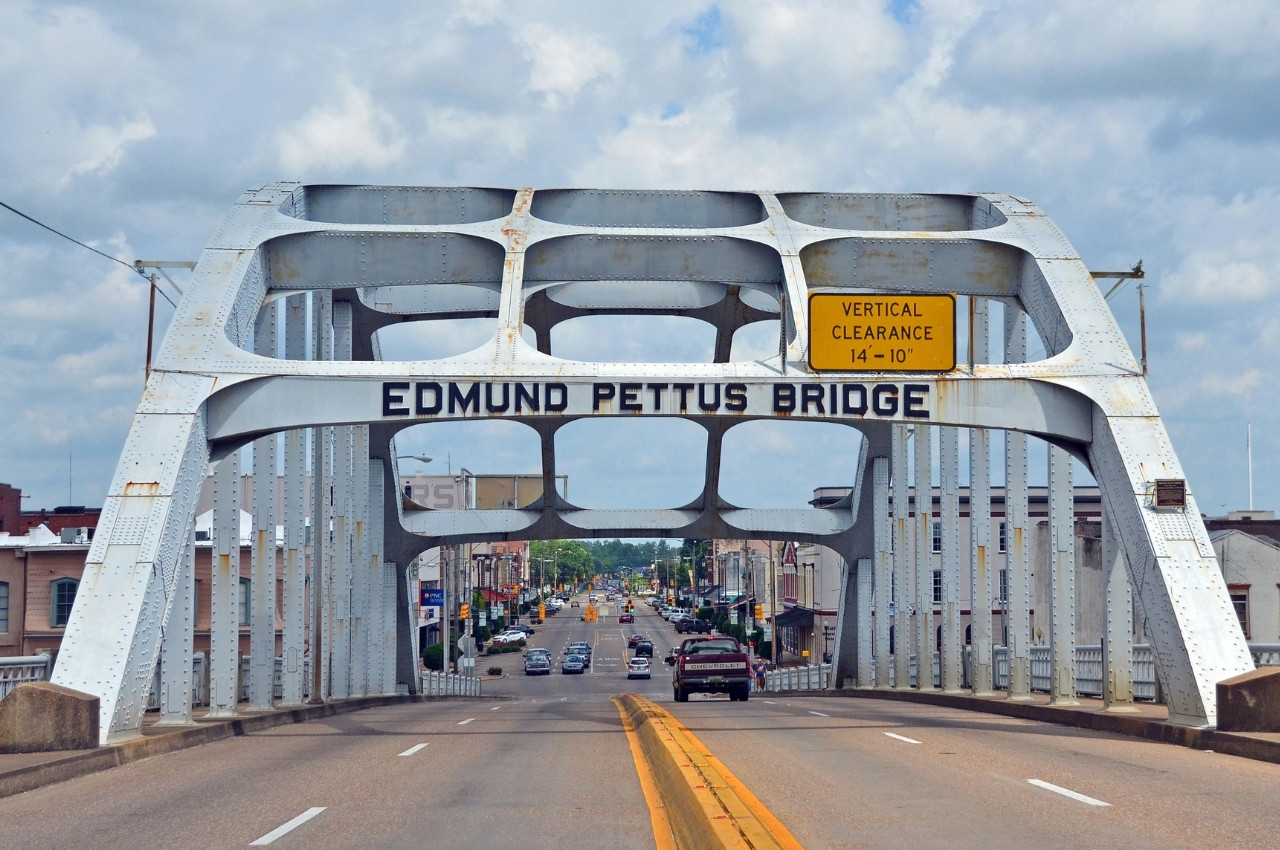
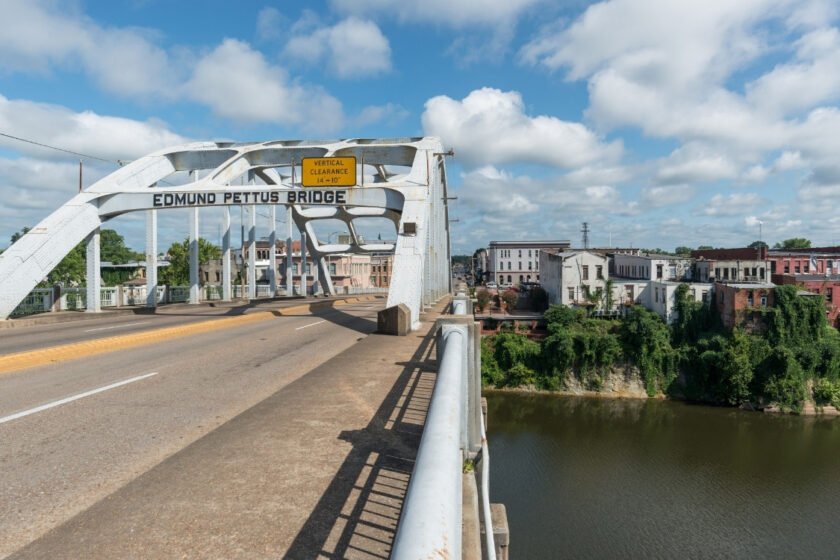
The Edmund Pettus Bridge stands as one of the most recognized symbols of the Civil Rights Movement. According to the National Park Service, it was here on March 7, 1965, that peaceful marchers were brutally attacked by law enforcement during “Bloody Sunday.” The violence, broadcast nationwide, spurred Congress to pass the Voting Rights Act of 1965. Today, the bridge remains a pilgrimage site for activists and educators. Walking across its steel arches evokes the courage of ordinary citizens who demanded democracy and justice under extraordinary danger, changing the course of American history.
2. Martin Luther King Jr. National Historical Park, Atlanta, Georgia
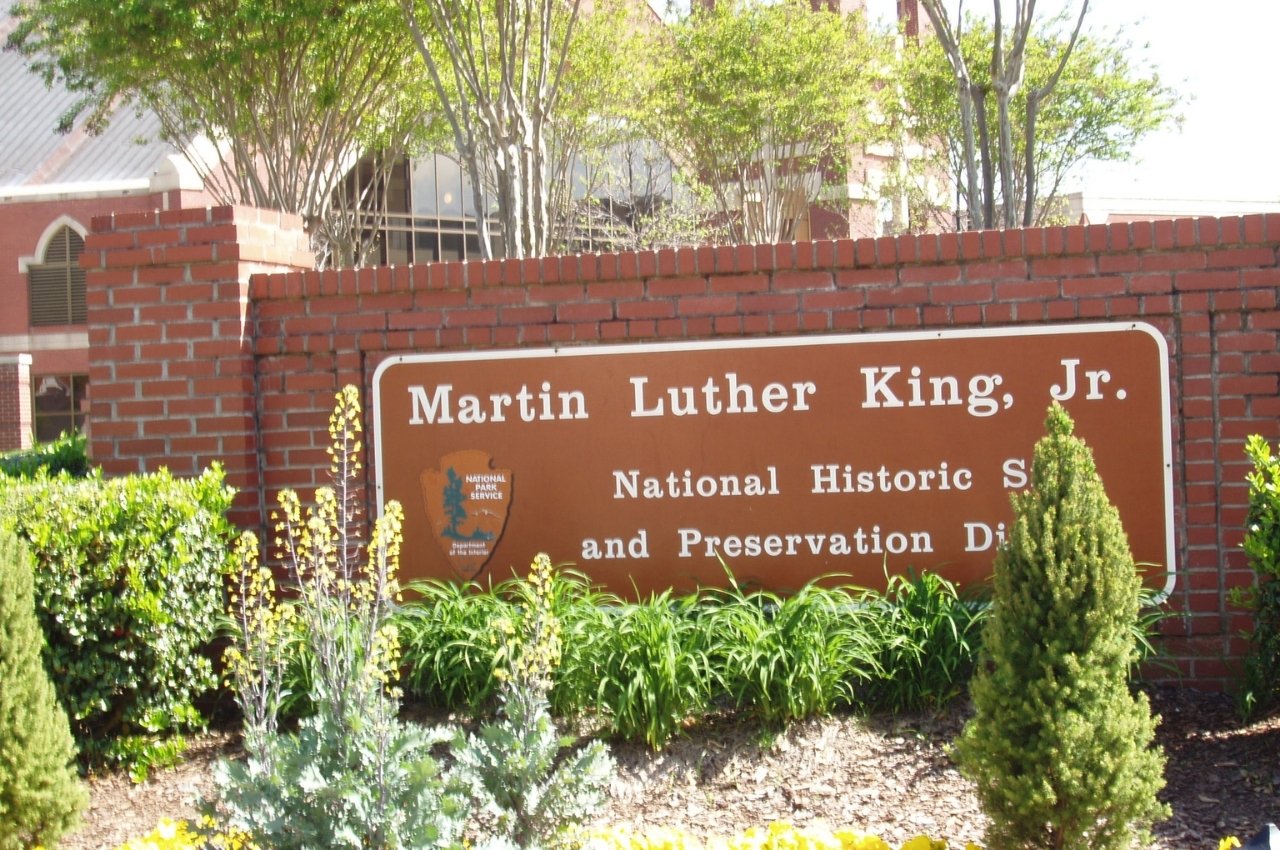
Located in Dr. King’s hometown, this park preserves his birthplace, church, and final resting place. According to the National Park Foundation, visitors can tour Ebenezer Baptist Church, where King preached messages of peace and equality. His boyhood home offers a glimpse into the environment that shaped his ideals. The complex also houses the King Center, founded by Coretta Scott King to promote nonviolence worldwide. This location is more than just a memorial; it is a living testament to Dr. King’s vision of justice and unity, guaranteeing that his voice will continue to inspire future generations to pursue moral advancement.
3. The National Civil Rights Museum, Memphis, Tennessee

This museum chronicles the struggle for equality in America and was built around the Lorraine Motel, the scene of Dr. Martin Luther King Jr.’s 1968 assassination. According to the museum’s archives, exhibits trace the journey from slavery through the modern civil rights era. Artifacts, oral histories, and multimedia installations immerse visitors in the realities of racial injustice and resistance. The preserved Room 306, where King spent his final hours, provides a solemn reflection point. This institution serves as both a memorial and a classroom, preserving the legacy of a movement that continues to inspire activism across the world.
4. Birmingham Civil Rights Institute, Alabama
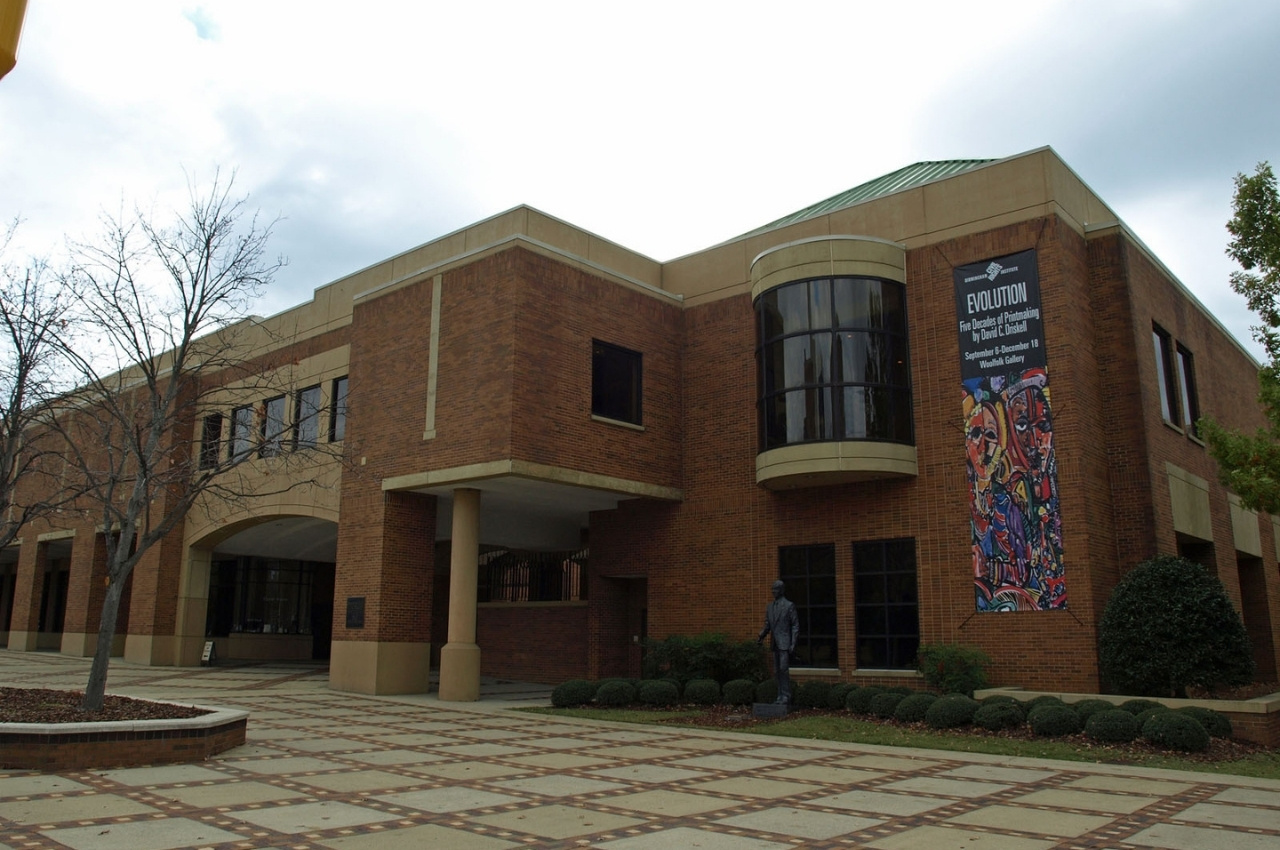
The Birmingham Civil Rights Institute offers an in-depth exploration of the movement’s battles in one of its most pivotal cities. According to the institute’s historical archives, it documents the 1963 Birmingham Campaign, including the Children’s Crusade and church bombings. Exhibits recreate jail cells and protest scenes to illustrate the courage of young demonstrators. The institute sits across from the historic 16th Street Baptist Church, where four girls were killed by a racially motivated bombing. Together, these landmarks represent Birmingham’s transformation from oppression to remembrance, honoring those who faced brutality with unyielding hope.
5. Little Rock Central High School, Arkansas
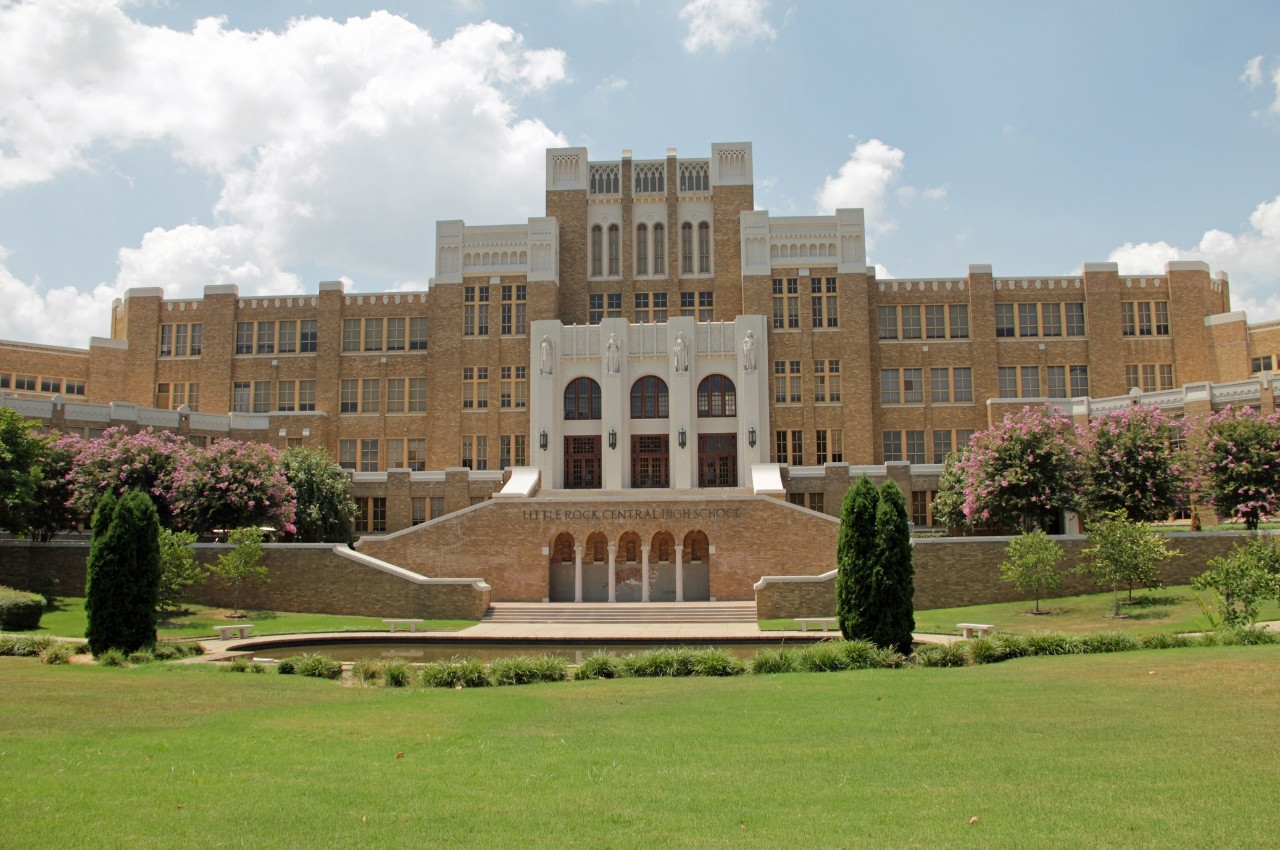
In 1957, nine Black students known as the “Little Rock Nine” faced violent opposition while integrating this school. According to the U.S. Department of the Interior, federal troops escorted them under President Dwight Eisenhower’s order to enforce desegregation. The confrontation marked a turning point in the fight for educational equality. Today, the school remains an active institution and National Historic Site, offering tours and educational programs. Its hallways, once battlegrounds of prejudice, now symbolize the triumph of courage over hatred and the continuing challenge of ensuring equal access to education.
6. Greensboro Sit-In Museum, North Carolina
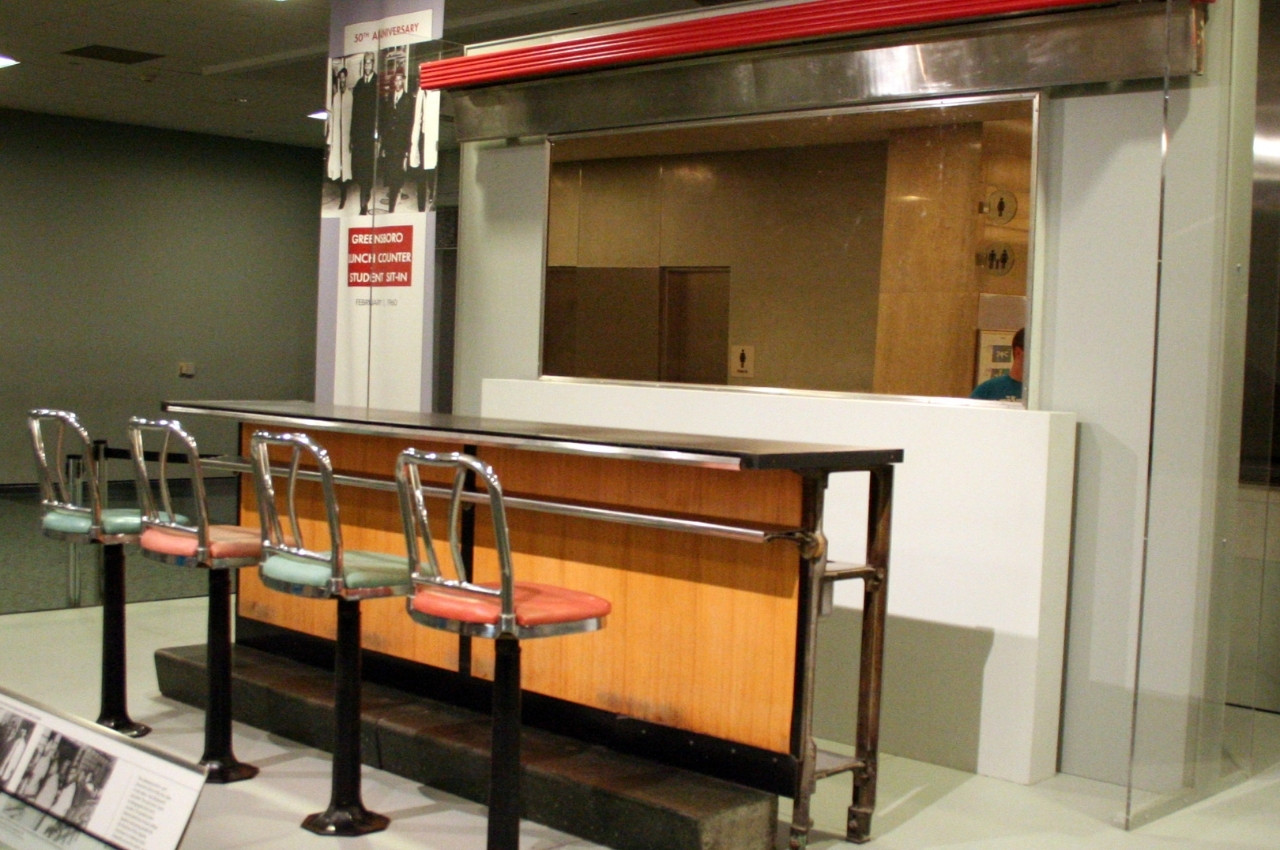
Located in the former Woolworth’s store, the International Civil Rights Center & Museum commemorates the 1960 Greensboro sit-ins. According to the museum’s archives, four college students from North Carolina A&T State University refused to leave a segregated lunch counter, sparking a nationwide nonviolent protest movement. The original counter and stools remain preserved, symbolizing peaceful resistance’s transformative power. The museum provides educational exhibits detailing how small acts of defiance can drive monumental change. This website serves as a reminder that courage frequently starts with simple choices to stand, sit, or pursue justice.
7. Medgar Evers Home Museum, Jackson, Mississippi
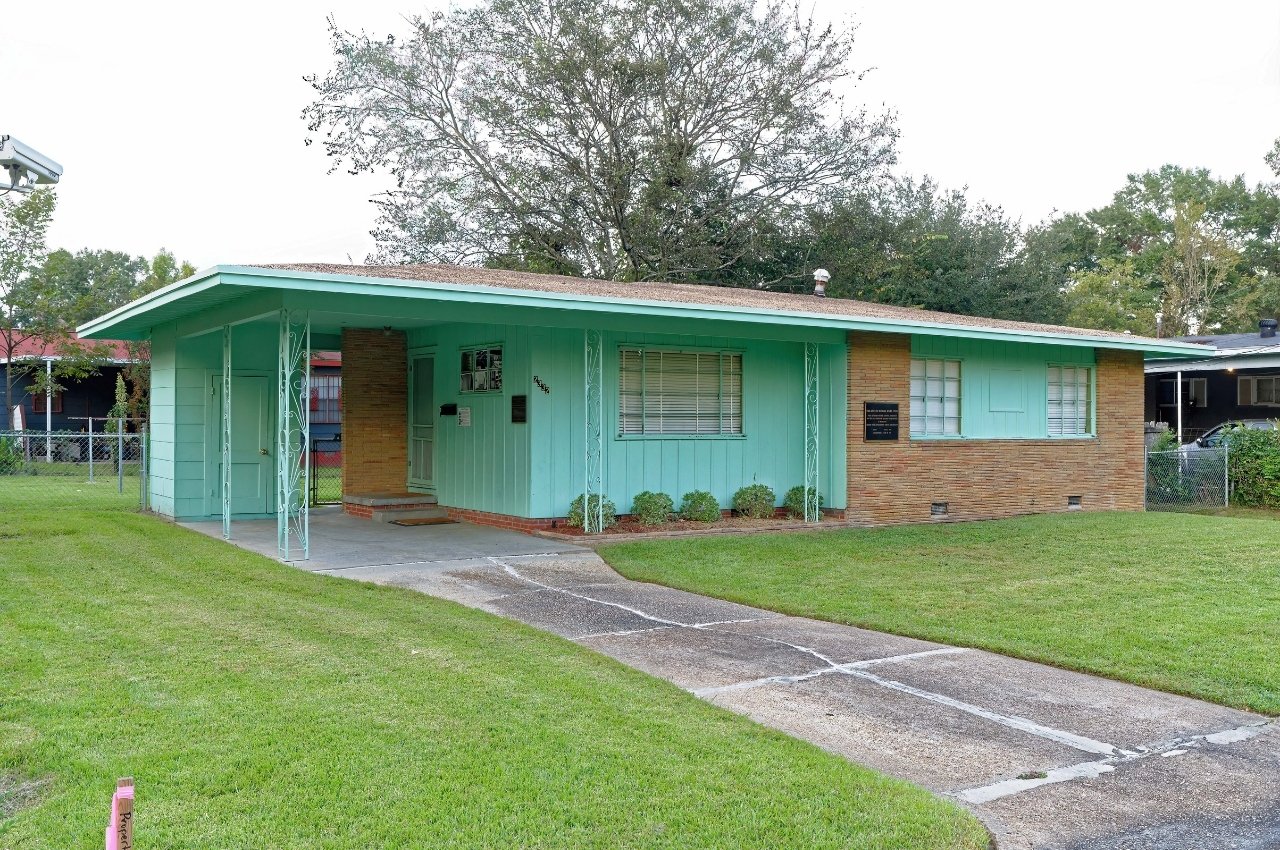
Civil rights leader Medgar Evers’ home stands as a powerful testament to personal sacrifice. According to the Mississippi Department of Archives and History, Evers was assassinated in his driveway in 1963 for his efforts to end segregation. The preserved residence offers insight into the domestic life of activists who lived under constant threat. Exhibits highlight Evers’ work with the NAACP and his influence on national civil rights legislation. The home’s modest appearance contrasts with its profound historical weight, reminding visitors that the struggle for freedom often unfolded in ordinary American neighborhoods.
8. Brown v. Board of Education National Historic Site, Topeka, Kansas
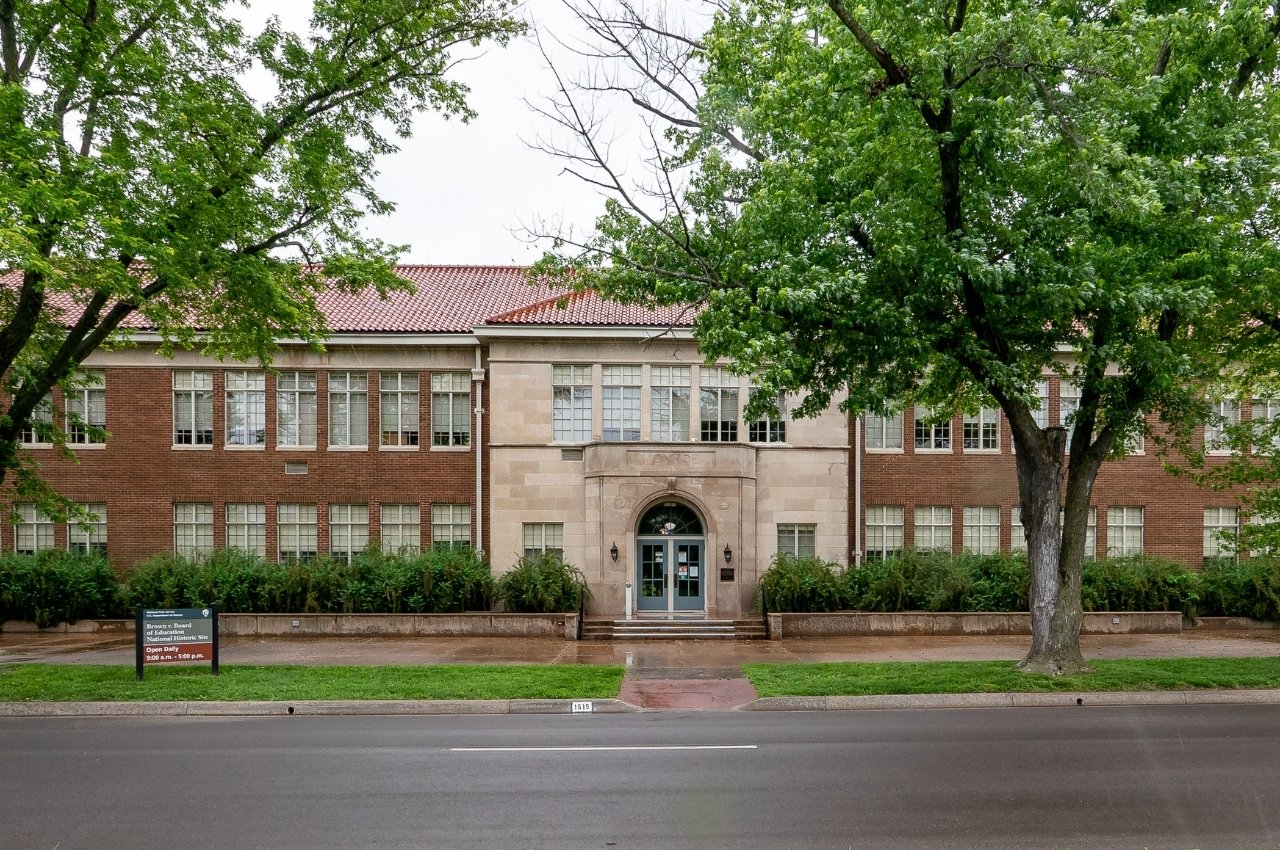
This site honors the 1954 Supreme Court ruling that declared racial segregation in public schools unconstitutional. The National Park Service claims that exhibits at the former Monroe Elementary School demonstrate how the case undermined the “separate but equal” doctrine. Visitors learn about the plaintiffs, teachers, and attorneys whose courage reshaped education nationwide. The landmark decision became a cornerstone of the Civil Rights Movement. Today, the site stands as both a legal and moral monument, emphasizing the power of collective action and the enduring pursuit of justice in American classrooms.
9. Freedom Riders National Monument, Anniston, Alabama
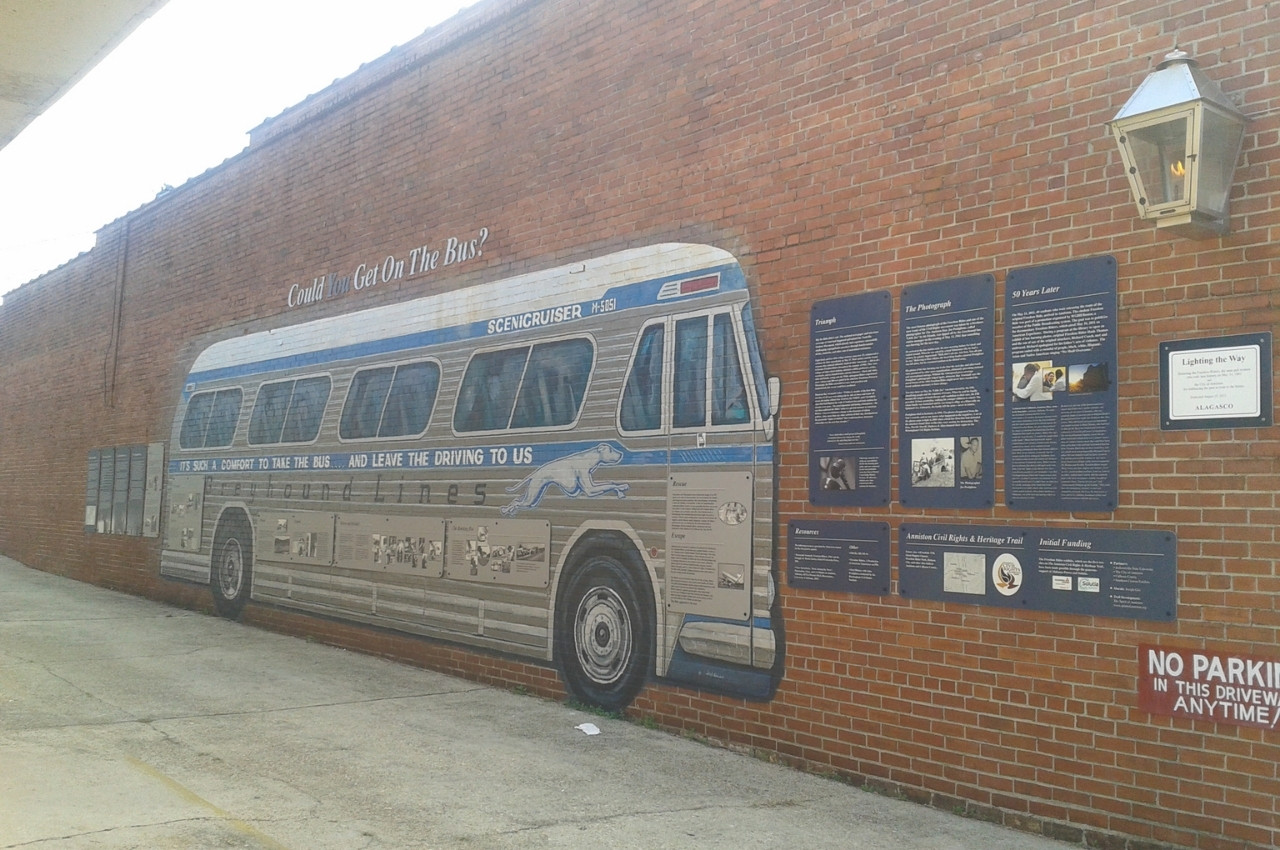
The Freedom Riders National Monument commemorates activists who challenged segregation on interstate buses in 1961. According to the U.S. Department of the Interior, their journey turned violent near Anniston, where a mob attacked and burned their bus. Despite severe injuries, the riders continued, forcing federal intervention to enforce desegregation laws. The monument preserves the attack site and Greyhound station as educational landmarks. Their courage demonstrated that justice often demands confronting hatred head-on, reinforcing that civil rights victories were earned through persistence, solidarity, and extraordinary moral strength under brutal opposition.
10. National Museum of African American History and Culture, Washington, D.C.
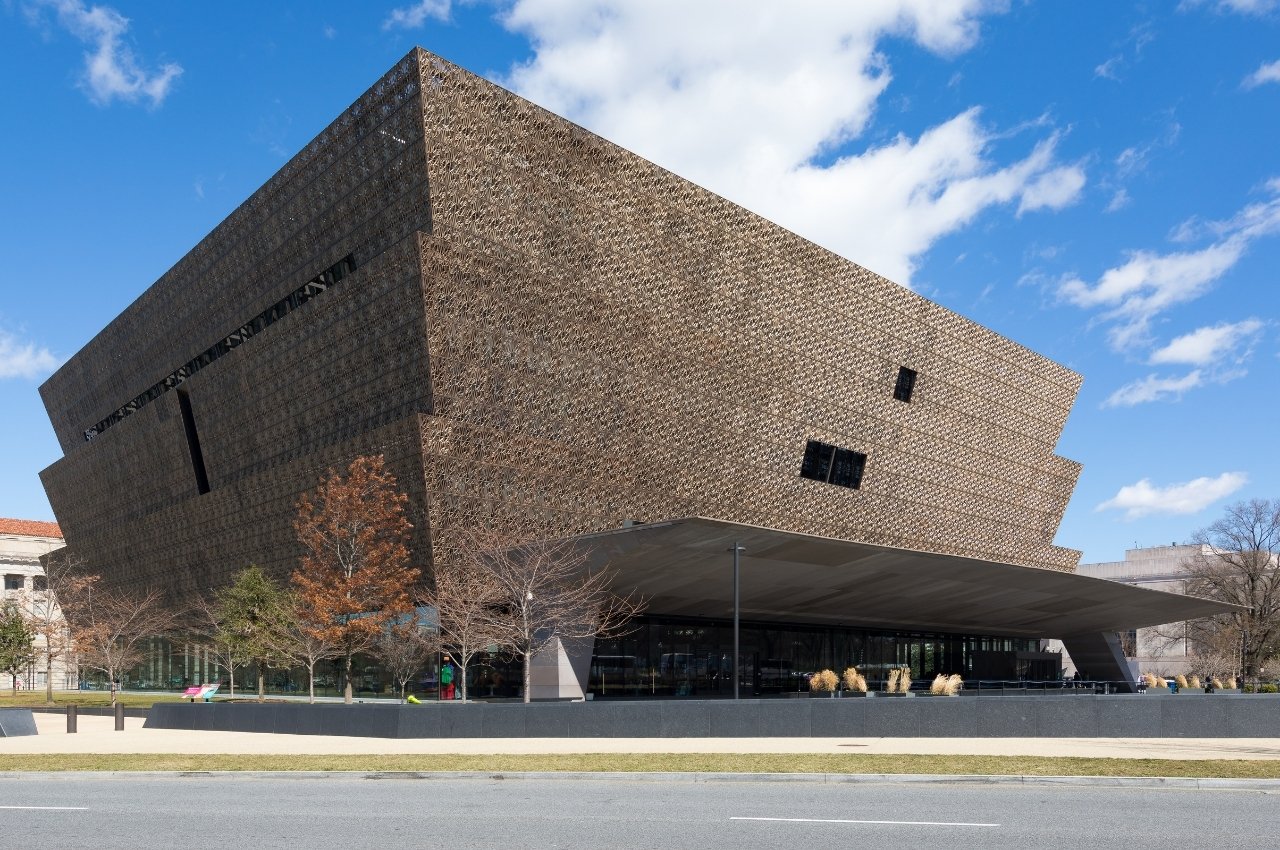
Opened in 2016, this Smithsonian museum encapsulates the African American experience from slavery to modern civil rights. According to the Smithsonian Institution, its collection includes over 40,000 artifacts documenting cultural resilience and innovation. Exhibits range from Harriet Tubman’s personal belongings to modern protest memorabilia. The building’s design, inspired by Yoruba art, symbolizes uplift and remembrance. As one of the most visited museums in the nation, it provides a comprehensive understanding of Black history’s central role in shaping America. The museum bridges past and present, turning remembrance into inspiration for equality.