

Canada is a vast country of towering mountains, sparkling lakes, dense forests, and vibrant, multicultural cities. Even experienced travelers can face challenges if they overlook small but important details. Sudden weather shifts, cultural differences, or logistical oversights can quickly turn a dream vacation into a stressful ordeal. By understanding common mistakes and how to avoid them, you can explore Canada’s breathtaking landscapes, lively festivals, charming towns, and hidden gems with ease, confidence, and unforgettable enjoyment.
1. Forgetting to Check the Weather

Canada’s weather can change rapidly, often within the same day. Mountain towns may shift from bright sunshine to heavy snow in hours, while coastal cities can experience sudden rainstorms or strong winds. Travelers unprepared for these fluctuations risk being cold, wet, or exhausted. Packing layers, waterproof gear, and checking local forecasts is essential. Staying weather-ready ensures comfort, safety, and uninterrupted enjoyment of city sights, scenic hikes, and outdoor adventures across the country.
2. Not Carrying Local Currency
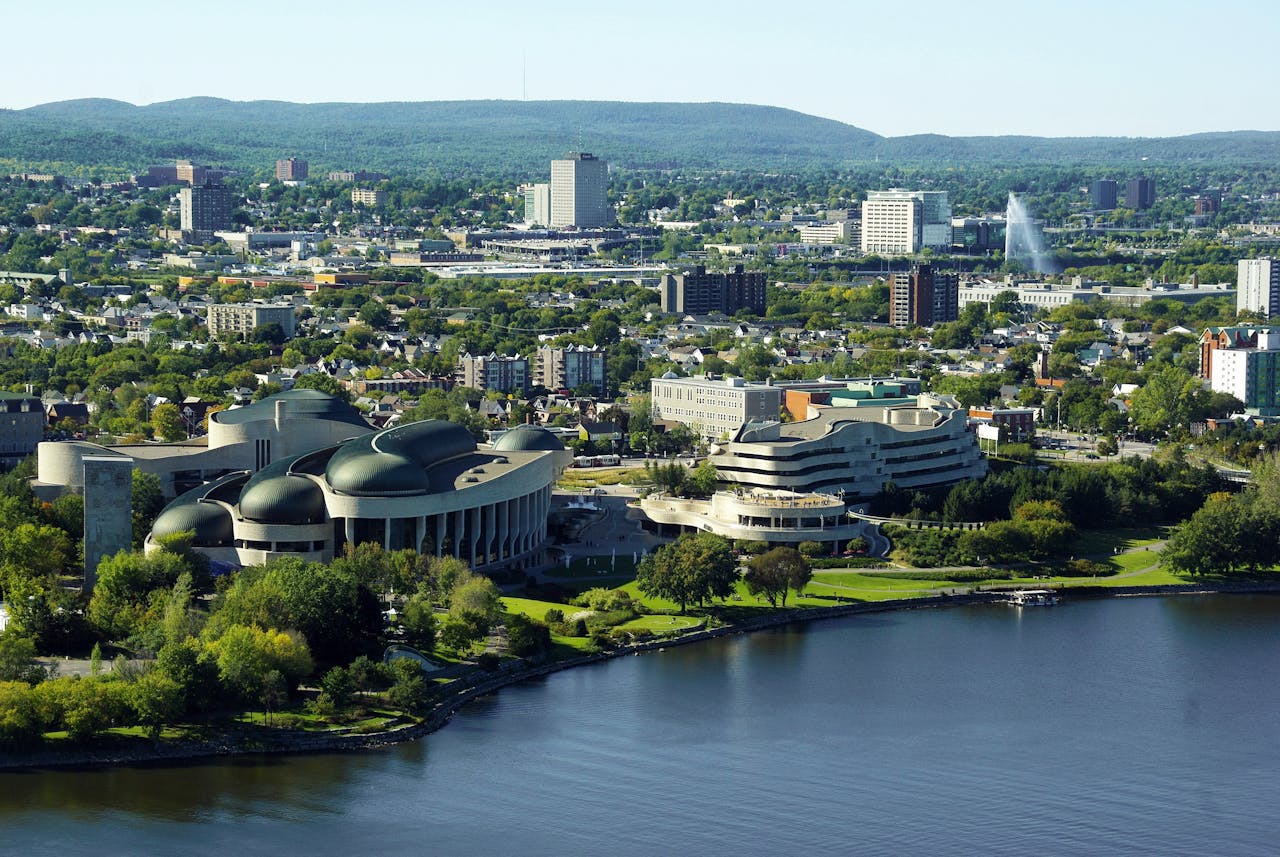
While most Canadians use credit or debit cards, rural shops, markets, and small cafés often prefer cash. Lacking local currency can prevent you from buying meals, souvenirs, or participating in local activities, sometimes forcing expensive ATM withdrawals. Carrying Canadian dollars ensures smoother transactions, supports small businesses, and allows spontaneous exploration. A modest amount of cash helps maintain convenience, making your experience more seamless, whether in cities or remote regions.
3. Assuming Everyone Speaks English

Canada is officially bilingual, with French widely spoken in Quebec and some regions of New Brunswick. Relying only on English may limit meaningful interactions outside major cities. Learning simple French phrases like “bonjour,” “merci,” or “s’il vous plaît” shows respect and often encourages friendlier responses from locals. Understanding language nuances enhances cultural experiences, eases daily interactions, and demonstrates appreciation for Canada’s linguistic diversity while traveling, making your visit more immersive and enjoyable.
4. Overlooking Tipping Etiquette

Tipping is a standard practice in Canada, typically ranging from 15 to 20 percent in restaurants, taxis, and some hotels. Even if service is slow or average, skipping a tip can be seen as rude or disrespectful. Including gratuities in your travel budget ensures smooth interactions and supports workers who rely on tips for income. Understanding and following local tipping customs enhances dining experiences, leaves a positive impression, and demonstrates respect for Canadian service culture throughout your visit.
5. Ignoring Wildlife Safety

Canada’s wildlife is stunning and diverse, but it can also be dangerous. Bears, moose, cougars, and other large animals inhabit forests, national parks, and sometimes suburban areas. Approaching them for photos or straying off marked trails increases the risk of injury. Carrying bear spray, maintaining a safe distance, and following posted signs are essential for safety. Observing animals responsibly protects both visitors and ecosystems, allowing you to enjoy Canada’s natural landscapes without causing harm.
6. Skipping Travel Insurance

Canada offers excellent healthcare, but visitors can face very high costs for emergencies or medical treatment. Accidents, sudden illnesses, or even lost luggage can quickly become expensive problems. Travel insurance covers medical expenses, trip cancellations, and unforeseen disruptions, providing peace of mind. With proper coverage, travelers can explore mountains, cities, and forests without worrying about costs, keeping their journey focused on safety, adventure, and enjoyment for a relaxed and confident experience.
7. Underestimating Travel Distances
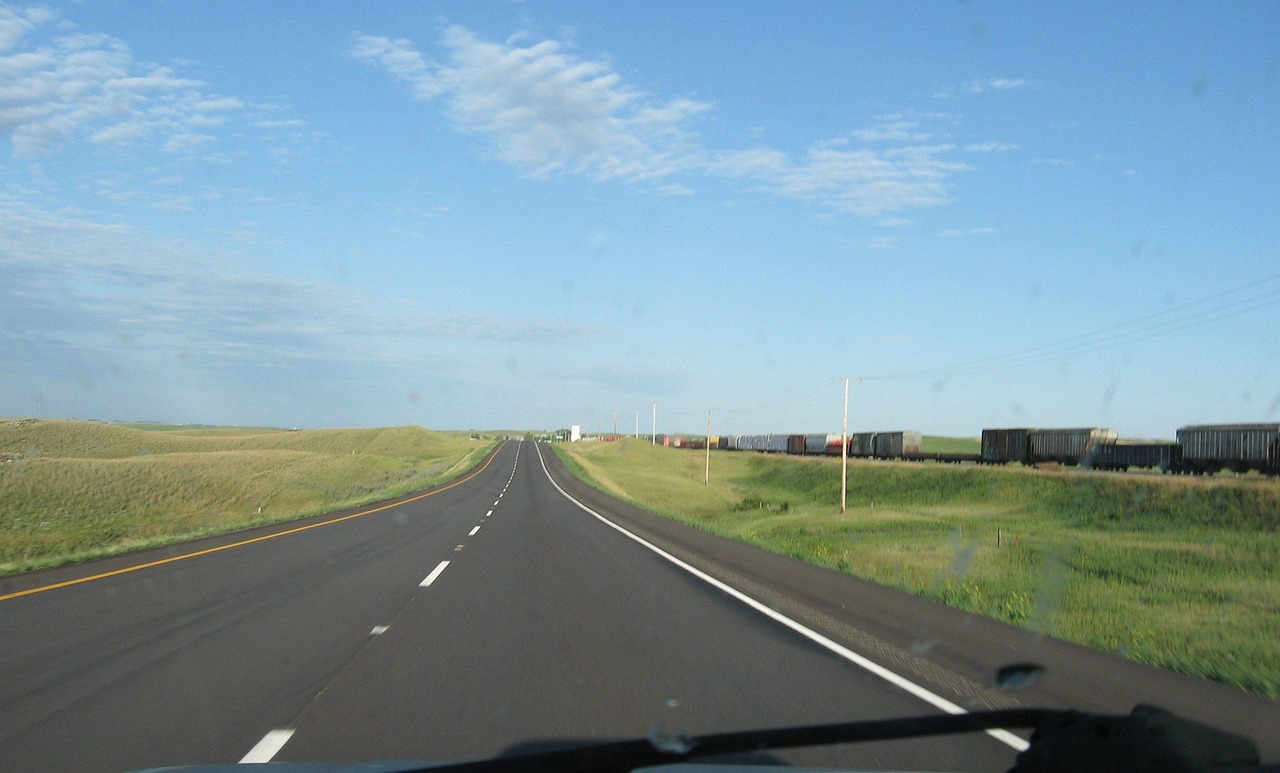
Canada is an immense country, and traveling between major cities can take significant time. For instance, driving from Toronto to Vancouver covers over 4,300 kilometers and requires several days of travel. Underestimating distances can lead to fatigue, missed reservations, and rushed sightseeing. Planning realistic itineraries, using flights or trains for long journeys, and scheduling rest stops ensures safe and enjoyable travel. Awareness of distances allows travelers to fully experience each region’s landscapes, culture, and attractions without stress.
8. Assuming All Tap Water Is Drinkable
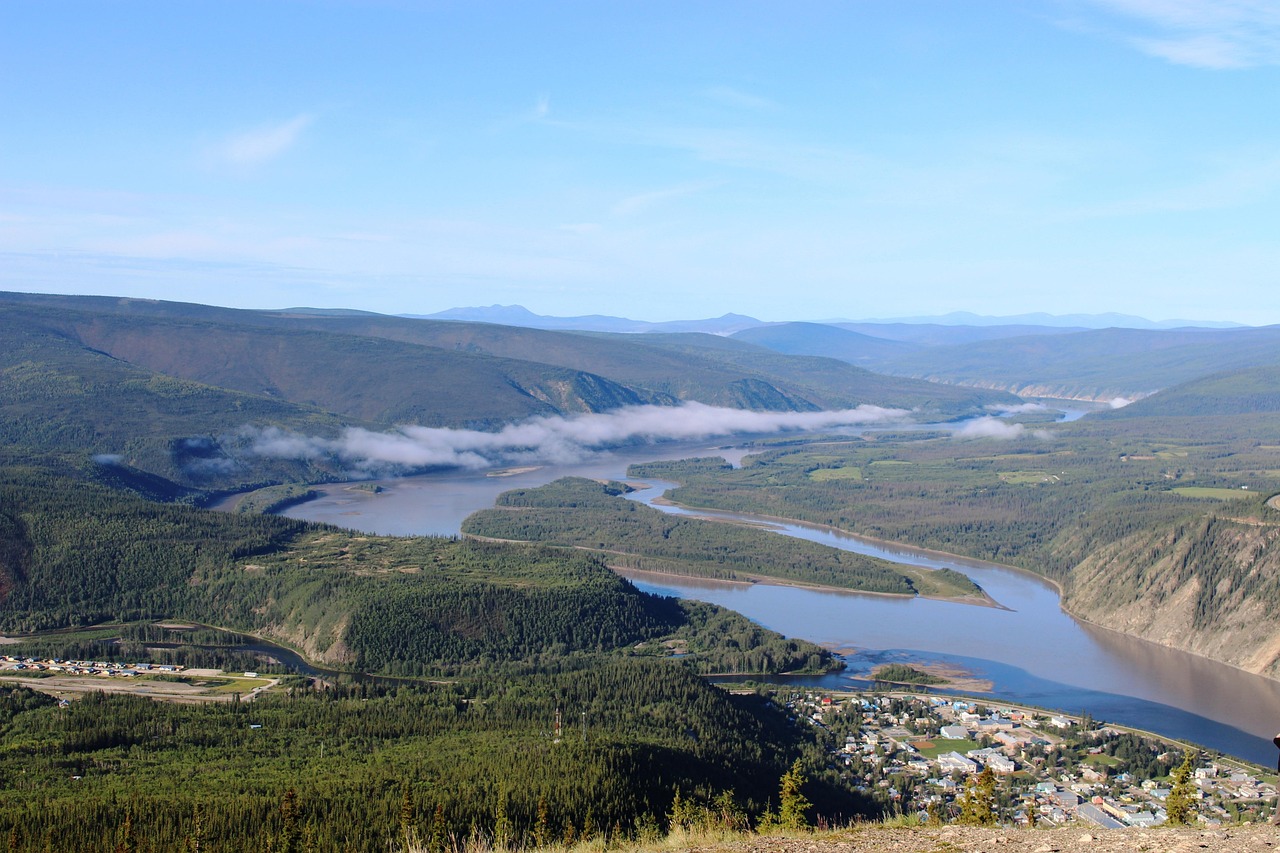
Canada’s tap water is generally safe to drink, but in some remote or rural regions, advisories may be issued due to contamination or aging infrastructure. Relying only on tap water in these areas can be risky. Carrying a refillable water bottle and staying updated on local notices ensures proper hydration and protects your health. Being mindful of water quality is especially important when hiking, camping, or exploring small towns, helping prevent illness and allowing you to enjoy outdoor adventures and urban activities without interruption.
9. Neglecting Public Transit Options
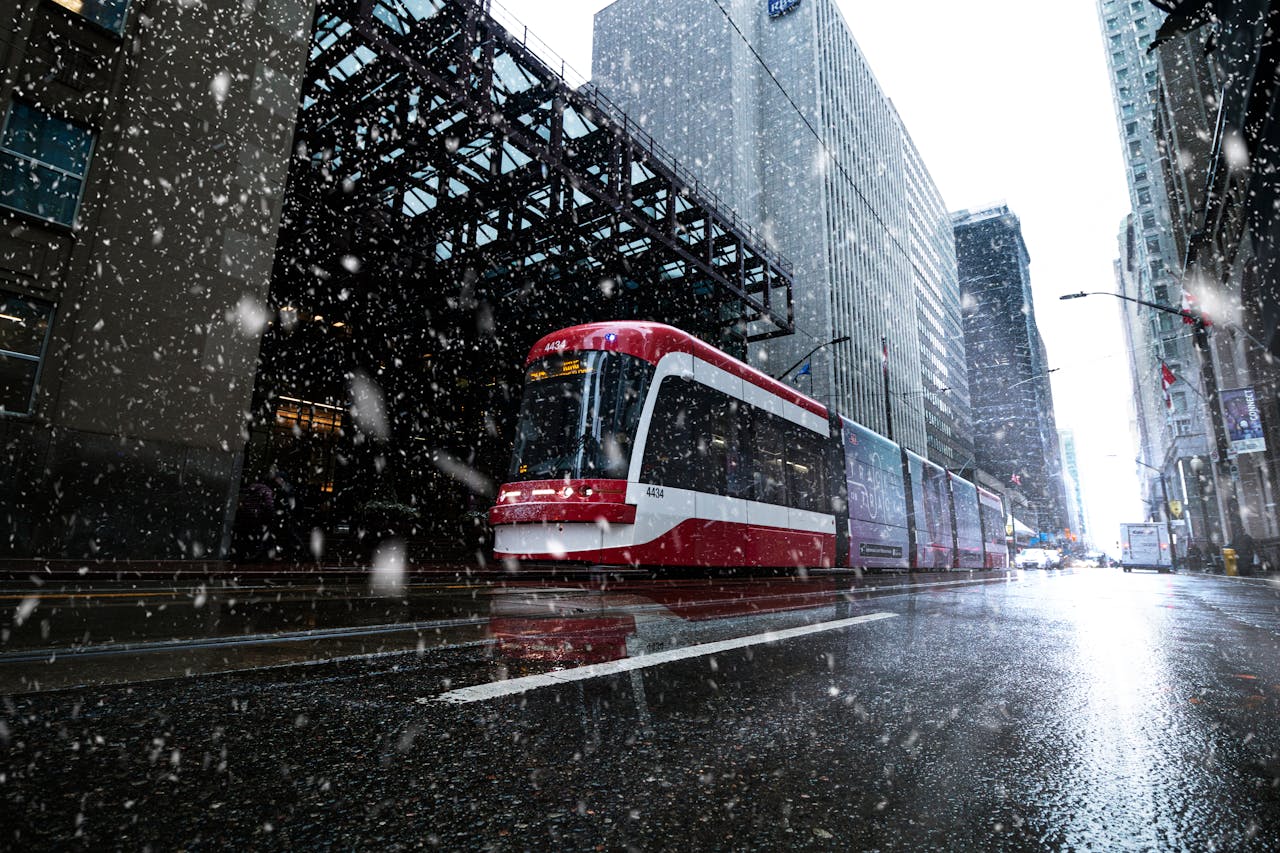
Major Canadian cities such as Toronto, Montreal, and Vancouver offer well-developed and reliable public transit systems, including buses, subways, and commuter trains. Renting a car in these busy urban areas can be costly, stressful, and inconvenient due to traffic congestion and limited parking. Learning transit routes, schedules, and fare systems is often faster, more affordable, and practical. Using public transit allows travelers to explore neighborhoods, uncover hidden gems, experience city life authentically, and reduce environmental impact while saving time and money.
10. Not Respecting Indigenous Lands and Culture

Many of Canada’s most popular tourist destinations are located on Indigenous lands with deep cultural and spiritual significance. Ignoring posted rules, taking unauthorized photos, or overlooking local customs can be disrespectful and harmful. Learning about the history, joining guided cultural tours, and following community guidelines demonstrate respect. Engaging responsibly not only supports Indigenous communities but also creates meaningful, authentic experiences, allowing travelers to connect with the land and its culture safely and thoughtfully.
11. Overpacking or Underpacking

Canada’s climate requires thoughtful packing. Winters bring freezing temperatures and heavy snow, while summers can be surprisingly hot, especially in the prairies. Underpacking leaves you unprepared; overpacking is cumbersome. Layered clothing, versatile footwear, and items suitable for city and outdoor activities provide balance. Proper packing ensures flexibility, comfort, and readiness for sudden weather changes or unexpected adventures, helping your trip stay smooth and enjoyable.
12. Forgetting to Validate Passports and Visas
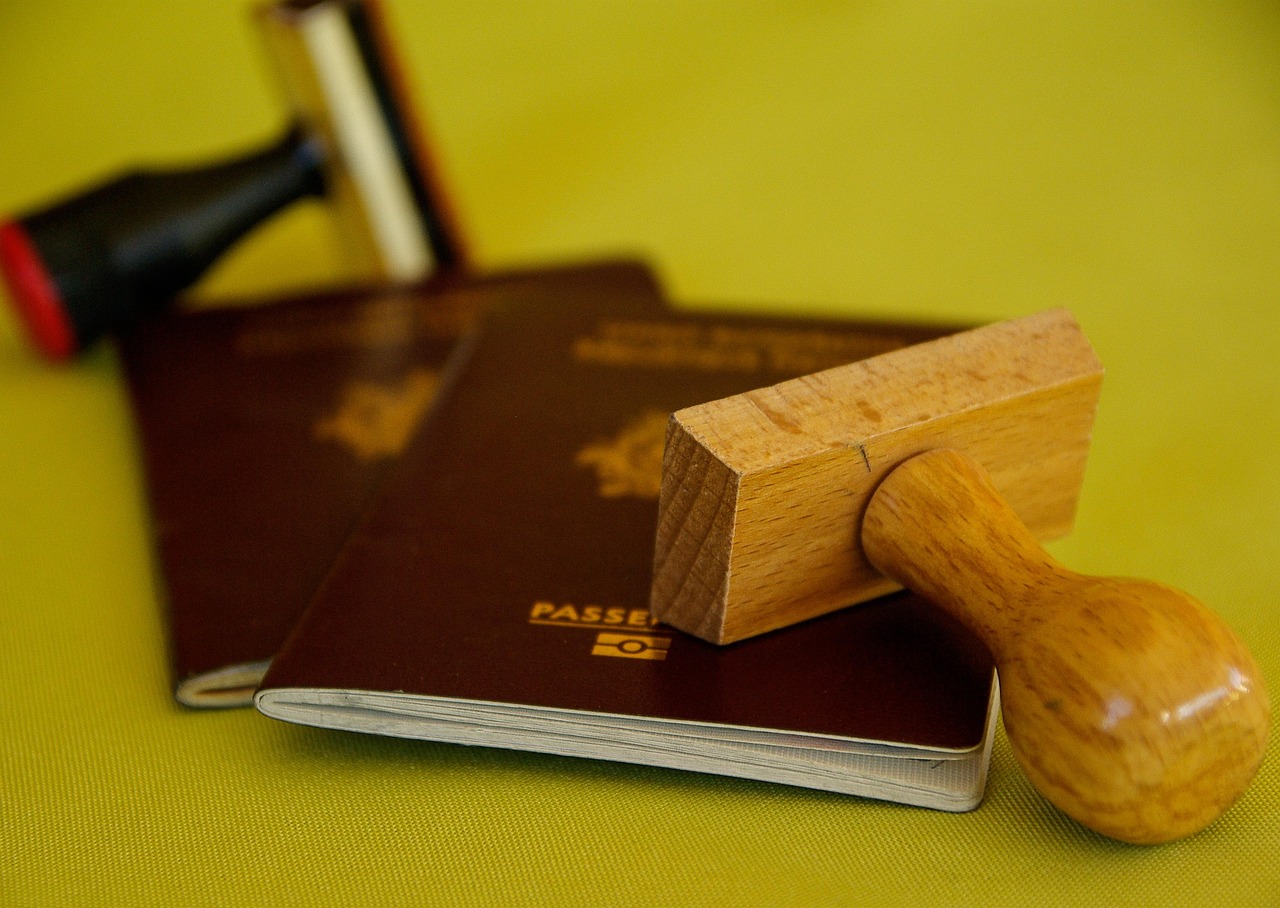
Many travelers assume entering Canada is straightforward, but requirements vary by nationality. Some visitors need a valid passport along with an Electronic Travel Authorization (eTA) or visa. Forgetting or overlooking these essentials can lead to denied entry, delays, or canceled plans. Checking and preparing all documents well in advance ensures smooth border crossings. This allows travelers to begin their Canadian adventure confidently, focusing on exploring cities, national parks, cultural sites, and scenic landscapes without unnecessary stress.
13. Disregarding Local Driving Laws
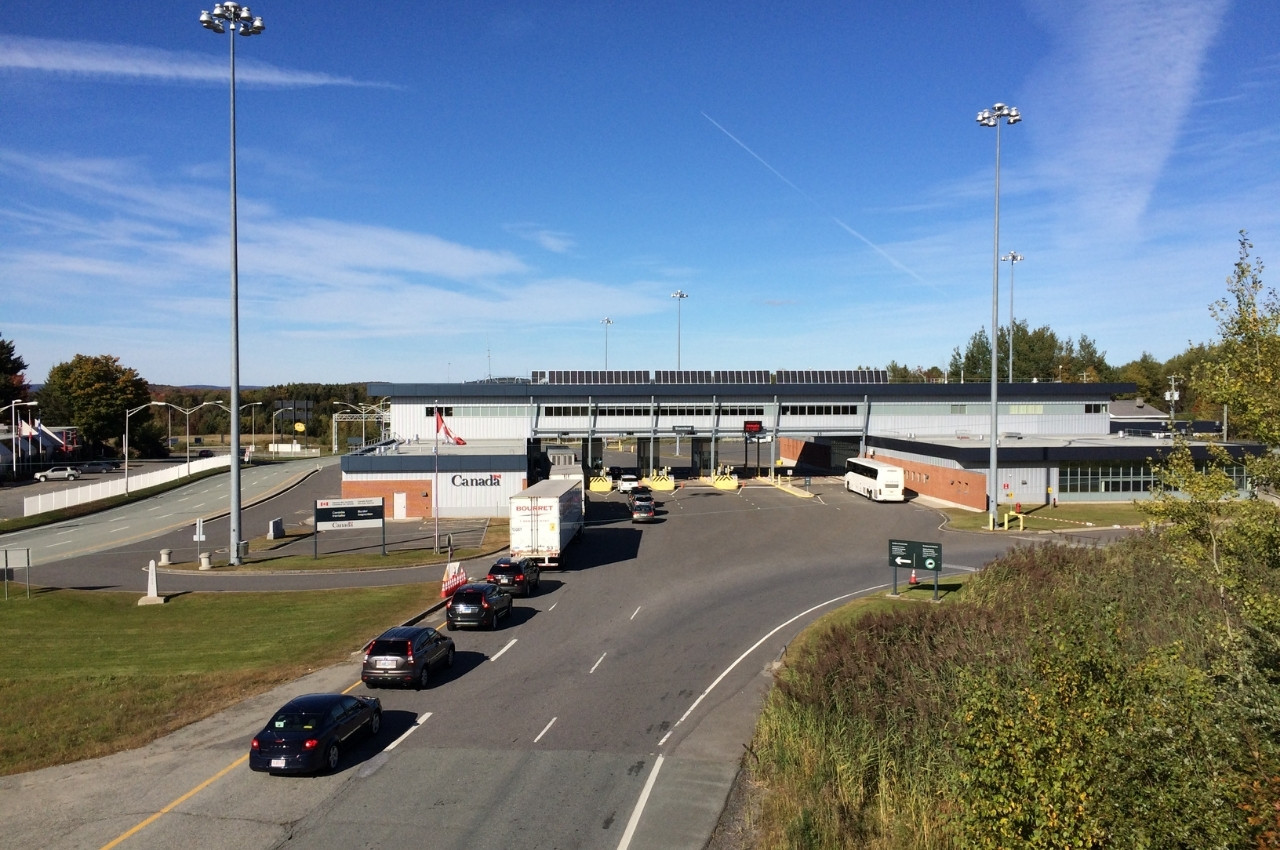
Driving regulations differ across provinces, including speed limits, alcohol restrictions, and cellphone rules. Winter roads may be icy and dangerous. Ignoring local laws risks accidents or fines. Renting winter-ready vehicles, planning routes carefully, and understanding road conditions ensures safety. Being informed allows scenic drives, national park visits, and remote area exploration without worry, making driving a safe and enjoyable part of your Canadian adventure.
14. Skipping Seasonal Experiences

Canada’s landscapes and cities change dramatically with the seasons, offering unique experiences year-round. Autumn paints forests and parks in vibrant reds, oranges, and golds, while winter transforms mountains and towns into sparkling snowy wonderlands perfect for skiing and festivals. Spring brings colorful blooms and rejuvenated wildlife, and summer offers long days, lively festivals, and outdoor adventures. Planning trips around these seasonal highlights ensures travelers fully experience the country’s beauty and cultural richness, creating unforgettable memories tied to each time of year.
15. Expecting U.S.-Style Convenience Everywhere

Canada is a modern and developed country, but its rural and remote areas can feel surprisingly isolated. Gas stations, restaurants, grocery stores, and internet access may be limited or spread far apart. Travelers expecting U.S.-style convenience can become frustrated or unprepared. Planning, carrying essential supplies, and embracing the slower pace ensure comfort and safety. This approach also allows visitors to fully appreciate Canada’s vast open landscapes, serene towns, and unspoiled natural beauty, turning potential challenges into rewarding experiences.