

The South is rich in culture, traditions, and charm, but even the most well-meaning Northerners can unknowingly ruffle feathers. From playful mispronunciations to casual assumptions about food, accents, or habits, certain comments instantly irritate Southerners. These phrases may seem harmless, but they touch on identity, pride, and deeply rooted customs. Understanding the nuances behind Southern etiquette and lifestyle not only prevents awkward moments but also fosters respect, connection, and appreciation for this vibrant region.
1. “Y’all” Isn’t Real Grammar

When Northerners attempt to use “y’all,” it can feel forced or inauthentic. Southerners view it as a natural part of their regional dialect, reflecting history, community, and identity. Mispronouncing or overemphasizing it can come across as mocking rather than playful. Language in the South carries cultural weight, and using it incorrectly highlights a lack of understanding of local nuances. This seemingly simple word represents pride, belonging, and tradition, making improper usage surprisingly irritating.
2. “It’s Hot Everywhere”

Claiming “it’s hot everywhere” dismisses the intensity of Southern heat and humidity. Unlike dry northern summers, Southern weather combines high temperatures with oppressive moisture, affecting daily life, sleep, and outdoor activities. Oversimplifying this climate can make locals feel misunderstood. Southern residents experience heat in a way that shapes routines, wardrobe choices, and even social interactions, so acknowledging the difference shows respect for lived experiences rather than assuming all heat is the same.
3. “Southern Food Isn’t Healthy”
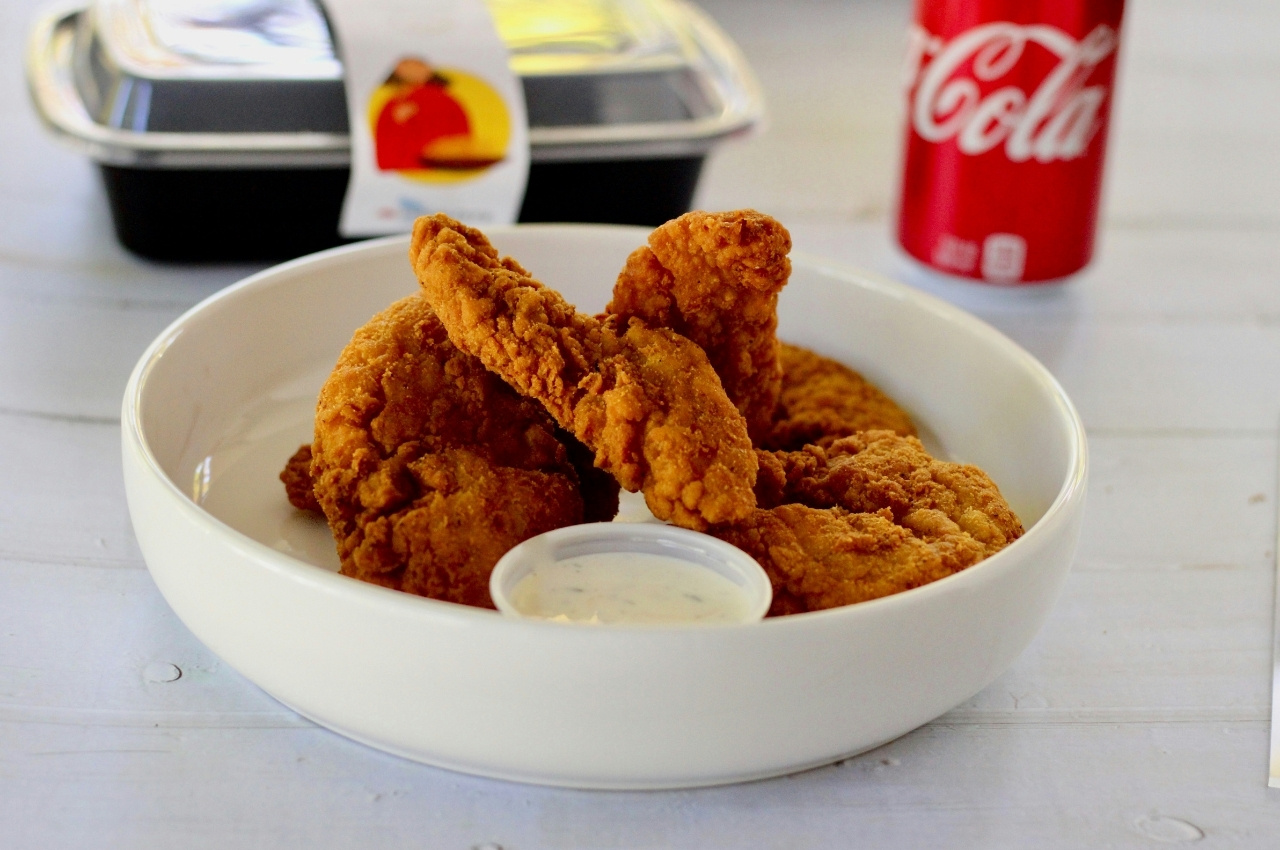
Critiquing Southern cuisine as unhealthy overlooks the history, culture, and community behind it. Dishes like fried chicken, collard greens, and biscuits are deeply rooted in family traditions and regional ingredients. While some meals may be indulgent, Southern cooking is about comfort, hospitality, and heritage. Framing it as inferior disregards the creativity and care involved in preparation. Understanding the cultural significance of these foods highlights why such comments can feel dismissive and culturally insensitive.
4. “You Drive Too Slow”

Northern impatience with Southern driving can be frustrating for locals who prioritize caution and safety. Rural roads, wildlife, and weather conditions influence speed and driving habits. Criticizing these behaviors implies judgment and a lack of understanding of the local context. Southerners often navigate challenging terrain thoughtfully, balancing efficiency with safety. Recognizing that driving norms vary regionally helps avoid friction and shows respect for different lifestyles and priorities on the road.
5. “Southern Accents Are Cute”

Calling a Southern accent “cute” may seem complimentary, but it can feel diminutive. Accents carry history, identity, and social connection, and reducing them to a novelty ignores this significance. Many Southerners take pride in their way of speaking, which reflects generations of culture, storytelling, and community. Using terms like “cute” can come across as patronizing, signaling that the speaker views the accent as charming rather than appreciating it as an authentic linguistic tradition.
6. “Everyone Rides Horses”

Assuming that all Southerners live on farms and ride horses is a common misconception. While rural areas exist, the South is diverse, with thriving urban centers, technology hubs, and varied lifestyles. Generalizations like this erase modern realities and suggest ignorance of contemporary Southern life. Southerners value their individuality and the mix of urban, suburban, and rural experiences. Recognizing this diversity fosters understanding and avoids perpetuating outdated stereotypes that oversimplify the region.
7. “All Southerners Are Conservative”

Assuming every Southerner shares the same political beliefs overlooks a spectrum of ideologies and personal values. The South is home to a wide range of perspectives shaped by education, history, and generational differences. Reducing an entire region to a single political identity erases individuality and can be offensive. Respecting personal beliefs and acknowledging diversity allows for more meaningful conversations and prevents alienation or judgment based on oversimplified assumptions.
8. “You Say ‘Bless Your Heart’”

Northern misinterpretations of “bless your heart” often miss its nuance. Depending on tone and context, it can convey sympathy, kindness, or polite sarcasm. Mocking or misreading the phrase can be frustrating, as it is a cornerstone of Southern communication and etiquette. Understanding its subtlety demonstrates cultural awareness and respect. The phrase embodies humor, social navigation, and emotional intelligence, making it more than just words; it’s a reflection of regional social norms.
9. “Barbecue Is Just Meat”

Dismissing Southern barbecue as simply “meat” fails to appreciate the skill, tradition, and regional pride involved. Slow-smoking techniques, signature sauces, and careful seasoning make barbecue a culinary art form. It’s often tied to family, community events, and local culture. Oversimplifying it ignores these layers of significance. Southerners see barbecue as an expression of heritage and hospitality, so reducing it to a basic meal overlooks the craftsmanship and meaning behind each dish.
10. “You Must Love Sweet Tea”

Assuming every Southerner drinks sweet tea reinforces a stereotype and ignores individual preferences. While sweet tea is widely enjoyed, many residents have different tastes, and not everyone drinks it regularly. Reducing Southern culture to a single beverage oversimplifies its rich traditions, cuisine, and daily life. Acknowledging diversity within shared cultural practices shows respect for individuality, prevents frustrating generalizations, and highlights the complexity and variety that make Southern culture unique and vibrant.
11. “You Pronounce Things Wrong”

Correcting Southern pronunciations like “pecan” or “caramel” can feel condescending. These pronunciations reflect regional dialects shaped by history, migration, and community. Critiquing them implies superiority and may suggest mockery rather than curiosity. Southerners value their linguistic heritage, which communicates identity and belonging. Respecting pronunciation differences acknowledges cultural diversity and prevents the annoyance that arises from treating speech patterns as errors rather than meaningful variations.
12. “Everything’s About Football”

Assuming Southerners focus only on football overlooks the wide range of interests and lifestyles in the region. While football holds cultural importance, the South is also vibrant with music, arts, festivals, education, and diverse hobbies. Reducing the region to a single pastime is both inaccurate and dismissive of its complexity. Appreciating the multifaceted nature of Southern life fosters understanding and respect, ensuring that stereotypes don’t overshadow the richness, creativity, and cultural depth present throughout the region.
13. “The South Is Backward”

Calling the South backward ignores the region’s modern achievements in technology, education, and culture. While historical challenges shaped perceptions, today’s Southern cities, industries, and communities are diverse, innovative, and dynamic. This stereotype dismisses economic growth, urban development, and cultural contributions, making it insulting and inaccurate. Approaching the South with curiosity and nuance rather than judgment encourages respect and highlights the richness, complexity, and ongoing evolution of the region.
14. “You All Say ‘Yes Ma’am’ and ‘No Sir’ Too Much”

Highlighting Southern politeness as excessive can be frustrating. Phrases like “yes ma’am” and “no sir” reflect respect, manners, and tradition. Critiquing them may feel like mocking cultural values that emphasize courtesy and social harmony. Understanding that these expressions are rooted in upbringing, etiquette, and community norms demonstrates cultural sensitivity and prevents annoyance, showing that politeness is an integral part of Southern social interaction rather than overuse.