

As the world fully reopens and technology reshapes how we explore, travel in 2025 is becoming more mindful, immersive, and sustainable. According to Travel + Leisure, travelers are shifting from bucket-list sightseeing to meaningful, purpose-driven experiences. From eco-conscious accommodations to AI-powered planning, the industry is adapting to a generation that values authenticity over luxury. Whether it’s remote island escapes, train journeys, or slow tourism, 2025 promises a reinvention of how people connect with the planet. These ten travel trends are setting the course for a new era of global exploration.
1. Regenerative Tourism

Regenerative tourism goes beyond sustainability by actively improving destinations rather than merely preserving them. According to the World Economic Forum, travelers now seek experiences that restore ecosystems and benefit local communities. Resorts are investing in coral reef restoration and carbon-negative operations, while tour operators partner with conservation groups. From Costa Rica’s eco-lodges to Indonesia’s rewilding programs, regenerative tourism invites visitors to participate in healing the planet. The trend reflects a cultural shift toward responsible travel, where positive impact, not indulgence, defines a truly memorable journey.
2. Workcations and Nomadic Living

Remote work is reshaping travel patterns across the globe. According to Forbes Travel Guide, an increasing number of professionals are blending productivity with leisure by booking long-term stays in scenic destinations. Countries like Portugal, Thailand, and Barbados now offer digital nomad visas, while coworking resorts provide modern amenities amid beaches or mountains. This lifestyle appeals to workers seeking balance, cultural immersion, and creativity. As hybrid jobs become the norm, workcations are transforming travel from a temporary escape into a sustainable, flexible way of living year-round.
3. Heritage and Ancestry Travel

More travelers are journeying to uncover their roots and personal histories. According to National Geographic, DNA-testing companies have sparked curiosity about ancestral homelands, leading to cultural tours across Europe, Africa, and Asia. Travelers are visiting archives, family villages, and historic landmarks to connect with their heritage. Tour operators now specialize in genealogy trips that blend research with storytelling. This trend reflects a growing desire for identity-based exploration, turning travel into a personal quest for belonging and meaning rather than simple recreation or sightseeing.
4. Sleeper Trains and Slow Travel

As flight emissions face scrutiny, many are rediscovering the romance of rail travel. According to The Guardian, Europe and Asia are seeing a resurgence of sleeper trains with luxurious amenities and scenic routes. Travelers favor unhurried journeys that emphasize connection over convenience. Routes like Vienna to Paris and Tokyo to Sapporo are thriving as passengers embrace slower, more sustainable mobility. The rise of slow travel reflects a cultural pivot toward mindfulness, proving that getting there can be as enriching as the destination itself in 2025.
5. AI-Assisted Itinerary Planning

Artificial intelligence is transforming how trips are designed and experienced. According to Skift Research, travelers increasingly use AI tools for real-time recommendations, budget optimization, and language translation. Apps now create dynamic itineraries that adjust to weather, crowds, and personal interests. This technology enables more spontaneous and personalized adventures while reducing planning stress. However, experts warn that human intuition still matters. AI complements rather than replaces curiosity, helping travelers focus less on logistics and more on discovery. The future of travel is becoming smarter, seamless, and deeply intuitive.
6. Wellness and Longevity Retreats

Wellness travel is expanding into longevity-focused experiences that blend science and serenity. According to Condé Nast Traveler, travelers now seek retreats offering medical diagnostics, sleep therapy, and mindfulness training. Destinations like Iceland, Bali, and Switzerland are leading this movement by combining spa luxury with evidence-based wellness. The focus has shifted from pampering to prevention, with personalized programs designed to enhance vitality and mental health. As stress and burnout rise globally, 2025’s wellness tourism promises healing journeys rooted in both ancient wisdom and modern innovation.
7. Space Tourism and Edge-of-Earth Adventures

Space tourism is no longer a fantasy but an emerging luxury experience. According to Reuters, private companies like SpaceX and Blue Origin plan more commercial suborbital flights in 2025. For those not ready to leave the planet, extreme travel options such as polar diving and volcano hiking offer Earth-bound thrills. These adventures cater to elite travelers chasing the extraordinary. As frontiers expand beyond Earth’s atmosphere, humanity’s desire to explore remains limitless, redefining what “destination” means in an age of cosmic curiosity and high-tech travel.
8. Micro-Cations and Local Escapes

Short, spontaneous getaways are becoming more popular as travelers seek quick mental resets. Expedia’s 2025 Travel Report states that flexible schedules and reasonably priced travel options are driving an increase in micro-cations, or trips lasting three days or less. Local experiences such as glamping, vineyard stays, and heritage walks offer rejuvenation without long flights. This trend underscores the growing value of proximity and simplicity, proving that adventure can be found close to home. In 2025, travel is no longer measured in miles but in moments that feel restorative and real.
9. Culinary Tourism with a Purpose
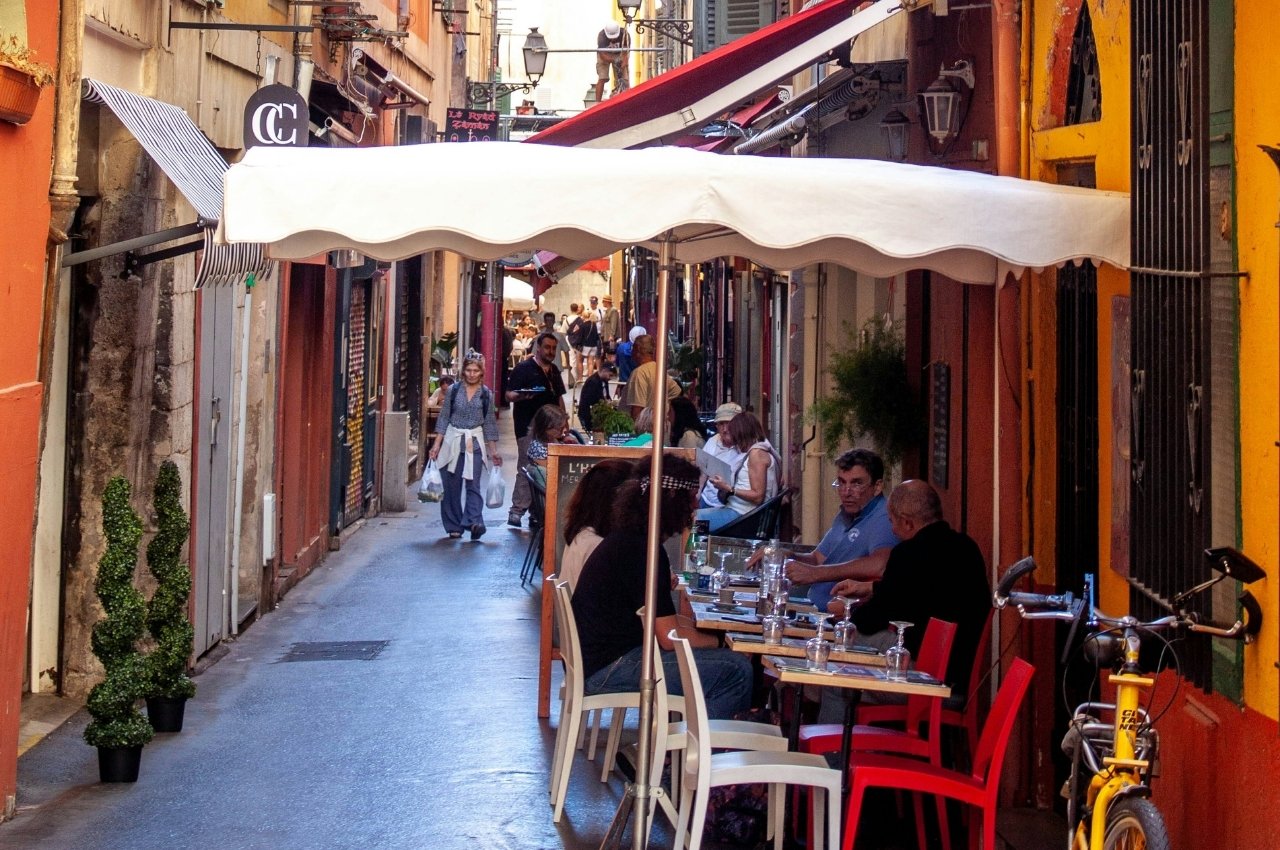
Food is becoming a gateway to cultural understanding. According to The New York Times, travelers now prioritize immersive food experiences such as foraging, farm stays, and regional cooking classes. Travelers can establish a direct connection with the land and its inhabitants through sustainable dining, which uses seasonal and local ingredients. Michelin chefs and indigenous cooks alike are leading movements that celebrate authenticity over opulence. Culinary tourism in 2025 reflects a deep respect for heritage, sustainability, and storytelling, transforming meals into meaningful acts of exploration and cultural preservation across continents.
10. Climate-Conscious Destinations

As awareness of environmental impact grows, destinations themselves are evolving to meet new expectations. According to the United Nations World Tourism Organization, cities like Copenhagen, Vancouver, and Wellington are setting global standards for carbon-neutral tourism. Green architecture, renewable energy, and local sourcing are becoming key attractions. Travelers are choosing places that reflect their values, aligning leisure with responsibility. Climate-conscious travel marks a shift from individual choices to collective action, reminding us that the way we move through the world can protect it for generations to come.