

Tinkering with home wiring can feel empowering, especially when it saves the cost of hiring an electrician. But not every electrical fix is safe or legal to handle on your own. Some projects, if done without proper permits or inspections, can lead to serious safety risks, code violations, and hefty fines. What may start as a harmless repair could end up causing electrical fires, insurance issues, or costly penalties. Before you grab your toolbox, it’s worth knowing which electrical jobs are best left to the pros.
1. When You Touch the Heart
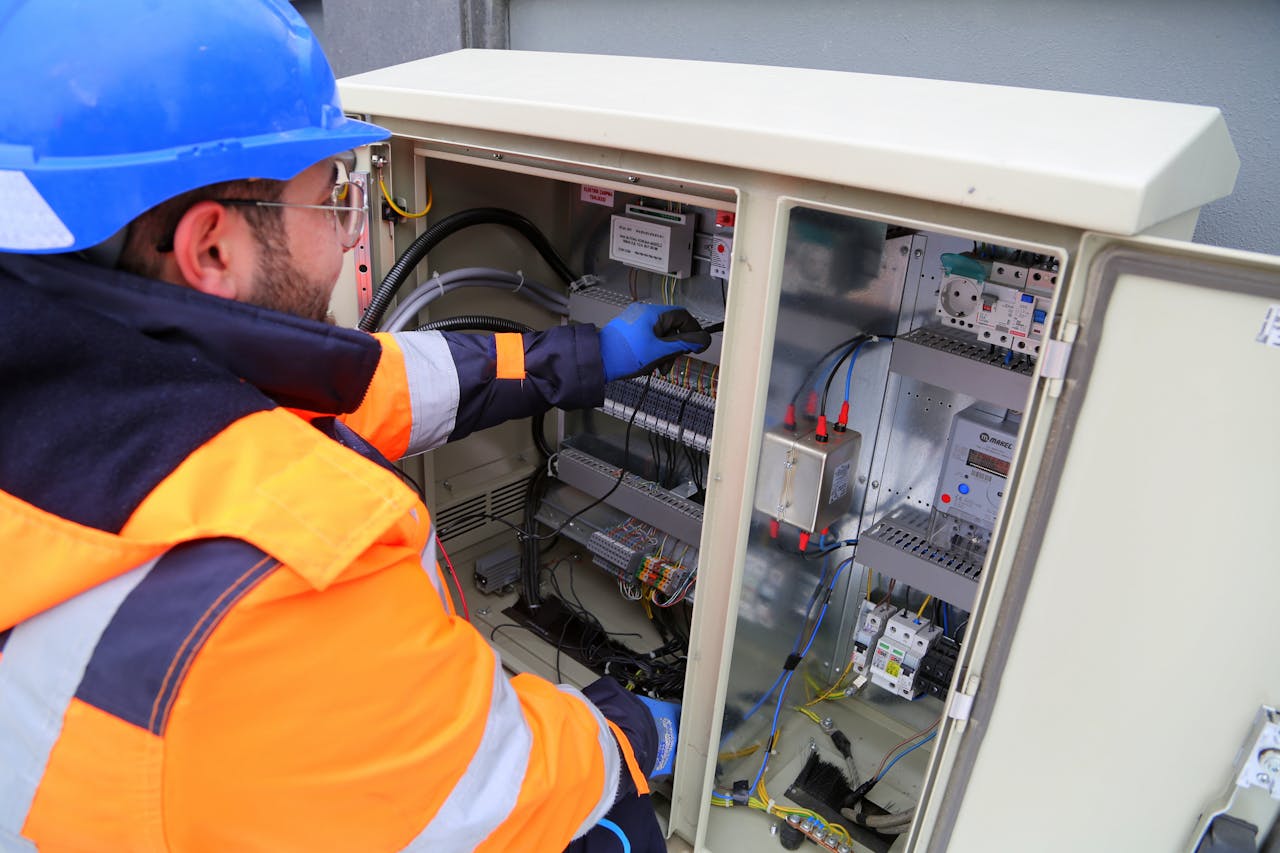
Upgrading your service panel might seem like a smart way to boost power capacity, but it’s one of the most heavily regulated electrical projects. The panel is the heart of your home’s electrical system, distributing power safely across all circuits. Even small errors like incorrect breaker sizing or poor grounding can trigger fires or cause serious shocks. That’s why most areas require a licensed electrician and an official permit. Doing this without approval can lead to fines, inspection failures, or even denied insurance claims.
2. Branching Out
Adding new circuits or a subpanel might appear simple, but it’s actually a redesign of your home’s electrical map. Each new line affects total load balance, breaker sizing, and safety mechanisms. A miscalculation can overload your main panel or cause voltage fluctuations. Building codes strictly control this type of work, and it nearly always requires a permit and professional oversight. Skipping these steps can result in heavy fines, forced removals, or dangerous conditions hidden behind your walls.
3. Behind the Walls
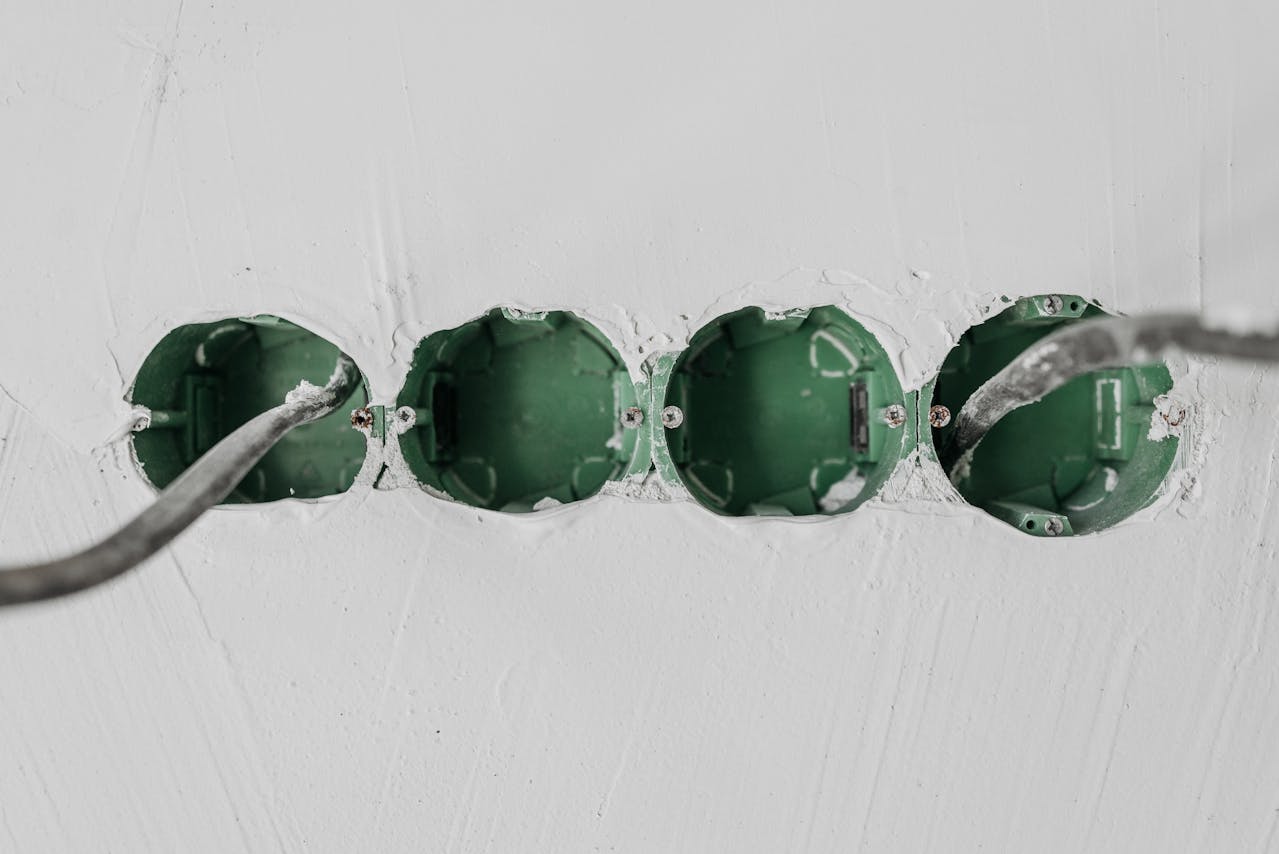
Running wires through walls may look easy, but it involves strict safety measures hidden from sight. You must follow the exact rules for wire gauge, junction box placement, insulation clearance, and fire blocking. Unauthorized work often violates local building codes, and hidden wiring mistakes can cause house fires or insurance disputes. Inspectors require permits precisely because these risks can’t be seen once the wall is sealed. Doing this job without permission can end up costing far more than a fine.
4. Powering Big Devices

Hard-wiring large appliances like stoves, dryers, or HVAC units demands precise electrical calculations. These systems draw heavy current, and a single misstep, like using the wrong wire size or breaker, can cause overheating or electrical faults. Local authorities often classify such installations as “high load,” requiring permits and licensed electricians. Attempting them alone risks fines, safety hazards, or equipment damage. Even small wiring errors can compromise both appliance warranty and home safety.
5. Electrifying Mobility
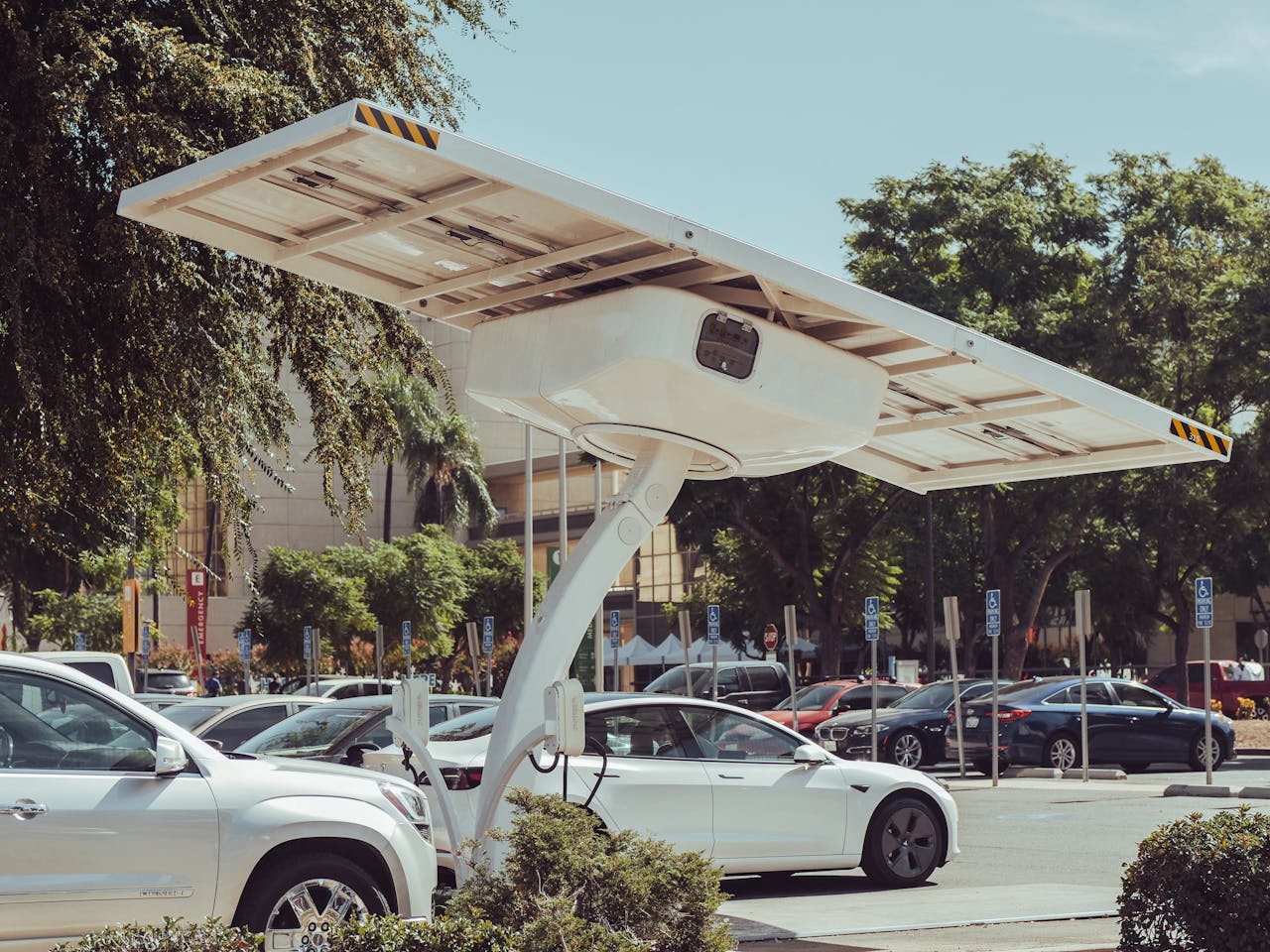
Electric vehicle chargers require far more power than a standard outlet, often needing a 240-volt dedicated circuit and correct load balancing. Many homes even need a panel upgrade before installation. Because EV chargers connect directly to high-capacity lines, they’re tightly regulated under safety and zoning codes. Skipping permits or hiring unlicensed installers can lead to costly fines, failed inspections, or charger malfunction. A certified installation ensures compliance, efficiency, and long-term electrical safety.
6. Standby Strategy
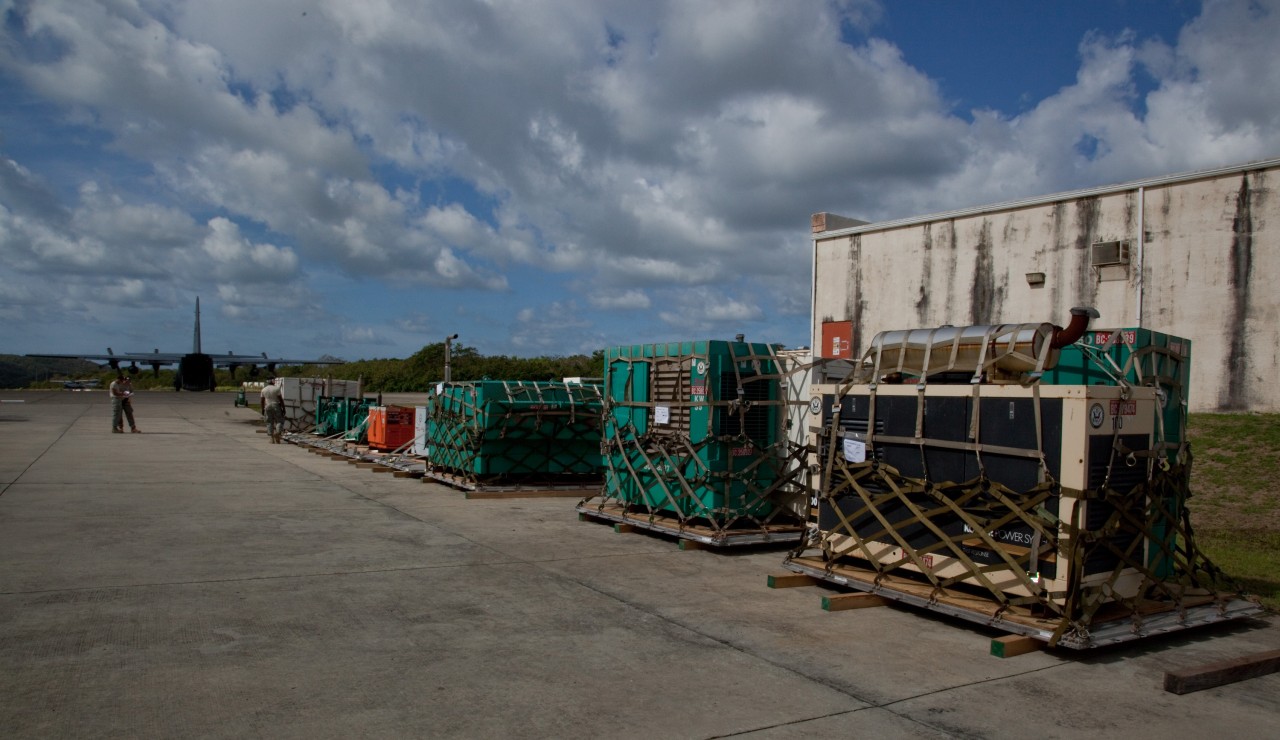
Installing a standby generator or transfer switch involves complex wiring that directly ties into your main electrical panel. A mistake here can cause dangerous backfeeding into utility lines, endangering workers and your own equipment. Most municipalities require permits and inspections before operation. Unauthorized installations can lead to citations, insurance voids, or forced removal. Always use certified electricians to ensure your backup power system meets all safety and grounding requirements.
7. Crossing the Line
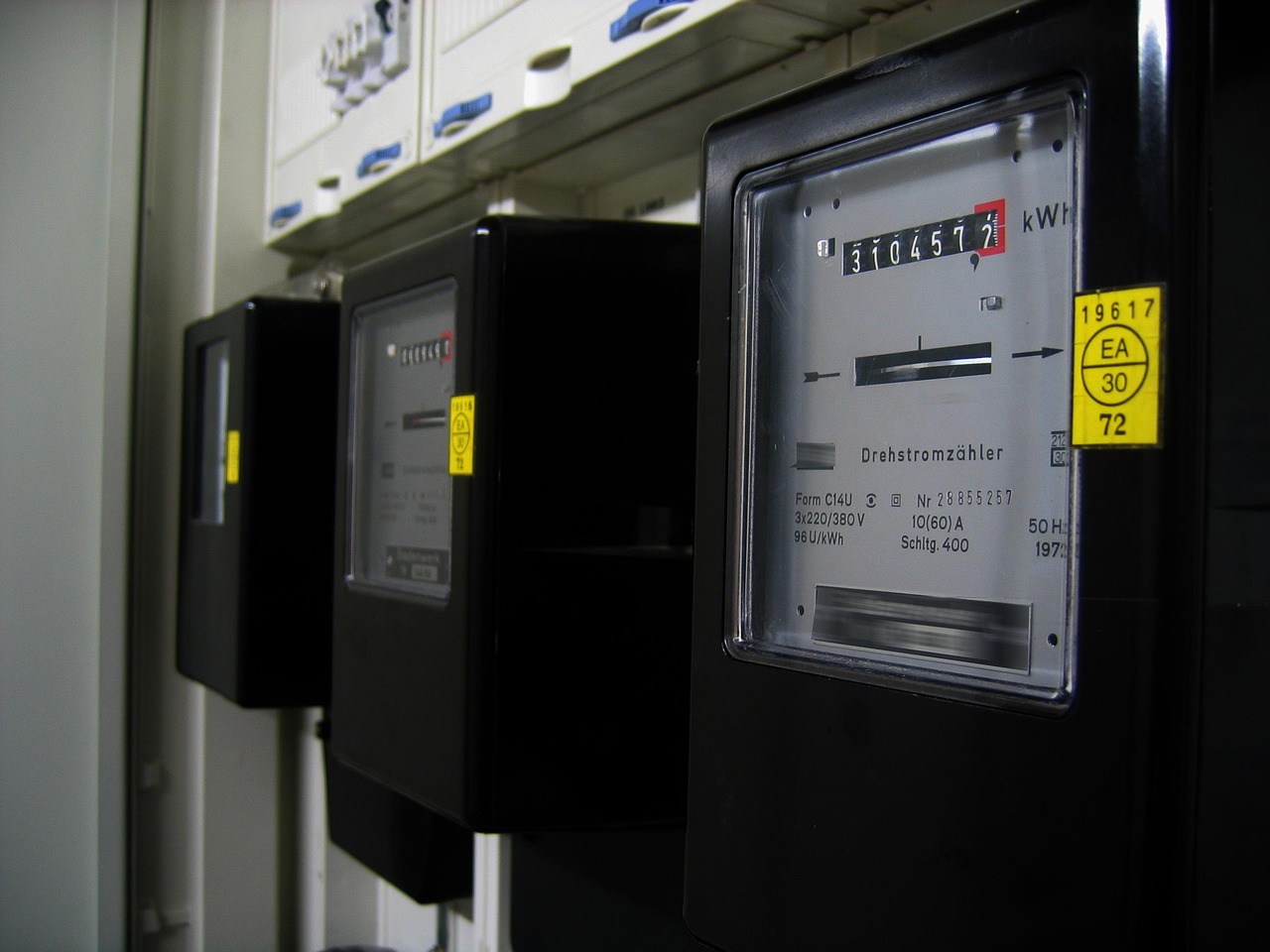
Your electrical meter and service connection belong to both you and your utility company. Any unauthorized modification, like moving a meter or altering the service mast, violates safety and utility regulations. These components handle extremely high voltage and are protected under strict codes. Attempting to change them without approval can trigger severe penalties and power disconnection. Always coordinate with your utility provider and obtain the proper permits before making any service line changes.
8. Independent Power

Installing solar panels or battery backups turns your home into a mini power station, but that also means stricter rules. These systems feed into the grid, requiring anti-islanding safeguards and certified inverters. Without the right permits, your system could be disconnected or fined by local authorities. Proper installation ensures compatibility, efficiency, and safety for both you and the utility grid. Unapproved setups can void rebates, cause grid interference, and result in large fines.
9. Safety Backbone
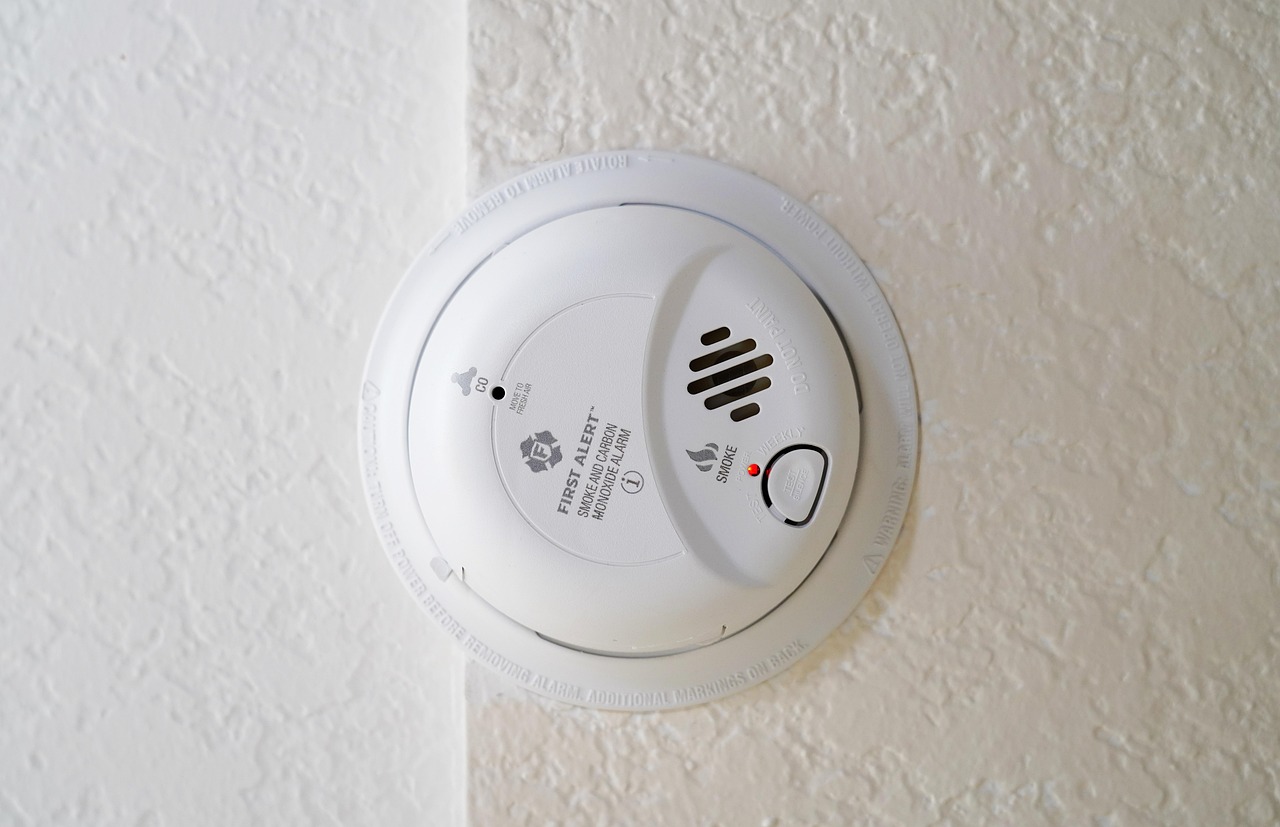
Wiring smoke detectors or carbon monoxide alarms into your electrical system isn’t just another home project; it’s a matter of life safety. These hard-wired systems are strictly regulated because they’re designed to alert you in critical moments. A poor connection or faulty wiring can cause alarms to malfunction or fail, putting lives at risk. Many regions require permits and licensed electricians for such work, and skipping those steps can lead to fines and unreliable protection when danger strikes.
10. Remodeling Charge
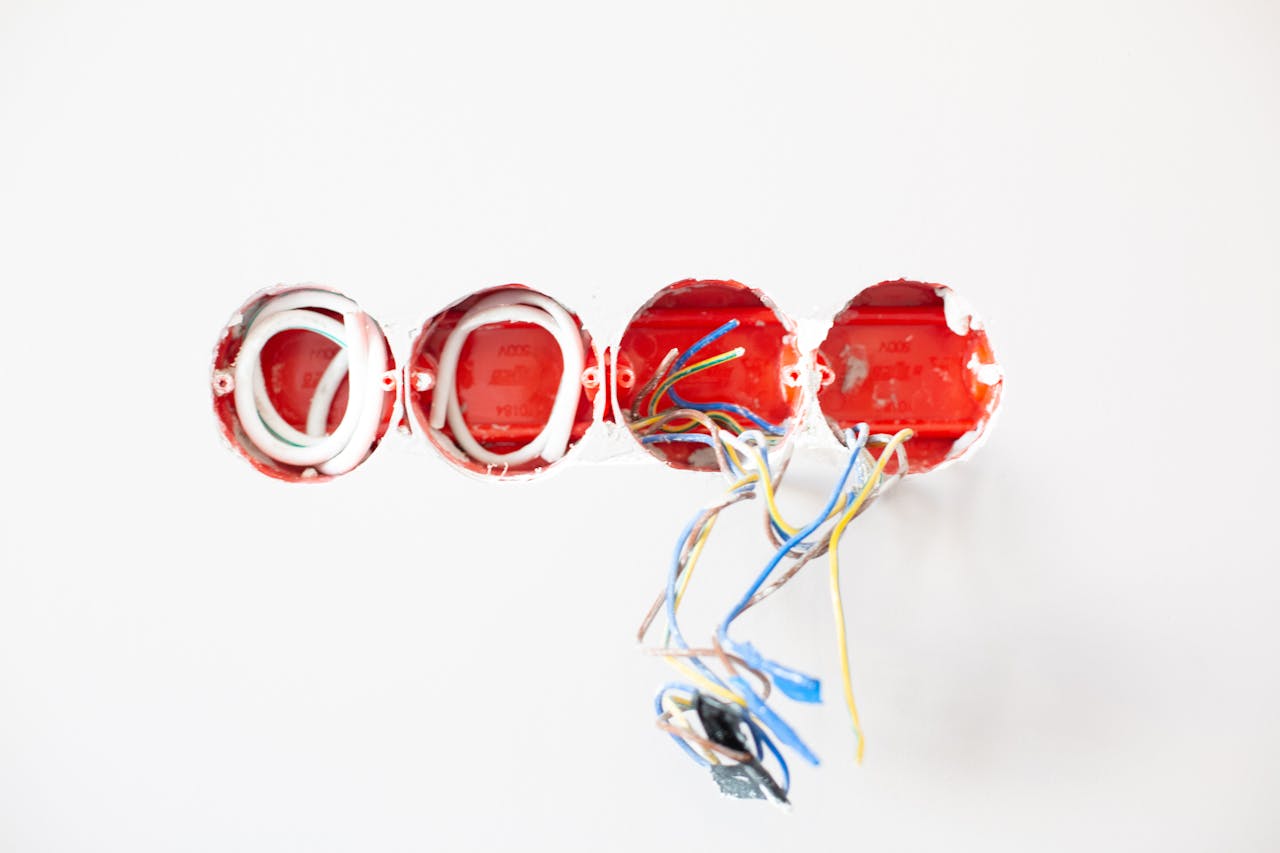
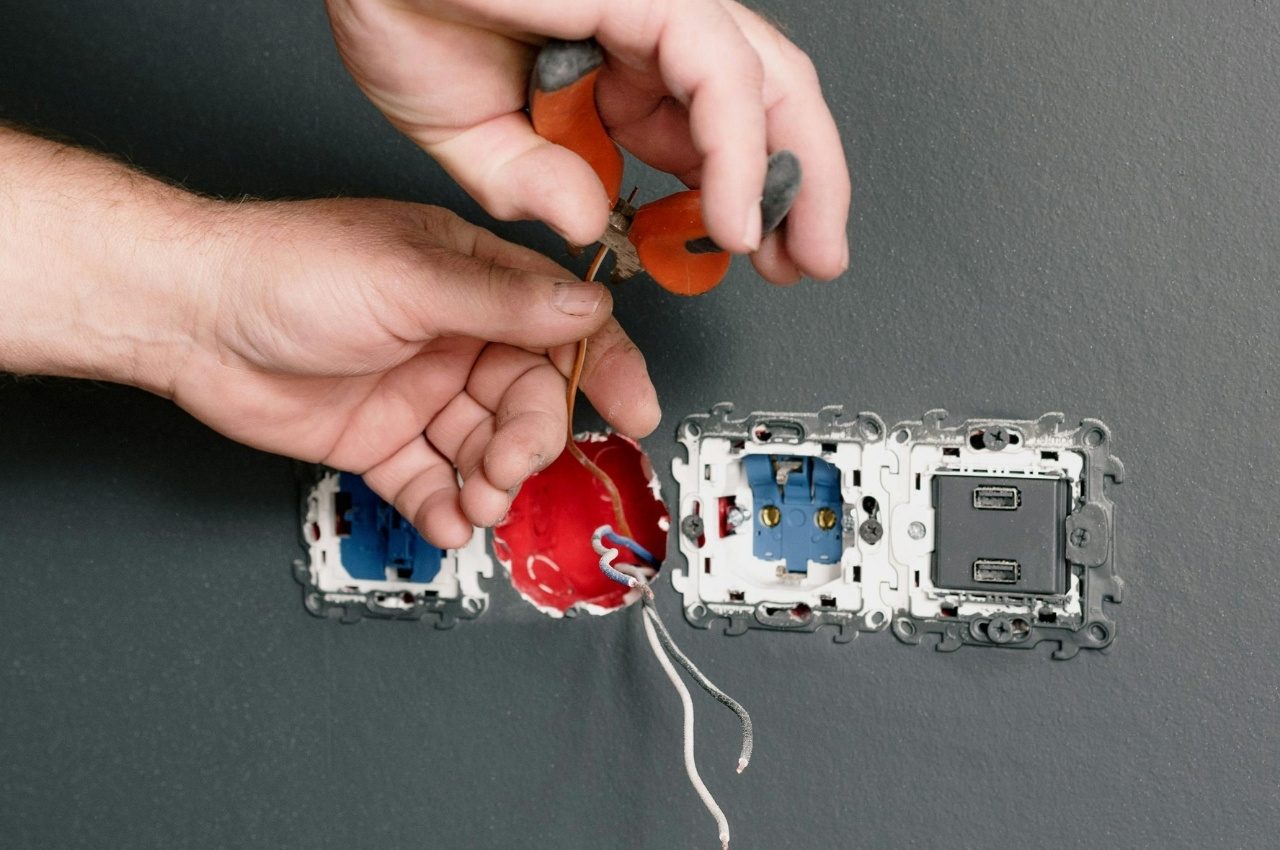
When you remodel and move outlets, install new lights, or change wiring routes, you’re altering the electrical system at its core. These updates must follow current building codes to prevent dangerous overloads or short circuits. Even small cosmetic upgrades, such as recessed lighting, often require permits. Skipping this step can lead to fines, failed inspections, or costly rework. Securing proper permits not only keeps your home safe but also protects its value and ensures compliance during future sales.