

War forces impossible choices, and few are as paradoxical as Jewish soldiers in Hitler’s army. Torn between ancestry and duty, they navigated a world where loyalty, identity, and survival constantly clashed. Each day carried the risk of exposure to a regime determined to erase them, highlighting the extraordinary resilience required to endure such moral and personal contradictions.
Their stories challenge conventional ideas of courage and belonging. Some concealed their heritage, others faced discrimination openly, yet all confronted profound dilemmas. These experiences reveal the complexities of identity under oppression and show how human adaptability can emerge in even the darkest chapters of history.
The Enigma of Jewish Soldiers in Nazi Ranks
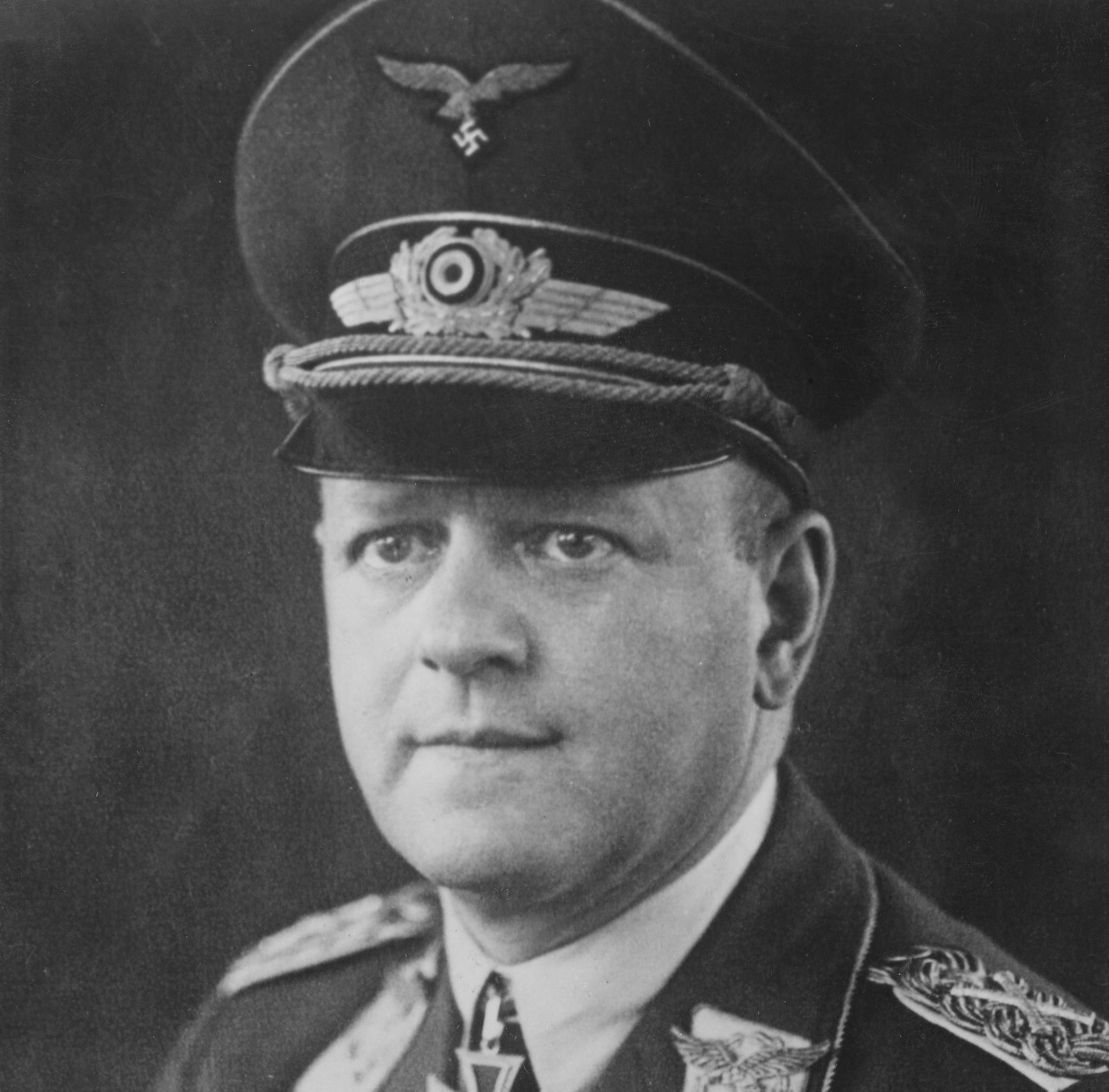
The idea of Jewish soldiers serving in Hitler’s army may seem paradoxical, yet it’s a documented reality. Thousands of full Jews and over 150,000 individuals of partial Jewish descent, known as Mischlinge, served in the German military during World War II. This phenomenon challenges the conventional understanding of Nazi racial policies and highlights the complexities of identity during a time of extreme prejudice.
The Nazi regime’s racial laws, particularly the Nuremberg Laws of 1935, classified individuals with Jewish ancestry as Jews, regardless of their personal beliefs or cultural assimilation. However, these laws were inconsistently applied, leading to situations where individuals of Jewish descent served in the Wehrmacht, the German armed forces. This inconsistency raises questions about the rigidity of Nazi racial ideologies and the complexities of identity during this period.
Historical Context
Jewish participation in German military forces dates back to the 19th century. During World War I, approximately 85,000 Jewish soldiers served in the German army, with 12,000 losing their lives. This history of service was a source of pride for many Jewish Germans and contributed to their sense of belonging within the broader German society.
The formation of the Reichsbund jüdischer Frontsoldaten (Association of Jewish Frontline Soldiers) in 1919 further solidified this connection. This organization advocated for the rights of Jewish veterans and emphasized their loyalty and sacrifices during the war. At its peak, the association had between 30,000 to 40,000 members, underscoring the significant role of Jewish soldiers in Germany’s military history.
Nazi Racial Policies
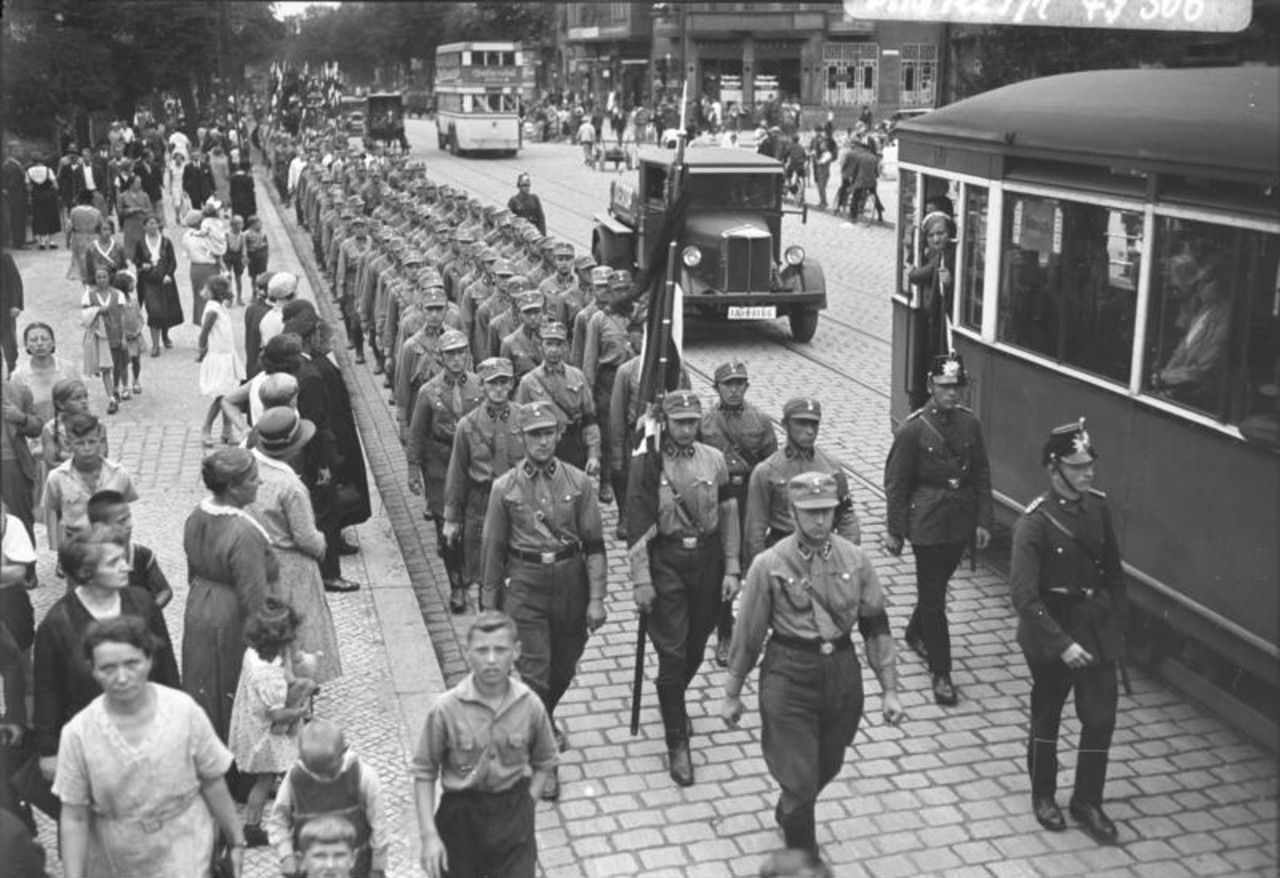
The Nazi regime’s racial policies were rooted in the belief in Aryan racial superiority and the need to purify the German population. The Nuremberg Laws of 1935 classified individuals with Jewish ancestry as Jews, regardless of their personal beliefs or cultural assimilation. Individuals with one Jewish grandparent were considered “first-degree Mischlinge,” while those with two Jewish grandparents were “second-degree Mischlinge.”
These classifications led to the paradox of individuals with Jewish ancestry serving in the German military. Some were able to enlist or remain in service by concealing their heritage or through the intervention of superiors who overlooked their racial background. This inconsistency in the application of racial laws highlights the complexities and contradictions within the Nazi regime’s policies.
Personal Narratives
The experiences of Jewish soldiers in the Wehrmacht varied widely. Some enlisted voluntarily, driven by a sense of duty or patriotism, while others were drafted. Many faced internal conflicts, torn between their Jewish heritage and their commitment to Germany. Some concealed their Jewish identity to avoid persecution, while others openly acknowledged it, facing discrimination and suspicion.
One notable example is the story of Leo Löwenstein, a Jewish officer who served in World War I and later became an advocate for Jewish veterans. Despite his service and dedication, he faced discrimination under the Nazi regime due to his Jewish heritage. His experiences reflect the broader challenges faced by Jewish individuals in Nazi Germany, navigating the complexities of identity and loyalty.
Recognition and Honors
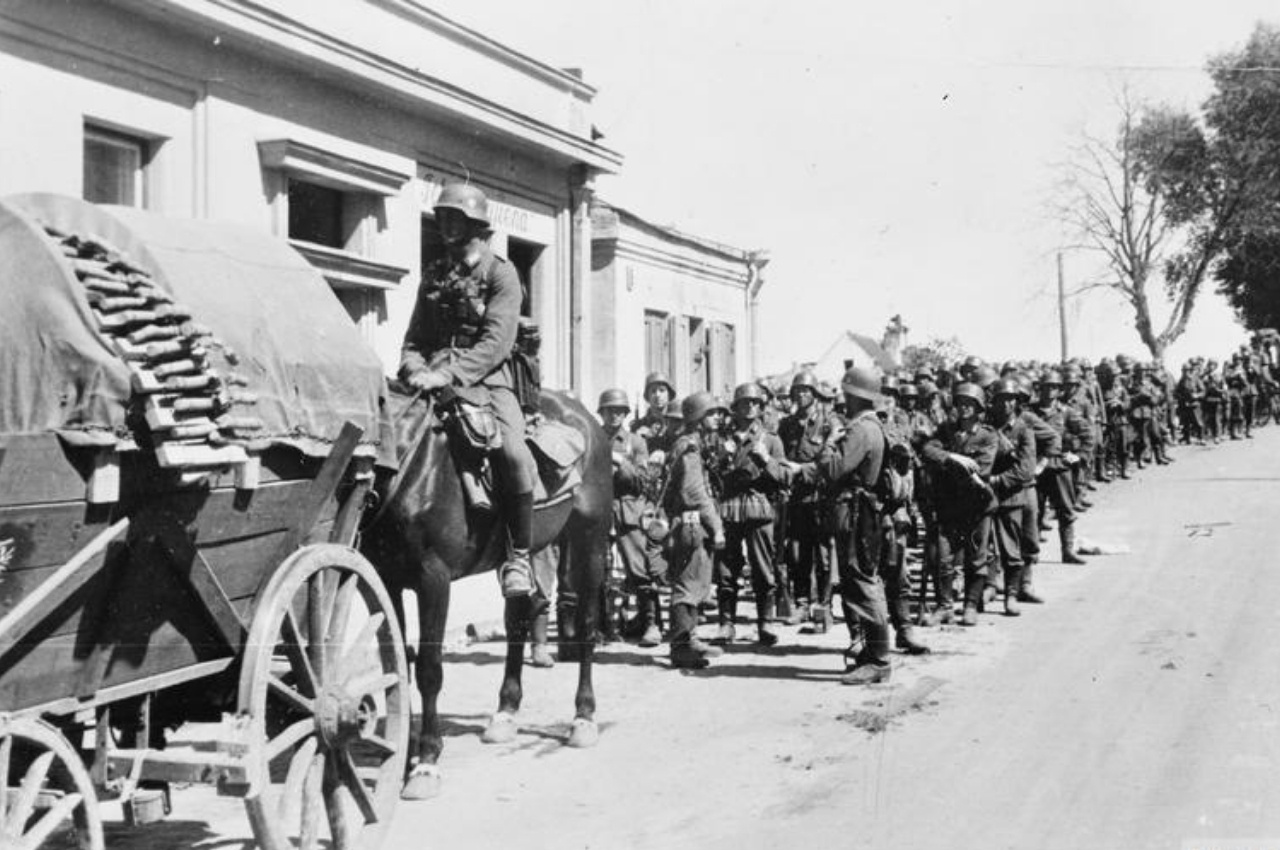
Despite the pervasive anti-Semitic policies of the Nazi regime, some Jewish soldiers received military honors for their service. These recognitions were often granted based on merit and performance rather than racial background. However, receiving such honors did not shield these individuals from the regime’s discriminatory laws. Many were still subject to persecution and dismissal upon the implementation of stricter racial policies.
The case of the “Frontkämpferprivileg” illustrates this paradox. This policy allowed Jewish veterans of World War I to retain certain privileges, but it was revoked in 1935 with the enactment of the Nuremberg Laws, demonstrating the regime’s inconsistent application of policies and the precarious position of Jewish soldiers.
Post-War Reflections
After the war, many former Jewish soldiers grappled with their identities and legacies. Some faced challenges reintegrating into society, dealing with the stigma associated with their service in the Nazi military. Others sought to reconcile their experiences, reflecting on their motivations and the complexities of serving in a regime that persecuted their people.
The legacy of these individuals is multifaceted. On one hand, their service complicates the narrative of victimhood, highlighting the complexities of identity and survival during the Holocaust. On the other hand, their experiences underscore the resilience and adaptability of individuals facing extreme circumstances.
Conclusion
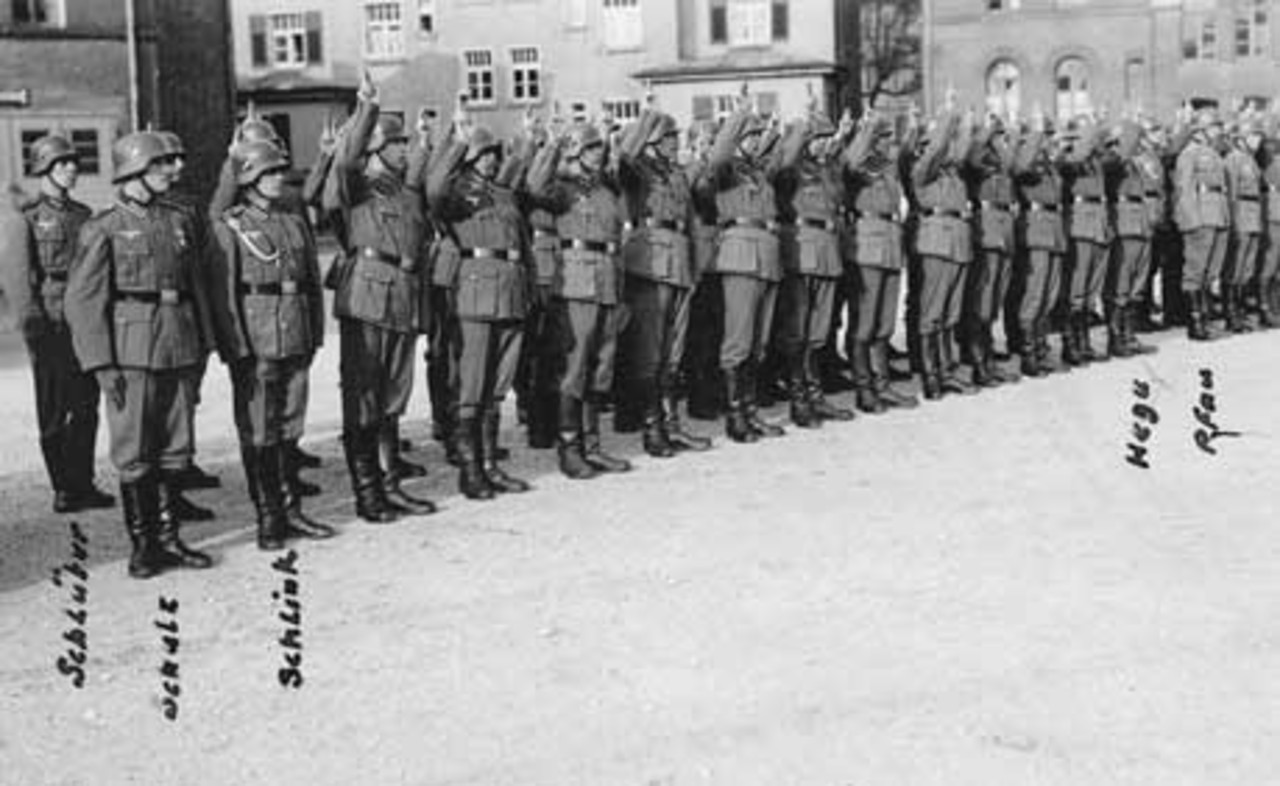
The phenomenon of Jewish soldiers serving in Hitler’s army presents a complex paradox. It challenges simplistic narratives of identity and loyalty during a time of extreme prejudice and persecution. The experiences of these individuals highlight the complexities of navigating personal identity within the confines of oppressive regimes.
Understanding this paradox requires a nuanced approach, recognizing the diverse motivations and experiences of those involved. It also necessitates a critical examination of the inconsistencies and contradictions within the Nazi regime’s policies and the broader implications for historical understanding.
Reference
- The Untold Story of Nazi Racial Laws and Men of Jewish Descent in the German Military – bryanmarkrigg.com
- While millions of German Jews were being persecuted by the Nazis, many of their relatives, willingly or not, were fighting for the Third Reich – warfarehistorynetwork.com
- Hitler’s Jewish Army – thehistoryreader.com