

Not all heroes of the sky fought the same way. During World War II, two German pilots, Erich Hartmann and Hans-Joachim Marseille, rose above the chaos with unmatched skill and vision. While the war tore nations apart, these men transformed air combat into an art form, each guided by a different kind of genius. Their names would soon become legends not only for their victories but for the revolutionary ways they approached aerial warfare.
Hartmann was the master of patience and precision, a pilot who believed in striking only when success was certain. Marseille, by contrast, thrived on instinct and daring, weaving through the sky with breathtaking fluidity and confidence. Together, their opposing styles reshaped how pilots fought, survived, and thought in the air, proving that mastery of the skies could be achieved through both discipline and daring brilliance.
Skies of Ambition
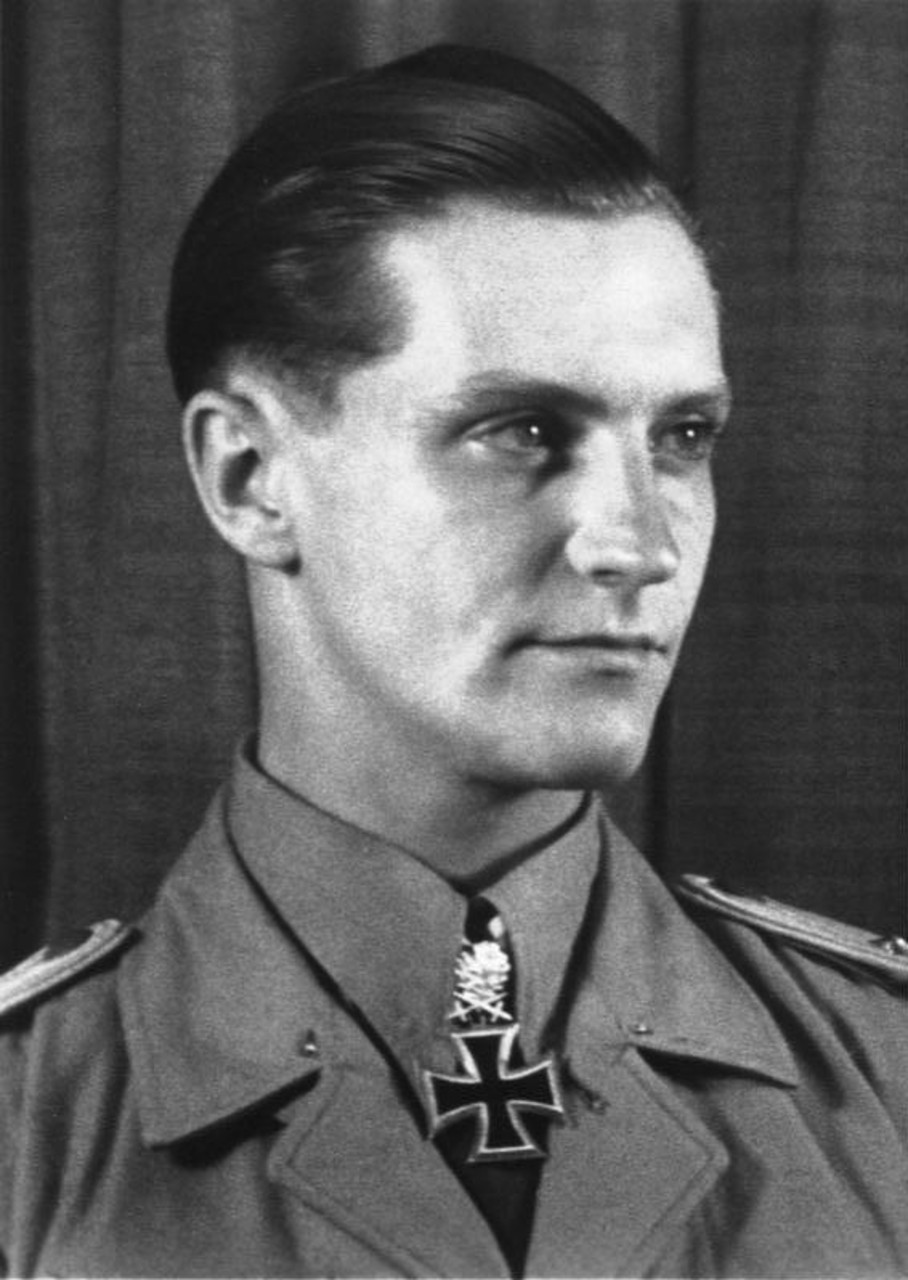
Even the most dramatic legends begin with ordinary ambition. Erich Hartmann and Hans-Joachim Marseille both entered the Luftwaffe as young pilots determined to master the machine beneath them, but their paths and temperaments diverged sharply. Hartmann learned discipline and patience flying as a wingman in JG 52 on the Eastern Front, honing an approach built on careful observation and ruthless economy of motion. Marseille arrived in North Africa with an intuitive flair: he trained his body and eyes for the stresses of combat and developed a self-taught regimen that turned natural talent into repeatable skill.
Their formative years mattered because they shaped how each pilot perceived combat: Hartmann prized stealth, timing, and survivability; Marseille prized audacity, marksmanship, and seizing fleeting opportunities. These early choices were not mere quirks of personality; they were tactical commitments that defined how each man fought, led, and measured success.
Tactics That Broke the Mold
Tactical innovation rarely arrives as a single invention; it grows from repeated experiments under fire. Hartmann perfected a “see-decide-attack-break” method and preferred to close to extremely short range, often under 20 metersbefore firing. That discipline minimized wasted ammunition, reduced the chance an opponent could take evasive action, and let him reveal his position at the last possible moment. Marseille, by contrast, refined high-angle deflection shooting: he dove into the middle of defensive formations, tightened his turn radius by deliberately slowing and even lowering flaps, and executed short, precise firing windows that relied on extraordinary situational awareness and marksmanship.
Both approaches challenged prevailing doctrine. Hartmann’s stalking emphasized discretion and withdrawal, while Marseille’s strikes relied on high-risk penetration and surgical accuracy. Each exploited different weaknesses. Hartmann targeted uneven Soviet training and tactics, while Marseille exploited the predictability of Allied formations, forcing adversaries to adapt under pressure.
Moments That Changed the Air War
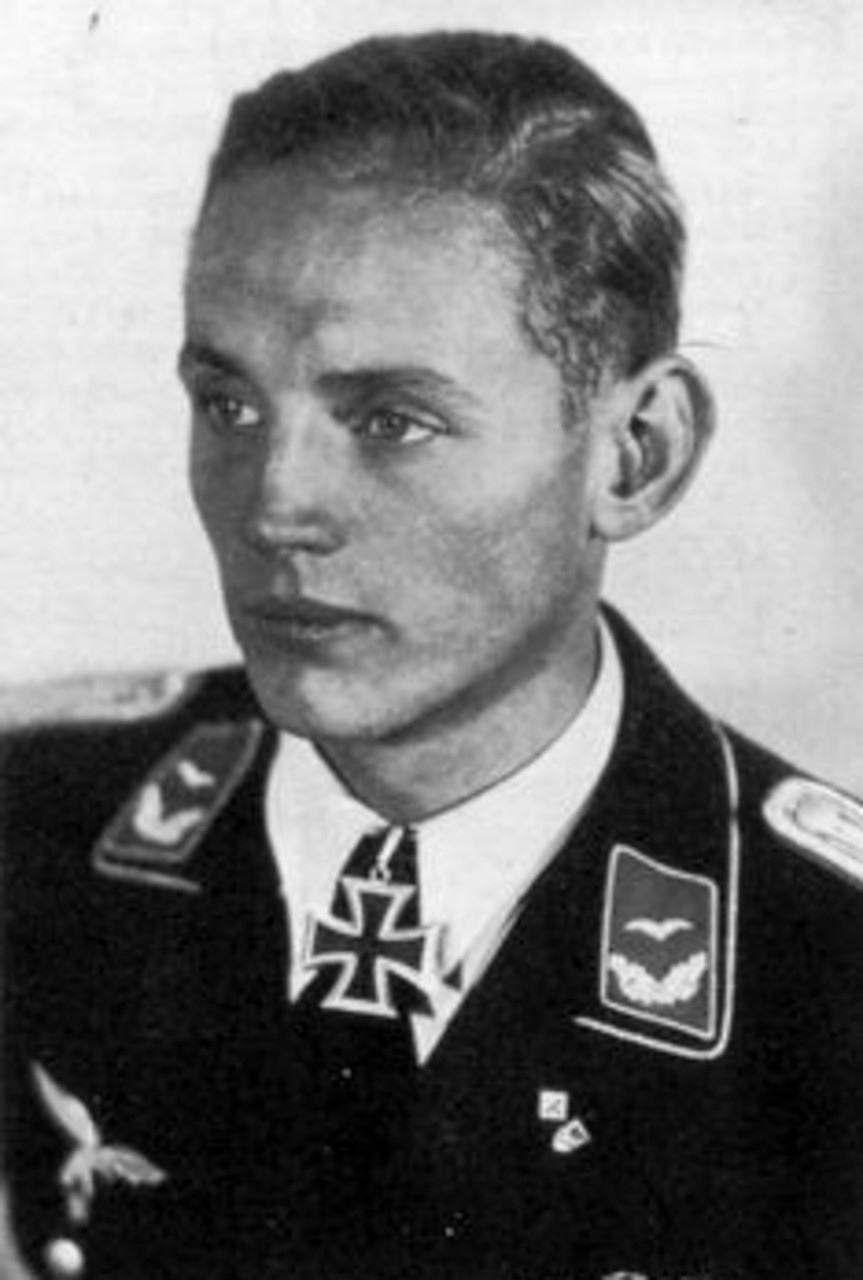
Tactics prove their worth only when they shift the balance of combat. On the Eastern Front, Hartmann’s growing tally of close-range victories turned him into an engine of attrition; by late 1943, he had surpassed a hundred aerial victories, each one the result of patience and precision. In North Africa, Marseille’s astonishing streak of destroying multiple aircraft in a single sortie made him the “Star of Africa” and a living demonstration of how split-second timing could turn chaos into dominance.
These feats were not simply personal triumphs. They ignited conversations within the Luftwaffe about what made a pilot effective, whether mastery came from discipline or daring, and how to translate those extremes into broader tactics. Their records reshaped training, formation doctrine, and the standards by which success in the air was judged.
Influence on the Luftwaffe and Beyond
When two pilots alter how others fight, institutions take notice. Hartmann’s insistence on patient engagement influenced the Luftwaffe’s fighter training, reinforcing the value of wingman coordination, target prioritization, and survival discipline. Marseille’s audacious style inspired a new focus on situational awareness, energy management, and precision shooting in fighter schools across the front.
Their reputations extended beyond Germany. Allied pilots studied their methods, refining formation tactics and improving lookout discipline to counter both ambush-style and deflection-style attacks. Aircraft design and armament also evolved in response, proving that innovation at the individual level can ripple across nations and reshape the technology and doctrine of aerial warfare.
Legacy in the Modern Skies
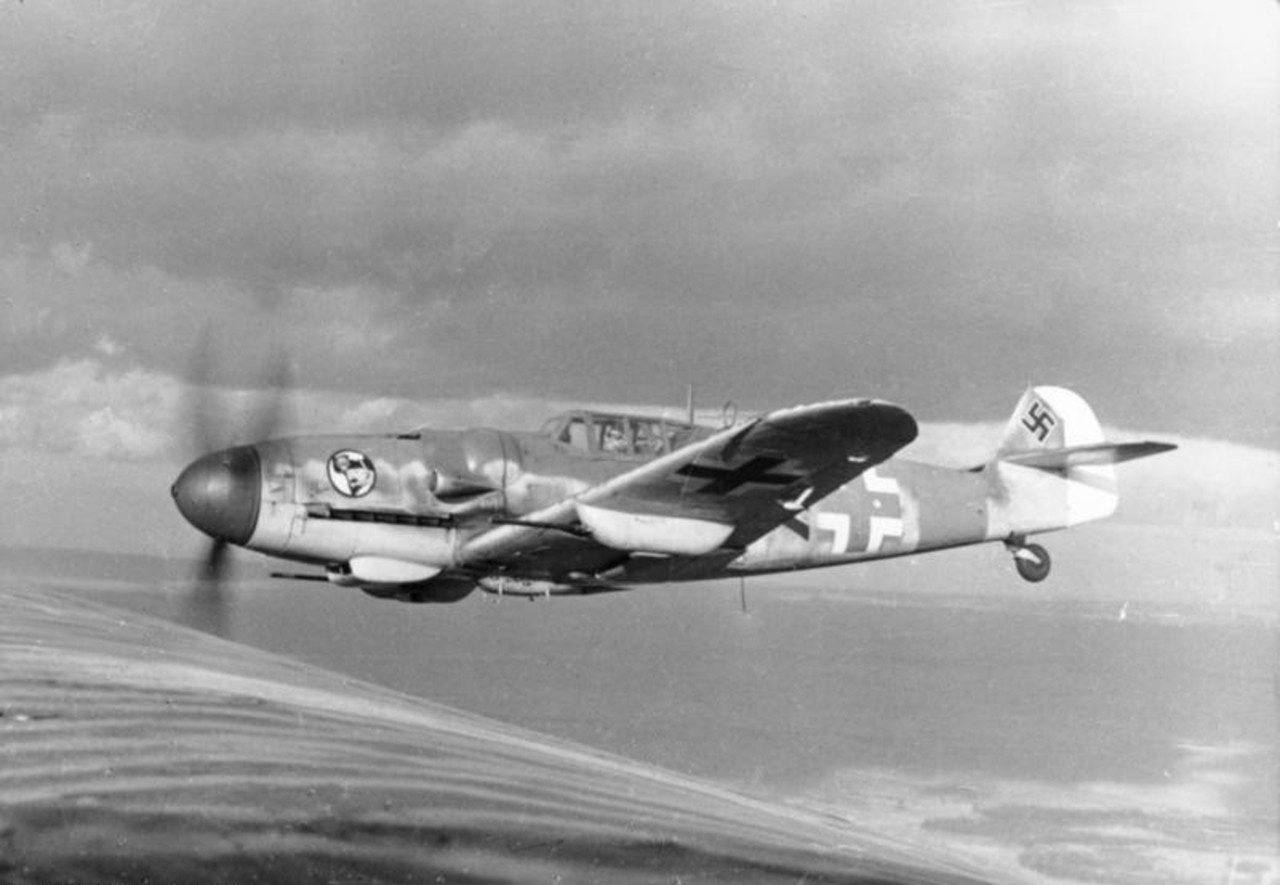
Time has turned their achievements into enduring lessons. Hartmann’s record-breaking career and post-war service made him a symbol of discipline and endurance, while Marseille’s short but brilliant life embodied raw instinct and creative genius. Together, they represent two sides of mastery: the methodical craftsman and the fearless artist.
Modern air forces still study both men, drawing lessons about teamwork, tactical awareness, and the balance between aggression and restraint. Their stories remind us that success in the sky demands not only skill and courage, but also judgment, humility, and a clear sense of responsibility for the power one wields.
Reference
- Hans-Joachim Marseille: The Star Pilot of Africa in World War II – historynet.com
- Erich Hartmann, the Most Successful Fighter Pilot of All Time – smithsonianmag.com
- Hans-Joachim Marseille was Hitler’s Star Flying Ace – And A Brazen Anti-Nazi – allthatsinteresting.com