

As autumn settles in and the garden begins to fade, it’s tempting to cut everything back and start fresh. The fading colors, crisping leaves, and drooping stems seem to invite a seasonal cleanup, but not all perennials benefit from the same treatment. Some plants thrive when trimmed in fall, reducing disease and pest risks, while others rely on their foliage and seedheads to protect roots and wildlife through winter. Knowing which to cut and which to leave can turn fall gardening into a thoughtful act of renewal that ensures a healthier, more vibrant spring.
1. Phlox

Phlox brings bold color and charm to gardens through summer, but as autumn arrives, its leaves often show signs of mildew and spotting. Once frost hits, the tall stems quickly lose vigor and can harbor pests or fungal spores. Cutting the plant back to a few inches above the soil after the first frost helps break the disease cycle and keeps your garden looking clean. Dispose of all clippings rather than composting them. A light mulch layer will protect the roots from temperature swings, ensuring your phlox reemerges in spring dense, healthy, and bursting with vivid blooms.
2. Bee Balm (Monarda)

Bee balm’s vivid summer blooms are a favorite among bees and hummingbirds, but as autumn settles in, its leaves often succumb to powdery mildew. Leaving them untouched allows the fungus to overwinter, threatening nearby plants. After the first frost, cut the stems down to just a few inches above the crown and dispose of the debris entirely. This cleanup halts disease spread and improves air circulation around the plant’s base. By focusing its energy on root development through winter, bee balm returns in spring stronger, more vibrant, and ready to dazzle with fresh, healthy blooms.
3. Yarrow (Achillea)

Yarrow’s feathery leaves and clusters of blooms add texture and resilience to summer gardens, but by fall, its stems dry out and lose their appeal. These brittle remains often shelter pests and harbor disease if left unattended. Trimming the plant back to about three inches above the soil after flowering helps maintain its shape and overall health. Be sure to discard the cuttings rather than composting them to avoid spreading insects or spores. This simple fall care encourages strong root growth, allowing yarrow to return with dense, colorful blossoms that brighten borders once spring warmth returns.
4. Veronica (Spike Speedwell)
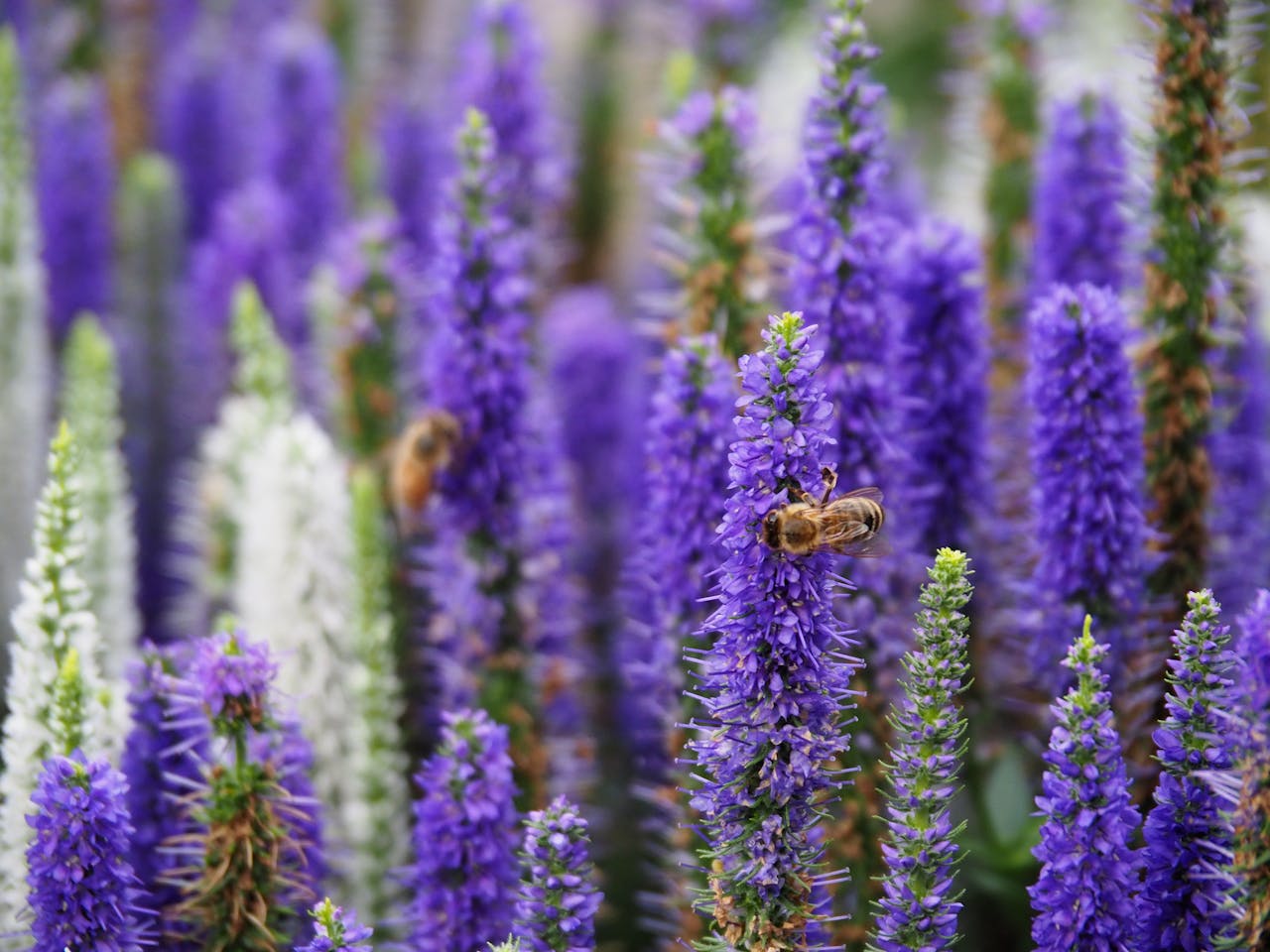
Veronica, also known as spike speedwell, benefits from a thorough fall cleanup to prevent legginess and reduce overwintering pests. As the season ends, its tall flower spikes and thinning stems can trap moisture and shade emerging shoots, increasing the risk of rot. Once frost blackens the foliage, cut the plant back close to the crown, leaving a few inches for structure if desired. Clearing debris around the base improves airflow and deters slugs and voles. This timely trim encourages stronger, upright growth and abundant blooms when spring returns.
5. Astilbe

Astilbe’s airy plumes and fern-like leaves bring elegance to shaded gardens, but once fall arrives, their charm fades into soggy, matted heaps. These damp remains can trap moisture, inviting mold and crown rot that threaten the plant’s health. Cutting the foliage to ground level after it browns helps prevent these issues and keeps garden beds looking tidy. A thin layer of mulch adds protection against freezing temperatures. Come spring, your astilbe will reawaken with fresh, feathery blooms and renewed vibrancy, ready to light up the garden once more.
6. Columbine (Aquilegia)

Astilbe’s elegant plumes and fern-like leaves bring texture and lightness to summer gardens, but as the season fades, they quickly wilt into soggy, decaying clumps. These damp remains can harbor mold and cause crown rot if left through winter. Cutting the plant down to ground level once the foliage browns keeps your garden clean and prevents disease. Add a light mulch layer to shield the crown from deep frost. This simple step preserves root health, allowing your astilbe to bounce back in spring with fresh, feathery blooms and vibrant color.
7. Daylilies (Hemerocallis)

Daylilies put on a spectacular show all summer, but once their blooms fade, the remaining foliage quickly turns soggy and disease-prone. Cutting back the leaves to around four inches above the ground in late fall prevents rot and deters pests like slugs from settling in. Clearing away all debris improves airflow and keeps the soil healthy through winter. A thin layer of mulch adds extra protection against frost. By removing spent growth, you give daylilies a clean slate to regenerate—resulting in fuller, more vibrant blooms when spring arrives.
8. Hosta

Hostas may shine through summer with lush, layered leaves, but once frost hits, they collapse into slimy clumps that invite pests and mold. Cutting them back to the crown in fall prevents slug infestations and fungal problems while keeping your garden tidy. Be sure to discard the cuttings rather than composting to eliminate lingering eggs or spores. A light mulch ring protects the roots through winter, but keep it clear of the crown. By early spring, your hostas will return fresh and vibrant, ready to thrive again in the shade.
9. Catmint (Nepeta)

Catmint’s soft lavender blooms and silvery foliage bring charm to any garden, but by late summer, its stems often become woody and tangled. Leaving them over winter traps moisture, inviting rot and pests. After the first frost, trim the plant back to just a few inches above the ground and clear away any debris to boost airflow. This cleanup keeps the roots healthy and prevents disease. By spring, your catmint will rebound with lush, compact growth and a soothing scent that draws bees and butterflies back.
10. Salvia

Salvia’s striking blooms bring months of color, but once they fade, the old stems quickly become havens for pests and disease. Cutting them back after the first frost keeps the plant healthy and encourages vigorous regrowth. Trim the stems to just above the crown and clear away fallen leaves or debris to prevent rot. In colder regions, a light mulch offers extra root protection. This careful cleanup lets salvia store its energy through winter, returning in spring with fuller growth and dazzling color.
5 Perennials You Should Leave Alone
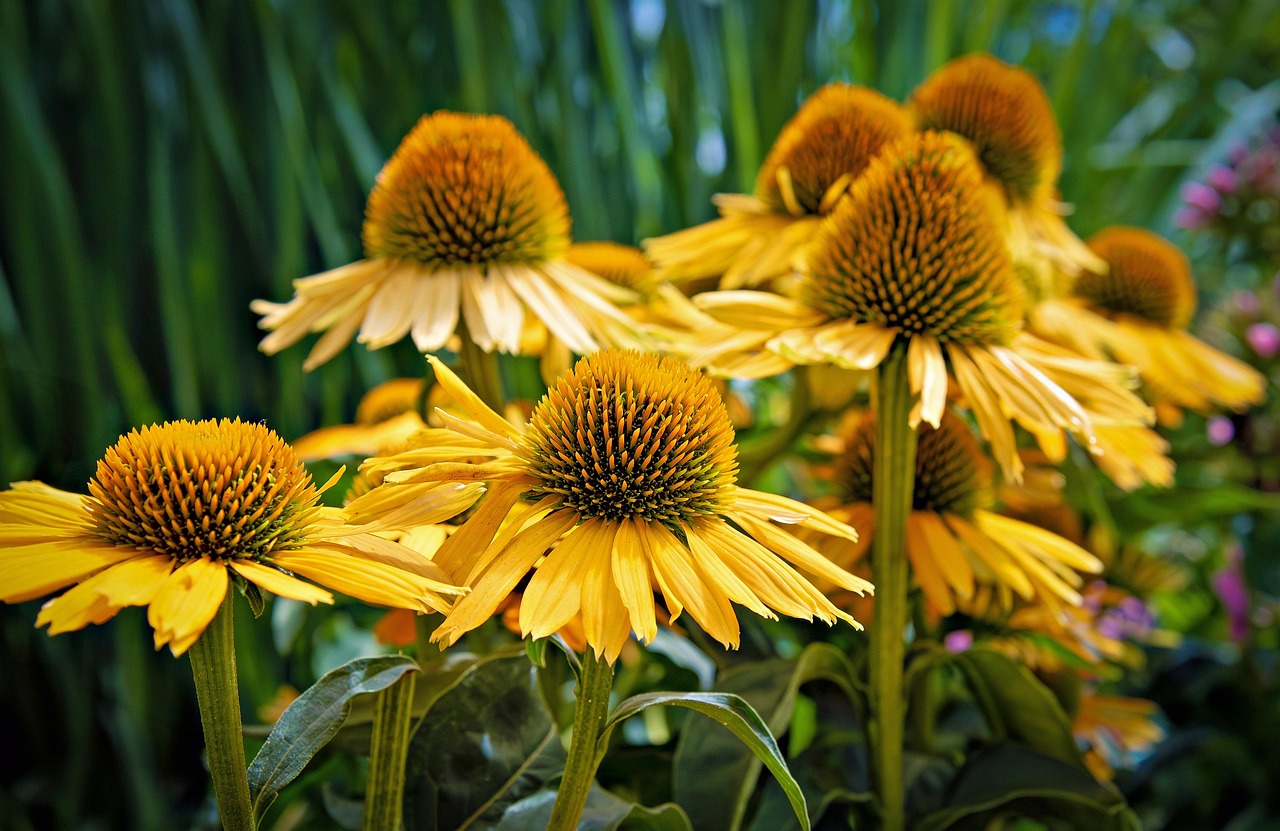
Not every perennial needs a fall trim; some are best left standing through the cold months. Their seedheads feed birds, while sturdy stems catch snow and protect the soil below. Leaving them intact preserves habitat for pollinators and beneficial insects that rest in the stems and leaf litter. As winter settles in, they add quiet beauty and texture to the garden. When spring warmth returns, simply cut them back to make way for fresh shoots, ensuring a vibrant, balanced, and naturally resilient garden.
1. Coral Bells (Heuchera)

Coral bells brighten the winter garden with their striking, evergreen foliage that endures even when most plants have withered. Rather than cutting them back completely, trim away only the damaged or faded leaves as winter ends. The remaining foliage acts as a natural blanket, shielding the crown from frost and temperature swings. Their colorful leaves also bring texture and interest to quiet garden beds. Leaving them untouched helps ensure vigorous new growth and vivid color when spring arrives.
2. Coneflower (Echinacea)

Coneflowers remain a garden highlight even after flowering ends, their spiky seedheads turning into a buffet for finches and sparrows through winter. Beyond feeding wildlife, the dried stalks act as natural insulation, shielding the plant’s core from freezing temperatures. By keeping them intact until late winter, you preserve both structure and habitat in your garden. Once new green growth emerges, trim the old stems back to the base to refresh the plant and welcome another vibrant season of purple blooms.
3. Black-Eyed Susan (Rudbeckia)

Black-eyed Susans bring year-round charm, even after their summer bloom fades. Their seed-packed centers provide a vital winter food source for finches and chickadees, while their tall, sturdy stems protect the crown from cold damage. Leaving them uncut through the colder months keeps your garden alive with subtle motion and texture. Prune them back only in late winter or early spring to encourage healthy new growth and ensure their bright yellow blossoms return fuller and more vibrant each year.
4. Ornamental Grasses
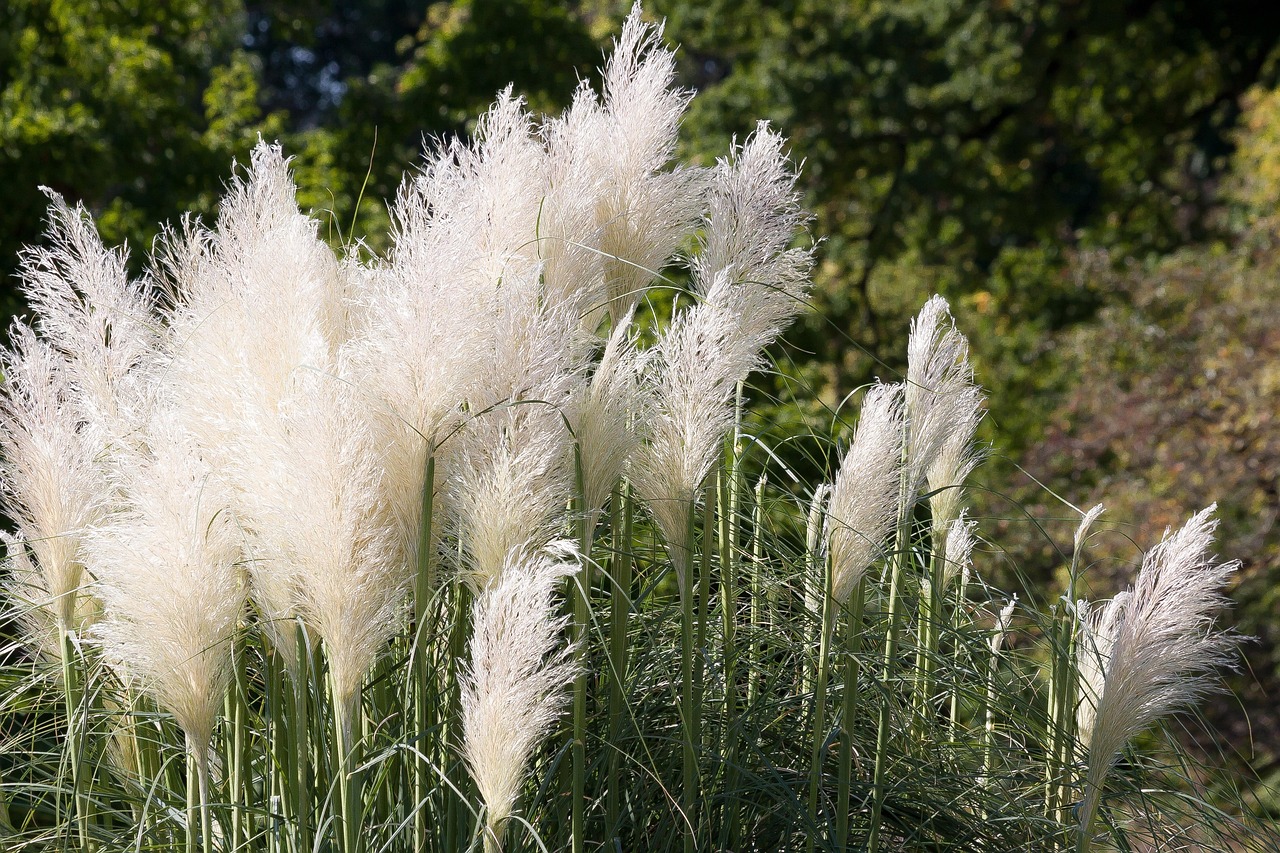
Ornamental grasses turn your garden into a stunning winter display, their feathery plumes swaying with frost and sunlight. Leaving them standing through the cold months not only preserves their beauty but also protects the roots from harsh freezes. The dry foliage provides essential shelter for small wildlife and insects seeking refuge. Cut them back only in late winter or early spring when new shoots begin to emerge, allowing the plants to stay strong, healthy, and ready for vibrant regrowth.
5. Sedum (Stonecrop)
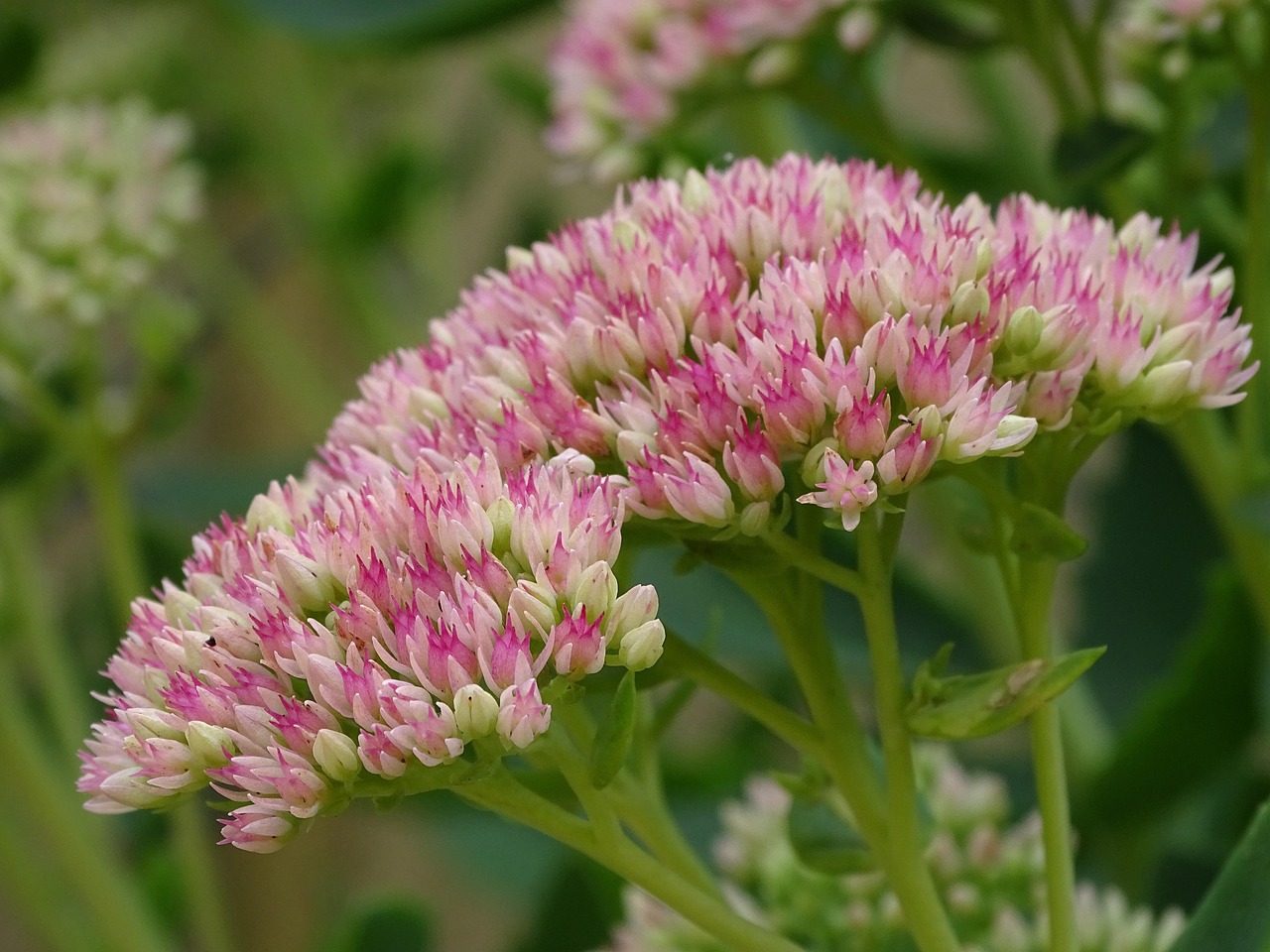
Sedum’s sturdy stems and clustered flower heads make it a standout perennial for winter beauty. As frost arrives, its dried seedheads create striking shapes that hold firm through snow, offering both visual interest and protection for the plant’s crown. These stems also shelter overwintering insects vital for spring pollination. Cutting sedum too early removes this natural defense. Leave it intact until early spring so new growth can emerge strong and healthy, ready to revive your garden’s color.