

There’s something magical about a home that feels both familiar and refreshing, where modern comfort meets the charm of decades past. Today’s most beloved design trends tap into that feeling by blending nostalgia with contemporary function, creating spaces that soothe, inspire, and welcome you in. From calming, minimalist blends to richly textured walls and dreamy countryside influences, these styles invite you to slow down, breathe deeply, and surround yourself with details that tell a story. If you’re longing for a home that feels warm, meaningful, and timeless, these nostalgic trends offer the perfect place to begin.
1. Japandi
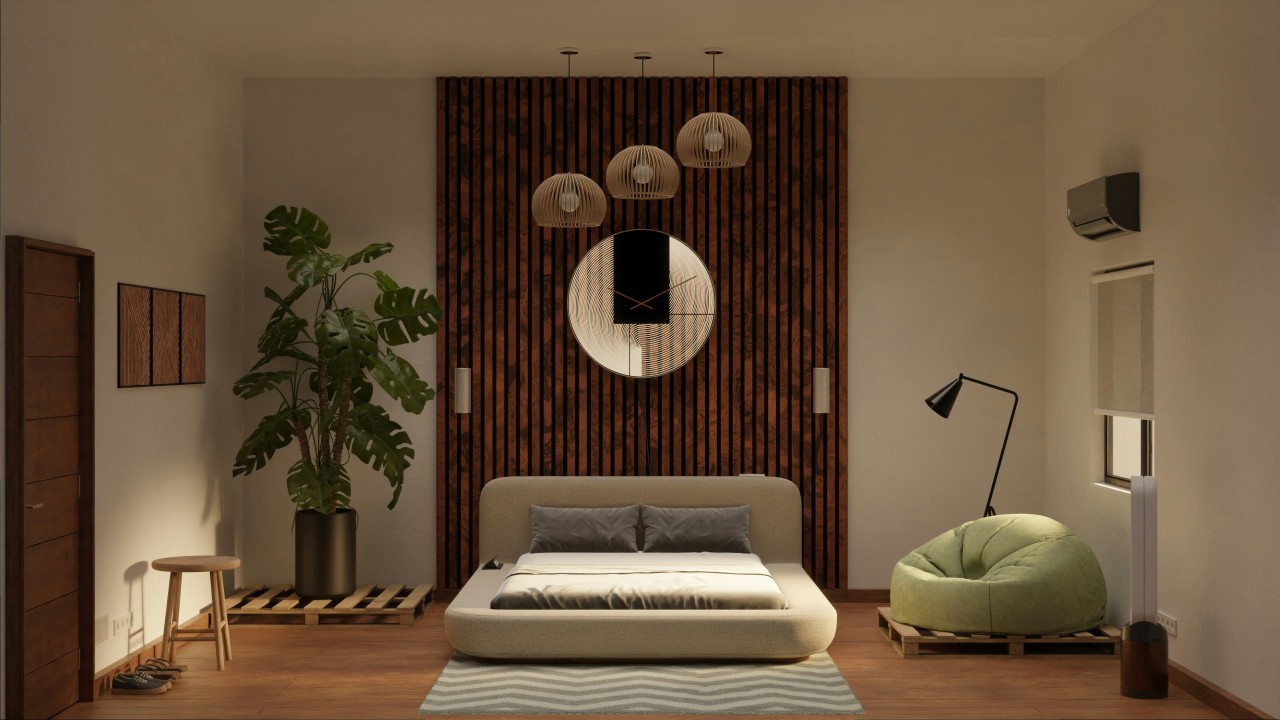
Blending the calm of Japanese minimalism with the warmth of Scandinavian comfort, Japandi creates interiors that feel grounded and intentional. This style focuses on clean lines, natural textures, and uncluttered spaces that make each room feel peaceful and inviting. Light woods, neutral palettes, and practical furniture choices reflect a commitment to harmony and purpose. Every element is chosen for its ability to bring balance, making Japandi ideal for anyone seeking a calm retreat rooted in simplicity and timeless design.
2. Textured Walls
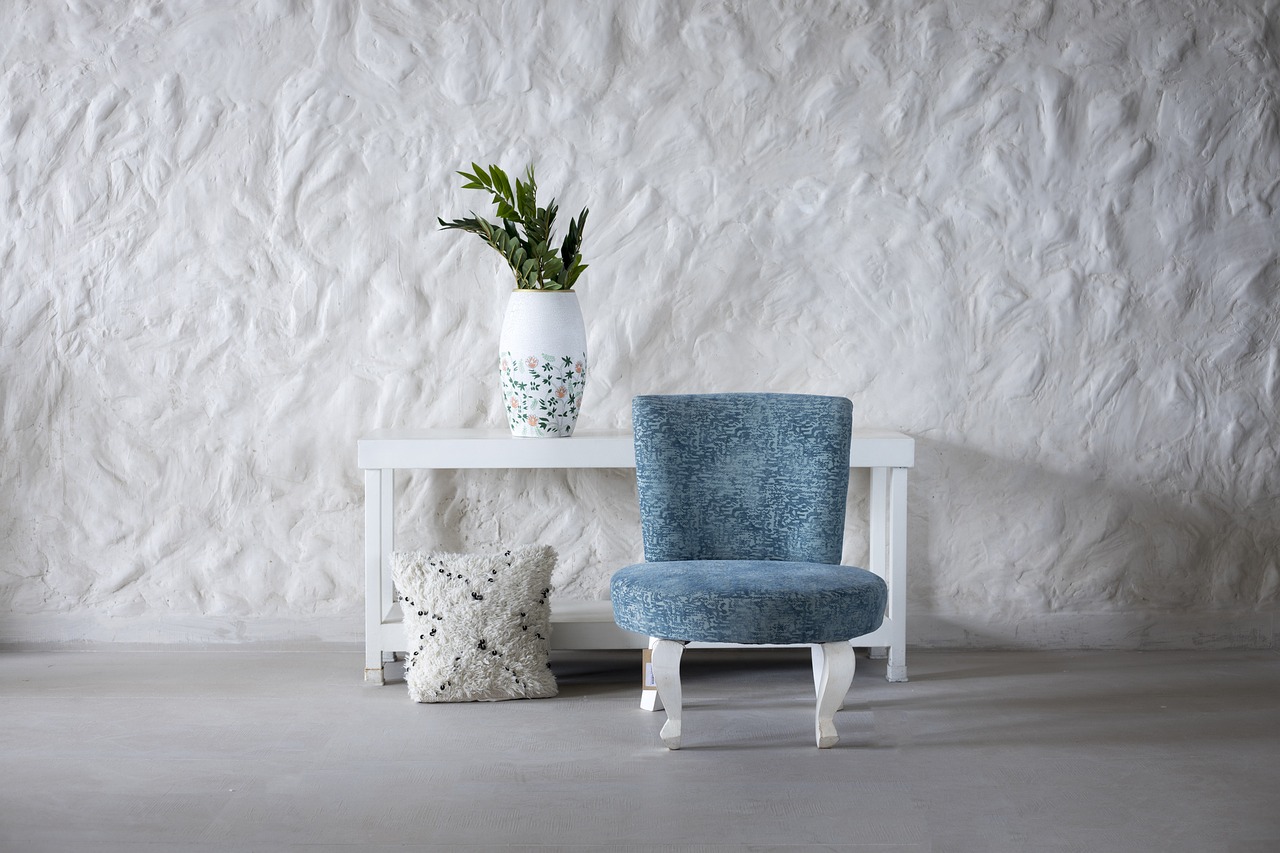
Rough plaster, limewash finishes, and stone-inspired surfaces are bringing depth back into modern interiors. Textured walls add dimension without overwhelming a room, creating subtle shadows that make a space feel alive. These finishes borrow from historic crafting methods used in old villas, farmhouses, and adobe homes. Homeowners love them because they hide imperfections while adding visual warmth. Whether lightly brushed or deeply troweled, textured walls turn plain surfaces into statement features with character and authenticity.
3. Cottagecore
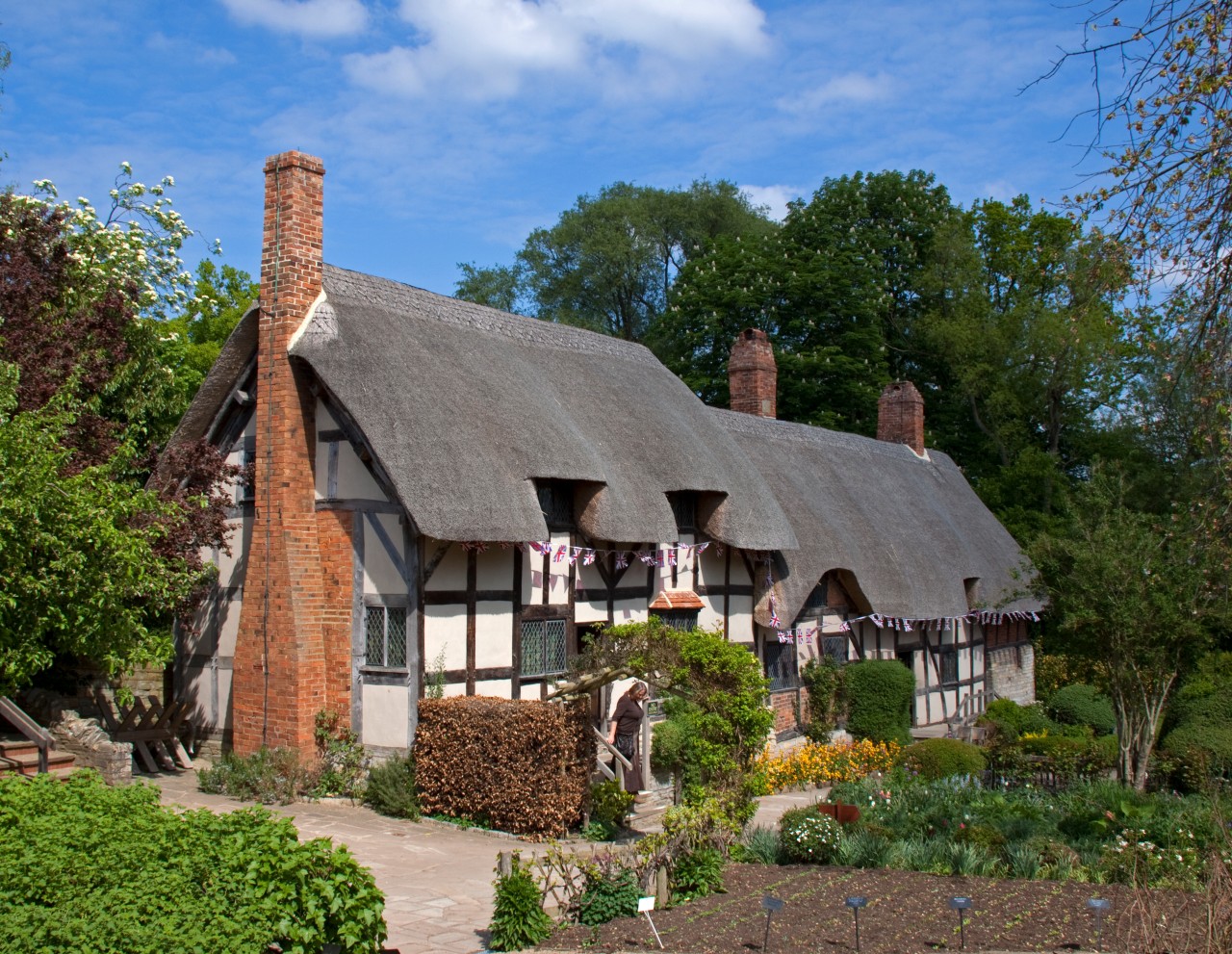
Drawing from slow living and the charm of old countryside homes, cottagecore brings handmade textiles, vintage furniture, and natural materials into modern spaces. Floral patterns, soft lighting, and cozy layers highlight a return to comfort and simplicity. This trend celebrates craftsmanship and nostalgia, inviting people to fill their homes with pieces that feel meaningful rather than trendy. With a focus on sustainability and warmth, cottagecore creates spaces that feel lived in, welcoming, and connected to nature.
4. Midcentury Modern Revival

Clean silhouettes, tapered legs, and functional elegance define the renewed love for midcentury design. Homeowners are drawn to its balance of form and practicality, with iconic pieces that still feel fresh today. Warm woods, bold geometric shapes, and simple layouts reflect a time when design celebrated innovation without sacrificing comfort. The revival is fueled by durable craftsmanship and the timeless appeal of furniture that works in almost any room, bridging nostalgia with modern-day functionality.
5. Vintage Lighting Fixtures
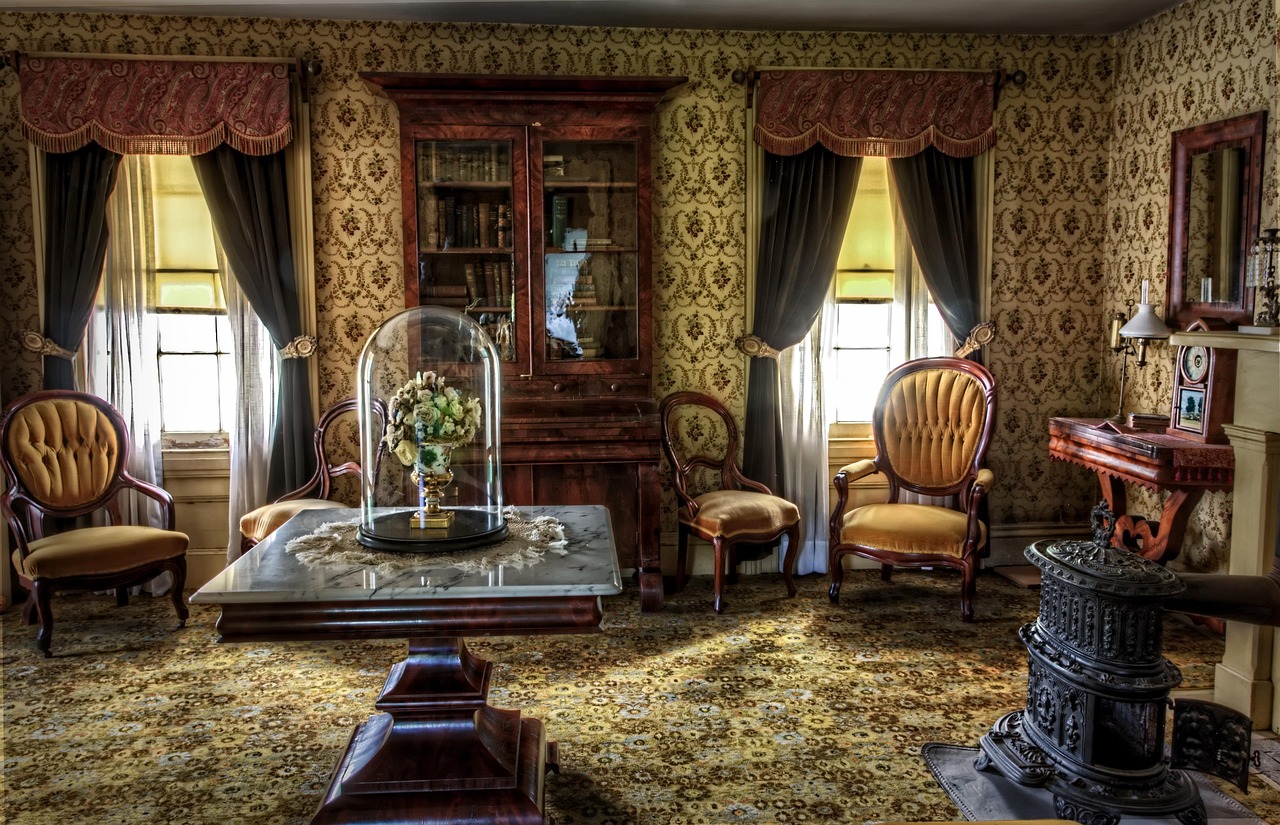
Antique pendants, retro sconces, and brass lamps are making a strong comeback as homeowners seek character-rich lighting. These fixtures offer warmth that modern designs often lack, using soft glows and handcrafted details to elevate everyday spaces. Many pieces borrow from early industrial, art deco, or midcentury styles, adding instant personality. Vintage-inspired lighting also supports sustainable decor by extending the life of older items. Each fixture becomes both a practical element and a nostalgic focal point.
6. Rustic Farmhouse Elements

Weathered woods, iron accents, and handcrafted details capture the charm of traditional farmhouses. This trend embraces honest materials that show age and natural imperfections, creating rooms that feel warm and grounding. Shaker cabinetry, barn-style doors, and simple textiles keep the look functional and unpretentious. Homeowners appreciate how rustic farmhouse decor blends comfort with durability. It creates an environment that feels familiar and humble while still aligning with modern expectations for longevity and style.
7. Retro Color Palettes
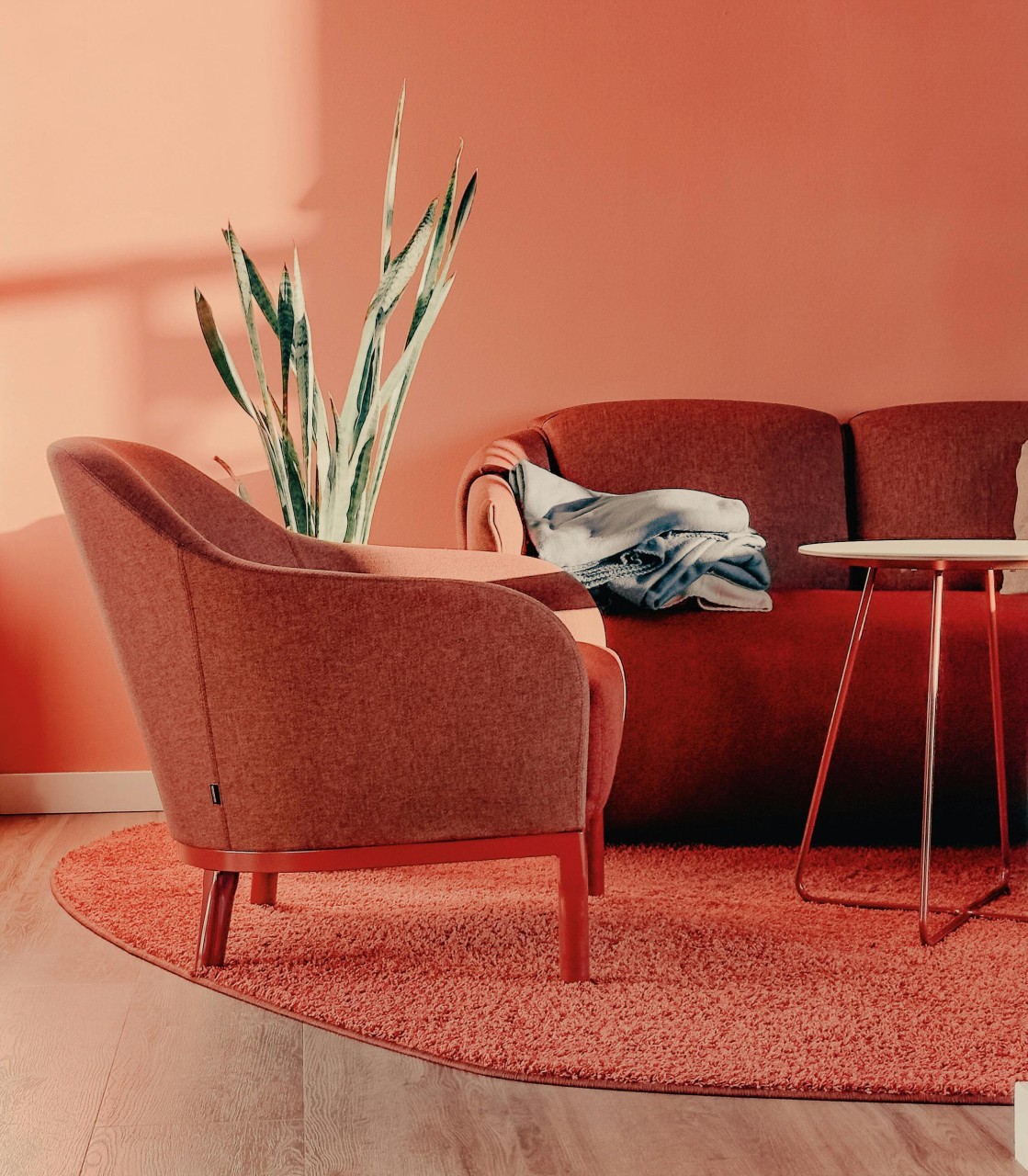
Earthy greens, mustard yellows, burnt oranges, and muted blues are resurfacing as people crave warmth and nostalgia in their homes. These retro palettes recall designs from the 60s through the 80s, offering depth and character without overwhelming a space. Many choose these hues for their comforting effect and ability to complement natural materials. Used thoughtfully in accent walls, furniture, or decor, retro colors bring personality and history back into interiors while remaining adaptable to modern tastes.
8. Art Deco Accents
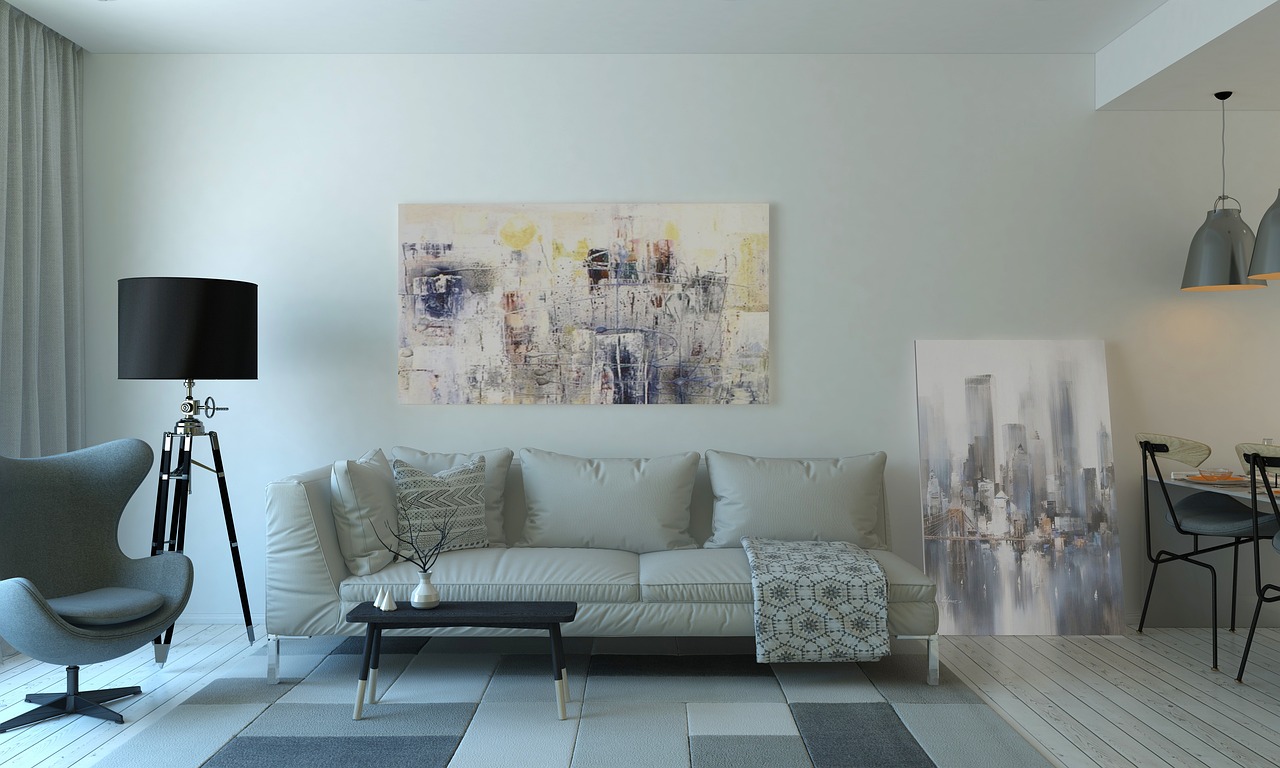
Geometric shapes, luxe materials, and bold metallic details are defining the return of art deco accents. This style draws inspiration from the lavish interiors of the 1920s, emphasizing symmetry and glamour. Curved patterns, mirrored surfaces, and rich finishes add sophistication without feeling heavy. Homeowners enjoy how Art Deco pieces can transform even simple rooms into visually striking spaces. These accents bring a nostalgic sense of elegance, blending old-world charm with contemporary refinement.
9. Shabby Chic Touches
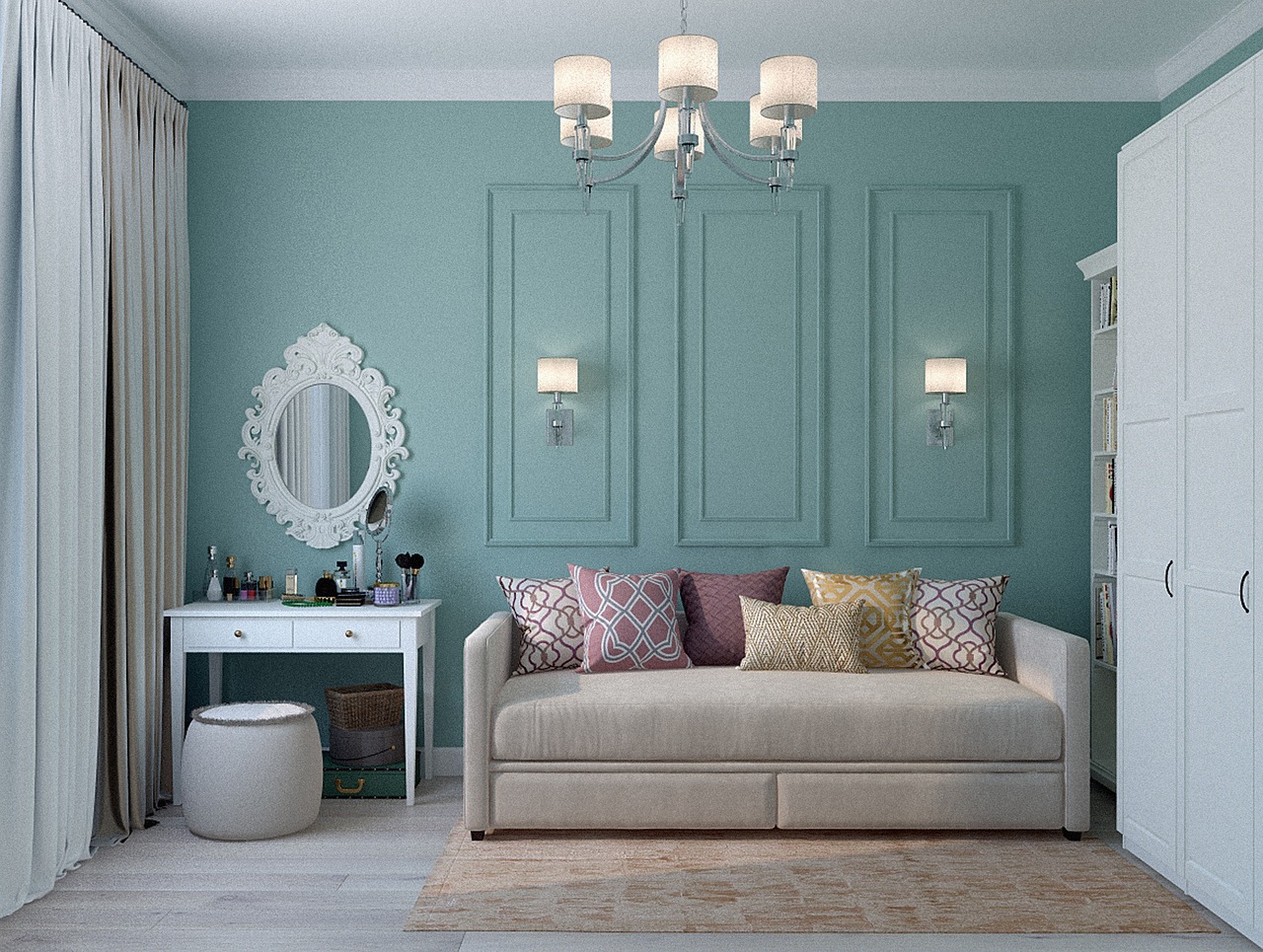
Soft pastels, distressed finishes, and vintage fabrics give shabby chic interiors their gentle charm. This trend celebrates repurposed furniture and handcrafted accessories that add personality without feeling overly polished. Worn textures and romantic details create a relaxed atmosphere, making rooms feel lived in and welcoming. Many choose shabby chic for its sustainability and affordability, as it encourages updating and reusing older pieces. Its focus on softness and character resonates with those who appreciate nostalgic comfort.
10. Curved Furniture Shapes
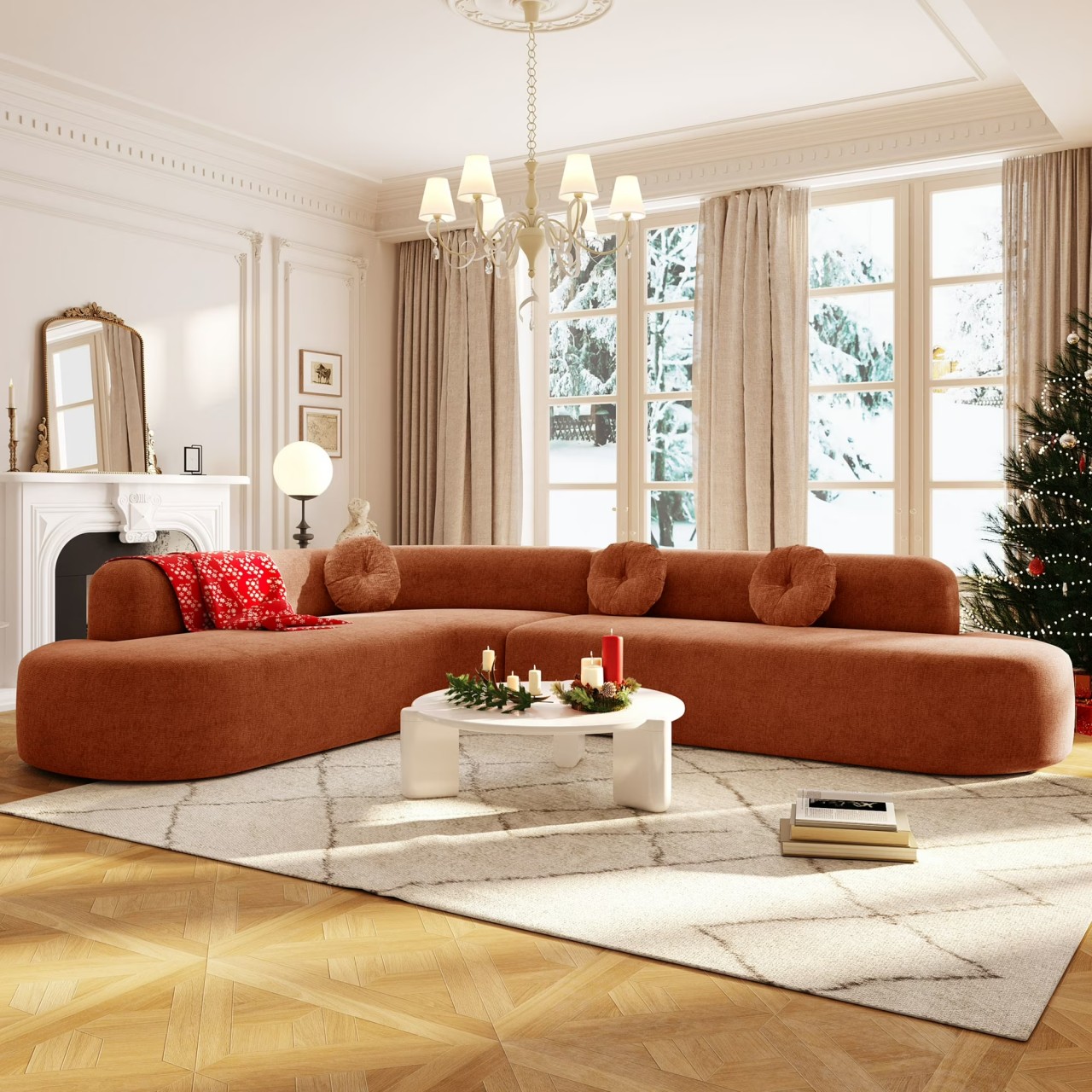
Rounded edges, arched backs, and smooth silhouettes are replacing the sharp lines of recent decades. Curved furniture adds softness to a room and makes the space feel more natural, reflecting design principles used throughout the midcentury and early modern eras. These shapes create a sense of comfort and approachability, whether in sofas, chairs, or tables. Their sculptural look adds quiet elegance, and their ergonomic form makes them functional as well as visually inviting, blending nostalgia with modern comfort.