
Some animal protection laws look so strange that they seem like they were written as a joke, yet many of them carry surprisingly important purposes. Behind each odd rule is a real story about safety, compassion, or preserving wildlife in ways most people never think about. These unusual laws remind us that protecting animals sometimes requires creativity, quick responses to unexpected incidents, and a willingness to step in before harm occurs. What first appears quirky often reveals a deeper commitment to keeping animals safe in a world shaped by human activity.
1. No Photos With Tigers Law
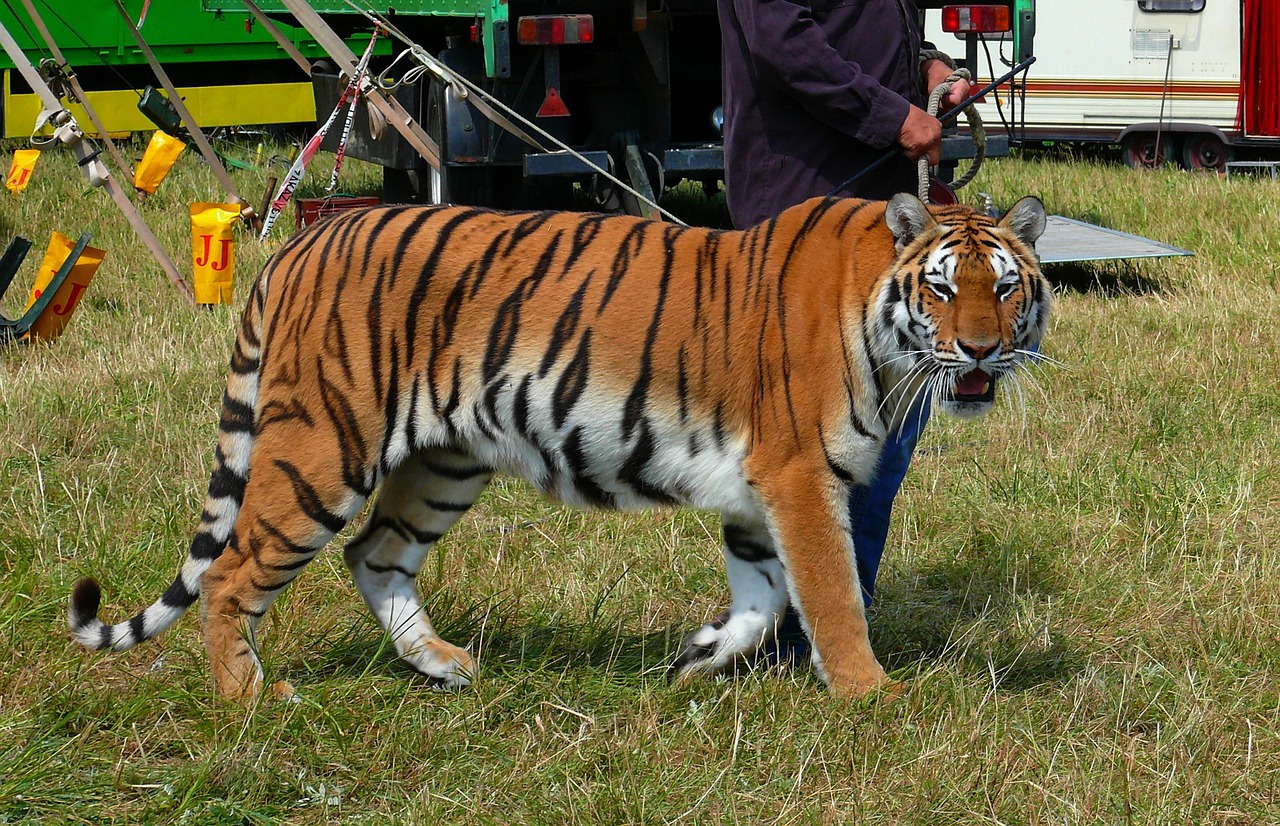
The idea of a harmless tourist photo hides a harsh reality for the tigers involved. Many facilities offering close contact keep the animals sedated or restrained to make them easier to handle. Constant interaction with unfamiliar people also causes stress that weakens their immune systems and disrupts natural behaviors. Laws banning these photo sessions were introduced to stop the cycle of drugging, confinement, and exploitation. By restricting physical contact, these rules protect tigers from forced encounters that harm both their health and long-term survival.
2. The No Goldfish Prizes Rule
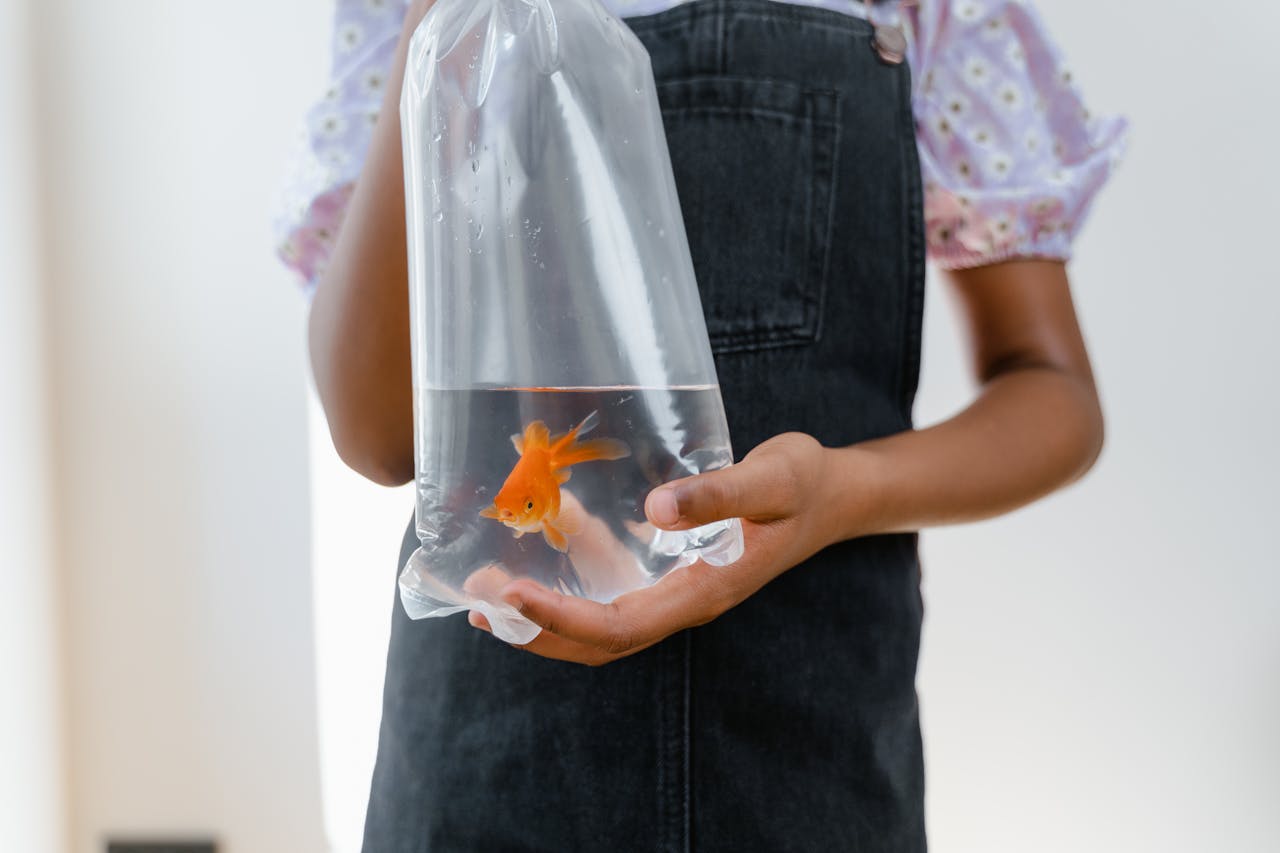
Winning a goldfish at a carnival may seem innocent, but the tradition often leads to poor survival rates for the fish. Goldfish given as prizes experience extreme stress from loud environments, cramped containers, and rapid temperature changes. Once taken home, they are frequently kept in bowls too small to support proper filtration or oxygen levels. Laws banning this practice were created to prevent unnecessary suffering caused by temporary housing and uninformed care. These rules encourage responsible pet ownership and stop goldfish from being treated as disposable prizes rather than living creatures.
3. Ban on Octopus Wrestling
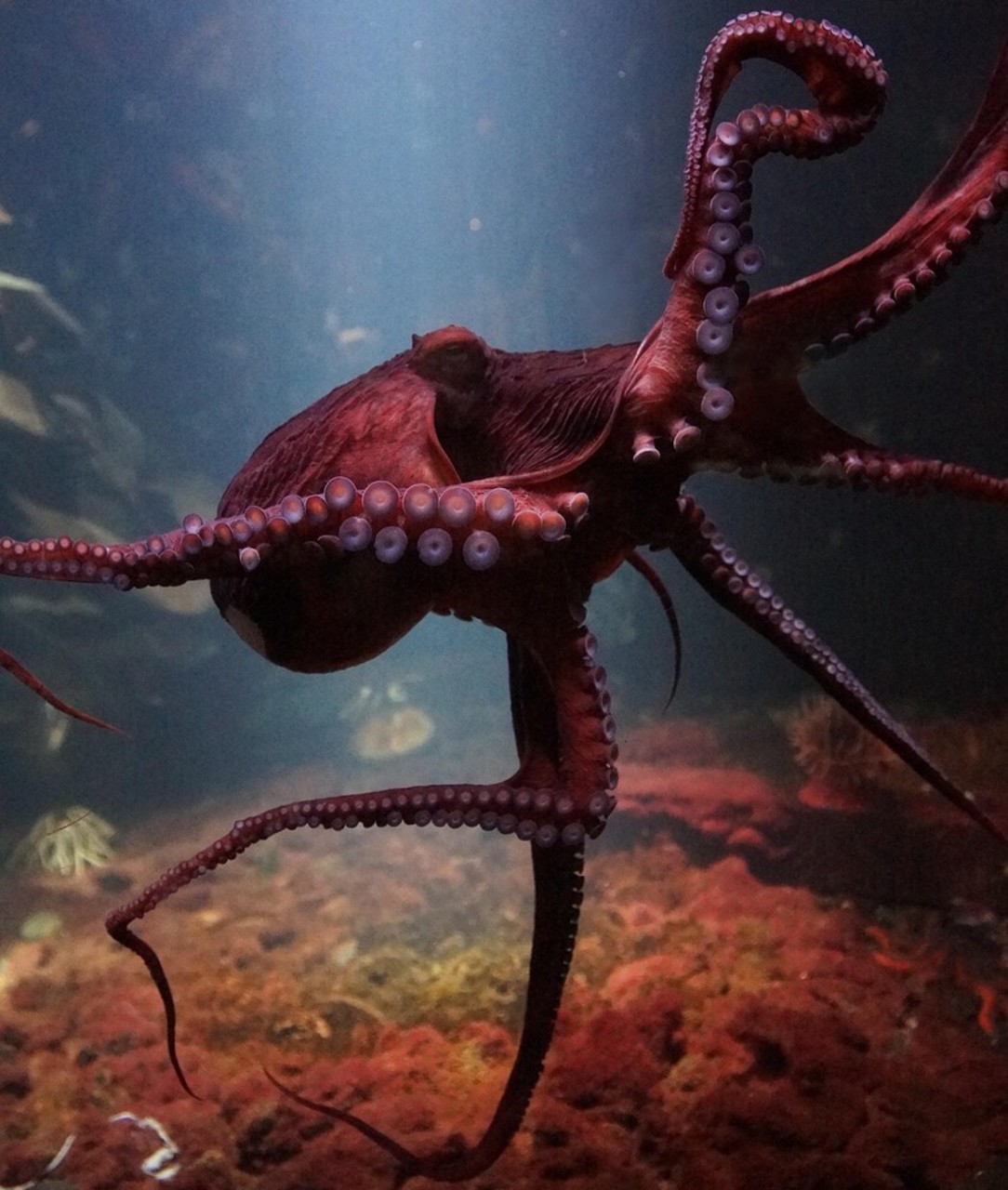
Octopus wrestling once existed as a spectacle rooted in novelty rather than respect for marine life. Octopuses are highly intelligent and capable of problem-solving, memory retention, and complex behavior. Forcing them into shallow water and physical struggle places them under severe stress and often leads to injury or death. Laws banning the activity were put in place to end the needless harm caused by turning wildlife into a contest. By removing the entertainment factor, these protections acknowledge the cognitive abilities of octopuses and the need to preserve them in their natural habitats.
4. No Donkey in the Bathtub After 7 PM
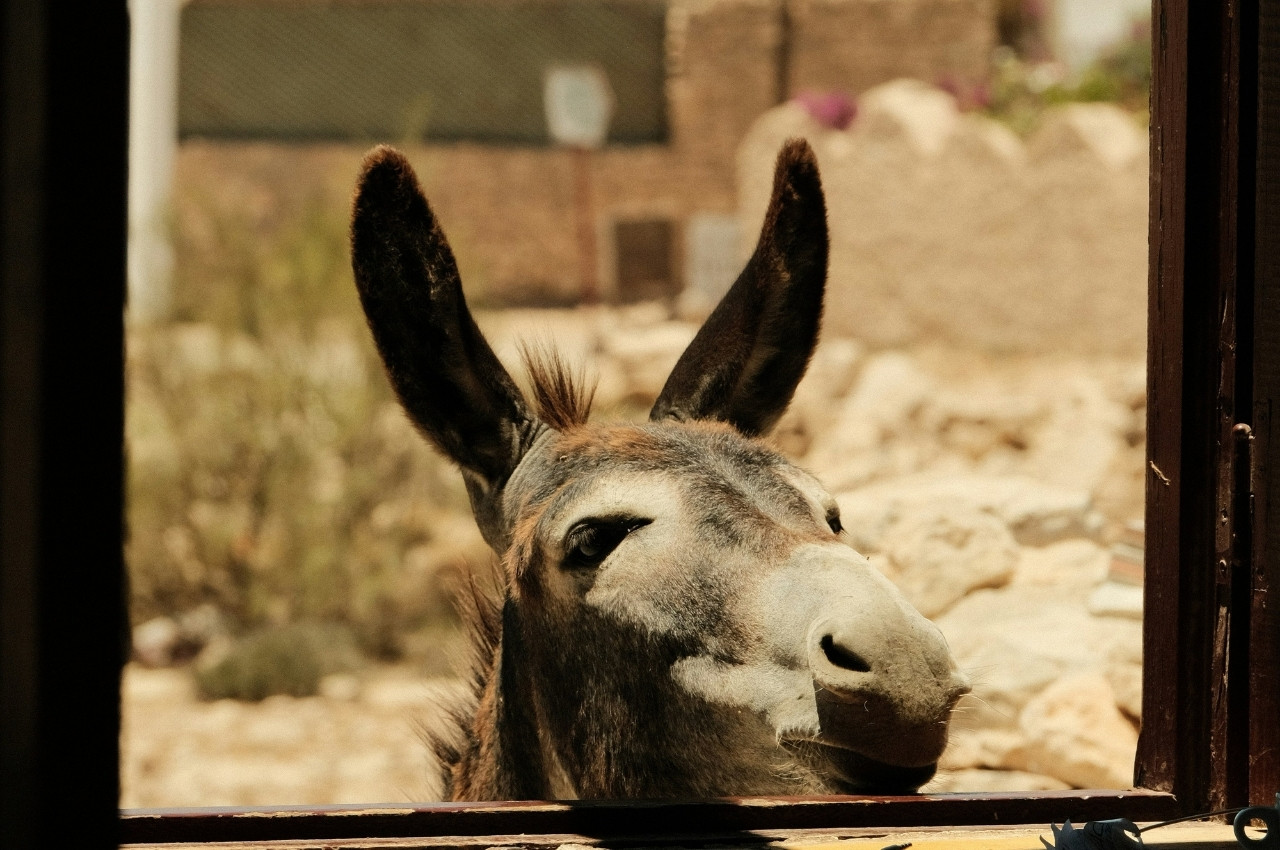
This strange law originates from a real emergency that endangered both the animal and the rescuers. After a rancher allowed his donkey to rest in an old bathtub, a sudden flood swept it away, requiring extensive rescue efforts. The ordeal highlighted how unconventional animal housing can create dangerous situations during natural disasters. The law was introduced to prevent similar rescues that strain resources and place animals in harm’s way. Though humorous on the surface, it reinforces the importance of safe living conditions for domestic animals.
5. Whale Protection From the Air
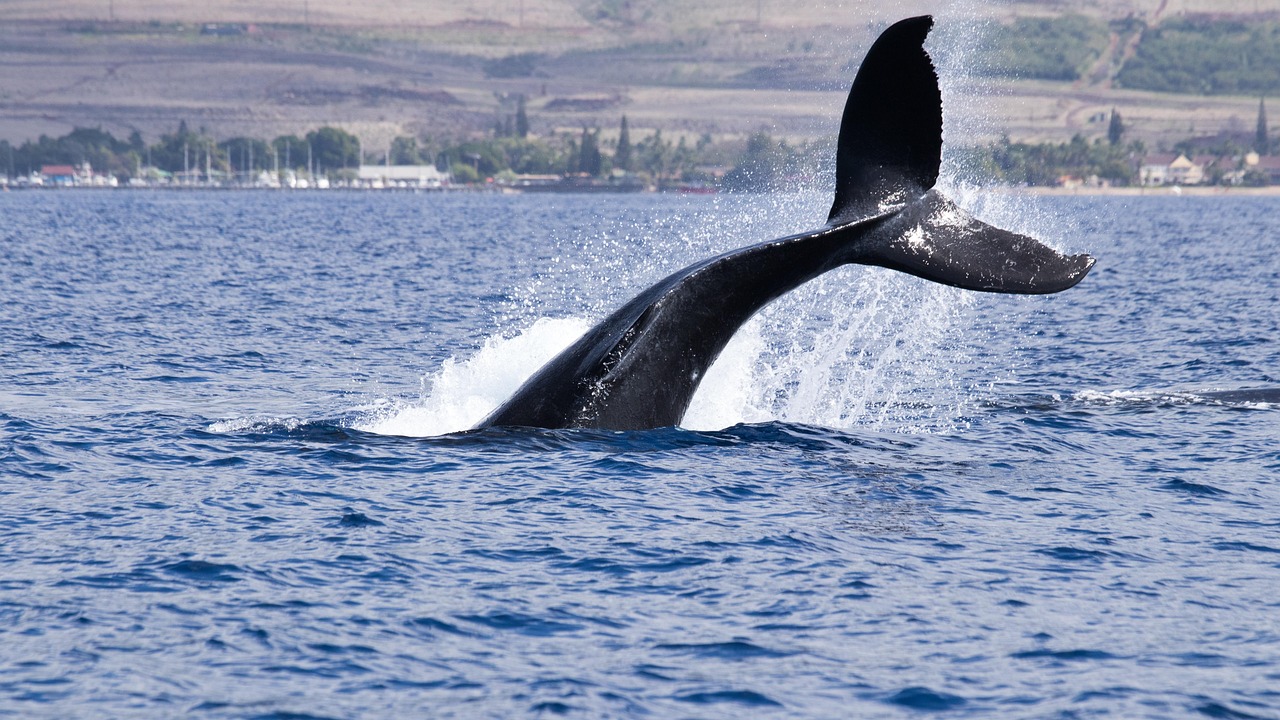
Aircraft may seem distant, but the noise and shadow they cast can disrupt whale behavior far below. Whales rely on sound for communication, navigation, and staying connected within their groups. When planes or drones fly too close, the disturbance can interrupt feeding, mating, or migration patterns. Regulations prohibiting low-flying aircraft were established to reduce stress on these marine mammals and protect their natural rhythms. By managing air traffic around whale habitats, these laws support conservation efforts and safeguard sensitive species.
6. Ban on Horse Tripping Events
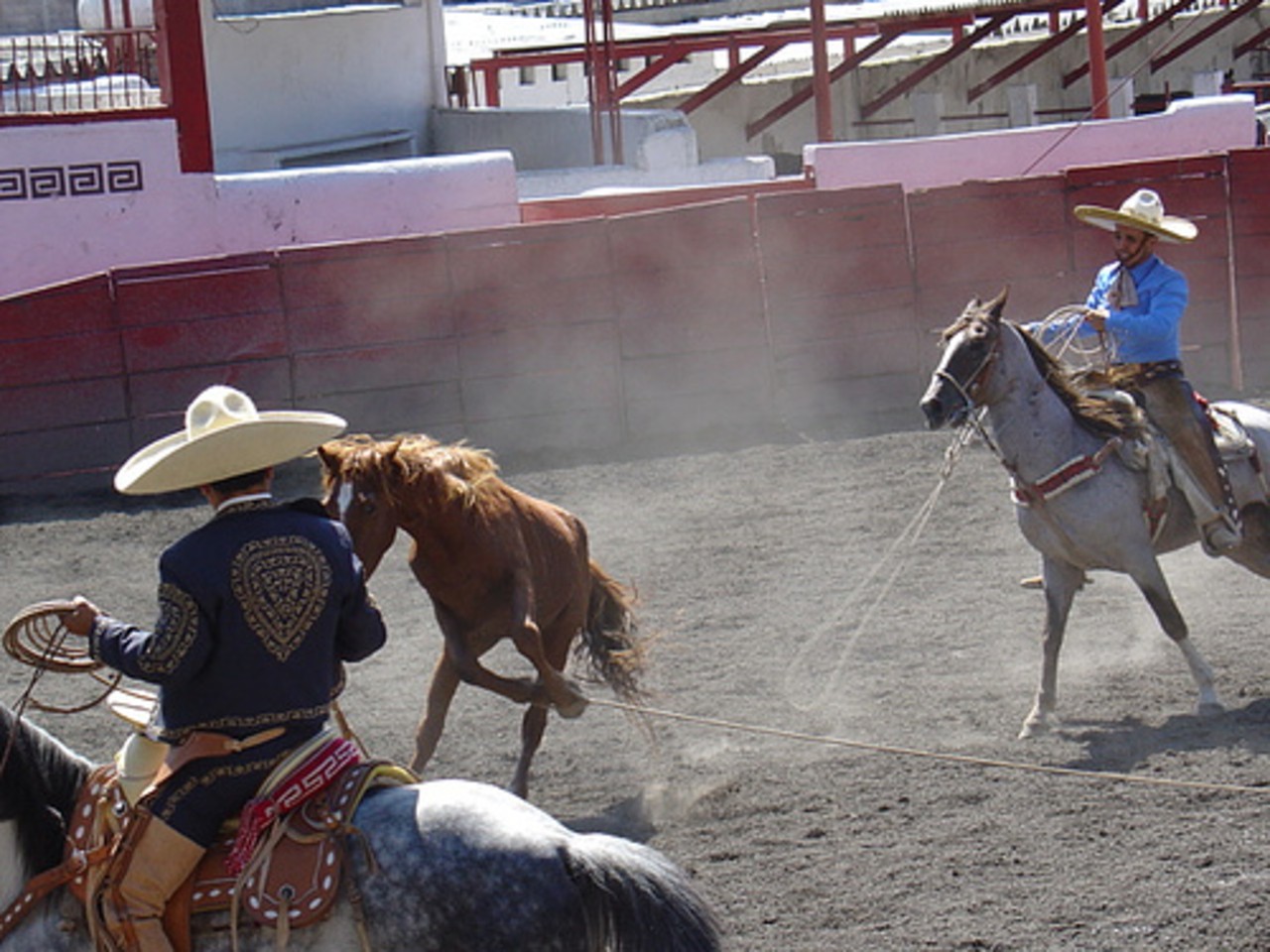
Horse tripping was once used as entertainment in certain rodeo exhibitions, but the risks to the animals are significant. The practice involves forcing a horse to fall abruptly, which can lead to broken bones, ligament damage, and long-term trauma. Laws banning the activity were enacted to eliminate events that cause deliberate injury without any agricultural or training purpose. These protections recognize the value of humane treatment and ensure horses are not subjected to unnecessary pain for the sake of spectacle.
7. No Dyeing Animals for Entertainment
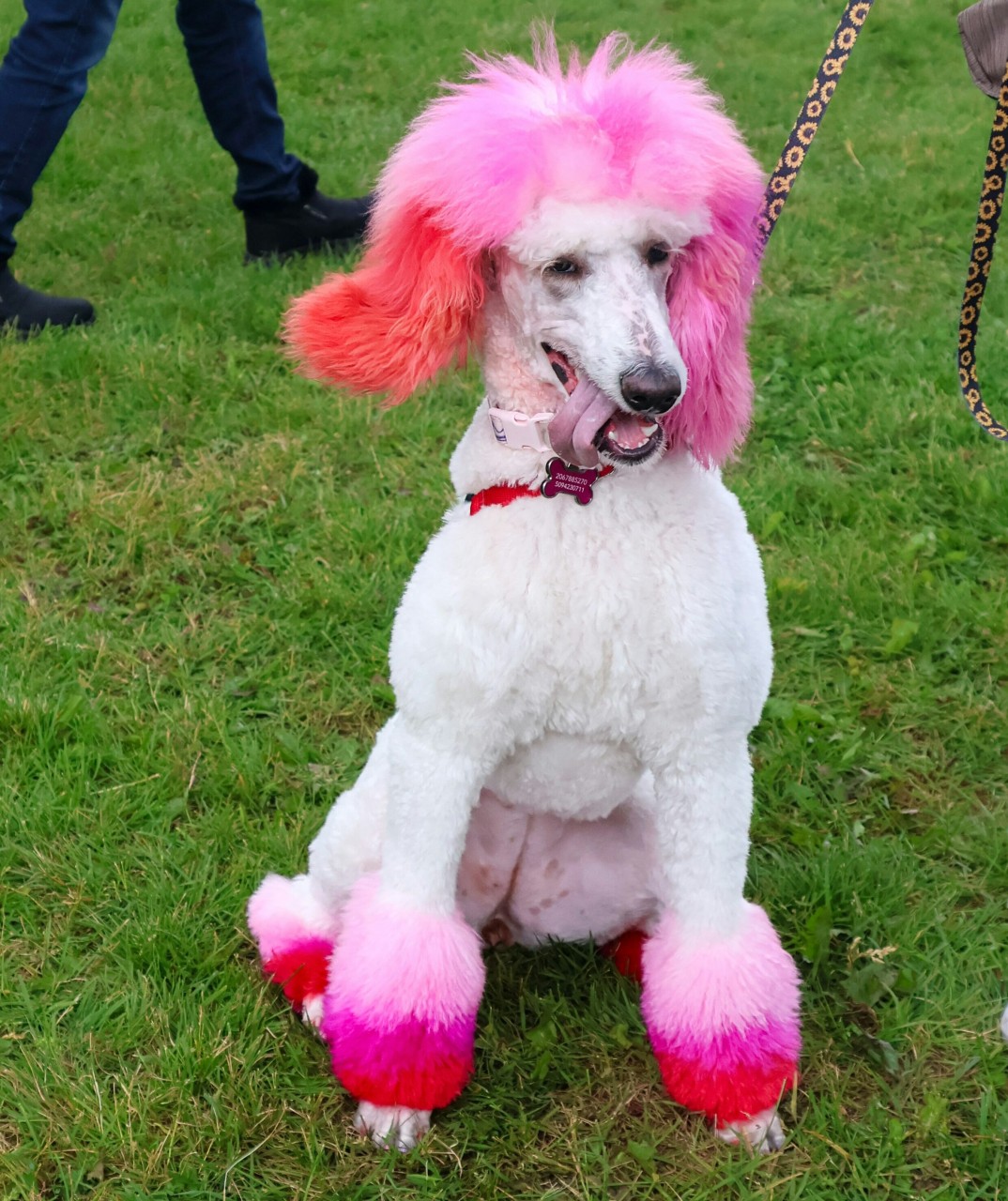
Brightly colored pets may attract attention, but the chemicals used in dyes can irritate skin, damage fur, and cause allergic reactions. Beyond the physical effects, the dyeing process itself often causes stress as animals are confined or handled excessively. Cities that ban this practice aim to prevent harm caused by using animals as decorative props. These laws encourage owners to prioritize health and comfort over novelty, ensuring animals are not exposed to products meant for human cosmetic use.
8. Laws Against Feeding Wild Monkeys
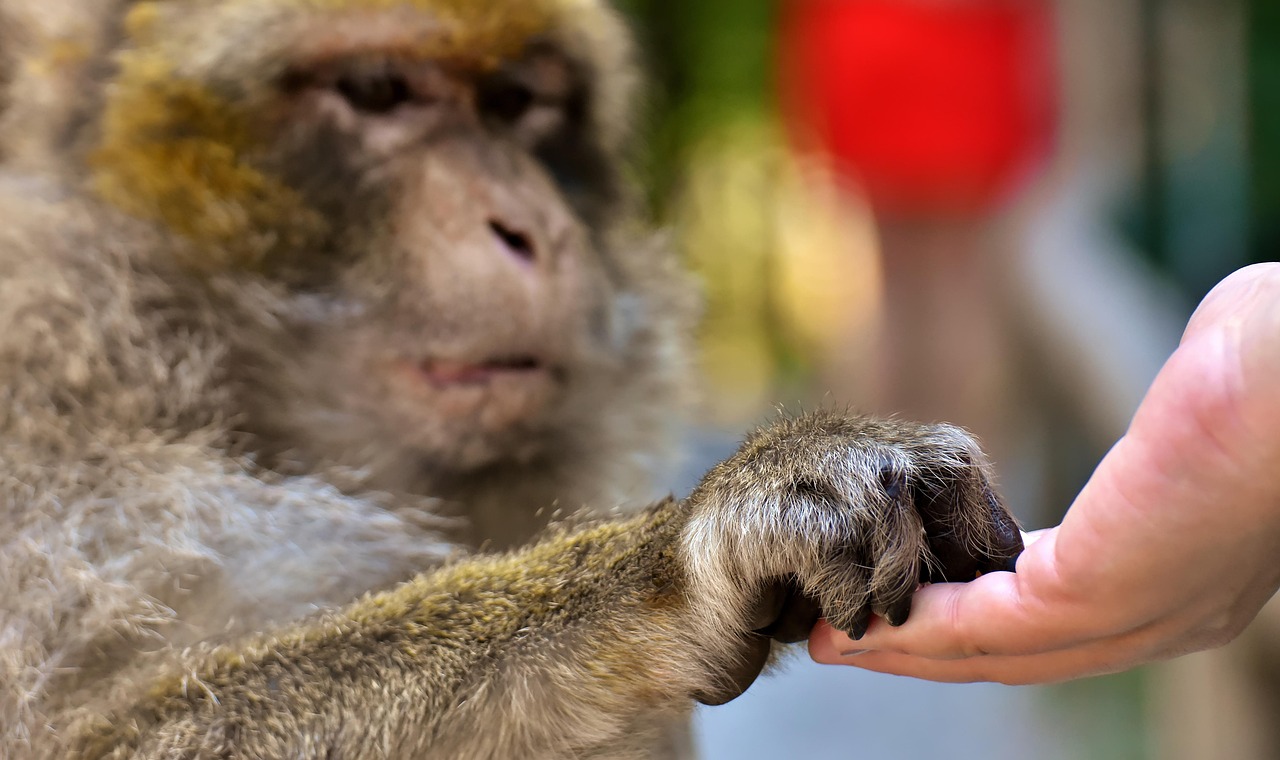
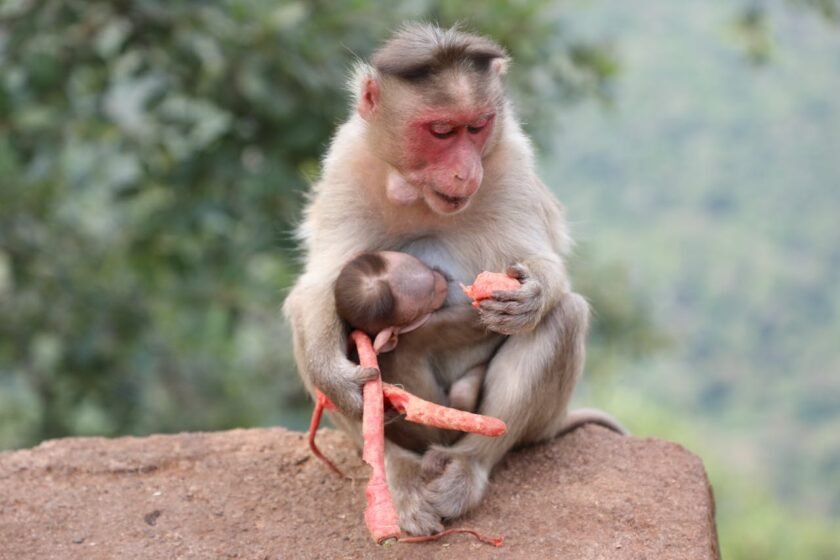
Feeding wild monkeys may feel kind or harmless, but it quickly alters their natural behavior. Once they learn to associate humans with food, they become aggressive, dependent, and more likely to raid homes or farms. This creates dangerous conflicts that often result in harm to both people and animals. Laws prohibiting feeding were introduced to maintain healthy boundaries and preserve natural foraging habits. By preventing handouts, these rules protect ecosystems and reduce confrontations that threaten wildlife populations.