

Many homeowners focus on curb appeal without realizing that common landscaping choices can unintentionally attract snakes near their homes. From lush, overgrown lawns to cozy wood piles and water features, seemingly harmless yard elements create perfect shelter, food sources, and travel routes for these reptiles. Understanding how snakes interact with your environment is the first step in preventing encounters. By identifying and adjusting these overlooked aspects of your landscaping, you can create a safer, more welcoming outdoor space for your family while discouraging unwanted slithering visitors.
1. Overgrown Grass and Uncut Weeds
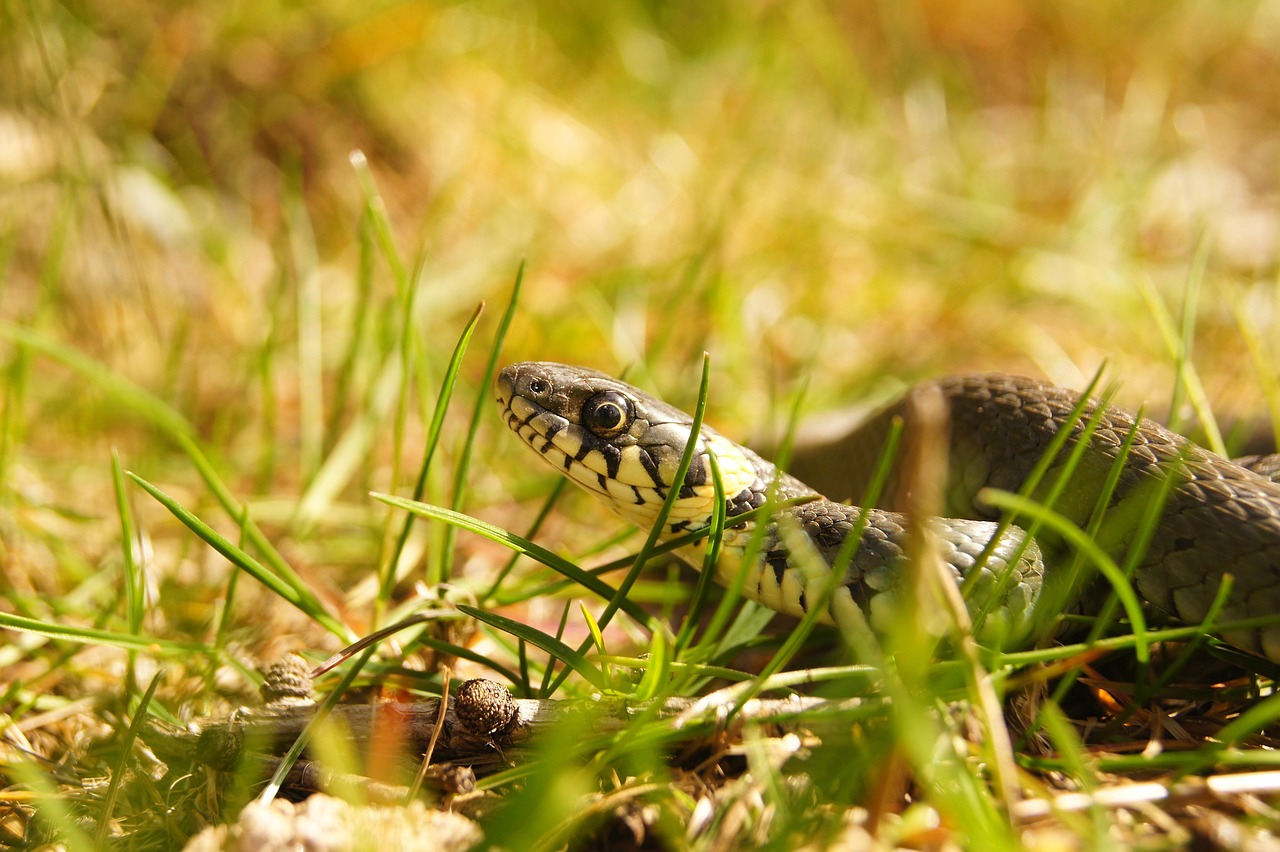
Tall, unmanaged grass provides snakes with an ideal cover to move undetected as they hunt for prey. When lawns become overgrown, snakes can easily navigate without being seen by predators or humans. The longer and thicker the vegetation, the more attractive it becomes as a sheltered corridor. Weeds also harbor insects, small rodents, and amphibians, giving snakes both food and protection. Maintaining a well-manicured lawn reduces hiding spots and limits the natural resources that draw snakes close to your home, creating a less inviting environment.
2. Wood Piles and Stacked Logs Against the House
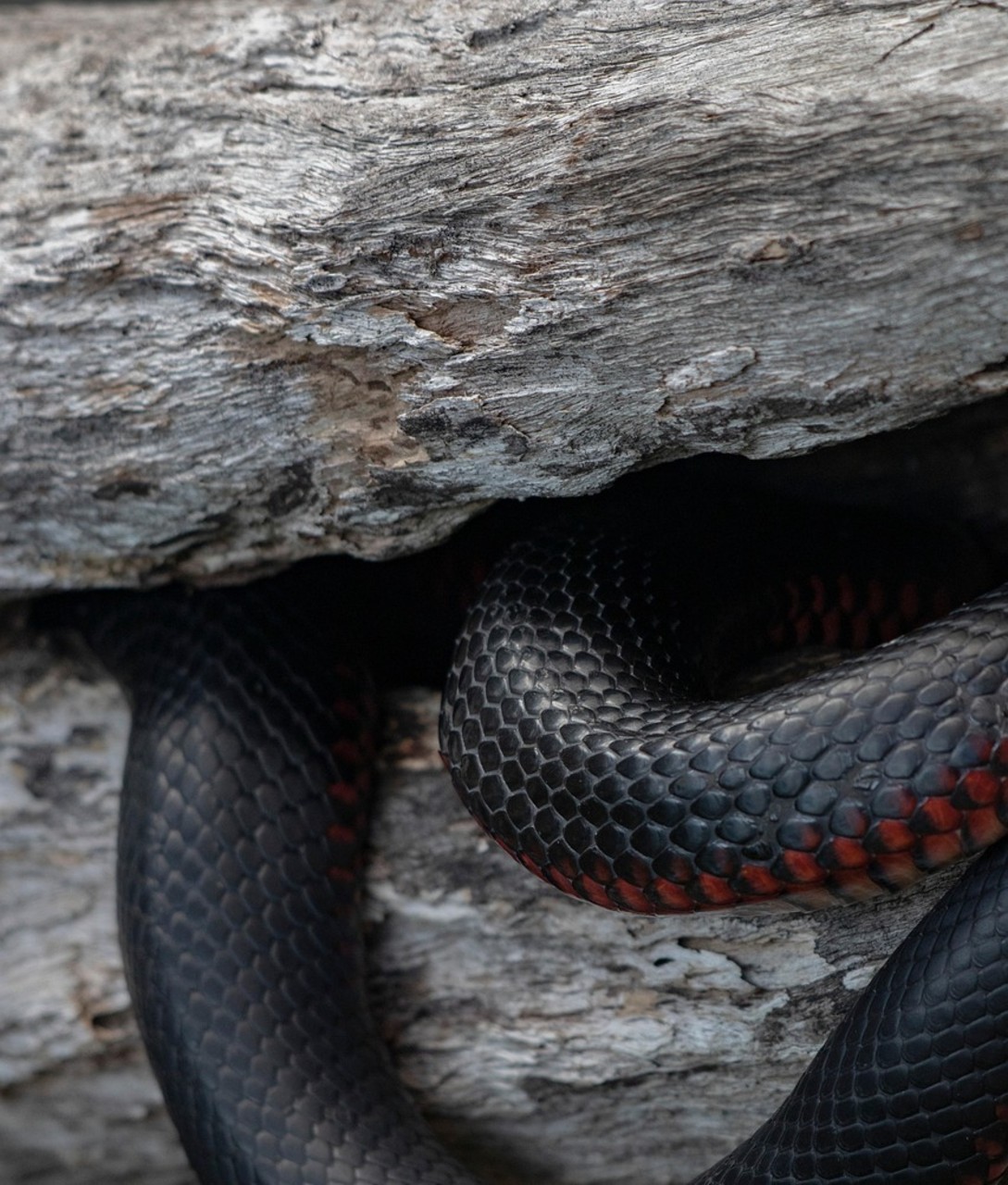
Wood piles and stacked logs provide cool, shaded hiding spots that snakes find irresistible. Not only do these stacks offer protection from extreme temperatures, but they also attract rodents seeking shelter, creating an indirect food source for snakes. Placing logs directly against your house further increases the risk, as it allows snakes to approach walls and potentially enter the home. Regularly moving or spacing wood piles away from structures can significantly reduce the appeal and break potential travel corridors for these reptiles.
3. Rock Gardens With Deep Gaps
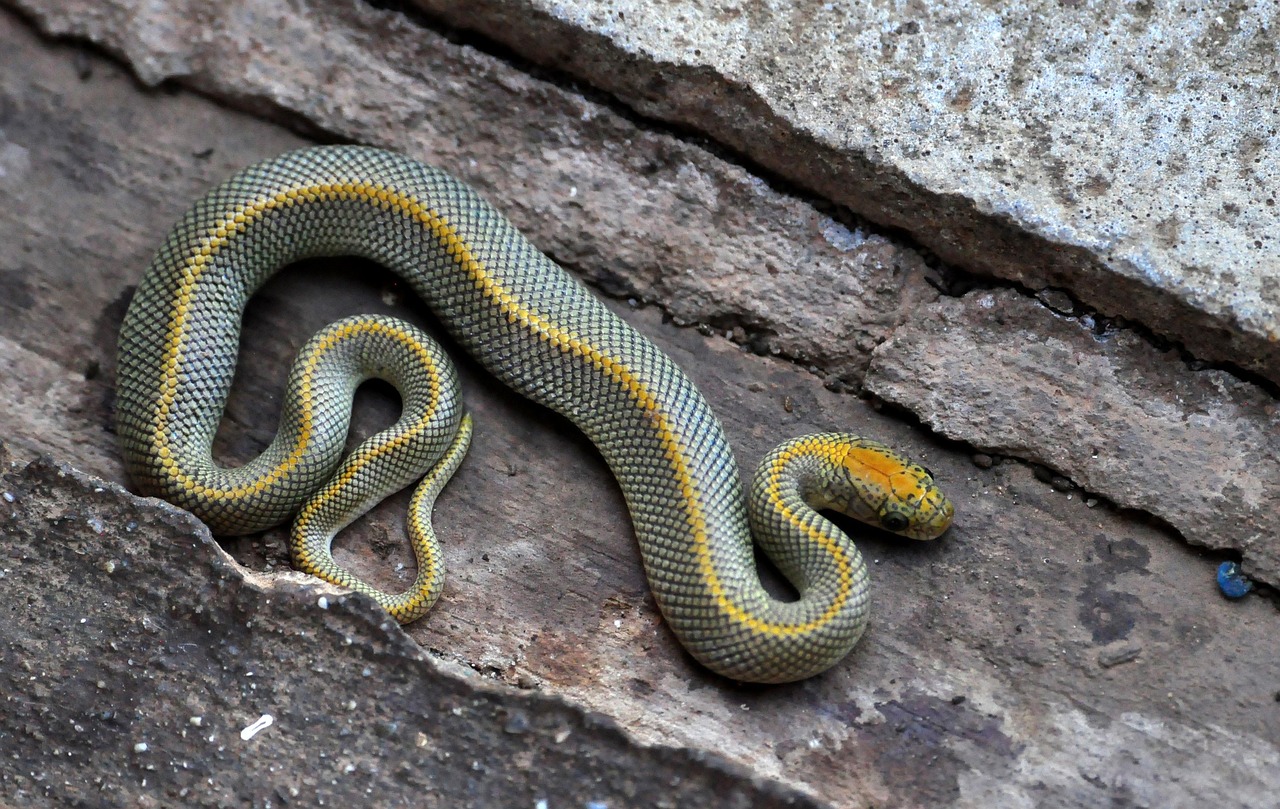
While rock gardens are aesthetically pleasing, the gaps between stones create perfect hiding places for snakes. The shaded crevices retain moisture and provide cooler temperatures during hot days, which snakes prefer. These spaces also attract small mammals, insects, and amphibians, turning the garden into a buffet. Snakes often use these areas as resting spots or hunting grounds. Filling gaps with gravel or arranging rocks in ways that eliminate deep pockets can minimize their attractiveness to snakes while preserving your garden’s design.
4. Dense Shrubs and Foundation Bushes
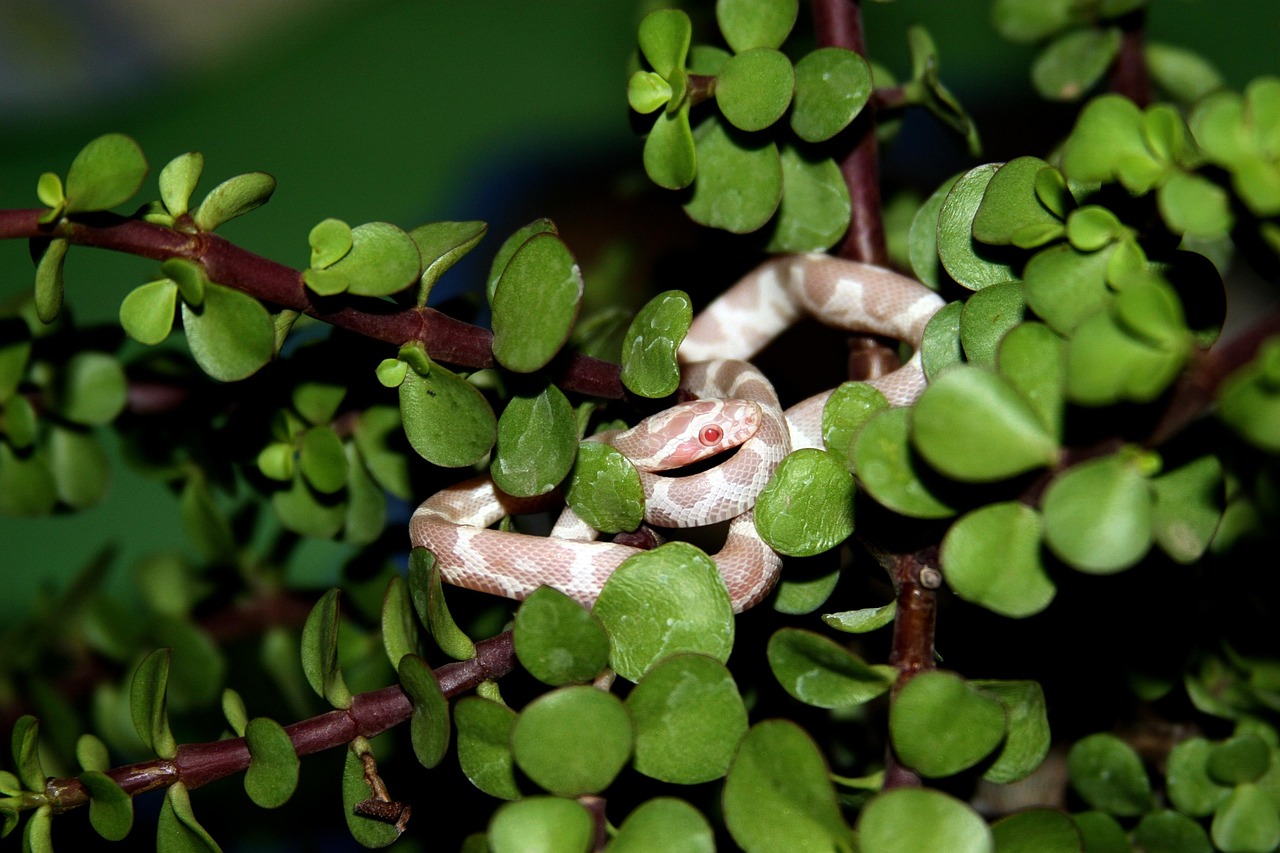
Thick, low-lying shrubs near your home create covered pathways that snakes can use to approach undisturbed. The dense foliage provides both camouflage and protection from predators, making it easier for snakes to navigate your yard. Additionally, shrubs often attract rodents and other small animals, which in turn draw snakes closer. Keeping bushes trimmed, leaving space between plants and the foundation, and choosing less dense landscaping options can disrupt these natural corridors and reduce the chances of snakes venturing near your home.
5. Mulch Beds With Heavy Moisture
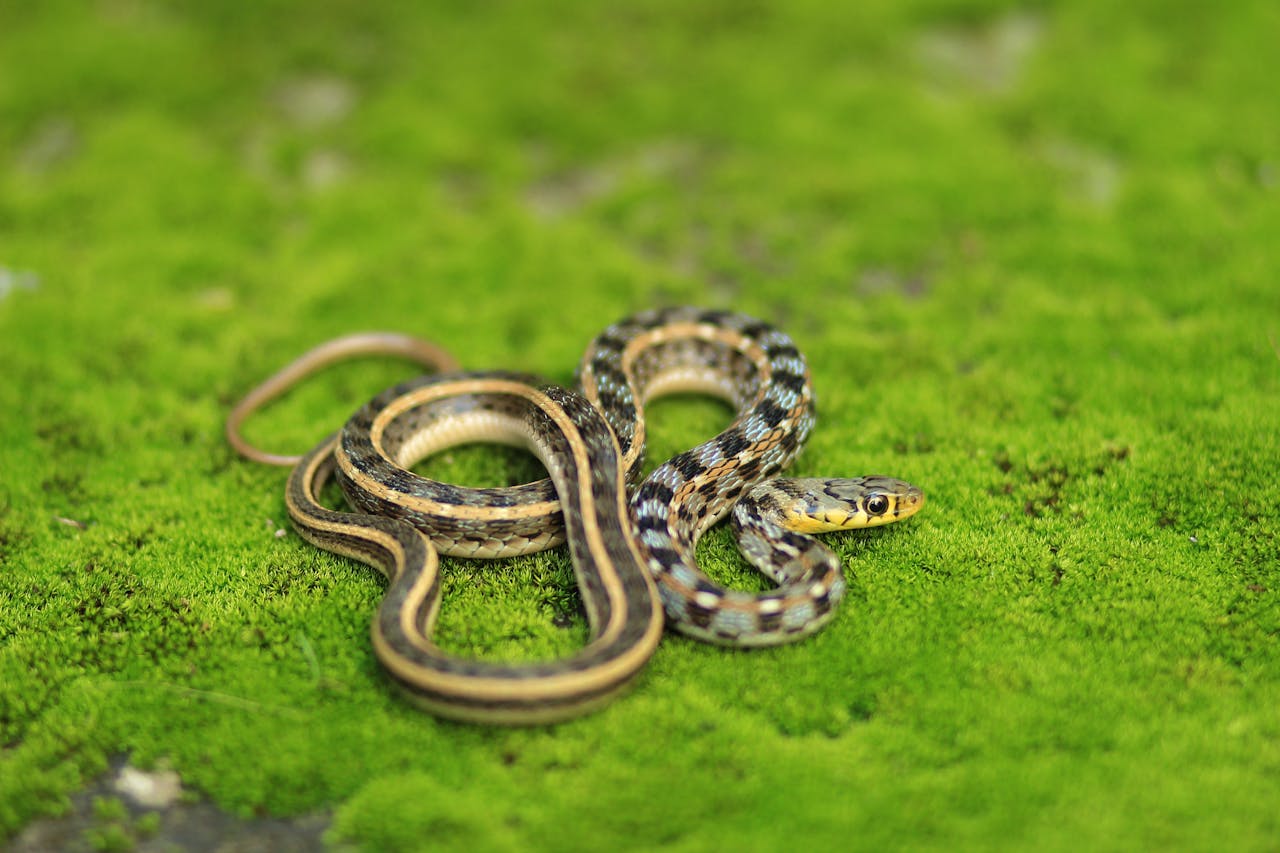
Damp, thick mulch provides an ideal habitat for snakes seeking shelter and hunting grounds. Moisture attracts insects and small rodents, while the softness of the mulch allows snakes to burrow or hide easily. Over time, untreated mulch can create insulated pockets that remain cool during summer and retain warmth in cooler months, making it appealing year-round. Spreading mulch thinly, maintaining airflow, and avoiding direct contact with house foundations can minimize these risks and reduce the yard’s attractiveness to snakes.
6. Vines and Climbing Plants on Fences or Walls
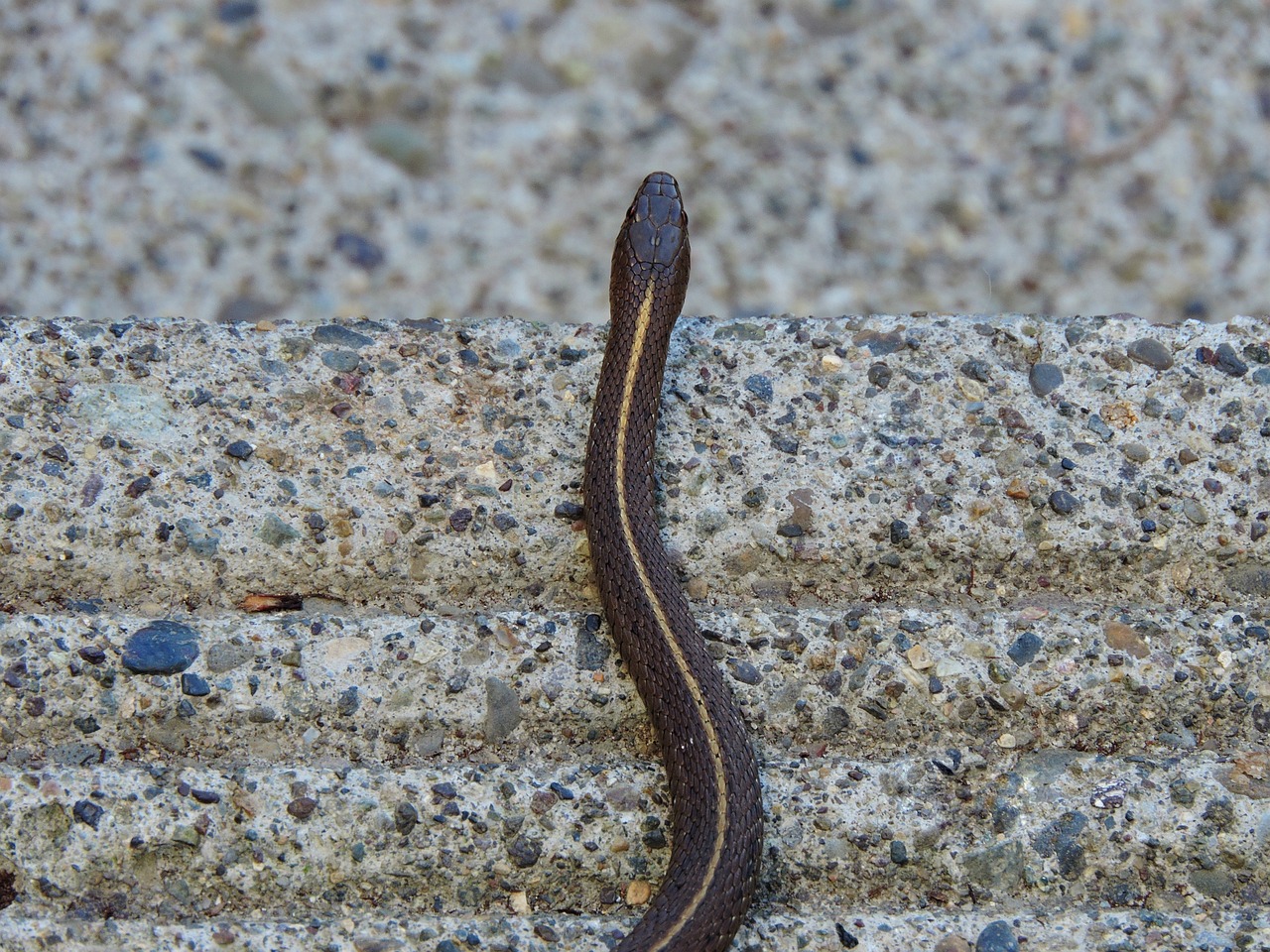
Vines that climb fences, trellises, or exterior walls can act as highways for snakes, allowing them to scale structures with ease. These plants create dense coverage that conceals snakes from predators and humans alike while providing access to bird feeders, attics, or sheds. Additionally, vines attract birds and rodents, which in turn lure snakes closer. Keeping vines pruned, installing barriers at ground level, and avoiding planting them directly against walls can minimize snake access while keeping your garden lush and vibrant.
7. Bird Feeders Positioned Close to the House
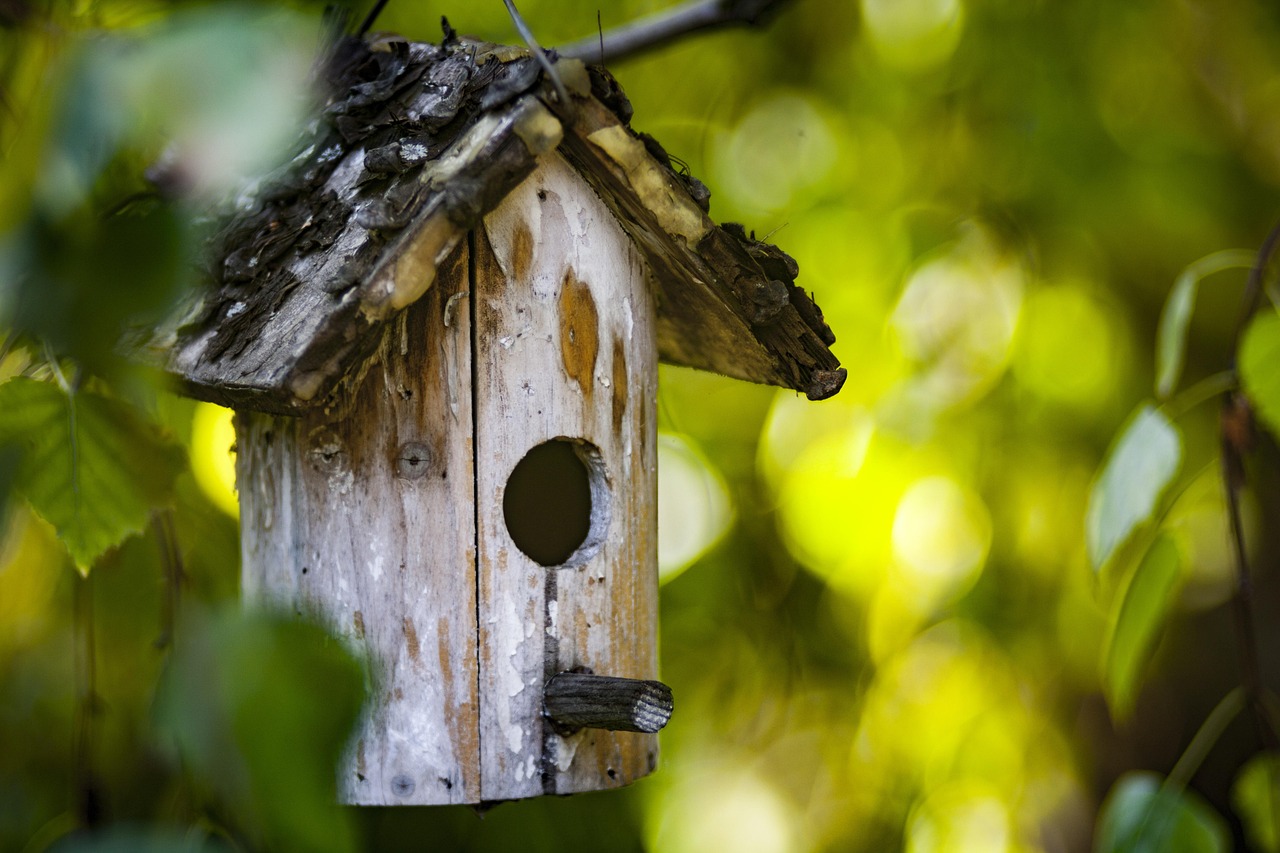
Bird feeders are a double-edged sword; they attract birds but also produce fallen seeds that draw rodents and small mammals. Snakes follow the trail of easy prey, often using nearby landscaping to stay concealed. The closer the feeders are to the house, the higher the risk of snakes venturing closer to human activity. Placing feeders further from the home, cleaning up spilled seeds, and controlling rodent populations can help prevent snakes from being drawn to areas near your living spaces.
8. Cluttered Yard Debris and Leaf Piles
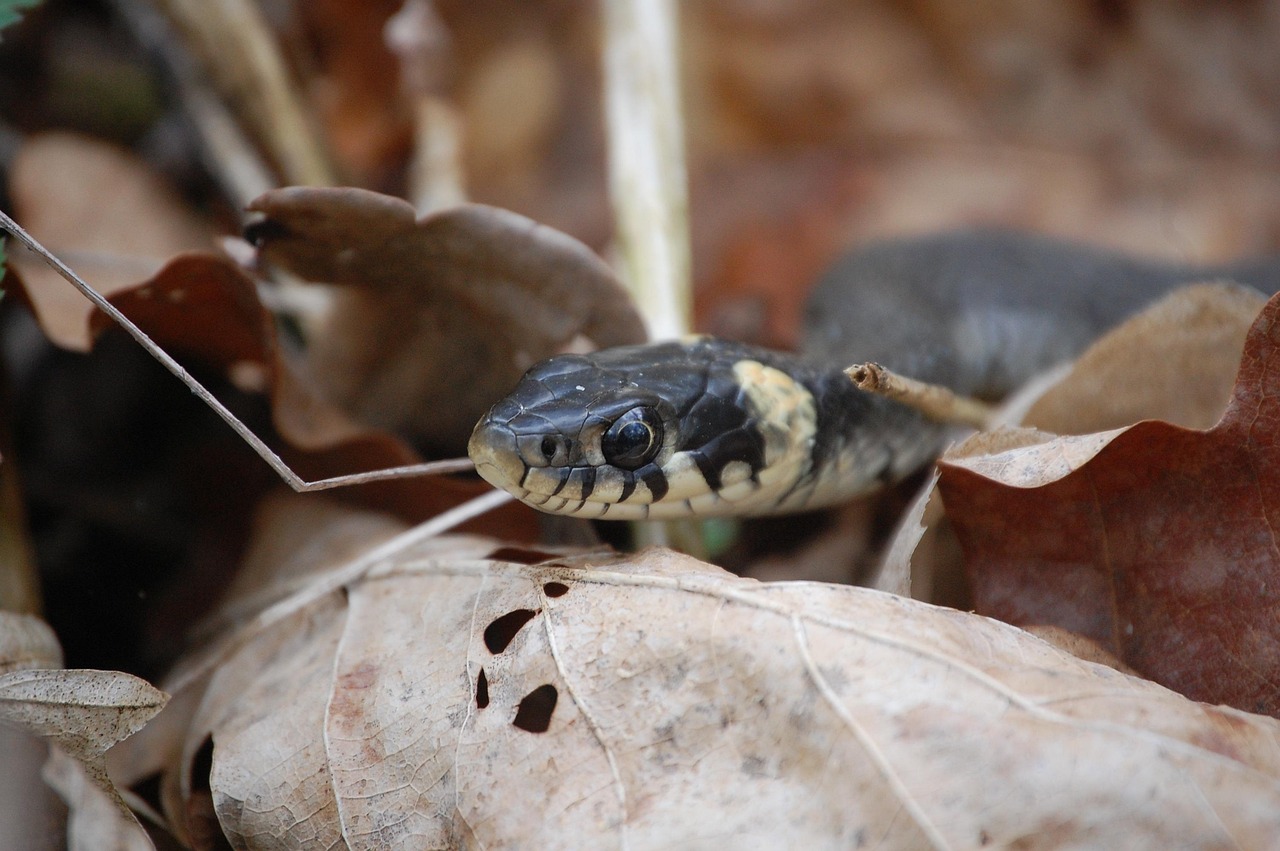
Stacks of leaves, branches, or miscellaneous yard debris create cool, hidden spots that snakes can exploit for shelter or nesting. These areas often retain moisture and host insects or small rodents, providing both food and protection. When debris is left close to buildings, snakes have a direct path to foundations or entry points. Regularly clearing debris, composting responsibly, and maintaining clean yard spaces can significantly reduce hiding places and make your property less hospitable to snakes.
9. Compost Pits That Retain Heat

Compost piles naturally generate warmth as organic material decomposes, attracting snakes that seek both heat and the insects or rodents that gather nearby. The insulated environment provides a comfortable microhabitat, particularly in cooler weather. Open or loosely managed compost pits increase the risk of snakes nesting or hunting there. Using enclosed compost bins, turning the material regularly, and placing the pile away from structures can prevent snakes from establishing themselves near your home while still supporting eco-friendly gardening practices.
10. Ponds and Water Features Without Barriers
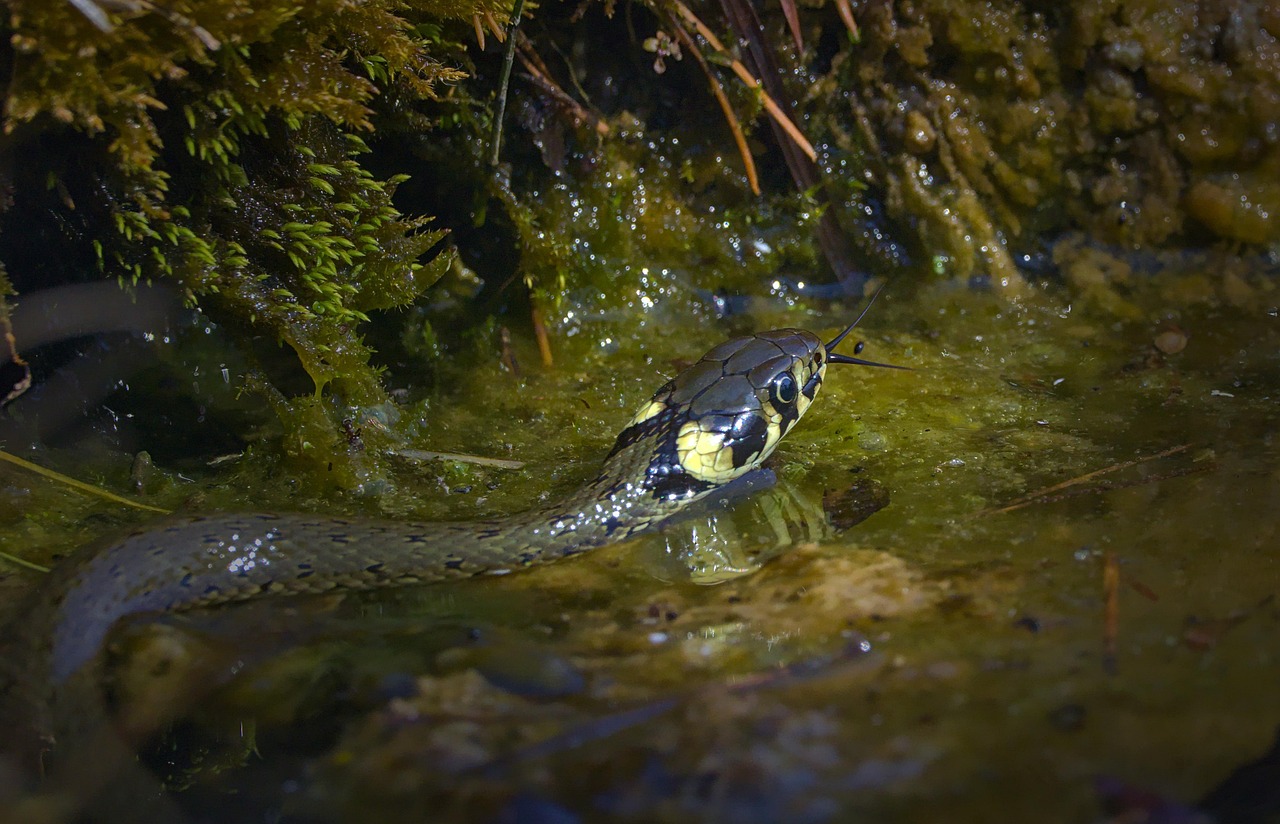
Garden ponds and decorative water features attract amphibians and fish, which are natural prey for many snake species. Without protective edging or barriers, snakes can access these areas easily. Shallow banks, overhanging vegetation, and poorly maintained perimeters increase the risk of snakes lingering around water. Installing fencing, using steep pond edges, and keeping surrounding plants trimmed can limit snake access while still enjoying the aesthetic and ecological benefits of a pond.
11. Gaps Beneath Sheds and Outdoor Structures
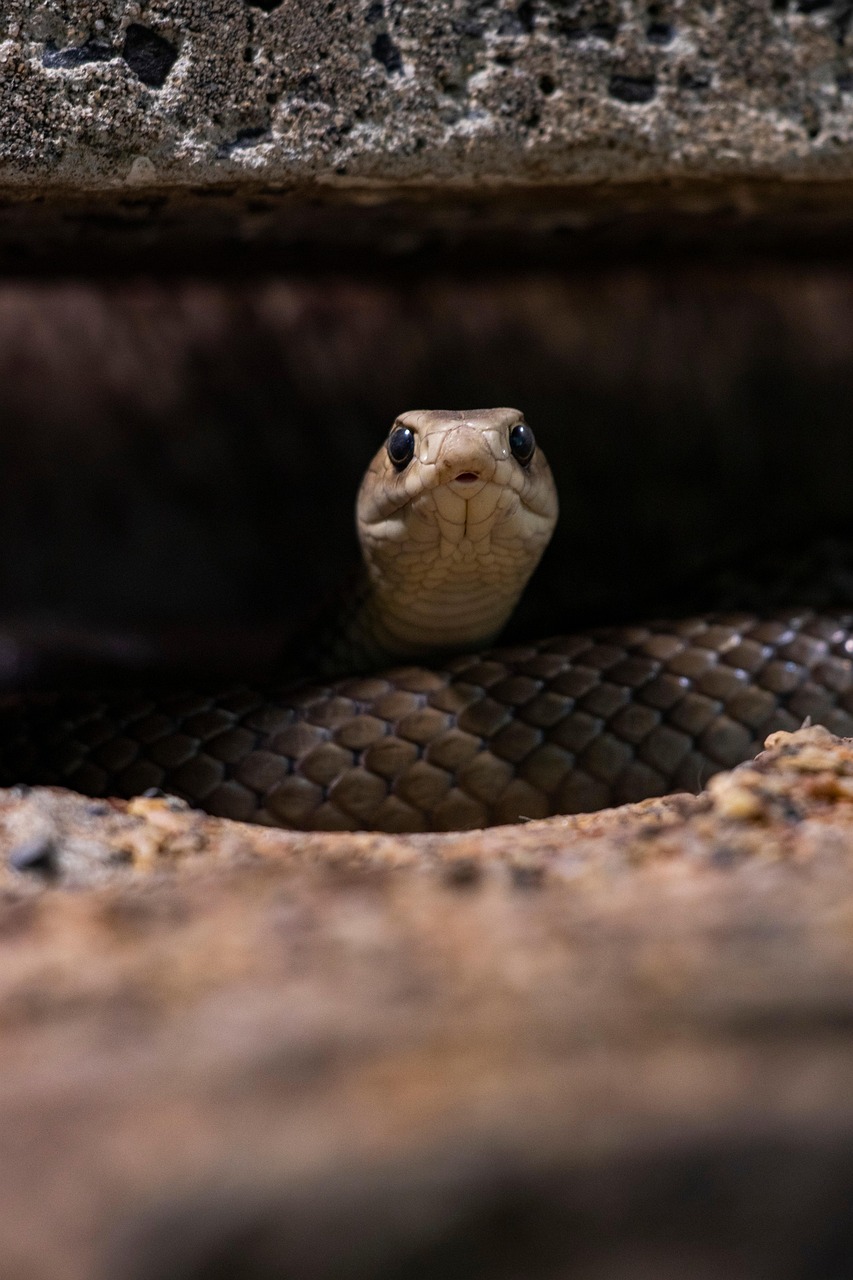
Snakes are naturally drawn to shaded crawlspaces beneath sheds, decks, and other outdoor structures because they offer stable temperatures and protection from predators. These hidden areas provide ideal spots for hiding, hunting, or even nesting. When gaps are large enough, snakes can move freely and approach your home without being noticed. Sealing openings, installing skirting around structures, and keeping the ground beneath clean and dry can discourage snakes while maintaining proper airflow and easy access for maintenance, making your property safer and less inviting to these reptiles.