

Modern drivers follow countless rules without thinking, yet some of the most surprising laws are the quiet ones hiding in the background. These lesser-known traffic regulations can catch even the most careful motorists off guard, turning everyday habits into accidental violations. Understanding them not only protects you from fines but also reveals how traffic safety has evolved in response to real risks, hidden hazards, and shifting road behavior. With a bit of awareness, you can drive confidently knowing you’re not breaking rules you never knew existed.
1. Rolling Through Stop Signs at Empty Intersections
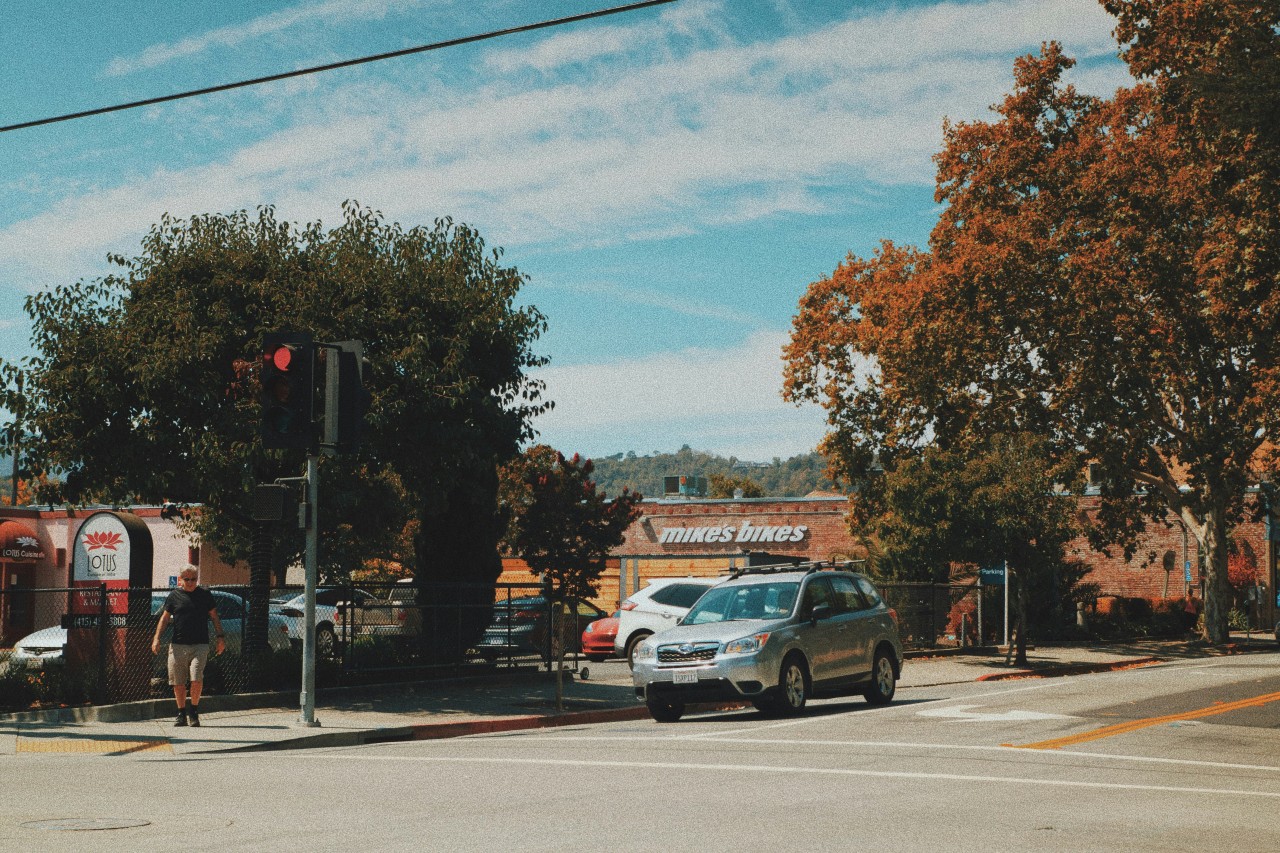
It feels efficient to glide through a deserted intersection, but legally, a stop sign demands a full, complete stop. That means your wheels must cease motion, you must check all directions, and only then proceed when safe. Lawmakers set this rule because even empty-looking intersections can hide cyclists, pedestrians, or cross-traffic obscured by parked cars. Rolling violations are common and enforceable, especially in neighborhoods where complaints about near-misses pile up. Habitual rollers risk citations, insurance surcharges, and, more importantly, the split-second accidents that change lives.
2. Driving with Snow or Debris on Your Roof

Leaving snow, ice, or loose cargo on a vehicle roof is more than sloppy; it is a safety hazard that many states treat as negligence. Wind can sweep slabs of snow or stray objects backward, striking following cars, blocking windshields, or causing pileups. Laws target drivers who fail to secure loads or clear buildup because the fallout can be catastrophic at highway speeds. Beyond fines, you could be held financially responsible for damages and injuries caused by falling debris. Clearing and tying down loads protects others and spares you a preventable legal headache.
3. Using High Beams Too Close to Other Cars

High beams are powerful safety tools on dark roads, but using them too near other drivers can temporarily blind oncoming motorists and those ahead of you. Most jurisdictions specify a prohibited distance to avoid dazzling others, and law enforcement treats misuse as careless driving when it leads to unsafe conditions. Temporary glare increases reaction times and the risk of collisions. Practically, switch to low beams when you see another car within the recommended distance, and use high beams only when truly necessary to improve everyone’s safety on rural stretches.
4. Driving Too Slowly in the Left Lane
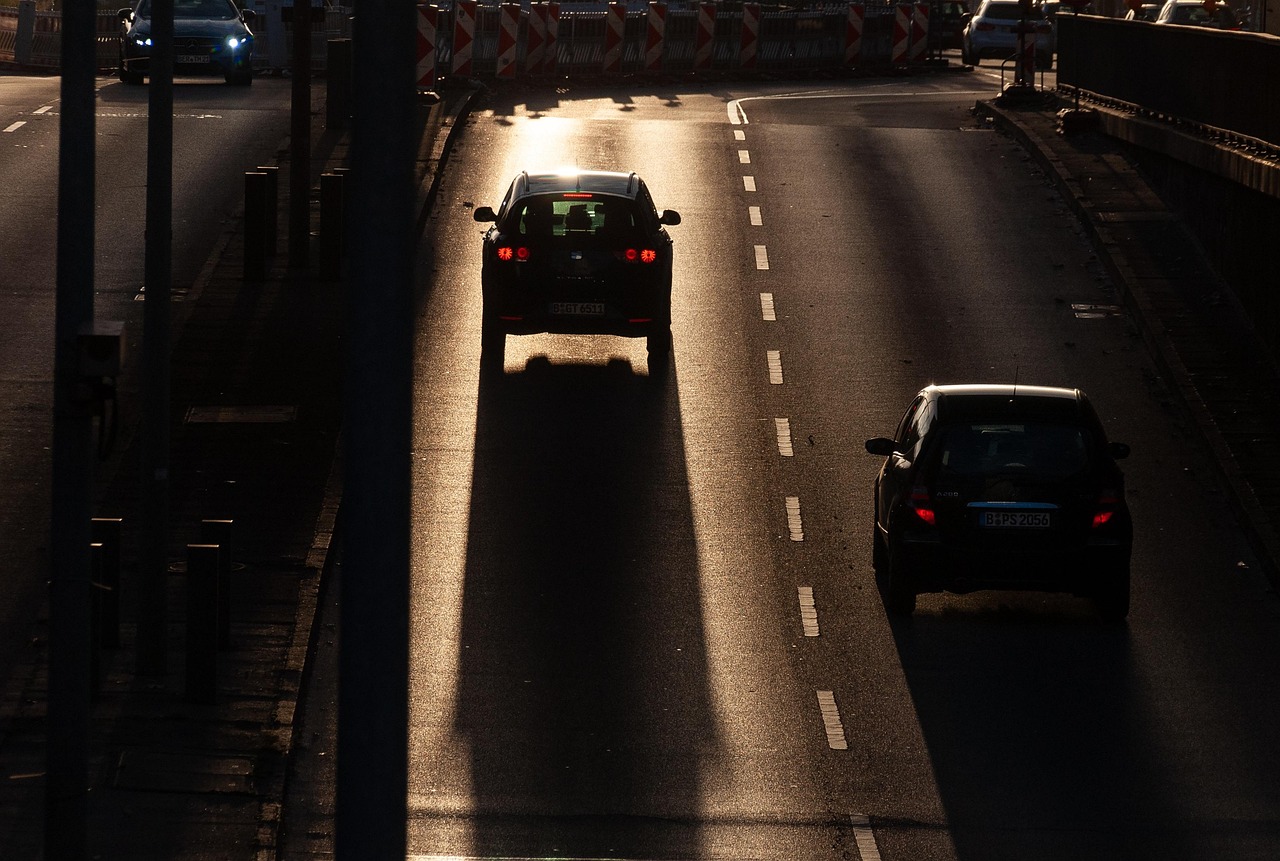
The left lane is legally intended for passing on multi-lane roads, not for maintaining a slow cruise. Many states consider impeding traffic by lingering in the left lane unlawful because it causes congestion, forces risky lane changes, and raises road rage incidents. Even if you keep within the speed limit, consistently blocking faster traffic can earn warnings or citations in areas with active enforcement. If you prefer leisurely speeds, stay in the right lanes, and use the left lane briefly to pass, then return right. It keeps traffic flowing and reduces hazardous behavior from frustrated drivers.
5. Hanging Objects from Your Rearview Mirror

A dangling charm or air freshener may seem harmless, but anything that obstructs your vision can be illegal. Traffic codes in numerous states allow officers to cite drivers when hanging items create a view obstruction, and courts have upheld these interpretations in some jurisdictions. Obstructions can hide pedestrians stepping off curbs, small vehicles, or road signs, turning an otherwise safe drive into a dangerous situation. Best practice is to keep the windshield area clear, attach accessories elsewhere, or use low-profile solutions that do not block your line of sight.
6. Honking Without a Safety Reason
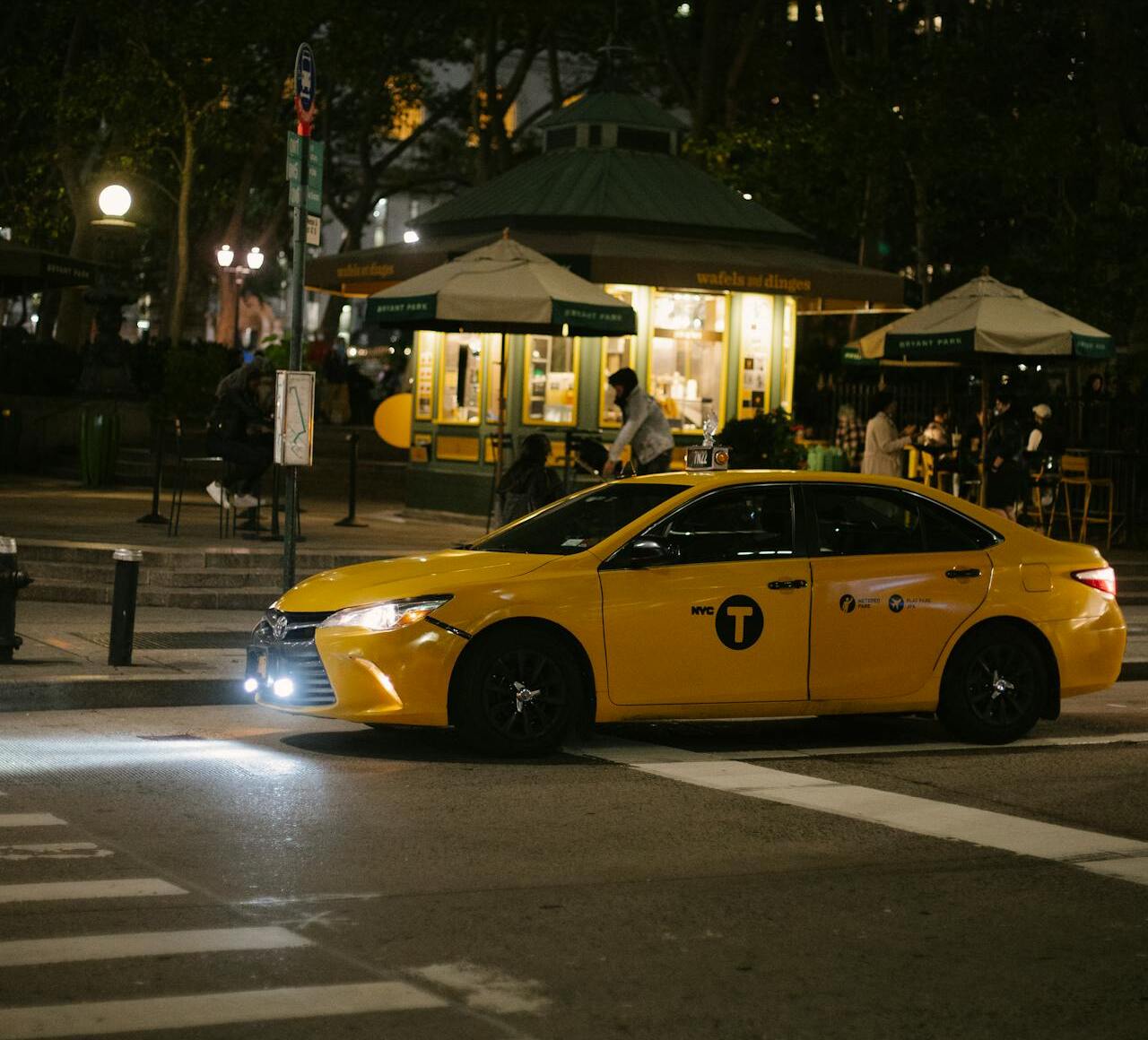
A car horn is legally an audible warning device, not a tool for venting frustration. Many municipalities prohibit nonessential honking to reduce noise and prevent startling other road users. Using your horn to greet friends, express impatience, or signal annoyance can result in fines, especially near hospitals, residential areas, or quiet zones. Law enforcement evaluates whether a honk was necessary to avoid a collision or warn of immediate danger. Reserve the horn for true emergencies and use other, calmer ways to communicate on the road.
7. Failing to Signal When Merging or Changing Lanes
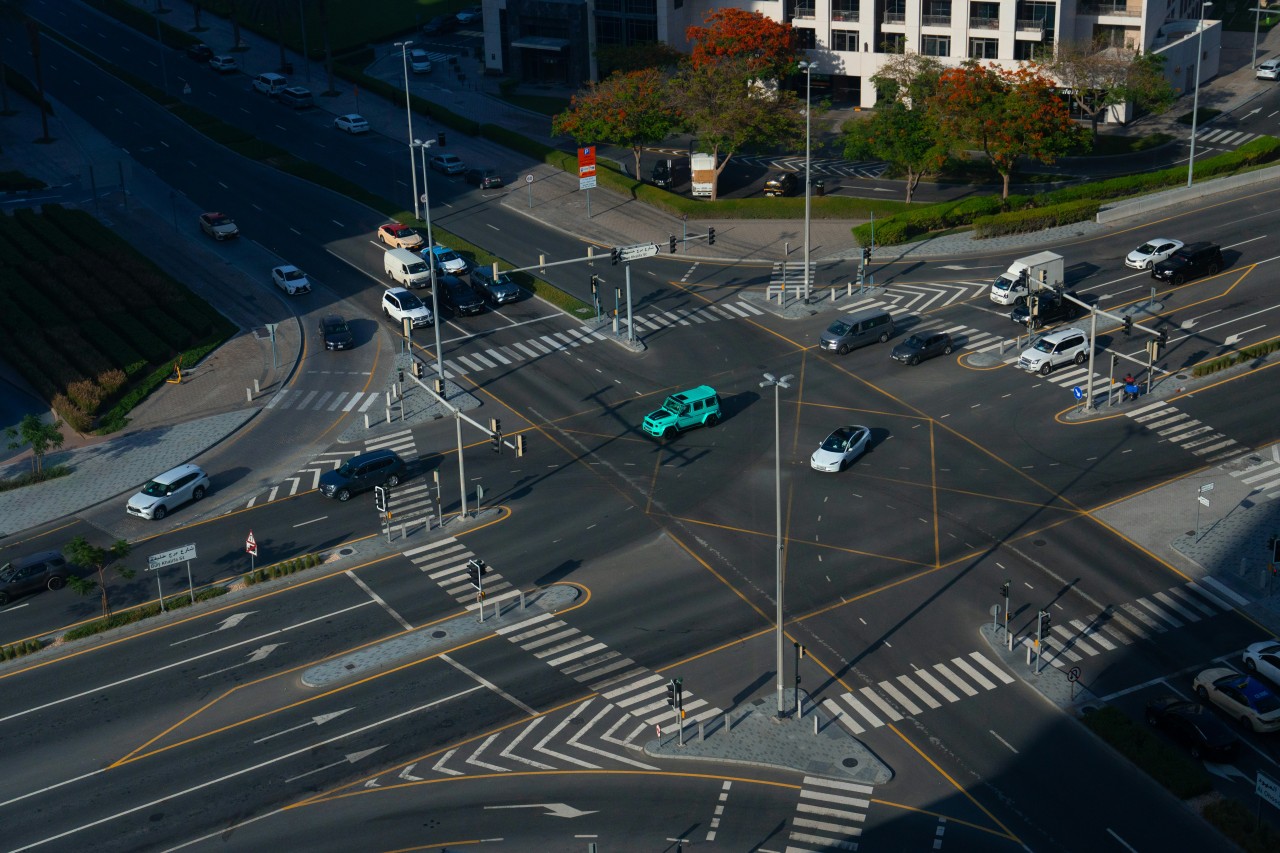
Signals are the simplest form of road communication, yet many drivers omit them during quick merges or lane changes. Legally, you must signal in advance to inform other road users of your intentions; failing to do so is a common, ticketable offense. Good signaling reduces collisions by giving others time to adjust speed or position, and helps traffic flow smoothly. Even when roads seem empty, signaling is a legal and courteous habit that lowers accident risk and eliminates disputes about who was at fault when a near-miss happens.