

Department stores once felt like small worlds of their own, filled with warm lighting, familiar brands, and the comfort of browsing without a sense of urgency. But while some closures grab headlines, many others slip quietly into the background, leaving communities surprised when a once-busy anchor suddenly goes dark. This list examines the department-store departures that occurred with little fanfare yet left a noticeable void in the places they once served. It is a revealing snapshot of retail’s shifting landscape and how subtle changes reshape everyday shopping habits.
1. Sears

Once a symbol of American retail strength, Sears has continued to shrink as its remaining stores struggle with low foot traffic and outdated formats. Years of declining sales, aging buildings, and slow digital adaptation pushed the chain into repeated closures. Many locations now sit empty in older malls that never recovered from the pandemic downturn. With fewer than a handful of stores left, every closure signals how far the brand has faded from its former dominance. Sears now survives mostly through online operations and licensing.
2. Macy’s
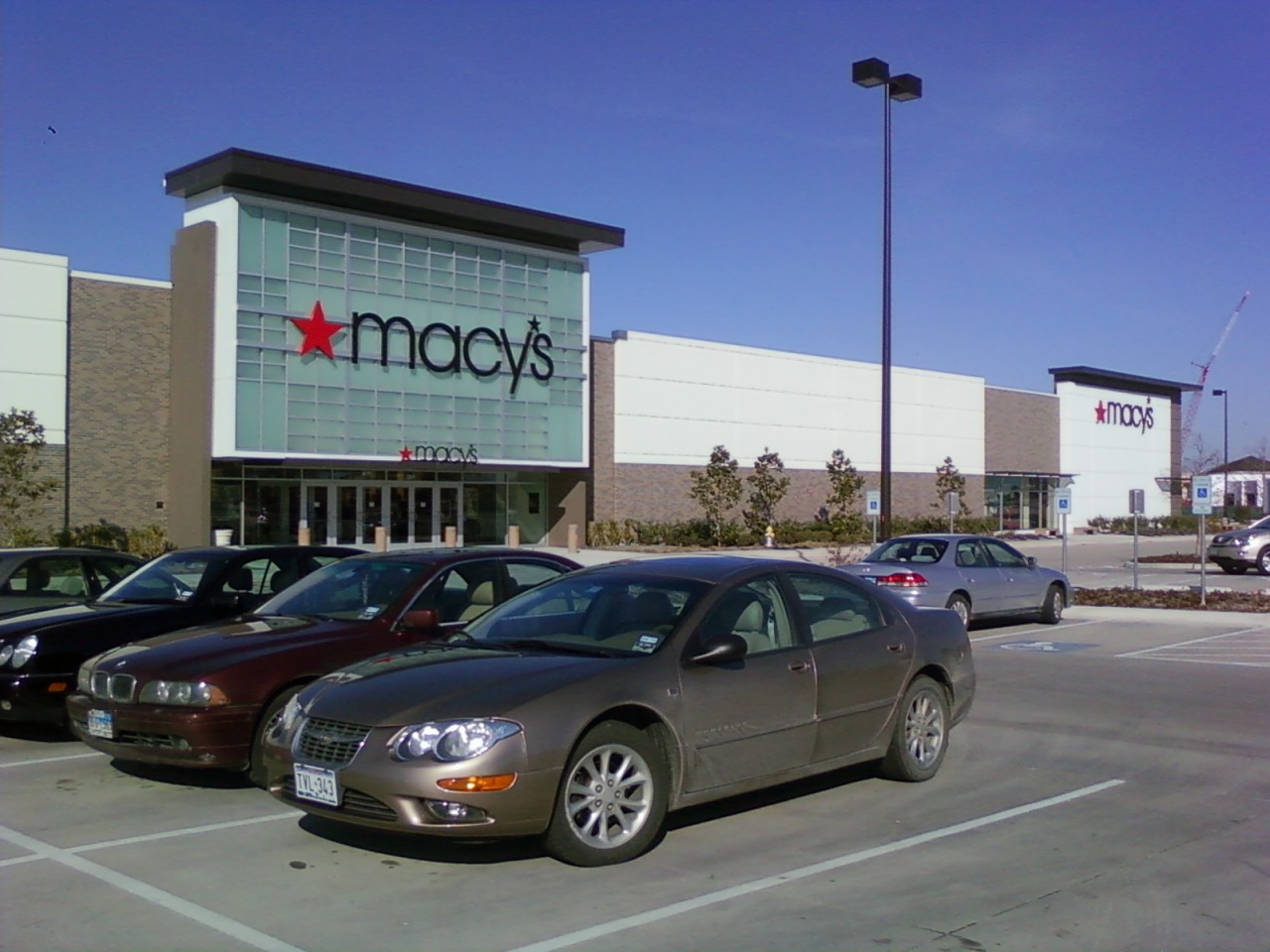
Macy’s has quietly trimmed dozens of mid-tier and underperforming stores as part of its long-term restructuring. Rising rent costs, online competition, and shifting shopper habits have made many older locations unsustainable. Stores in slow-traffic malls were the first to go, especially in regions where the chain already had overlapping coverage. The company is now investing heavily in off-mall formats that cater to quicker shopping trips. These closures reflect a push to stay profitable while modernizing its image.
3. JCPenney

After bankruptcy and a turbulent turnaround effort, JCPenney has continued to scale back its physical footprint. Many aging mall stores still struggle with dwindling customer visits and high operating costs, making it difficult to justify keeping every location open. While the company has worked to refresh its merchandise mix and improve store layouts, not every site fits its revised long-term plan. Closures have been concentrated in older malls, already losing other anchors, which further reduces traffic. Penney now focuses on fewer but more productive locations that support a sustainable future for the brand.
4. Kohl’s
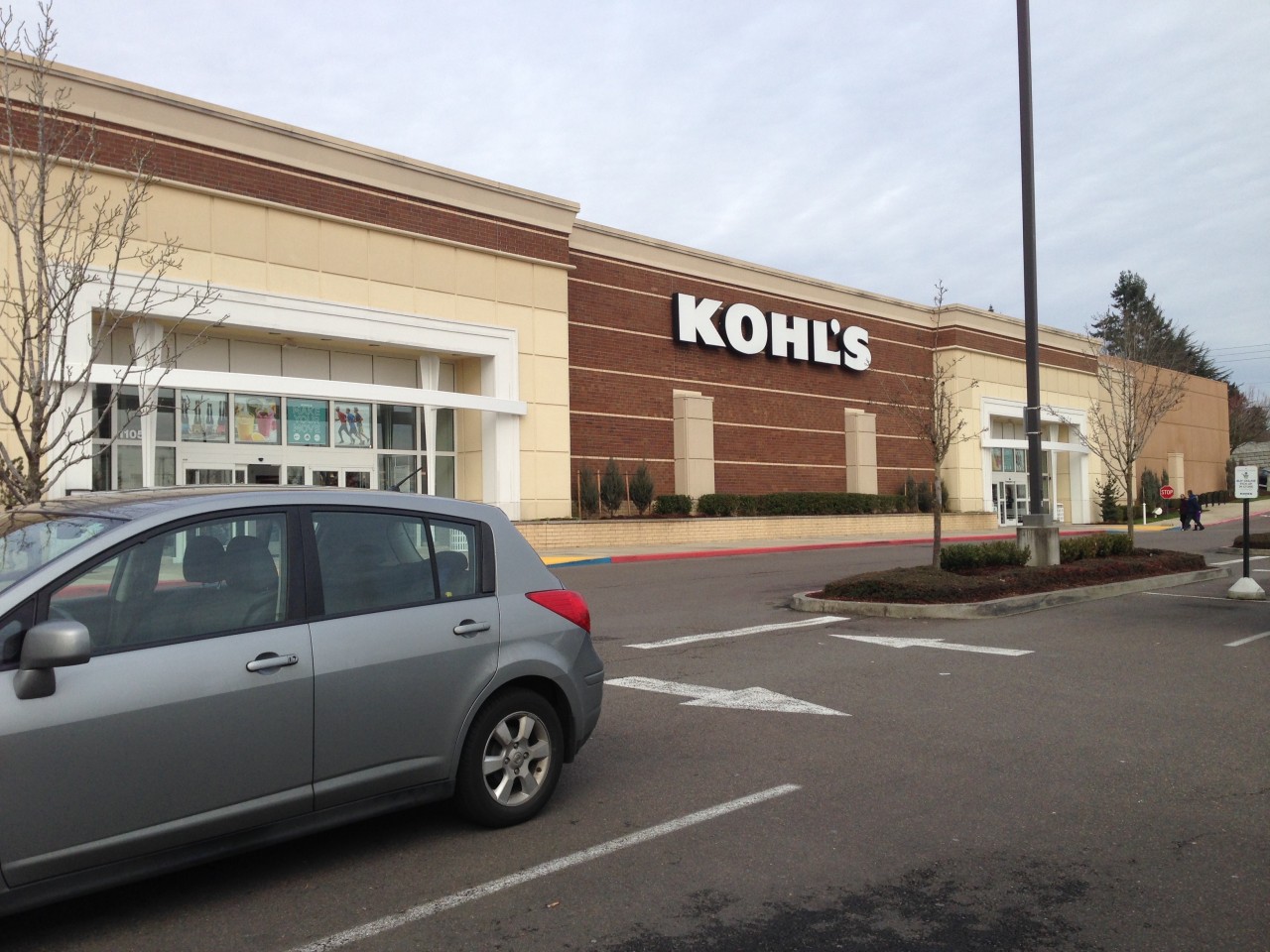
Kohl’s has discreetly shut down select stores in markets where performance fell sharply or competition intensified. As consumer demand shifts toward smaller, more efficient shopping formats, large suburban stores have become harder to justify. Rising labor and property expenses have only highlighted which locations no longer support healthy margins. The retailer is experimenting with partnerships and smaller-footprint concepts to balance out losses. Each closure signals a step toward a leaner, more adaptive business model.
5. Nordstrom
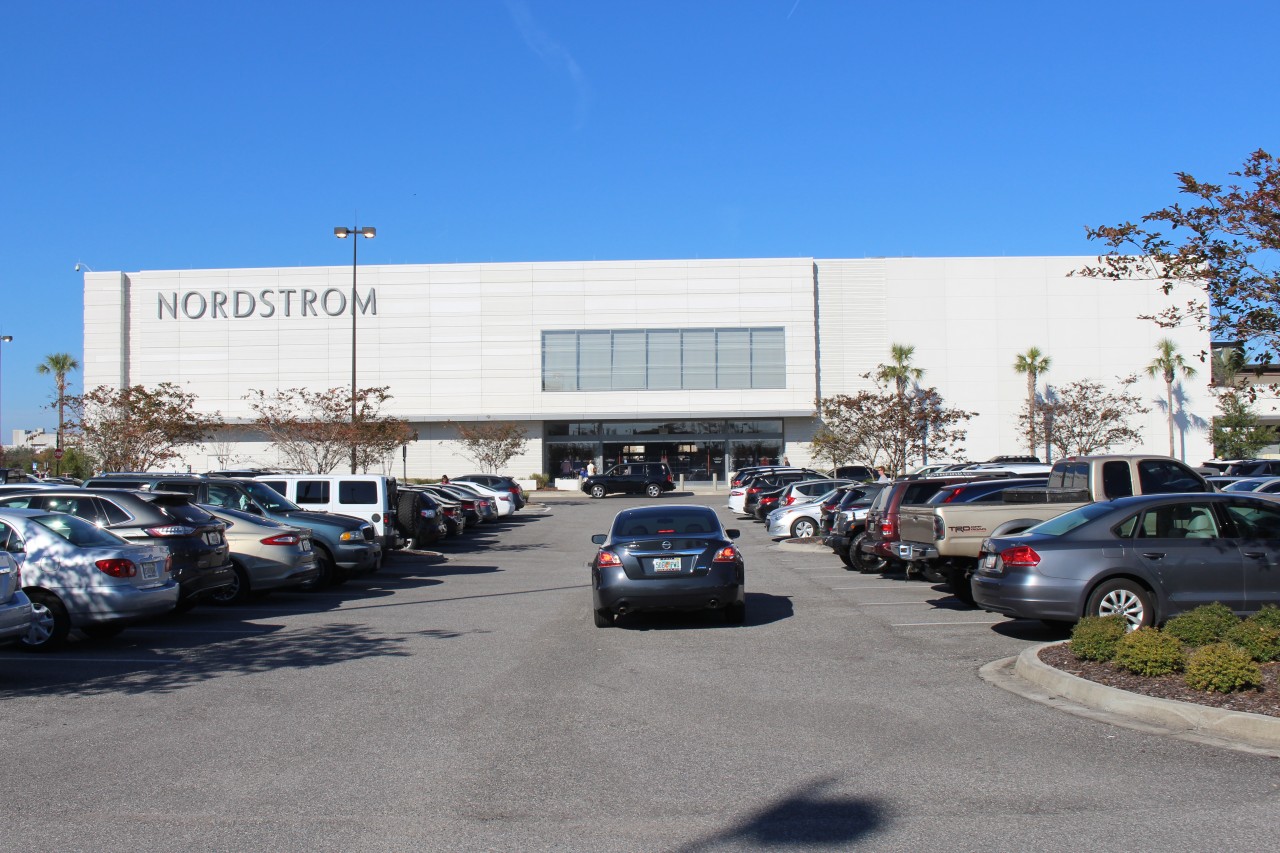
While Nordstrom continues to operate strong flagship stores, several department-store locations have quietly closed due to weakening cross-mall traffic. The company has shifted attention to its Rack outlets, which attract younger shoppers and offer better growth potential. Many closed full-line stores were in aging malls that no longer matched Nordstrom’s premium positioning. High staffing and presentation costs made low-volume sites too expensive to keep. The business is now prioritizing sites with strong local demand and long-term stability.
6. Dillard’s
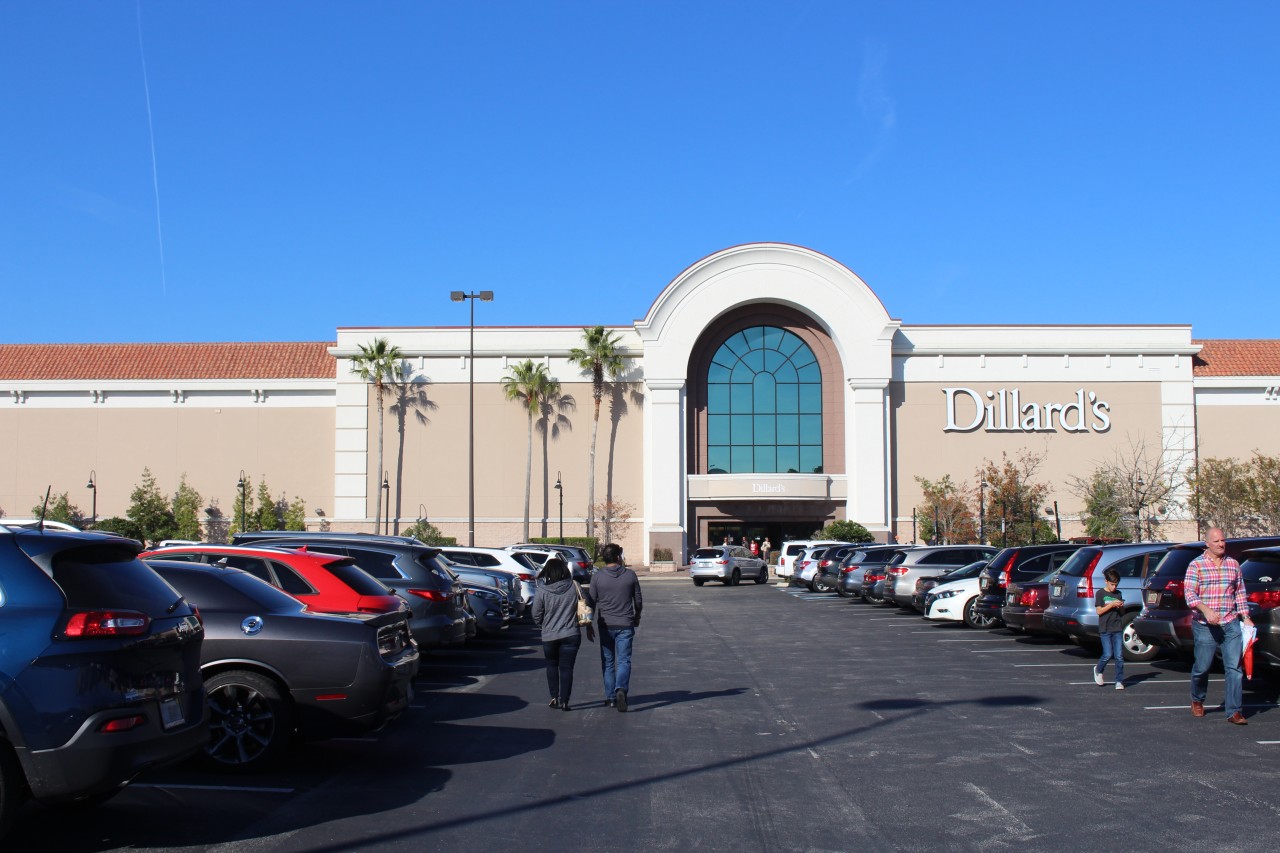
Dillard’s has shuttered a handful of stores in regions experiencing slow economic recovery and shrinking mall activity. Some closures stem from real estate decisions where leases expired, and renewal costs outweighed sales potential. The brand, known for conservative expansion, is now operating with greater caution as mall anchors continue to disappear. Older buildings requiring costly updates were also among the first to be cut. These closures help the chain maintain a healthier portfolio of profitable stores.
7. Neiman Marcus
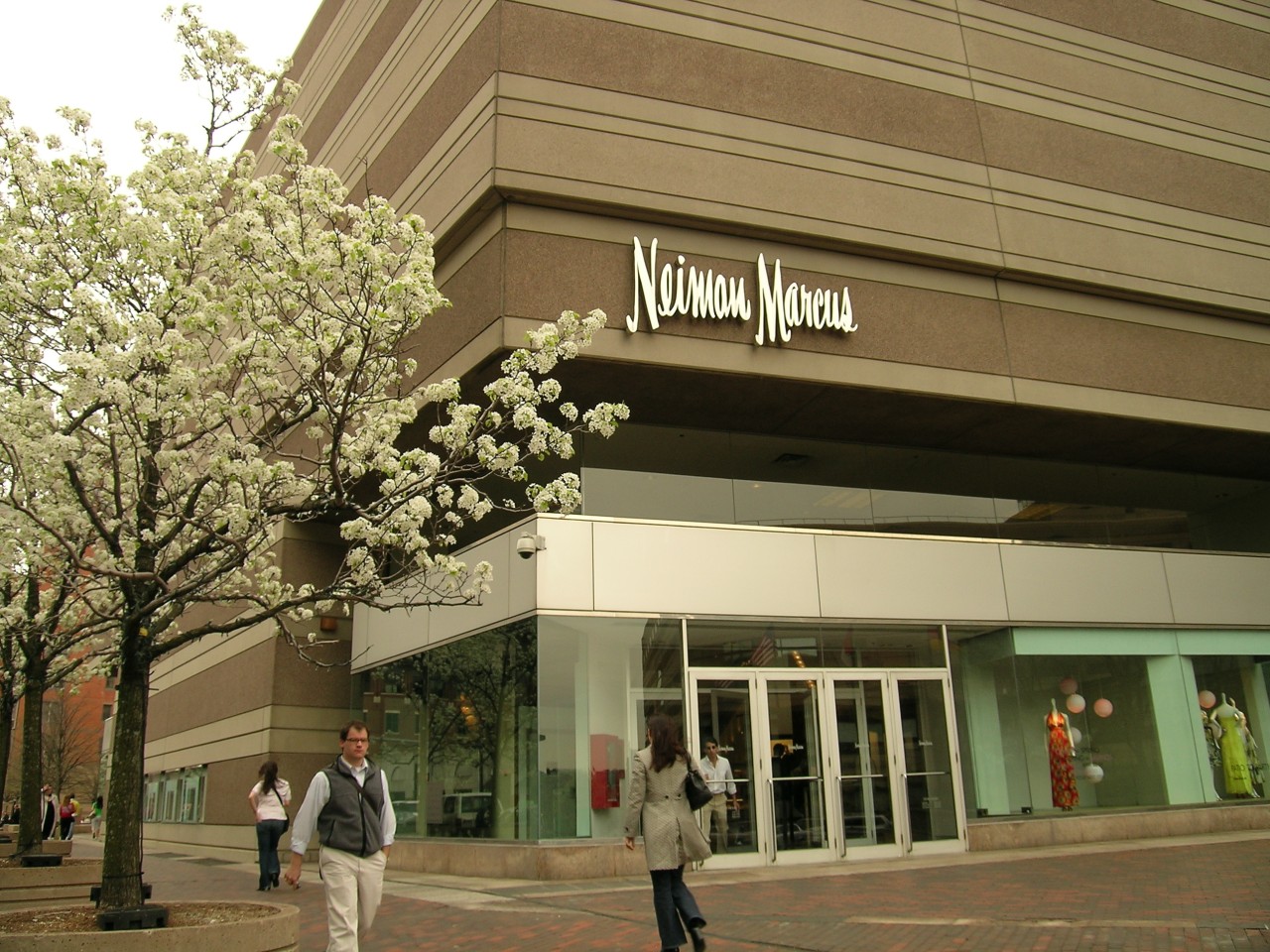
Despite catering to affluent shoppers, Neiman Marcus has trimmed several full-line stores that no longer matched its luxury strategy. Locations with declining tourism, weak high-end spending, or oversized footprints were the most vulnerable. After its bankruptcy restructuring, the company focused on modernizing core stores and building a stronger digital presence. Maintaining large, underperforming sites became financially impractical. Each closure reflects a tighter focus on premium experiences rather than broad physical expansion.
8. Saks Fifth Avenue
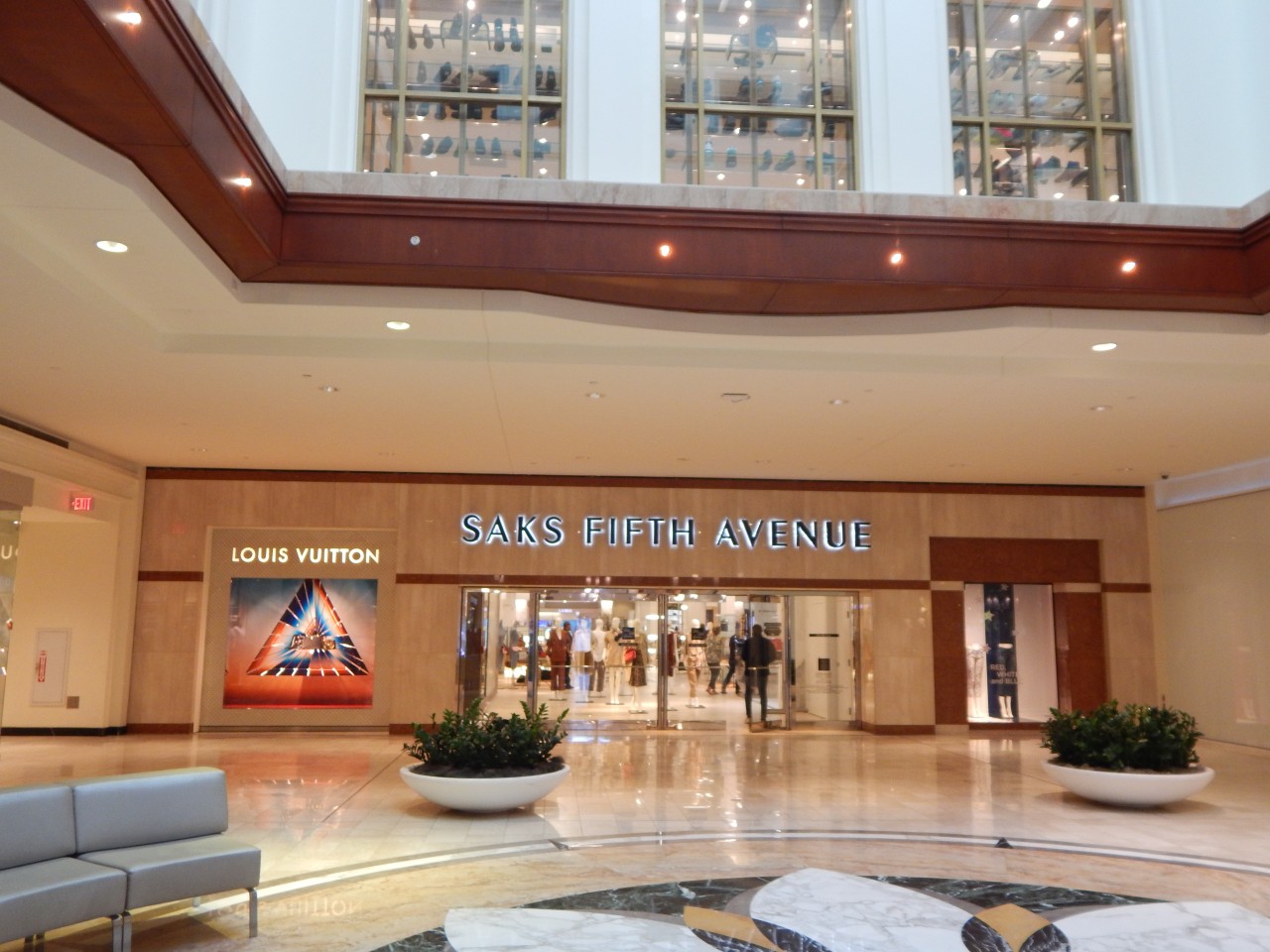
Saks has steadily reduced its full-line department stores to concentrate on high-performing urban markets. Many closures were tied to malls where luxury traffic had dried up or where nearby competition diluted sales. As the brand invests heavily in e-commerce and personalization, maintaining older stores makes less strategic sense. High-end shoppers increasingly prefer curated boutique settings over sprawling department floors. The closures support a shift toward a more focused luxury identity.
9. Belk
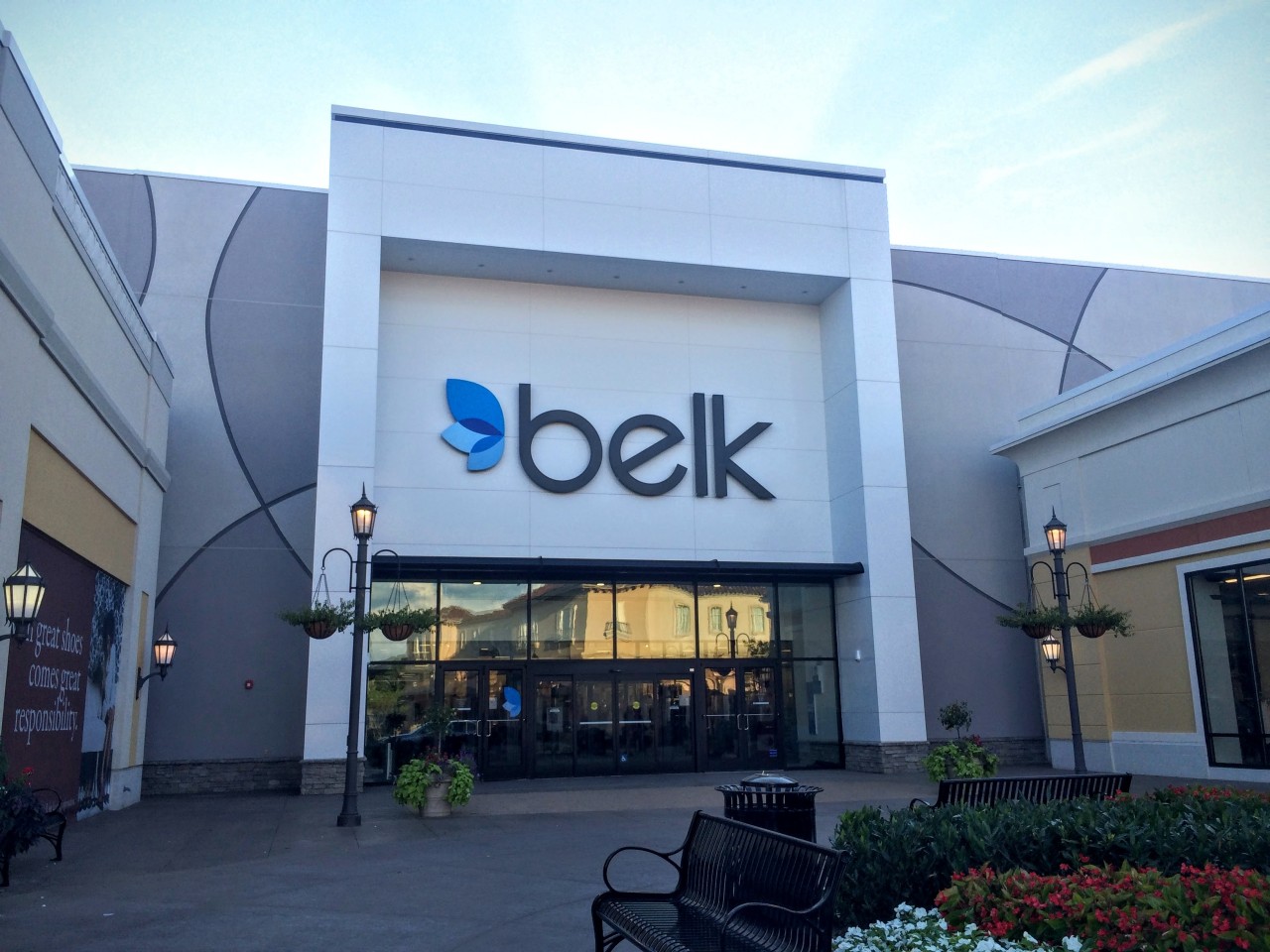
Belk has closed select stores in weaker Southern markets where economic pressures, declining mall tenants, and rising operational costs eroded performance. The chain, already battling shifting retail trends, saw some locations fall far below profitability benchmarks. Aging infrastructure and low customer turnout added to the burden. Belk is now investing in remodeled, higher-traffic stores that offer better long-term returns. These closures are part of a broader effort to stabilize operations.
10. Lord & Taylor
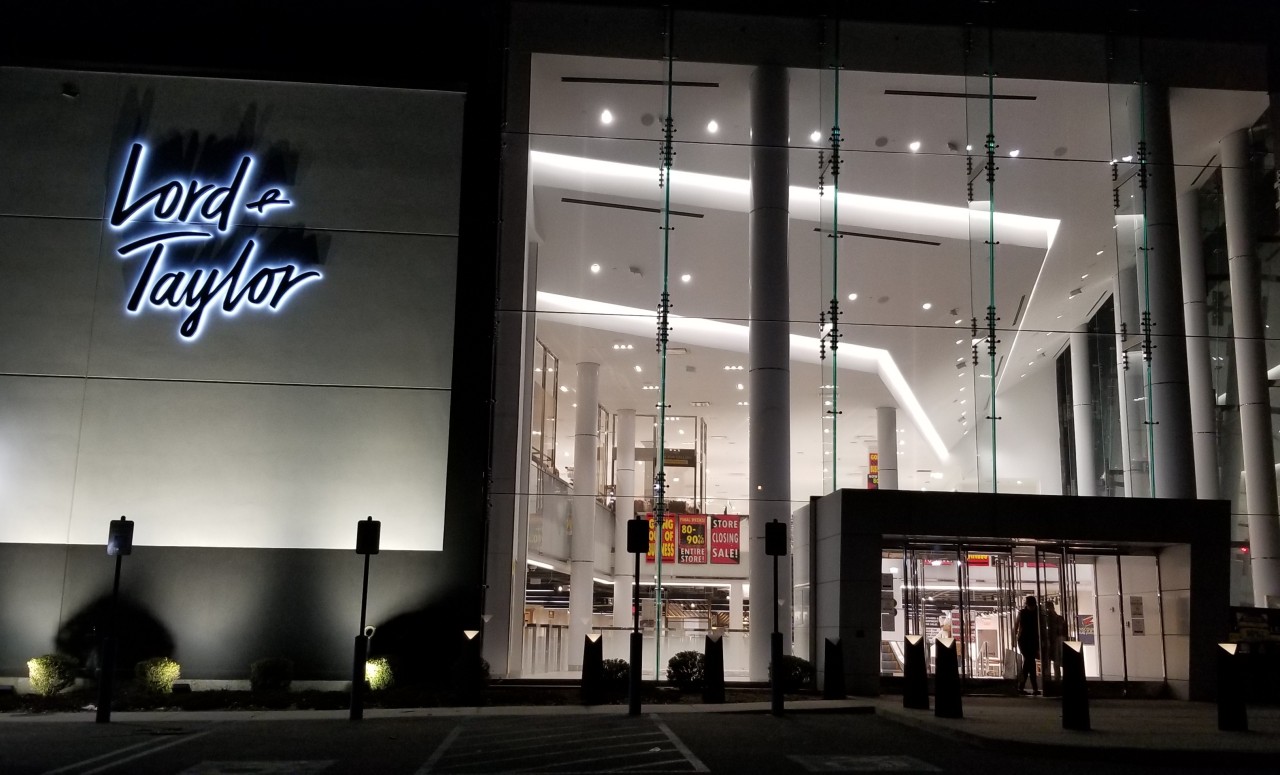
Once America’s oldest department store, Lord & Taylor gradually shut down its remaining locations following overstretched finances and shifting retail dynamics. High leasing costs, waning mall traffic, and failure to modernize contributed to its downfall. Even historically strong stores saw declines as shoppers moved online and competitors adapted faster. The closures marked the end of a storied retail legacy. The brand now exists primarily as an online entity rather than a physical chain.