

New laws often slip quietly into place, and many Americans break them without even realizing it. Some rules are updated to keep up with technology, while others are designed to protect privacy, safety, or public spaces. Yet because these changes don’t always make headlines, people end up violating them in everyday moments like posting online, driving, or disposing of electronics. Understanding these new regulations helps avoid unexpected fines and keeps daily habits aligned with what the law now requires.
1. Distracted-Driving Rules
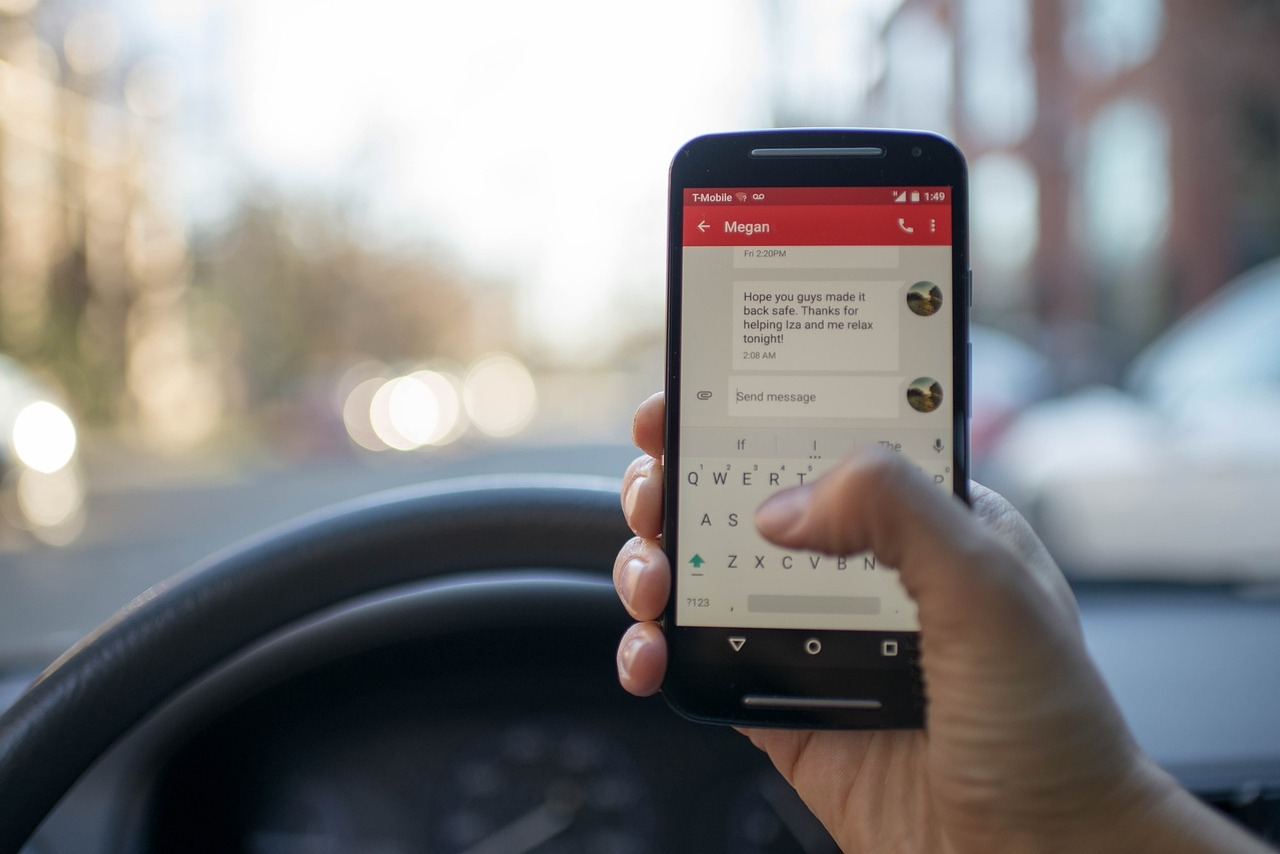
What feels like a harmless glance at your phone can now be a clear violation in many states. New hands-free laws prohibit drivers from touching their phones at all while moving, and some even forbid tapping a screen at a stoplight. These rules apply to texting, calling, navigation, and music controls, which means old habits like checking a map or skipping a song can result in steep fines. The goal is simple: cutting down on crashes caused by even momentary distractions. Drivers who adapt by using true hands-free tools or pulling over when needed stay safer and avoid penalties as enforcement becomes stricter.
2. Improper Disposal of Electronics

Improperly tossing electronics has become one of the most common violations simply because many people don’t realize the rules have changed. States now require devices like phones, laptops, batteries, and TVs to be recycled through certified programs instead of being sent to the trash. These items contain materials that can leak into soil and water if they end up in landfills. Many residents break this law during routine clean-outs, unaware that safer disposal options exist to protect local environments.
3. Flying a Drone in National Parks

Drones have become popular tools for capturing dramatic aerial footage, but national parks remain one of the strictest no-fly zones in the country. Launching, landing, or flying a drone within park boundaries is largely prohibited because these devices can disturb wildlife, disrupt search-and-rescue operations, and intrude on the quiet nature experience other visitors expect. Many people break this rule unknowingly, assuming a small drone won’t cause harm. In reality, fines can be substantial, and rangers enforce the rule consistently. Filming legally requires flying outside park boundaries and observing all standard aviation regulations.
4. Water Use Restrictions During Drought Conditions
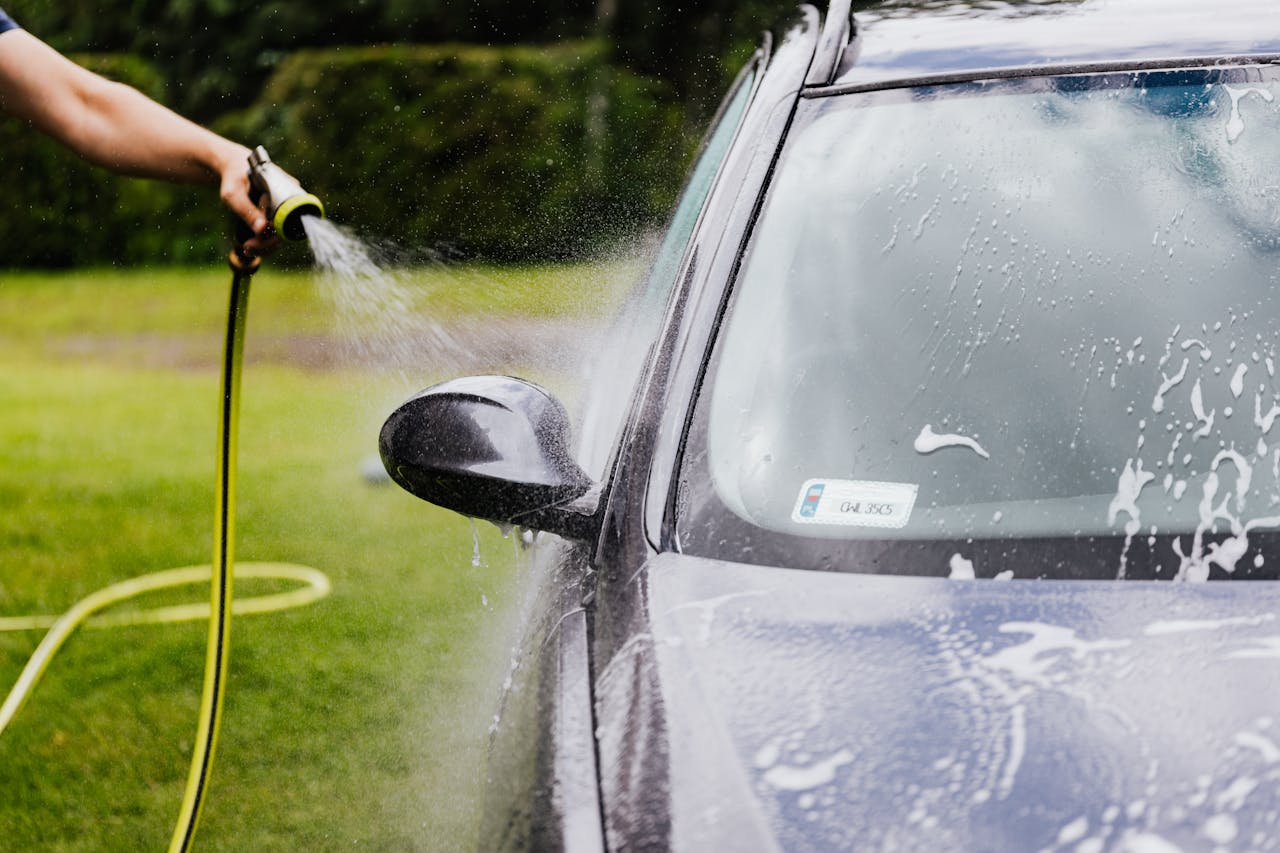
Drought-stricken states often adjust their water rules based on rainfall and reservoir levels, and many people break them simply because the guidelines shift so often. Homeowners may stick to old watering habits without realizing they’re no longer allowed. These limits help protect strained supplies and ensure enough water for agriculture and essential services. Activities like lawn watering, car washing, and refilling pools are usually confined to certain days or hours. Violations can bring fines or temporary meter shut-offs, so checking local alerts regularly is key to staying compliant.
5. Passing Stopped School Buses

Illegal passing of stopped school buses remains one of the most common traffic offenses, even though the rule is straightforward: drivers must stop when red lights flash, and the stop arm is extended. Confusion often arises on multi-lane or divided roads, and many drivers misjudge timing when the bus is slowing down or transitioning from amber to red lights. With more states installing cameras on buses, citations increasingly arrive by mail. Because penalties carry heavy fines and safety risks are high, slowing early and stopping fully is the safest approach.
6. Single-Use Plastic Bag Bans and Fees

Plastic bag bans have expanded rapidly, and enforcement now reaches everyday shoppers who may not realize the rule applies in their area. Accepting a plastic bag at checkout or assuming they’re free can lead to unexpected fees or violations depending on local law. Regulations differ widely in which bags are restricted, which stores must comply, and what exceptions exist. It’s easy to break the rule unintentionally if you’re traveling or visiting a new city. Keeping a reusable bag on hand avoids fines and reduces confusion at checkout.
7. Ghost Gun and Unserialized Firearm Restrictions

Recent laws targeting ghost guns and unserialized firearms have caught many owners by surprise. Parts and kits that once seemed lawful hobby items can now be illegal to possess, sell, or assemble, depending on the state. Some laws require serialization or the surrender of unfinished receivers, and penalties for ignoring these requirements can be severe. People who previously bought components online may not realize the rules have changed. Staying informed about your state’s current firearm regulations is essential to avoid accidental violations.
8. Pet Waste Violations in Parks

Failing to clean up after pets in public parks is a growing issue that many communities now treat as a genuine health concern. Pet waste carries bacteria and parasites that can wash into streams and ponds, threatening wildlife and water quality. Urban parks and protected trails often have stricter enforcement because heavy foot traffic increases the impact of neglect. Visitors walking unfamiliar paths may not realize how quickly fines can be issued, especially in areas with heightened sanitation rules. Staying aware of posted signs and local regulations helps keep shared outdoor spaces safe, clean, and enjoyable for everyone.