

Luxury ownership often feels like it should come with total freedom. If you can afford something rare, expensive, or elite, it seems only natural that you should also be able to sell it whenever you choose. Surprisingly, that is not always the case. Across industries such as travel, medicine, collectibles, and technology, there are luxury items that you are legally allowed to purchase for personal use but are strictly restricted from reselling. These rules usually exist to prevent fraud, protect public safety, enforce contracts, or defend brand and government controls. Many people unknowingly break these laws, assuming that ownership automatically grants resale rights. The reality is far more complex. Below are ten real-world luxury items that sit in this unusual legal gray zone, along with when they were introduced and why reselling them can carry serious penalties.
1. Airline Miles and Elite Status Benefits

Airline loyalty programs began in the late 1970s, with American Airlines launching the first modern frequent flyer program in 1981. While earning miles through luxury travel, premium credit cards, or elite memberships is completely legal, selling those miles is not. Every major airline prohibits resale under its contract terms. These miles are considered a revocable license, not personal property. When people attempt to resell them, airlines can cancel accounts, seize miles, and even impose lifetime bans. Despite black-market websites offering cash for miles, the transaction violates civil contract law. What makes this feel especially unfair is that miles often represent thousands of dollars in spending, yet legally remain non-transferable digital privileges tied only to the original account holder.
2. High-End Prescription Weight-Loss and Biologic Drugs

Luxury prescription medications such as Ozempic, Wegovy, and other biologic injections became widely used after their medical approvals between 2017 and 2021. While patients can legally buy these drugs with valid prescriptions, reselling them is strictly illegal under pharmaceutical and drug control laws. These medications must be dispensed only by licensed pharmacies to verified patients. When sold secondhand, there is no way to confirm storage conditions, expiration integrity, or dosage authenticity. Governments classify resale as drug diversion, which can lead to heavy fines and jail time. Even if the buyer and seller both consent, the transaction is considered a criminal act because it bypasses medical and safety controls built into regulated healthcare systems.
3. Raffle-Based Limited Edition Luxury Sneakers
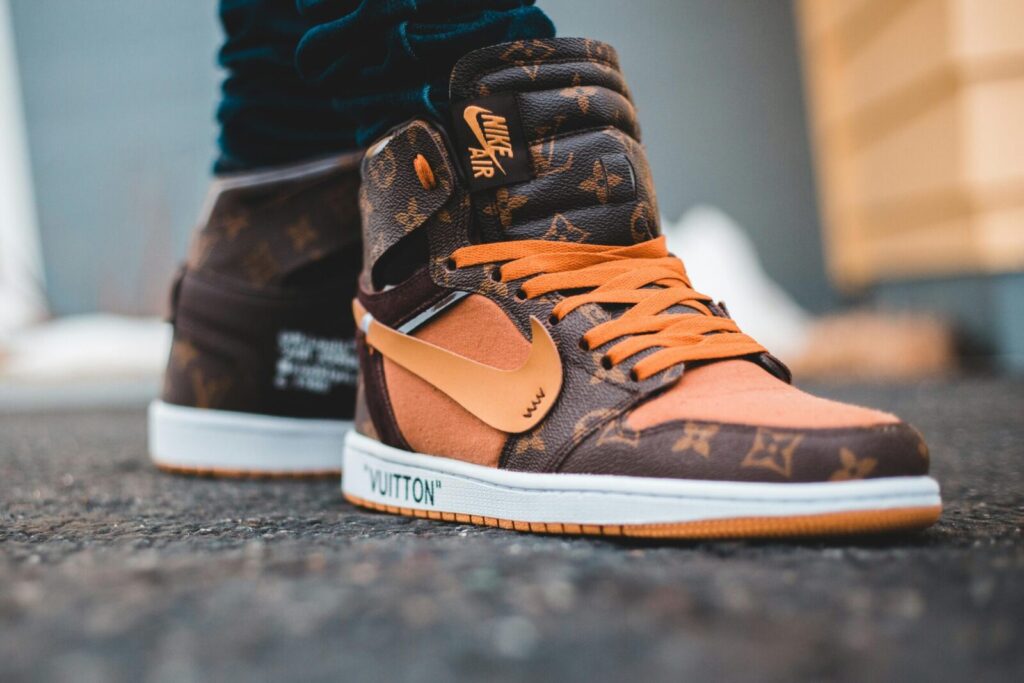
Luxury sneaker raffles became popular in the early 2000s as brands sought fairer ways to distribute limited edition collaborations and collector footwear. While buyers legally purchase these sneakers through official raffles, many brands include strict non-transferable resale clauses in their purchase agreements. Reselling these shoes violates binding digital contract terms even if criminal charges do not apply. Brands monitor serial numbers and buyer accounts, often issuing permanent bans to those caught reselling. Some regions also enforce resale restrictions under consumer contract law. What feels like full ownership becomes legally restricted by the terms of access to the purchase itself. The buyer may possess the shoe, but loses the right to profit from it through resale.
4. Pre-1970 Ivory Antiques

Before global wildlife protection laws existed, ivory was widely used in luxury goods such as piano keys, chess sets, bangles, statues, and decorative inlays throughout the 18th and 19th centuries. The international ivory trade was officially restricted in 1975 through the Convention on International Trade in Endangered Species (CITES). Today, many countries allow private ownership of verified pre-1970 ivory items, but the resale of them is tightly restricted or entirely banned. Even with proof of age, reselling ivory is illegal in regions such as the UK, several U.S. states, and much of the European Union. These laws exist to eliminate market demand and prevent modern poaching from being disguised as antique trade. As a result, legal ownership does not guarantee resale rights, creating long-term limitations for collectors and heirs alike.
5. Luxury Skincare and Cosmetic Testers
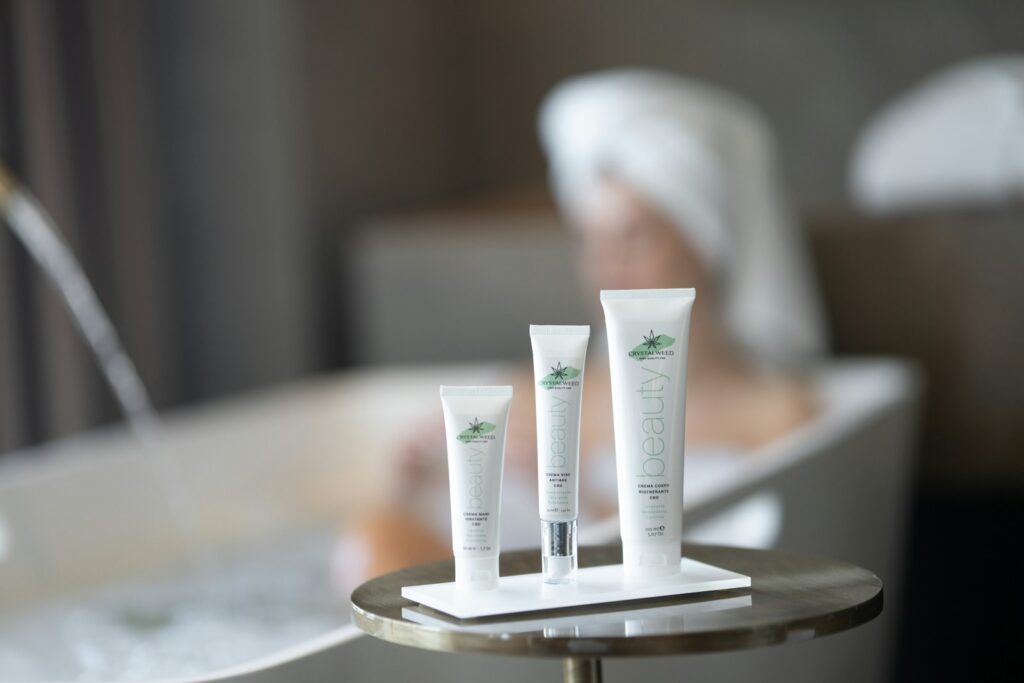
Luxury cosmetic testers became common during the department store retail boom of the 1980s when brands began offering in-store sampling for perfumes, skincare, and high-end makeup. Although these testers may be given freely to consumers during promotions or staff clear-outs, they are permanently labeled “Not for Resale” under trademark, safety, and consumer protection laws. Reselling them misleads buyers into believing the product was part of authorized retail distribution. It also bypasses safety controls involving hygiene, storage, and batch tracking. Online marketplaces routinely suspend accounts for listing testers. Even though the physical product may be in private hands, brand law overrides resale rights to protect consumer trust, product safety, and the integrity of authorized luxury retail channels.
Keep reading on The WiC Project Lifestyle Blog & Miriam’s Boutique: Home Goods, Beauty, & Fashion Store