

Many American rivers continue to reward those who rely on passed-down wisdom rather than advanced equipment. Local families have spent decades learning how currents shift, how seasons reshape channels, and how subtle signs reveal safe passage. This kind of understanding forms a relationship with the water that technology cannot replace. Each river tells a story shaped by those who listened closely, paid attention, and learned through time and experience.
Mississippi River
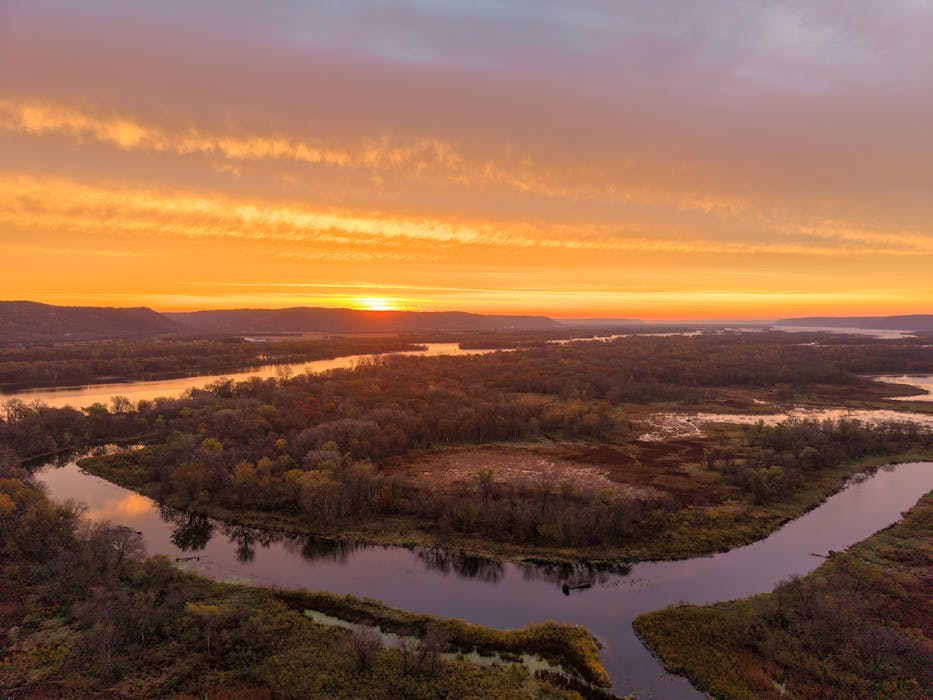
Travel along this legendary waterway often depends on understanding how sandbars move and how channels change with shifting conditions. Generational knowledge teaches when the river runs shallow or when hidden obstacles may appear beneath calm surfaces. Families who navigated this river for decades learned to read currents by sight and sound. Modern tools offer support, but the instinct formed through experience remains the most trusted guide.
Colorado River
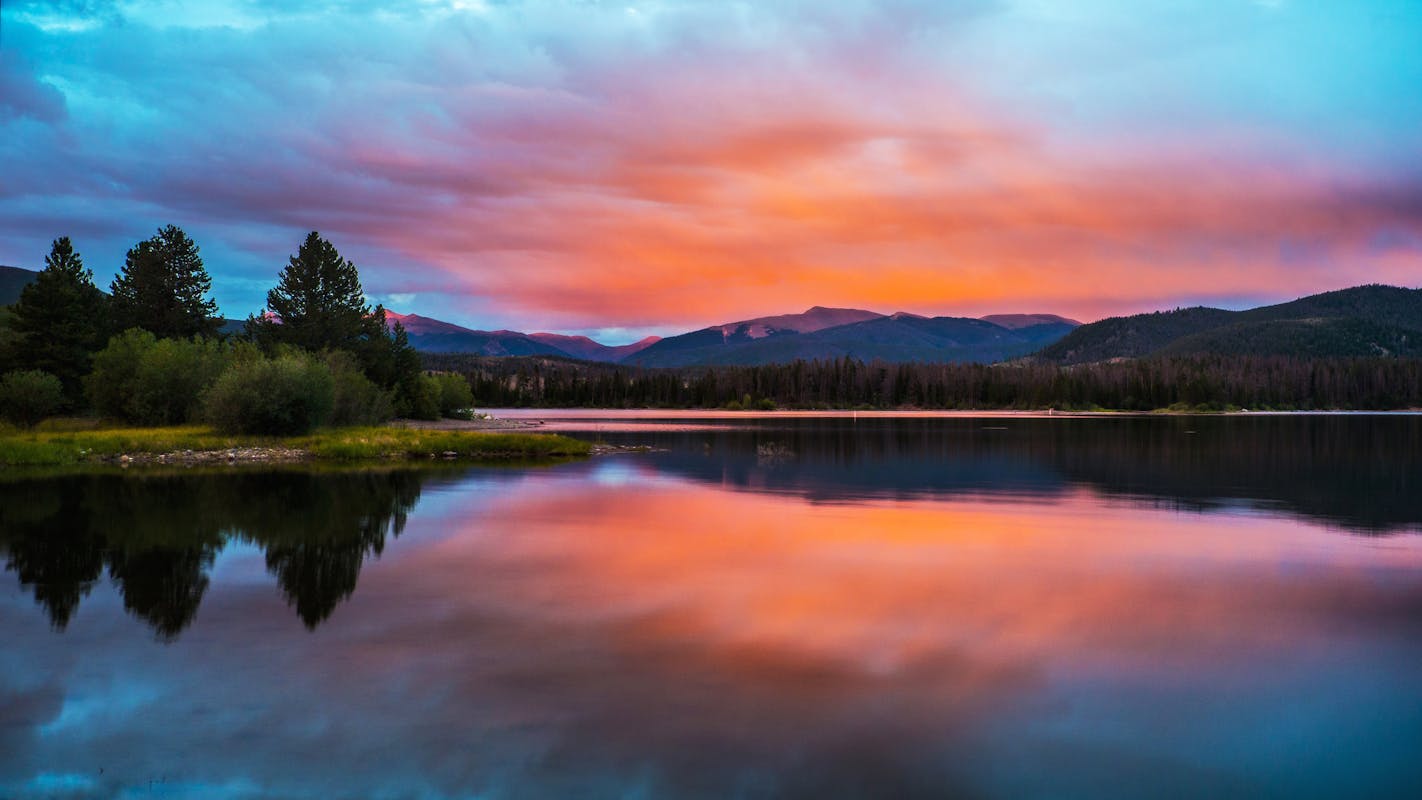
Navigation through Colorado’s winding canyons has long relied on firsthand familiarity with rapid behavior during different water levels. Those who spent years studying how light hits the surface and how waves form at each bend understand its personality more clearly than any device can explain. Recognizing seasonal patterns often makes difficult sections feel manageable. Passing this insight from one rower to the next ensures safe travel in this powerful environment.
Kenai River
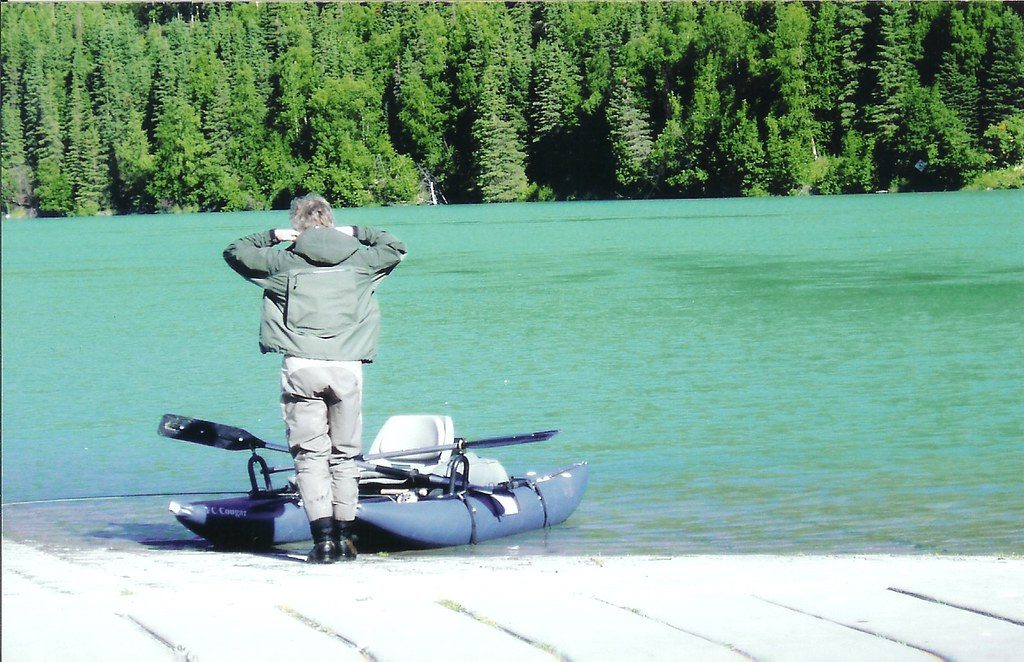
Fishing along the Kenai often rewards those who learned from earlier generations, where salmon gather during peak runs, and how subtle water shifts reveal active pools. Experience helps identify the best spots that change year after year. Anglers who grew up on these banks interpret signs in the current that equipment alone cannot detect. This balance of patience and inherited knowledge gives the river its unique rhythm and sense of familiarity.
Hudson River
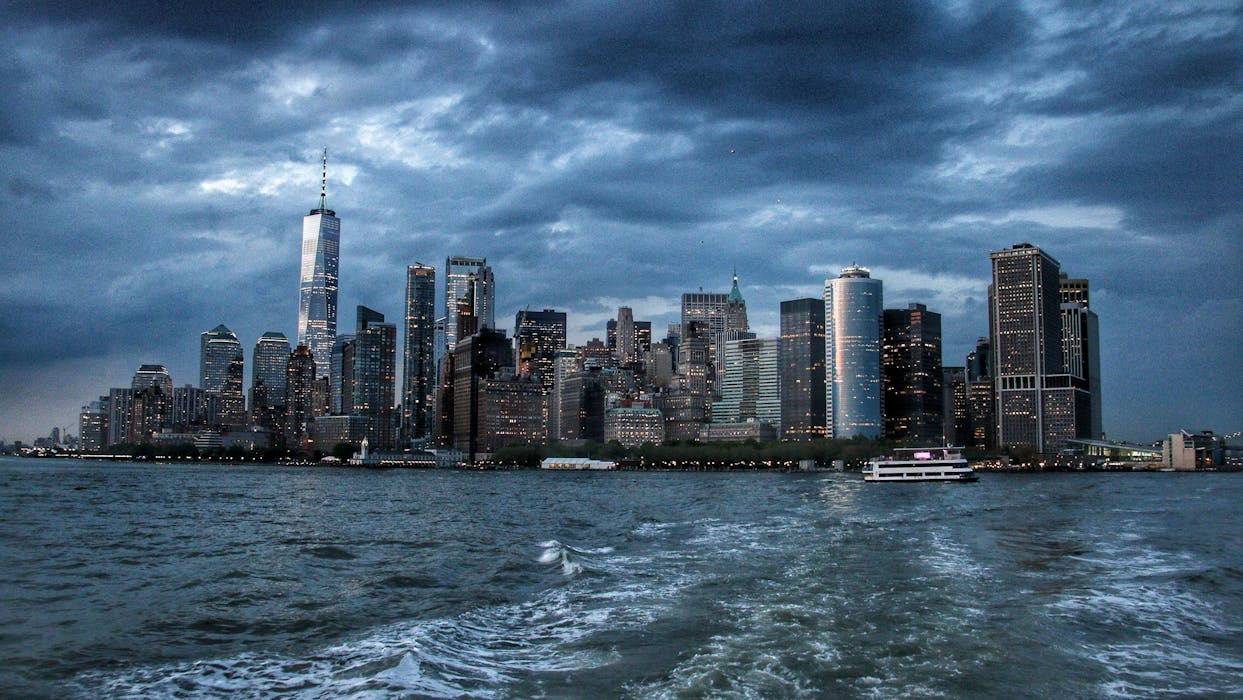
Travel on the Hudson frequently depends on awareness of tides, shifting winds, and crowded crossings that challenge even seasoned navigators. Families who have spent years along its shores recognize timing as the key to safe passage. Understanding how the water behaves near city edges and quiet coves often comes from long observation. Tradition continues to steer local boaters who respect the river’s nature and respond with practiced skill.
Snake River
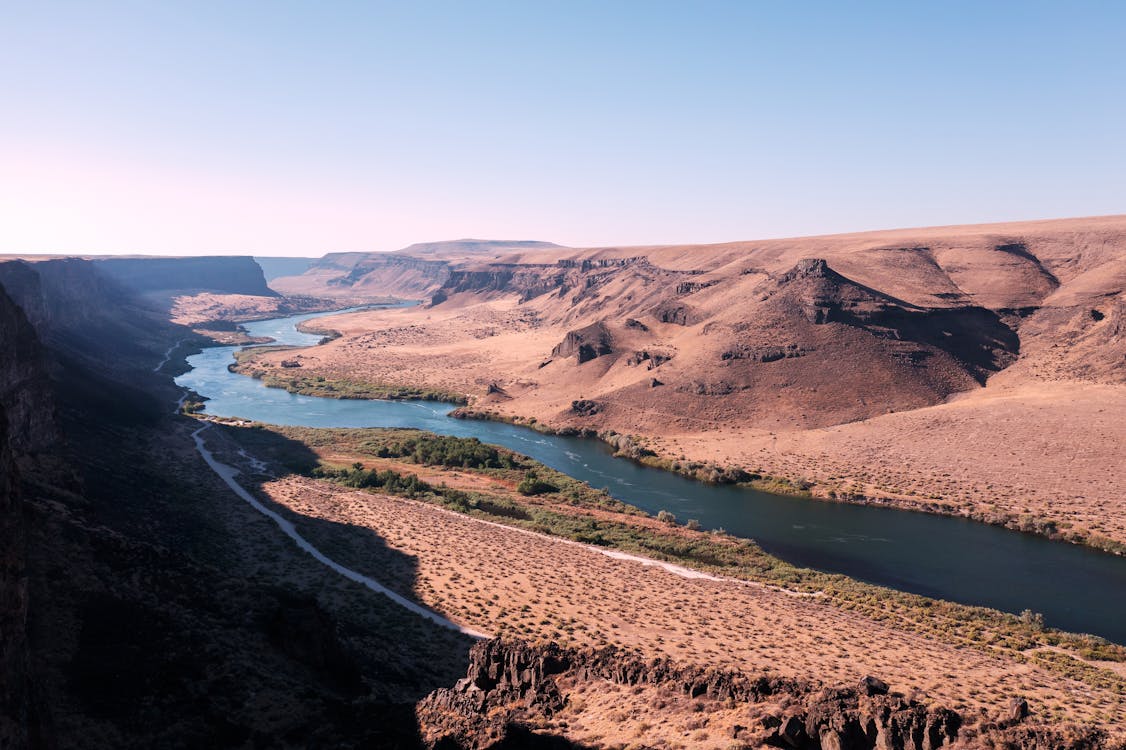
Journeys on the Snake demand attention to twisting currents and rugged stretches that change character without warning. Those raised near its waters learned early how specific bends behave differently depending on season and temperature. Experience offers clearer judgment than relying only on equipment. Knowing when to anticipate rocks or when a rapid rise will help maintain steady travel through this dynamic environment.
Suwannee River
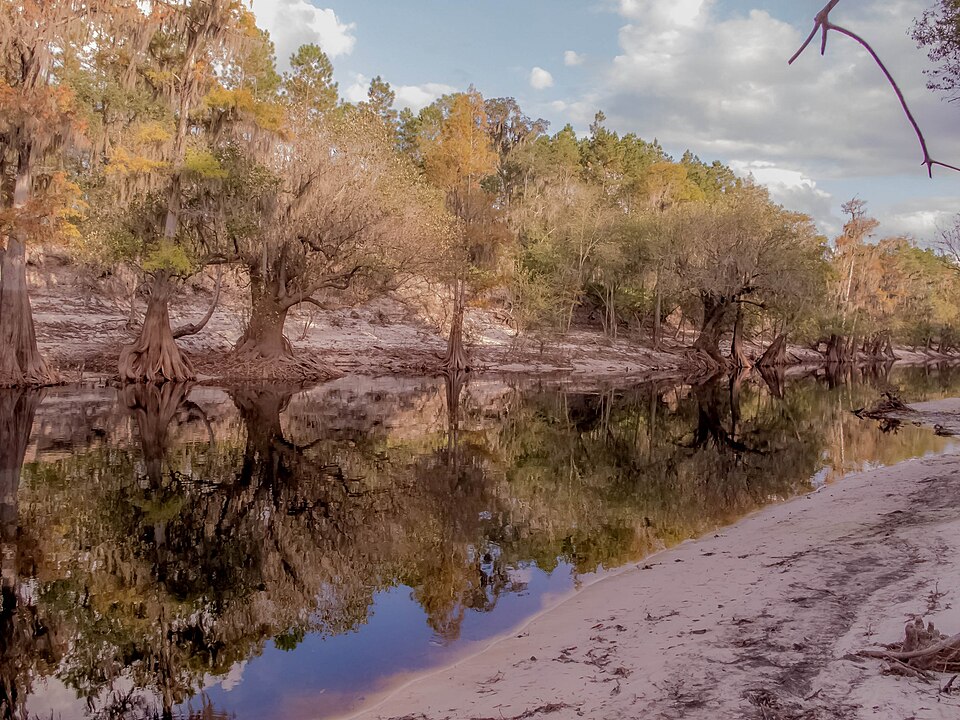
Exploration of the Suwannee benefits from an understanding of hidden springs, shifting depths, and quiet turns that reveal clues about safe movement. Locals who spent generations along these banks developed a sense for how the river breathes through the seasons. Recognizing landmarks that indicate deeper channels often proves more helpful than maps. This connection grows stronger through time spent listening to the river’s gentle changes.
Yukon River
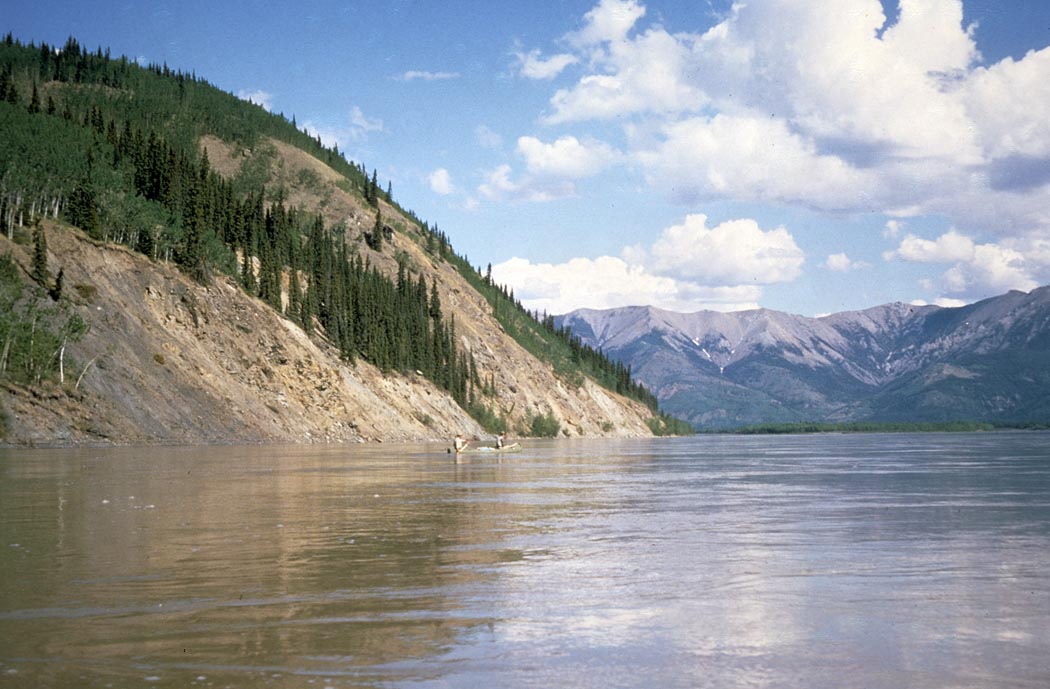
The Yukon stretches through remote terrain where travelers rely on knowledge shaped by decades of observation. Families learned how weather approaches by watching distant mountains and reading subtle ripples on the surface. Long distances require more intuition than equipment as conditions shift quickly. Those who know its habits trust inherited skills that reveal patterns invisible to modern tools.
Platte River
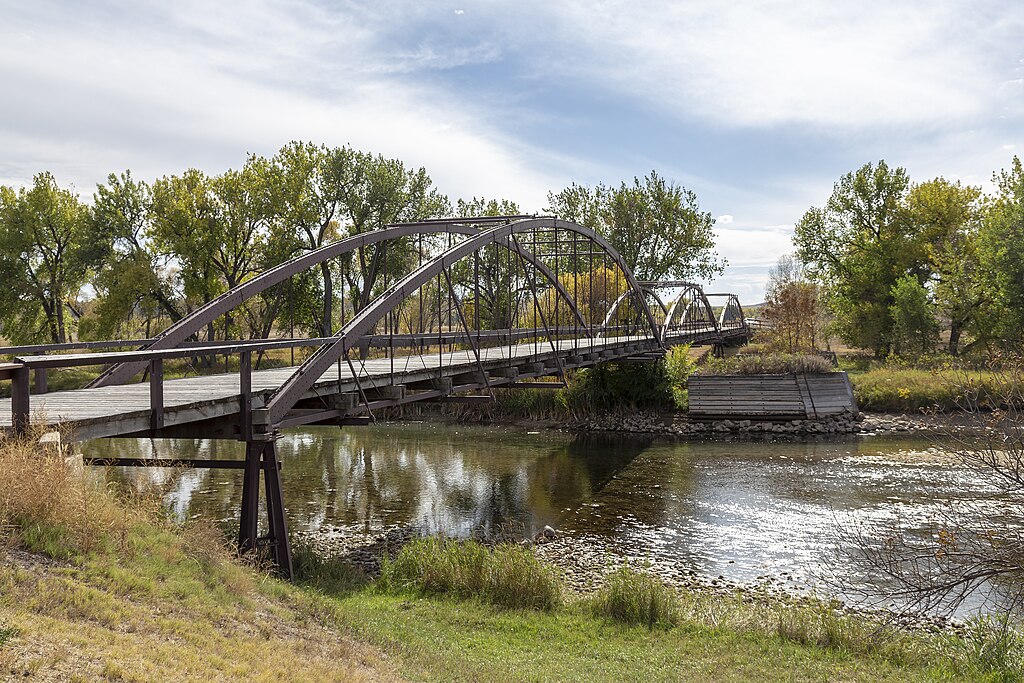
Movement along the Platte often depends on recognizing how sandbars migrate with rain, drought, and seasonal flow. Generations of residents learned how to judge safe paths by watching color changes and feeling subtle ground shifts. Understanding these signs prevents getting stranded in shallow patches. Knowledge shared through stories and practice provides the clarity needed for smooth travel across its broad channel.
James River
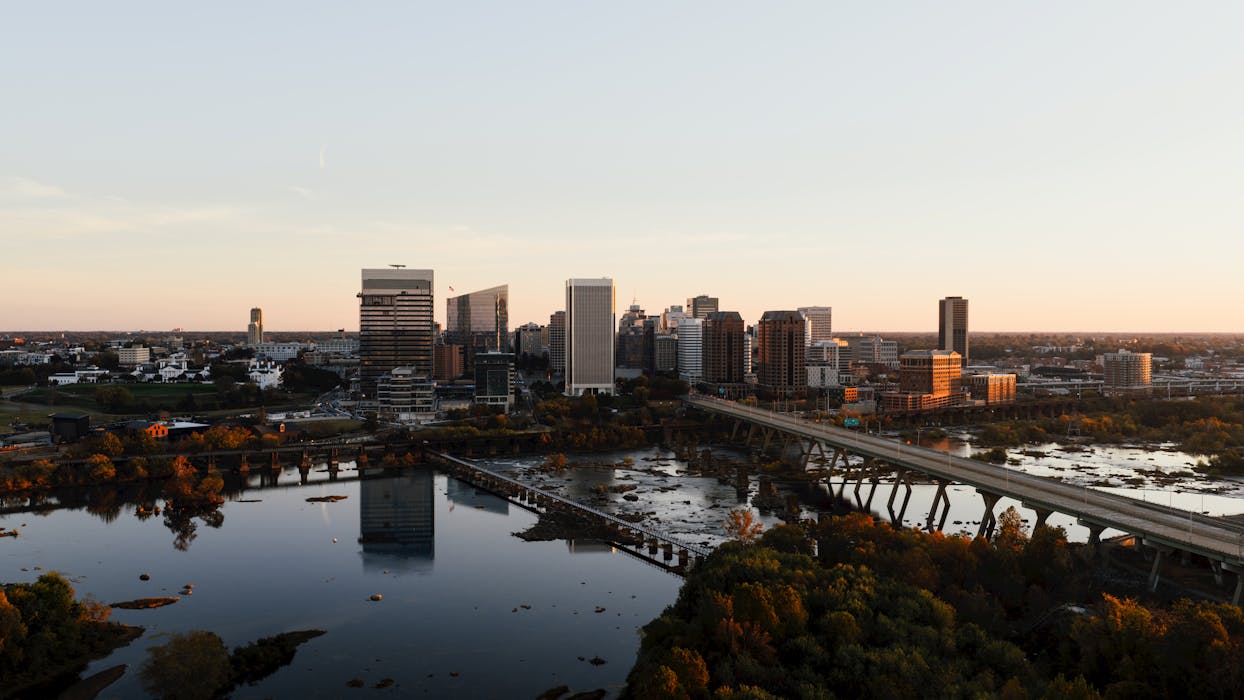
This historic Virginia river features a mix of rapids and calm stretches that require careful interpretation. Those who lived near its banks learned how certain rocks create turbulence during particular times of year. Recognizing these cues helps navigate its varied landscape with confidence. The river responds best to hands trained by experience rather than constant reliance on modern measurements.
Trinity River
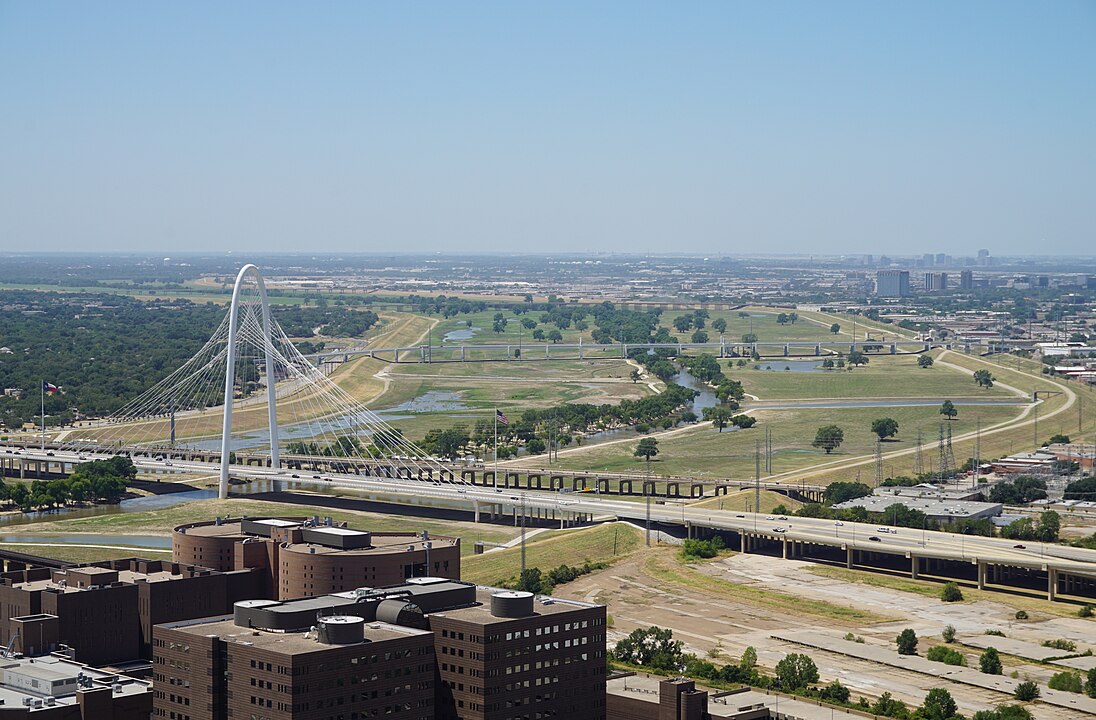
Fishing and boating along the Trinity rely heavily on an understanding of quiet depth changes and current patterns shaped by rainfall. Families who passed down techniques taught when the water runs clear enough for certain catches and when storms alter conditions. Observing these signs helps maintain safety and success. The river rewards steady judgment learned through years of firsthand experience.
Green River
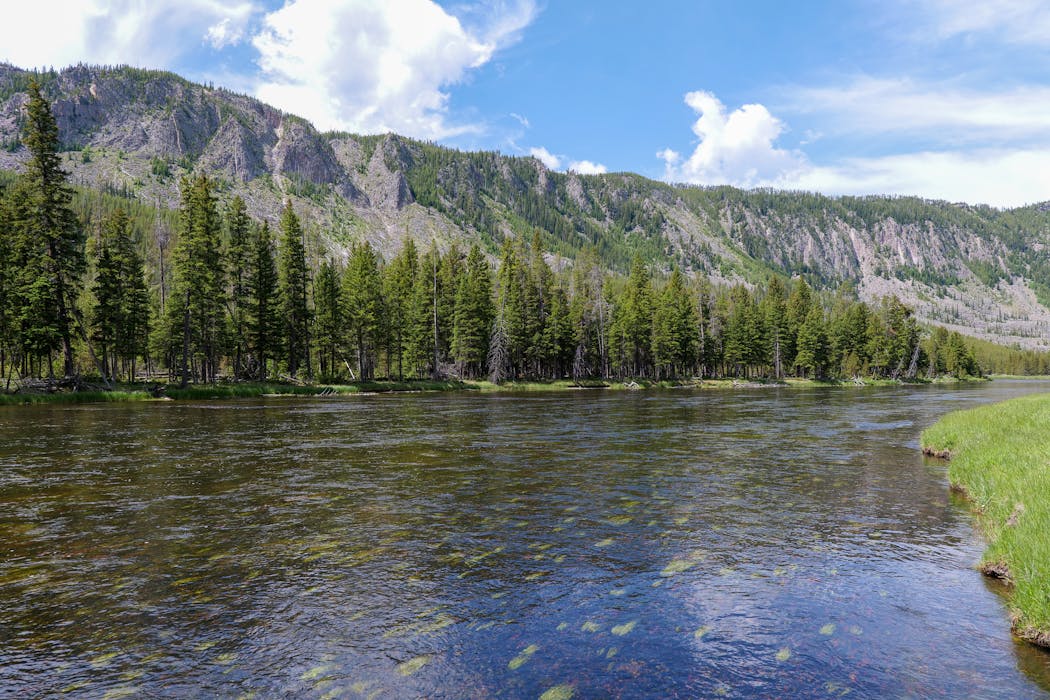
Travel through the Green River’s canyons often relies on memory and familiarity rather than gear. Those who know its behavior recognize how water color signals shifting flow or hidden debris. These insights come from generations who watched the river change with seasons. Trusting such tradition ensures smoother movement through wide corridors and narrow bends alike.
Ohio River
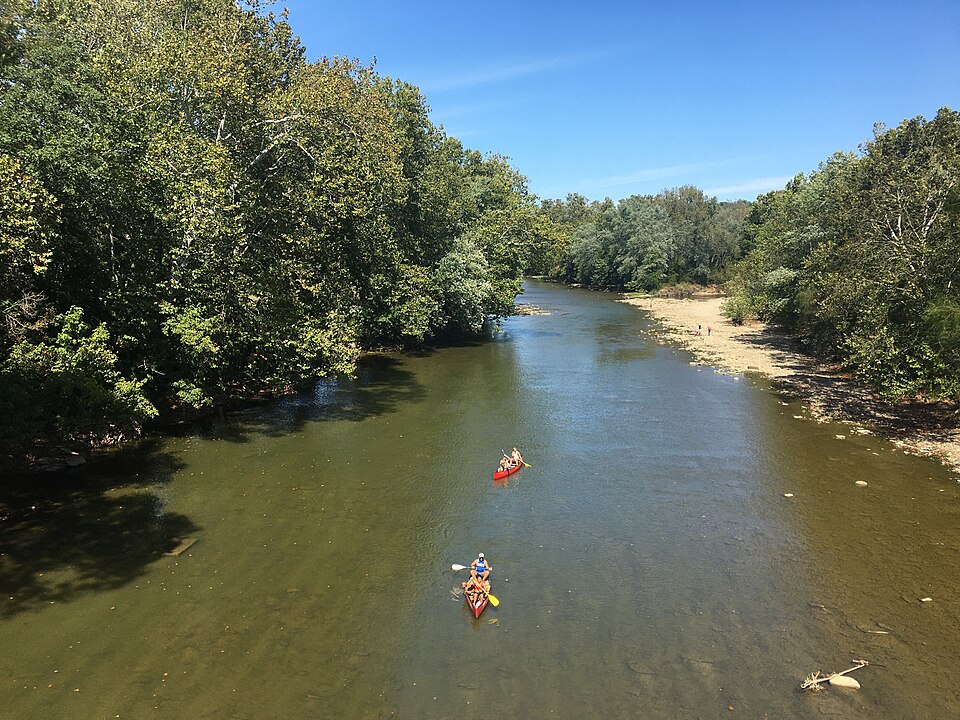
Navigation along the Ohio requires awareness of busy traffic routes, shifting currents, and seasonal fluctuations that influence every mile. Those who grew up near the river learned to interpret surface patterns that reveal deeper behavior. This insight helps travelers anticipate challenges long before equipment issues arise. Experience remains the strongest foundation for safe and confident passage on this major waterway.
The post 12 U.S. Rivers Where Generational Knowledge Matters More Than Modern Gear appeared first on Bushcraft Base Camp.