

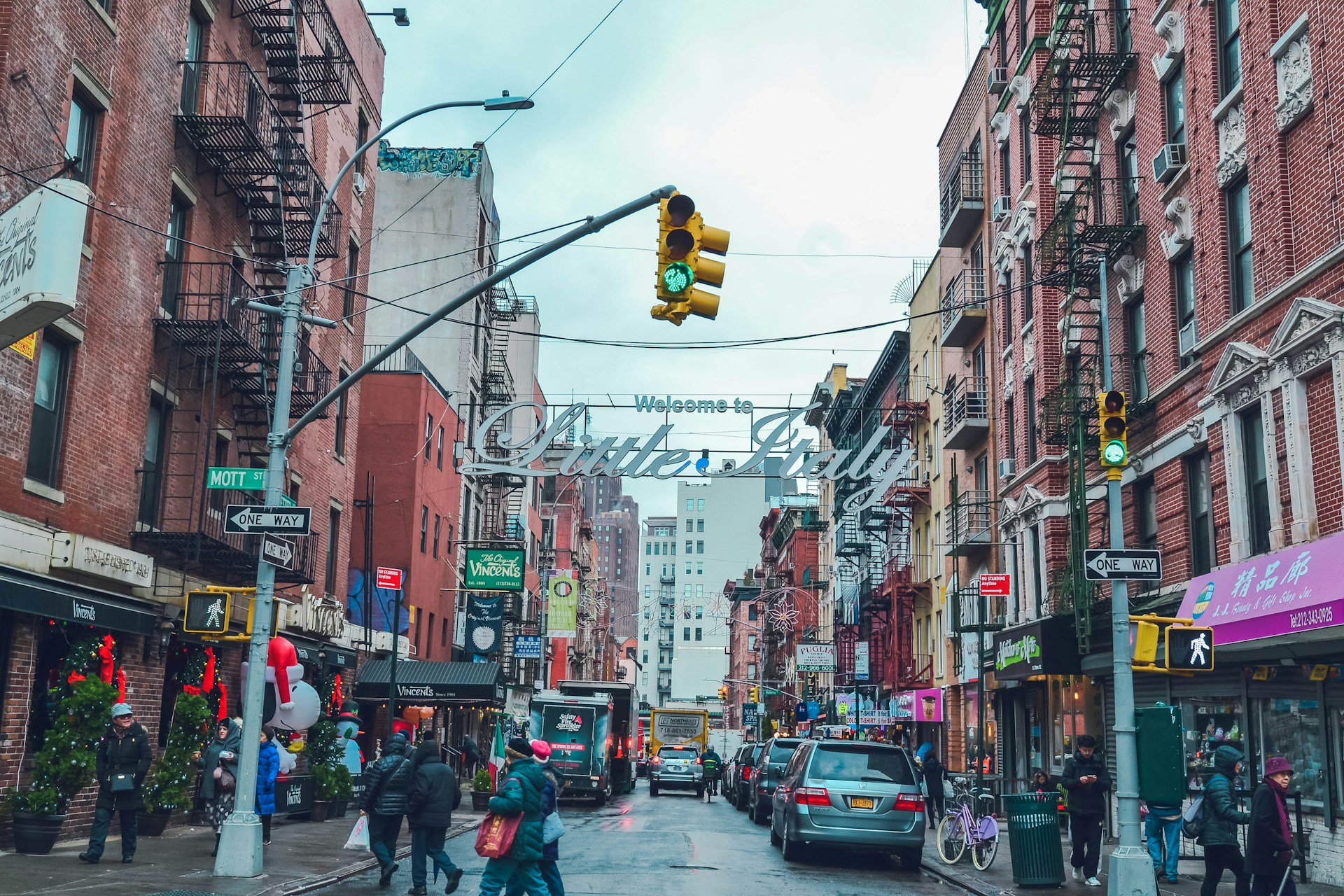
Much of American culture was not formed in isolation, but built through immigrant communities that settled, worked, and preserved traditions while adapting to a new country. These communities were not just residential areas. They became economic engines, cultural centers, and social networks that shaped cities and national identity. Many still exist today, visible in architecture, food, language, and customs. Their influence continues to shape how Americans live, eat, worship, and connect. These are some of the most historically significant immigrant built communities that remain part of the American story.
Chinatown, San Francisco
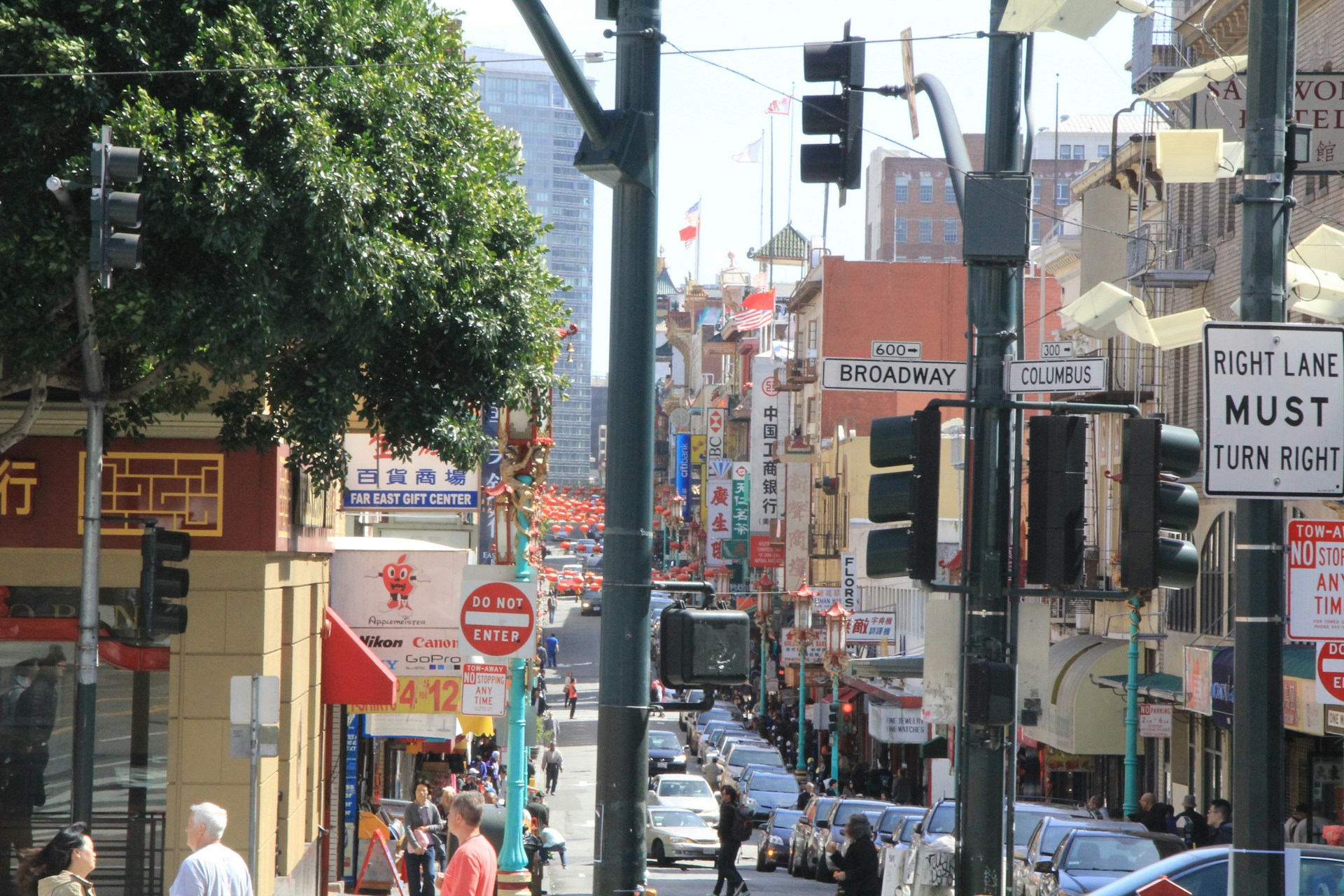
San Francisco’s Chinatown is one of the oldest and most famous Chinese communities in the United States. Built by immigrants during the Gold Rush era, it became a center for labor, commerce, and cultural preservation. Despite discrimination and exclusion laws, the community endured. Today, its streets, temples, shops, and festivals continue to shape the city’s identity. Chinatown helped introduce Chinese cuisine, business networks, and cultural traditions to mainstream America, making it a lasting symbol of immigrant resilience.
Little Italy, New York City
Little Italy in Manhattan emerged in the late nineteenth century as Italian immigrants settled near work opportunities. Though the neighborhood has changed, its influence remains powerful. Italian food culture, family centered businesses, and Catholic traditions spread far beyond its streets. The community helped define American dining habits and social life. Images of Mulberry Street, festivals, and historic storefronts remain instantly recognizable, representing how immigrant neighborhoods leave national cultural footprints.
Harlem, New York City
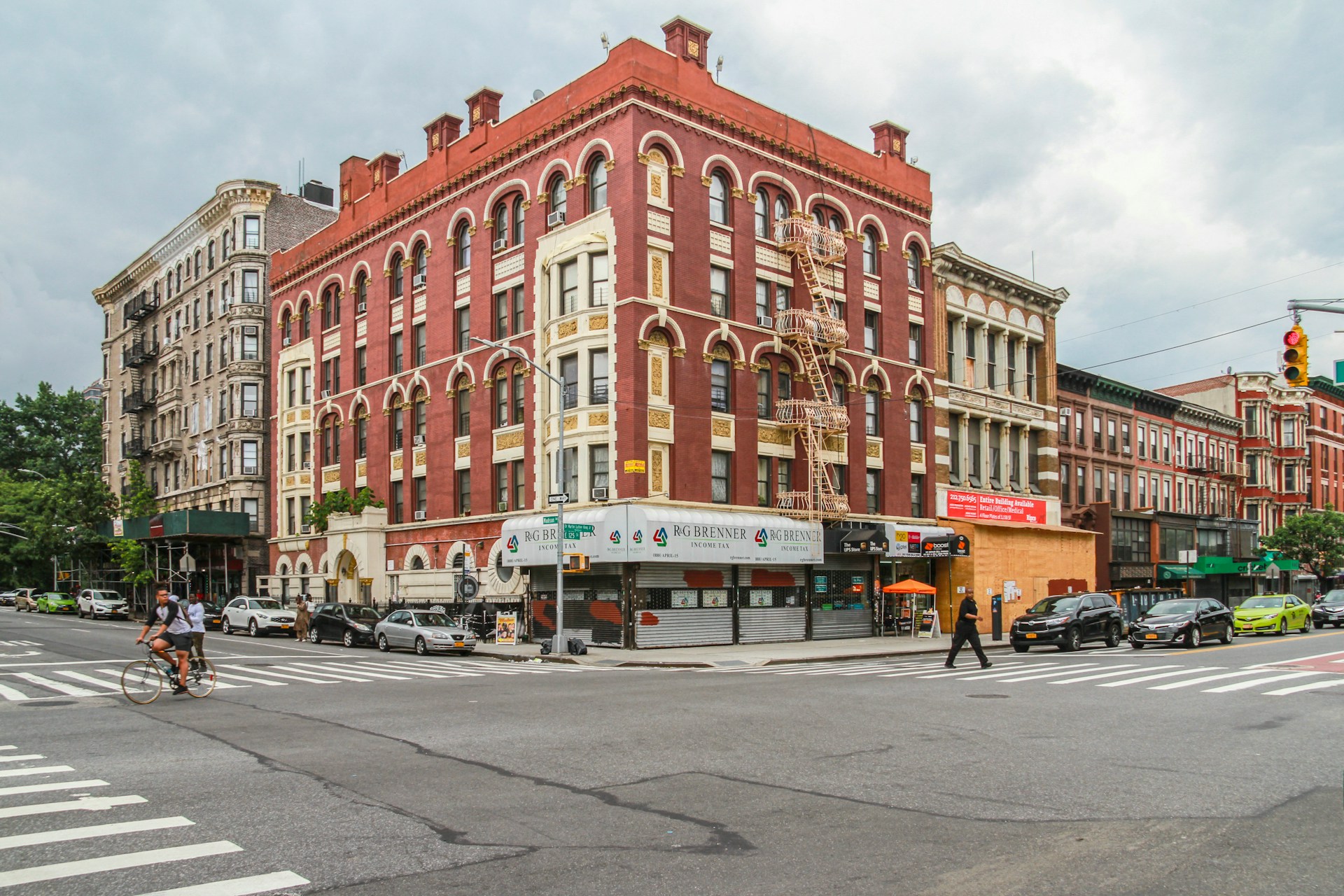
Harlem became a cultural center shaped heavily by Black migrants and Caribbean immigrants during the Great Migration. The neighborhood transformed American music, literature, and political thought. Jazz, the Harlem Renaissance, and civil rights leadership emerged here. Harlem’s churches, theaters, and historic buildings remain iconic. Its influence continues to shape American culture, identity, and social movements, making it one of the most important immigrant shaped communities in U.S. history.
Germantown, Philadelphia
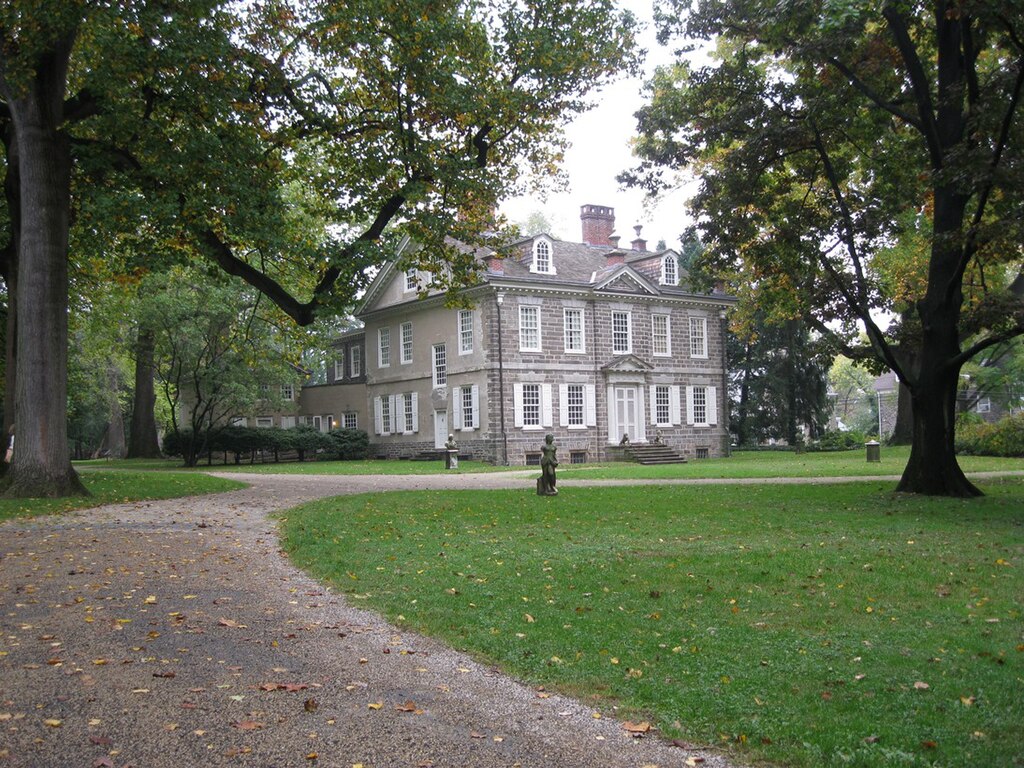
Founded in the seventeenth century by German immigrants, Germantown played a major role in early American industry and politics. The community introduced craftsmanship, printing, and organized education. It also became an early center for anti slavery activism. Historic homes, churches, and streets still exist today. Germantown reflects how immigrant communities shaped foundational American values and institutions long before the nation fully formed.
Little Havana, Miami
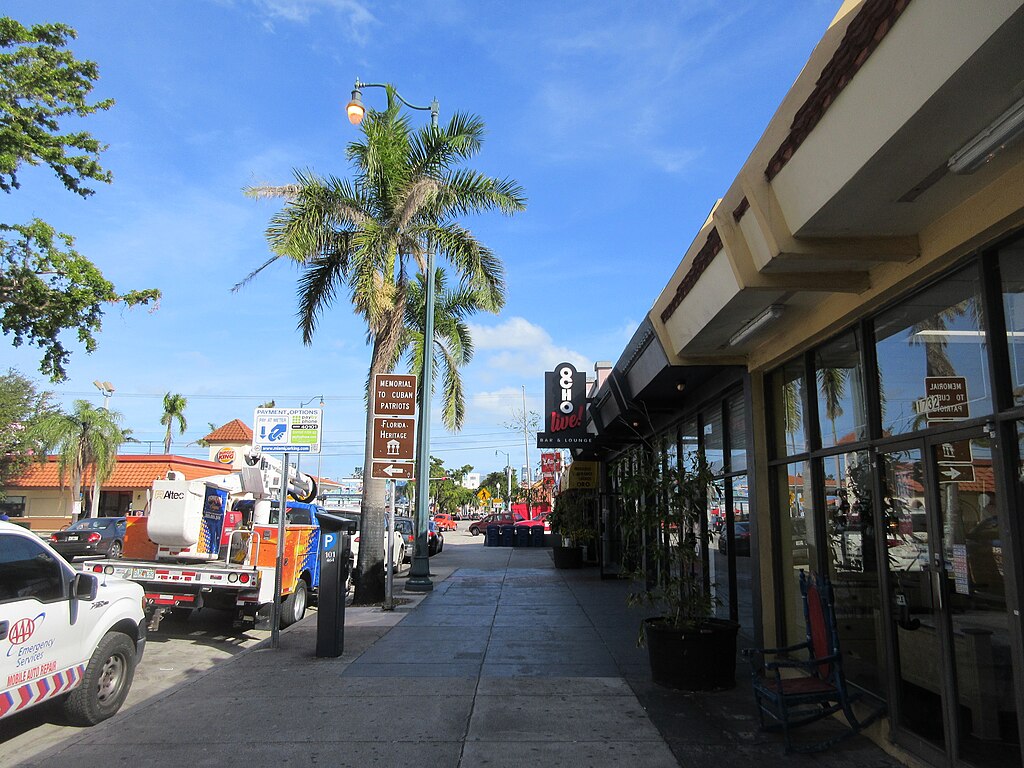
Little Havana emerged as Cuban immigrants settled in Miami after political upheaval in the mid twentieth century. The neighborhood became a cultural and political hub, shaping the city’s identity. Cuban food, music, language, and entrepreneurship spread across South Florida and beyond. Calle Ocho remains globally recognized. Little Havana represents how immigrant communities can redefine entire regions while maintaining strong cultural continuity.
Bronzeville, Chicago
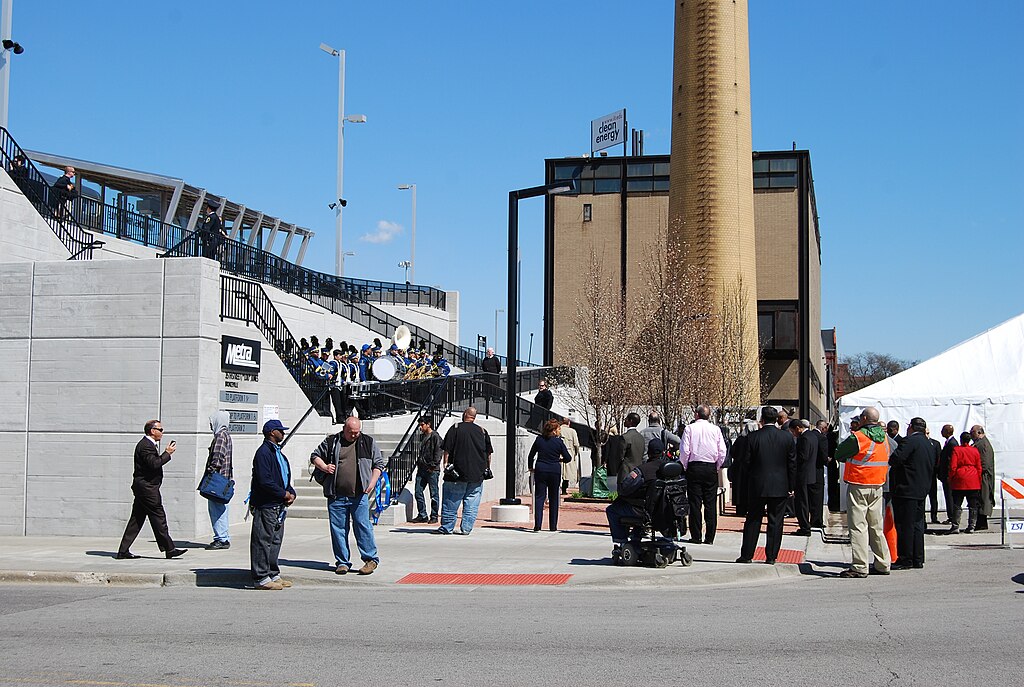
Bronzeville developed as a center for Black migrants from the South and Caribbean immigrants seeking opportunity. The neighborhood became known for business, music, and journalism. It played a critical role in shaping Black American culture and economic independence. Historic buildings, murals, and institutions still reflect that legacy. Bronzeville’s influence extends nationally through culture, civil rights, and entrepreneurship.
Lower East Side, New York City
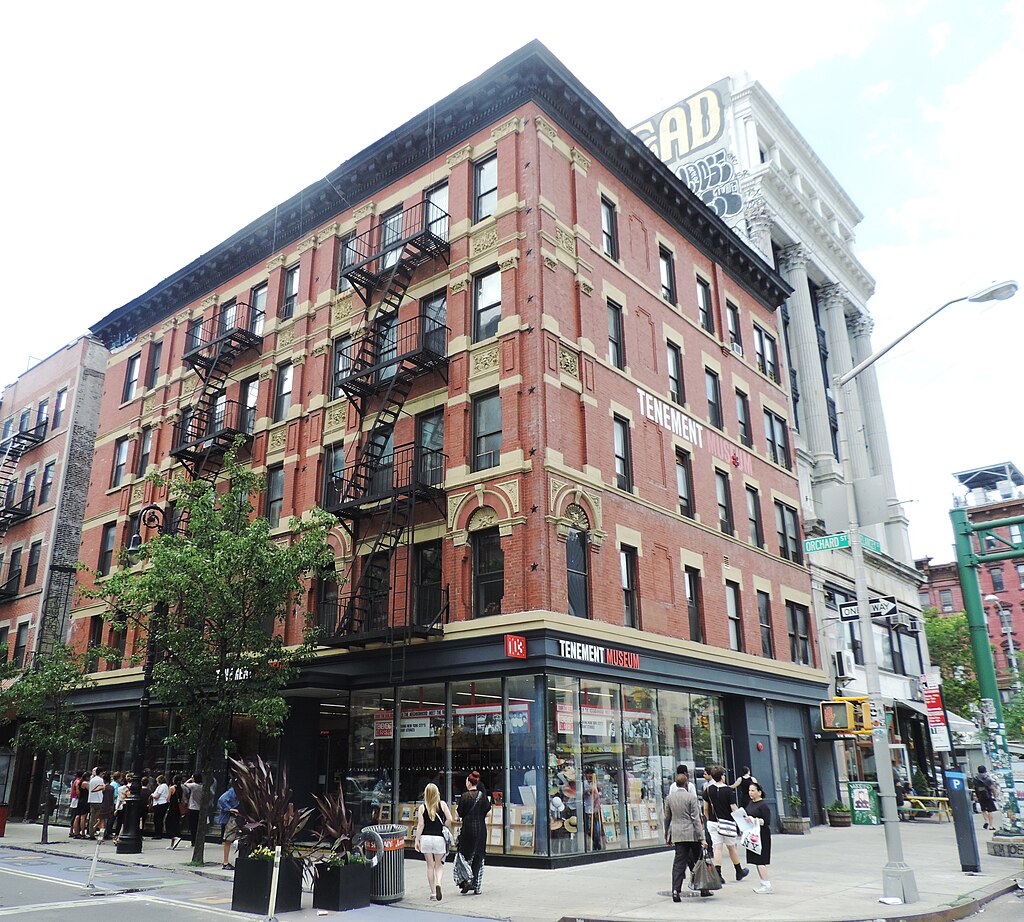
The Lower East Side was shaped by Jewish, Eastern European, and later immigrant groups who lived in dense tenement housing. It became a testing ground for labor rights, education reform, and cultural adaptation. Museums, synagogues, and historic streets remain. The neighborhood’s legacy influences American labor laws, social mobility, and urban culture. It remains one of the most photographed immigrant communities in the country.
Dearborn, Michigan
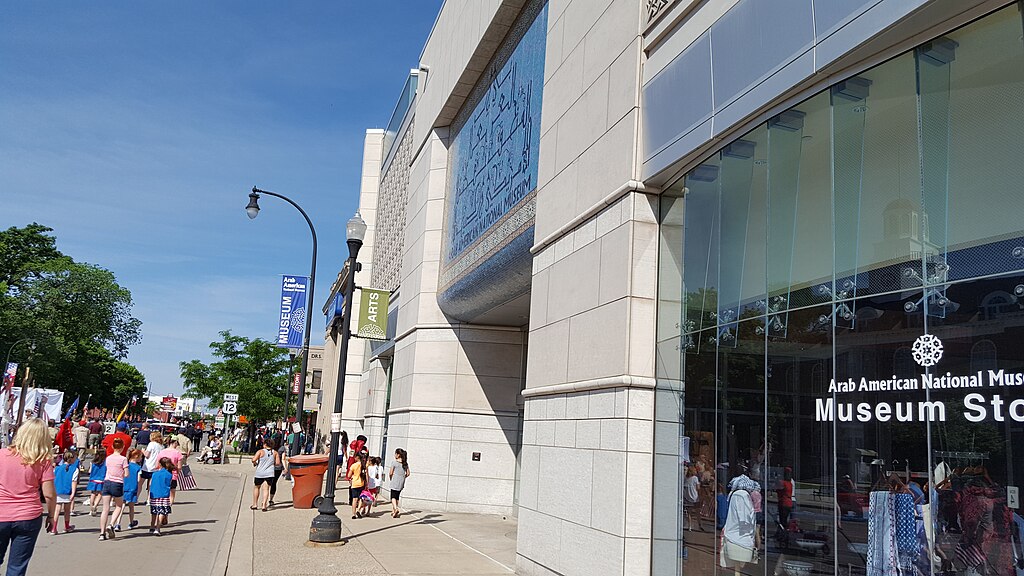
Dearborn became home to one of the largest Arab American communities in the United States. Built by immigrants from Lebanon, Yemen, and surrounding regions, it shaped industry, politics, and culture. Mosques, markets, and community institutions are central to the city. Dearborn plays a key role in American discussions around identity, faith, and immigration. Its visibility and influence continue to grow nationally.
Pilsen, Chicago
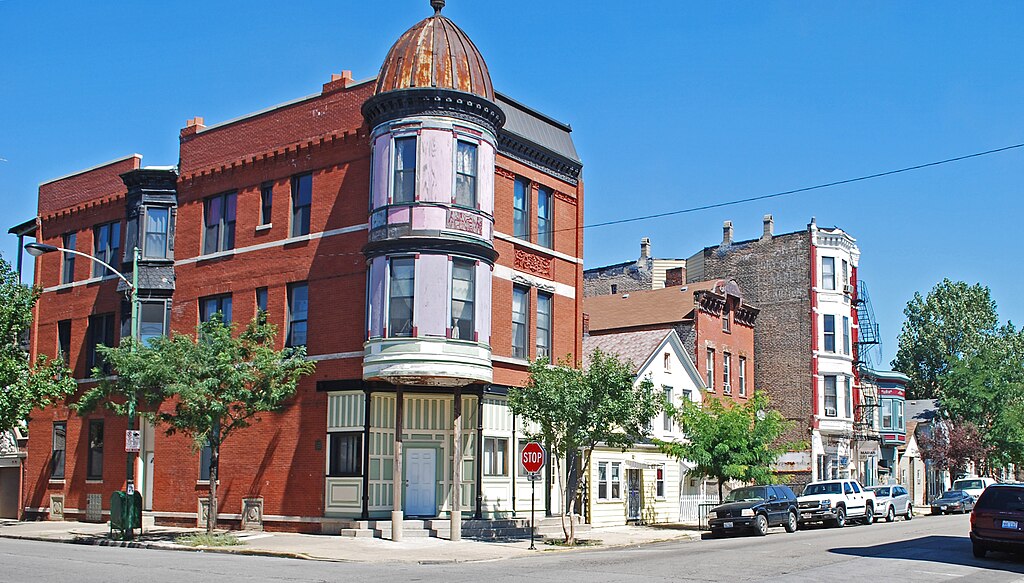
Pilsen became a defining Mexican American community as immigrants settled on Chicago’s Lower West Side in the twentieth century. The neighborhood grew into a center for art, labor organizing, food culture, and political activism. Murals, family owned businesses, churches, and festivals continue to define the area. Pilsen helped shape American understanding of Mexican identity beyond the Southwest. Its influence is visible nationally through cuisine, cultural expression, and community organizing, making it one of the most photographed and recognizable immigrant neighborhoods in the country.
Chinatown, New York City
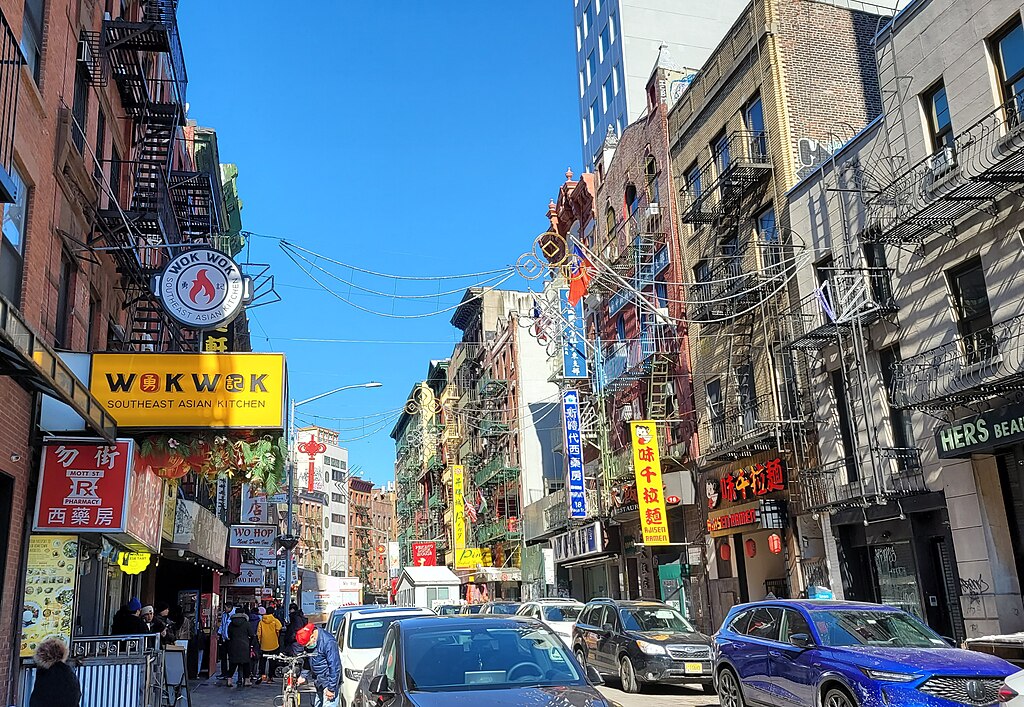
New York City’s Chinatown is one of the largest Chinese communities outside Asia. Built by successive waves of immigrants, it became an economic and cultural hub. Markets, family businesses, and cultural institutions define the area. Its influence extends through cuisine, commerce, and transnational connections. Images of its streets and festivals are instantly recognizable, symbolizing ongoing immigrant contribution to American life.
These immigrant built communities did more than provide homes. They shaped industries, traditions, and national identity. Their influence remains visible in food, music, architecture, and social values. Understanding these places is essential to understanding America itself. They are not just historical landmarks, but living reminders that the nation continues to be shaped by people who arrived with determination and built lasting roots.