
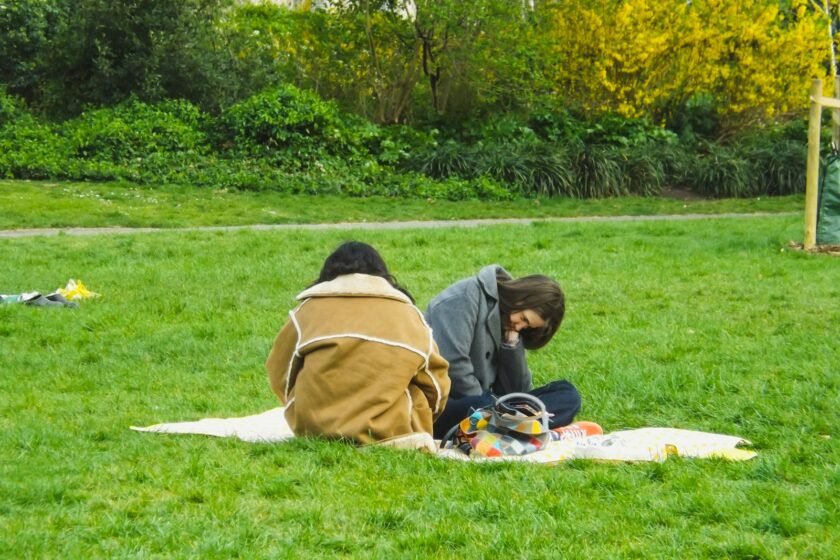
Not too long ago, neighborhoods were built not only from houses and streets but from shared routines, trust, and daily interaction. Neighbors knew one another by name, gathered regularly, and relied on each other for help, companionship, and reassurance. These simple connections created informal support systems that made communities feel safer and more personal. Over time, lifestyle changes, technology, longer working hours, and shifting social expectations have reshaped how people relate to those living nearby. While modern conveniences have increased efficiency, they have reduced many opportunities for face-to-face interaction. As a result, traditions that once defined neighborhood life have gradually disappeared. Looking back at these shared practices reveals how community bonds have weakened and why many people now feel isolated despite living close to others.
1. Sitting Outside to Talk in the Evenings
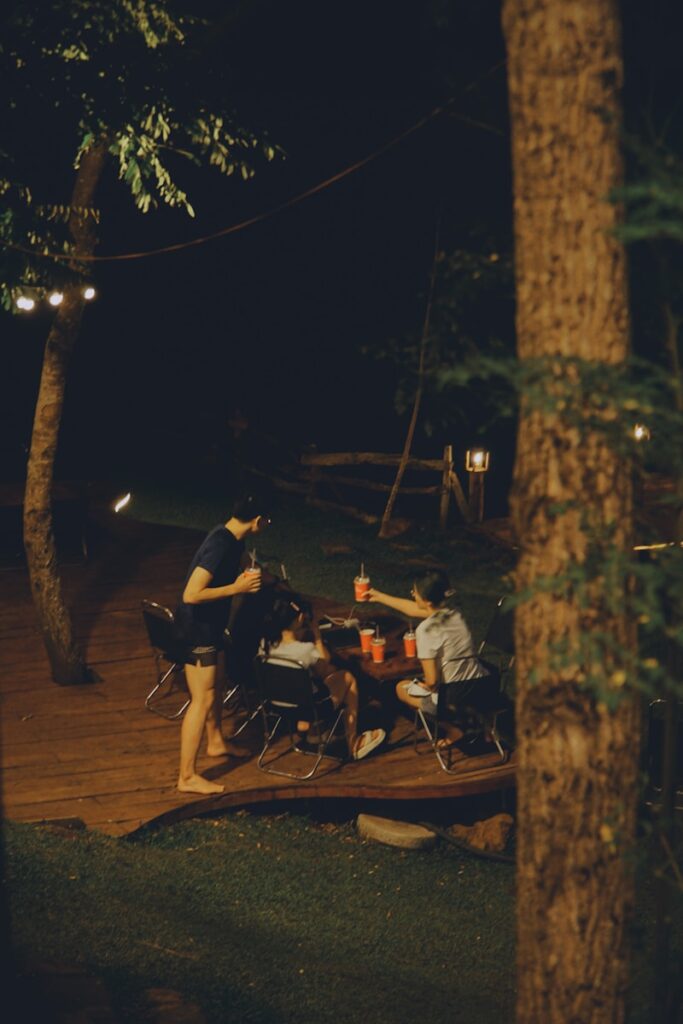
In the past, neighbors often spent evenings sitting on porches, sidewalks, or front yards while talking with one another. These casual conversations allowed people to share daily experiences, discuss local concerns, and build familiarity without formal invitations. The habit created a relaxed atmosphere where residents felt acknowledged, included, and valued. Over time, air-conditioned homes, demanding schedules, and digital entertainment reduced the desire to spend time outdoors. Fewer people remain outside long enough for spontaneous conversations to occur. Evening chats once strengthened trust, reduced loneliness, encouraged openness, and fostered community spirit. The absence of this tradition has made interactions less frequent and neighborhoods less socially connected, resulting in weaker relationships and reduced neighborly support networks.
2. Borrowing Household Items Freely
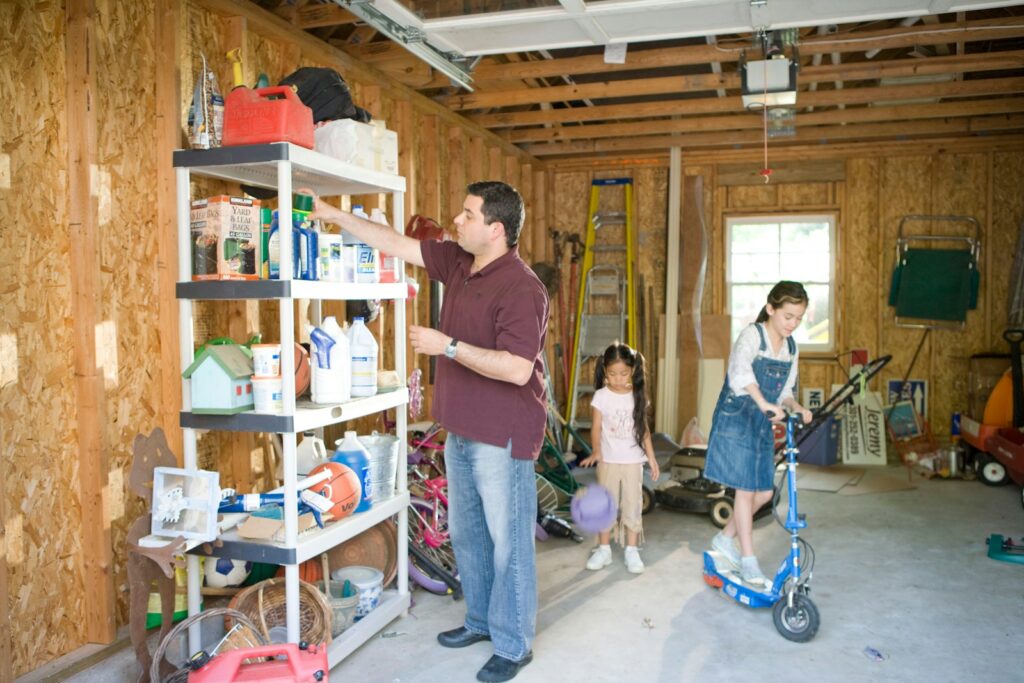
Borrowing household items such as sugar, tools, or cooking supplies was once a natural part of neighborhood life. This habit reflected mutual trust and understanding that borrowed items would be returned promptly. It encouraged casual conversation, practical cooperation, and reinforced social bonds. With the rise of convenience stores, delivery services, and online shopping, the need to borrow items has decreased significantly. People also hesitate to ask neighbors for help due to fear of inconvenience or embarrassment. As a result, everyday interactions that once reinforced generosity, cooperation, and connection have declined. The loss of this practice has reduced informal social contact, weakened neighborly trust, and contributed to a more individualistic, less interactive community environment than in the past.
3. Watching Each Other’s Children Informally
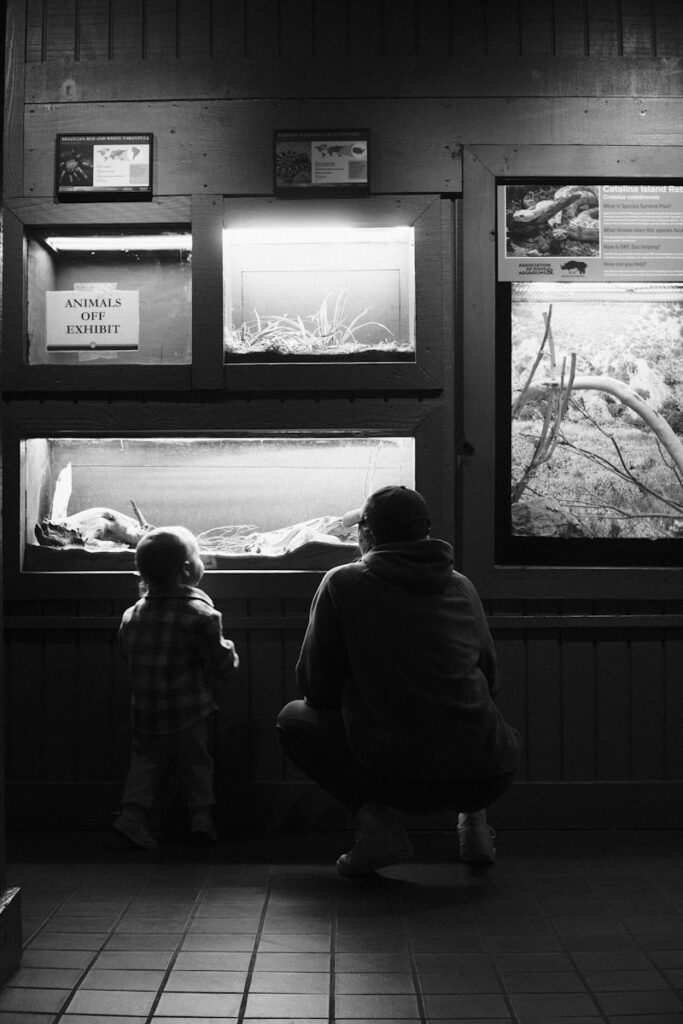
Neighbors used to share responsibility for supervising children as they played outdoors. Adults nearby would casually ensure safety, guide behavior, and provide support when necessary. This arrangement gave children more freedom while giving parents peace of mind. It also created opportunities for neighbors to bond and build trust over shared responsibility. Today, safety concerns, legal considerations, and changing social norms have made informal childcare rare. Children spend more time indoors or under direct supervision, limiting their independence. The absence of this practice reduces opportunities for social interaction among both children and adults. Neighborhoods lose an important element of support, and the informal safety net that fostered trust, responsibility, and connection among neighbors has largely disappeared.
4. Sharing Home Cooked Food

Sharing home-cooked food was once a simple yet powerful way neighbors expressed care, hospitality, and generosity. Leftovers, holiday meals, or extra portions were often offered freely to families nearby. This practice encouraged friendly interaction, strengthened personal bonds, and created a sense of warmth in the community. Today, busy schedules, dietary restrictions, and reliance on store-bought meals have decreased this habit. Many people hesitate to share food due to concerns about allergies, preferences, or boundaries. As a result, a meaningful way of connecting and showing care has largely disappeared. The loss of home-cooked sharing has reduced opportunities for spontaneous bonding, weakened neighborly trust, and limited acts of kindness that once nurtured strong social relationships.
5. Holding Block Parties Naturally
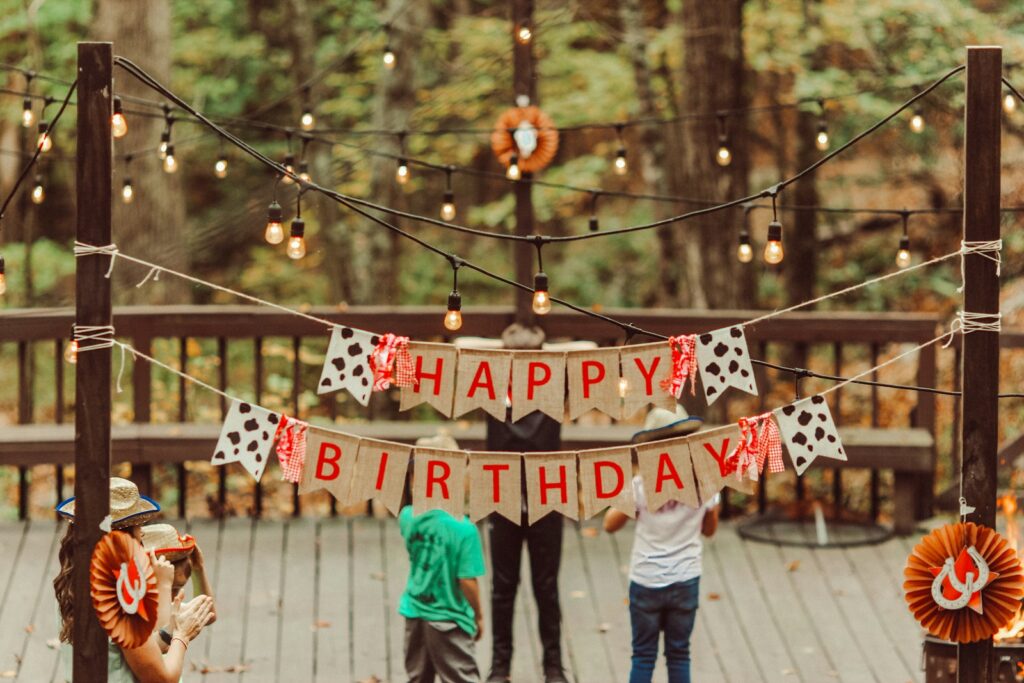
Block parties once occurred spontaneously when neighbors gathered outdoors to share food, music, games, and conversation. These events encouraged interaction across ages, backgrounds, and households, fostering camaraderie, familiarity, and shared memories. They were informal, inclusive, and relied on neighborly participation rather than permits or formal organization. Today, regulations, planning requirements, and busy lifestyles have reduced the frequency of spontaneous block parties. Organized events still exist but often feel structured, less personal, and more restrictive. The decline of these gatherings has decreased casual social interaction, reduced opportunities for neighbors to bond, and weakened local networks of support. Without these informal celebrations, the sense of community, mutual trust, and connection has diminished significantly, leaving neighborhoods quieter and less cohesive.
6. Visiting Without Advance Notice
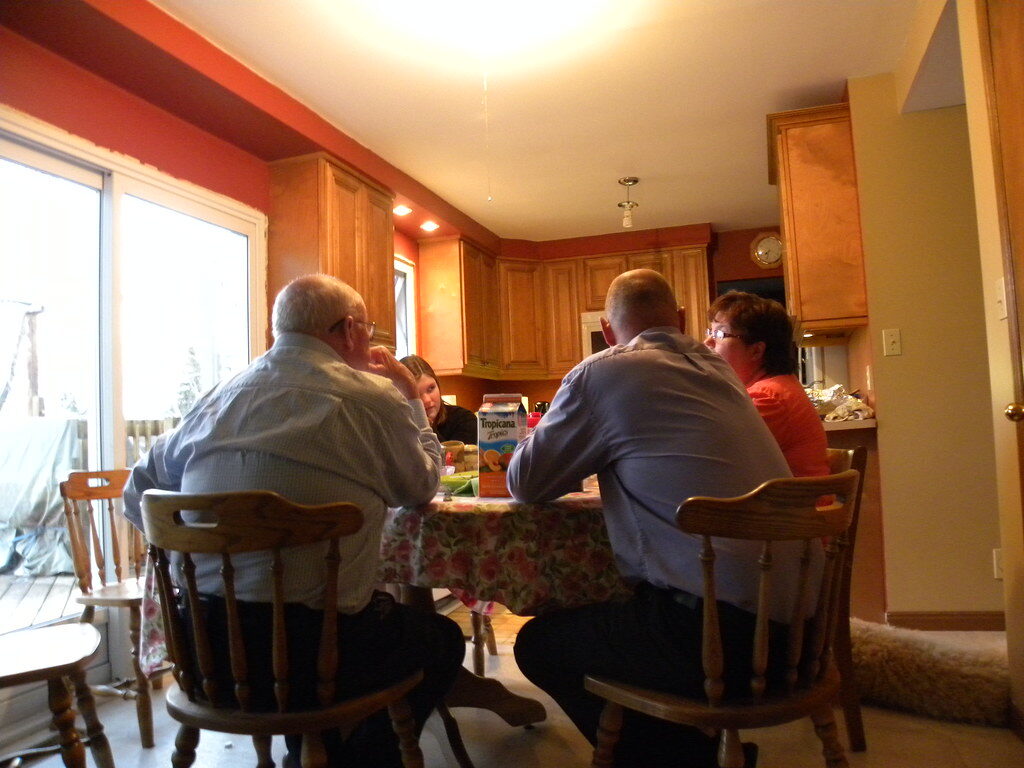
Dropping by a neighbor’s home without prior notice was once considered friendly and acceptable. Such visits reflected trust, comfort, and familiarity, creating opportunities for spontaneous conversation and relationship building. Over time, expectations of privacy, scheduling, and personal boundaries have shifted. Today, most visits are arranged in advance through calls or messages, removing spontaneity and casual social contact. The decline of unannounced visits has weakened everyday interactions, making relationships more formal and distant. Without casual check-ins, opportunities for connection, emotional support, and the reinforcement of neighborhood bonds have decreased. This shift has contributed to a sense of isolation, as neighbors no longer engage in the small, informal interactions that once nurtured trust and familiarity.
7. Fixing Things Together
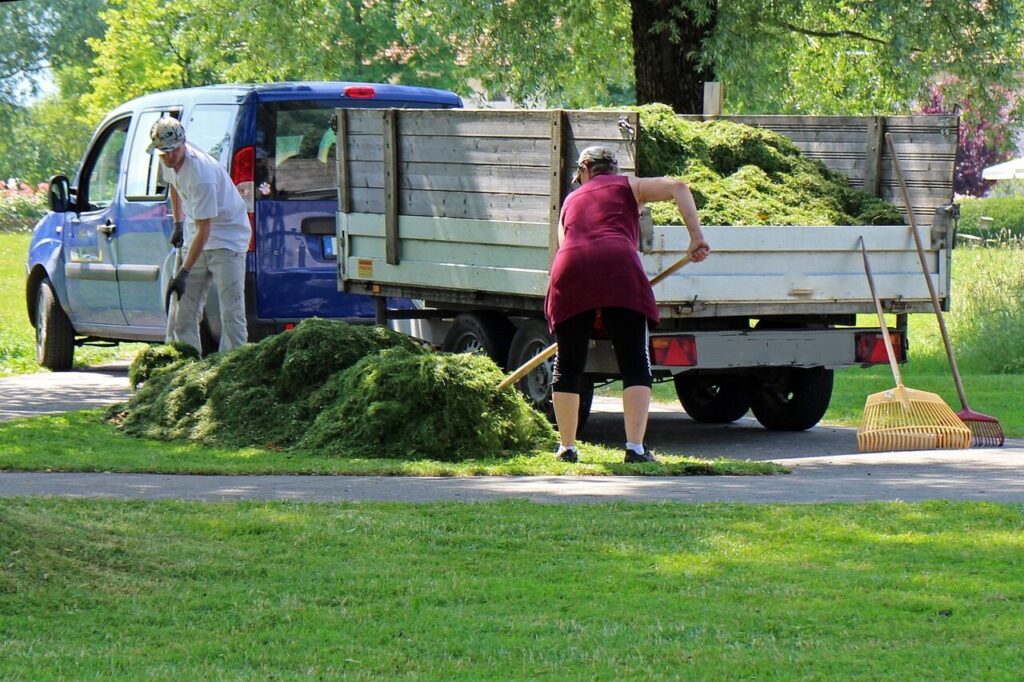
Neighbors often helped one another with small repairs, maintenance tasks, and home improvements. Sharing knowledge, tools, and labor saved time and money while fostering collaboration. This hands-on cooperation created natural opportunities for conversation, learning, and social bonding. Today, many people rely on professionals or online guides, reducing opportunities for neighborly collaboration. The absence of shared repair activities removes occasions for relationship building, teamwork, and mutual reliance. Neighborhoods lose the practical support that reinforced trust and reliability. Without this cooperative dynamic, residents experience fewer chances to engage, learn from each other, and develop meaningful connections. Shared labor once strengthened both practical and social bonds within communities.
8. Walking Together Regularly

Walking through the neighborhood was once a social routine rather than a solitary activity. Neighbors often walked together after meals or during quiet hours, exchanging news, stories, and companionship. This habit encouraged physical activity, emotional connection, and strengthened friendships. Today, increased traffic, longer working hours, and busy schedules have reduced opportunities for shared walks. Most people walk alone or only with close family members. The decline of this simple practice has weakened everyday social interactions, leaving fewer opportunities for casual conversation and relationship building. Walking together used to reinforce neighborly trust, provide mutual observation, and foster a sense of safety, community, and belonging that is increasingly absent today.
9. Celebrating Small Milestones Together

Small milestones such as birthdays, graduations, and personal achievements were once celebrated collectively with neighbors. These informal celebrations created shared joy, strengthened social bonds, and fostered a sense of belonging. Today, many milestones are observed privately or shared online with limited audiences. Neighbors may remain unaware of important events in the lives of those around them. The decline of these celebrations reduces opportunities to build empathy, support, and collective happiness. Without shared recognition, neighborhoods lose opportunities for emotional connection and relationship reinforcement. Milestones once served as natural opportunities for interaction, care, and community cohesion, fostering trust, camaraderie, and lasting social bonds among residents.
10. Sharing Local News Face to Face
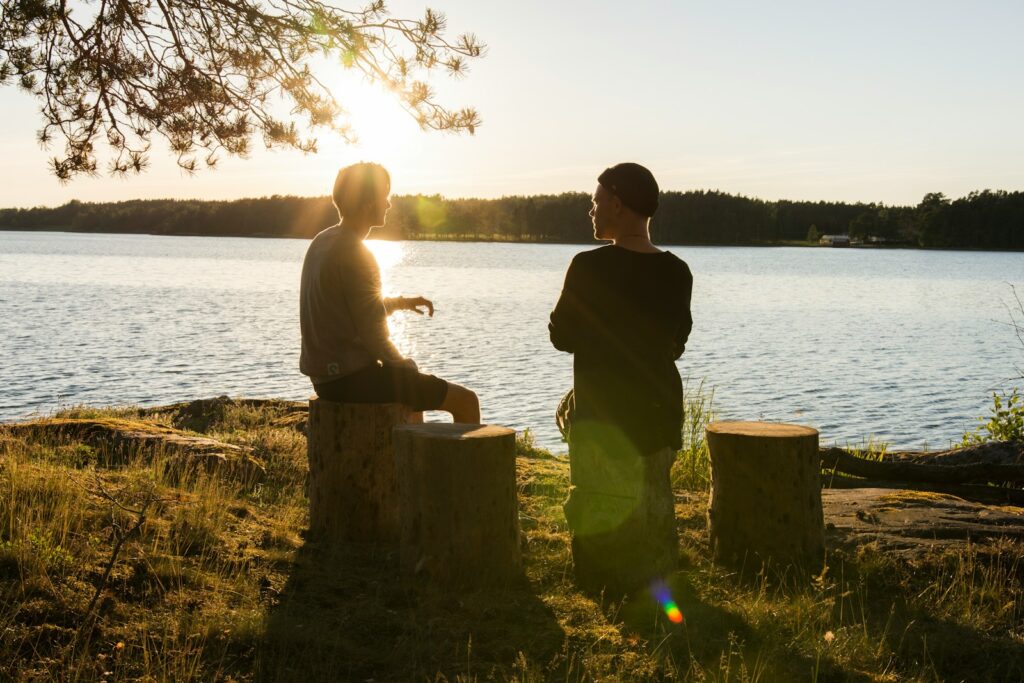
Neighbors once exchanged local news through daily conversation, keeping each other informed about events, changes, and concerns. These interactions built awareness, facilitated mutual support, and encouraged involvement in community matters. Today, most local information spreads digitally through social media or messaging apps. While convenient, this method lacks personal engagement and meaningful discussion. The decline of face-to-face news sharing has weakened neighborhood awareness, reduced collective problem-solving, and diminished opportunities for dialogue. Residents now rely less on each other for information and interaction. This shift has decreased interpersonal connections, leaving many unaware of local happenings. Face-to-face news sharing once fostered trust, vigilance, and cooperation within neighborhoods, which are now largely absent.
11. Gardening Together

Gardening together or helping with plants was once a central neighborhood activity. Neighbors shared seeds, tools, tips, and labor, transforming gardening into a social and collaborative experience. This practice allowed people to connect across generations, exchange knowledge, and foster pride in their shared environment. Today, gardening is often private or replaced by low-maintenance landscaping, reducing opportunities for neighborly cooperation. The absence of communal gardening diminishes social interaction, shared responsibility, and environmental awareness. Without working together in outdoor spaces, residents lose chances to bond, exchange ideas, and strengthen community ties. Gardening once offered physical activity, casual conversation, and a sense of collective accomplishment, which helped neighborhoods feel connected, supportive, and vibrant.
12. Watching Homes During Absences

Neighbors once kept an informal eye on each other’s homes during vacations or extended absences. Tasks like collecting mail, watering plants, or monitoring for unusual activity helped maintain security and fostered mutual trust. This practice reflected shared responsibility, reliability, and care, reinforcing strong social bonds. Today, reliance on alarm systems, surveillance cameras, and paid services has reduced neighbor involvement. While technology provides safety, it also eliminates human interaction and shared vigilance. The decline of informal home watching weakens trust, diminishes reliance on one another, and reduces opportunities for neighbors to form close, supportive connections. Without this habit, communities lose a layer of personal engagement and the reassurance that comes from looking out for one another.
13. Playing Outdoor Games Together

Outdoor games once united neighbors of all ages in shared recreational activities. Children and adults alike participated in informal competitions, tag, or ball games, encouraging physical activity, laughter, and interaction. These games created opportunities for casual conversation, teamwork, and intergenerational bonding. Today, screen-based entertainment, traffic concerns, and busy schedules have reduced outdoor play. As a result, spontaneous interaction between neighbors is limited. The absence of shared games reduces opportunities to form friendships, learn social skills, and build trust through cooperation. Outdoor play once provided a space for informal socialization and relationship building. Without it, neighborhoods have fewer natural occasions for residents to bond, leaving communities quieter, less connected, and more isolated than in the past.
14. Attending Neighborhood Meetings Together

Neighborhood meetings were once well-attended gatherings where residents discussed local concerns, decisions, and events collectively. Participation promoted accountability, cooperation, and the development of shared solutions. These gatherings also provided informal opportunities to socialize and strengthen relationships among neighbors. Today, attendance has declined as people disengage from community matters, citing busy schedules or lack of interest. Reduced participation weakens collaboration, representation, and communication within neighborhoods. Without active involvement, communities become less responsive to collective needs and less cohesive socially. The decline of neighborhood meetings diminishes the opportunity for residents to connect over shared concerns, build mutual trust, and develop stronger networks of support, which previously reinforced the social fabric of local communities.
15. Offering Help Without Being Asked

Neighbors once offered assistance spontaneously during illness, emergencies, or busy periods. This practice created informal support networks, encouraged cooperation, and strengthened trust between residents. Such proactive acts of kindness fostered a sense of belonging, community, and shared responsibility. Today, fear of intrusion, misunderstanding, or social boundaries has reduced unsolicited help. People are more likely to rely on services or handle problems independently. The decline of voluntary assistance increases isolation and limits opportunities for interaction. Without spontaneous acts of support, neighborhoods lose an important mechanism for reinforcing social cohesion. Offering help without being asked once created everyday connections that strengthened relationships and provided reassurance, which is now less common in modern communities.
16. Sharing Stories and Local History

Older neighbors once shared stories about the area’s past, family histories, and local traditions, preserving the neighborhood’s identity and culture. These exchanges connected generations, created pride in the community, and provided context for understanding shared spaces. Today, fewer opportunities exist for such conversations due to changing lifestyles, reduced outdoor interaction, and a lack of communal engagement. The absence of storytelling weakens cultural continuity, shared knowledge, and intergenerational bonding. Without these exchanges, residents feel disconnected from the past and less invested in their community’s future. Sharing local history once strengthened neighborhood identity, fostered respect for traditions, and helped new residents integrate into the social fabric. Its decline has reduced connection and awareness of communal roots.
17. Spending Time in Shared Public Spaces

Shared spaces such as parks, sidewalks, and playgrounds were once central to neighborhood social life. Residents naturally gathered there, encouraging casual encounters, conversation, and spontaneous relationships. These spaces provided venues for recreation, relaxation, and intergenerational interaction. Today, many people remain indoors or travel elsewhere for entertainment and exercise, leaving public areas underutilized. The decline in communal presence reduces opportunities for social bonding, casual networking, and informal support systems. Without regular use of shared spaces, neighborhoods lose natural meeting points that foster trust, visibility, and interaction. Public areas once served as extensions of personal homes, enabling communities to develop cohesion, shared responsibility, and neighborly familiarity that modern lifestyles no longer maintain.
18. Building Long-Term Neighbor Friendships

Neighbors once formed lasting friendships through daily interactions, shared routines, and consistent presence in the community. These relationships provided stability, emotional support, companionship, and a reliable social network. Today, frequent relocation, demanding schedules, and digital communication limit opportunities for sustained connection. Many residents remain strangers despite living nearby for years. The decline of long-term neighbor friendships reduces collective trust, mutual support, and shared memories within communities. Without these enduring bonds, neighborhoods lose continuity, emotional depth, and the sense of belonging that comes from knowing neighbors intimately. Building long-term friendships once strengthened community identity, cooperation, and resilience, providing a social foundation that modern lifestyles and changing priorities have largely eroded.
Keep reading on The WiC Project Lifestyle Blog & Miriam’s Boutique: Home Goods, Beauty, & Fashion Store