

A routine supermarket run can feel monotonous as the same products rotate through week after week. Across the globe, food markets offer a radically different experience. They blend local traditions, global influences, and ingredients that rarely appear in standard stores. These markets aren’t merely places to eat; they’re where locals shop, cooks learn, and food culture remains vibrant. Strolling through them reshapes your perspective on ingredients, from farming methods to how they’re prepared. When stacked against a basic grocery haul, these markets transform shopping into discovery, making everyday cooking feel bolder and more exciting.
Borough Market
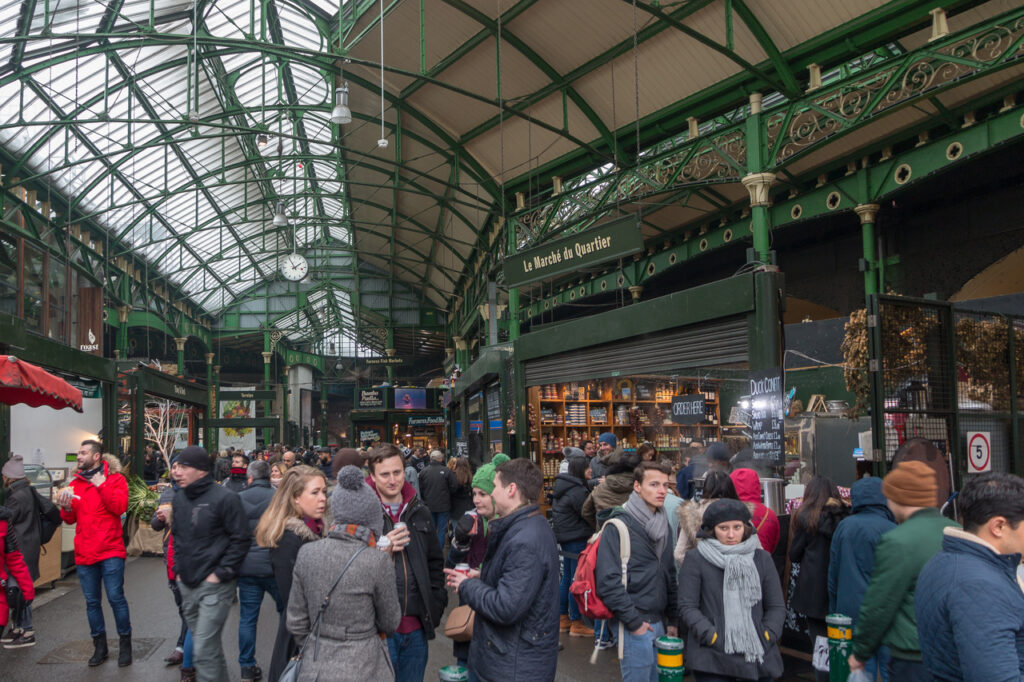
Borough Market demonstrates that a grocery trip can become a global culinary journey. Its standout feature is the vast variety of cuisines housed under one historic roof. Next to classic British pastries and cheeses, you can encounter Ethiopian stews, Middle Eastern flatbreads, Spanish charcuterie, and fresh-made South Asian street snacks from vendors dedicated to those traditions. It’s not about gimmicks; many stalls are operated by producers who concentrate on a few items done superbly. Visitors come to savor, but also to learn about ingredients—single-origin spices, regional olive oils, and beyond.
La Boqueria

La Boqueria can feel wonderfully overwhelming. Nestled near Las Ramblas, it merges practical shopping with vivid culinary drama. Fresh seafood counters showcase species that many travelers haven’t encountered, while fruit stalls arrange produce by hue and maturity. Its edge over a mere tourist spot lies in balancing regional tastes with international offerings. Catalan staples sit beside stalls offering empanadas, Spanish cured meats, and quick bites inspired by North Africa and Latin America. Local shoppers continue to visit daily, helping maintain high quality and fair prices.
Tsukiji Outer Market
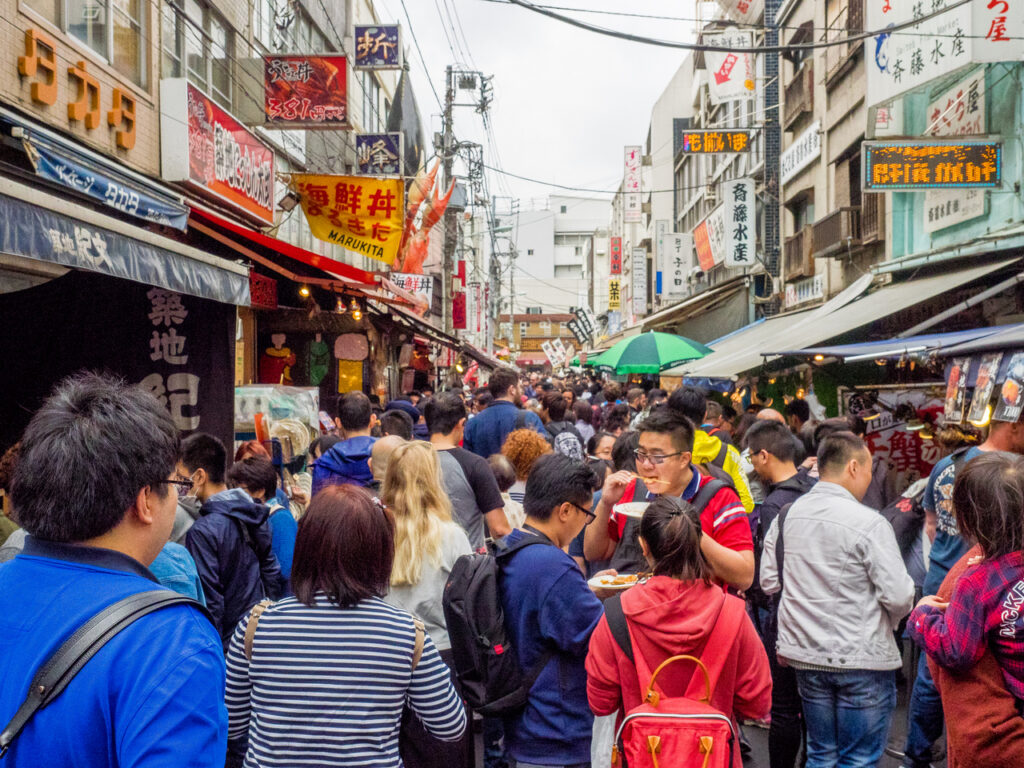
Tsukiji Outer Market presents a rare degree of specialization. Though seafood is its hallmark, nearby stalls extend far beyond fish. Vendors offer knives tailored to distinct culinary needs, essential fermented ingredients for Japanese cuisine, and snacks shaped by regional traditions across Japan. Unlike a standard supermarket seafood counter, Tsukiji focuses on seasonality and technique. Shoppers discover why certain fish are prized in particular seasons and how prep methods alter taste. Global influences appear too, from imported spices to fusion street foods crafted for fast-paced Tokyo life.
Mercado de San Miguel
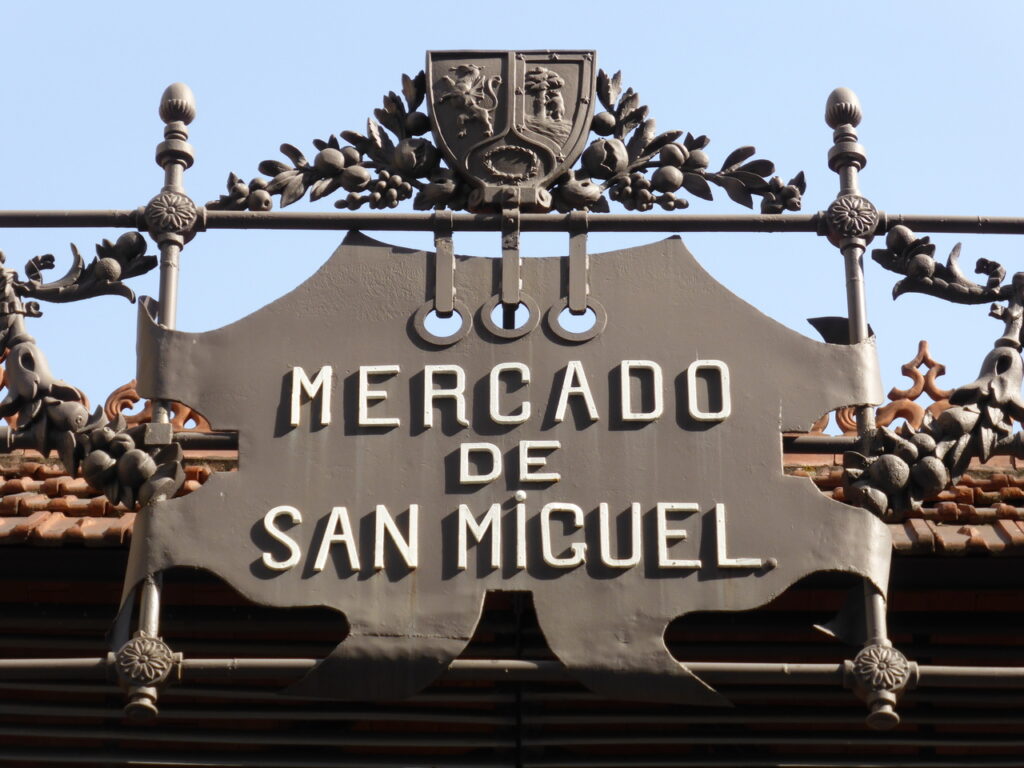
Mercado de San Miguel operates more like a living menu than a typical market. Housed in a refurbished iron framework, it unites small vendors offering Spanish classics with international bites. Iberian ham, olives, and seafood tapas share space with Asian-inspired dishes and modern takes on European staples. Its appeal lies in accessibility: instead of committing to one cuisine, you can sample several in a single visit. While prices tend to run higher than neighborhood markets, the variety and quality justify the experience. For those used to prepackaged meals, this market reframes grocery shopping as tasting, learning, and exploring how global flavors converge in a single city.
Union Square Greenmarket
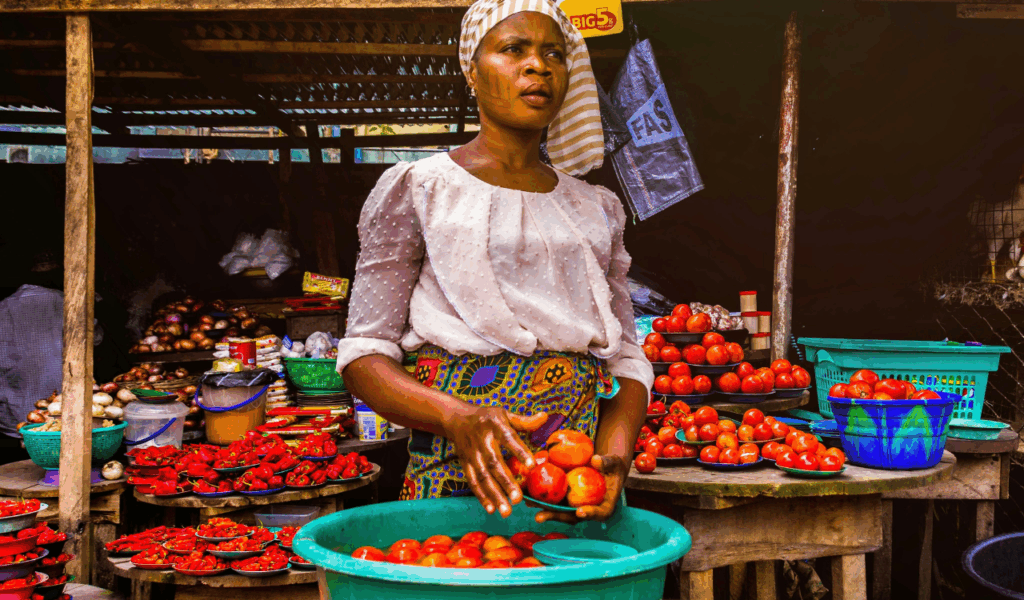
Union Square Greenmarket questions the notion that global flavor requires imports. Farmers and producers from across the region bring goods influenced by diverse culinary traditions. Expect heirloom vegetables used in Asian and Caribbean cooking, breads inspired by European baking, and cheeses crafted with old-world methods. Its standout feature is the link between ingredient and culture, with vendors often explaining traditional uses and offering guidance rarely found in grocery stores. For home cooks, shopping becomes an educational experience.
Chatuchak Market
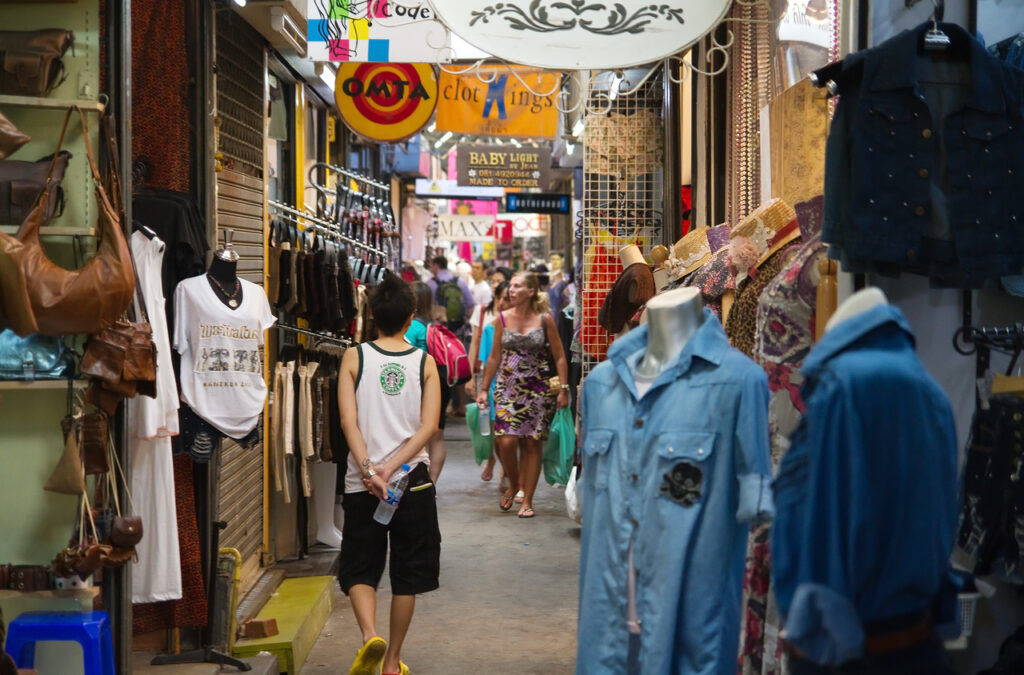
Chatuchak Market is vast, lively, and deeply rewarding for food enthusiasts. Among its thousands of stalls, the food section highlights Thai cuisine in its regional diversity, with influences from neighboring nations. Expect grilled meats, fresh curries, tropical fruits, and snacks seasoned with flavors unfamiliar to many Western palates. Unlike a grocery store, Chatuchak invites exploration as shoppers move from stall to stall, tasting and observing preparation methods. It isn’t polished, but that’s its strength. The market reflects how people actually eat, offering insights into flavor combinations and ingredients that rarely appear on standard supermarket shelves.
Mercado Central
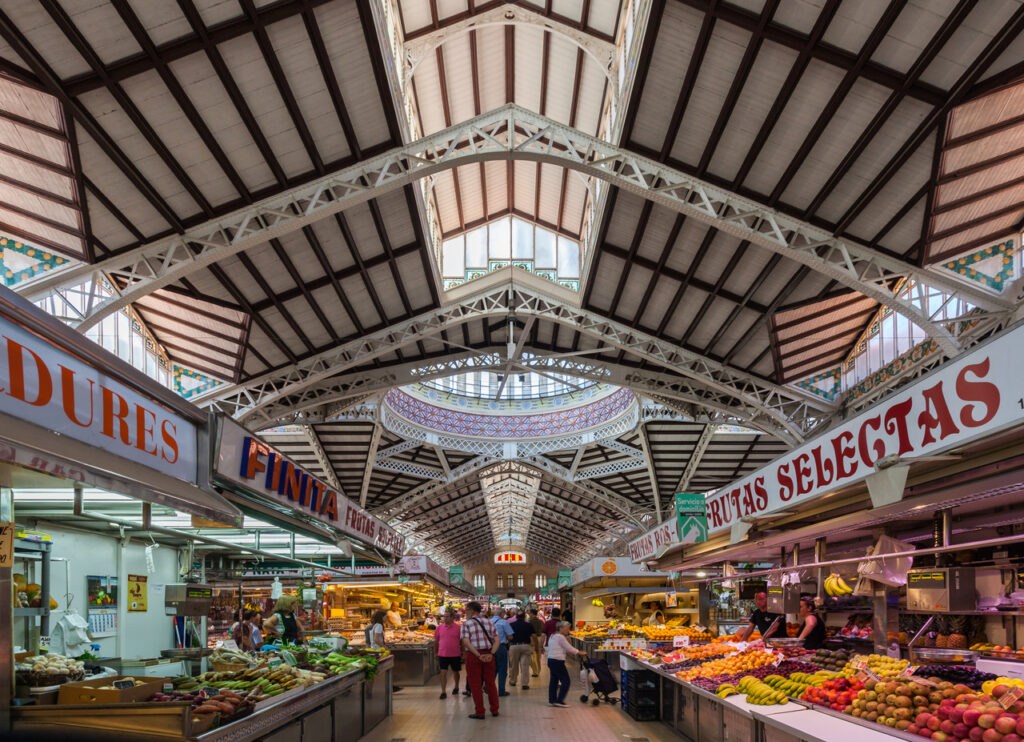
Mercado Central ranks among Europe’s oldest markets, and its longevity is visible in how deeply it’s woven into daily life. The market specializes in fresh produce, seafood, and spices tied to Valencian cooking, yet its reach extends further. Vendors sell rice varieties essential to paella, along with ingredients shaped by centuries of Mediterranean trade. Walking through, you see how global flavors entered Spanish cuisine long before modern globalization. Compared to a grocery store, Mercado Central offers transparency—whole fish, fresh herbs, and raw ingredients that invite cooking from scratch rather than assembly from boxes.
Or Tor Kor Market
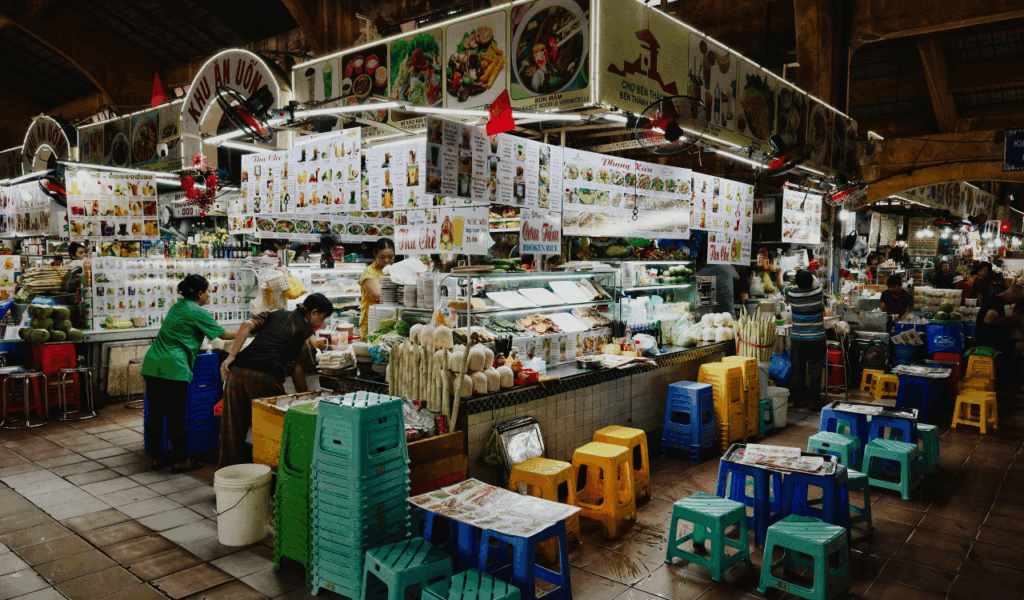
Or Tor Kor Market is often described as Bangkok’s premium market, and the quality backs that label. It emphasizes pristine produce, carefully prepared foods, and regional Thai specialties rarely found elsewhere. Many vendors highlight ingredients specific to certain provinces, introducing shoppers to flavors beyond familiar Thai dishes. The market also includes international influences, reflecting Thailand’s role as a culinary crossroads. Compared to supermarket produce sections, Or Tor Kor emphasizes freshness and provenance, leaving shoppers with a clearer understanding of how ingredients vary by region and season.
Kreuzberg Markthalle Neun
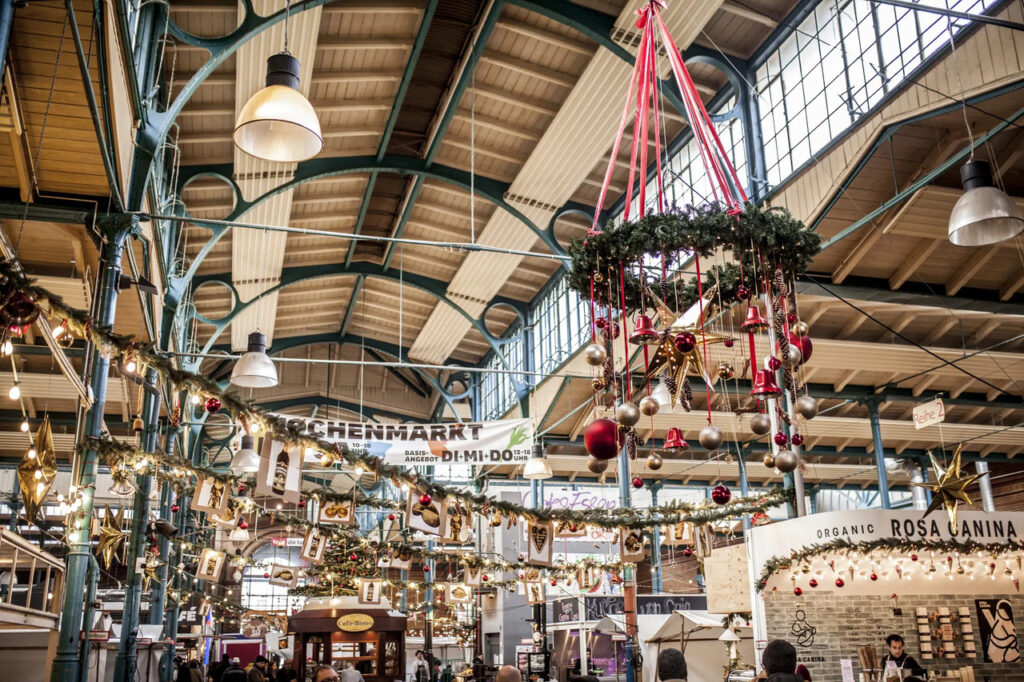
Markthalle Neun mirrors Berlin’s multicultural identity. Classic German fare shares space with Turkish, Middle Eastern, and Asian vendors, echoing the neighborhood’s diversity. Its distinguishing trait is a focus on small producers and sustainability. Many stalls emphasize handmade goods, from bread to fermented foods. The market hosts themed food nights that spotlight global cuisines, turning shopping into a cultural exchange. Compared to a grocery store, Markthalle Neun feels deliberate, inviting people to slow down, taste broadly, and learn the stories behind the food.
La Merced Market
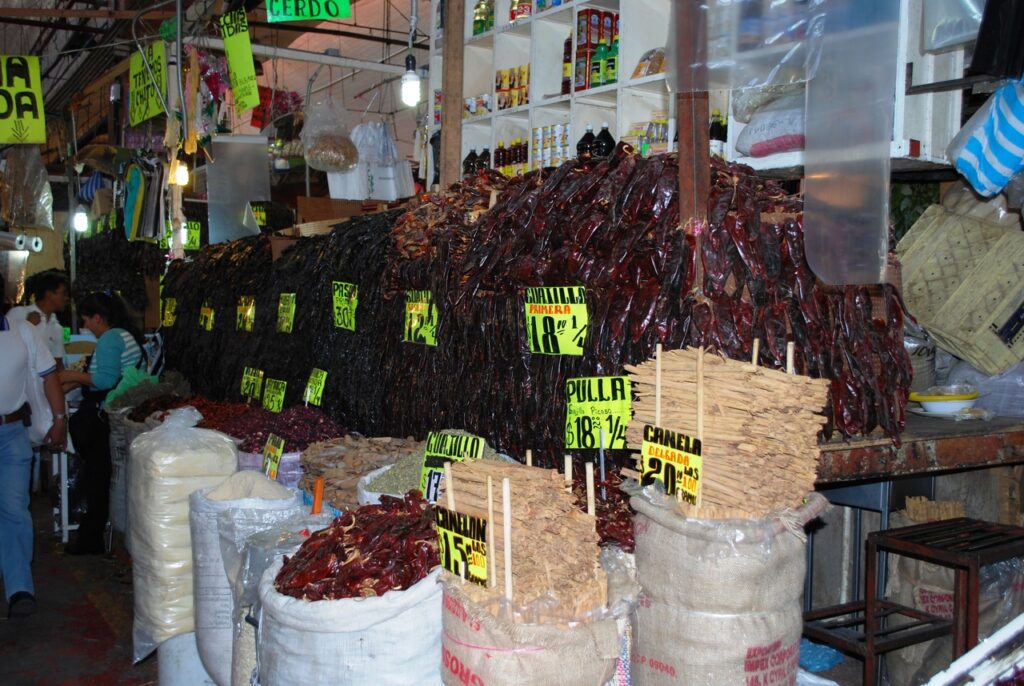
La Merced Market is raw, intense, and deeply authentic. It serves as a backbone of Mexico City’s food supply, offering ingredients used in everyday cooking alongside regional specialties. Expect dried chilies, spices, fresh tortillas, and produce varieties rarely found outside Mexico. The market’s scale and specialization are extraordinary, with vendors focusing on particular ingredients and often offering dozens of variations of a single item. For those used to limited grocery options, La Merced underscores how rich and complex food culture can be when guided by tradition rather than convenience.