

Beloved winter towns are losing dependable snowfall and reshaping ski seasons, budgets, and traditions, yet the draw of travel remains strong year after year.
Snow used to feel like a solid contract: cold air, bright slopes, and a calendar tuned to the first powder day. Across many classic escape spots, that agreement is fraying. Warmer nights, rain-on-snow events, and shorter freezes shrink the window for reliable powder, especially at lower elevations. Resorts respond with more aggressive snowmaking and higher prices, while nearby towns lean into cuisine, art, and off-slope experiences to keep the season alive. The impact varies by place, but the travel story is shared: planning grows trickier, traditions shift, and the scenery that drew travelers is no longer guaranteed. These destinations reveal the human side of snow loss and the new options it creates. Even good years feel less predictable.
Chamonix, France
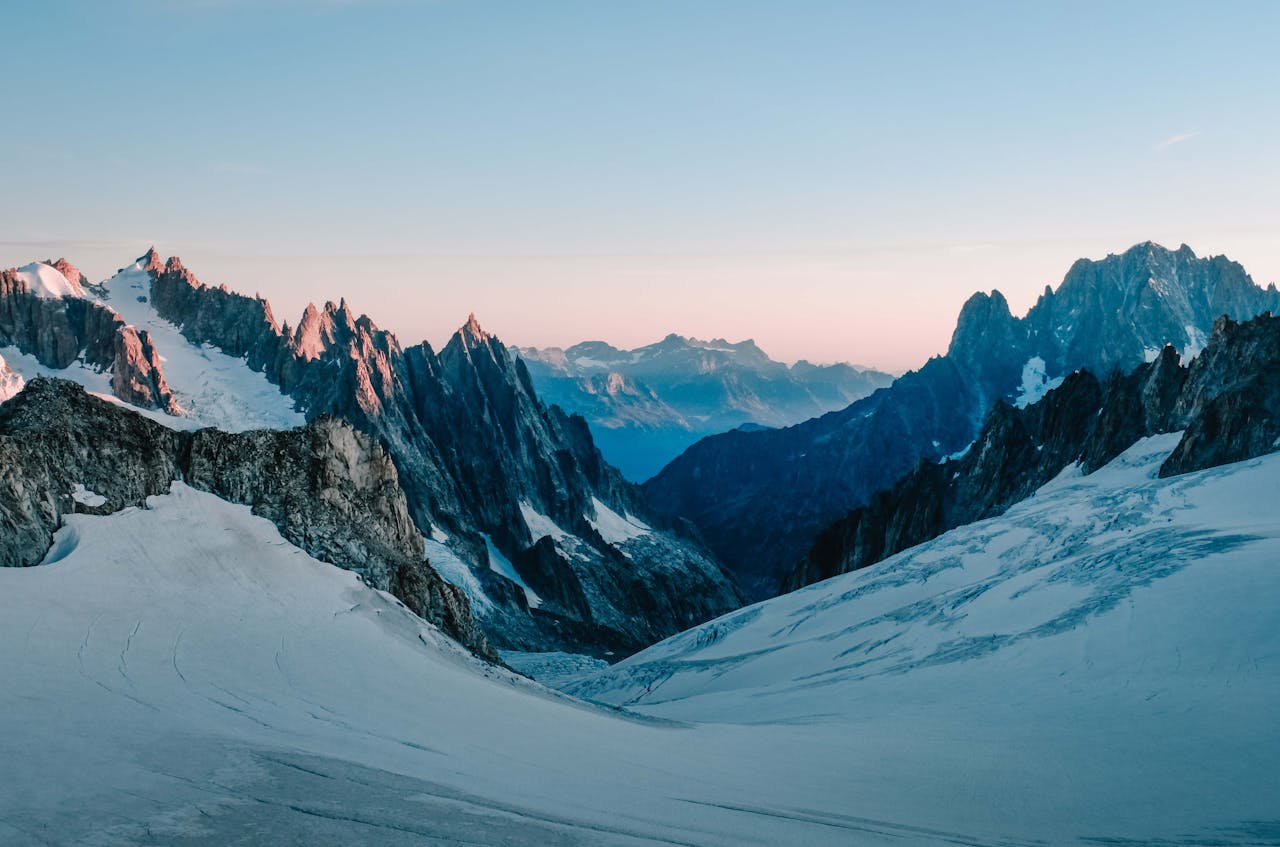
Nestled at the base of Mont Blanc, Chamonix has long drawn visitors with drama: jagged peaks, long descents, and a town tuned to winter tempo. As winters warm across the Alps, snow reliability becomes patchier at lower and mid elevations, nudging demand toward higher terrain, busier lifts, and more spontaneous planning. Trips now rely on flexibility, with travelers seeking adaptable stays, pursuing north-facing slopes, and pairing ski days with glacier viewpoints, thermal spas, and guided itineraries that stay accessible when snow arrives late or melts early, all while watching lift connections between valleys.
Zermatt, Switzerland
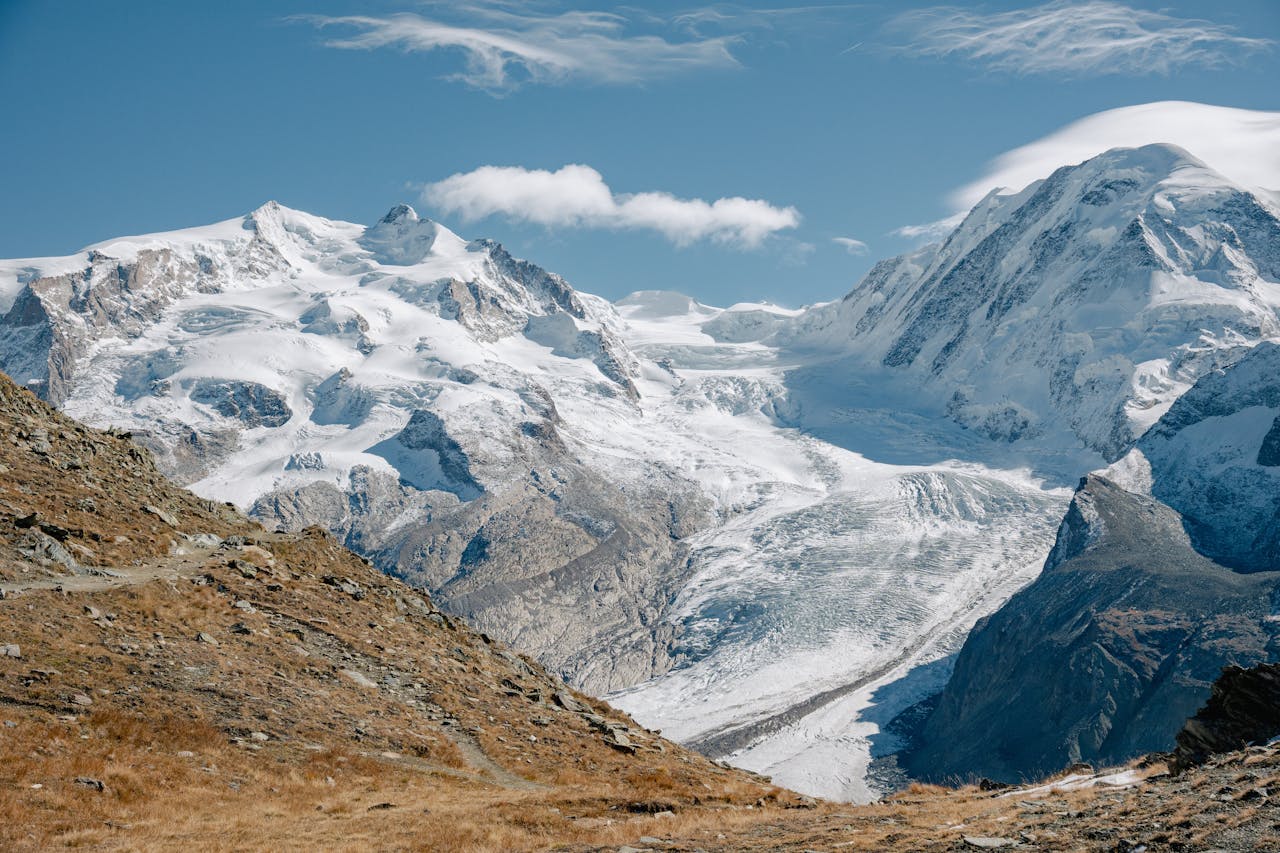
Zermatt’s height and glacier access once signaled certainty, yet even high alpine towns face shorter cold spells and more volatile storms. When freezing levels rise, snowmaking windows shrink and maintenance costs climb, often echoed in lift prices, lodging rates, and tighter rules around water and energy use. The village retains its car-free charm and the Matterhorn theatre, but the travel promise shifts from guaranteed powder to a carefully planned winter escape, where dining, museums, scenic rail journeys, and indoor wellness sit ready if conditions shift and help travelers avoid locking into a single, rigid ski plan most years.
Cortina d’Ampezzo, Italy

Cortina’s Dolomite glow can feel cinematic, but milder spells now arrive midseason and can render runs patchy within days. Many Italian slopes rely heavily on artificial snow, which demands water, energy, and subfreezing nights that are less common, especially during holiday crowds. Visitors still come for style and scenery, yet skiing becomes one chapter of a broader itinerary built around long lunches, boutique shopping, museum stops, and quick moves to higher, better-covered areas when forecasts wobble, without making the trip feel like a failure. Planning becomes more day-to-day with fewer sure bets.
Chamonix, France
Set beneath Mont Blanc, Chamonix has always sold drama: jagged peaks, long descents, and a town built around winter rhythm. Across the Alps, warmer winters are making snow cover less reliable at lower and mid elevations, pushing demand toward higher terrain, busier lifts, and more last-minute decision-making. Trips now lean on flexibility, with travelers booking changeable stays, chasing north-facing aspects, and pairing ski days with glacier viewpoints, thermal spas, and guide-led routes that stay open when snow arrives late or fades early and keep a close eye on lift links across valleys.
St. Moritz, Switzerland
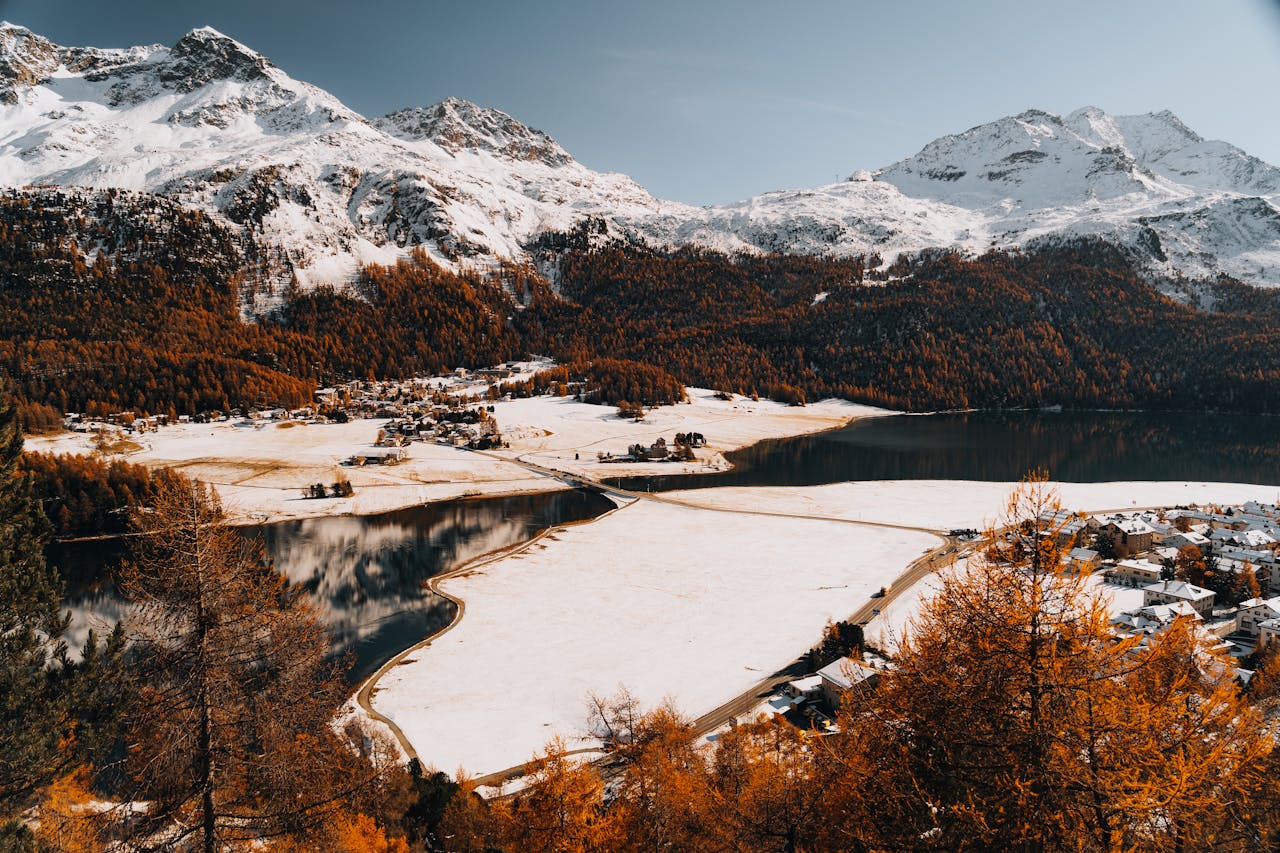
St. Moritz has long marketed winter as luxury performance, from frozen-lake polo to glittering racing weeks that fill the promenade. As snow reliability declines in parts of the Alps, prestige resorts face a quiet tradeoff: invest more in infrastructure, or diversify beyond snow sports without losing identity or pricing power. The cultural calendar grows more central, and travelers increasingly choose the place for sunshine, shopping, lakefront walks, and social energy, treating perfect ski conditions as a welcome feature rather than the entire reason to arrive even in winters that run warmer than memory in recent years.
Lake Tahoe, California and Nevada
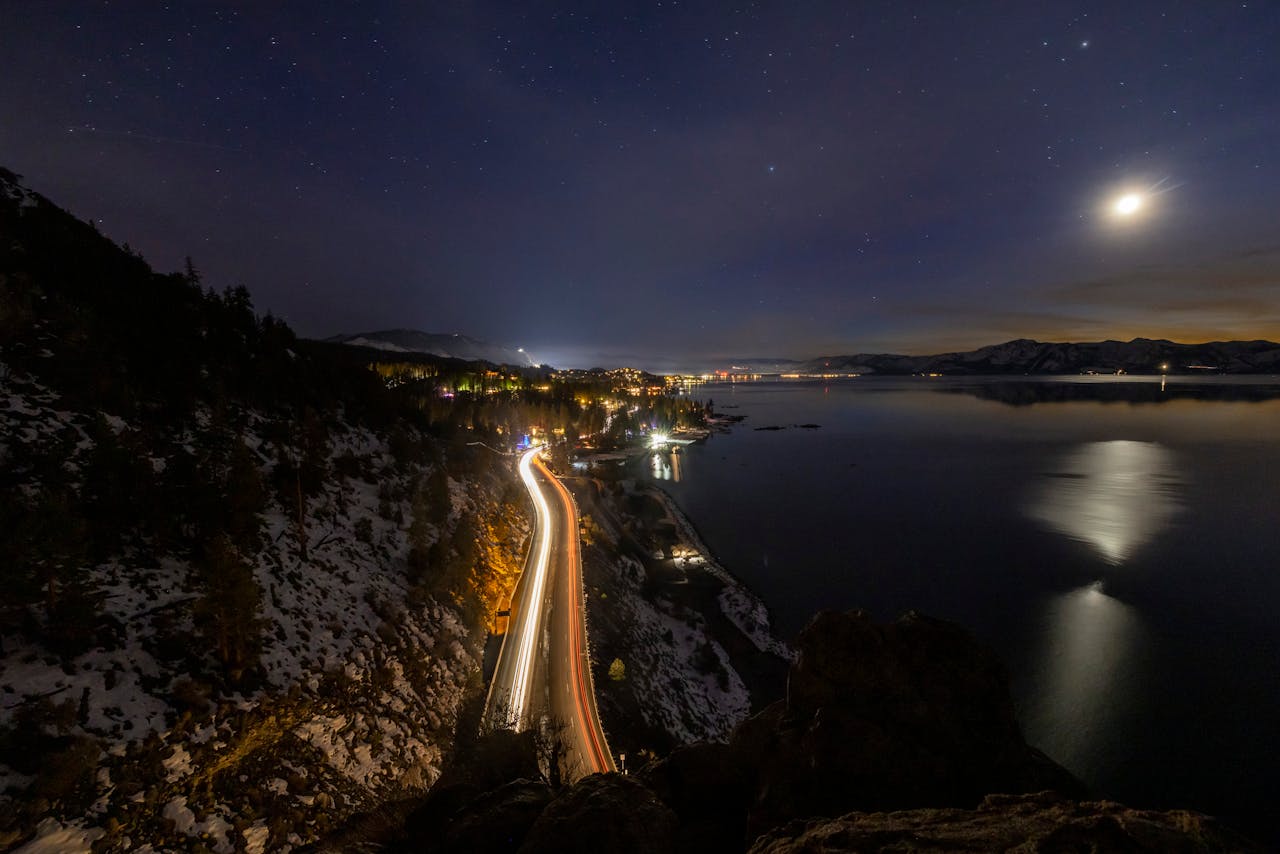
Tahoe’s appeal hinges on contrast: blue water below, white ridgelines above, and a quick drive that turns city life into mountain air. In the Sierra Nevada, spring snowpack has declined as the region warms, and borderline storms are more likely to fall as rain, creating feast-or-famine winters that swing wildly week to week. For travelers, it rewards flexible dates, higher-elevation choices, and solid backups like spas, casinos, and lakeside dining when rain crusts, road closures, or rapid melt steal the classic postcard look and treat early-season dates as higher risk. Shops and lesson plans adjust fast after rain.
Aspen and Snowmass, Colorado

Colorado still delivers headline storms, yet earlier melt and more frequent warm spells are reshaping the season’s edges in subtle ways. In snow-drought years, demand funnels into a smaller handful of dependable weeks, and the ripple reaches instructors, shuttles, and small eateries counting on steady business. Aspen responds with versatility: art, dining, and après culture that sustain the trip when conditions wobble, while travelers plan more cautiously, monitor midweek openings, and seek higher runs when lower terrain softens or browns out—especially during late-season weekends—keeping expectations tied to microclimates.
Park City, Utah
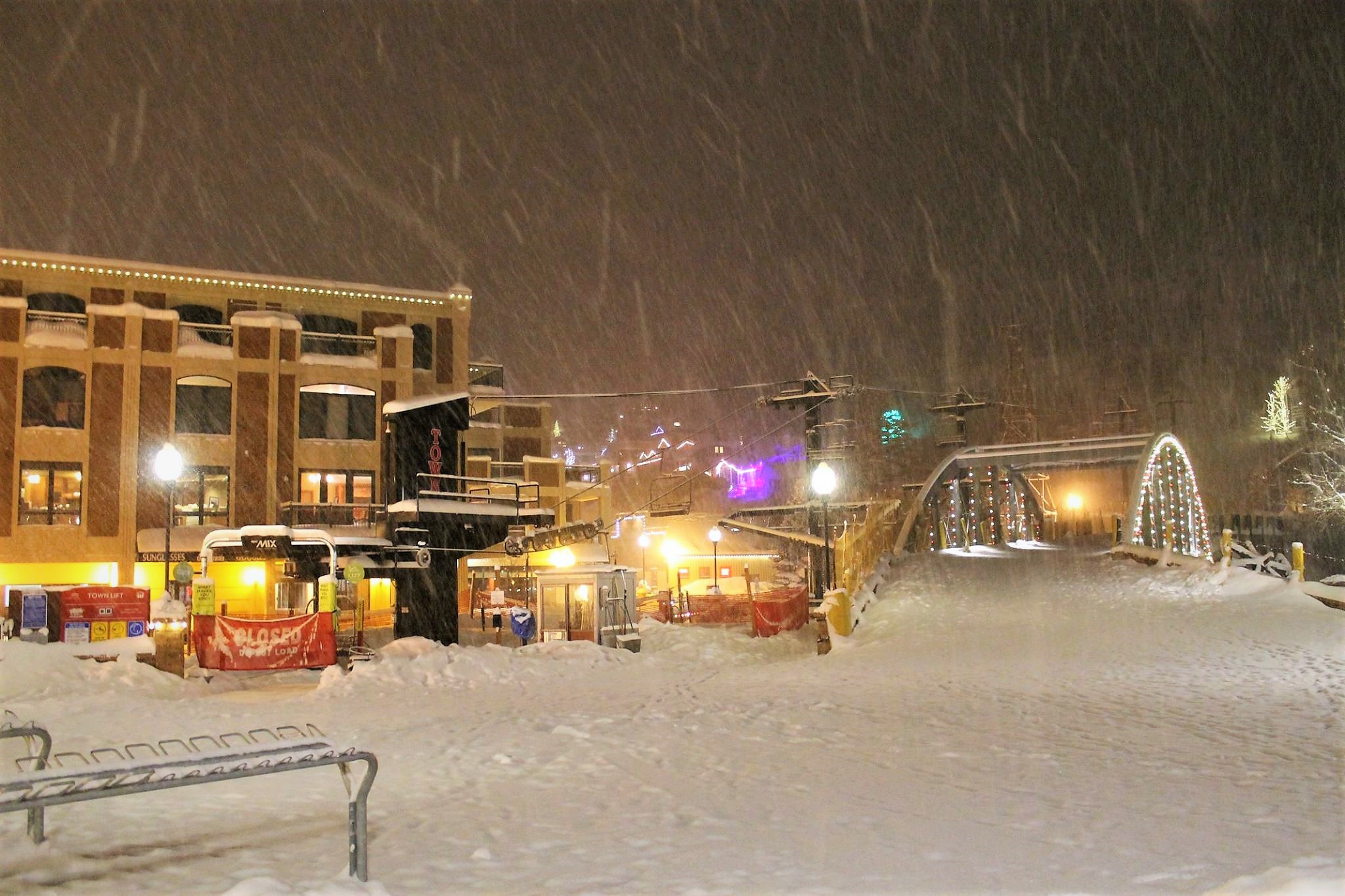
Park City drew winter crowds thanks to easy access and dependable snowfall, making long weekends predictable for families and groups. As temperatures rise, lower base areas see more rain-on-snow events and quicker melt between storms, reducing early-season reliability and nudging beginners onto smaller patches of artificial snow. Resorts respond with heavy snowmaking and grooming, but the vibe shifts toward managed snow, while visitors pair ski days with Main Street dining, galleries, and festival energy that thrives even when powder isn’t essential, appealing to those chasing atmosphere as much as elevation.
Stowe, Vermont
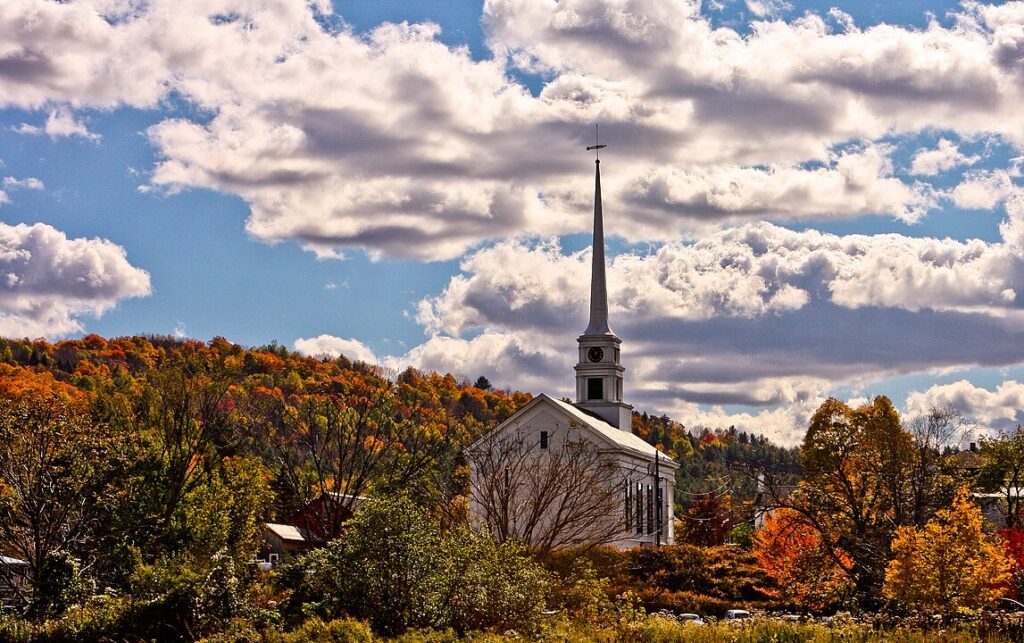
New England winters sit close to the rain line, and Stowe can flip from a snow day to a soggy one in a single forecast shift. Thaws erase natural cover, while ice-and-refreeze cycles alter the mountain texture overnight, shortening the window for soft, edgeable snow and increasing reliance on grooming. Travelers monitor conditions closely and prefer flexible bookings, enjoying cozy inns, craft beer, maple confections, and scenic drives through frosted maples to keep the trip satisfying when slopes harden and the warm moments feel intentional even if flakes are scarce.
Cairngorms, Scotland
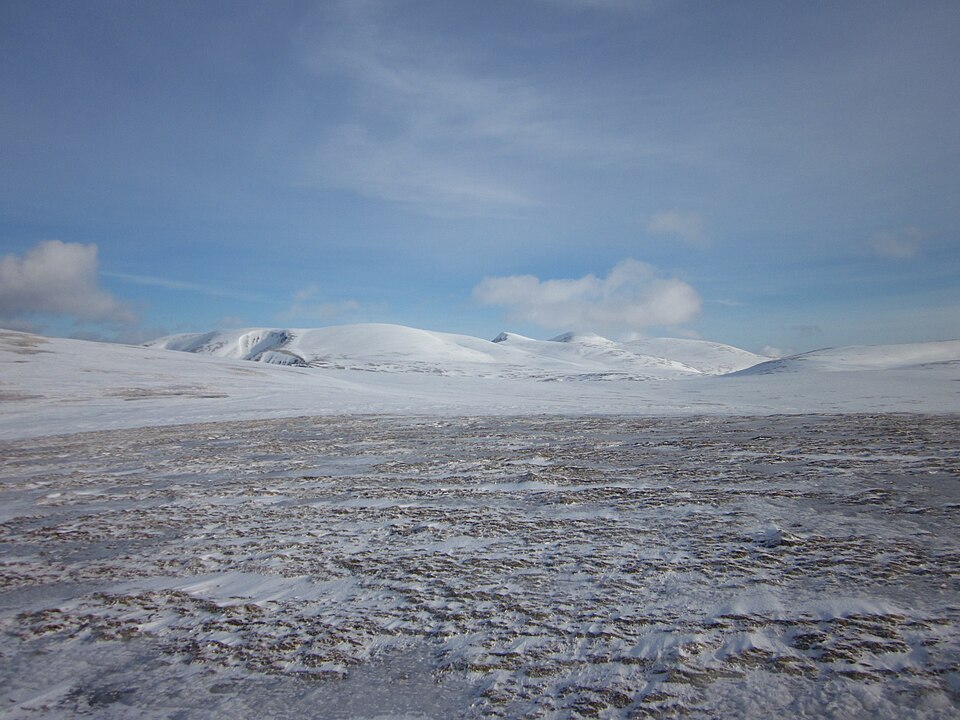
Scotland’s ski hills have always been rugged, but milder winters narrow the margins and make seasons more stop-start. Short openings can close quickly, and wind holds often pile on top of limited snow days, turning planning into a sequence of educated guesses and quick reroutes. What remains reliable is the atmosphere: stark ridges, wildlife, and whisky towns, so visitors treat skiing as a lucky add-on and shape trips around hikes, castle visits, pubs, and winter light that makes the Highlands feel mythical even as the snowline climbs. Lodges pivot to winter walks, wildlife encounters, and whisky nights.
Queenstown, New Zealand
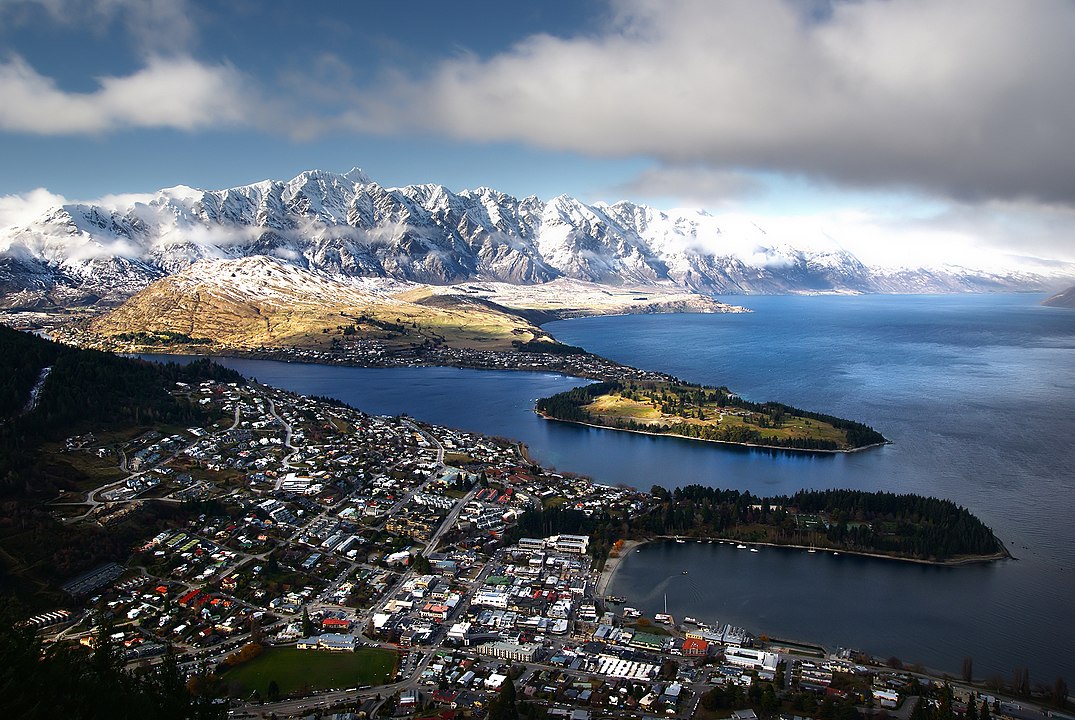
Queenstown showcases Southern Hemisphere winter, yet the Southern Alps reveal rising snowlines and glacier loss that signal a shrinking zone of dependable snow. Ski fields may rely more on snowmaking and brief natural storms, turning timing into the primary travel variable and making shoulder weeks less predictable. The upside is breadth: lakes, wine, and adventure tourism keep momentum when slopes struggle, so winter trips evolve into mixed itineraries, with snow days threaded between experiences that don’t demand perfect coverage as winter becomes less uniform across the season.