


Holiday traditions often feel automatic, repeated year after year without much thought. Many customs continue not because of conscious choice, but because they are deeply embedded in culture. Over time, their original meanings faded while the actions remained. Understanding these habits reveals how tradition quietly shapes seasonal behavior.
Hanging Stockings
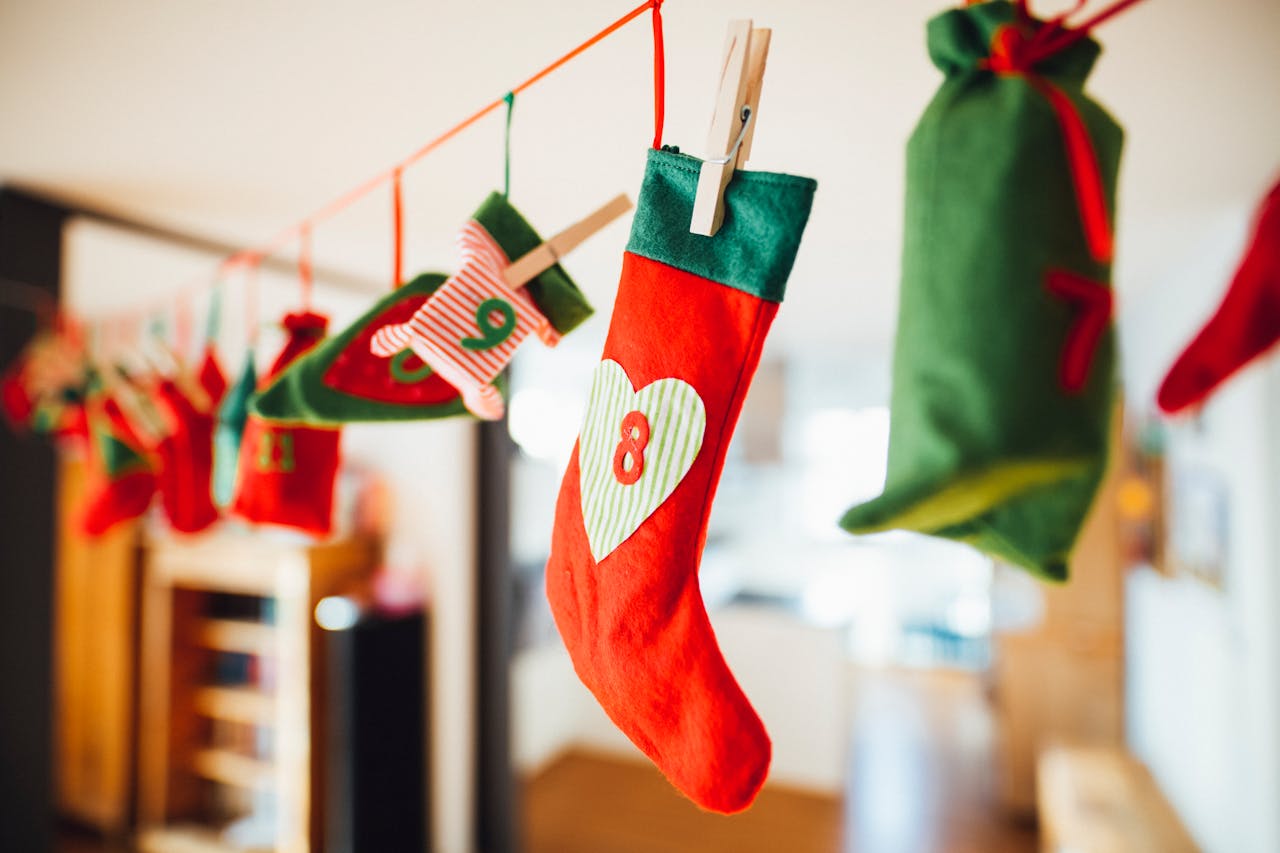
Stockings originated from folklore centered on gift-giving and generosity. Over time, they became decorative traditions rather than symbolic gestures. Many families continue the ritual without knowing its roots. The practice reinforces anticipation and childhood wonder.
Decorating Early

Decorating weeks before holidays began as a response to limited daylight and morale. Early decorations provided comfort during winter. Today, Americans follow the habit instinctively. The tradition reflects emotional preparation rather than calendar accuracy.
Baking Seasonal Treats
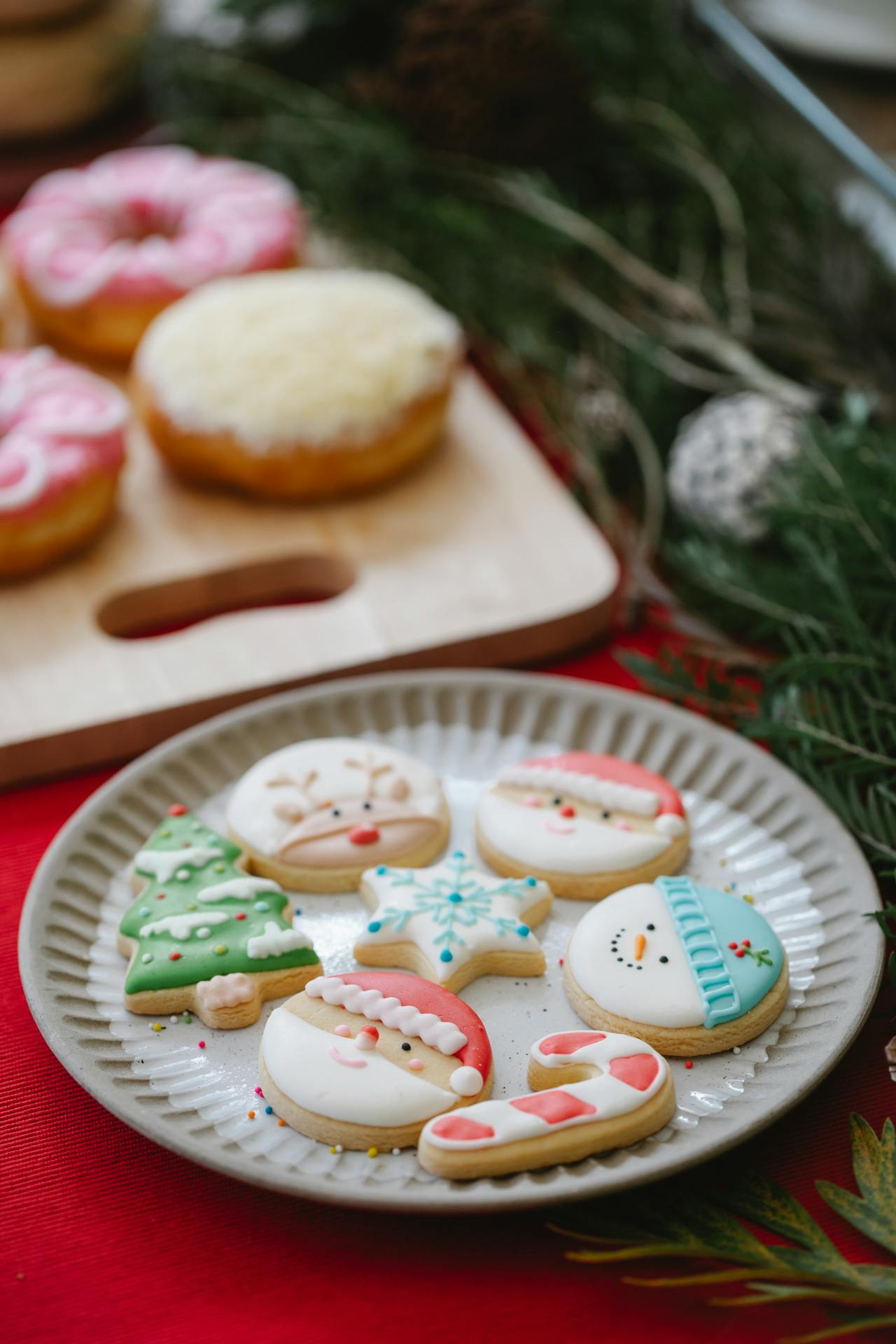
Holiday baking originated from communal and celebratory cooking. Specific ingredients once held symbolic meaning. Today, baking is more about nostalgia and bonding. The ritual continues even when origins are forgotten.
Sending Cards
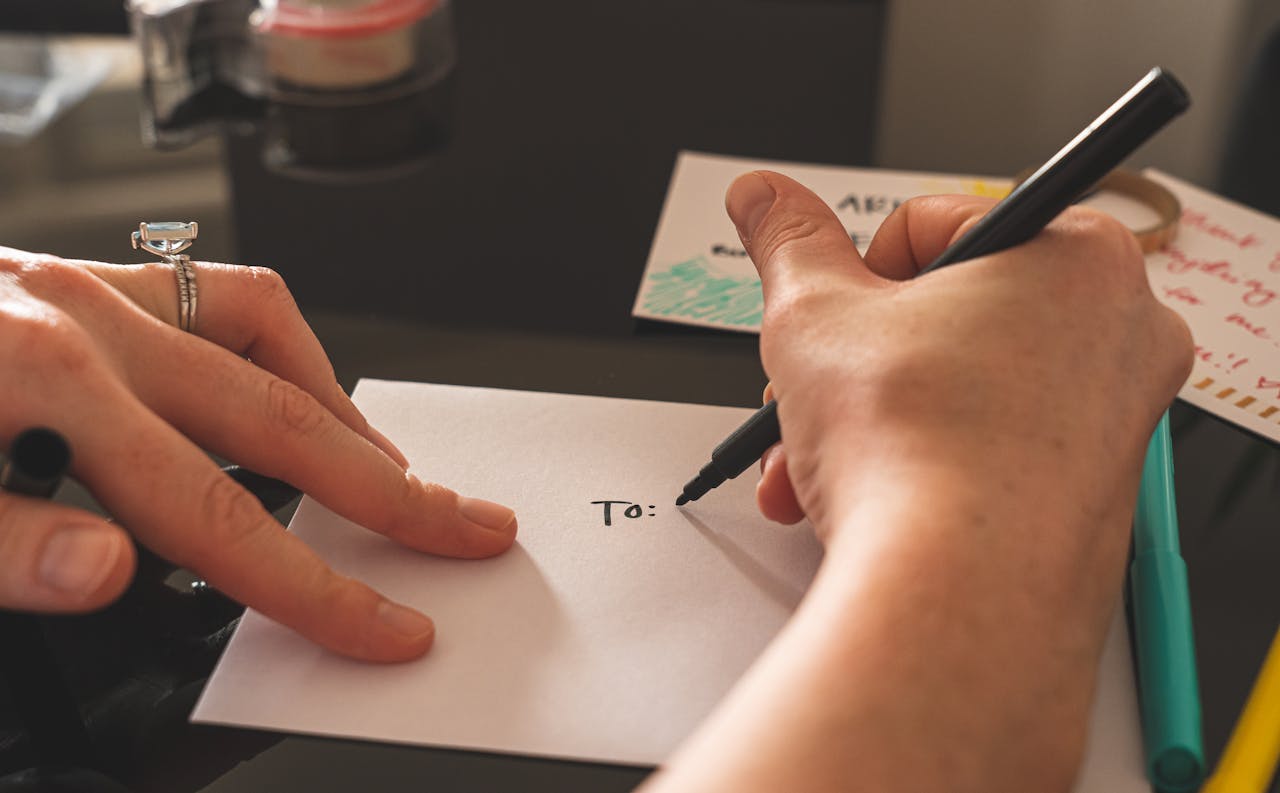
Holiday cards once served as vital communication tools. They shared updates and reinforced social bonds. Despite digital alternatives, the habit remains. The practice symbolizes connection and effort rather than necessity.
Attending Seasonal Events
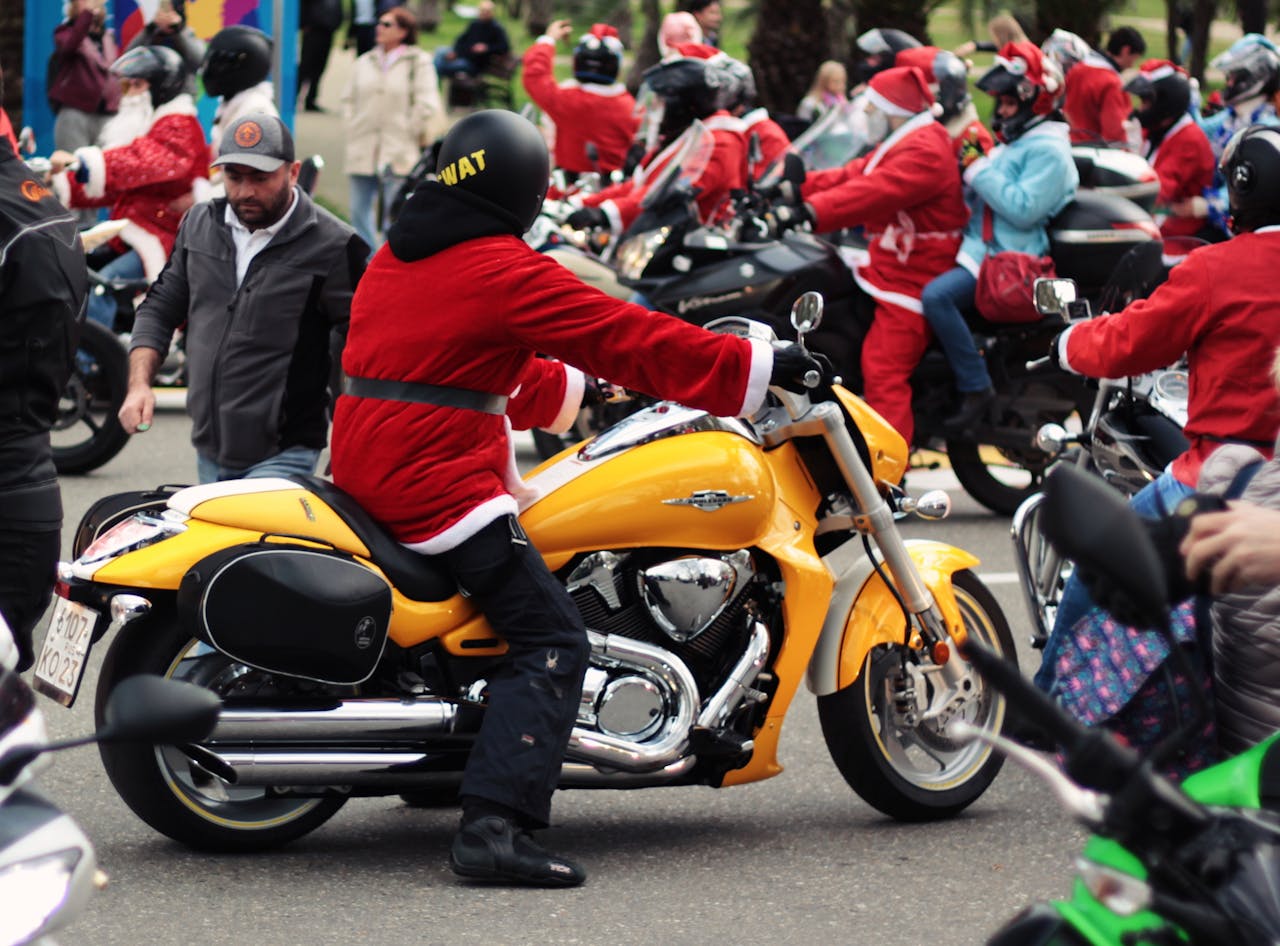
Parades, markets, and performances once had civic or religious significance. Many Americans attend without knowing their origins. The events now serve social and entertainment purposes. Tradition persists through repetition rather than awareness.
Gift Wrapping
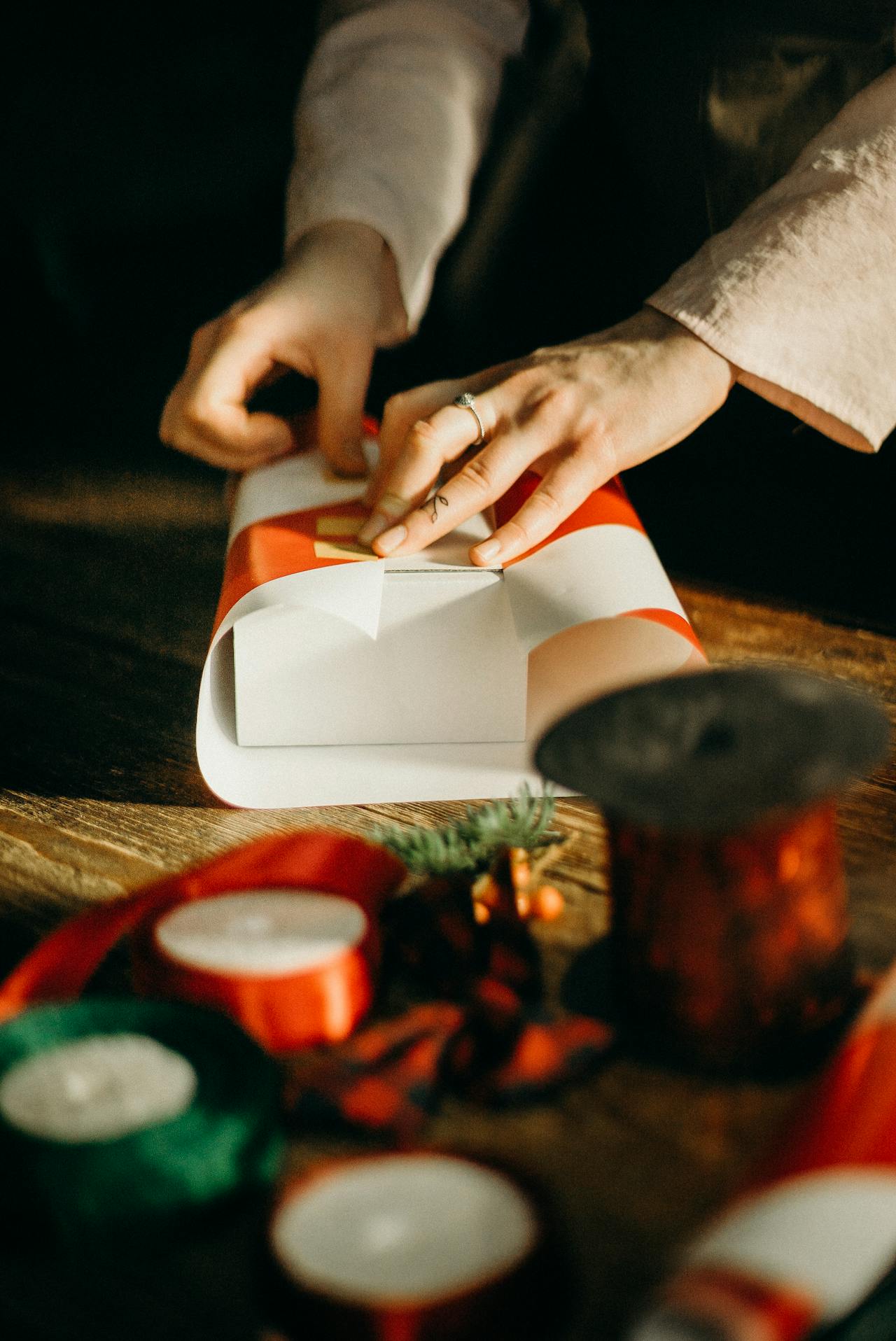
Wrapping gifts evolved to enhance presentation and surprise. Decorative paper added ceremony to giving. Today, Americans wrap gifts automatically. The habit emphasizes experience over practicality.
Using Seasonal Scents

Scents like pine, cinnamon, and spice were historically linked to preservation and warmth. Modern use focuses on ambiance. Americans associate smells with comfort rather than function. The practice triggers emotional memory.
Scheduling Family Gatherings

Holiday gatherings once marked survival and gratitude after harvest seasons. Today, they are expected social obligations. Many participate without knowing historical reasons. The tradition reinforces family identity.
Watching Familiar Movies
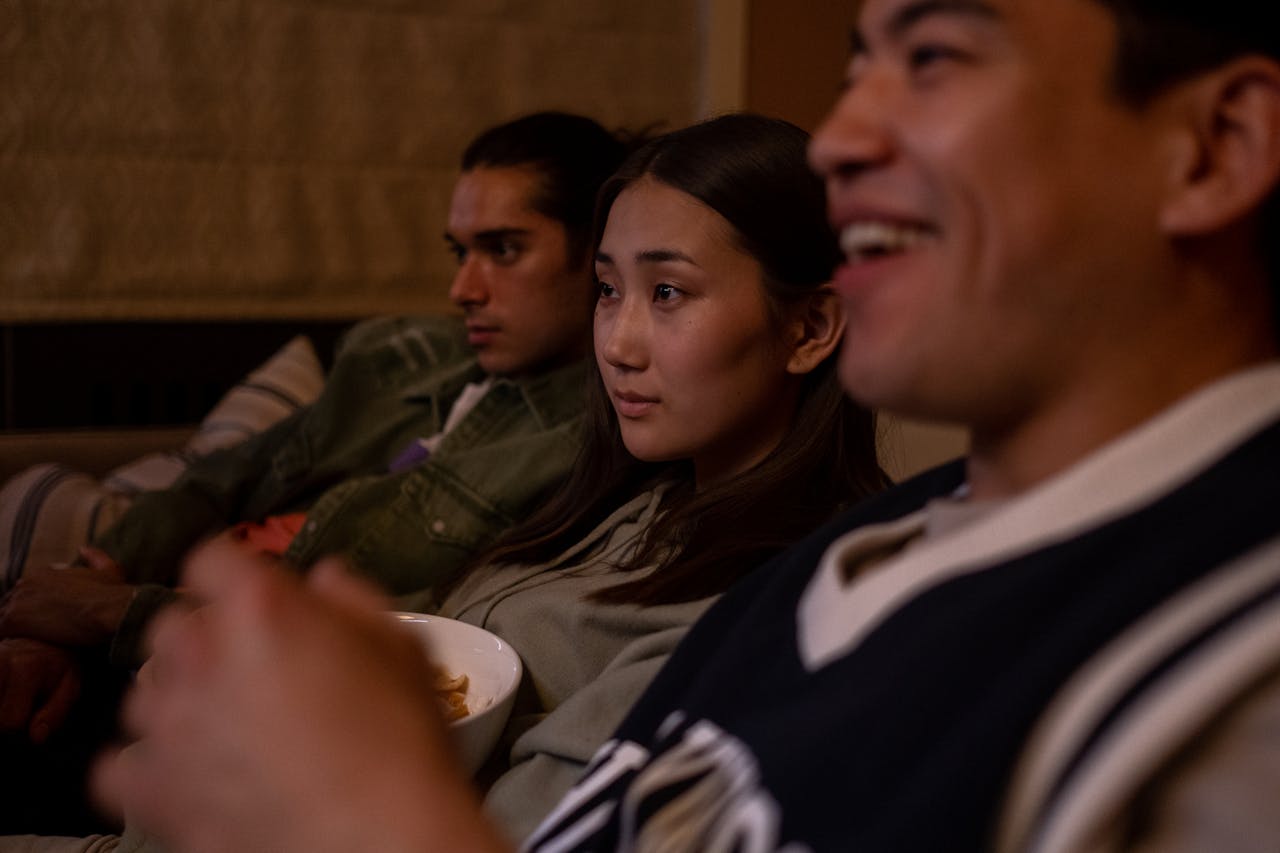
Seasonal films became traditions through repeated broadcasting. Families now watch them out of habit. Emotional familiarity drives the practice. It provides predictability during busy seasons.
Decorating Trees
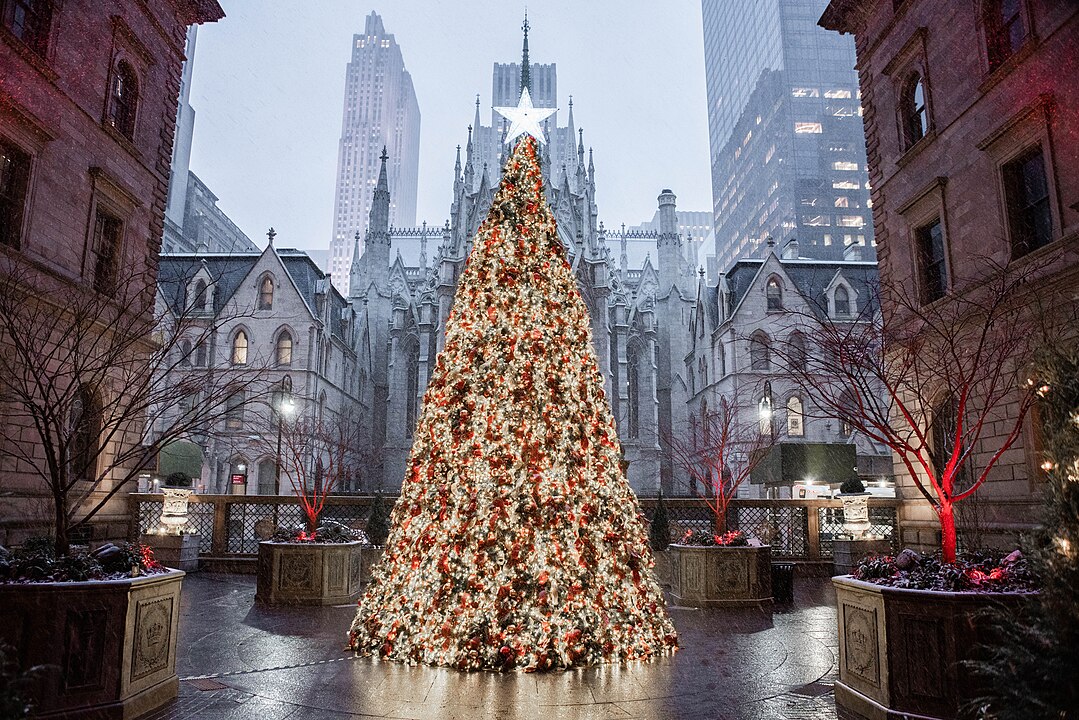
Evergreen trees symbolized endurance during winter. Decorations evolved from symbolic items to ornaments. Modern families decorate instinctively. The tradition connects generations without explanation.
Buying Matching Items

Matching pajamas and decor emerged from marketing and family symbolism. They represent unity and celebration. Many adopt the trend unconsciously. The habit reinforces group identity.
Playing Seasonal Music
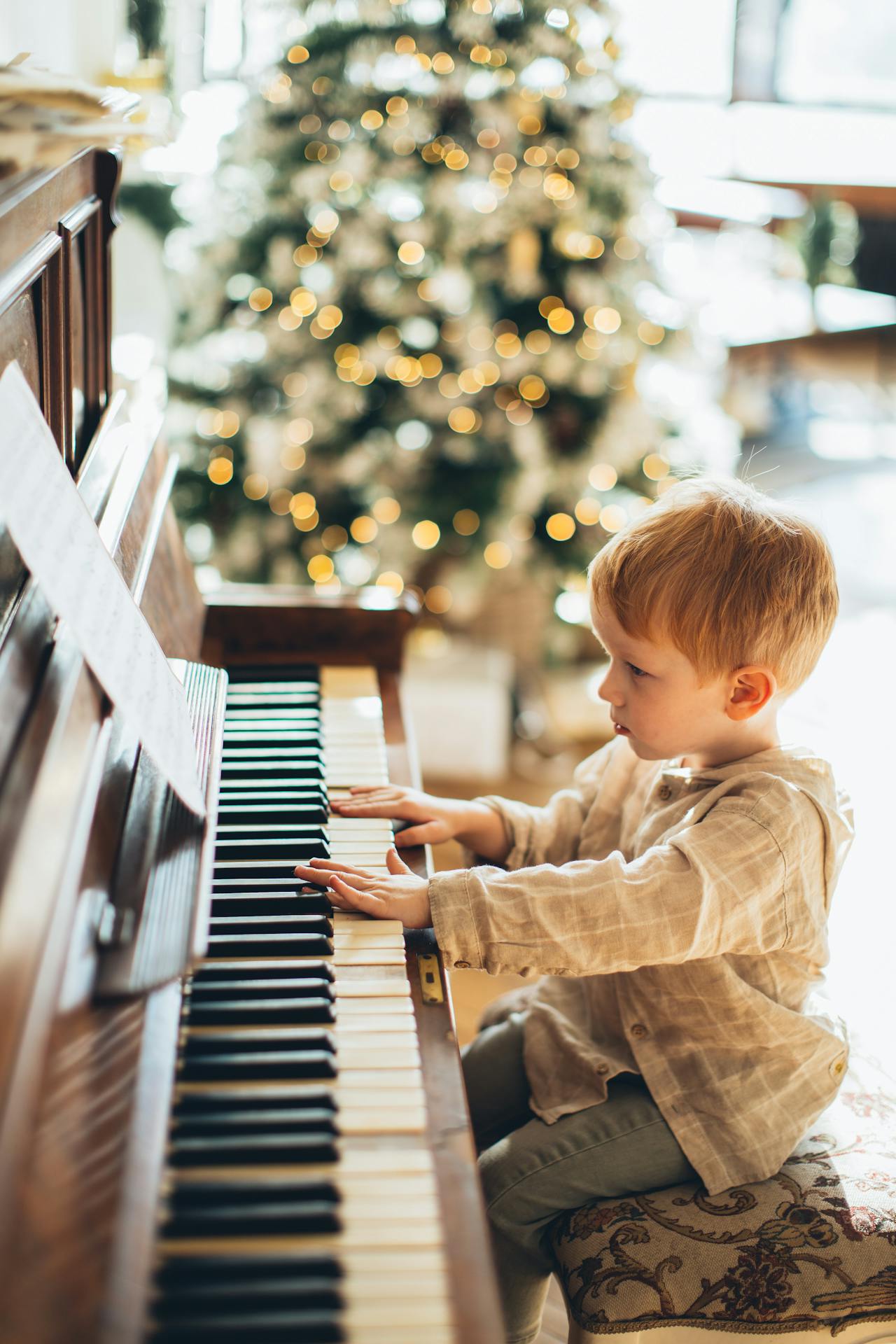
Holiday music once served ritual and communal functions. Today, playlists play automatically each year. Americans respond emotionally rather than historically. The tradition creates seasonal atmosphere.
Overcommitting Socially
Holiday overcommitment stems from obligation and tradition. Americans feel pressure to attend multiple events. Many do so without questioning why. The habit reflects social expectation rather than desire.