

Kyoto, Japan
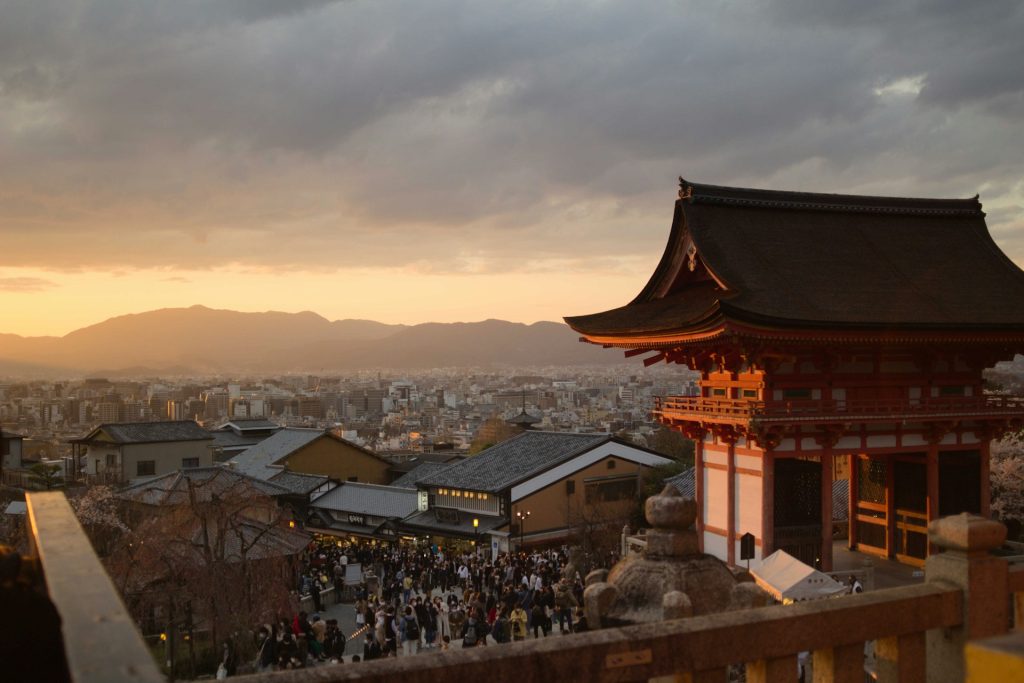
Kyoto remains bustling year-round as its famed temples and winding lanes cluster in a few districts that shine in every season. Fushimi Inari, Arashiyama, Kiyomizu-dera, and Gion attract steady streams of buses, school trips, and photo stops, turning popular routes into a measured, slow-moving current. Spring blossoms and autumn colors amplify the pressure, and even dawn can feel busy when tours chase the same light. Quieter shrines lie in the hills, but the headline viewpoints rarely stay tranquil for long, especially near major bus stops and snack streets. Small courtyards and teahouses fill quickly, so serenity often depends on timing more than distance.
Paris, France

Paris remains crowded year after year as its iconic sights cluster closely and visitors follow the same routes. Lines begin at the Louvre, the Eiffel Tower, and Sainte-Chapelle, while cafés along the Seine turn tables from dawn to midnight. When rain arrives, crowds funnel into museums and covered passages, making sidewalks feel tighter. More breathing room exists in the 11th, Batignolles, or Canal Saint-Martin, but the classic photo corners refill quickly, so a simple landmark stop often calls for timed tickets and a backup plan. Weekdays help, but school holidays and weekend breaks keep the baseline high.
Venice, Italy

Venice rarely feels quiet since the city is compact, walkable, and shaped by natural bottlenecks. Bridges and narrow lanes push day-trippers toward Rialto and St. Mark’s, where a short crossing can turn into a slow shuffle. Vaporetto stops stack, cafés post wait times, and luggage wheels echo through the same passageways all day. Cannaregio and Dorsoduro can feel calmer after dark, yet the central maze stays busy because every arrival pursues the same views, and the city’s layout leaves crowds nowhere to spread out. Even in cooler months, daytime visitors move at the same pace, and the tight grid keeps crowds colliding.
Barcelona, Spain
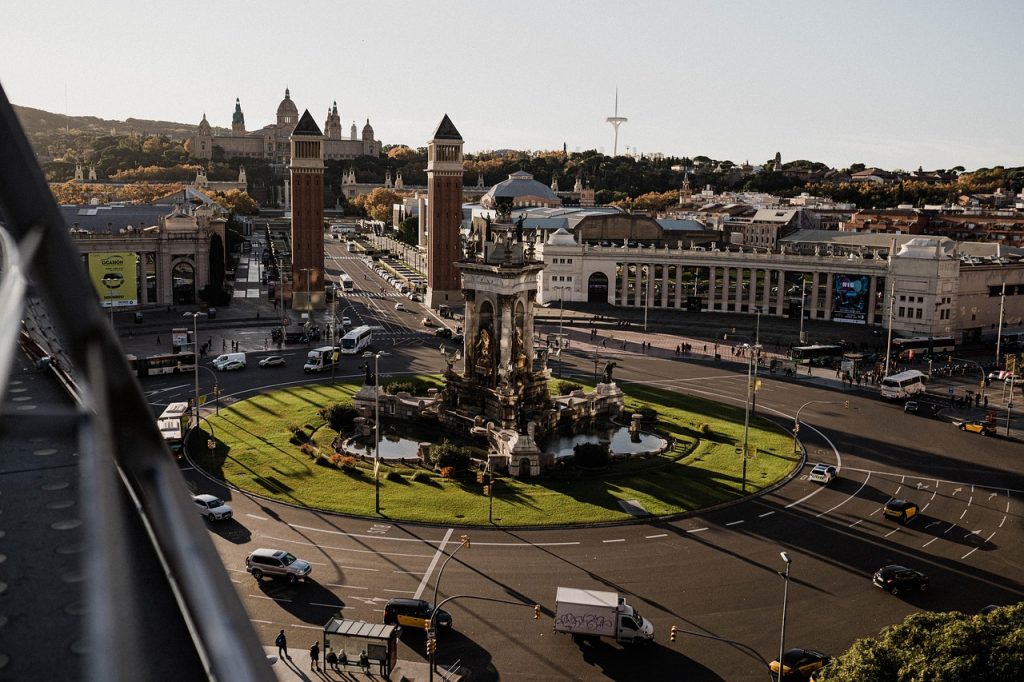
Barcelona remains packed because it blends beach time, standout architecture, and nightlife within a compact core. Tickets for Sagrada Família and Park Güell vanish quickly, while the Gothic Quarter, Las Ramblas, and the waterfront absorb constant foot traffic. Cruise arrivals and major match days bring sudden surges that spill onto metro platforms and late-night dining lines. Gràcia and Poblenou offer a more local rhythm, but first-time itineraries pull people back to the same central streets, especially during golden hour when everyone wants the same photos. Beach weather extends the busy season, and late dinners keep the sidewalks lively.
Amsterdam, Netherlands

Amsterdam can feel busy year-round because the city is compact, scenic, and perfect for extended weekends. The canal ring, Dam Square, and the museum district concentrate visitors into tight streets where bikes, trams, and tour groups compete for space. Rain compresses everything as people flock into cafés, museums, and brown bars at once. Early mornings offer a brief lull, but steady museum demand and frequent flights keep the historic core buzzing, with bridges and sidewalks filling quickly whenever a tour boat unloads nearby. Add tulip season and festival weekends, and the center can feel full from morning coffee to the last tram.
Kyoto, Japan
Kyoto stays crowded because its most famous temples and lanes sit in a few districts that shine in every season. Fushimi Inari, Arashiyama, Kiyomizu-dera, and Gion pull steady waves of buses, school trips, and camera stops, turning popular paths into polite, slow streams. Spring blossoms and fall color intensify the pressure, and even sunrise can feel busy when tours chase the same light. Quieter shrines exist in the hills, but the headline viewpoints rarely stay calm for long, especially near major bus stops and snack streets. Small courtyards and teahouses fill quickly, so calm often depends on timing more than distance.
Dubai, United Arab Emirates
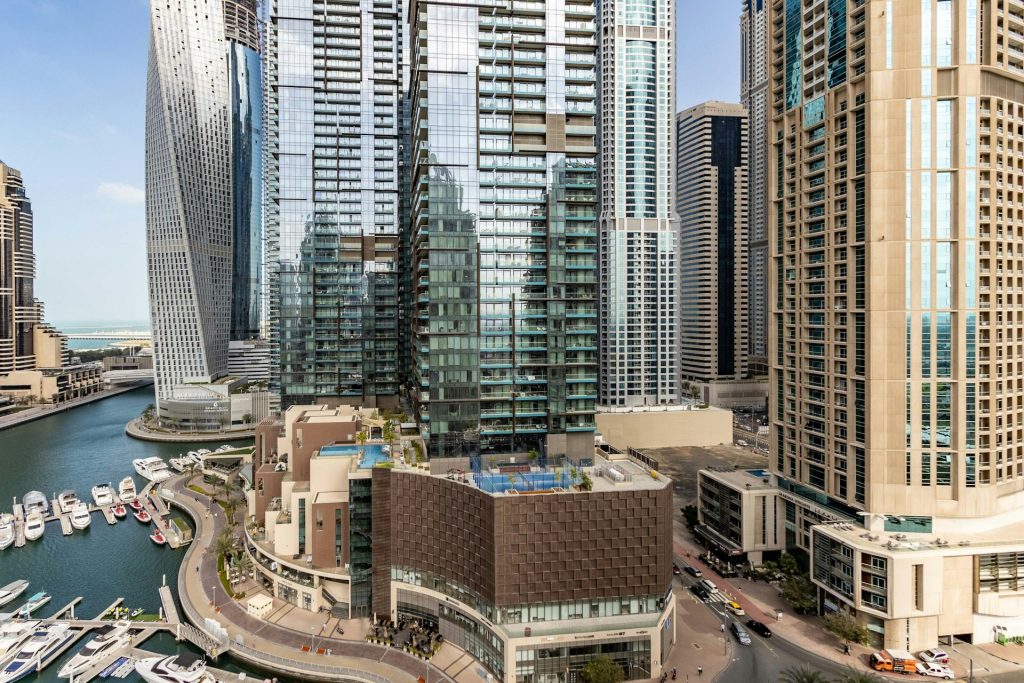
Dubai rarely experiences a true off-season, thanks to stopovers, major events, and indoor attractions that keep the city moving. Dubai Mall and Burj Khalifa draw constant queues, and when the heat rises, crowds shift into malls, aquariums, museums, and shaded promenades, then return outdoors after sunset. The city is spread out, yet most itineraries funnel into a few landmark zones, so people cluster in the same places day after day. Even weekday nights can feel busy around Marina walks and fountain shows, where dining lines grow quickly once lights come on. Reservations matter most during winter nights and holiday weeks.
Cancún, Mexico
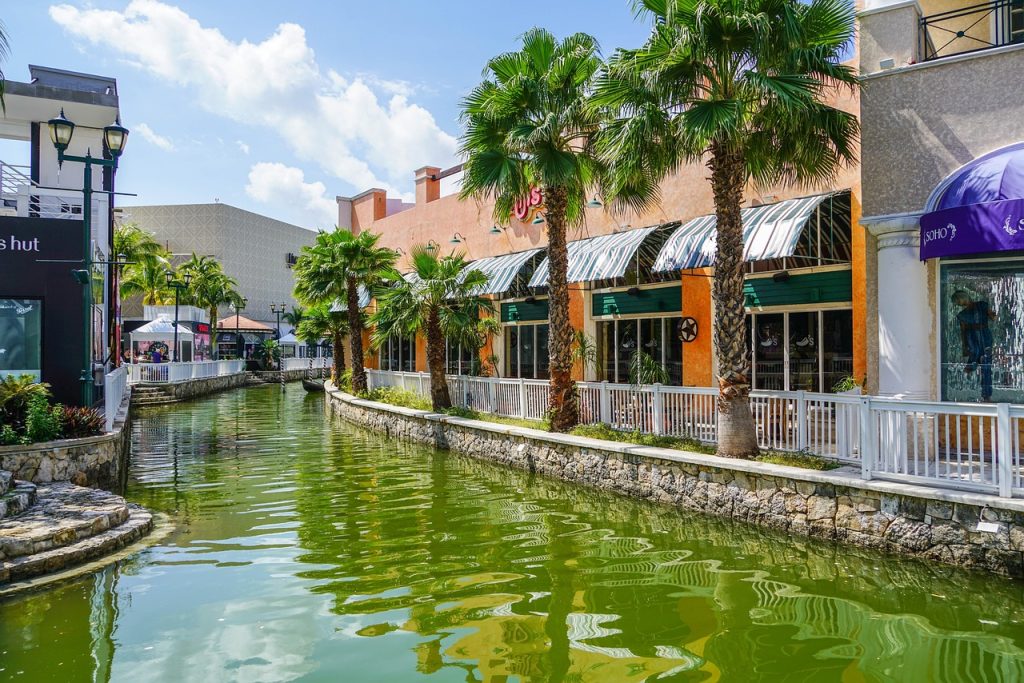
Cancún stays busy as frequent flights, resort calendars, and warm water keep demand steady beyond the winter peak. The Hotel Zone follows a predictable loop: beach mornings, midday excursions, and evening shows that fill restaurants and shopping strips. Day trips to Isla Mujeres, cenotes, and nearby ruins add buses and ferries that keep roads and docks crowded. Spring breaks and destination weddings raise the volume, but turnover never truly slows, so the main strip keeps humming with check-ins, tour pickups, and long waits for the best sunset tables. Even quieter weeks stay lively because tours run on fixed schedules.
Bali, Indonesia
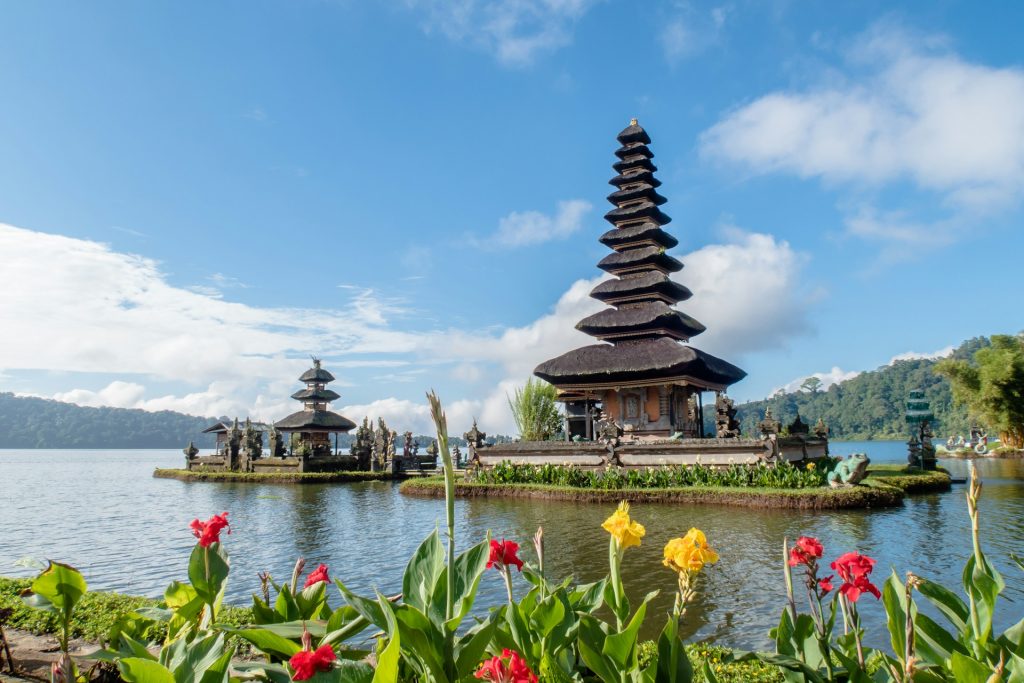
Bali feels crowded most of the year because its hotspots are concentrated and online trends keep the same places in constant demand. Ubud and the south coast funnel scooters and vans past rice terraces, temples, cafés, and beach clubs, and the most shared swings and sunsets attract daily photo lines. Remote work stays and destination weddings smooth out the calendar, so crowds do not drop off cleanly after one season ends. More space exists in the north and east, yet the popular corridors stay jammed, and short drives can stretch when traffic locks up near popular beach entrances. Crowds thin briefly, then return with arrivals.
O‘ahu, Hawai‘i
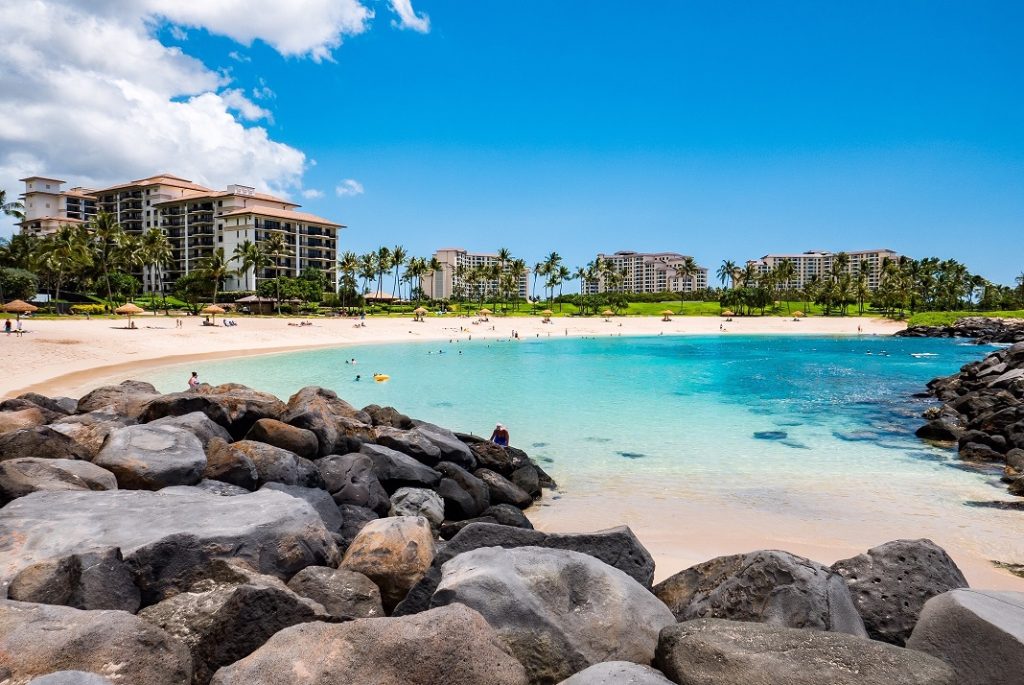
O‘ahu stays crowded because it is easy to reach and it bundles beaches, hikes, and history into one tour-friendly circuit. Waikīkī, Diamond Head, Pearl Harbor, and the North Shore keep buses and rental cars circulating, while limited parking at trailheads makes any surge feel bigger. Conventions and family travel add a steady baseline beyond school breaks, so the island rarely gets a quiet stretch. Sunrise helps for a moment, but the main sights fill quickly once breakfast ends and the daily loops start, with lookouts and food trucks drawing long lines by midday. Lines form for parking and lunch once late morning hits.