

Common Tourist Complaints Recounted Across Reviews
Travel commentary often reads like hurried notes pulled from a half-zipped suitcase. Across destinations, familiar grievances reappear because moving between unfamiliar routines makes minor frictions feel more pronounced. Usually it isn’t a single catastrophe; it’s a chain of small surprises—fees, noise, unclear directions—that wear down the mood. When expectations align with reality, readers are generous; when they don’t, the review reads like a public receipt.
Dismissive Staff Demeanor

Service critiques surface when team members come across as uninterested or impatient, especially after travelers arrive tired or out of routine. Reviews note slow check-ins, clipped replies, and a sense that questions are a bother. It isn’t about flawless performance; guests forgive mistakes when staff are direct, courteous, and eager to help. Issues like a broken key, a room mix-up, or a delayed repair become more painful when responses are indifferent or vague. A swift, friendly fix can turn a rough moment around, while a chilly reply makes later exchanges feel strained, turning the focus from amenities to respect.
Hidden Charges That Feel Like a Setup

Complaints surge when the final bill diverges from the quoted nightly rate. Resort fees, city taxes, parking, towel deposits, and extra cleaning charges can leave guests feeling misled, even if terms are tucked in fine print. The grievance isn’t solely about money; it’s about trust, because travelers plan around one number and watch it rise at checkout. After that, every add-on feels questionable, from the minibar to the late checkout. When surprises appear at the front desk, the mood shifts instantly. Properties that present an upfront, all-in price typically receive calmer feedback and far fewer follow-ups.
Noise That Disrupts Sleep

Noise is the quickest way to sour a stay, since it follows guests into the night. Thin walls, hallway chatter at 1 a.m., doors slamming, traffic, or a lively bar above the room show up in reviews from motels to luxury properties. The sting lies in the surprise: travelers can accept city sounds, but not a listing that promises quiet yet delivers constant disruption. One poor night can make the next day feel heavier, affecting driving, sightseeing, and plans. Reviews often call for simple fixes like better seals, soft-close doors, and clearer quiet hours. Places that handle sound well earn loyalty because rest is the foundation of a good trip.
Online Photos Inflate Room Size

Photo expectations run high for a reason. Wide-angle shots and careful cropping can make a cramped room look airy, but guests arrive to find a bed pressed against a wall, a window facing a blank building, or a bathroom so tight the door hits the sink. The frustration isn’t just about size; it’s about trust. Many travelers are fine with compact spaces if they’re in great locations; they simply want honesty. Reviews point to outdated photos, missing storage, too few outlets, and nowhere to set down a laptop. When a suitcase blocks the walkway, people feel boxed in. Clear dimensions and up-to-date photos help prevent most of these reviews.
Unexpected Construction Next Door

Construction complaints land hard because they disrupt calm exactly when travelers seek rest. Reviews describe early drilling, scaffolding blocking the view, dust drifting onto balconies, and entrances rerouted through temporary corridors. The upset often comes from silence before booking not matching reality. People understand cities evolve, but they want a clear heads-up so they can adjust travel plans. It matters more for short trips, where a disrupted morning can feel like a wasted day. When staff promise quiet the next day but the noise persists, the stay starts to feel like a drawn-out negotiation.
Unwelcoming Front Desk Attitude
Service-related critiques recur as guests arrive fatigued, out of routine, and unusually sensitive to tone. Reviews mention slow check-ins, terse answers, and a sense that questions are an inconvenience. It’s rarely about perfection; guests forgive mistakes when staff are direct, friendly, and willing to help. They struggle when a broken key, a room mix-up, or a delayed repair is met with shrugged replies and vague promises. Quick, clear problem-solving changes everything, even if the fix is simple. A warm response can rescue a rough day; a cold one makes later interactions feel tense, turning the review toward respect rather than amenities.
Wi-Fi That Fails Basic Tasks

Unreliable Wi‑Fi shows up again and again because travel still runs on connectivity. Guests complain about weak signals, dead zones, login pages that fail, and speeds that can’t support maps, downloads, or calls home. Frustration grows when Wi‑Fi is advertised as an amenity yet works inconsistently from room to room. Reviews also note paid upgrades that don’t help or rules that limit devices. In many areas, cell service isn’t a reliable backup, so poor Wi‑Fi can isolate guests. Even leisure travelers rely on the internet for rides, translations, reservations, and backup plans. When the connection falters, the entire stay feels less usable.
Breakfast That Feels Neglected
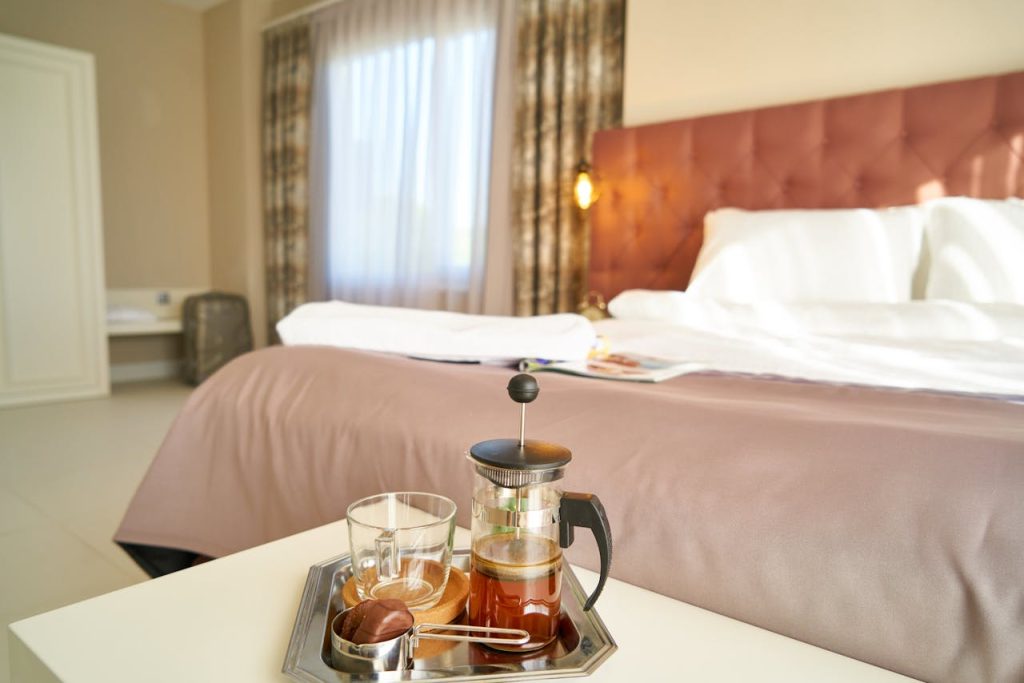
Morning meals become a recurring gripe because breakfast sets the day’s tone. Reviews reference stale pastries, runny eggs, limited choices, cramped seating, and items that run out early, leaving late risers with little to choose from. The deeper issue is value: if breakfast is included, guests expect it to feel intentional and well-managed; if it costs extra, they want quality that justifies the price. Dietary basics matter, too, including fruit, oatmeal, and clear allergen labeling. Confusing hours and long lines steal sightseeing time. A simple, well-run breakfast earns strong goodwill; a sloppy one sparks immediate doubt.
Location Not Aligning With Promises
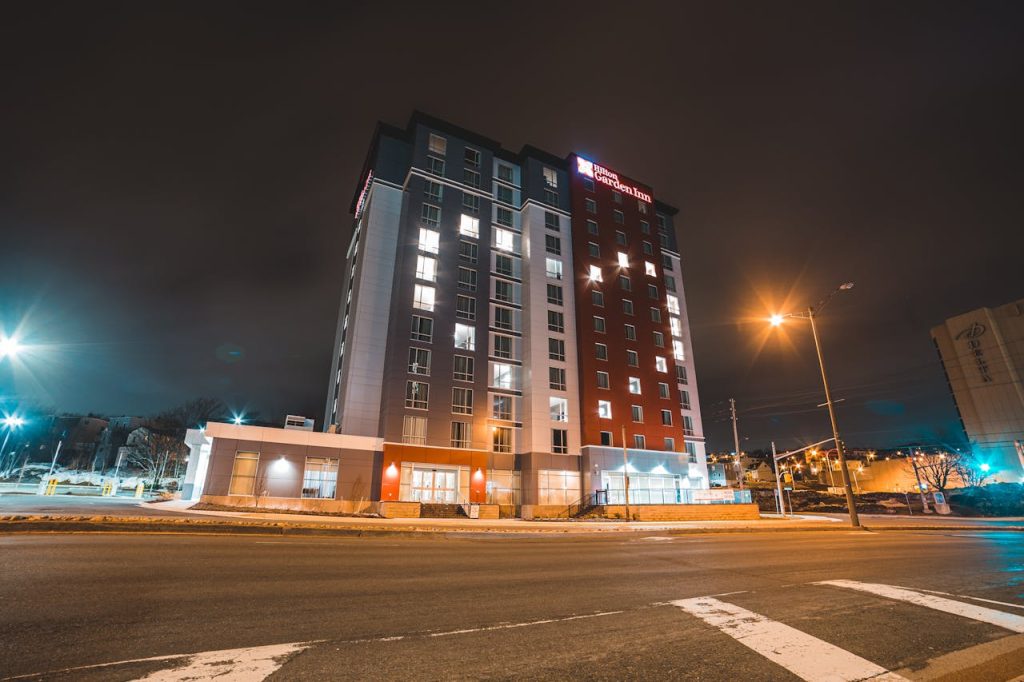
Location critiques read like corrections to marketing language. “Minutes from downtown” might mean a 20-minute drive rather than a walk. “Near the beach” could involve a long trek across busy streets. Guests arrive to feel the area is isolated, inconvenient for transit, or uneasy after dark. The issue isn’t the neighborhood itself but how it’s described. Travelers accept tradeoffs when they’re clearly disclosed, because they can plan meals, rides, and timing. When a description promises one lifestyle and delivers another, guests feel boxed in, and reviews become a map for the next traveler.
Cleanliness Gaps That Break Comfort

Cleanliness complaints trigger immediate reactions: dust on surfaces, stray hairs in the bathroom, stained linens, sticky floors, and musty smells appear even if the lobby looks polished. The issue isn’t only hygiene but attention to detail. When guests feel a room was rushed, they begin scanning for other misses, making small flaws seem larger. Reviews often note that it looked fine at first but details emerged after unpacking. The right response—swift re-cleaning and a sincere apology—can calm the tone, while defensiveness erodes trust. In travel, cleanliness signals safety and respect, so any dip in that signal quickly erodes comfort.
Climate Control That Refuses to Cooperate
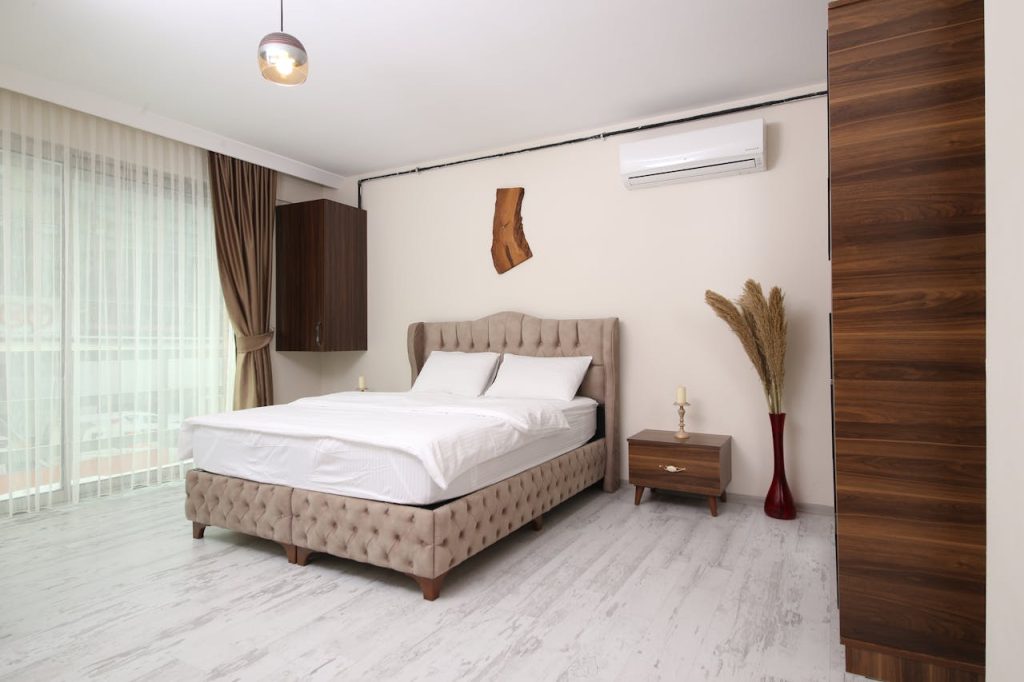
Temperature issues arise wherever comfort hinges on sleeping well and breathing easy. Guests report rooms that never cool, heaters that surge and then stop, or thermostats that are locked or limited. Others note systems turning off when they leave, leaving the room stuffy upon return. Weather fluctuations intensify the problem, especially during heat waves or cold snaps. Staff may offer a fan or a room swap, but availability isn’t guaranteed. The result is a restless night and a day that feels longer than planned. When climate control works quietly, it goes unremarked; when it fails, it becomes a frequent topic.
Crowds That Slow Everything Down

Crowd-related complaints appear in reviews of tours, attractions, and destinations, especially when the experience was pitched as relaxed. Travelers note long lines, crowded viewpoints, rushed guides, and a sense of being moved along with little time to linger. The issue isn’t crowds alone but weak crowd management and unclear expectations. People cope with busy places when timing and capacity are explained openly. They get frustrated when a small-group tour becomes a crowded cluster, or when ticketing funnels everyone into the same hour. A touch of transparency can turn crowding from a grievance into a manageable trade-off.