
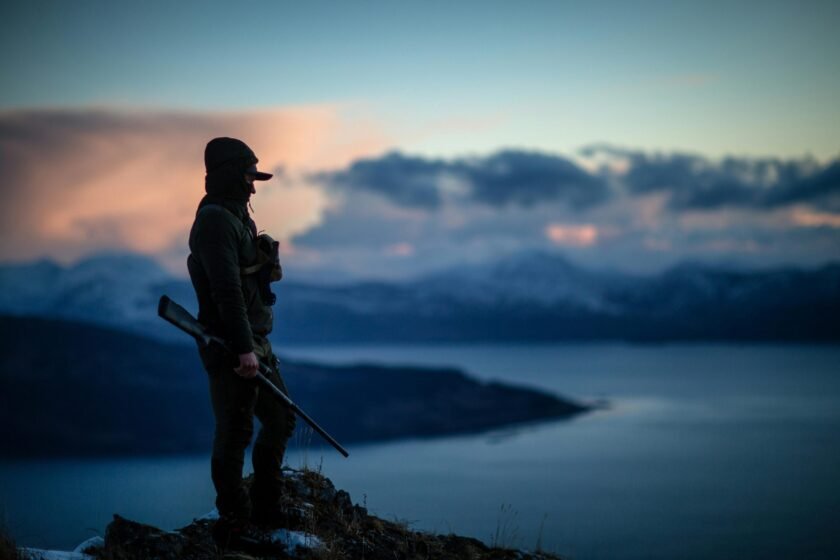
In the Mountain States, wind thermals can make or break a hunt. These invisible air movements rise and fall with temperature, terrain, and sunlight, carrying scent and sound in unpredictable directions. Learning to understand thermals helps hunters stay undetected while tracking big game across rugged country. Whether moving through canyons, ridges, or shaded valleys, knowing how wind behaves at different times of day can give hunters a decisive advantage. Mastering thermals takes patience, observation, and consistent awareness of nature’s subtle signs.
1. Morning Updrafts in Valleys
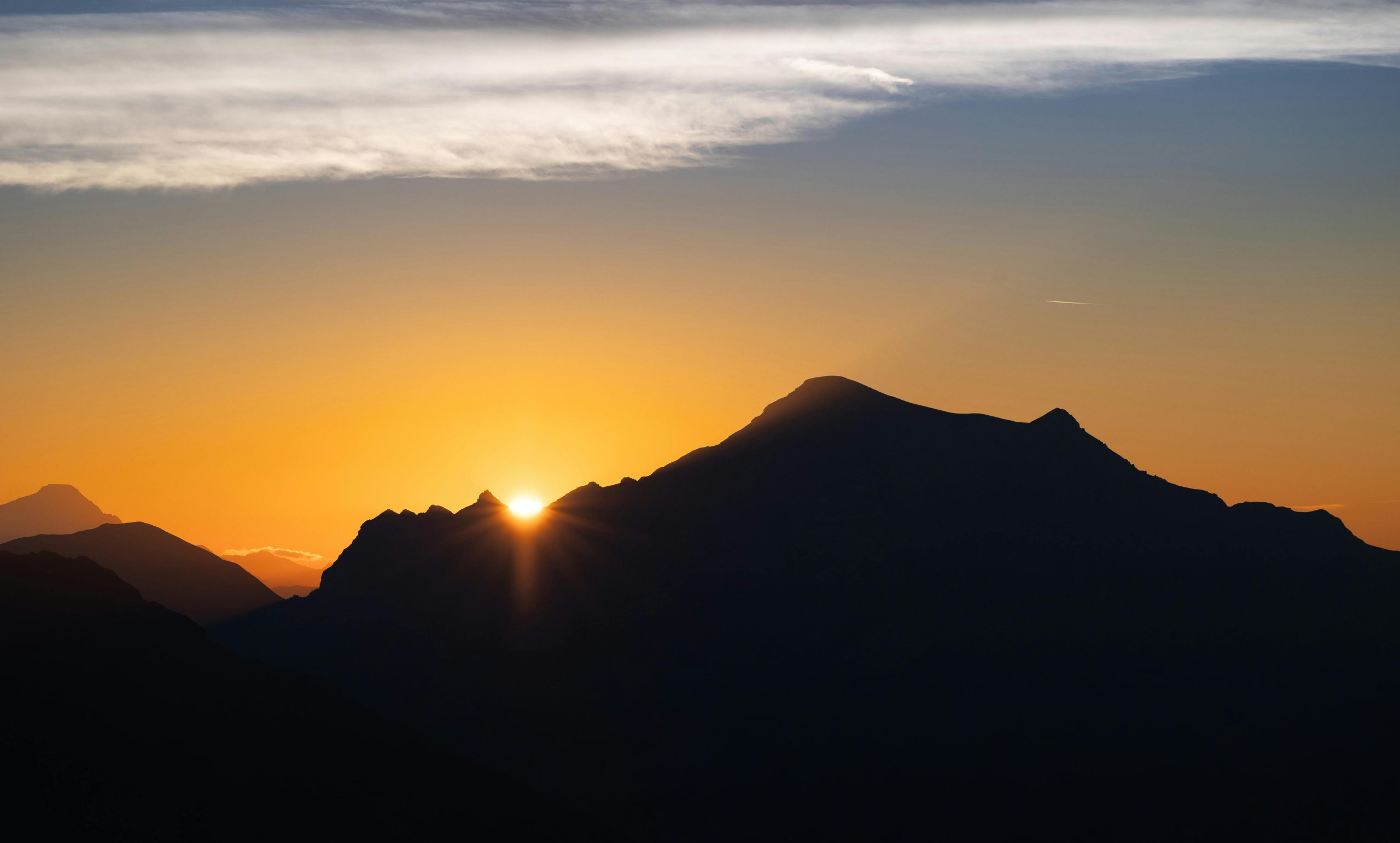
As the first sunlight warms the valley floor, cool night air begins to rise toward higher elevations. These updrafts can carry a hunter’s scent uphill, alerting deer or elk feeding along slopes. Staying low until the air stabilizes helps reduce detection risk. Observing grass movement or faint mist can reveal these invisible shifts. Smart hunters plan morning setups in shaded zones or near water until the day’s warmth creates steady, predictable wind patterns that can be used advantageously.
2. Afternoon Downdrafts on Shaded Slopes

When the sun dips and shadows stretch, the air cools quickly and begins to flow downhill. This downdraft brings scent toward lower terrain, often directly into animal bedding areas. Hunters are positioned at too high risk, exposing themselves to these currents. Moving downslope in the late afternoon can maintain a scent advantage. Watching tree leaves or dust movement gives clear thermal clues. Timing relocation before sunset can help intercept game while staying downwind of their approach routes.
3. Midday Swirl Around Ridges
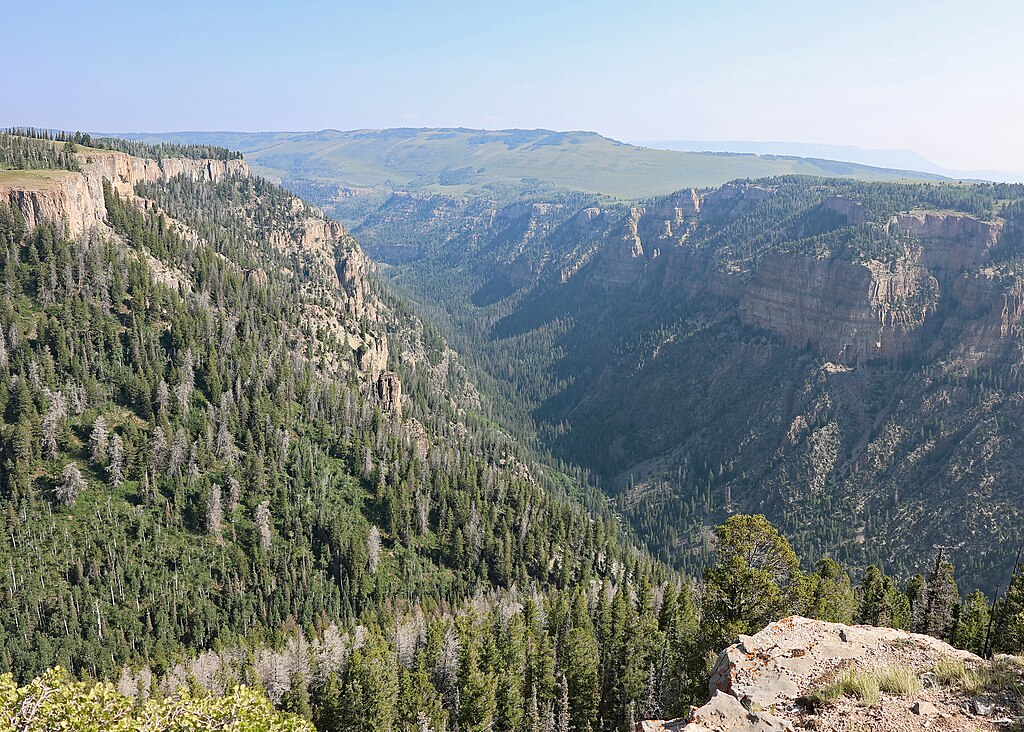
Around midday, as temperatures even out, ridges and saddles create swirling thermals that change direction rapidly. These unpredictable currents can carry scent in circles, warning game on both sides of a slope. Hunters use this time to rest, glass, or reposition rather than stalk. Watching smoke, dust, or drifting insects helps visualize air rotation. Setting up slightly below the crest, away from direct heat, keeps scent movement steadier and reduces the risk of being detected too early.
4. Forest Cover and Thermal Stability
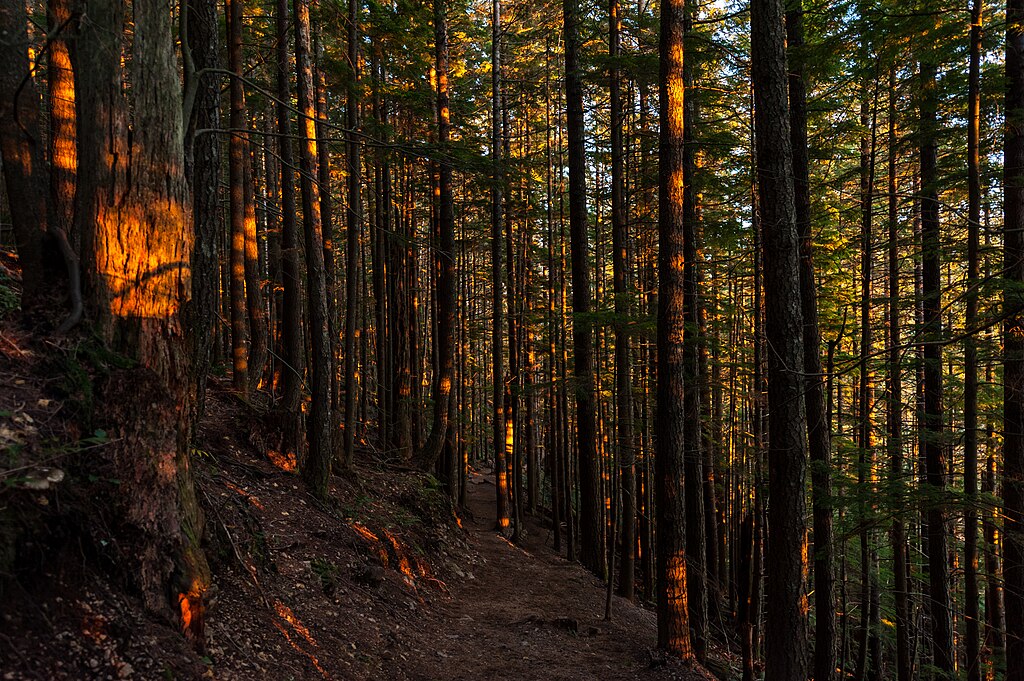
Dense forests moderate temperature swings, keeping air movement slower and more stable. Pine stands and shaded timber hold cooler air longer, delaying thermal shifts. This makes forest hunting more predictable, though scent can still collect in pockets under the canopy. Positioning along clearings or transition zones helps balance airflow. Hunters who track how shadows move through the trees can anticipate when thermals might begin to rise or fall and plan scent-safe routes accordingly.
5. Thermals Crossing Water Sources
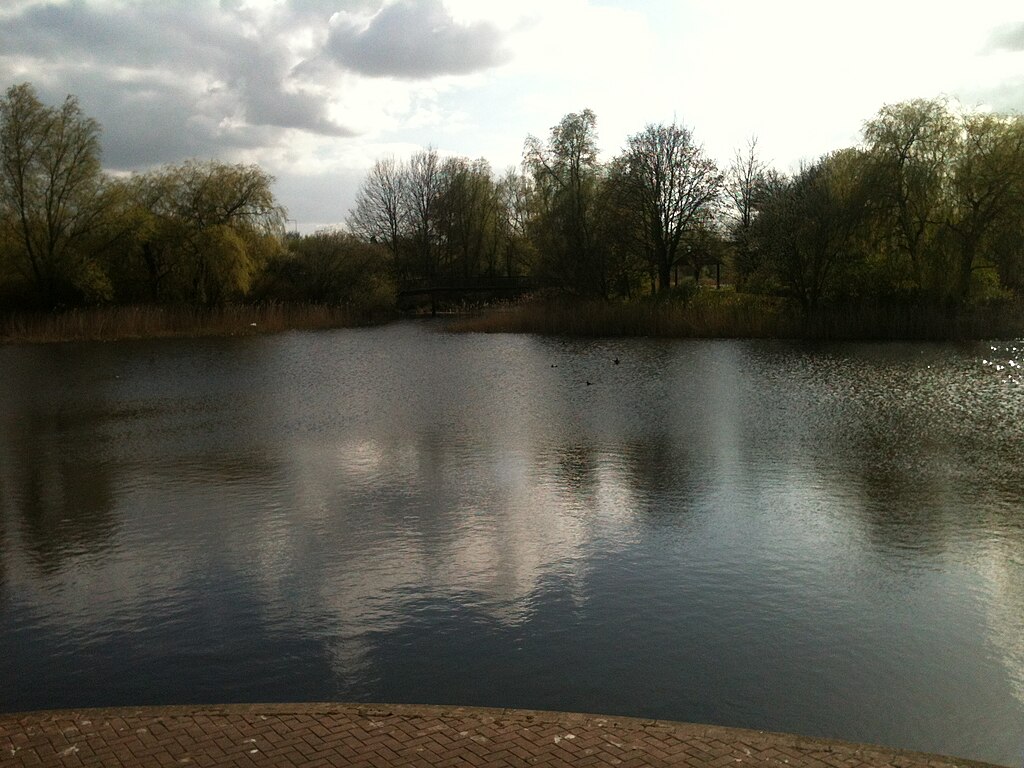
Lakes, creeks, and alpine ponds change how air behaves because water cools and warms more slowly than land. During morning hours, cool water often holds air low, while in the afternoon, heat rising from nearby rocks pulls air back toward shorelines. This movement can carry scent in both directions within minutes. Hunters near water watch ripples, fog, or light reflections to gauge thermal direction before approaching game trails. Correct positioning often makes the difference in tight encounters
6. Influence of Cloud Cover
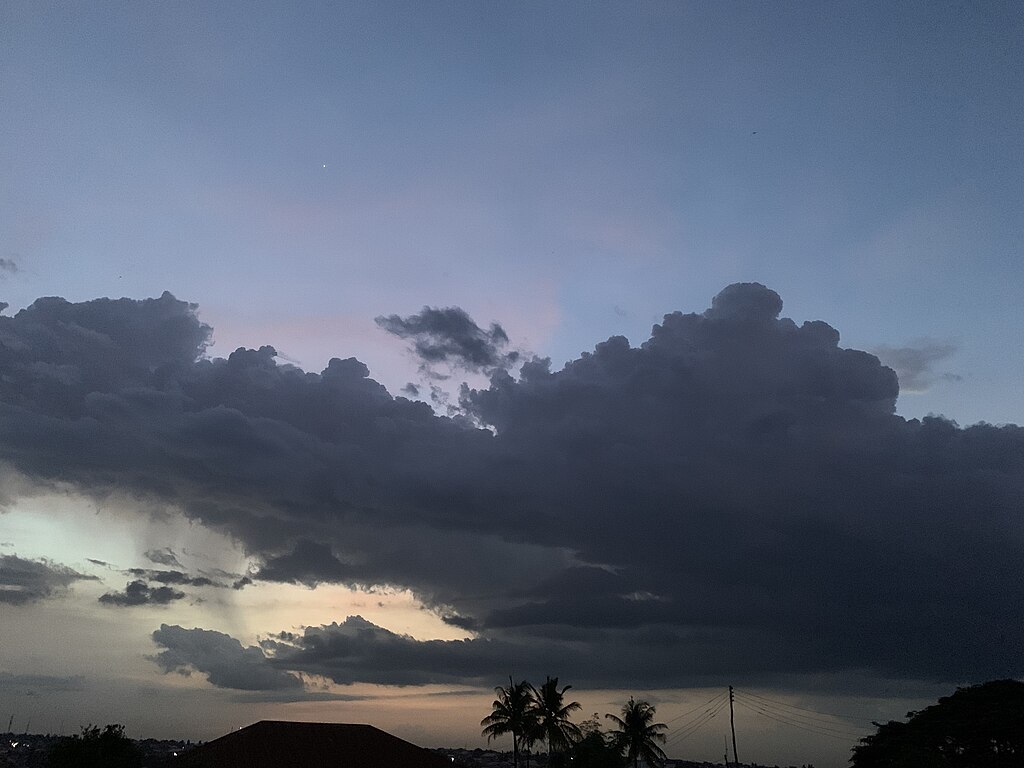
Cloudy conditions affect thermals by blocking sunlight and reducing surface heating. Without strong sun, air layers remain mixed and unstable, shifting scent unexpectedly. When clouds move or sunlight breaks through, thermals can suddenly rise again. Hunters who watch cloud movement can anticipate quick reversals and time their stalks during brief periods of consistency. Light smoke from a small fire or powder drift helps gauge these changes better than relying solely on wind indicators.
7. Canyons and Air Compression
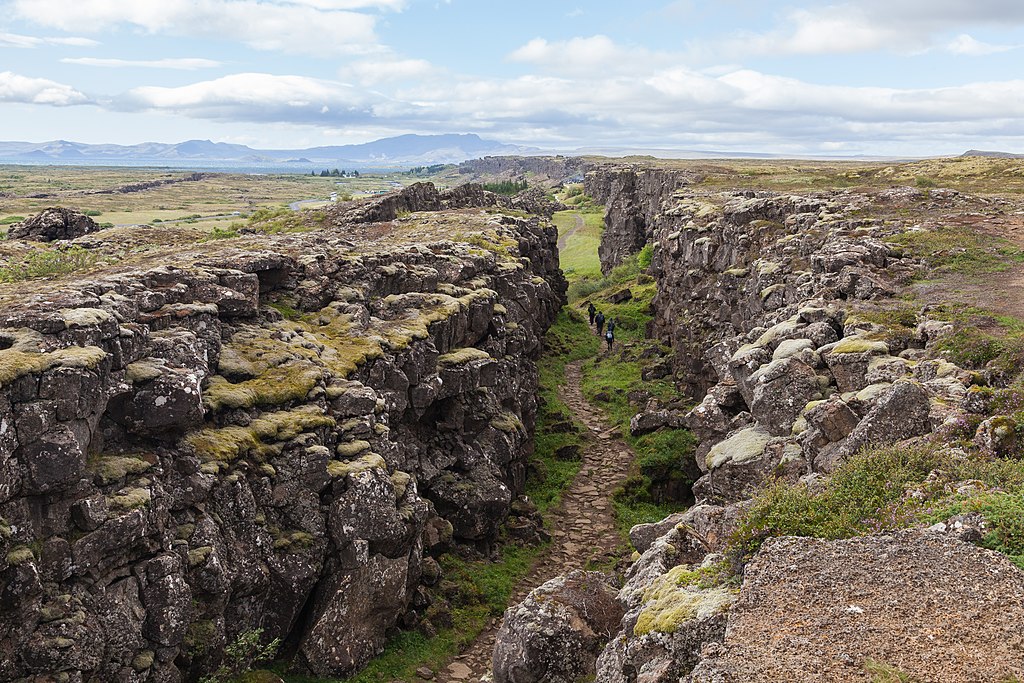
Narrow canyons act like funnels, squeezing air through tight spaces and speeding it up. As warm air pushes upward, cool currents from shaded rock walls can twist scent into spirals. This makes predicting movement tricky. Staying higher along one edge gives better control over scent direction. Hunters using binoculars can also watch how leaves or dust behave across canyon faces to decide safe approach routes that won’t alert animals resting below.
8. Evening Thermal Reversals
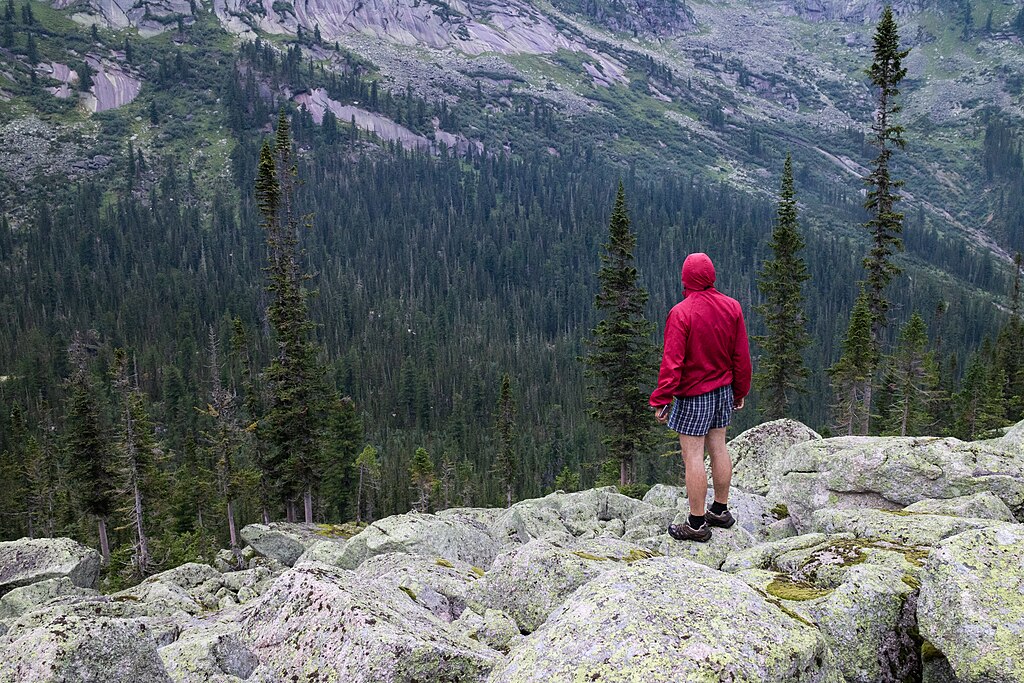
At dusk, as temperatures drop, thermals reverse and start sinking toward valleys again. This cooling creates steady airflow downhill, perfect for intercepting animals descending from feeding zones. Hunters anticipating this change often move lower before dark to stay in the wind’s favor. Watching fog layers settle or listening to shifting leaves helps confirm the reversal’s timing. Adjusting position early ensures scent remains undetected as the game begins its evening movement pattern.
9. Wind Shadows Behind Ridges
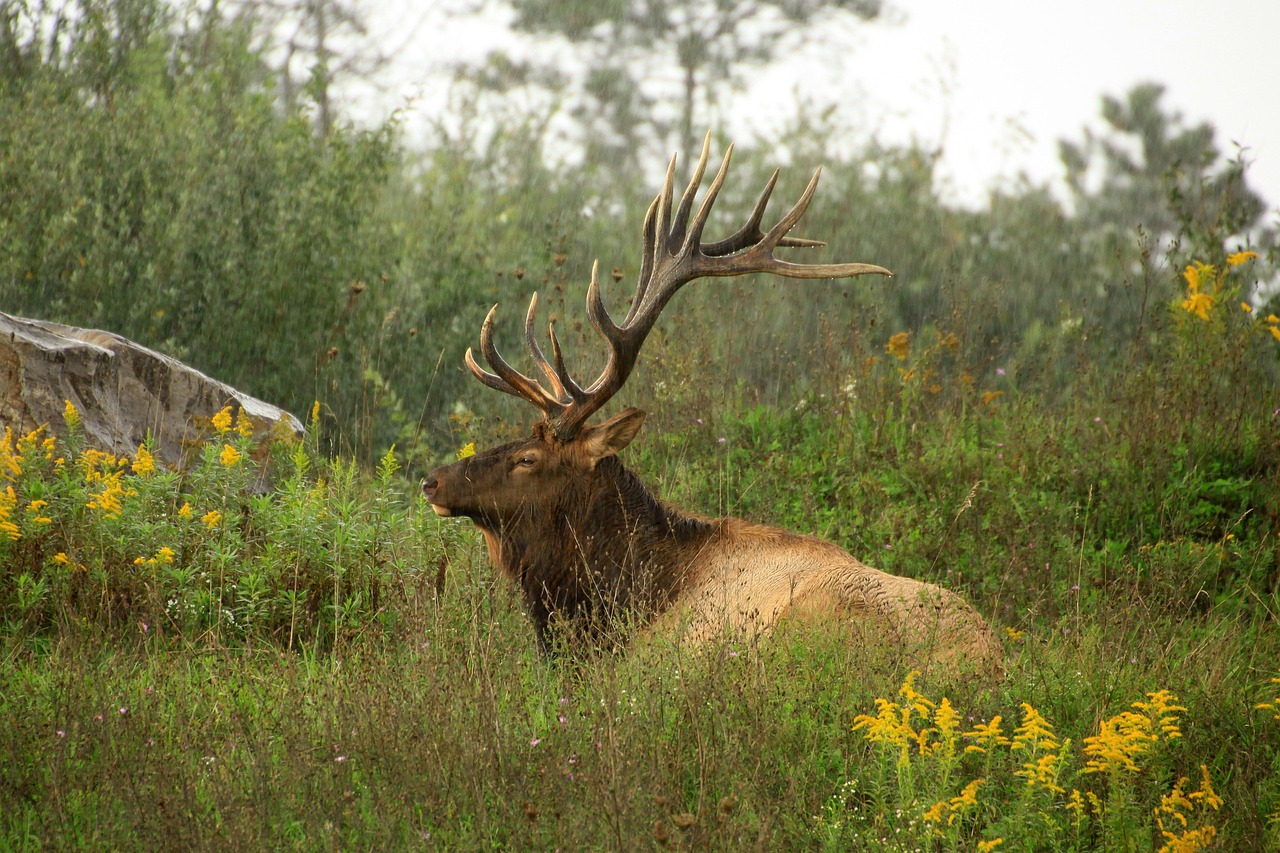
Behind every ridgeline lies a calm area known as a wind shadow. Here, air circulation slows, and scent lingers longer than expected. These zones often attract deer or elk seeking shelter from gusts, but they can also trap a hunter’s scent. Setting up slightly off to one side keeps airflow consistent. By tossing light grass or watching drifting insects, hunters can identify wind shadows and use them strategically without compromising concealment.
10. Interaction With Strong Winds

When high winds sweep across mountains, they override smaller thermal movements. Scent may still swirl unpredictably near cliffs or tree lines where wind bounces. In these conditions, hunters must rely more on terrain than direction alone. Using large boulders, ridges, or timber patches as scent buffers works better than standing in open gusts. Waiting for calmer breaks often improves success during stalks, especially in rugged alpine zones where wind constantly shifts.
11. Thermal Pull-in Draws
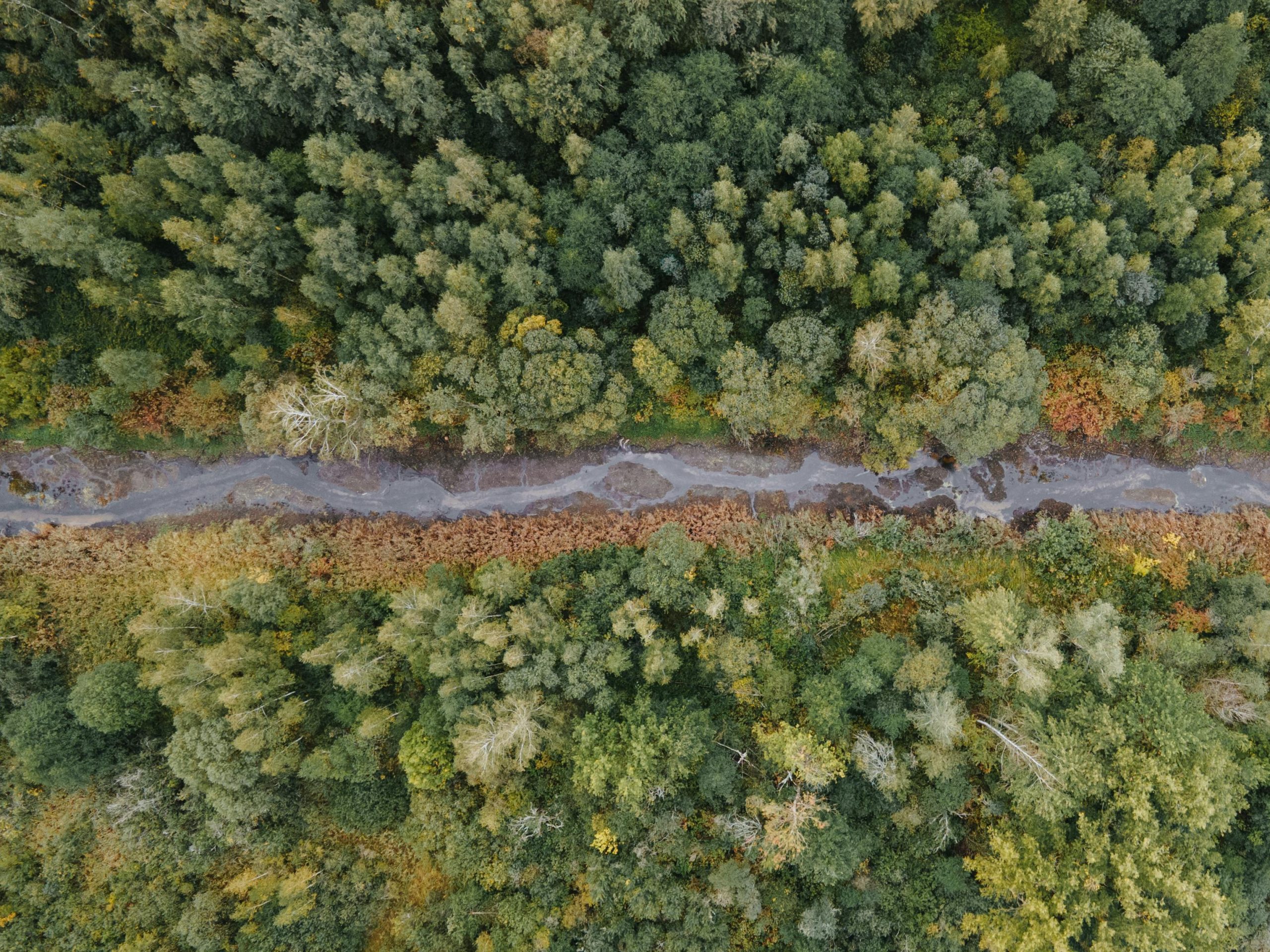
Narrow draws and gullies act as natural air channels, pulling air upward as the ground heats. These thermals can carry scent straight to game bedded high above. Avoiding the centerline of a draw and setting up on its shaded edge helps reduce exposure. Watching falling leaves or floating dust can reveal airflow direction. Hunters who understand this pull can use it to approach animals from angles animals least expect, increasing chances of surprise.
12. Using Smoke to Read Airflow
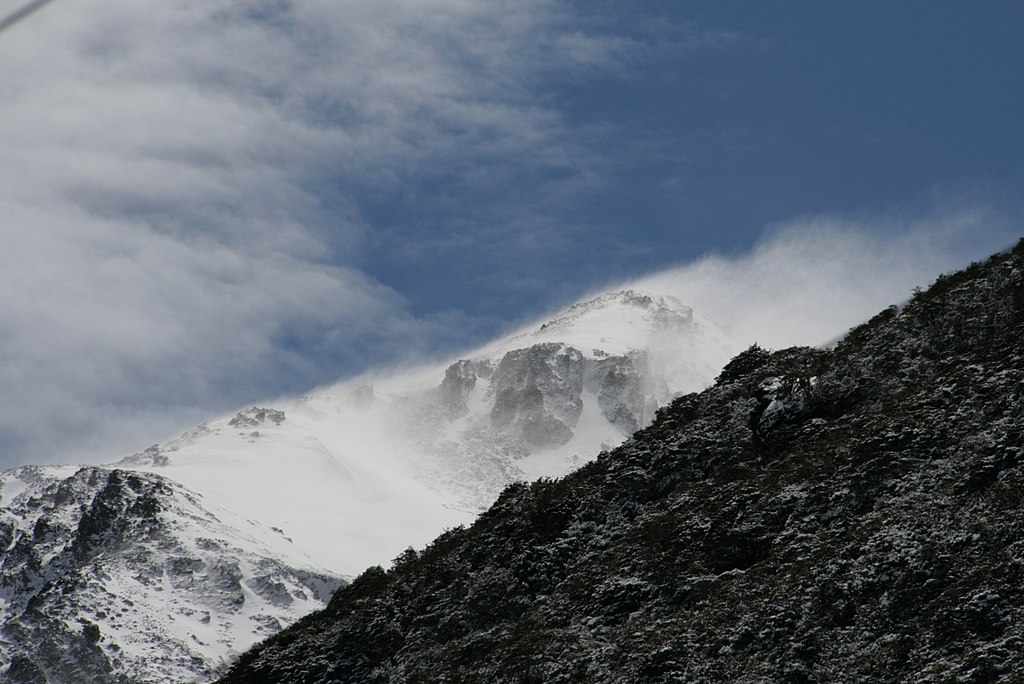
Hunters often use talcum powder or scentless smoke bottles to read thermals before committing to a stalk. Watching how smoke drifts in valleys or across ridges reveals hidden currents invisible to the eye. These tools work best in the first or last hours of daylight when thermals are shifting most. By checking airflow often, hunters can adjust position just enough to stay undetected, gaining a vital edge in changing conditions.
13. Scent Pooling in Depression
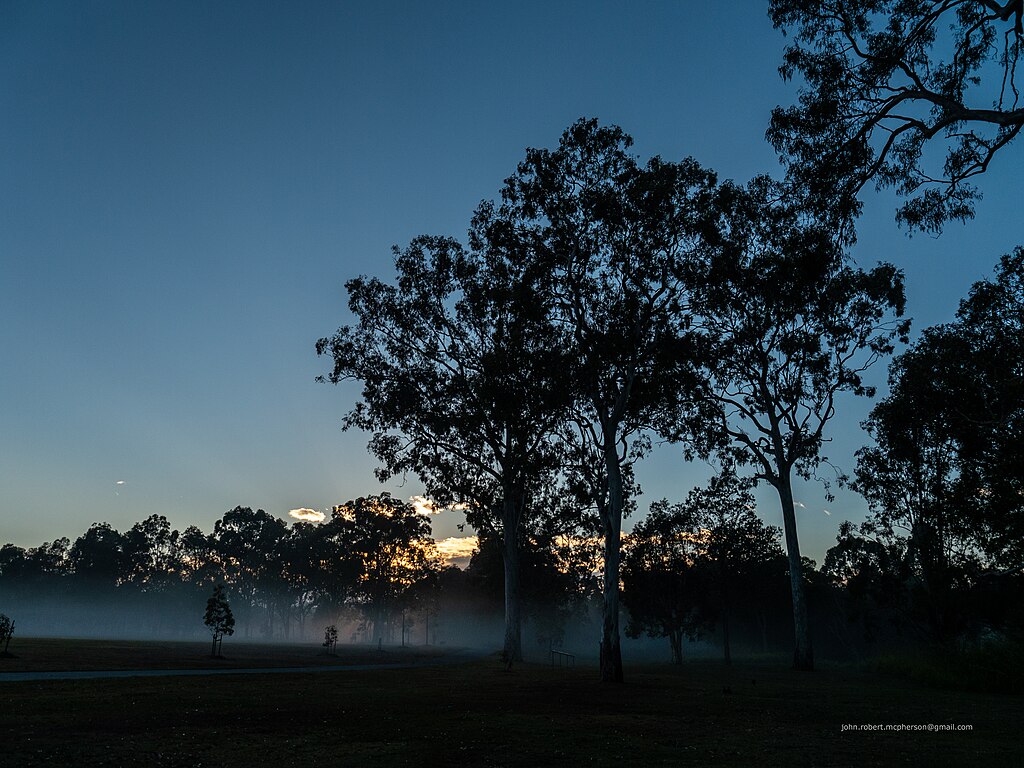
Low basins and shallow bowls often collect cold air and trap scent at ground level. The game, approaching from above, quickly detects it, making such spots risky for setups. Instead of sitting in these hollows, hunters should position themselves along the rim or slightly higher to keep airflow steady. Observing how fog or mist behaves in early morning light gives strong clues about these scent traps before committing to a position
14. Seasonal Temperature Shifts
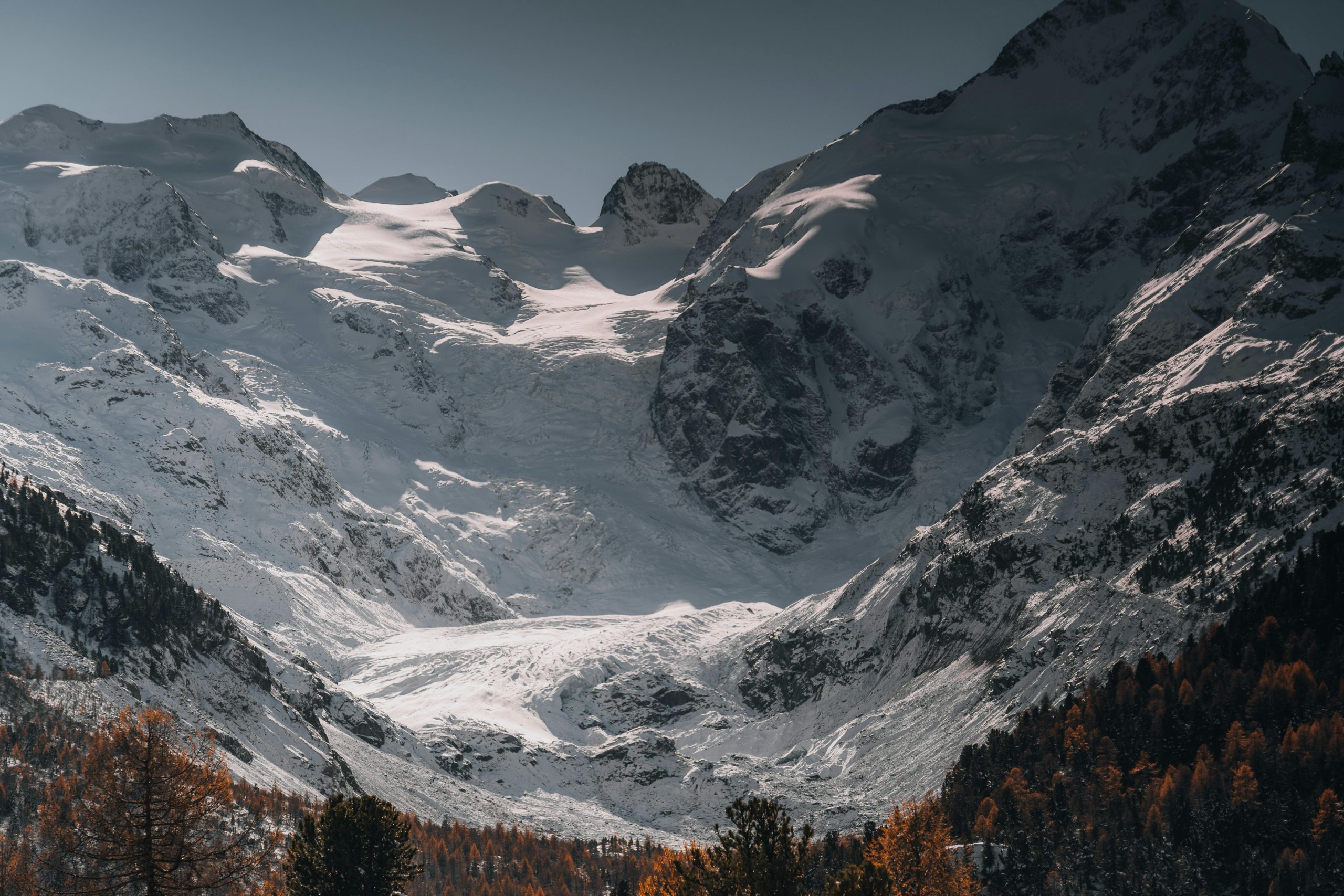
Thermal strength changes with the seasons. Early autumn brings strong daytime updrafts, while late fall and winter feature weaker airflow due to cooler ground temperatures. Snow amplifies sunlight reflection, delaying daily thermal turnover. Hunters tracking these patterns adjust timing and elevation for each season. Watching frost melt lines or shifting fog offers insight into when air will start moving, allowing for more strategic planning on mountain hunts.
15. Night Cooling and Thermal Settling
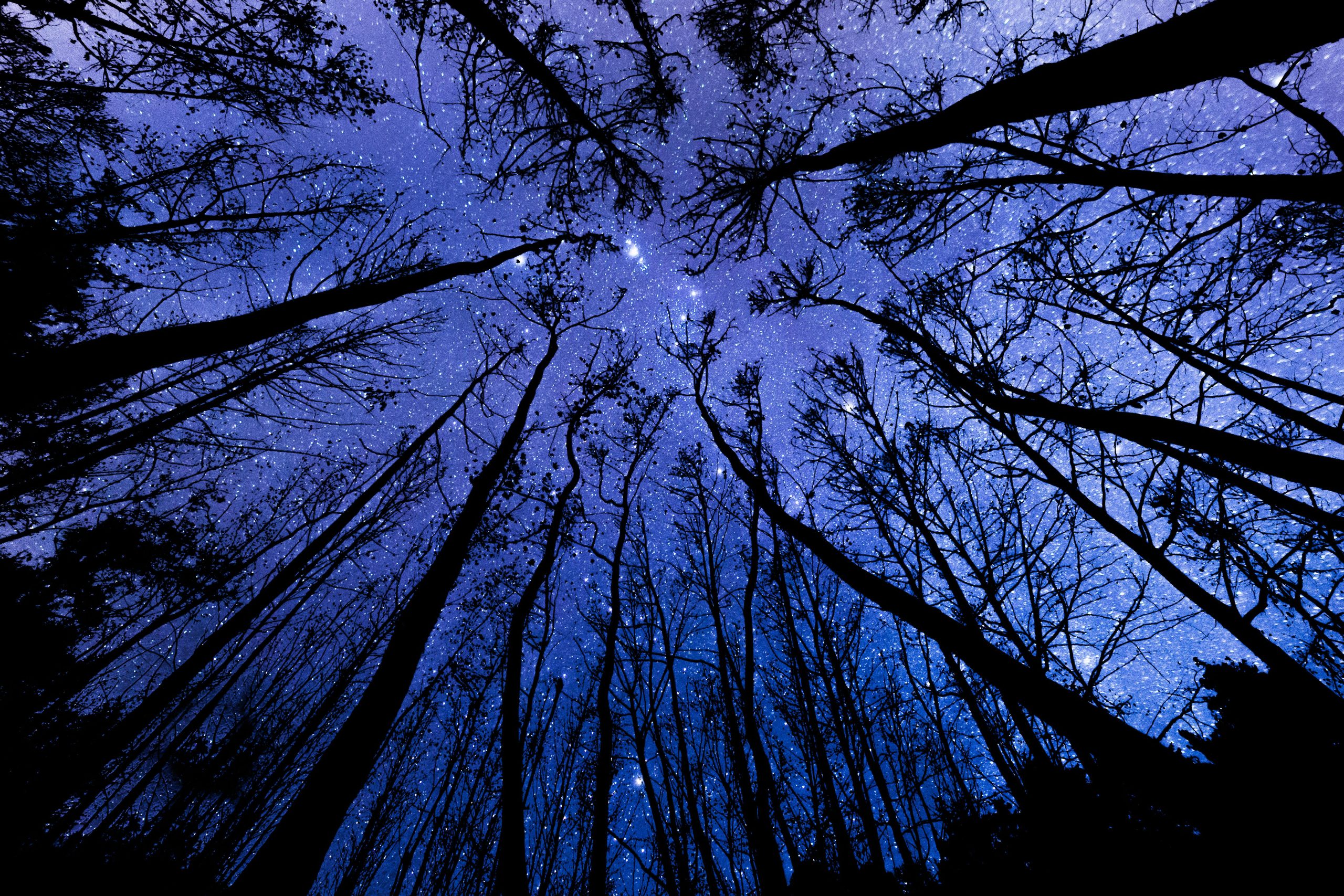
At night, mountain air cools evenly, and thermals calm, causing scent to drift slowly downslope. This settling makes the woods quieter and scent movement easier to predict. Hunters preparing for morning hunts can use this calm period to move quietly into position. Paying attention to stars, tree sway, or mist behavior helps confirm when the air has fully stabilized. It’s the perfect time for a stealthy setup before the next day’s changes.
The post 15 Ways Wind Thermals Affect Hunters in Mountain States appeared first on Bushcraft Base Camp.