

Mexico travel is changing in ways you can feel the moment you start planning a trip. You still see beach photos and resort ads, but behind them sits a growing layer of caution. Governments now issue clearer, more detailed warnings about crime in specific Mexican states, including some that draw millions of visitors each year. That does not mean Mexico is unsafe everywhere or that travel has stopped. It means you now need to think more carefully about where you go, how you move around, and what areas you avoid. Popular destinations remain open and busy, but travelers are adjusting plans, shortening stays, and sticking closer to controlled zones. If you want a smooth trip, you need realistic expectations instead of outdated assumptions. Mexico still offers incredible experiences, but safety has become part of the itinerary whether you like it or not.
1. Why Tourist Hotspots Are Appearing in Safety Advisories
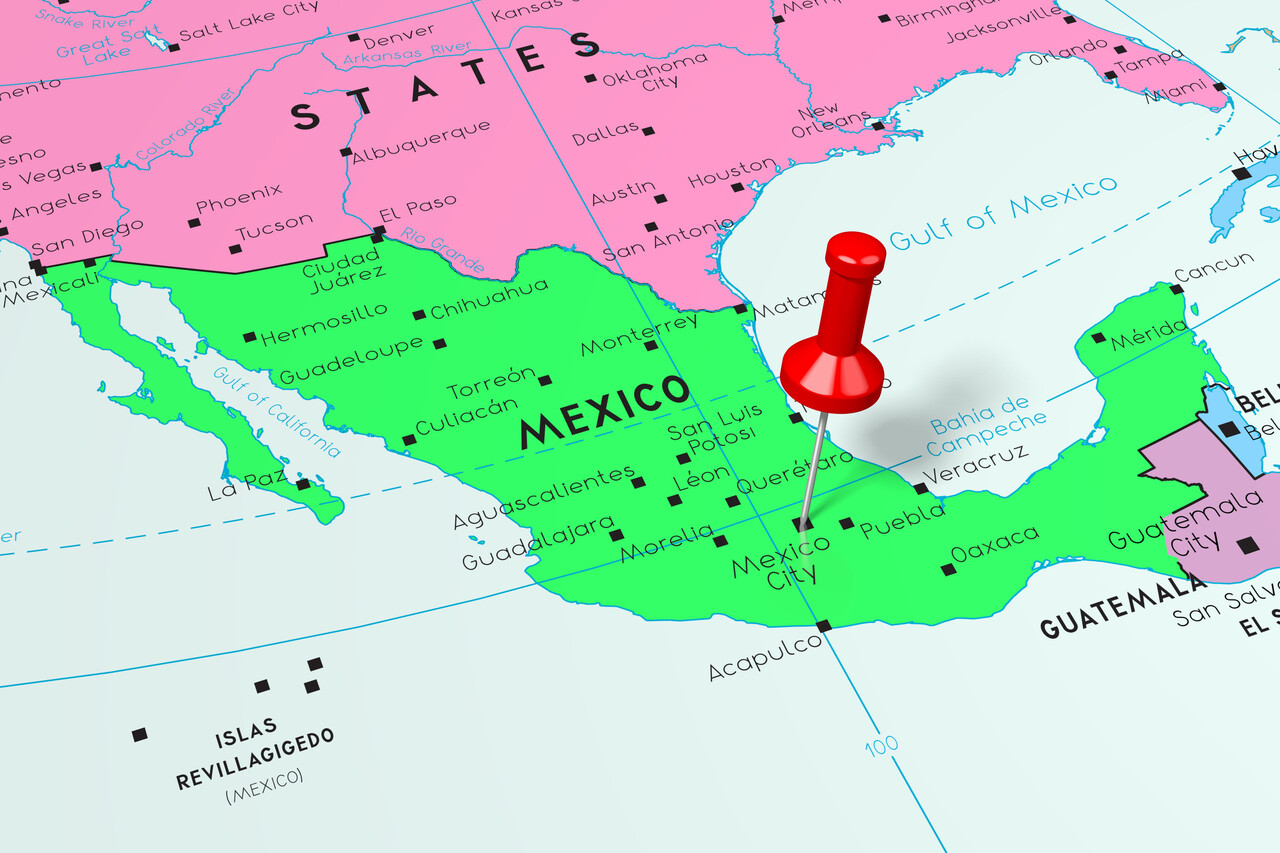
You may be surprised to see well known destinations mentioned in official safety updates, but advisories reflect patterns, not panic. Authorities track crime reports, violent incidents, and law enforcement capacity at the state level. In recent years, organized crime activity has expanded beyond traditional border regions into areas with high economic value, including tourism corridors. That puts places you recognize on the map into higher caution categories even if resorts remain heavily protected. You are not being told to avoid the entire country. You are being told that conditions can change quickly and that risks are uneven. Tourist zones may feel calm while nearby neighborhoods experience unrest. Understanding that contrast helps you make smarter decisions instead of relying on reputation alone.
2. How Travelers Are Changing Where They Stay

You are far more likely now to see travelers choosing large resorts, gated communities, or well known hotel districts instead of small rentals in unfamiliar neighborhoods. This shift is driven by security, not fear. Hotels in major destinations often coordinate with local police, maintain controlled access points, and provide transportation services that reduce exposure to risk. Travelers also prefer locations close to airports and main roads to limit long drives through less monitored areas. What this means for you is fewer spontaneous lodging choices and more emphasis on reputation, reviews, and location. Comfort is still important, but predictability has become just as valuable.
3. Transportation Choices Are Becoming More Conservative
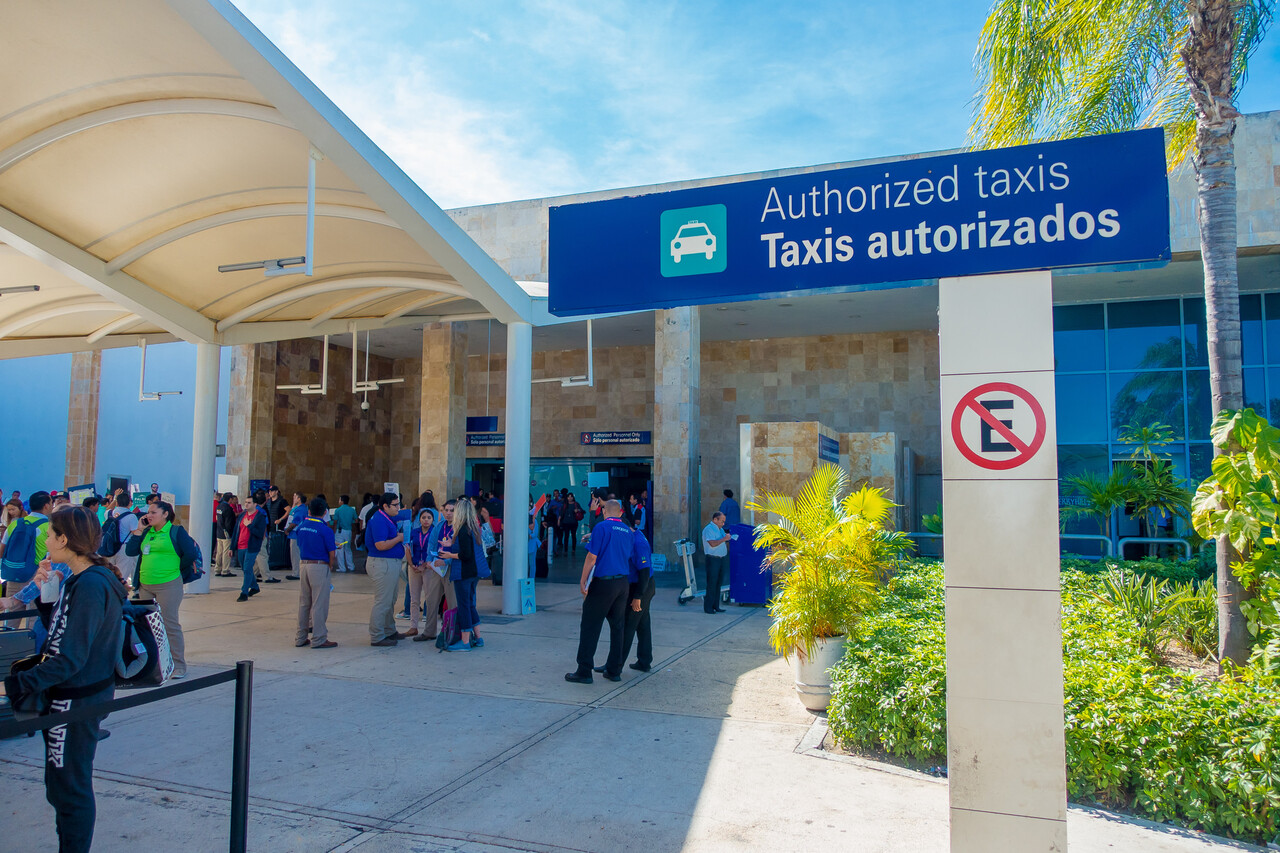
You might have once planned to rent a car and explore freely, but many travelers now avoid long road trips, especially at night. Safety advisories consistently warn about highway crime, vehicle theft, and limited law enforcement response in certain regions. As a result, visitors increasingly rely on hotel shuttles, authorized taxis, and ride services approved by airports or resorts. Bus travel between major cities remains common, but only on established routes and during daylight hours. This shift affects how much you can see in one trip. You may explore less ground, but you gain peace of mind and reduce unnecessary exposure.
4. Nightlife and After Dark Travel Are Being Reconsidered

You still find nightlife in resort areas, but travelers are more selective about where and how late they go out. Safety reports often show higher crime rates during nighttime hours, especially away from tourist zones. You may notice venues closing earlier or hotels encouraging guests to stay on property after dark. This does not mean you must stay inside. It means planning matters more. Stick to busy areas, travel in groups, and use arranged transportation. The days of wandering unfamiliar streets late at night without a plan are fading, even in places once considered carefree. Smart timing and clear boundaries help you enjoy evenings without unnecessary risk.
5. Shorter Trips Are Replacing Extended Stays

Another noticeable shift is trip length. Many visitors now choose shorter vacations instead of extended stays across multiple cities. This change reflects a desire to limit exposure to changing conditions and reduce logistical complexity. When you stay in one place, you learn its rhythms and safety patterns more easily. You also rely less on intercity travel, which advisories often flag as higher risk. Shorter trips allow you to enjoy Mexico’s highlights while maintaining tighter control over your environment. It is not about rushing. It is about simplifying. A focused itinerary often leads to a calmer and more confident travel experience.
6. Travel Insurance and Documentation Matter More Than Ever

You may have once skipped travel insurance, but many travelers now treat it as essential. Policies that cover medical care, trip interruption, and emergency evacuation provide reassurance in uncertain conditions. Governments also recommend registering travel plans with embassy services so authorities can contact you if conditions change. Keeping digital and physical copies of your documents is no longer just a tip. It is a practical safeguard. These steps do not make you paranoid. They make you prepared, which is increasingly expected when traveling internationally. Preparation reduces stress and gives you more control when plans change unexpectedly.
7. Local News and Updates Are Part of Daily Planning

You can no longer rely solely on pre trip research. Conditions can shift quickly, especially in regions affected by criminal activity. Many travelers now check local news daily, follow hotel advisories, and pay attention to guidance from staff who understand current conditions. If a road closure or security issue arises, you adjust your plans rather than push through. This mindset change is subtle but important. You are no longer just a visitor. You are an informed participant who adapts as needed. Staying flexible becomes part of staying safe, not an inconvenience. Being alert and responsive often matters more than sticking to a fixed itinerary.
8. Why Mexico Still Attracts Millions of Visitors
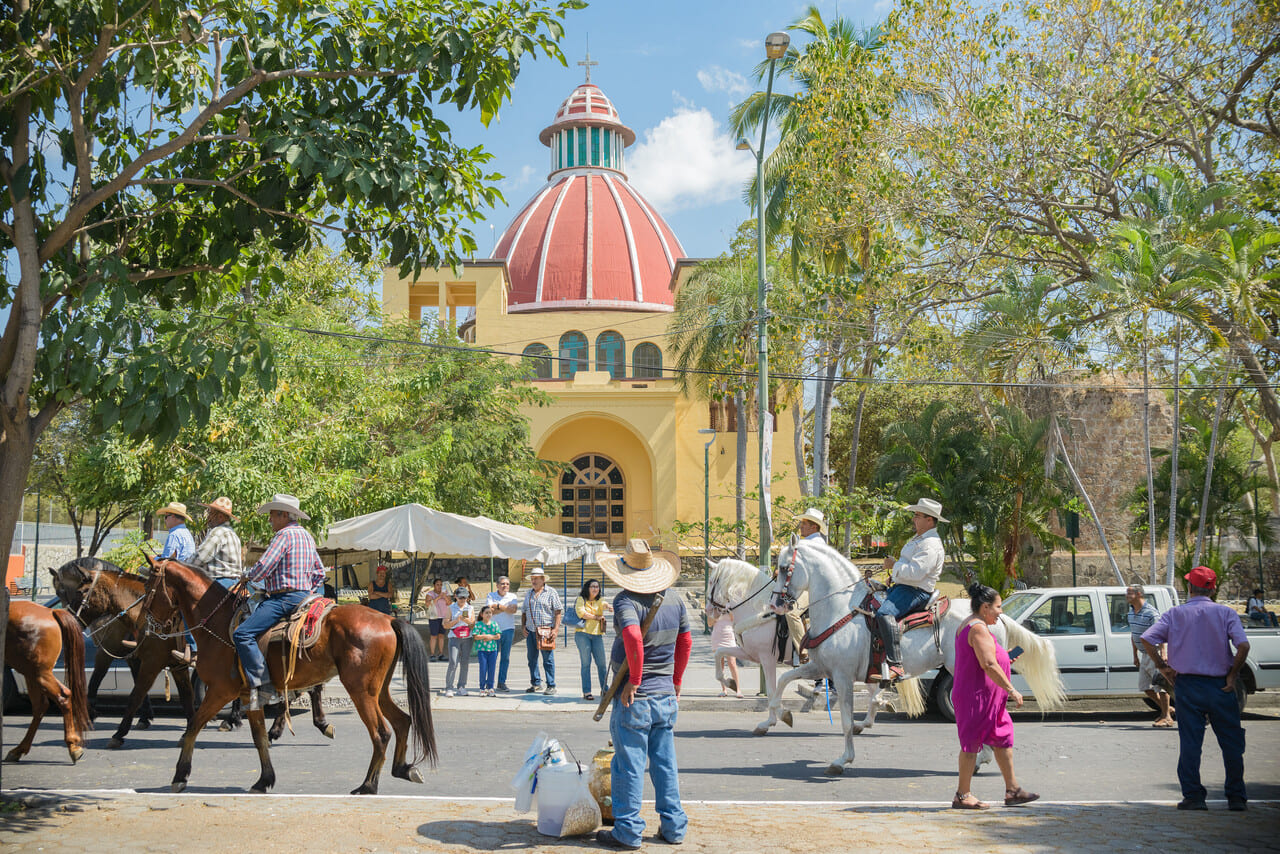
Despite these shifts, Mexico remains one of the most visited countries in the world. Tourism numbers stay high because most trips are incident free and many destinations maintain strong security measures. Cultural richness, affordability, and accessibility continue to draw travelers. What has changed is not the appeal but the approach. You travel with clearer boundaries, better information, and more intention. When you respect local realities and plan accordingly, Mexico still delivers unforgettable experiences. The difference is that you now travel smarter, not looser. You choose awareness over assumptions, and that choice shapes a safer, more rewarding trip.