
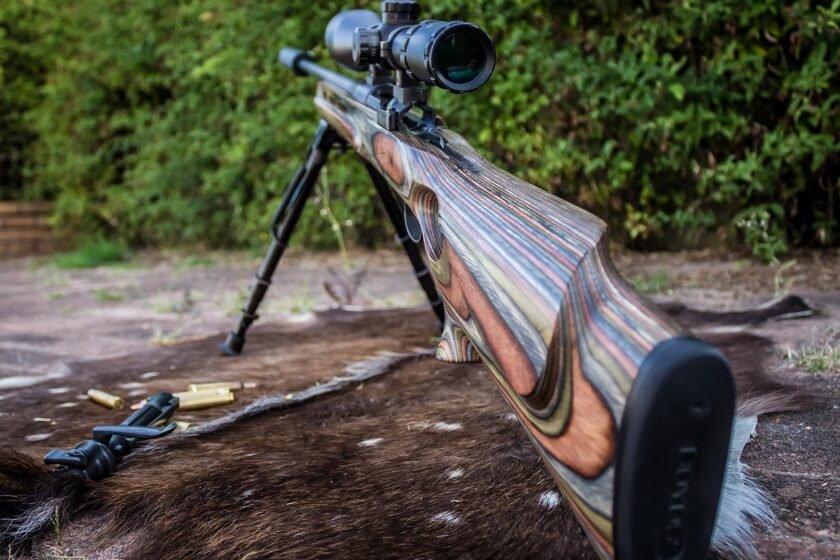
Lightweight rifles attract hunters and shooters because they reduce fatigue and improve mobility across varied terrain. In calm conditions, their performance often matches heavier counterparts, delivering accuracy and comfort. High wind, however, changes the equation in noticeable ways. Reduced mass affects how rifles respond to gusts, shooter input, and recoil dynamics. Understanding these differences helps explain why wind exposes strengths and weaknesses unique to lighter platforms. From barrel behavior to shooter stability, multiple factors interact once wind enters the picture. Exploring these elements clarifies how weight influences control, consistency, and effectiveness when conditions turn challenging.
Mass And Stability

Lower mass makes lightweight rifles more susceptible to movement when the wind pushes against the shooter or firearm. Gusts can shift balance, especially during standing or kneeling positions, requiring greater muscular correction. Heavier rifles resist these forces through inertia, staying steadier on target. With less weight dampening motion, small wind changes translate into visible sight movement. This effect becomes more pronounced at longer distances, where minor deviations matter. Lightweight designs, therefore, demand position building and fundamentals. Wind does not move the bullet differently, but it influences how steadily the rifle stays aligned before the shot breaks.
Barrel Behavior In Wind
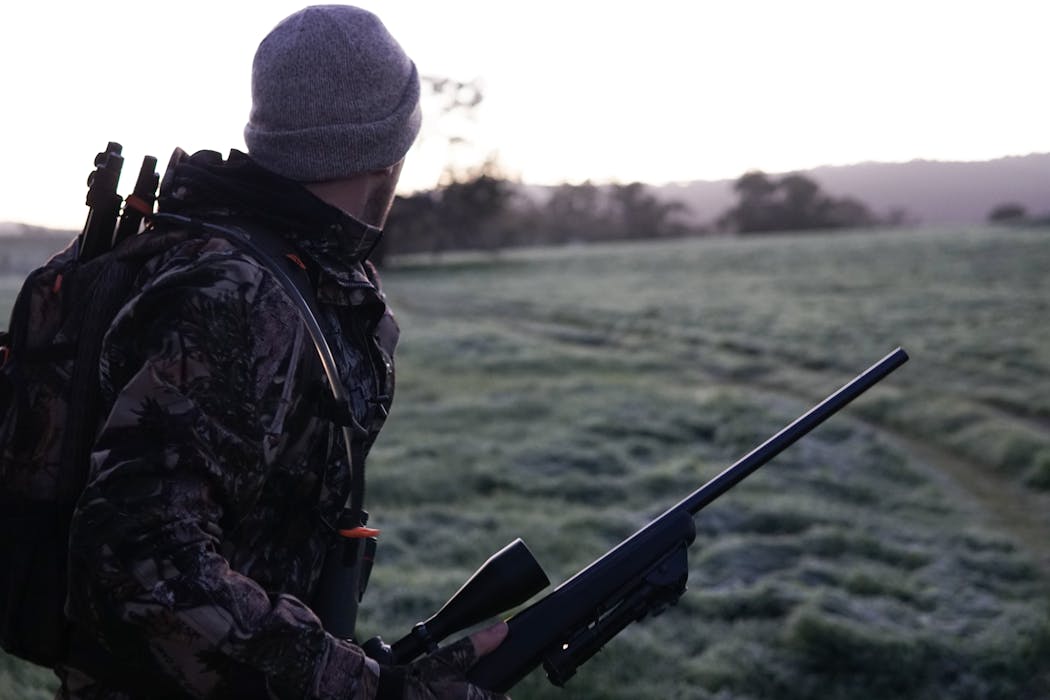
Lightweight rifles often feature thinner barrels, which respond differently to wind and temperature. Crosswinds can create subtle pressure along exposed barrel surfaces, increasing vibration potential. Thinner barrels also heat faster, and wind cooling can cause uneven temperature changes. These factors may slightly alter barrel harmonics shot to shot. Heavier barrels resist external influence, maintaining more consistent vibration patterns. In windy conditions, lightweight barrels require careful shot pacing and awareness. The effect is rarely dramatic, but at precision distances it becomes measurable. Consistency depends on managing barrel exposure, cadence, and support to minimize environmental influence effects.
Shooter Interaction And Recoil
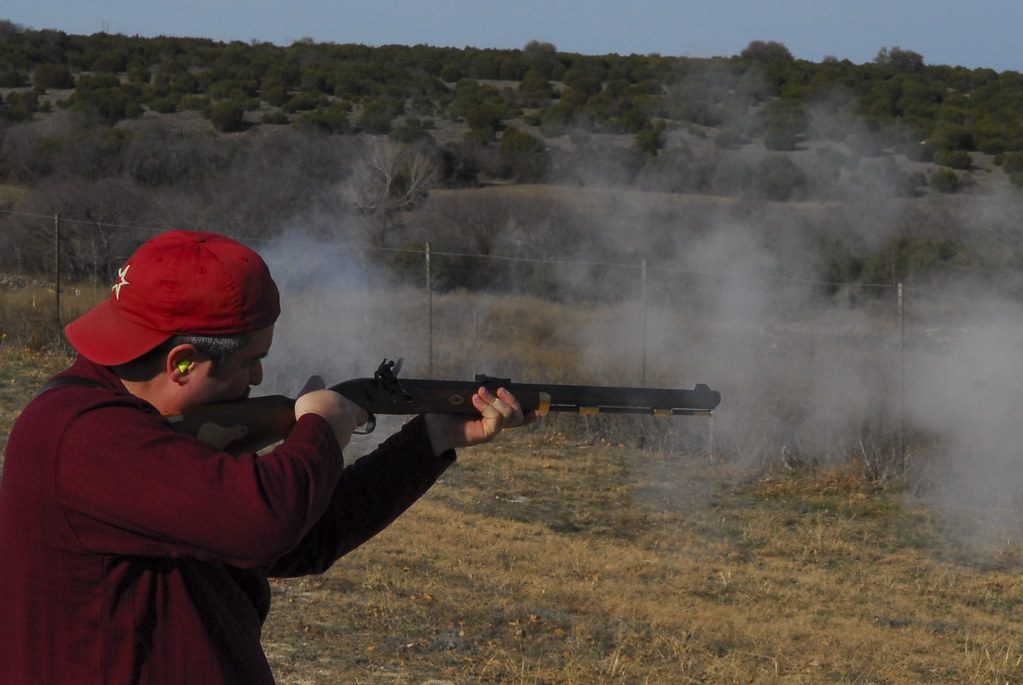
Recoil management differs in lightweight rifles when wind conditions challenge stability. Reduced mass allows recoil energy to move the rifle more abruptly, increasing sight disruption. Wind compounds this by requiring firmer support and grip consistency. Shooters may overcorrect, introducing lateral movement during trigger press. Heavier rifles absorb recoil more smoothly, helping maintain sight picture through gusts. Lightweight platforms reward disciplined fundamentals, including natural point of aim and controlled breathing. Accessories like bipods or suppressors can help add stability. Ultimately, wind exposes how closely rifle weight, recoil behavior, and shooter technique remain interconnected during shooting scenarios.
The post Why Lightweight Rifles Perform Differently in High Wind Conditions appeared first on Bushcraft Base Camp.