

You probably learned nursery rhymes before you could read, let alone question them. They sound harmless, rhythmic, and comforting, which is exactly why their real origins tend to slip past unnoticed. Many of these verses did not start as children’s entertainment at all. They began as coded political commentary, social protest, public health warnings, or grim reflections of everyday life centuries ago. When you look closely, you start to see how oral storytelling allowed people to pass along criticism and memory without attracting punishment. Historians, folklorists, and literary scholars have traced these rhymes through printed broadsheets, court records, and early songbooks. What you sang without thinking was often a quiet record of fear, resistance, or survival. Once you know the backstories, the words do not feel quite as innocent anymore.
1. Ring Around the Rosie
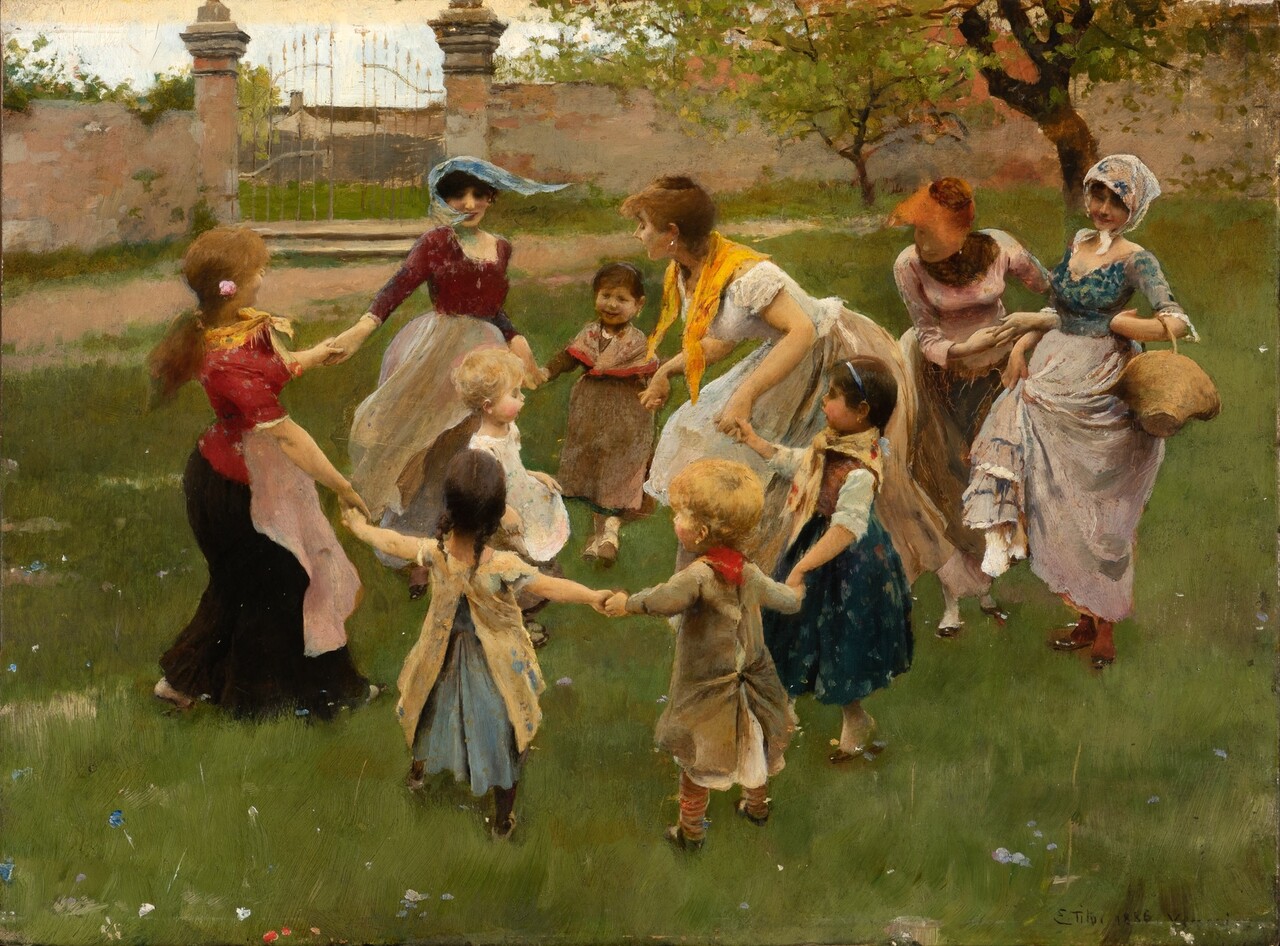
You likely heard this rhyme explained as a reference to the Black Death, and while that interpretation remains debated, historians agree it reflects a cultural memory of disease. The ring of roses aligns with the floral garlands people carried to mask the smell of death, while posies were believed to protect against illness. Ashes all fall down echoes the mass death that followed outbreaks across Europe. Folklorists such as Philip Hiscock note that the rhyme likely evolved over time, absorbing plague imagery rather than originating from a single event. What matters is that you are hearing a folk response to repeated epidemics, preserved because rhyme made fear easier to remember and repeat.
2. Mary, Mary, Quite Contrary
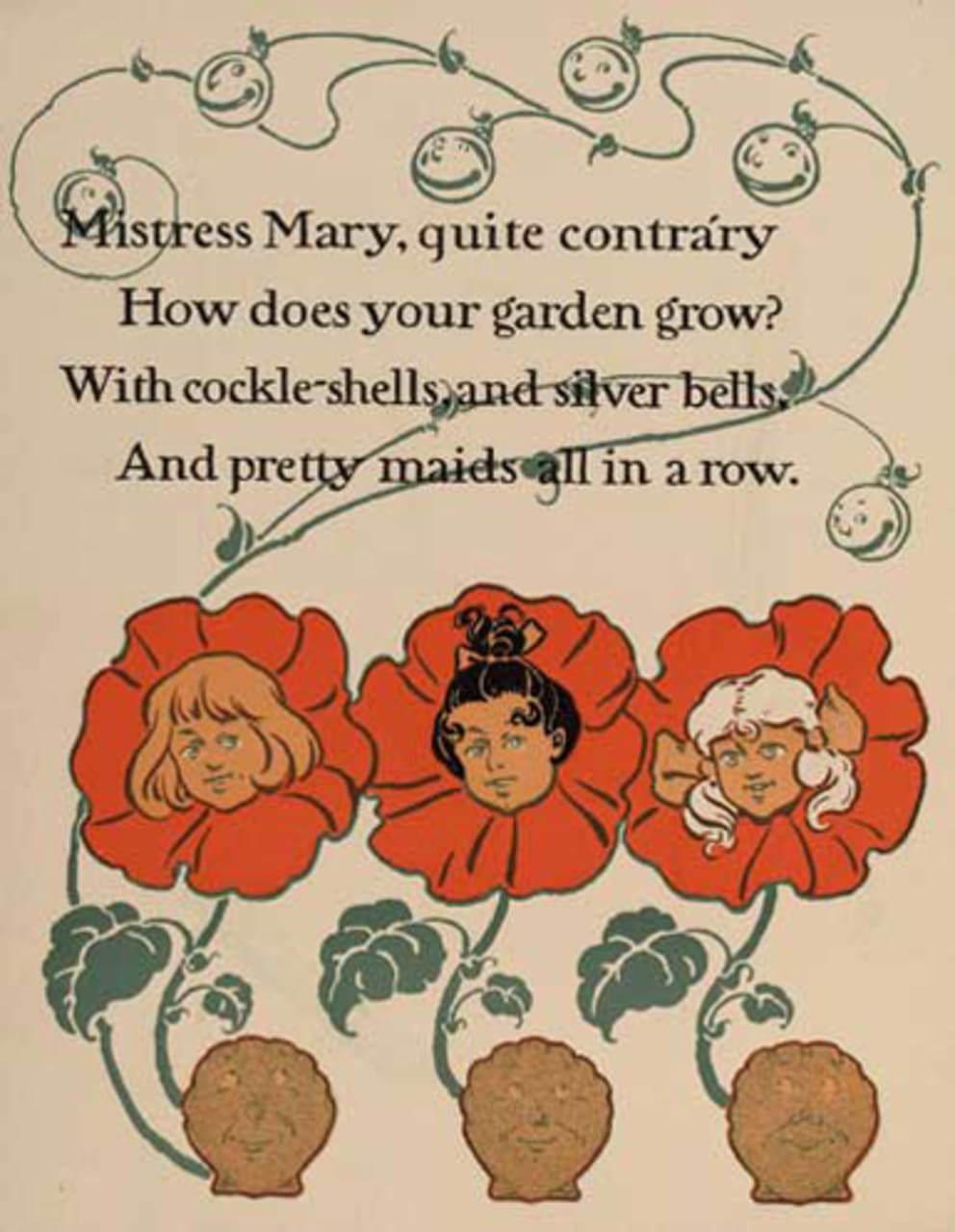
When you recite this rhyme, you are likely echoing a veiled political attack on Queen Mary I of England, whose reign was marked by violent religious persecution. Historical research from the British Library and Tudor scholars suggests the “garden” represents the kingdom she ruled, while the “silver bells” and “cockle shells” may refer to instruments of torture used against Protestant dissenters. The “pretty maids all in a row” are widely interpreted as symbolic references to those executed for their beliefs. During a time when open criticism of the monarch could result in imprisonment or death, people relied on coded language to express anger and grief. You are not repeating a harmless verse about gardening but a quiet accusation preserved through oral tradition. The rhyme allowed people to remember cruelty without writing it down, ensuring the story survived even when speaking openly was dangerous.
3. Jack and Jill
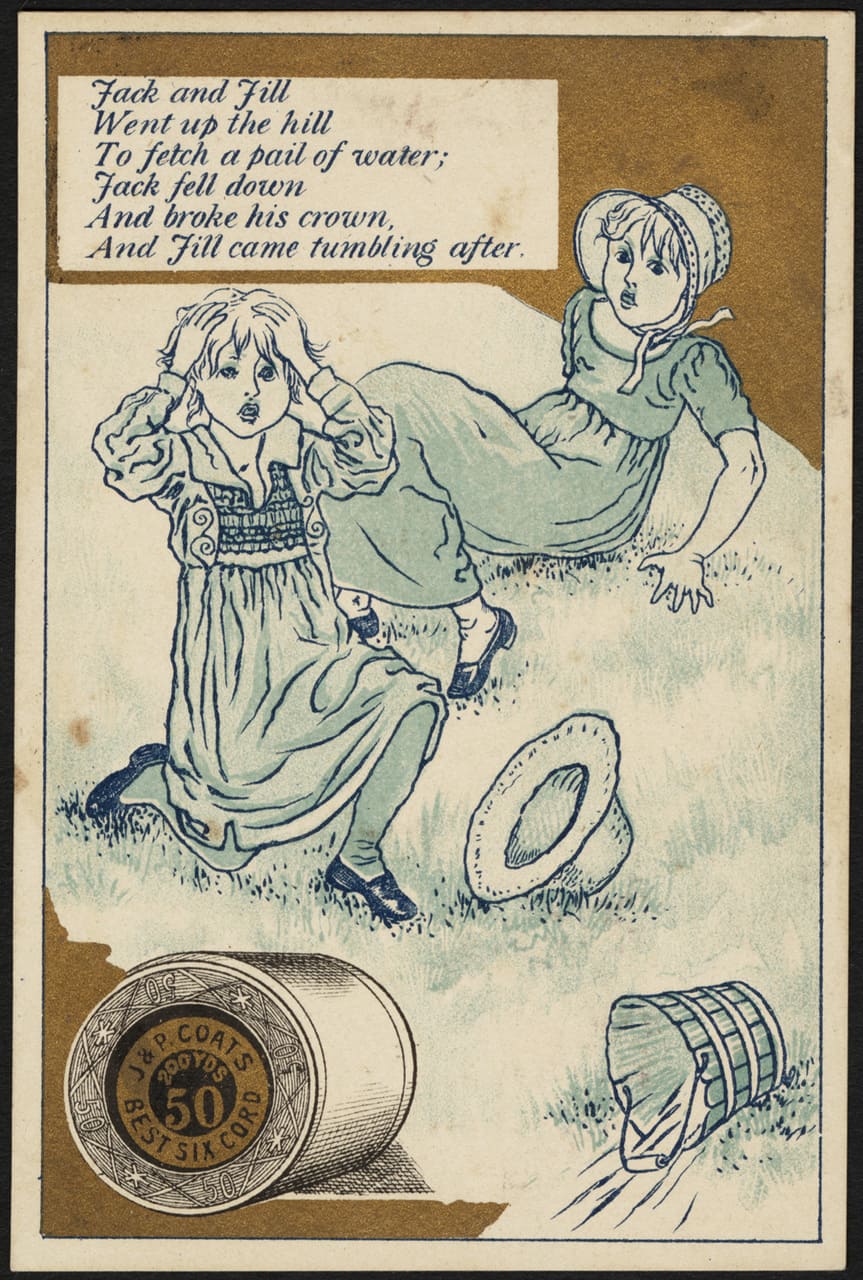
You may picture two children fetching water, but historians suggest this rhyme reflects public frustration with royal taxation policies in 17th century England. According to Oxford folklore research, “Jack” and “Gill” were common terms for ordinary people, while the “crown” symbolized money rather than a literal head injury. King Charles I reduced the volume of liquid measures known as a jack and a gill while keeping prices the same, which effectively raised taxes without announcing them. When you hear about the fall and the broken crown, you are hearing a metaphor for how financial manipulation hurt everyday households. The rhyme gave people a way to criticize economic injustice in a form that sounded innocent enough to avoid punishment, allowing resentment to circulate quietly among the population.
4. Baa, Baa, Black Sheep
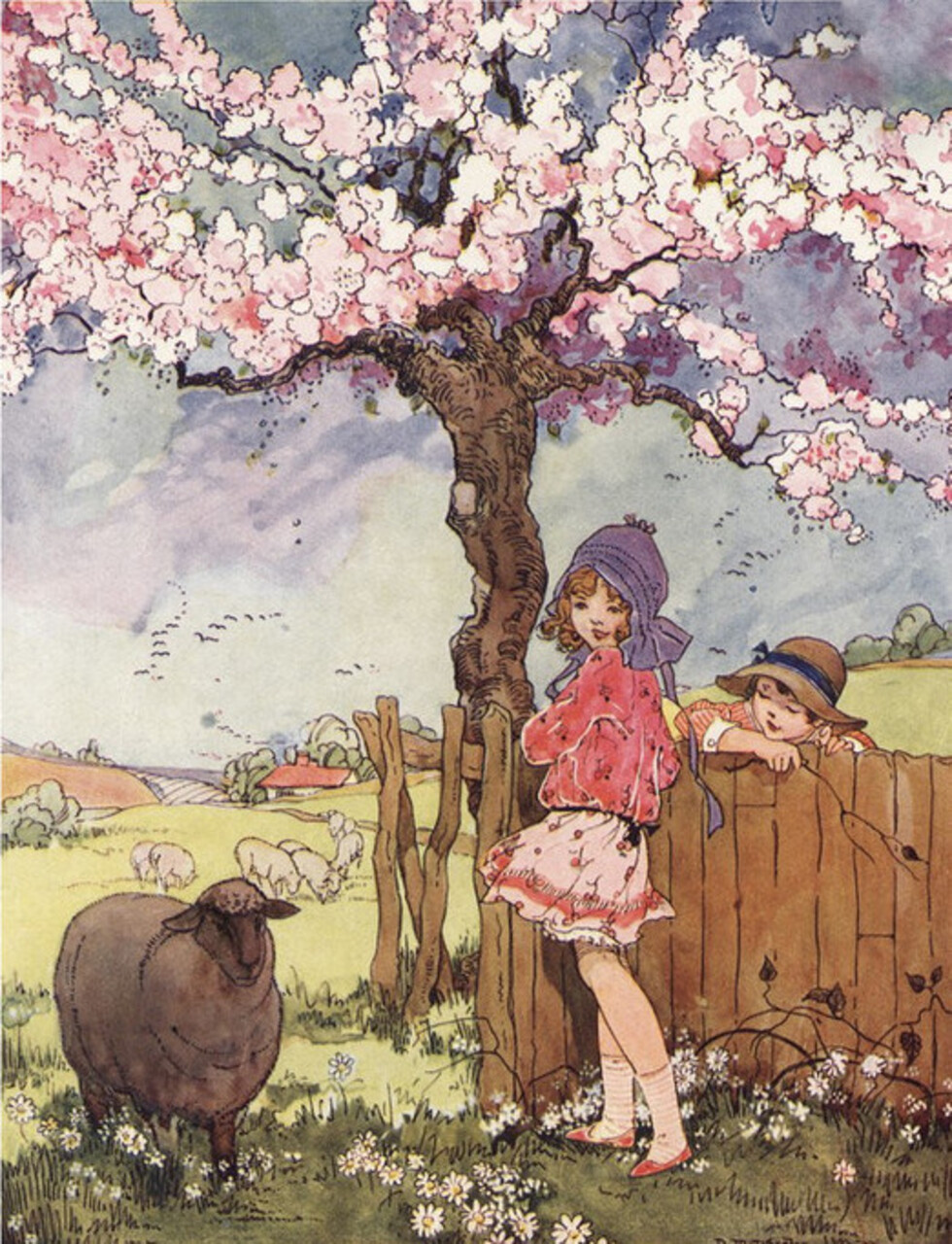
This rhyme reflects the heavy wool taxes imposed during the reign of King Edward I, a policy that strained farmers while enriching the crown and the church. Medieval economic historians explain that wool was England’s most valuable export, and taxing it aggressively funded military campaigns at the expense of rural communities. The “master,” “dame,” and “little boy who lives down the lane” represent the ruling elite, religious authorities, and the poor, each taking a share while the producer bears the loss. When you say there is “one for the little boy,” you are hearing irony rather than generosity. The rhyme captures resentment toward a system that normalized inequality. You are repeating a complaint disguised as a farmyard song, preserved because simplicity made it safe to pass on.
5. London Bridge Is Falling Down
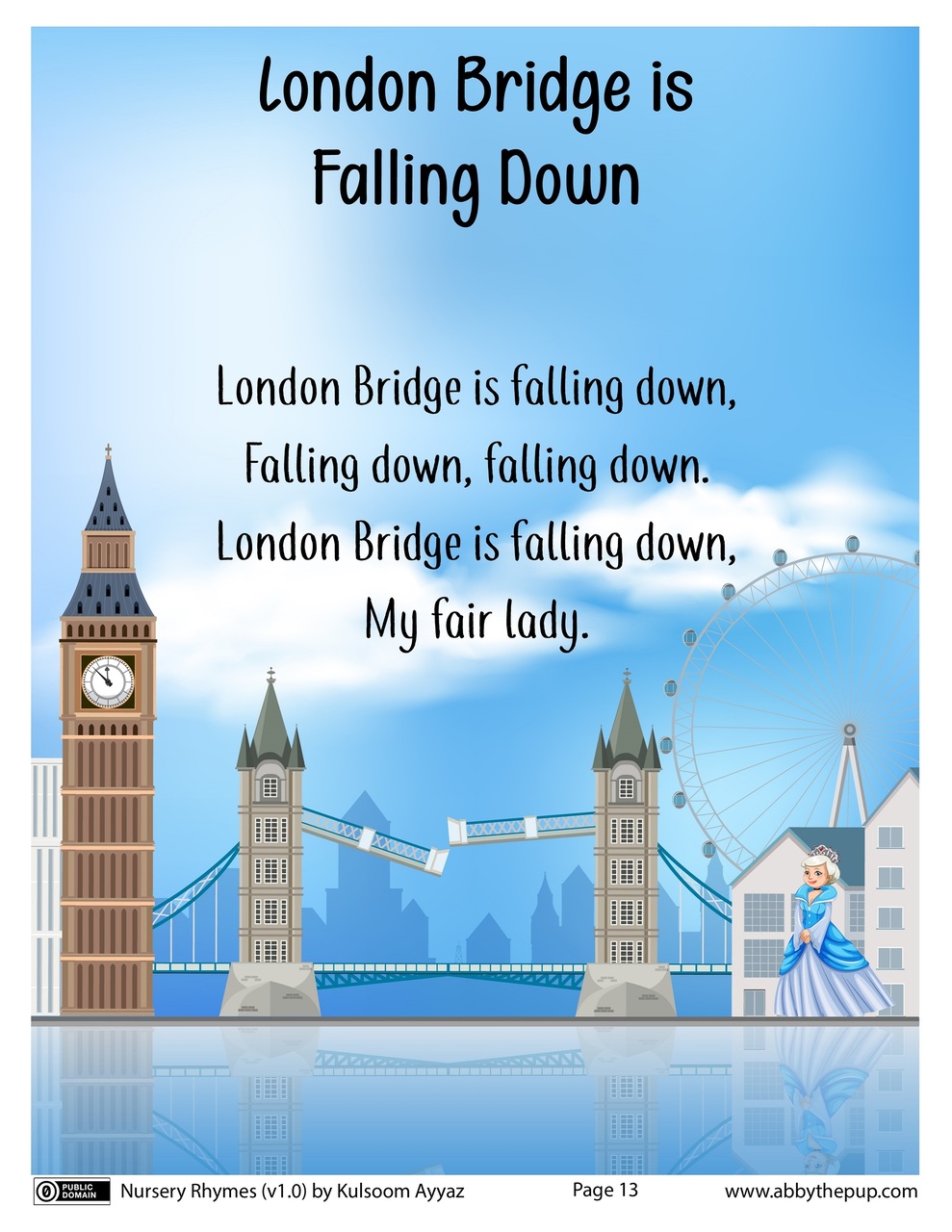
This rhyme reflects centuries of anxiety about one of England’s most important structures. Historical records show London Bridge collapsed, burned, or suffered damage multiple times due to fires, floods, and attacks. The bridge was essential for trade, defense, and daily movement, so its failure carried serious consequences. Folklorists also note connections to ancient beliefs that important buildings required human sacrifice to remain standing, a fear reflected in the rhyme’s darker verses. While there is no evidence that such sacrifices occurred, the belief itself reveals how people explained repeated structural failure before modern engineering. When you sing this rhyme, you echo a city’s struggle to maintain stability in the face of constant threat, wrapped in a tune simple enough for children but rooted in adult fear.
6. Humpty Dumpty
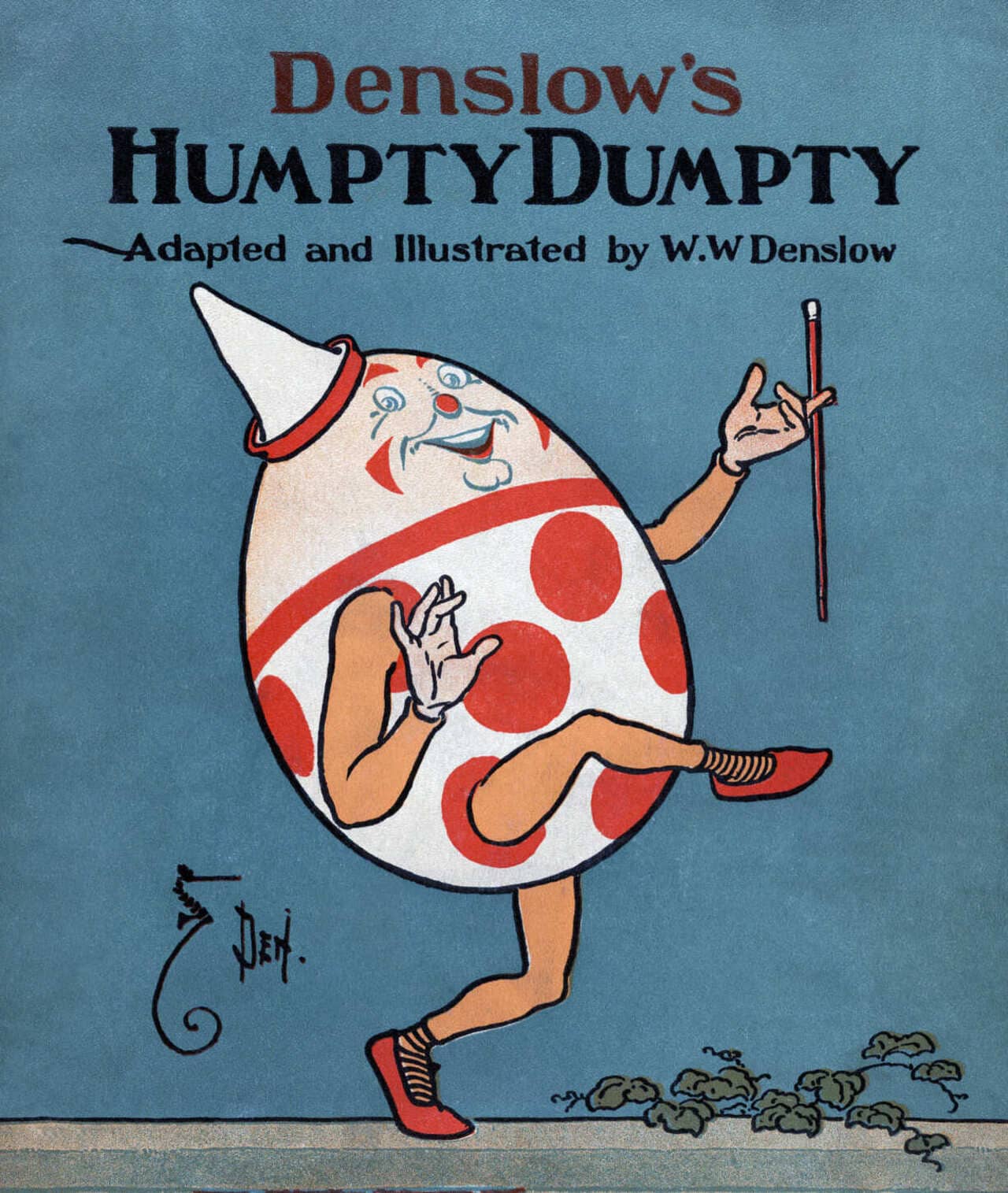
You probably imagine an egg, but early versions of this rhyme never mention one. Civil War historians suggest Humpty Dumpty symbolized a large Royalist cannon stationed on a wall during the English Civil War. When the cannon fell, it could not be repaired or repositioned, representing a decisive loss for the king’s forces. The line about all the king’s horses and all the king’s men failing to fix it reflects the limits of power once momentum is lost. You are not reciting nonsense but a metaphor for irreversible political defeat. Over time, illustrators turned Humpty into an egg, softening the image for children, but the original meaning reflects how people used rhyme to process the chaos and finality of war.
7. Three Blind Mice
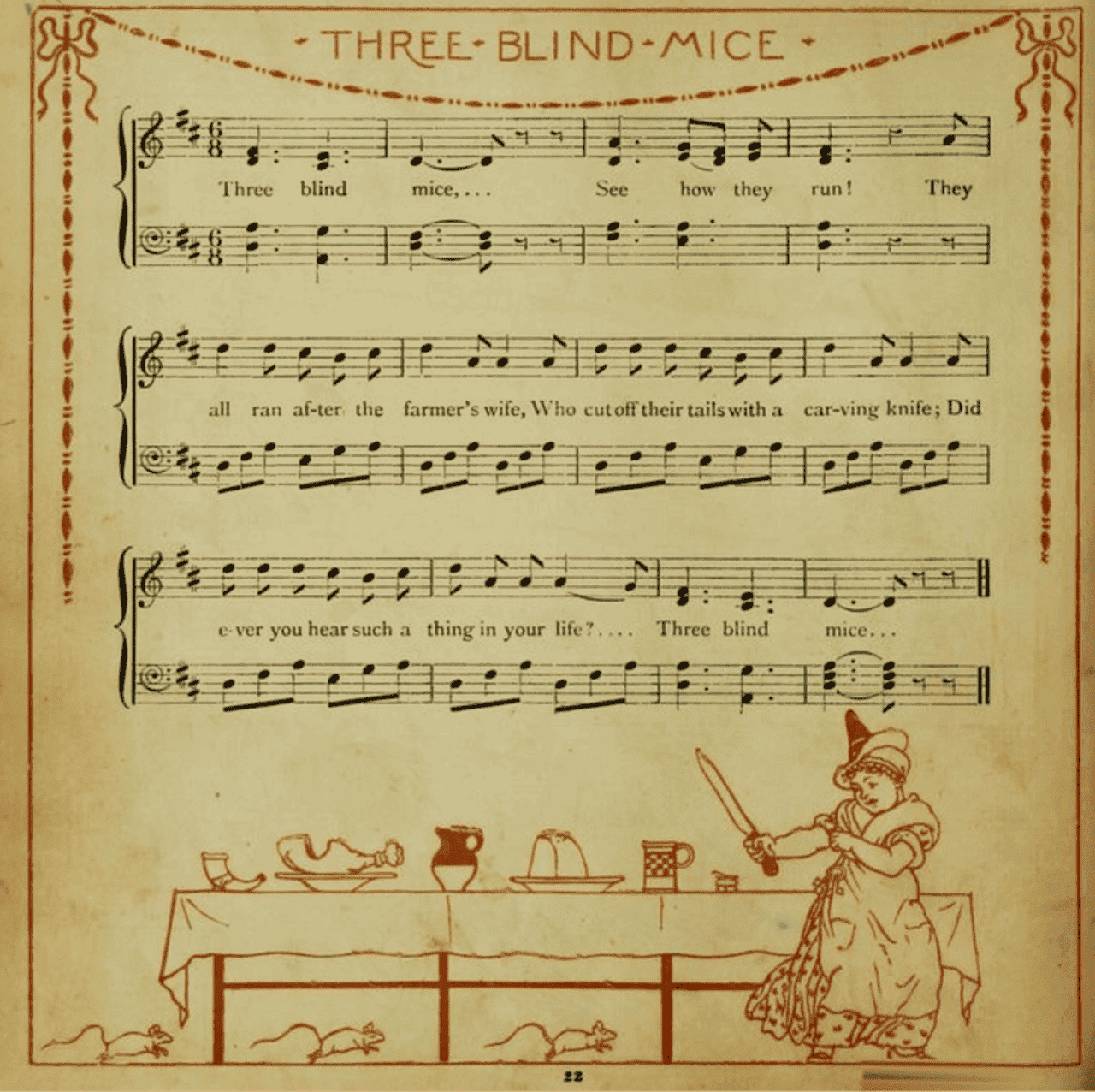
This rhyme is often linked to religious violence during the reign of Queen Mary I. According to Tudor historians, the “three blind mice” may represent Protestant bishops who were executed for refusing to abandon their faith. The “farmer’s wife” is interpreted as the queen herself, wielding authority through persecution. Whether every element maps precisely onto real individuals remains debated, but scholars agree the rhyme reflects a period of intense fear and punishment tied to religious identity. When you repeat it, you are hearing how violence became normalized through metaphor. The rhyme allowed people to encode trauma into culture, passing it down quietly long after the executions themselves faded from public discussion.
8. Rock-a-Bye Baby
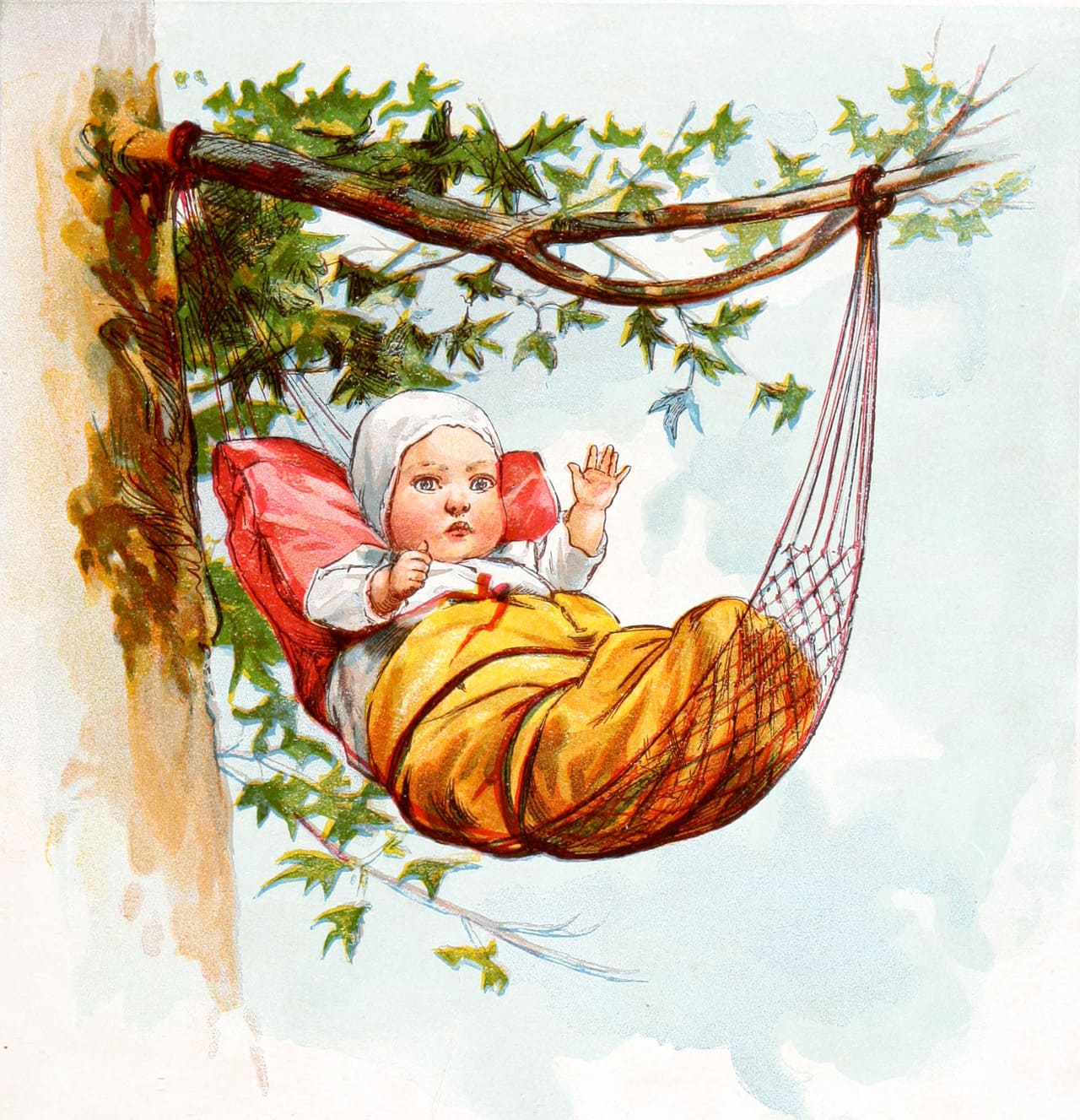
This lullaby carries deep anxiety beneath its gentle rhythm. Folklorists note that infant mortality was extremely high when the rhyme emerged, and parents lived with constant fear of loss. The image of a cradle perched in a treetop reflects instability, while the fall represents sudden death or the collapse of hopes tied to inheritance and survival. Some historians also link the rhyme to political tension, suggesting it symbolized fears or wishes surrounding royal heirs. When you hear the cradle fall, you are not hearing comfort but vulnerability. The lullaby reflects how people tried to soothe children while living in a world where safety was never guaranteed.
9. Goosey Goosey Gander
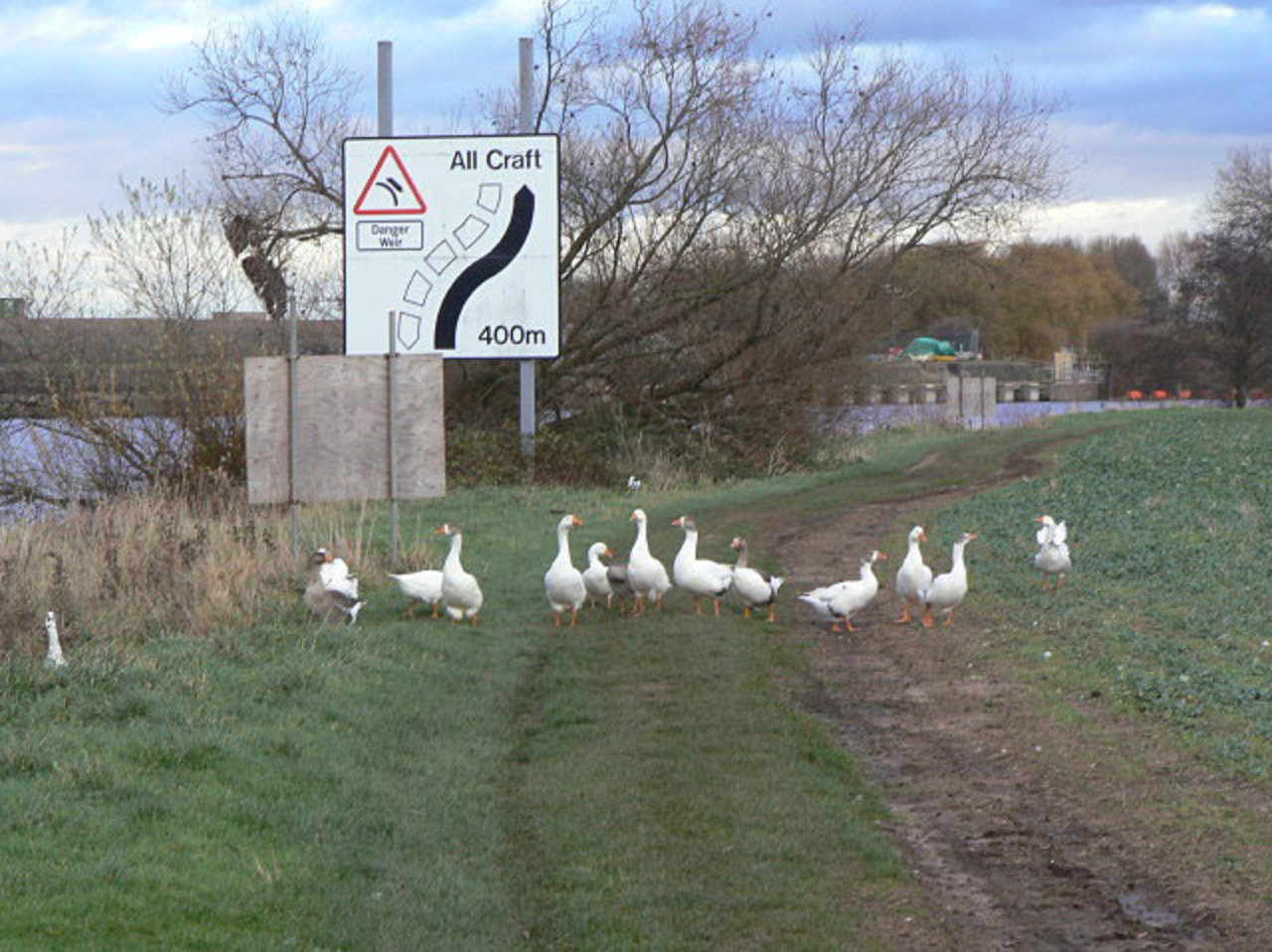
This rhyme reflects religious persecution following England’s break from the Catholic Church. Historical research from the British Folklore Society suggests the “old man who would not say his prayers” represents Catholic priests hiding during Protestant rule. Forcing him down the stairs mirrors raids, arrests, and punishments that followed religious nonconformity. You are repeating a memory of fear shaped by law and belief. The rhyme preserved hostility and trauma long after the immediate danger passed. What sounds playful now once carried real tension, serving as a reminder of how deeply religious conflict reached into everyday homes.
10. Little Bo Peep
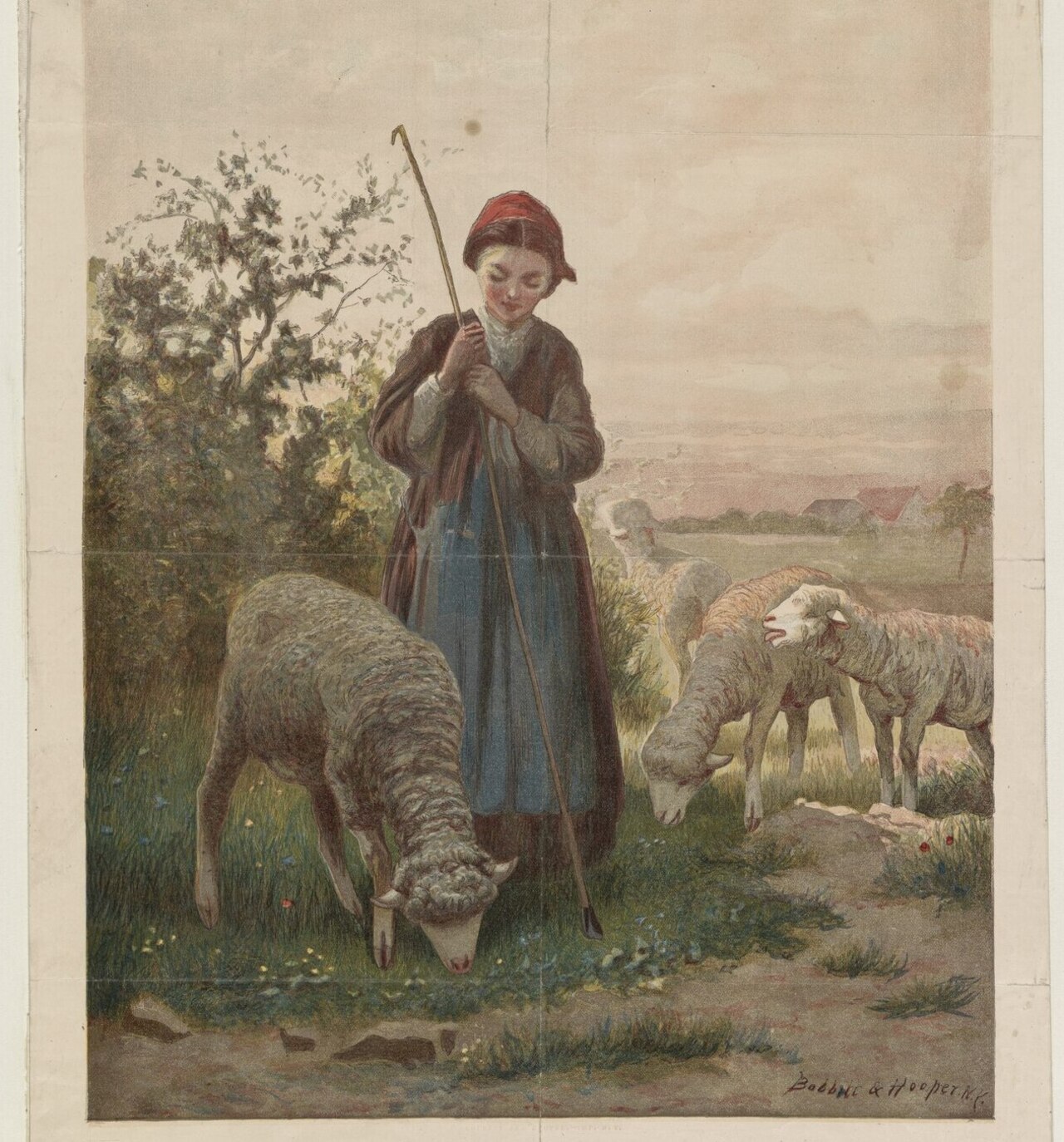
This rhyme reflects the harsh economic realities of rural life. For shepherds, losing sheep meant losing income, food, and security. Agricultural historians explain that the rhyme’s advice to leave the sheep alone reflects folk wisdom shaped by experience rather than fantasy. Sheep often returned on their own, and chasing them could make things worse. When you hear this rhyme, you are hearing practical guidance passed through song. It taught patience and trust in natural patterns, values essential for survival in agrarian communities. What sounds gentle now once carried serious stakes for families who lived one bad season away from hardship.