
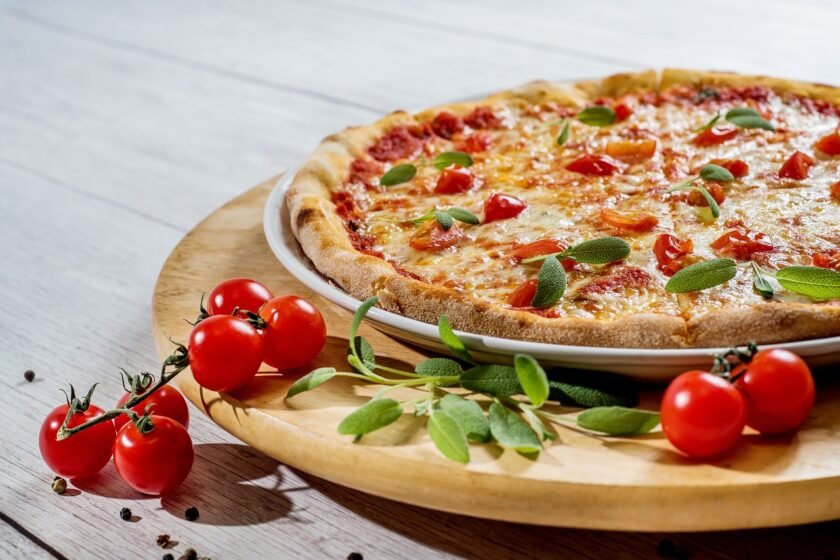
You probably do not remember the first time you had pizza, but you remember how it felt. The booth was sticky, the lighting was warm, and the slice in front of you felt impossibly big. These pizza chains were not just places you ate. They were where birthdays happened, where sports teams celebrated, and where your parents let you order soda without asking questions. Long before food delivery apps and gourmet toppings, these spots shaped how you learned to love pizza. Their smells, menus, and dining rooms locked themselves into your memory. Even now, walking past one can pull you straight back to being a kid with paper napkins and zero responsibilities.
1. Pizza Hut
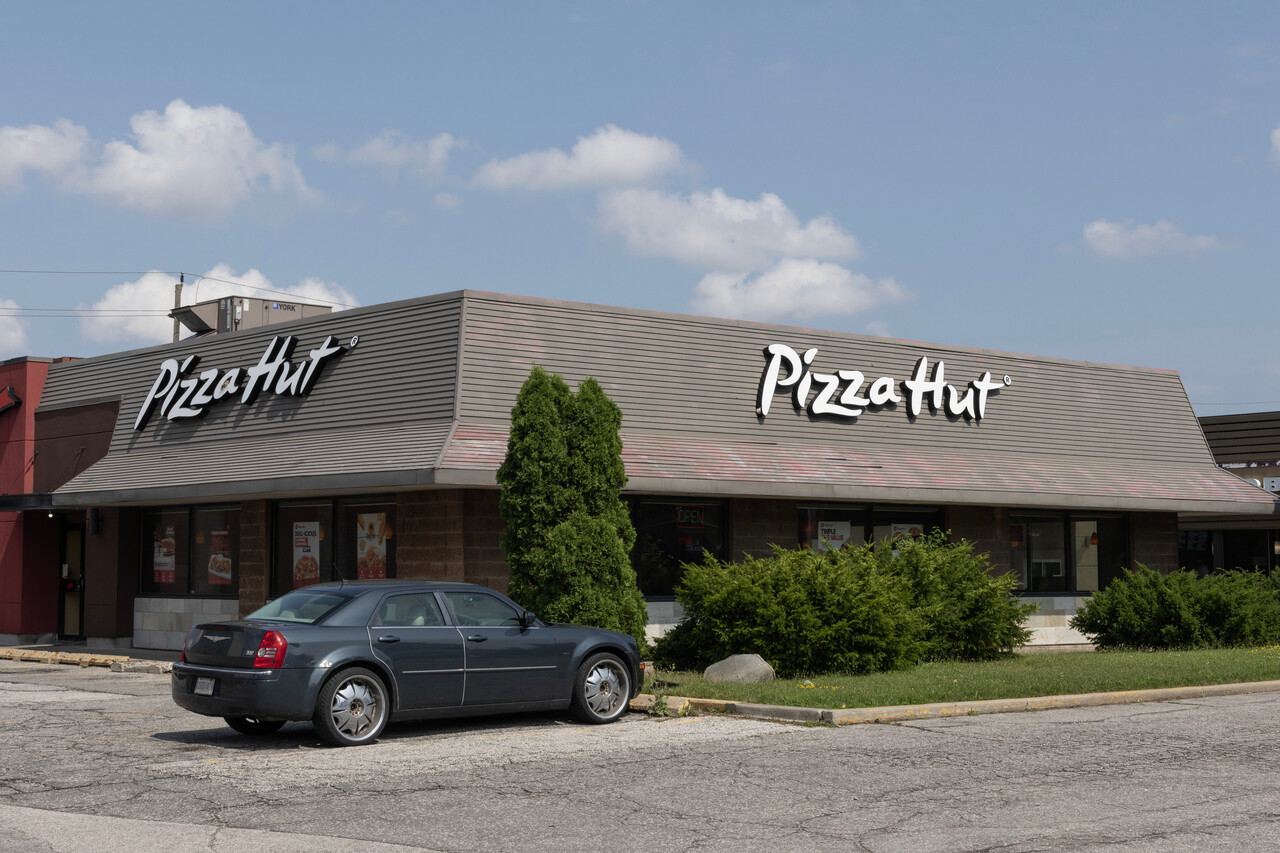
You did not just eat at Pizza Hut. You sat down. That mattered. The red roof buildings, vinyl booths, and heavy pan pizzas made the meal feel like an event. Pizza Hut leaned into family dining through the 80s and 90s, with arcade games, pitchers of soda, and the iconic Book It! program that rewarded you with personal pan pizzas for reading. According to company history and education partners, millions of kids associated Pizza Hut with achievement and reward. The deep dish crust, slightly sweet sauce, and bubbling cheese created a flavor profile you still recognize instantly. When you think of childhood pizza nights, this is often the picture that comes first.
2. Domino’s
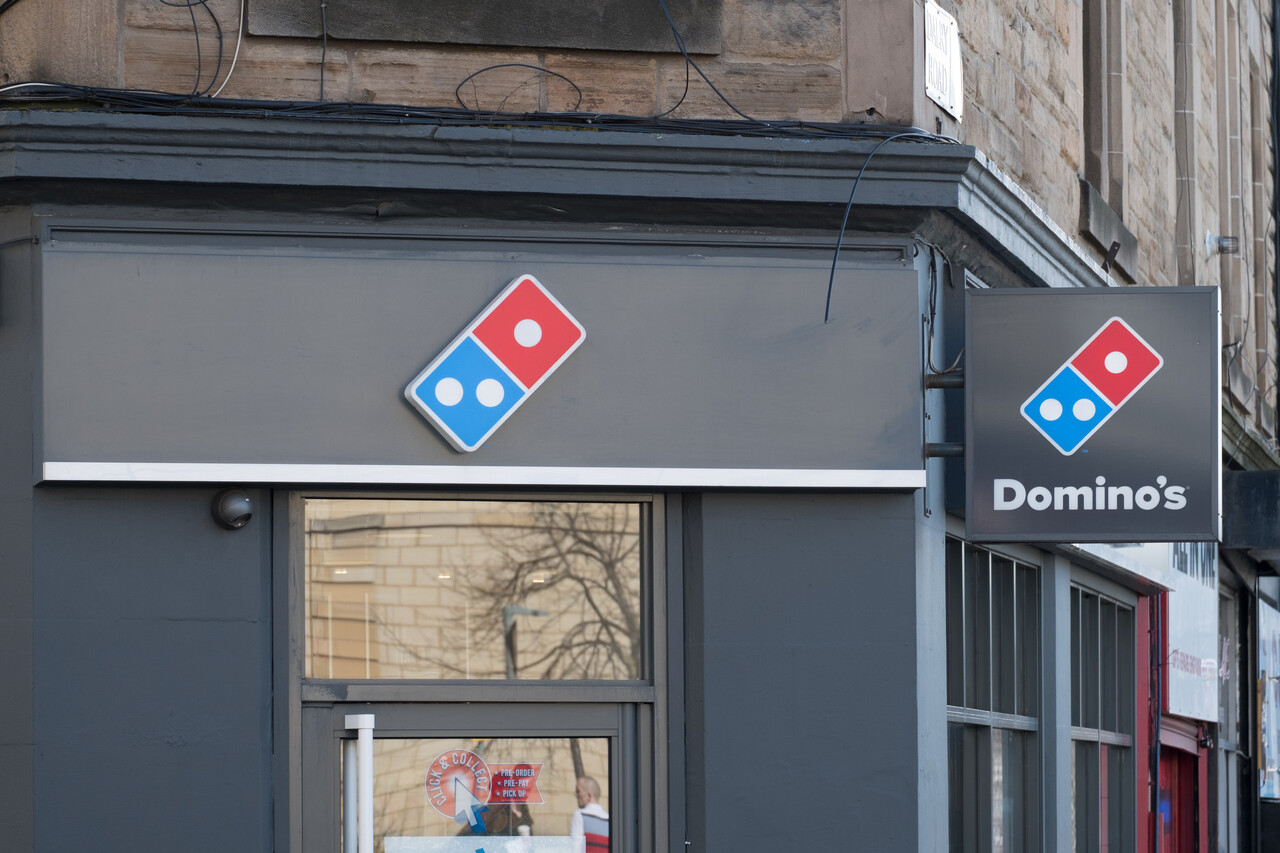
Domino’s entered your life fast and loud. It taught you that pizza could show up at your door, hot and predictable, while you waited in socks for the doorbell to ring. The chain built its reputation on delivery speed in the late 80s and 90s, something business historians credit with changing how Americans ordered food. As a kid, you cared less about the business model and more about the cardboard box, the garlic smell, and the feeling that dinner arrived just for you. Domino’s became the default for sleepovers, movie nights, and late homework evenings, locking itself into your memory through repetition and reliability.
3. Little Caesars
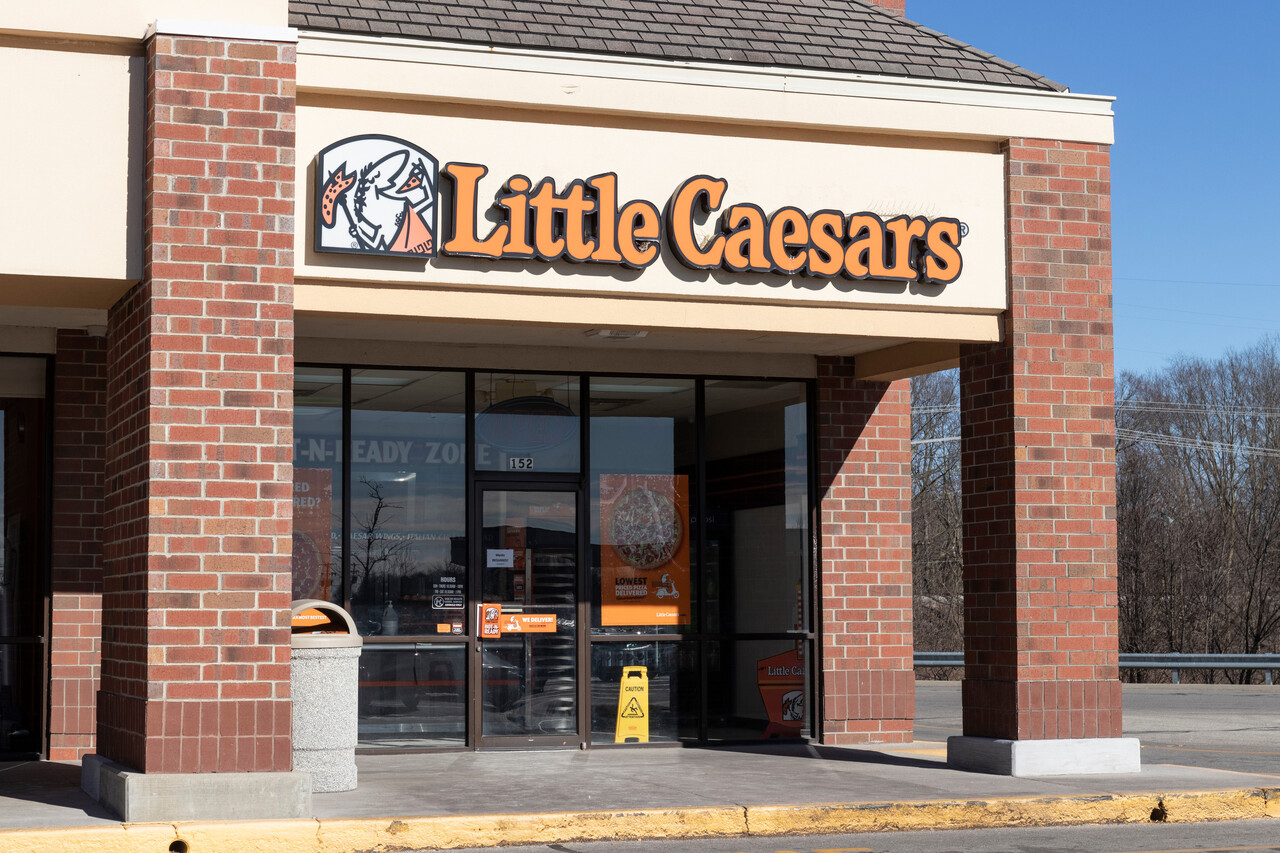
Little Caesars felt magical because it broke a rule. You did not wait. You walked in and walked out with pizza. The Hot-N-Ready model, introduced nationally in the 90s, made pizza feel spontaneous and generous, especially for families watching their budgets. You remember the bright orange branding, the paper sleeves, and the way the cheese stretched even when the pizza cooled. Industry coverage from QSR Magazine often credits Little Caesars with normalizing value pricing without shrinking portion size. As a kid, what stuck was simpler. You could get pizza now, not later, and that felt like winning.
4. Chuck E. Cheese
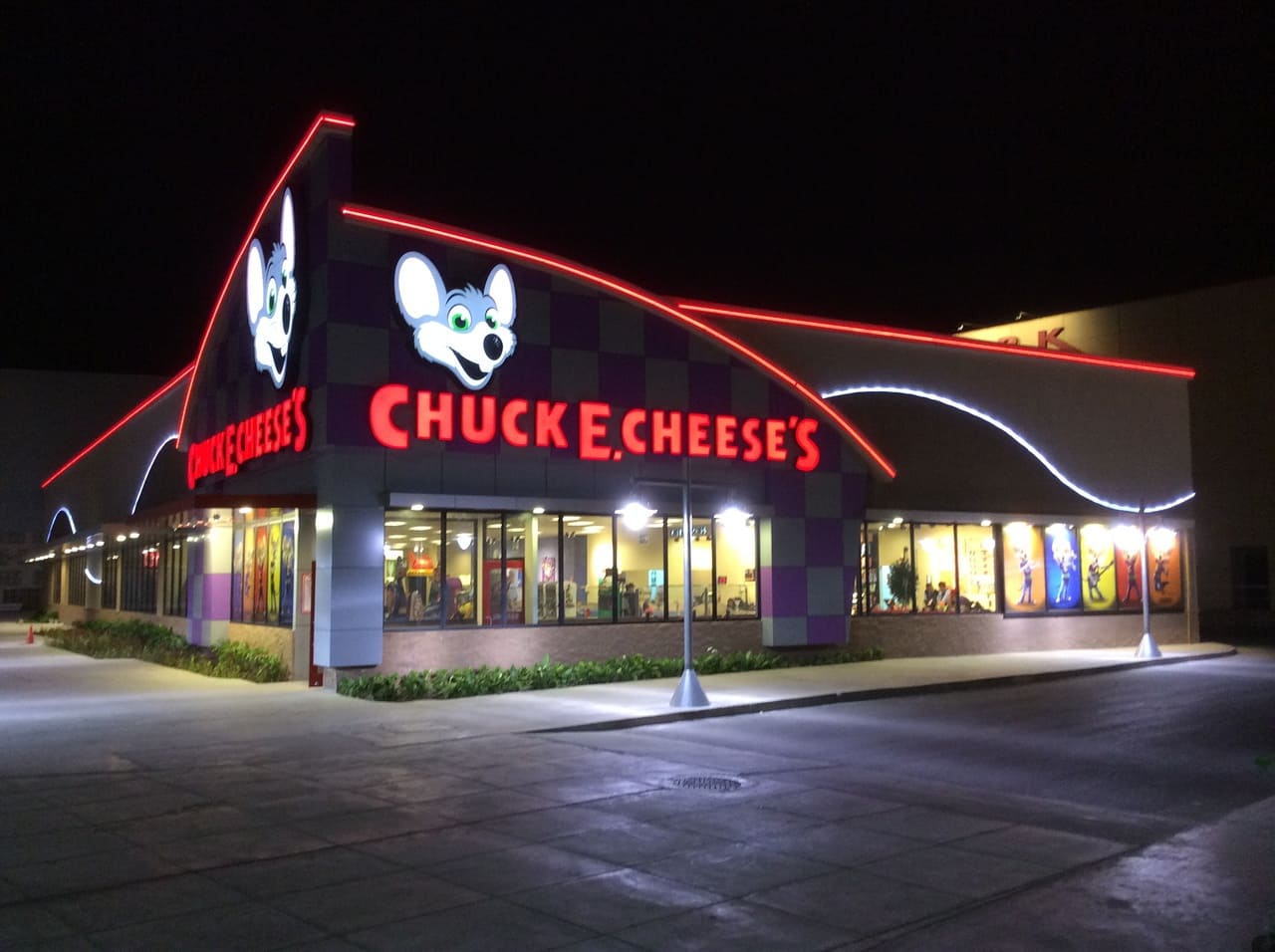
Chuck E. Cheese tied pizza to celebration in a way no other chain did. Founded as an entertainment restaurant, it used pizza as the fuel for birthday parties, arcade marathons, and sensory overload. You remember the thick crust, the slightly sweet sauce, and the trays stacked with slices while animatronic shows played nearby. Over the years, the company adjusted recipes and sourcing, but pizza remained central to the experience, according to corporate food disclosures. As a child, you did not analyze quality. You associated pizza with tickets, prizes, and freedom. That connection is why the taste still triggers instant nostalgia.
5. Papa John’s
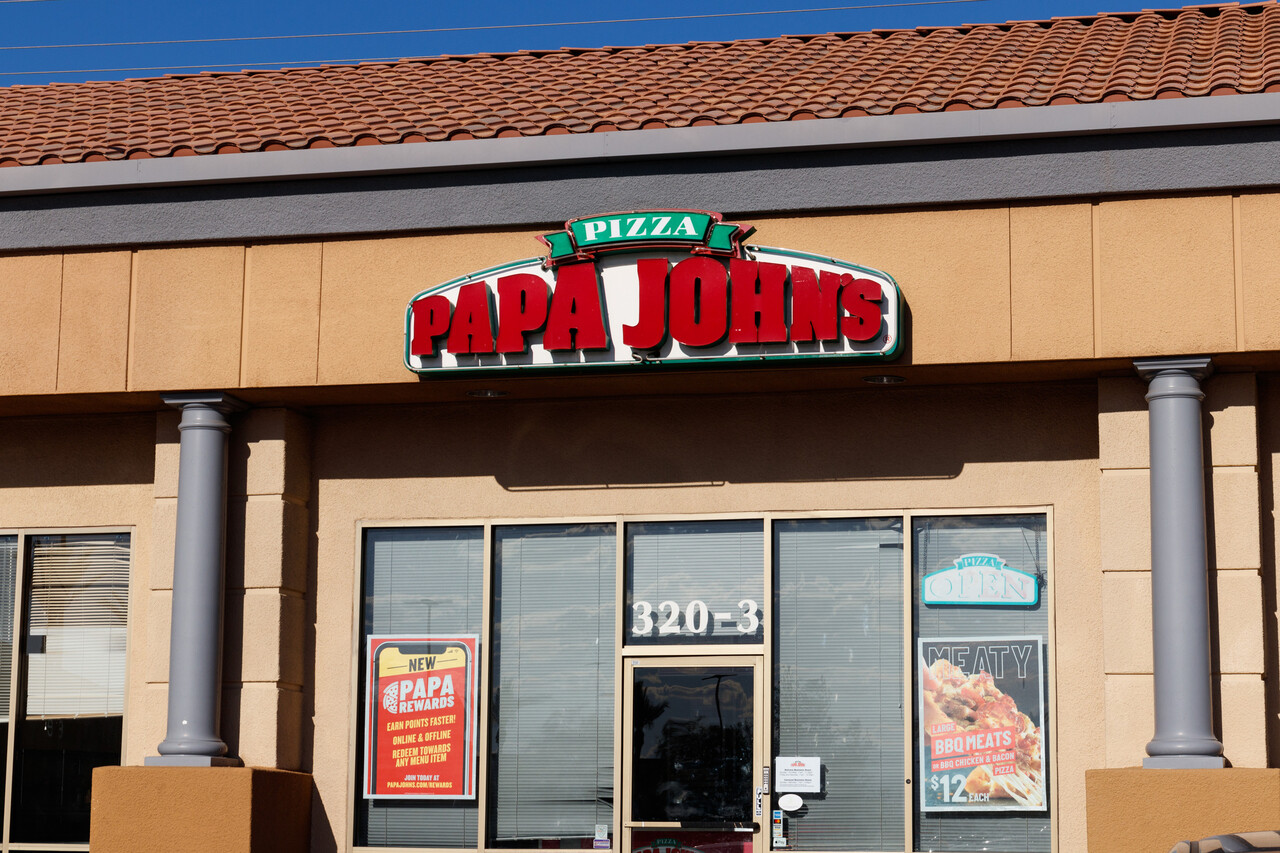
Papa John’s arrived in your childhood promising something specific. Better ingredients meant better pizza. The chain’s growth through the 90s put it squarely into family dinner rotations and sports sponsorships, especially through NFL partnerships. You remember the garlic dipping sauce as much as the pizza itself, because it felt like an extra you were not supposed to get. Food industry analysts often cite Papa John’s for pushing ingredient transparency earlier than competitors. As a kid, what mattered was that it felt slightly upgraded while still being familiar. It was pizza that made you feel grown up without leaving your comfort zone.
6. Sbarro
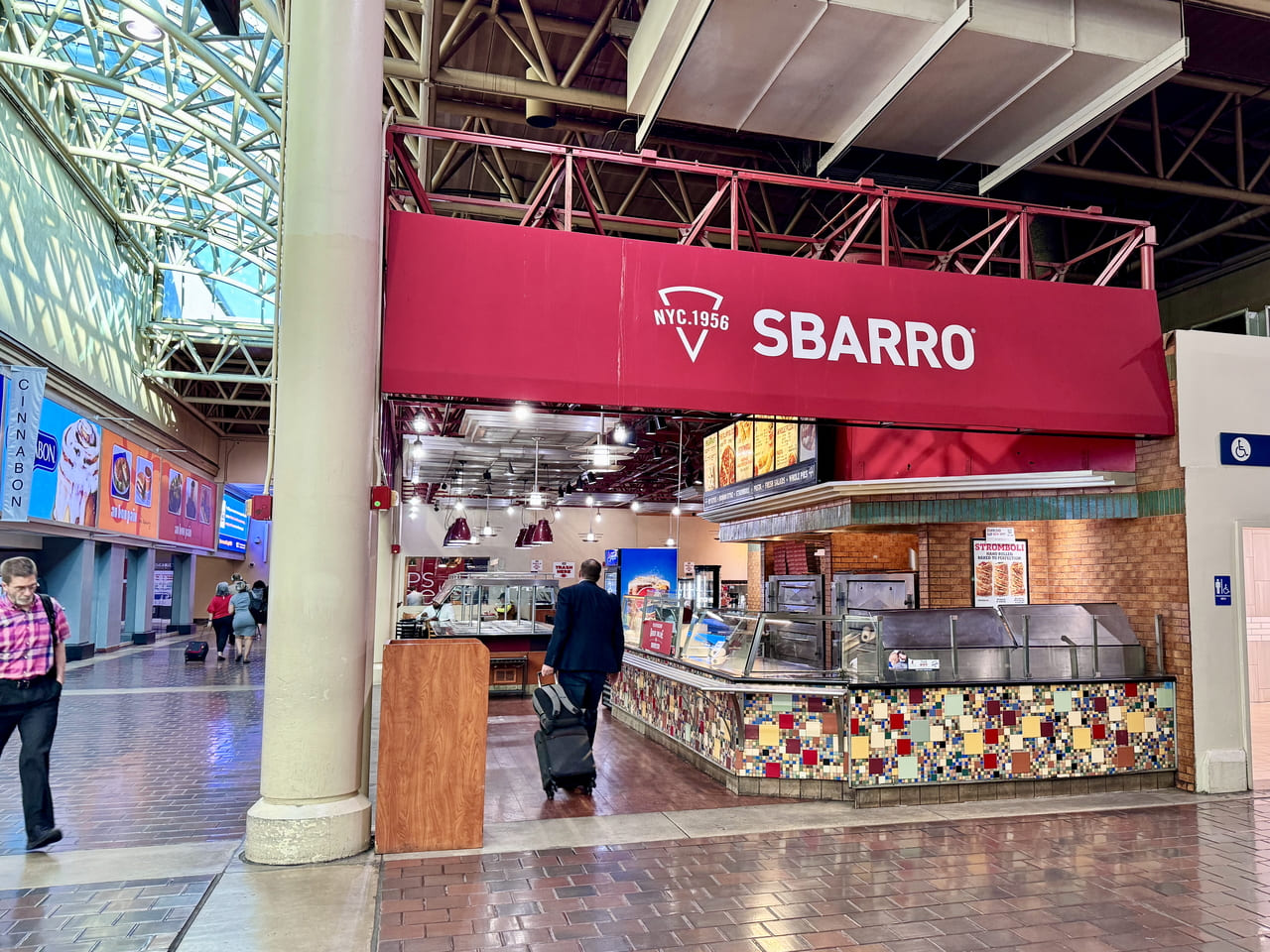
Sbarro lived in malls, airports, and food courts, which meant it showed up during weekends and special outings. You did not plan to eat there. You discovered it while shopping for sneakers or waiting for a movie. The oversized slices, thick crust, and visible trays of pizza gave you the feeling of abundance. Founded on New York–style pizza principles, Sbarro adapted its model for high-traffic spaces, according to retail food studies. As a kid, you remember pointing at slices behind glass and watching them get reheated just for you. That moment still feels vivid. You also remember the smell hitting you before you even saw the counter, a mix of baking dough and melted cheese that made stopping feel inevitable.
7. Shakey’s Pizza
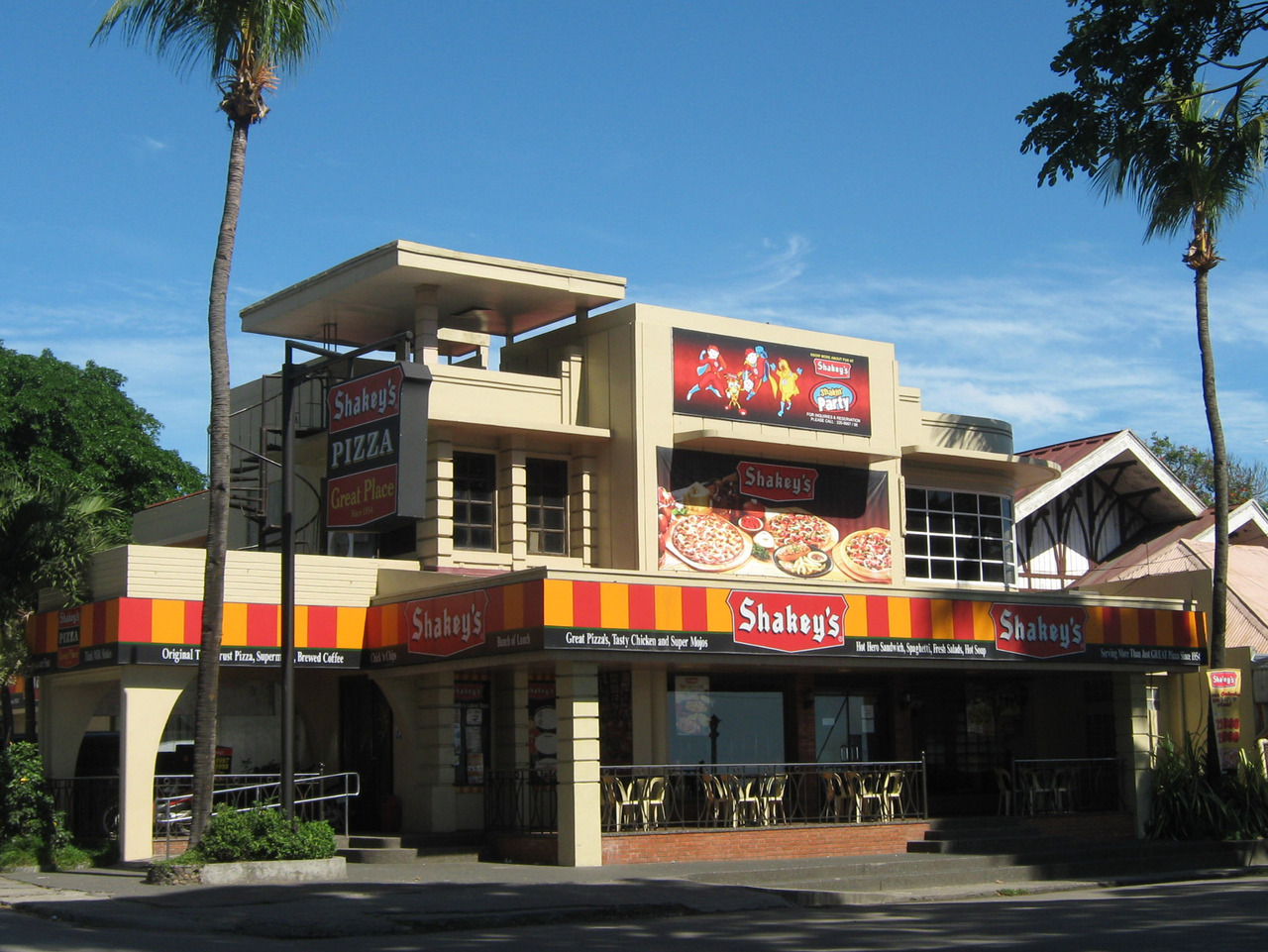
Shakey’s made pizza social before you knew what that meant. With communal tables, live music in some locations, and a focus on group dining, it created an atmosphere that felt louder and looser than home. Founded in the 1950s, Shakey’s became a staple for families and teams through the 70s and 80s, especially in the western U.S., as documented in restaurant history archives. You remember thin crust pizza, fried chicken sides, and the sense that you were part of something bigger than your plate. For many kids, Shakey’s was where pizza first felt like a party. You remember the long tables filling up fast, the constant hum of voices, and the feeling that staying a little longer was part of the deal rather than something you had to ask for.