
Twelve Cities with Rising Ride-Share Safety Complaints
Ridesharing reshaped city travel, but safety concerns are shaping public discourse. Riders prize ease of use, yet incidents involving misconduct, crashes, and security gaps keep surfacing. City scale, tourism, nightlife, and congestion often affect complaint patterns. Municipalities and operators monitor reports via hotlines, lawsuits, and media coverage. This piece spotlights twelve metros where ride-share safety concerns have gained rising attention in recent years. Each locale shows distinct conditions rather than the same issues. The emphasis centers on documented trendlines, public disclosures, and the environmental factors that mold rider experiences across varied urban landscapes.
New York City
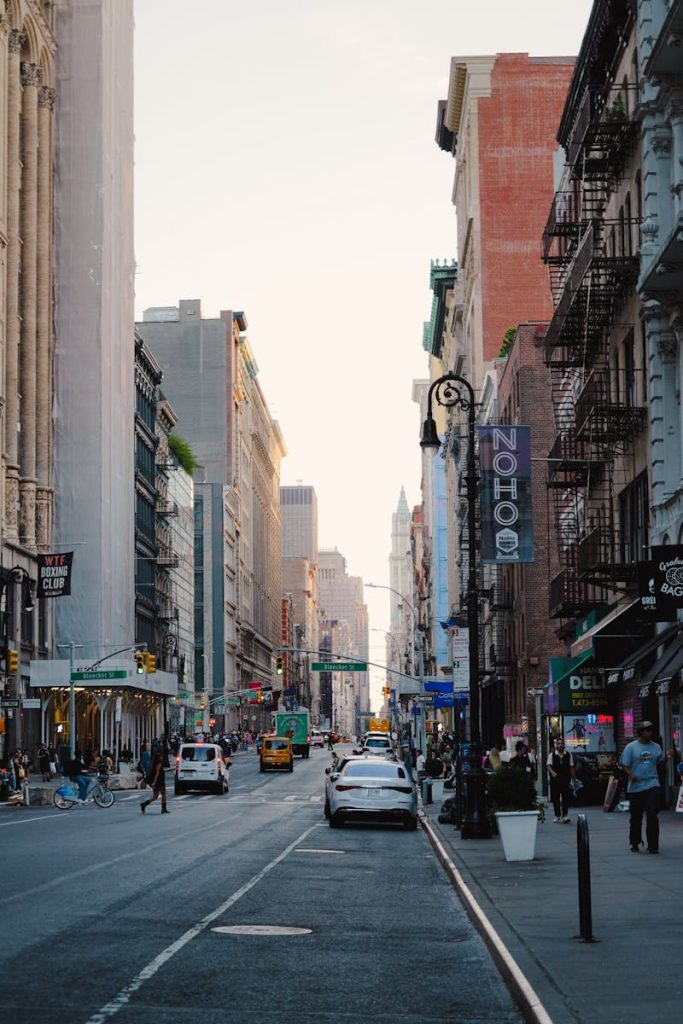
New York City consistently yields substantial ride-share safety complaints simply because of its size. With millions of trips each day, riders are exposed to more incidents such as traffic crashes, aggressive driving, and passenger disputes. Narrow streets, chronic congestion, and late-night travel heighten risk. Investigations by media and city agencies reveal ongoing worries about driver screening and response times. Tourism and nightlife boost usage, notably on weekends. Although the majority of trips end without incident, the sheer scale amplifies reported problems. Regulators keep a vigilant eye, weighing mobility needs against rider safety in one of the country’s busiest urban transit hubs.
Los Angeles
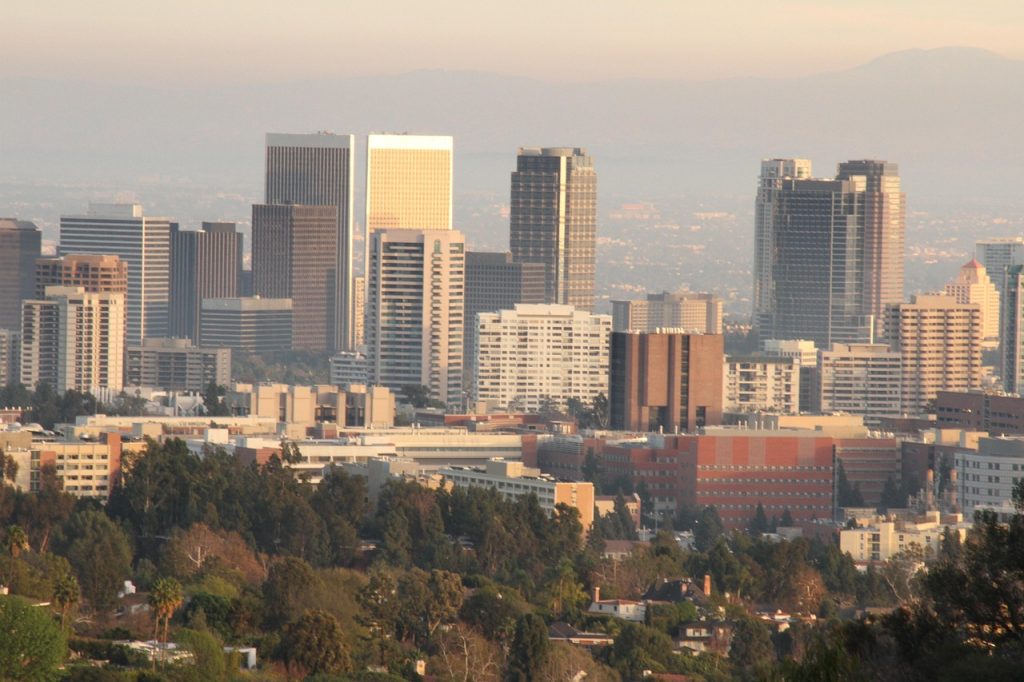
Los Angeles faces distinctive ride-share safety hurdles driven by vast distances and car-centric living. Longer rides boost fatigue-related risks, and highway travel can intensify crash severity. Reports frequently cite distracted driving, speeding, and misnavigation amid intricate street grids. Late-night entertainment districts spur incidents involving intoxicated passengers and confrontations. The city’s sprawling layout makes swift response more difficult. Media reports and court filings keep spotlighting persistent concerns. With continued dependence on ride-share, safety dialogue persists as traffic density, longer travel times, and nightlife ethos intersect in Southern California’s biggest metro area.
Chicago
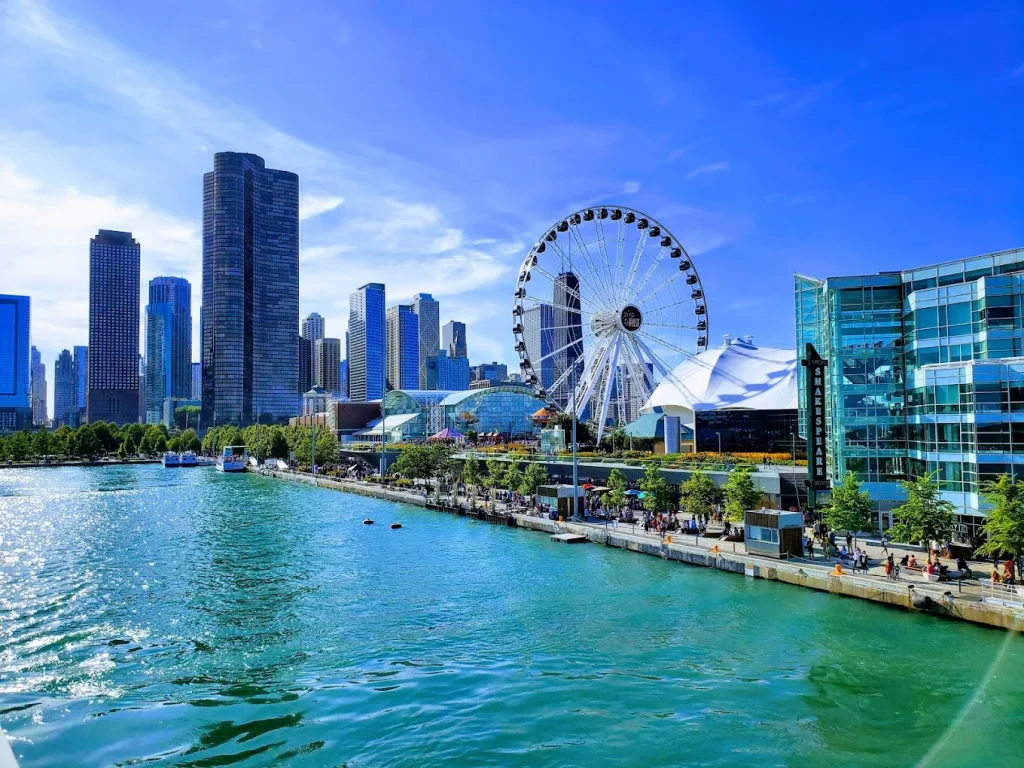
Chicago sees escalating ride-share safety complaints linked to seasonal changes and dense urban corridors. Winter conditions bring slick roads and limited visibility. Reports also mention drivers unfamiliar with particular neighborhoods and slower responses. Elevated usage during events and nightlife amplifies passenger disputes. Downtown congestion raises the risk of crashes. City agencies and public reporting channels document these trends consistently. Although a large number of riders depend on services daily, safety focus intensifies as usage climbs. Chicago’s blend of tourism, harsh weather, and bustling streets sustains worries about ride-share dependability and rider safety.
San Francisco

San Francisco continues to be linked with ride-share expansion, yet safety concerns persist. The steep hills, tight lanes, and busy foot traffic complicate driving. Incidents often involve sudden stops, curbside disagreements, and interactions with cyclists. Large numbers of tourists add navigation hurdles for drivers. Nightlife districts boost late-night trips, elevating exposure to risk. Public records and media reporting reveal continuing challenges despite tech advances. With ride-share woven into everyday commuting, safety talks endure. San Francisco’s dense, multi-modal layout demands vigilant, careful driving to curb complaint rates citywide.
Houston

Houston’s ride-share safety grievances mirror its vast road network and sparse public transit options. The long distances prompt frequent reliance on rides for everyday trips. Reports commonly cite highway speeding, missed turns, and aggressive driving. Severe weather, such as heavy rainfall, raises crash risk. Late-night trips to entertainment zones contribute to incidents. The metropolis’s scale makes oversight and coordination harder. Public worry rises as ridership grows. Houston’s driving culture and infrastructure underscore the need for driver judgment and situational awareness, shaping safety issues across this expansive metro area.
Miami
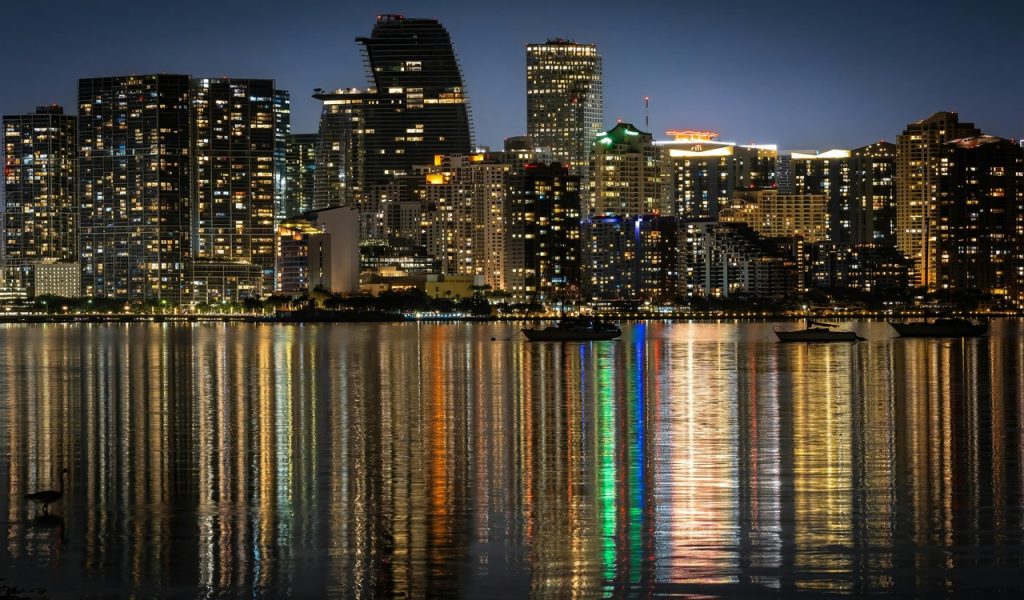
Miami’s ride-share safety concerns commonly tie to tourism and nightlife rhythms. The influx of visitors brings unfamiliar riders and drivers into crowded zones. Incidents involve reckless driving, language barriers, and late-hour disputes. Severe congestion and ongoing roadwork add to the difficulty. Seasonal crowds push demand higher, expanding risk exposure. Media probes emphasize repeated worries during peak travel periods. Miami’s blend of beaches, nightlife, and global visitors crafts conditions where safety expectations and communication hurdles intersect, fueling rising attention to ride-share behavior and rider experience in South Florida.
Atlanta
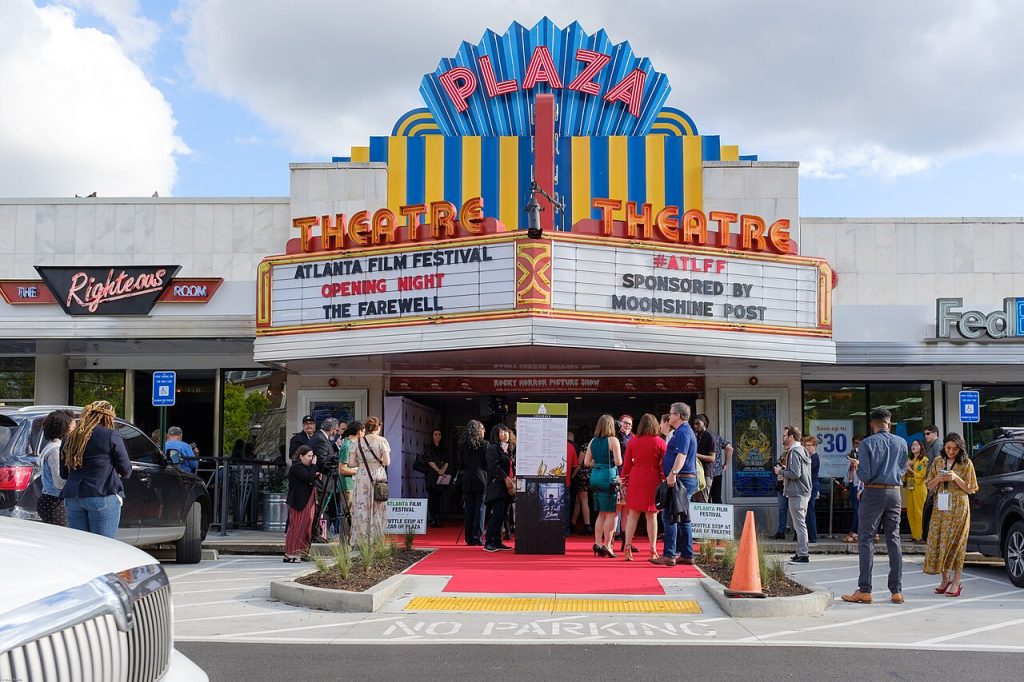
Atlanta is witnessing a rise in ride-share safety concerns tied to gridlock and rapid expansion. Wide suburbs and sparse public transit push heavy reliance on rides. Police reports frequently cite speeding, abrupt lane shifts, and confusion at intricate interchanges. Event traffic and nightlife push late-night rides higher. Prolonged travel times raise fatigue worries. Local media and lawsuits indicate growing focus. The city’s car-oriented design requires meticulous navigation and steady driver conduct. As the metro grows, safety oversight grows more apparent, underscoring how infrastructure strain and demand drive complaint trends in the region.
Philadelphia
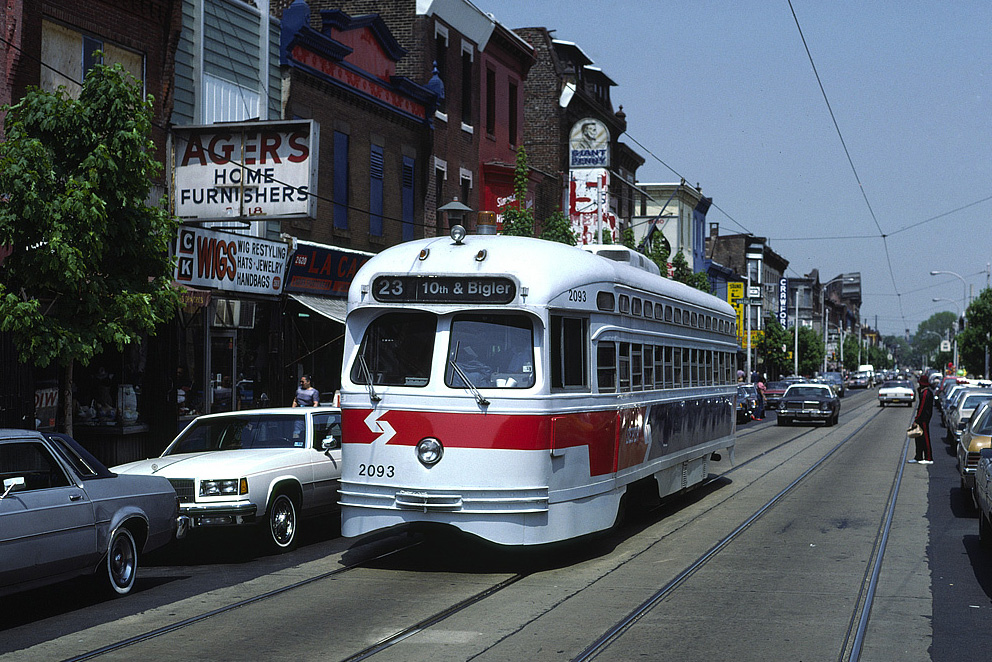
Philadelphia’s historic street grid creates hurdles for ride-share safety. Narrow lanes, uneven surfaces, and dense pedestrian zones complicate navigation. Reports include sudden stops, missed turns, and curbside clashes. Nightlife zones drive later trips. Visitors unfamiliar with the city add to the complexity. Media coverage and public complaint channels highlight rising worries. The blend of aging infrastructure and contemporary transport demands friction. With ride-share popular for short hops, focus on safe handling and rider awareness expands, echoing wider conversations about urban mobility safety in the city.
Seattle
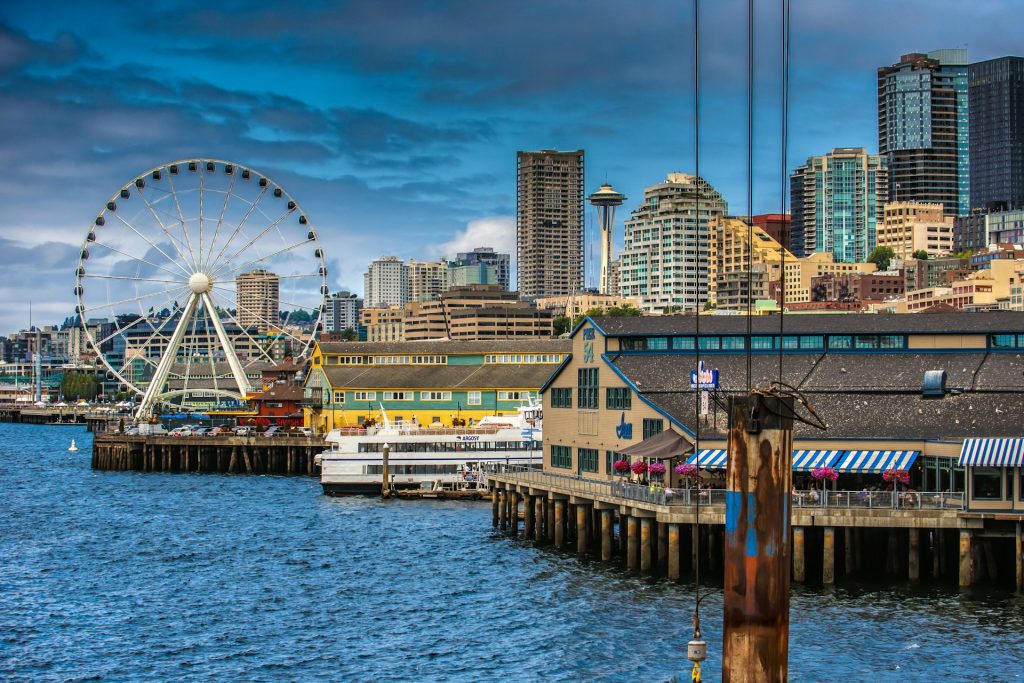
Seattle’s road-ride safety concerns frequently tie to weather and topography. Regular rainfall cuts visibility and road grip. Steep gradients test braking and acceleration. Reports cite distracted driving and late pickups. A strong tech workforce boosts commuter dependence on rides. Event traffic and nightlife push late-night demand. Public discourse frames safety as usage climbs. Seattle’s climate, elevation shifts, and dense neighborhoods demand vigilant driving, and these factors fuel growing attention to ride-share safety amid ongoing growth and shifting transit options.
Denver
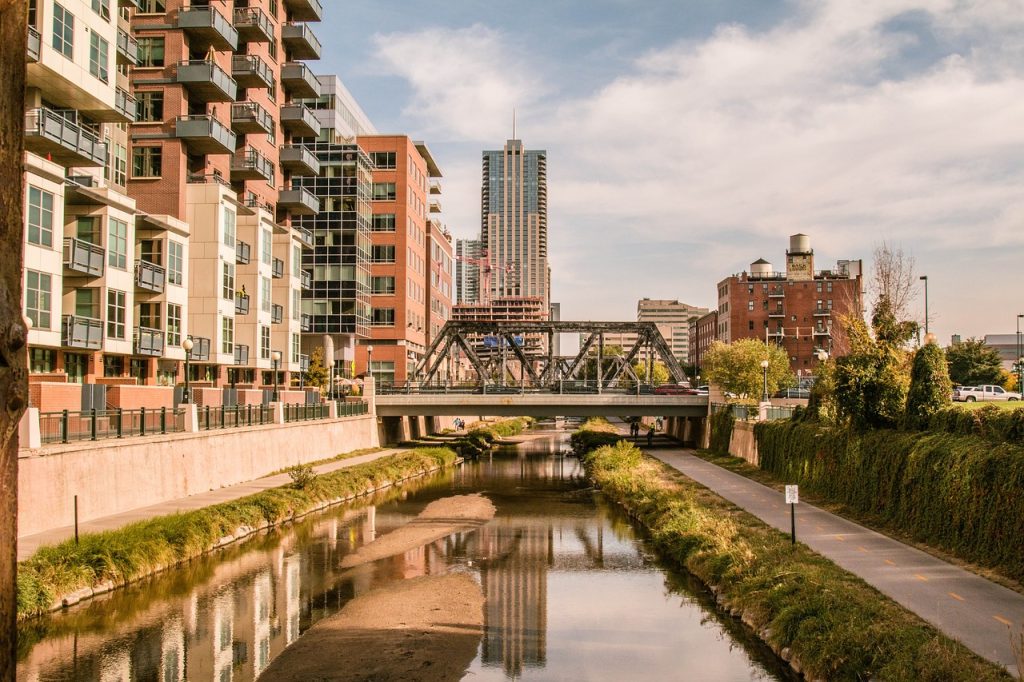
Denver’s ride-share safety concerns stem from altitude, climate, and tourism. Sudden snow squalls and slick roads create hazards for drivers. Tourists unfamiliar with mountain weather heighten risk. Reports frequently reference slower responses during peak seasons. Nightlife and events drive more late-night trips. Expanding suburbs lengthen trips, increasing fatigue. Local outlets flag growing attention to these matters. Denver’s outdoor-oriented culture and seasonal population shifts shape ride-share patterns. As demand rises, safety conversations stress readiness and adaptability for operating in rapidly changing conditions across the metro area.
Las Vegas
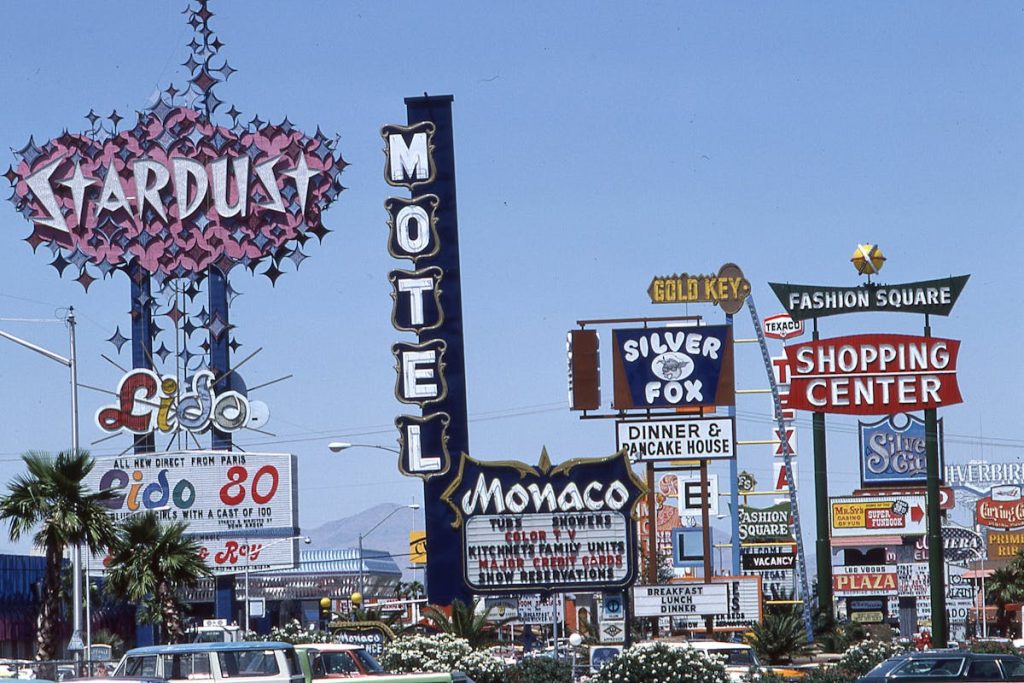
Las Vegas sees ride-share safety concerns linked to tourism and nonstop nightlife. Large numbers of intoxicated riders raise conflict and risk. Dense resort corridors complicate navigation. Incidents include aggressive driving and pickup miscommunication. Ongoing events keep demand steady 24/7. Media reporting underscores repeated worries during peak weekends. The city’s entertainment-driven economy fuels reliance on ride-share for visitors. Safety expectations vary among riders. With demand remaining high, emphasis on driver training and passenger management persists, illustrating how entertainment-driven transport shapes safety conversations in the city.
Washington, D.C.
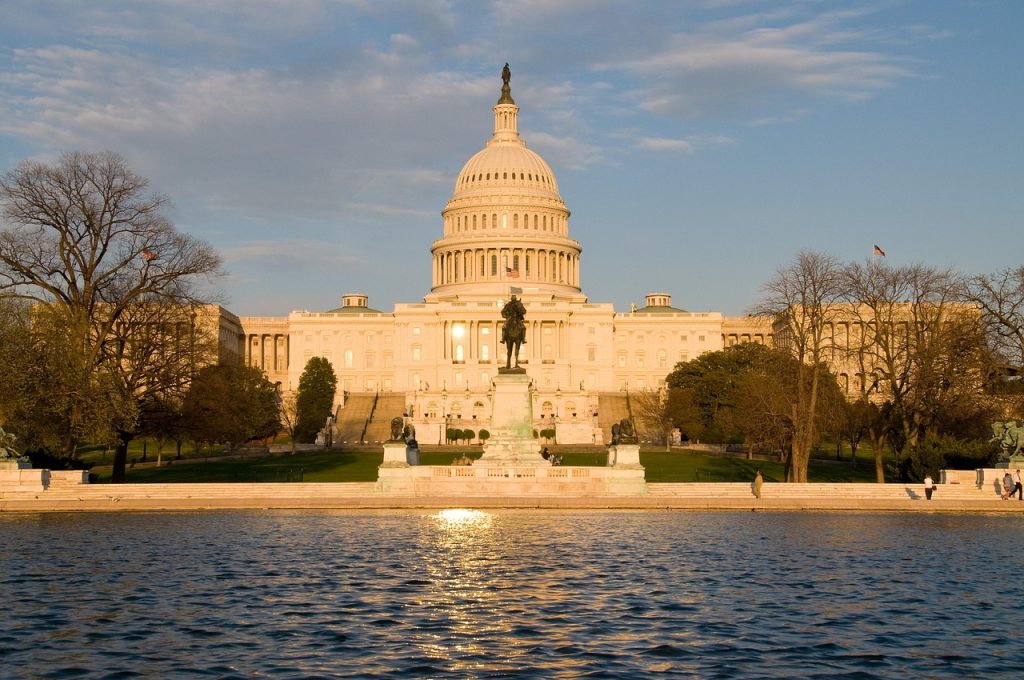
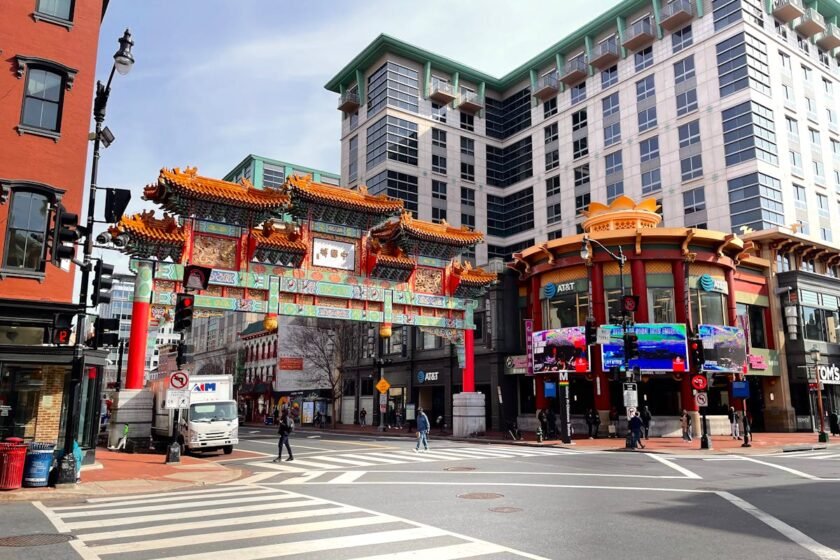
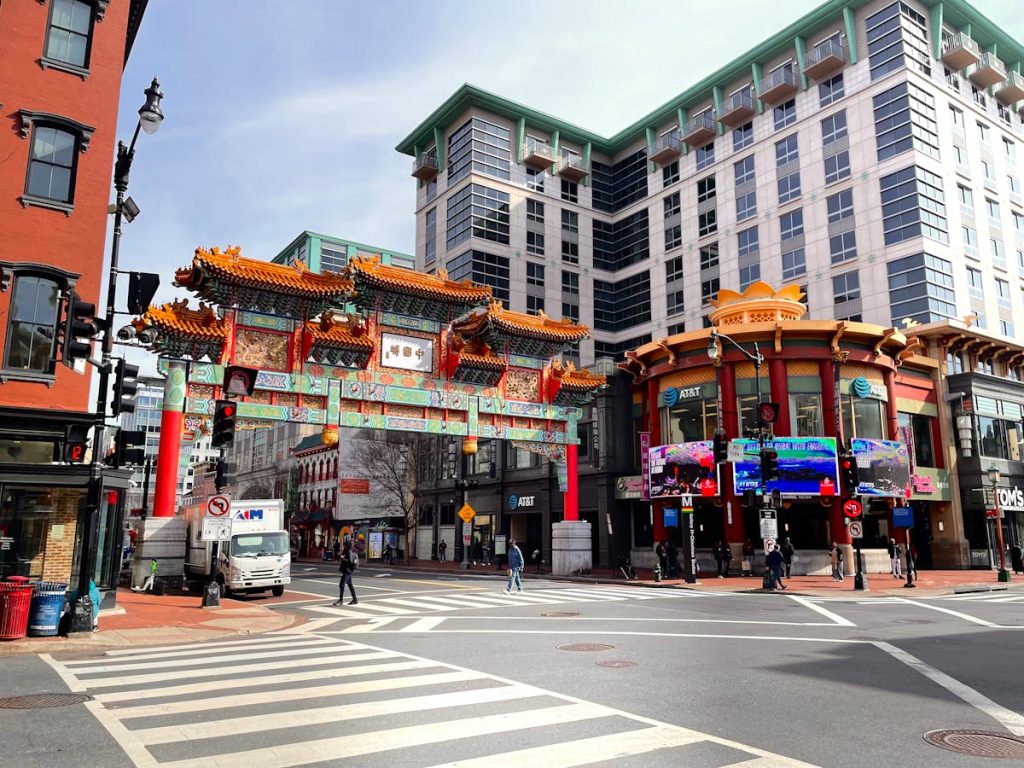
Washington, D.C. encounters ride-share safety concerns driven by traffic flow and regulatory complexity. Severe congestion, frequent road closures, and government events complicate driving. Reports commonly involve navigation gaps and late pickups. Late-night trips rise during events and nightlife. Visitors unfamiliar with local traffic rules contribute to incidents. Public oversight stays robust due to federal presence. Media coverage monitors complaint patterns over time. D.C.’s compact street grid and security considerations shape ride-share operations. As dependence grows, safety dialogue centers on coordination, driver vigilance, and uniform standards in the nation’s capital transit scene.