

Over the last few decades, rapid technological, cultural, and economic shifts have reshaped the business landscape. Many iconic American brands that once dominated markets struggled to adapt. Changes in consumer behavior, competition, and innovation cycles forced these companies to either reinvent themselves or fade into history. Their stories reveal lessons about flexibility and foresight in a fast-moving world.
Blockbuster

Blockbuster once dominated home entertainment with thousands of rental stores nationwide. The rise of streaming services like Netflix disrupted its business model. Despite brand recognition, failure to pivot to digital platforms caused bankruptcy. Consumers’ desire for instant, on-demand access revealed the risks of ignoring technological change and shifting habits.
Kodak

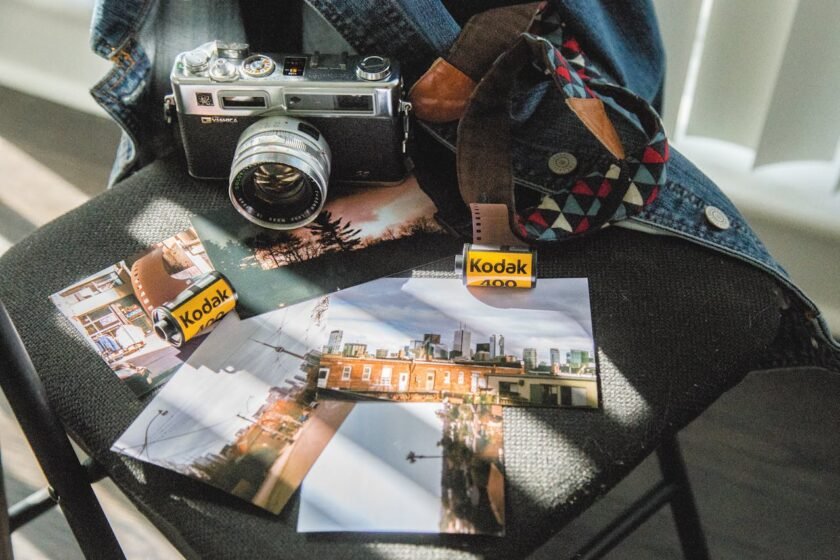
Kodak was synonymous with photography for decades. The company invented digital camera technology but hesitated to embrace it fully. As smartphones integrated high-quality cameras, Kodak’s film business collapsed. The brand struggled to remain relevant, illustrating how early innovators can falter without timely adaptation to market trends.
Toys “R” Us
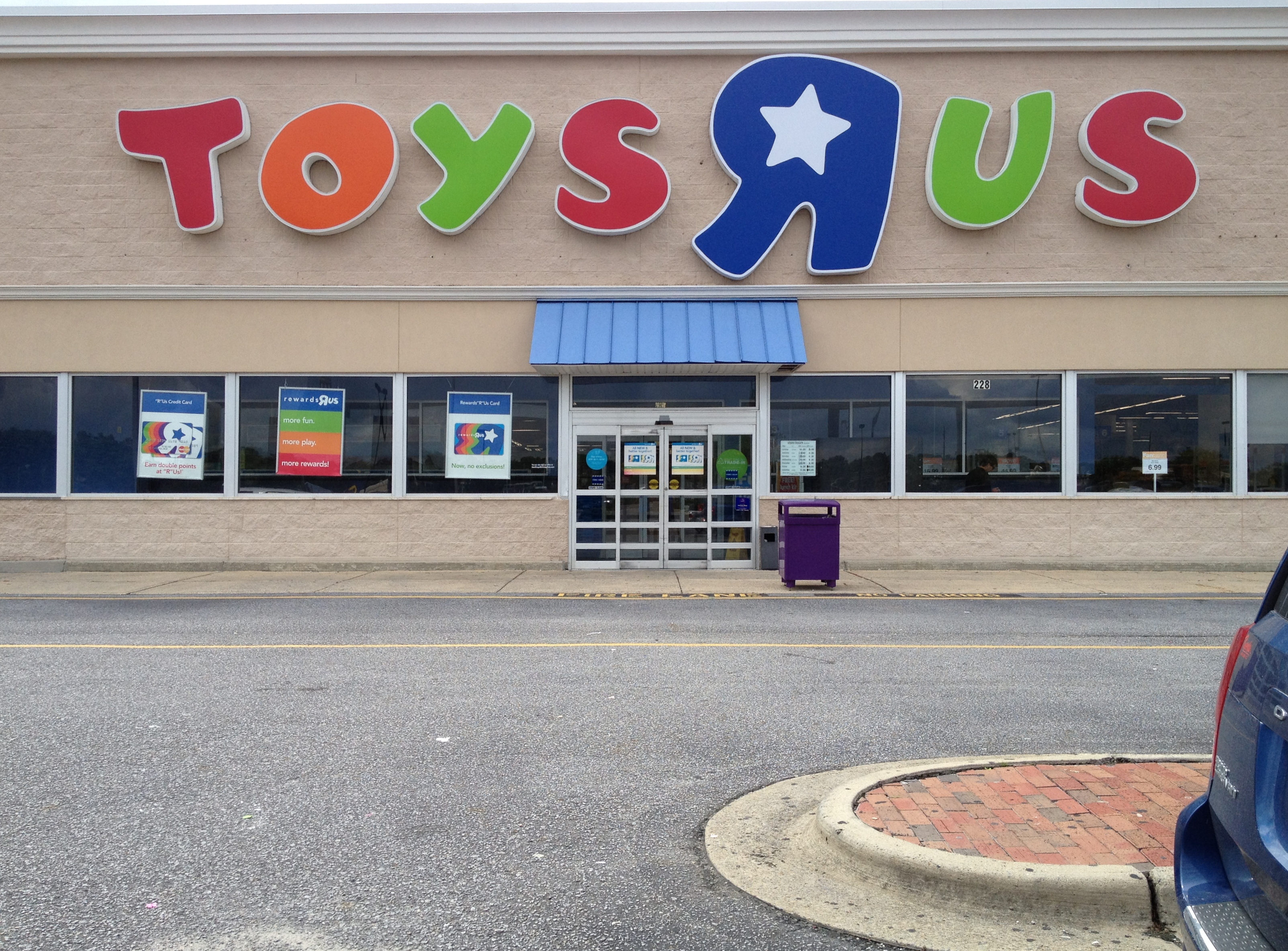
Toys “R” Us was a retail giant for children’s toys, dominating malls across America. Online competitors like Amazon and Walmart eroded its customer base. The company’s bankruptcy highlighted the importance of e-commerce and evolving shopping habits. Nostalgia could not save the brand when convenience and selection shifted consumer expectations.
Sears
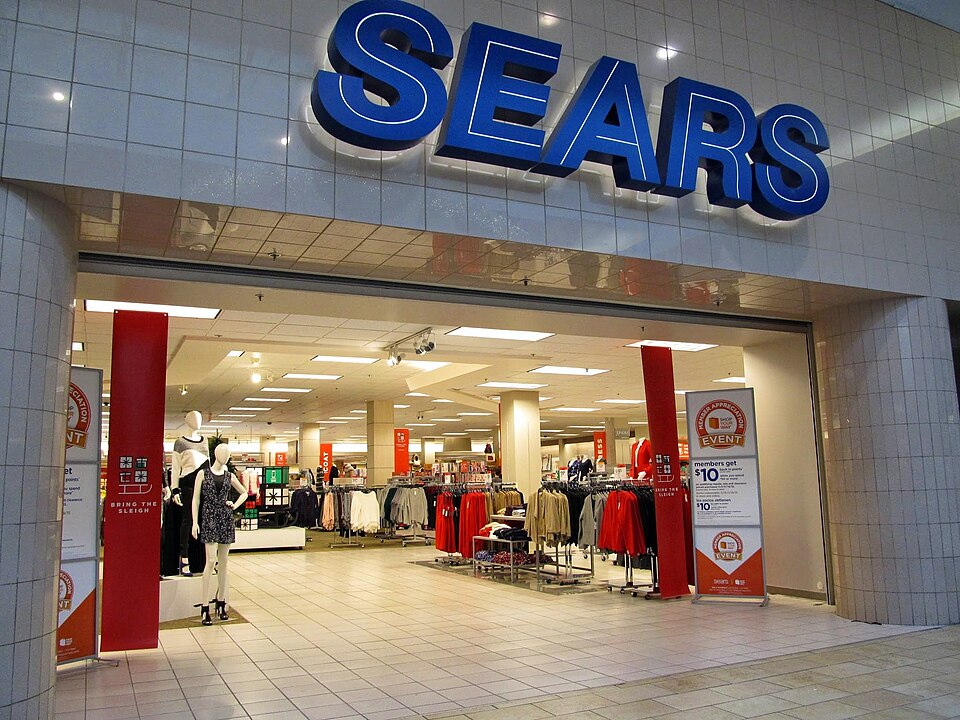
Sears was once the largest retailer in the U.S., offering everything from appliances to clothing. Changing consumer preferences and aggressive competitors weakened its position. Failure to modernize stores and online presence led to decline. Sears’ story emphasizes the need for continuous reinvention and responsiveness to retail evolution.
Borders

Borders Books thrived when bookstores were community hubs. The rise of e-books, Amazon, and digital media altered reading habits dramatically. Borders failed to implement an effective online strategy. Closing its stores became inevitable, demonstrating how technological disruption can rapidly transform consumer industries.
Pan Am
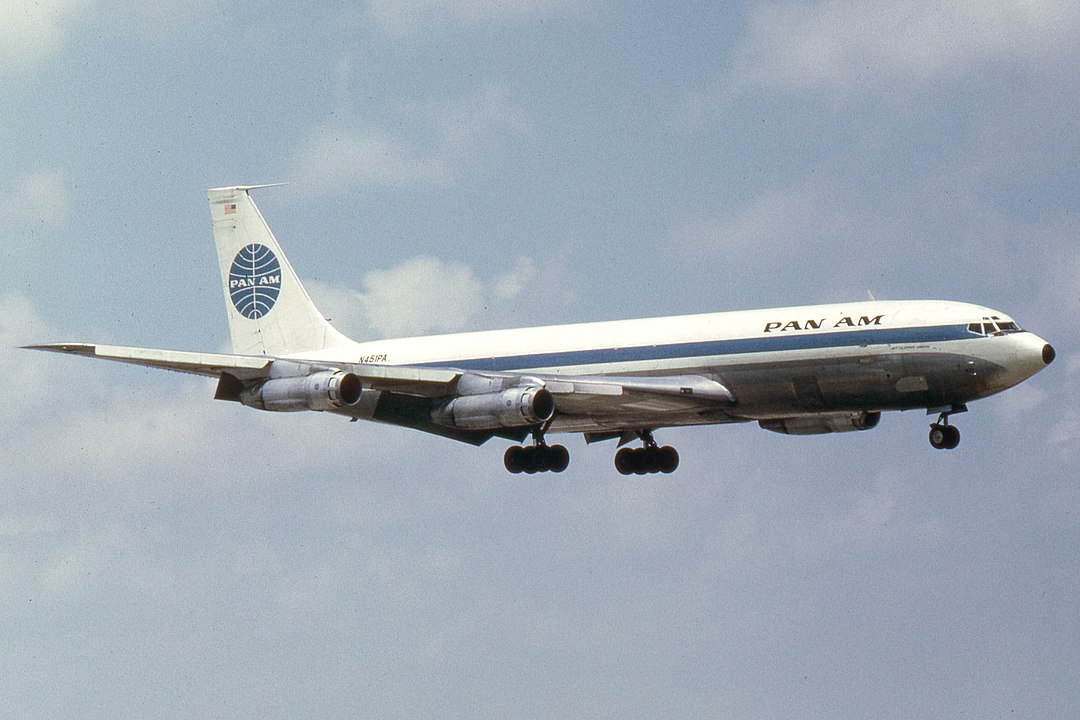
Pan American World Airways symbolized global travel and American innovation. Deregulation, rising fuel costs, and competition eroded its market share. The airline eventually folded in 1991. Its decline reflects how economic shifts and strategic missteps can topple even the most prestigious brands over time.
Polaroid

Polaroid popularized instant photography and became a cultural icon. Digital photography rendered its instant film obsolete. Attempts to diversify came too late to reclaim relevance. Polaroid’s story reinforces the lesson that strong brand identity is not enough without adaptation to technological change.
Circuit City

Circuit City led electronics retail in the U.S., thriving for decades with stores nationwide. Competition from online sellers and Best Buy’s aggressive pricing undermined its business. Poor management and delayed e-commerce adoption contributed to bankruptcy. The decline illustrates the dangers of complacency in a fast-moving industry.
Woolworths

Woolworths pioneered five-and-dime stores and was a staple in American retail for generations. Large-scale discount stores like Walmart disrupted its business model. Failure to modernize inventory and marketing led to closure. Woolworths’ trajectory highlights the importance of innovation in maintaining relevance over time.
Panera Bread (Early Expansion)
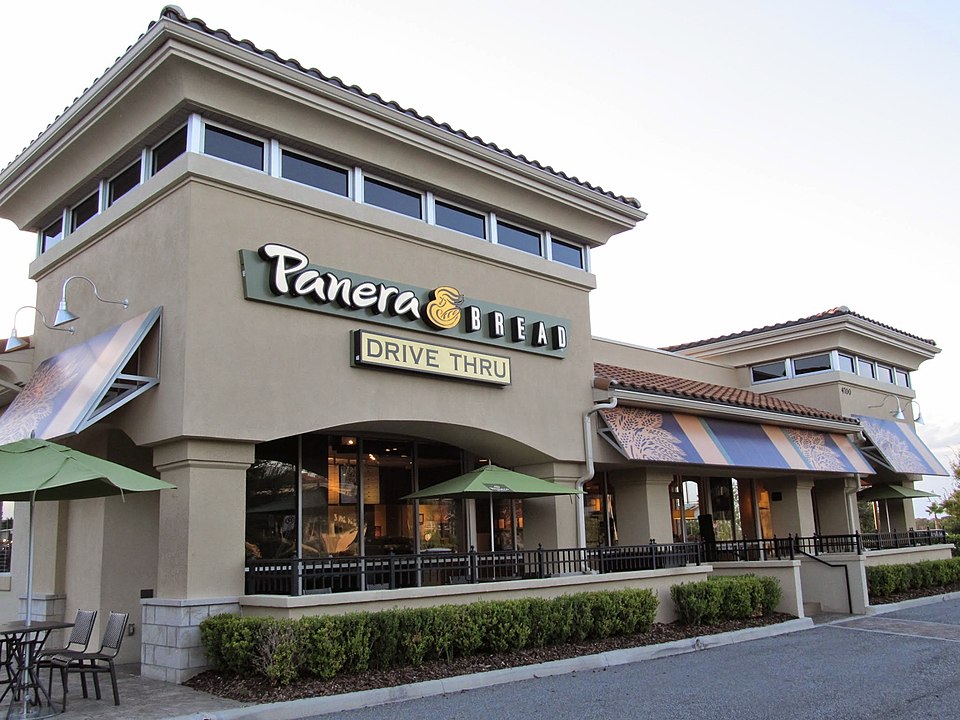
While still a successful brand, Panera faced challenges in scaling rapidly without diluting quality. Competitors leveraged fast-casual concepts more aggressively. The early phase demonstrates that even thriving brands must continuously refine operations to meet evolving consumer expectations.
Compaq

Compaq was once a leading PC manufacturer and early rival to IBM. Acquisition by HP and rapid technological advancements disrupted its original strategy. Inability to maintain innovation and market share led to brand absorption. Compaq’s story shows how mergers and tech shifts can erase independent brand identity.
MySpace

MySpace dominated early social networking but failed to retain users as Facebook offered superior functionality. Security issues and interface clutter drove users away. The brand lost cultural dominance quickly, emphasizing the need to prioritize user experience in technology-driven markets.