
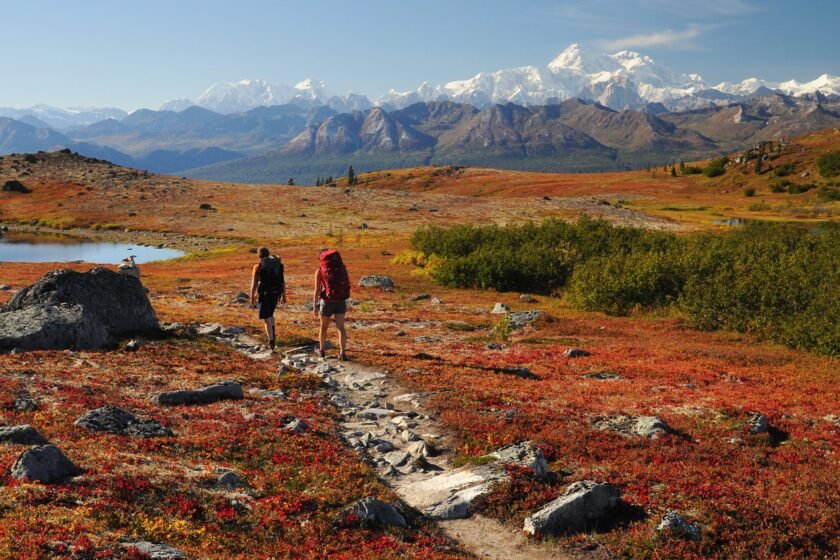
Hiking in Alaska demands a different level of preparation because the landscape is more unpredictable, remote, and unforgiving than most hikers ever experience. Trails can shift from gentle glacial valleys to steep, slick mountainsides within minutes, and weather changes arrive so fast that even experienced outdoorsmen can find themselves unprepared. Wildlife behaves differently here, distances between safe points are vast, and communication often fails in ways lower-latitude hikers rarely encounter. Planning must therefore go far beyond simple gear checks, requiring layered strategies that account for terrain, temperature, safety, and isolation.
1. Extreme Weather Variability
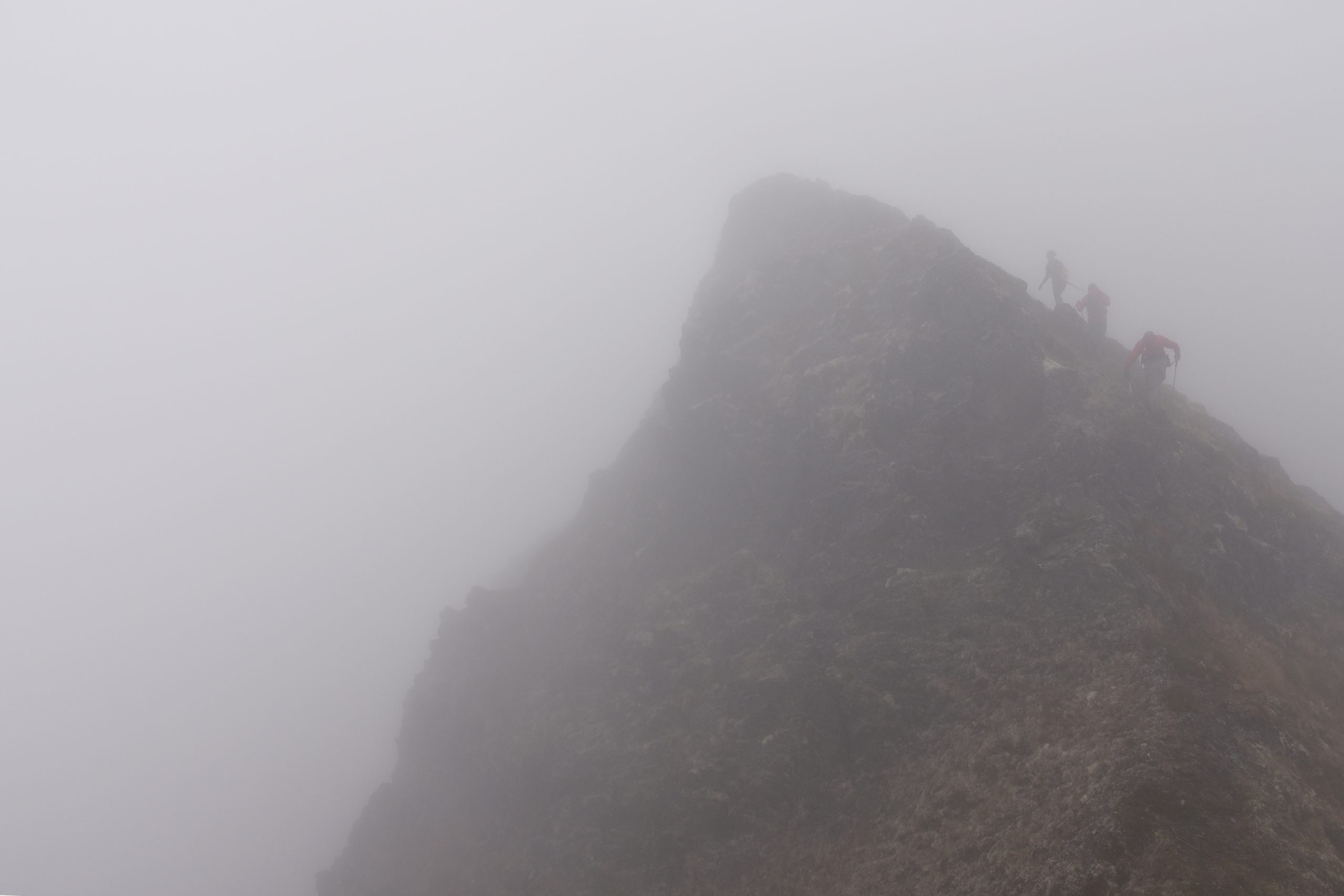
Alaska’s weather can swing dramatically in minutes, forcing hikers to plan with multiple contingencies instead of relying on a single forecast. A clear morning can quickly collapse into dense fog, icy wind, or heavy rain that blinds visibility and turns trails into slick hazards. Because storms roll in from both the Pacific and Arctic fronts, hikers often face conditions that don’t match predicted patterns. Proper planning requires layered clothing systems, redundant waterproofing, and enough flexibility in your route to stop or retreat safely. This constant unpredictability shapes every step of preparation.
2. Longer Distances Between Safe Points
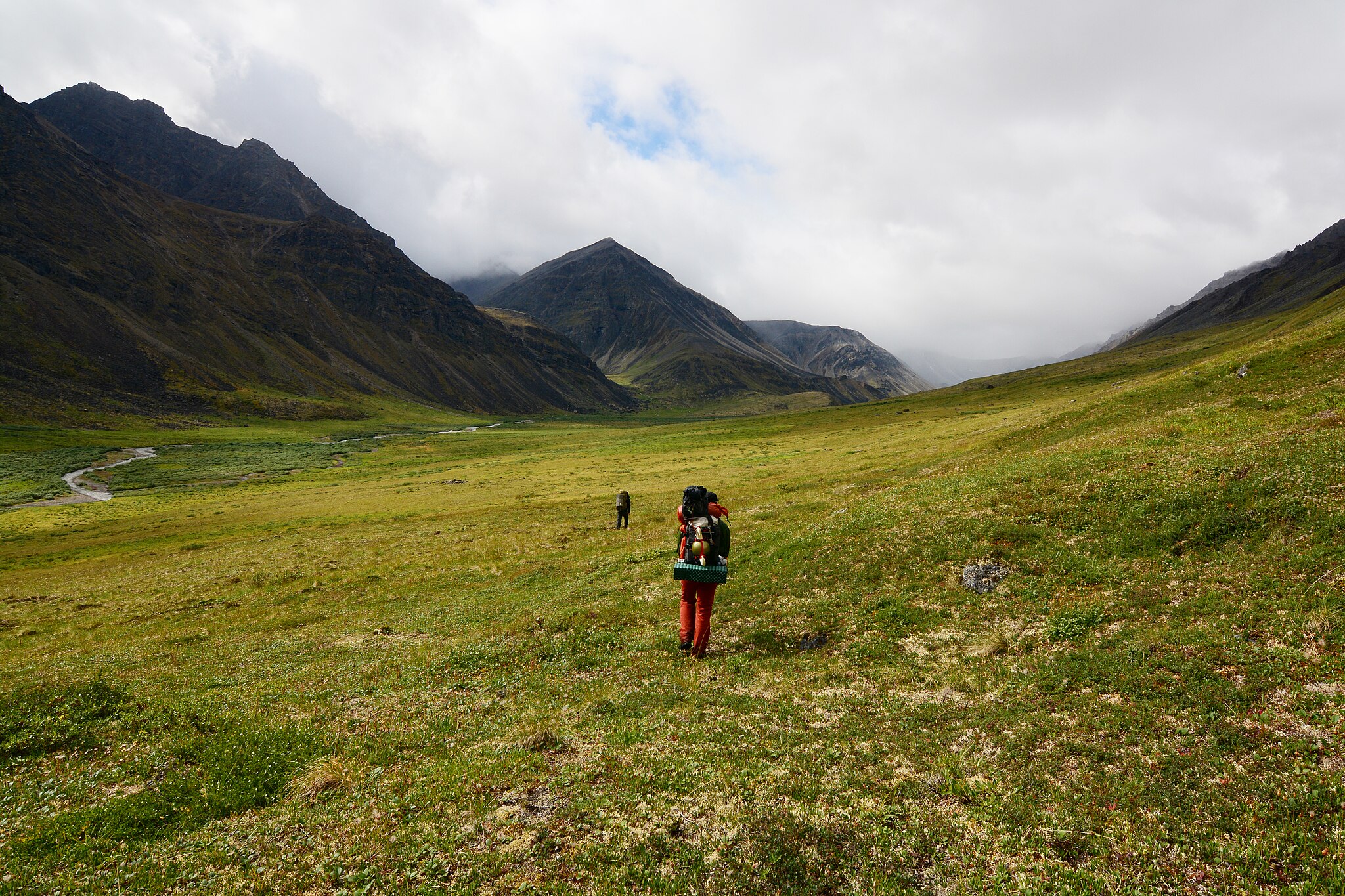
Unlike heavily traveled stateside trail networks, Alaska’s backcountry features vast stretches without shelters, ranger stations, or clear emergency exits. A simple miscalculation in mileage can leave hikers stranded far from help as daylight fades or weather deteriorates. Even established routes often lack waypoints where hikers can rest or resupply, making self-sufficiency critical. Planning must therefore include expanded food reserves, backup fire-starting tools, and realistic pacing expectations. The sheer distance between safe areas also means factoring in injury response time, since evacuation may take far longer than hikers are used to.
3. Limited Communication Access
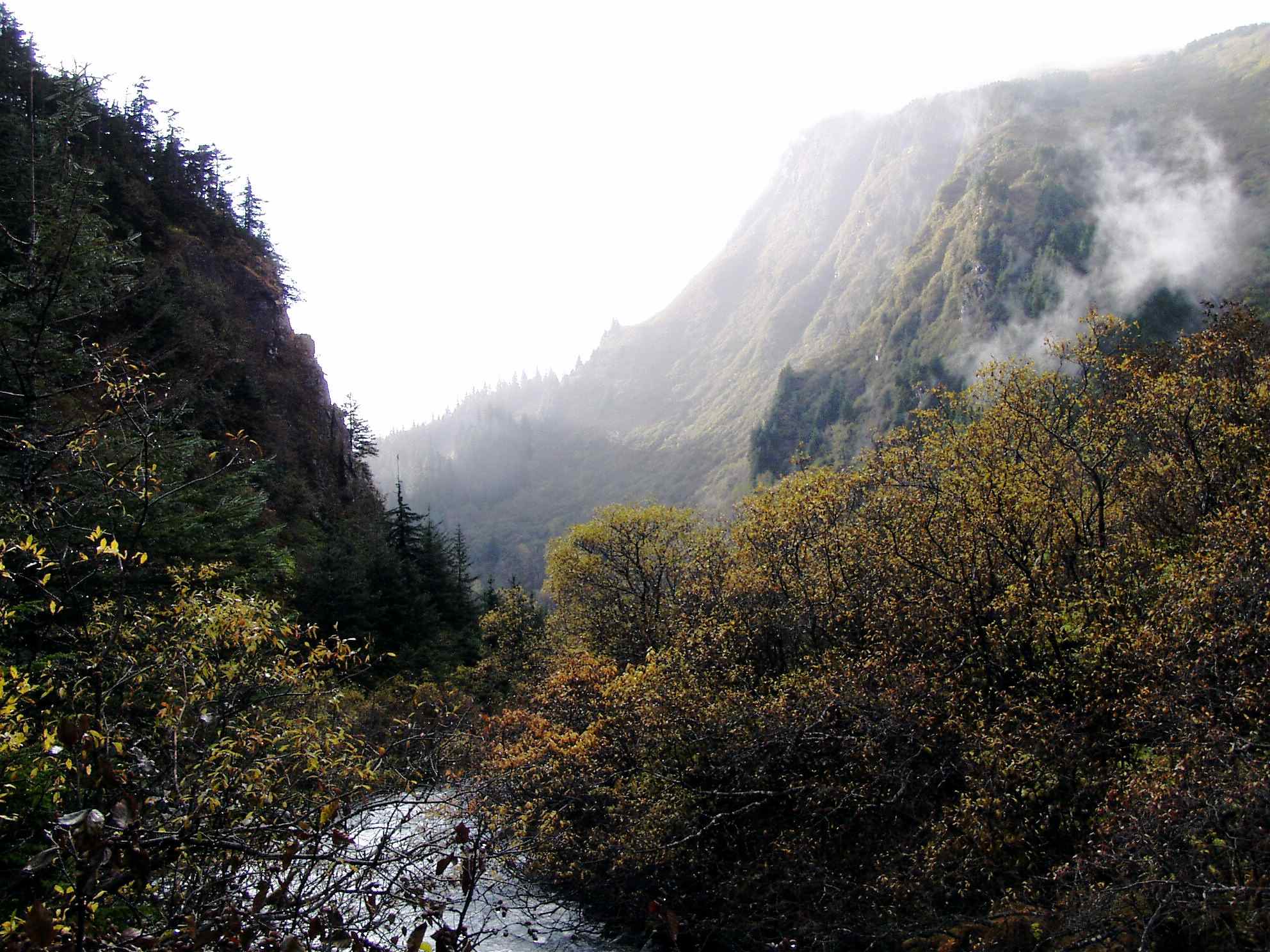
Cellular coverage in Alaska is notoriously inconsistent, even near popular hiking regions. Mountains, heavy forests, and remote valleys block signals that hikers might normally rely on for updates or assistance. Because communication fails so easily, planning must include backup systems like satellite messengers, personal locator beacons, or radio-based devices. These tools help fill the gap when hikers lose contact hours or even days before reaching a spot with reception. When creating an itinerary, hikers must assume communication blackouts are inevitable, ensuring someone off-trail knows their plans and expected return window.
4. Greater Wildlife Encounters
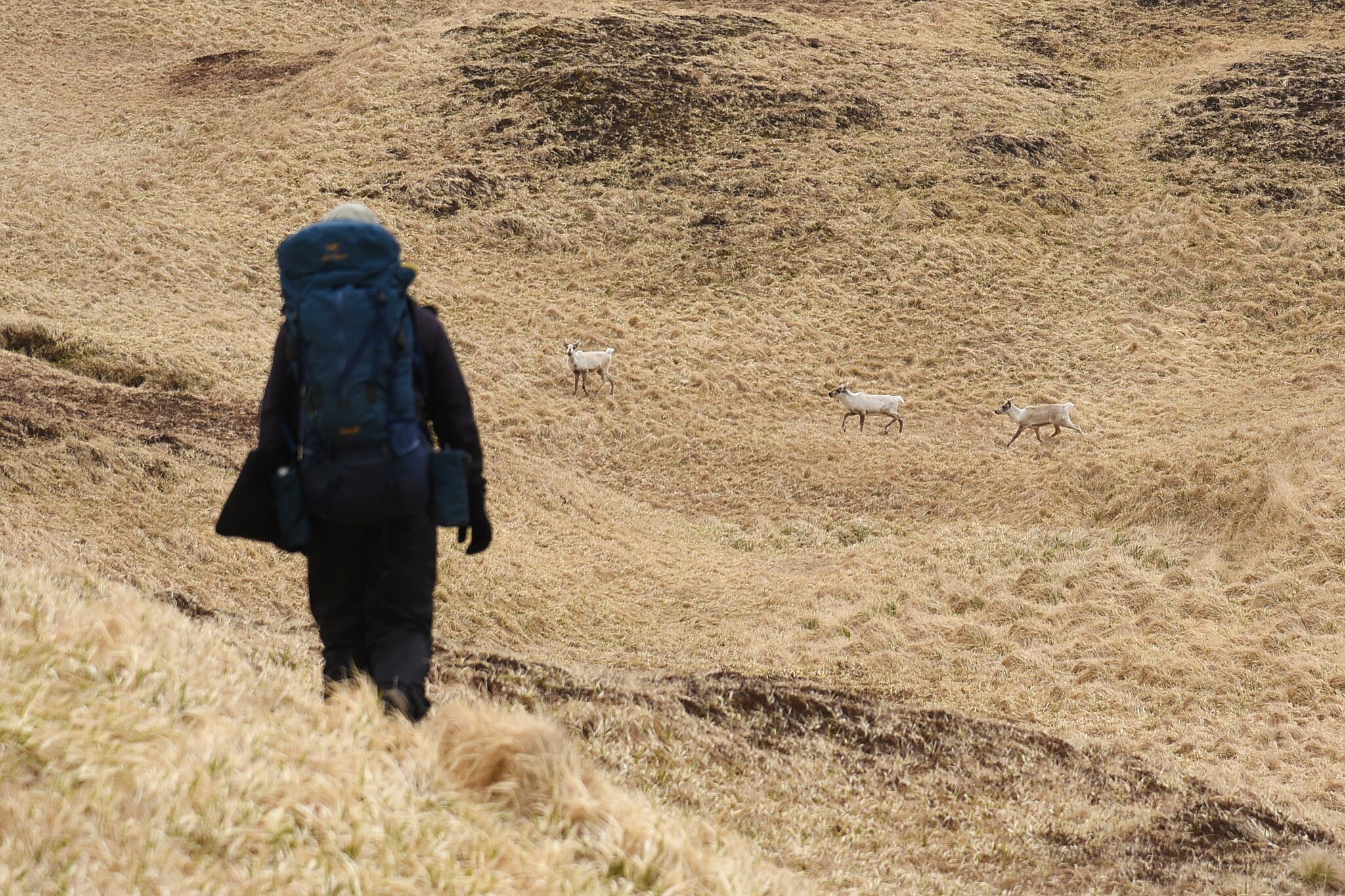
Alaskan wildlife is abundant, powerful, and often unpredictable, shaping the way hikers prepare their routes and daily routines. Encounters with brown bears, black bears, or moose can occur with little warning, requiring hikers to plan carrying distances between food storage areas and camp. Bear spray becomes standard, not optional, and hanging or canister storage becomes part of daily logistics. Even non-predatory animals like caribou and mountain goats may behave differently during seasonal shifts. Preparation must consider awareness training, scent management, and confidence in navigating terrain even when wildlife blocks the path forward.
5. Glacier-Influenced Terrain
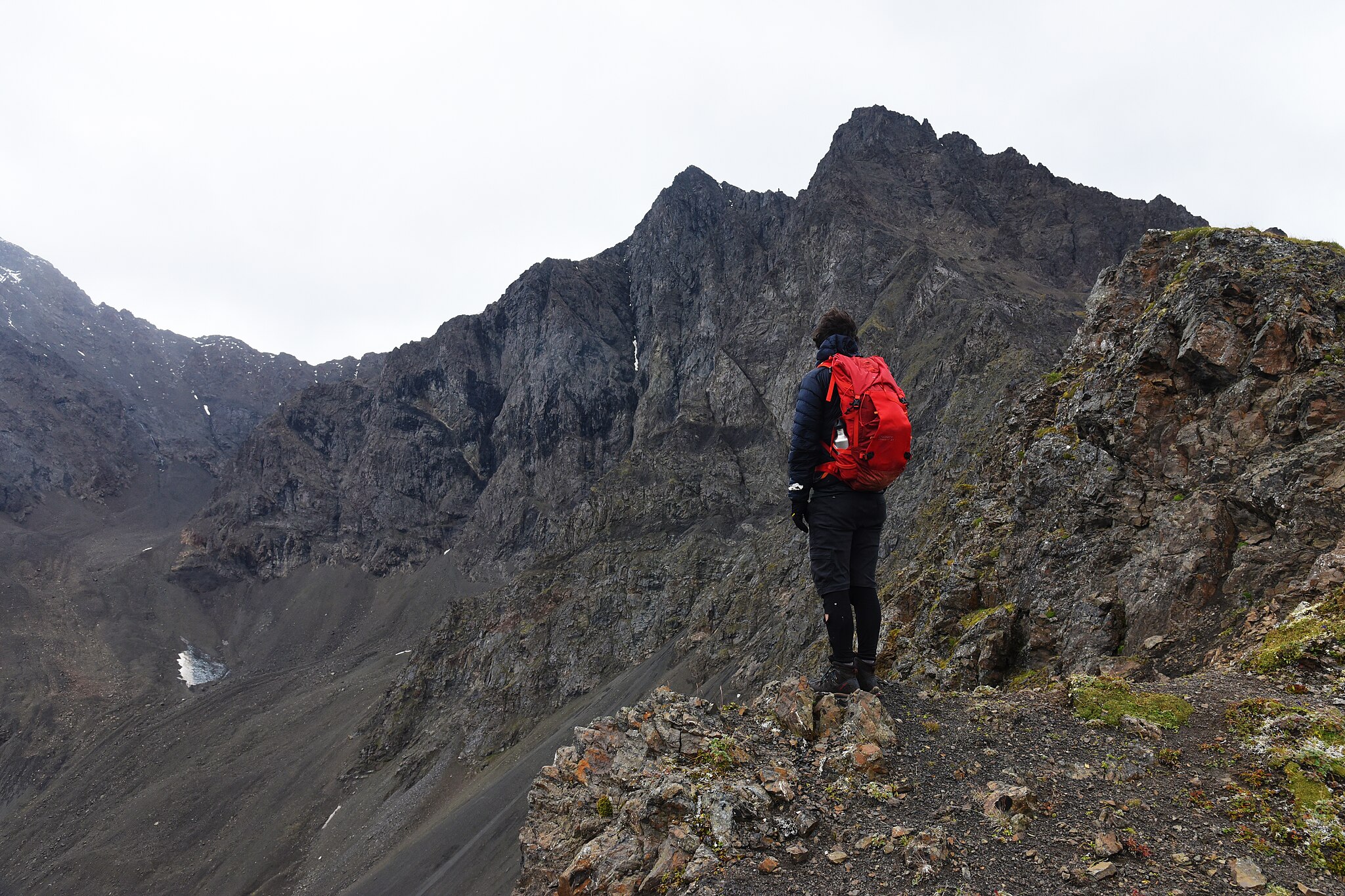
Glacial landscapes create hazards that require more advanced planning than normal mountain trails. Meltwater channels shift from week to week, ice bridges collapse unexpectedly, and seemingly solid surfaces can conceal crevasses. Even nearby rock terrain becomes unstable due to freeze-thaw cycles that loosen boulders and scree. Because these risks are often invisible until you’re right on top of them, hikers must prepare routes carefully using updated maps or local advisories. Extra traction tools, cautious pacing, and greater situational awareness are essential. Alaska’s glacial influence makes terrain behavior far less predictable.
6. River Crossings Change Daily
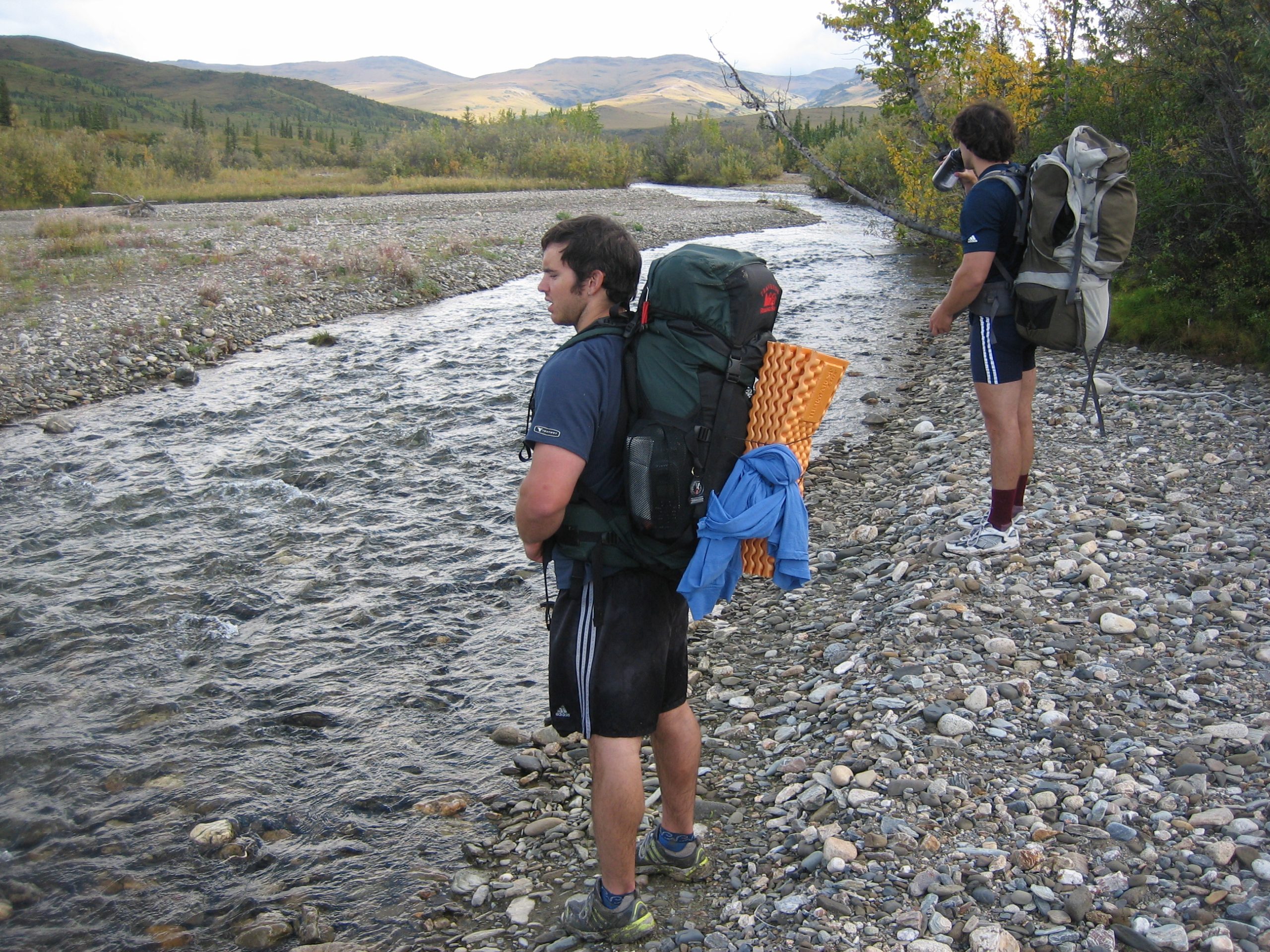
Alaska’s rivers are fast, cold, and constantly shifting in depth and power, especially during snowmelt or sudden rain. A crossing that seemed easy one morning may be dangerously swollen just hours later. Planning, therefore, includes identifying alternate crossing points and understanding local hydrology patterns before committing to a route. Hikers must prepare for thigh-deep water, unstable footing, and the possibility of turning back entirely. Extra dry bags, pole support, and guaranteed warm layers after crossing become crucial safety measures. These rivers demand heightened respect and advanced decision-making skills.
7. Unstable Tundra Conditions
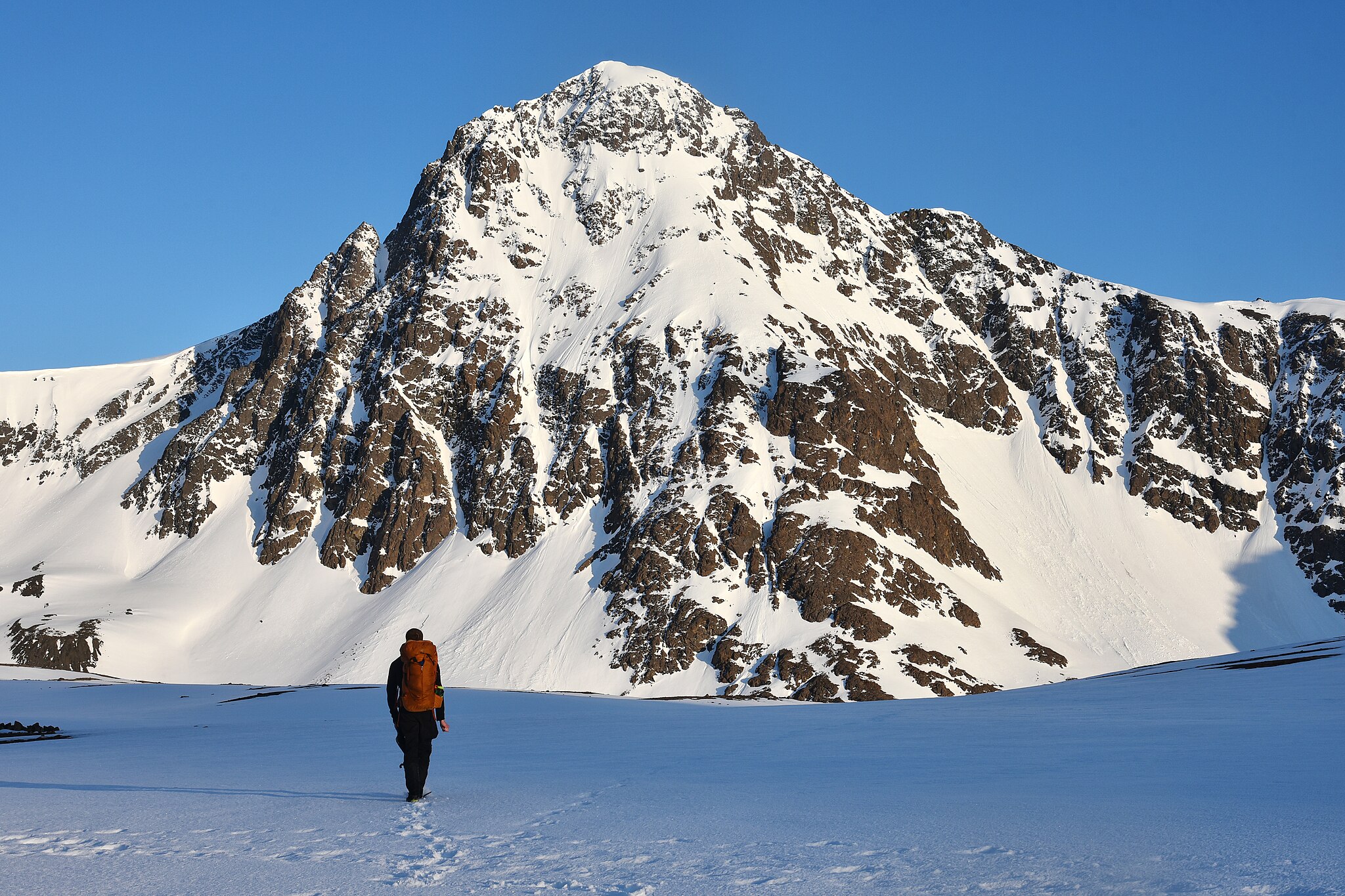
The tundra looks flat and simple to navigate, but it often hides soft, saturated pockets that can swallow boots or sap a hiker’s energy quickly. Planning becomes more complex because travel across the tundra is slower, wetter, and more exhausting than expected. In some regions, moss beds create springy, uneven surfaces that challenge balance and pacing. Hikers must therefore calculate extra time for travel, carry stronger waterproof footwear, and plan alternative paths around marshy sections. The tundra’s deceptive appearance consistently throws off newcomers, making terrain research an essential part of preparation.
8. Limited Established Trails
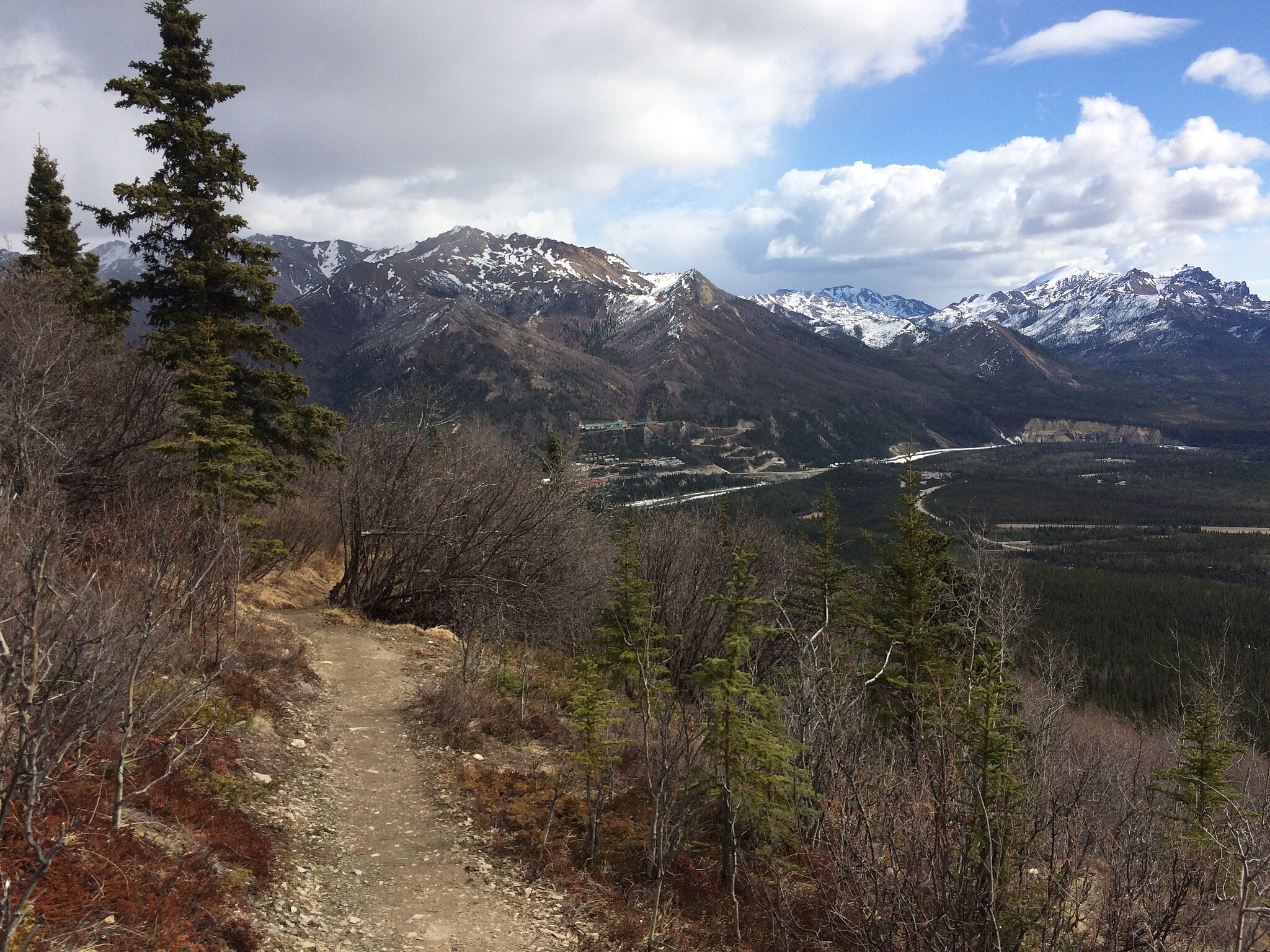
Many routes in Alaska are simply not marked the way hikers expect. Instead of well-defined paths, large portions of the backcountry are navigated through animal trails, open terrain, or faint footpaths easily obscured by vegetation or weather. Planning must include stronger map-reading skills, GPS redundancy, and comfort navigating without signage. Hikers who rely solely on trail markers may get disoriented quickly, especially in dense brush or ridge systems that look similar from multiple angles. Understanding how to travel safely off-trail becomes a core part of Alaskan hiking preparation.
9. Shorter Hiking Seasons
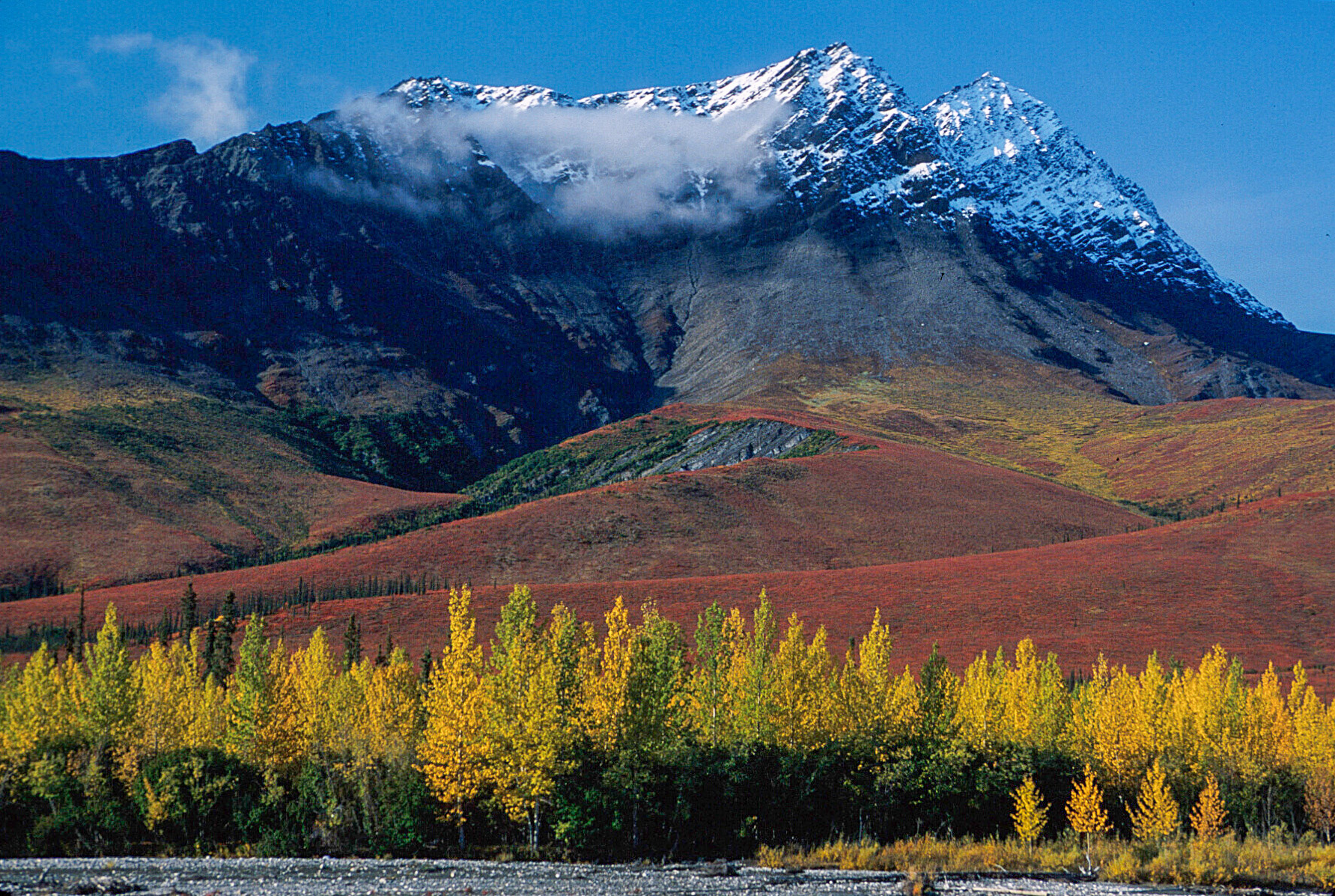
Alaska’s hiking season is brief, forcing hikers to plan within a compressed window that varies by region and elevation. Snow lingers on many trails long into spring, while early fall storms can shut down routes unexpectedly. This limited season affects everything from gear choices to timing, requiring hikers to monitor melt conditions, daylight hours, and temperature changes closely. The short window also compresses wildlife behavior cycles, increasing encounters. Careful planning ensures hikers stay within safe seasonal conditions without accidentally pushing into shoulder periods where terrain becomes far more dangerous.
10. Greater Dependence on Self-Sufficiency
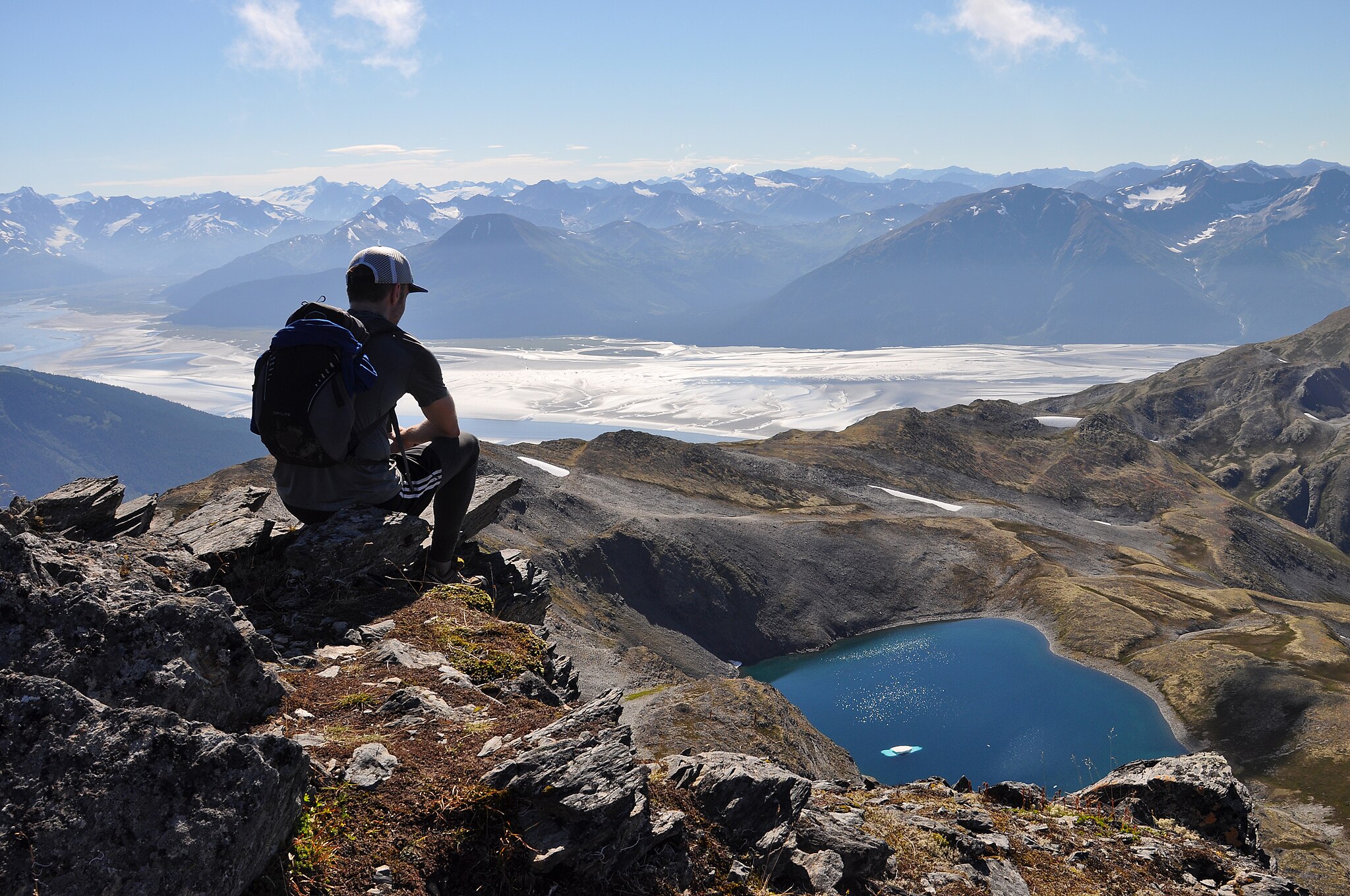
Alaska’s remoteness means hikers must prepare to solve problems independently, without expecting quick rescue or resupply. Planning requires carrying more repair tools, medical supplies, and redundant gear than typical hikes demand. A broken stove, damaged boot, or wet-down sleeping bag becomes a more serious issue here, where help may be days away. Hikers must also anticipate scenarios like unexpected cold snaps, lost trail markers, or wildlife delays. This deep level of self-reliance shapes packing lists, daily decision-making, and overall route strategy. Alaska rewards preparedness but punishes neglect.
11. Cold-Related Gear Requirements
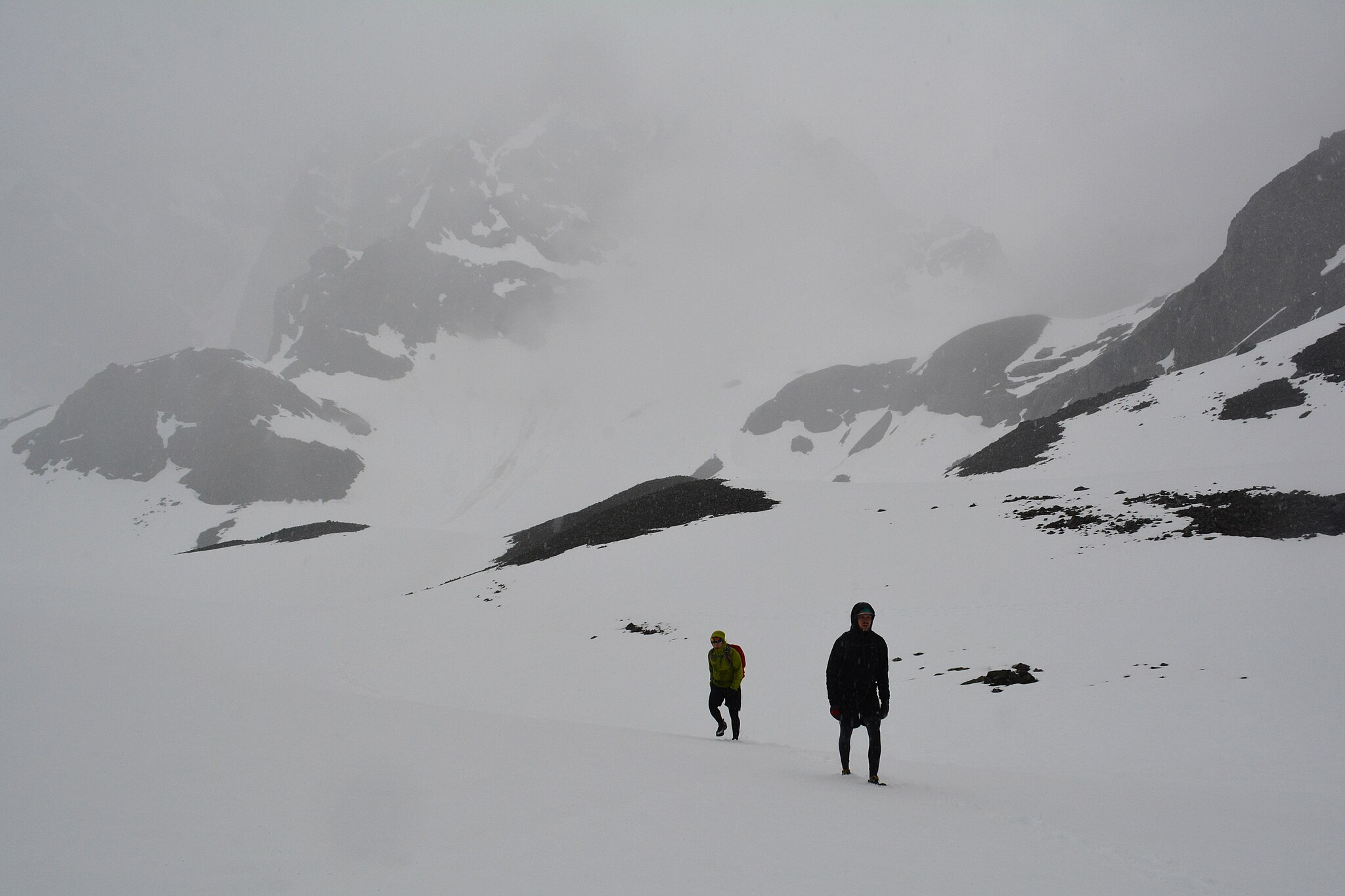
Even in midsummer, temperatures in Alaska can plunge rapidly, especially at higher elevations or near glaciers. Planning must include gear suited for unexpected cold: insulated layers, quality sleep systems, waterproof shells, and gloves capable of handling wet, freezing conditions. Hikers who plan based solely on mild daytime temperatures may end up dangerously underdressed at night or during storms. Cold shock risks also increase near rivers and alpine winds. Building a gear system that adapts to fluctuating temperatures becomes an essential safety requirement rather than a simple comfort choice.
12. Terrain That Amplifies Navigation Errors
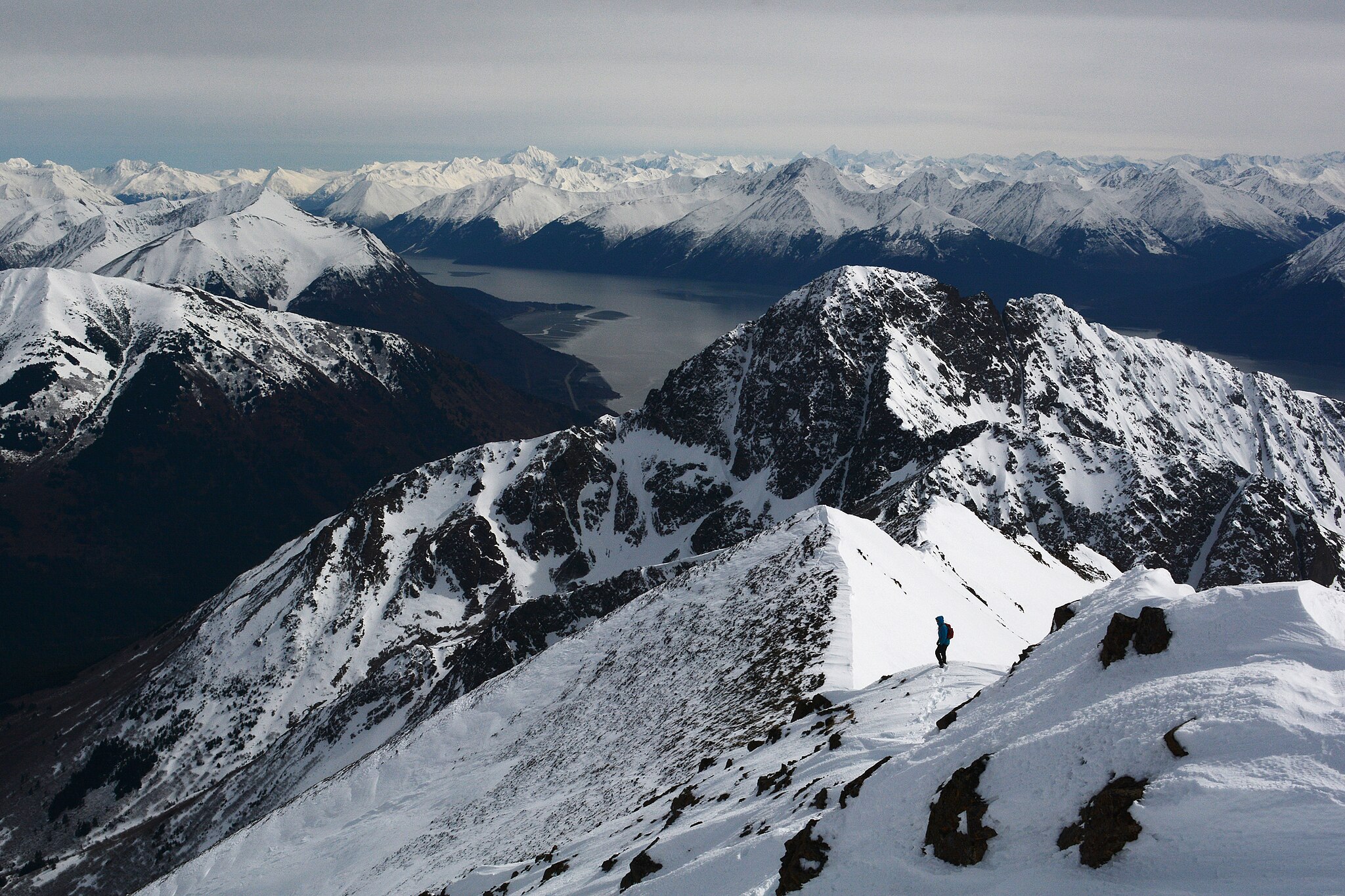
Steep ridges, wide valleys, and uniform tundra surfaces make it surprisingly easy to drift off-course without noticing. Alaska’s scale magnifies these errors because a small deviation can lead hikers miles away from their target. Planning, therefore, includes stronger navigation habits: frequent compass checks, identifiable reference points, and pre-mapped bail-out routes. Fog, snow, and heavy brush further complicate orientation. Because recovery from a navigation mistake may take hours, hikers must build extra time into itineraries and practice disciplined route tracking. The landscape demands constant focus and proactive correction.
13. Variable Trail Surface Stability
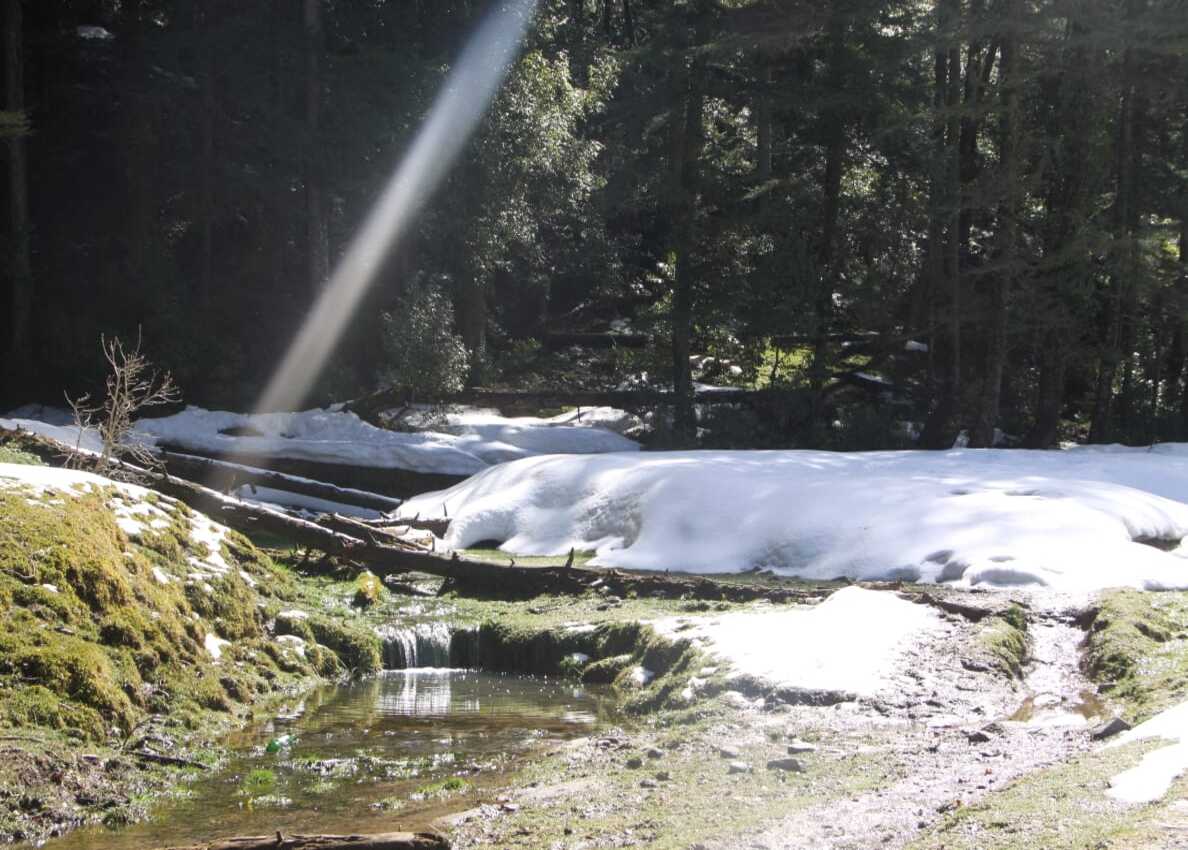
Trail surfaces in Alaska shift due to permafrost thaw, heavy precipitation, and wildlife traffic. What appears stable at first can suddenly collapse into mud, loose rock, or deep puddles. Planning requires selecting footwear that handles both slick and uneven terrain while also protecting from moisture. Hikers must anticipate slower travel speeds and occasional detours where surfaces become too unstable. Understanding how freeze-thaw cycles affect trails also helps avoid dangerous footing conditions. Alaska’s surface variability challenges assumptions and pushes hikers to adopt flexible, adaptable movement strategies throughout their route.
14. Increased Risk of Hypothermia

Because Alaska combines low temperatures, high moisture, and strong winds, hypothermia risks remain high even during seemingly mild weather. Planning requires building systems that keep hikers warm and dry throughout the day, not just at night. This includes quick-drying base layers, reliable waterproof shells, and behavioral strategies like regulating sweat to avoid chilling later. Emergency warming plans such as backup fire starters, insulated layers, and hot-meal capacity must be standard. In Alaska, hypothermia can develop faster and in conditions that wouldn’t feel threatening elsewhere, making prevention essential.
15. More Complex Water Management
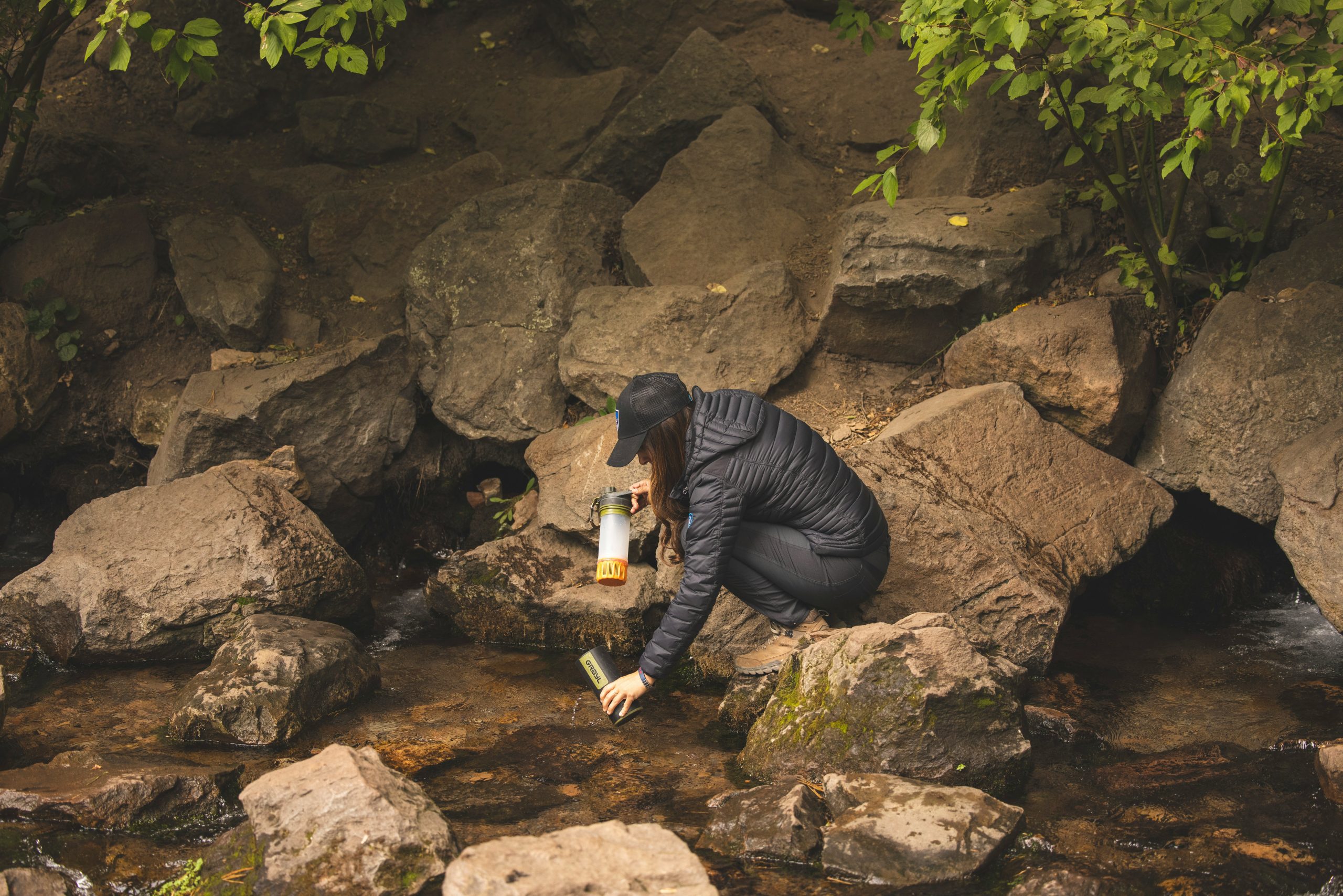
Although Alaska appears rich in water, hikers cannot rely on every source being safe or easily accessible. Glacial rivers may be too silty for filters, high ridges may run dry, and sudden freezes can block flowing water. Planning requires carrying out the right filtration methods, choosing alternative sources, and mapping locations where water is consistently available. Because dehydration sneaks up quickly in cold environments, hikers must schedule hydration breaks instead of waiting for thirst. Water strategies in Alaska demand more careful thought and avoid assuming plentiful access at every stage.
16. Limited Daylight in Shoulder Seasons
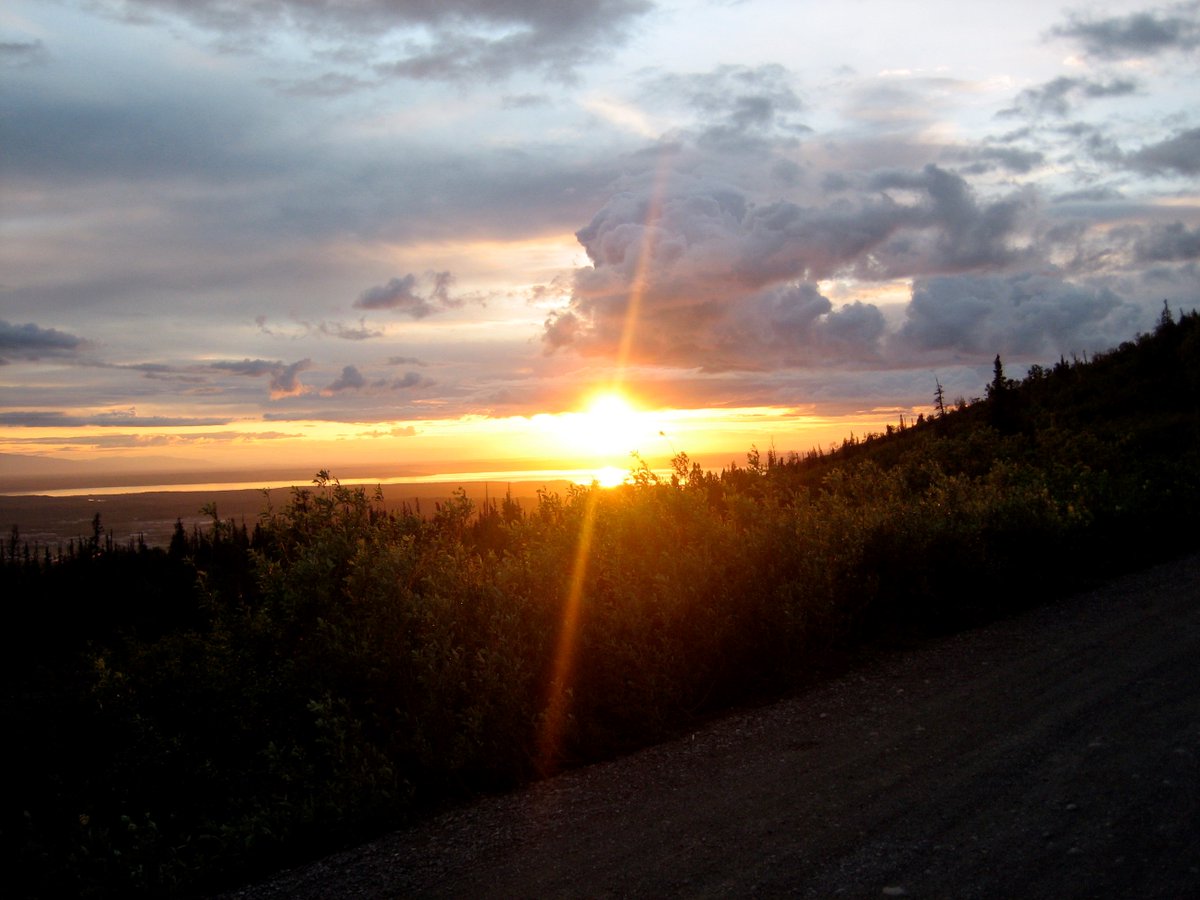
Daylight varies dramatically across Alaska, especially during early spring and late fall, when hiking conditions are still appealing but light fades quickly. Planning must include strict time management to prevent hikers from getting caught in darkness far from camp or safe terrain. Reduced daylight also affects temperature swings, wildlife behavior, and the ability to navigate safely. Reliable headlamps, spare batteries, and clear turnaround times become essential tools. Because daylight is such a variable resource, hikers must plan routes that match available hours instead of relying on typical schedules.
17. Higher Psychological Demands
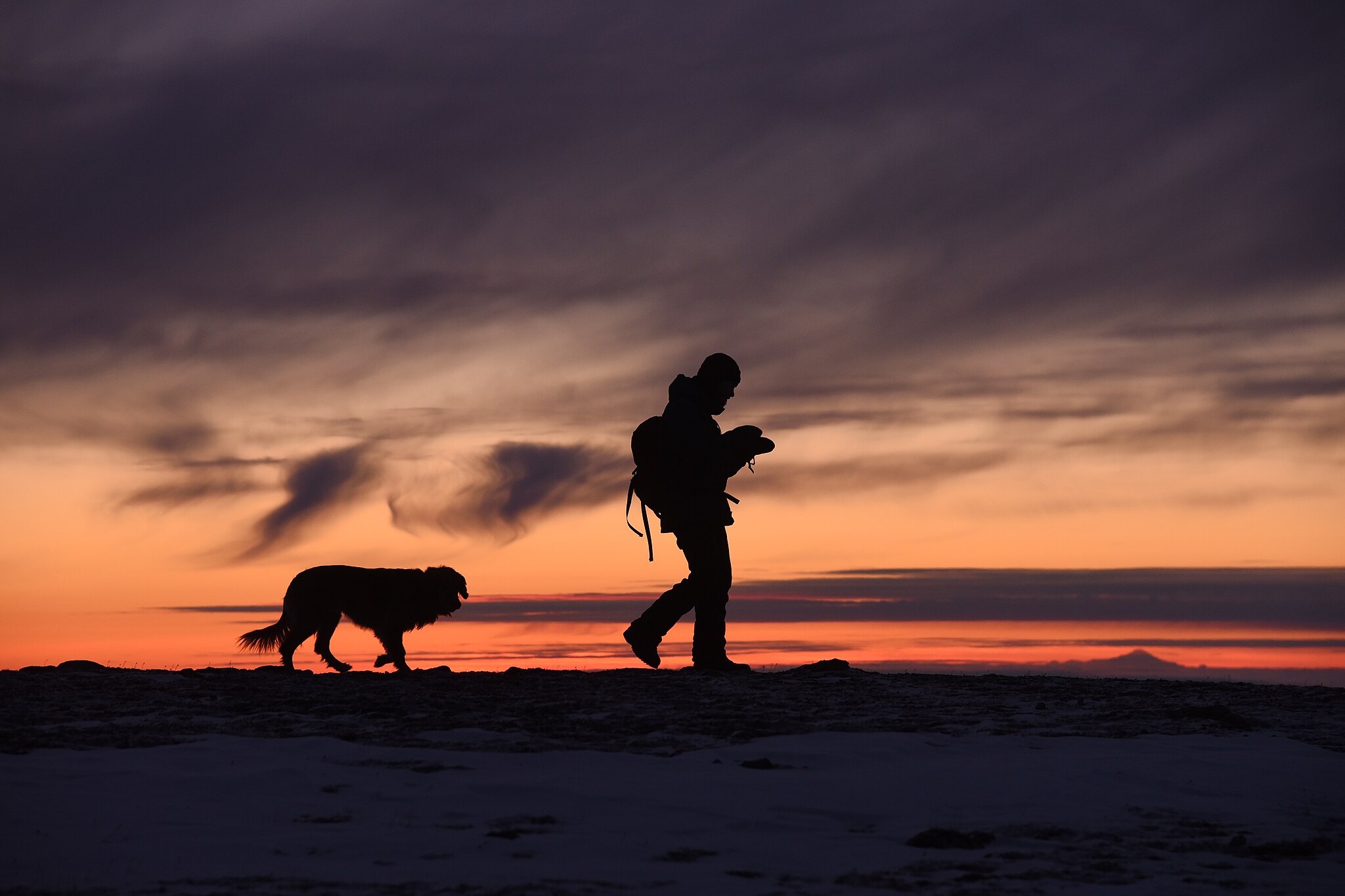
The isolation and massive scale of Alaska can challenge even confident hikers, making planning for mental resilience just as important as physical readiness. The silence, distance between landmarks, and absence of other people can create anxiety or disorientation. Planning must therefore include realistic mileage, frequent morale-boosting breaks, and strategies to stay mentally grounded during long, remote stretches. Understanding one’s own limits, especially when alone, is crucial. Alaska rewards mental steadiness, and anyone hiking here must be prepared for a deeper sense of solitude than most trails ever require.
18. Seasonal Wildlife Behavior Shifts
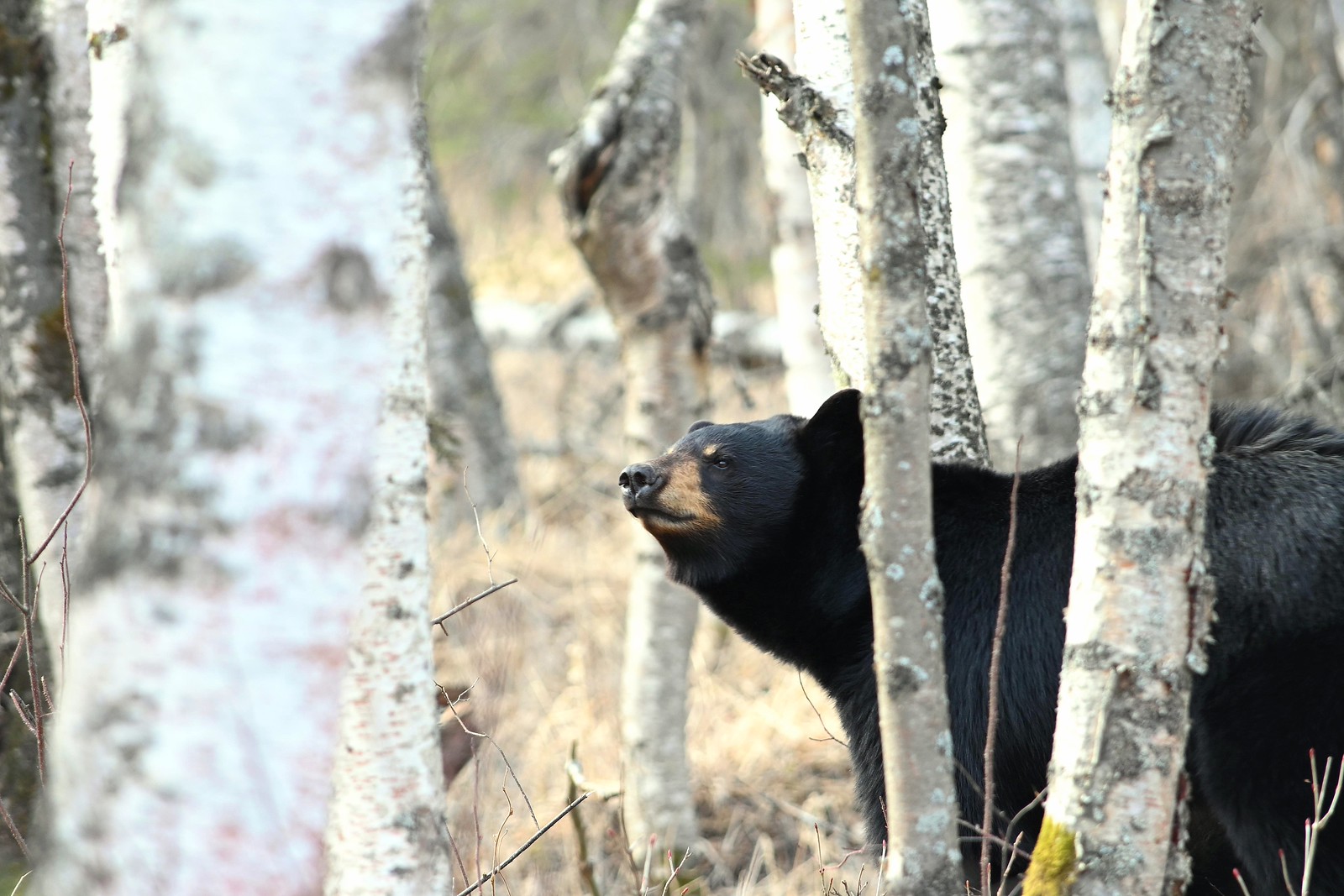
Wildlife in Alaska changes routines quickly based on food sources, mating cycles, and weather shifts. Bears may travel farther during berry shortages, moose become more aggressive during rut season, and wolves may roam wider ranges when prey relocates. Planning requires monitoring seasonal advisories and adjusting routes to avoid high-risk areas. Hikers must also understand how weather affects movement patterns, since animals may descend valleys or gather near rivers during sudden temperature changes. This dynamic ecosystem demands flexible plans that prioritize awareness and responsible avoidance to maintain safety.
The post 18 Reasons Why Hiking in Alaska Requires Different Planning appeared first on Bushcraft Base Camp.