
Pizza Margherita
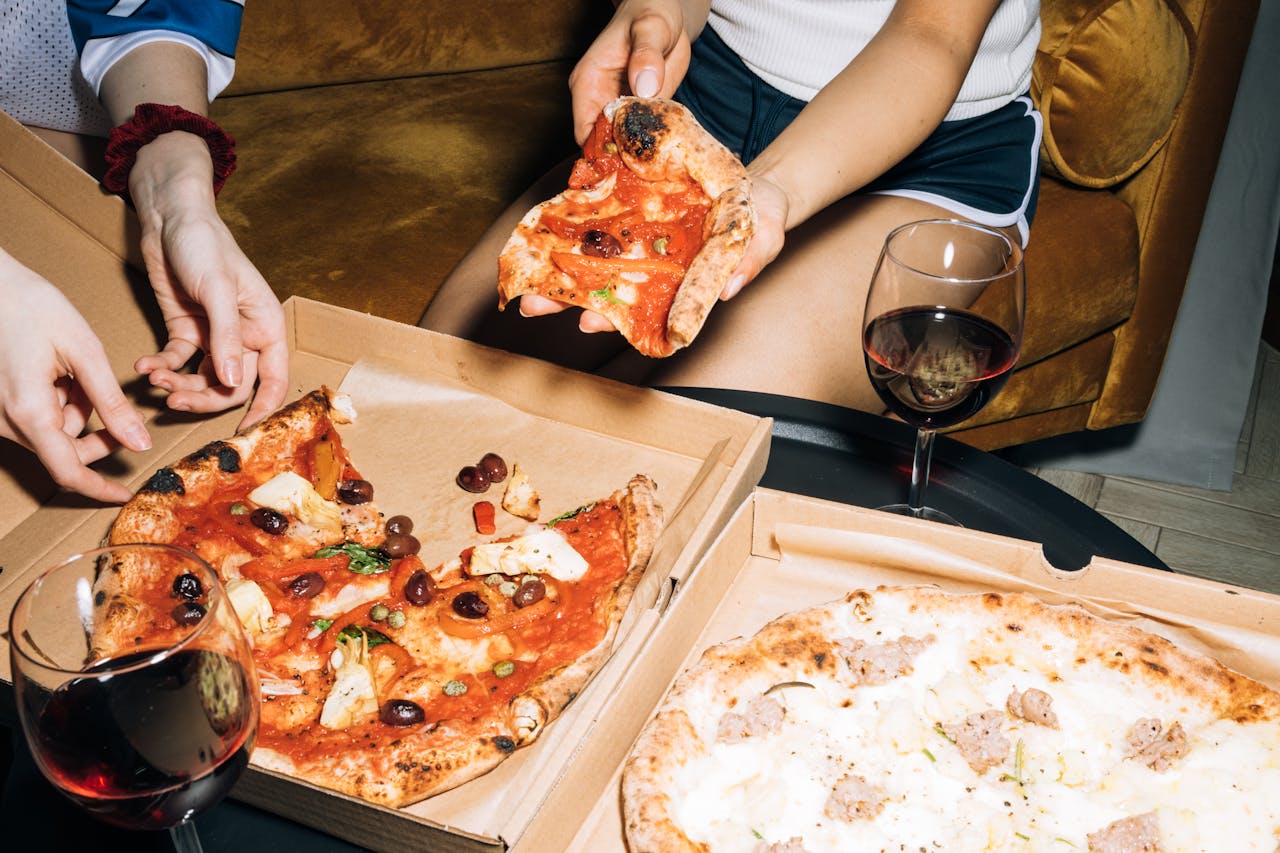
Pizza Margherita hints at a royal nod, tied to Queen Margherita of Savoy and the hues of the Italian flag: red tomatoes, white mozzarella, and green basil. The tale typically traces to 1889 in Naples, when a pizzaiolo crafted a patriotic pie for the visiting queen, and the name spread faster than the recipe. Even with debates about the tale’s neatness, the result is evident: that trio became a global standard, and a monarch’s given name still appears on menus worldwide. It also serves as an early branding lesson. A simple topping lineup gained a story, and that story helped it endure for generations.
Beef Wellington
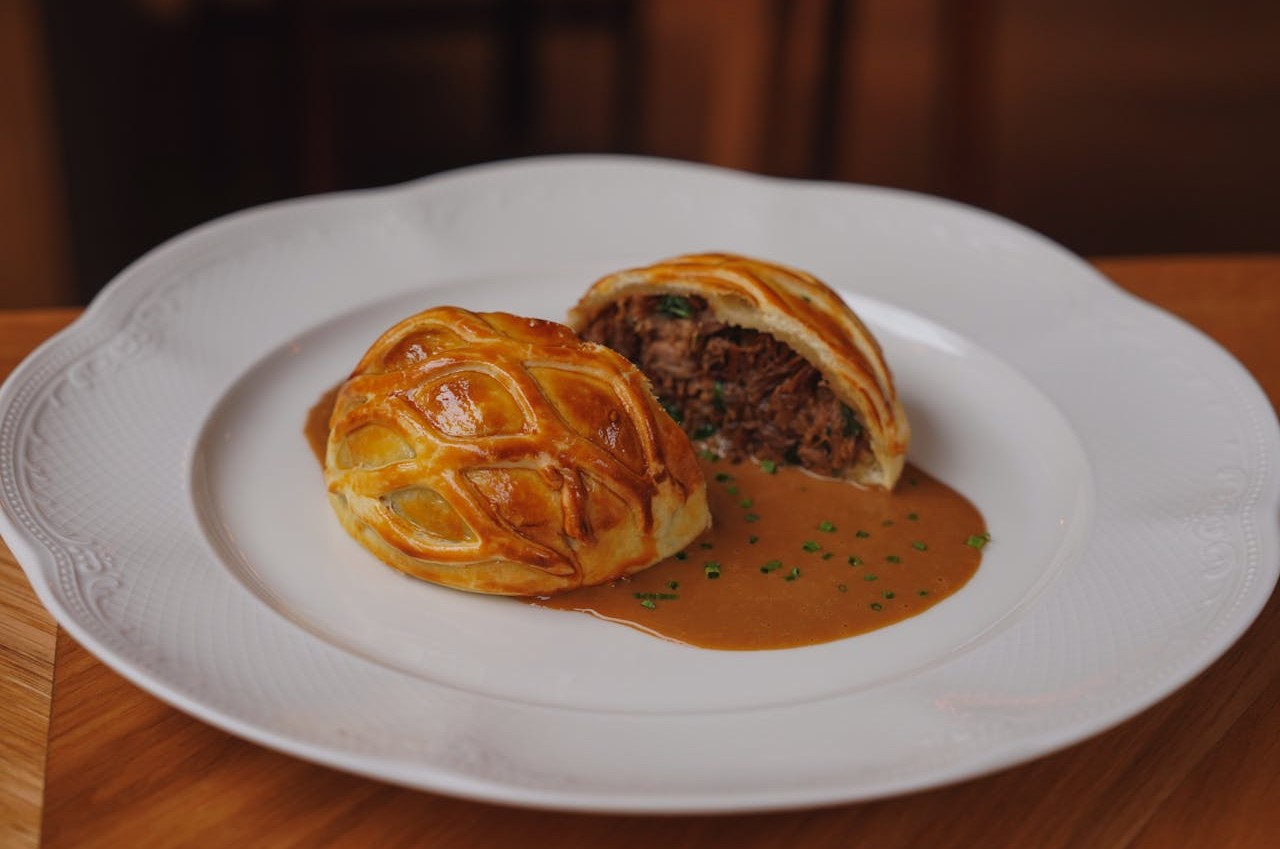
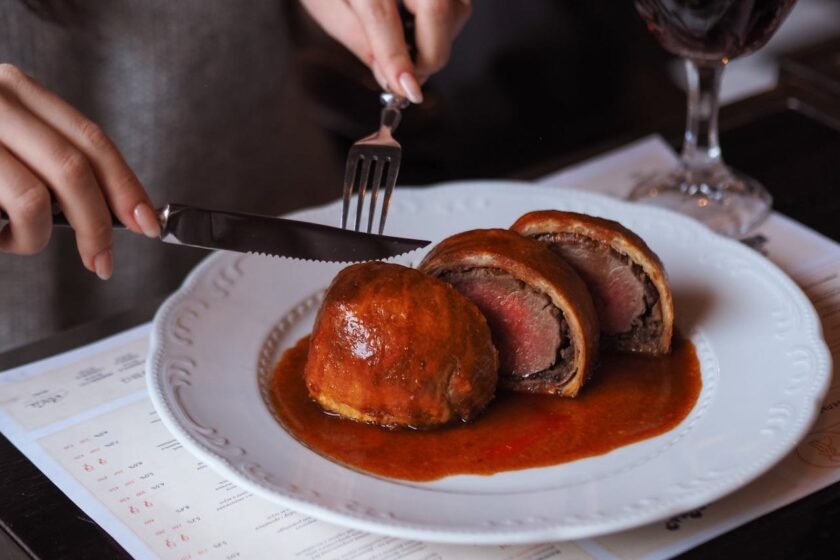
Beef Wellington is commonly linked to Arthur Wellesley, the first Duke of Wellington, though its exact origins remain uncertain. The core idea is beef tenderloin enrobed in pâté and pastry, baked into a dramatic package that slices neatly at the table. It reads as formal fare from an era that prized structure, ceremony, and refined craft, and the name aided its spread by sounding instantly memorable. Even today, choosing it feels like selecting a special occasion rather than mere dinner, since the dish arrives with built‑in pageantry. The title elevates a roast into a performance, and that sense of ceremony is a big part of its staying power.
The Sandwich
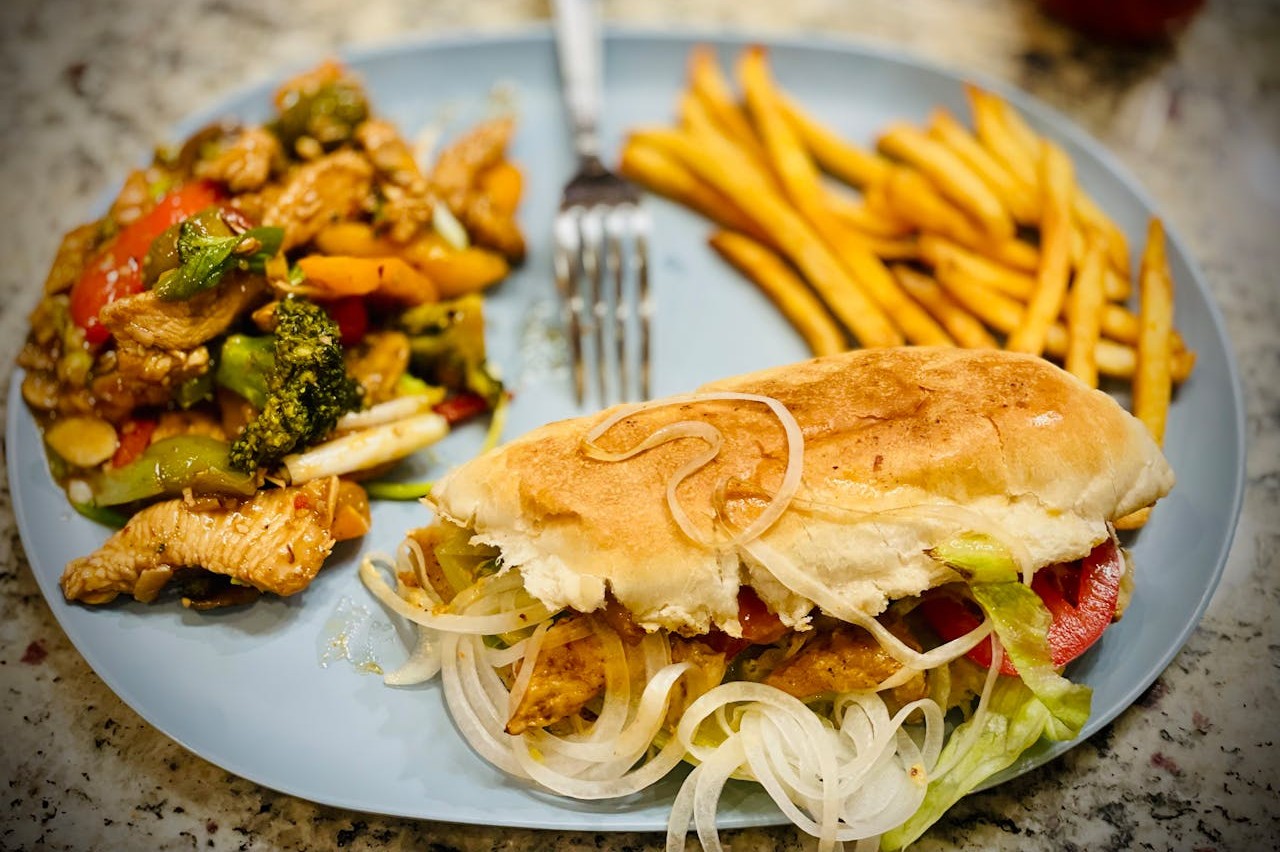
The Sandwich serves as culinary shorthand for John Montagu, the 4th Earl of Sandwich, who allegedly preferred meat tucked between bread so he could play cards or read without interruption. Whether the tale is perfectly precise or not, the logic holds: portable, tidy, and easy to share. A title became a noun, and a small habit turned into a universal format that spans cuisines—from tea-time cucumber rounds to street kebabs. The earl’s name now lives more in lunch orders than in history books, proving how practicality outlives fame. The structure proved so useful that the label stuck, even as fillings shifted across continents and generations.
Beef Stroganoff
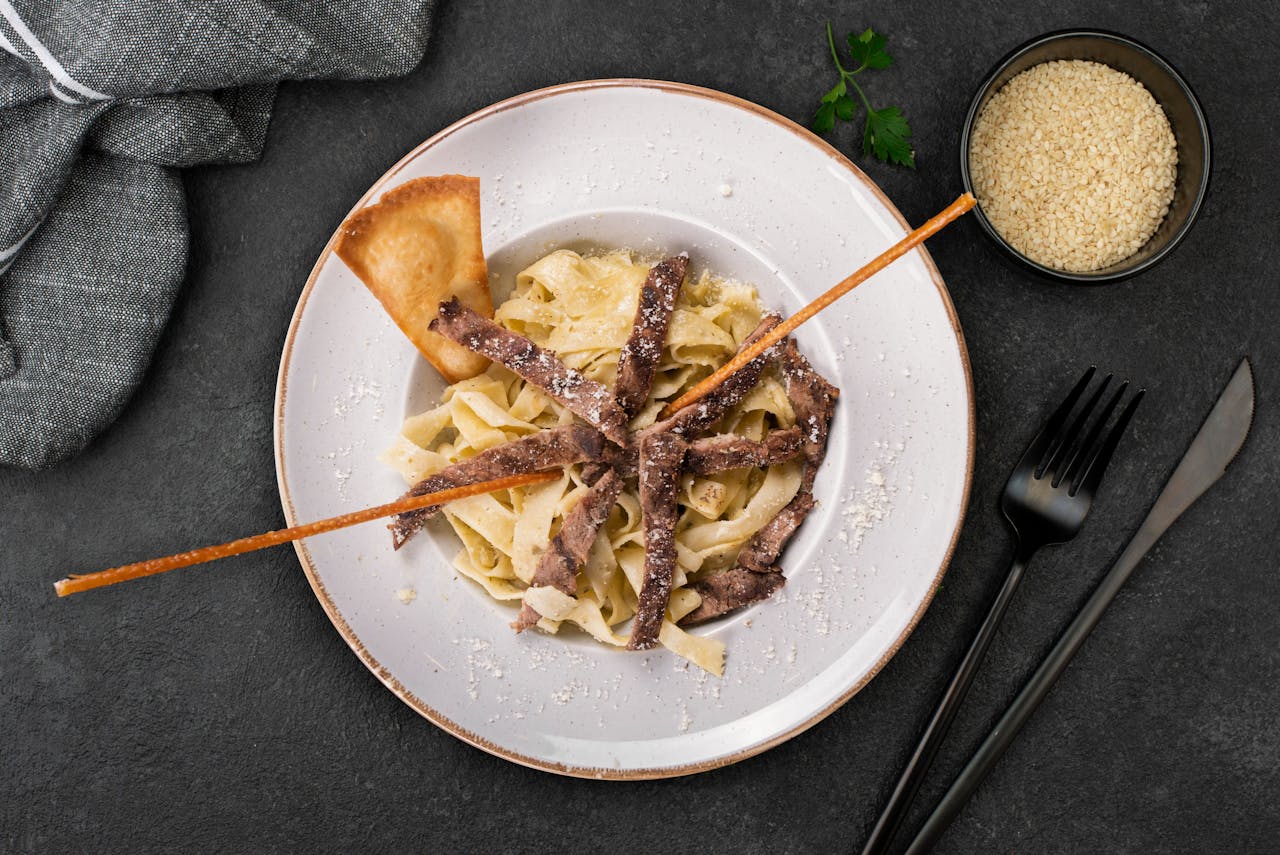
Beef Stroganoff carries the name of Russia’s Stroganov clan, wealthy patrons whose kitchens shaped elite dining in imperial circles. The dish centers on sautéed beef in a creamy sauce, often with onions and mushrooms, crafted to feel luxurious while still coming together quickly. Recipes shifted as they spread, especially as émigré communities carried them across Europe and North America, but the surname stayed fixed. It signals comfort with polish, the kind of meal that fits both home tables and restaurant menus. Few diners think about the family behind it, yet their name still rises from the steam over noodles, quietly preserved in sauce and routine. The fame is subtle, but the dish endures.
Peach Melba
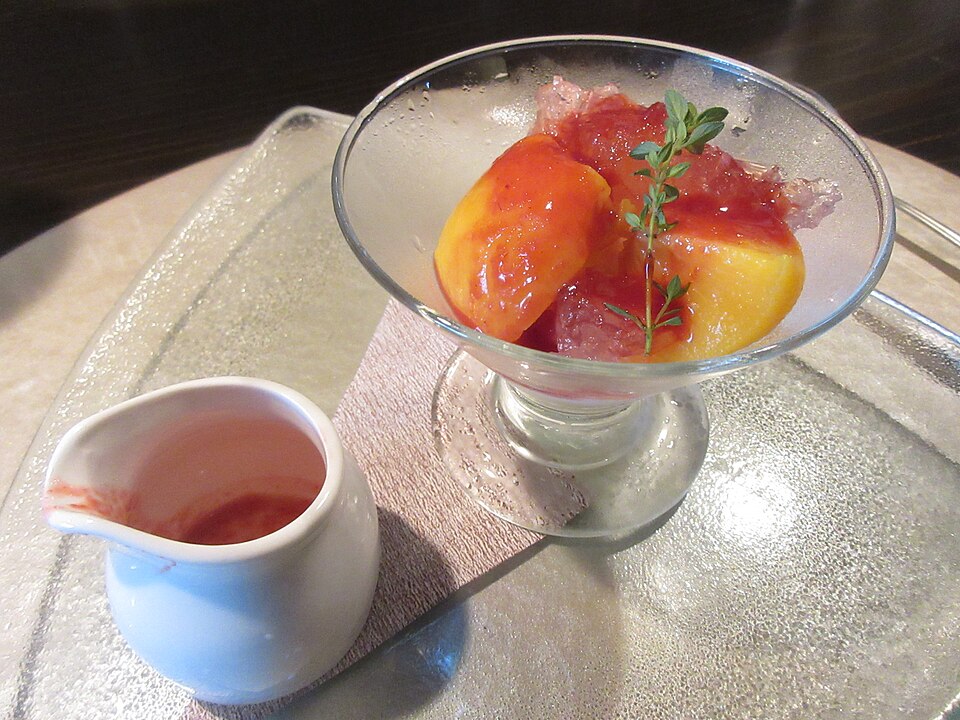
Peach Melba was created by chef Auguste Escoffier in honor of Nellie Melba, the Australian opera star whose performances captivated Europe. The dessert pairs poached peaches with vanilla ice cream and bright raspberry sauce, a balance of aroma, coolness, and tartness that feels theatrical without heaviness. It travels well as an idea, because any kitchen can reproduce the contrast even if plating changes. Naming it after a singer gave it glamour, like a performance translated into fruit. Long after the era, Melba’s stage name still appears in dessert cases, keeping a piece of operatic history edible. It’s one of those dishes that sounds like praise and tastes that way too.
Pavlova
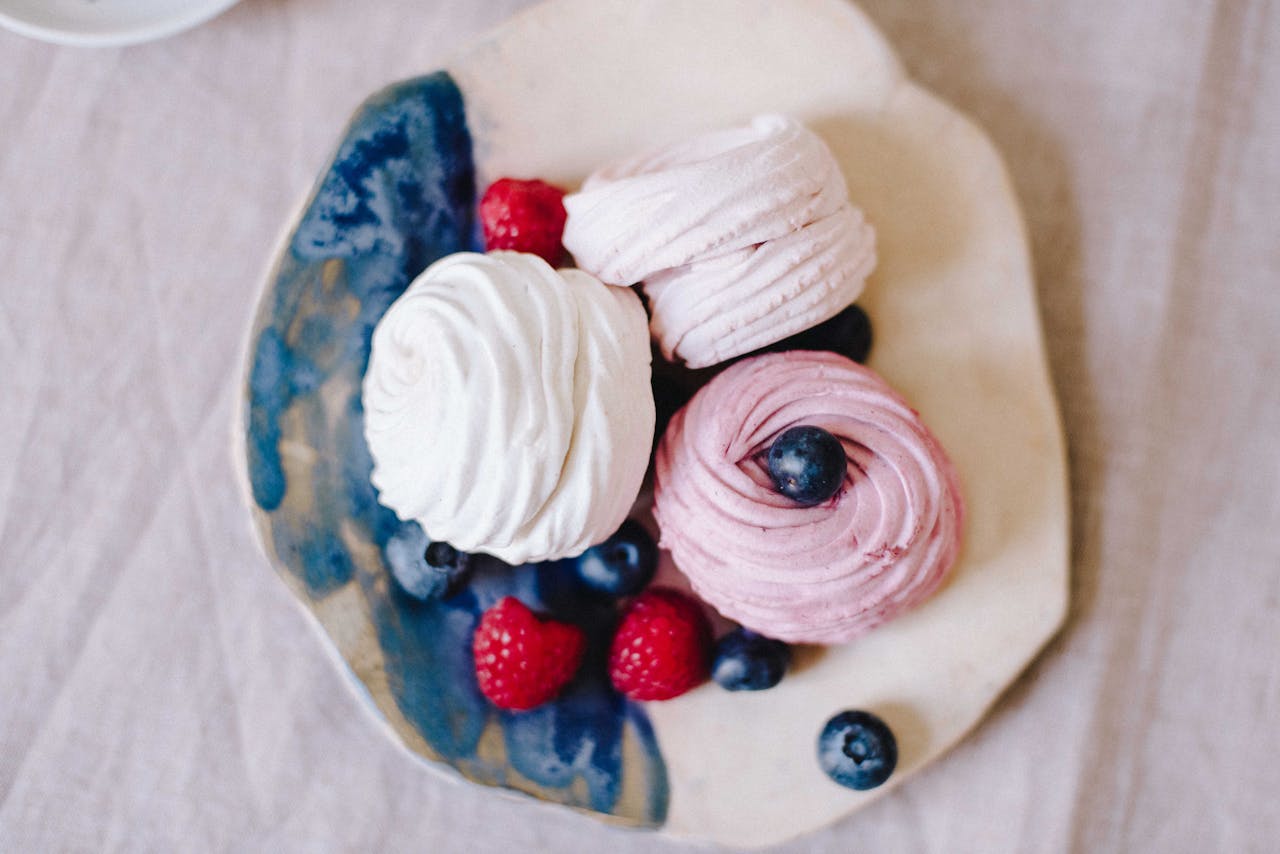
Pavlova, a crisp meringue shell with a creamy center crowned by fruit, bears the name of Anna Pavlova, the Russian ballerina who toured across the globe in the early 20th century. Both Australia and New Zealand claim its origin, and that friendly rivalry is part of the dessert’s charm. Either way, the name suits the dessert: light, dramatic, and built for contrast, like a costume that crackles before it melts. Served at celebrations, it turns pantry staples into something that feels like an event. The dancer’s surname now travels to tables far from the stage, carried by berries, kiwifruit, and warm-weather gatherings. It shows how a touring star can leave a sugar‑coated legacy as easily as an applause.
Eggs Benedict
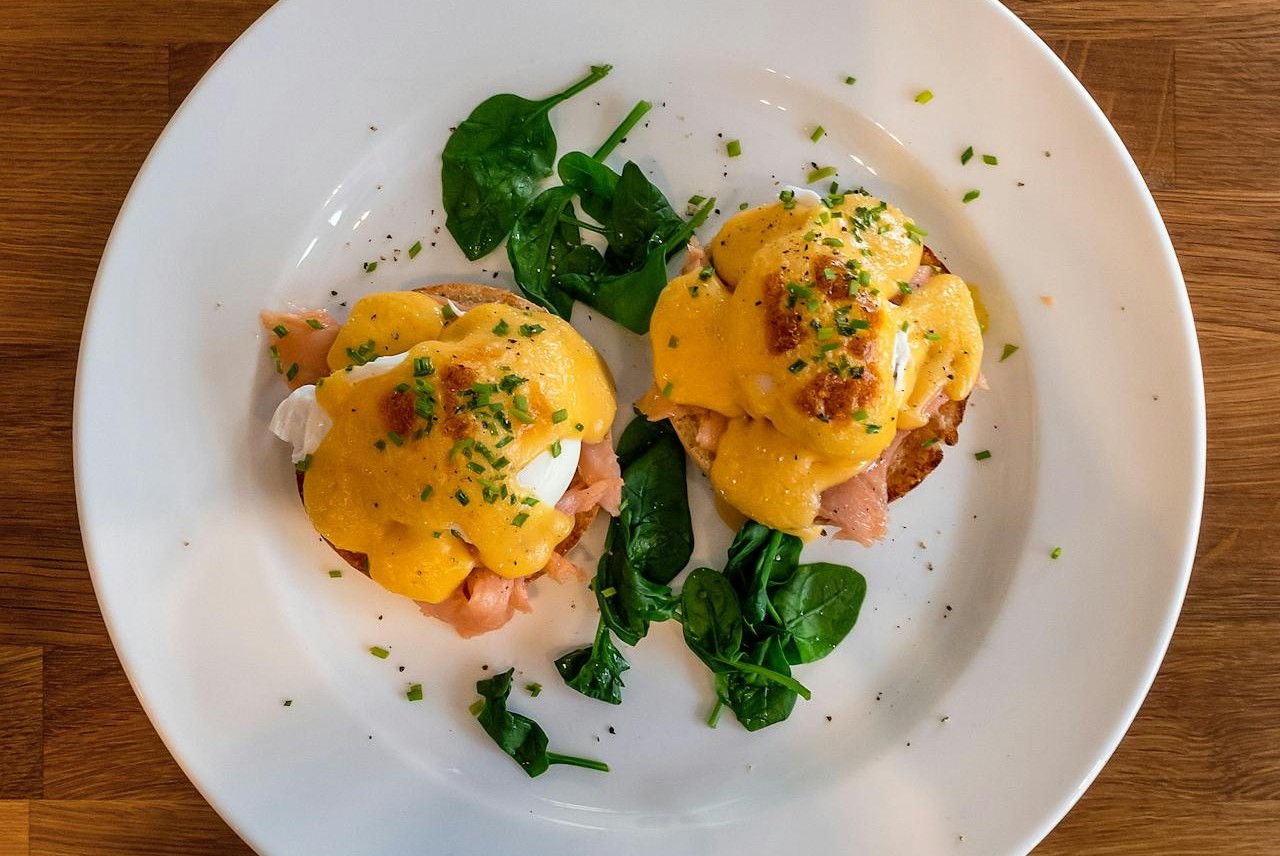
Eggs Benedict is wrapped in origin legends, with one popular tale naming a hungry Wall Street regular, Lemuel Benedict, who reportedly ordered a hangover cure at a New York hotel in the 1890s. Poached eggs, Canadian bacon, and hollandaise on an English muffin embody the restaurant-ready appeal: repeatable, comforting, and indulgent enough for brunch. Even if another Benedict deserves credit, the name persists in casual conversations across busy weekend kitchens. It also demonstrates how a single clever combination can become a lasting template. Once a dish balances rich sauce with salt, acidity, and soft bread, it stops being a special order and becomes a standard fixture.
Caesar Salad
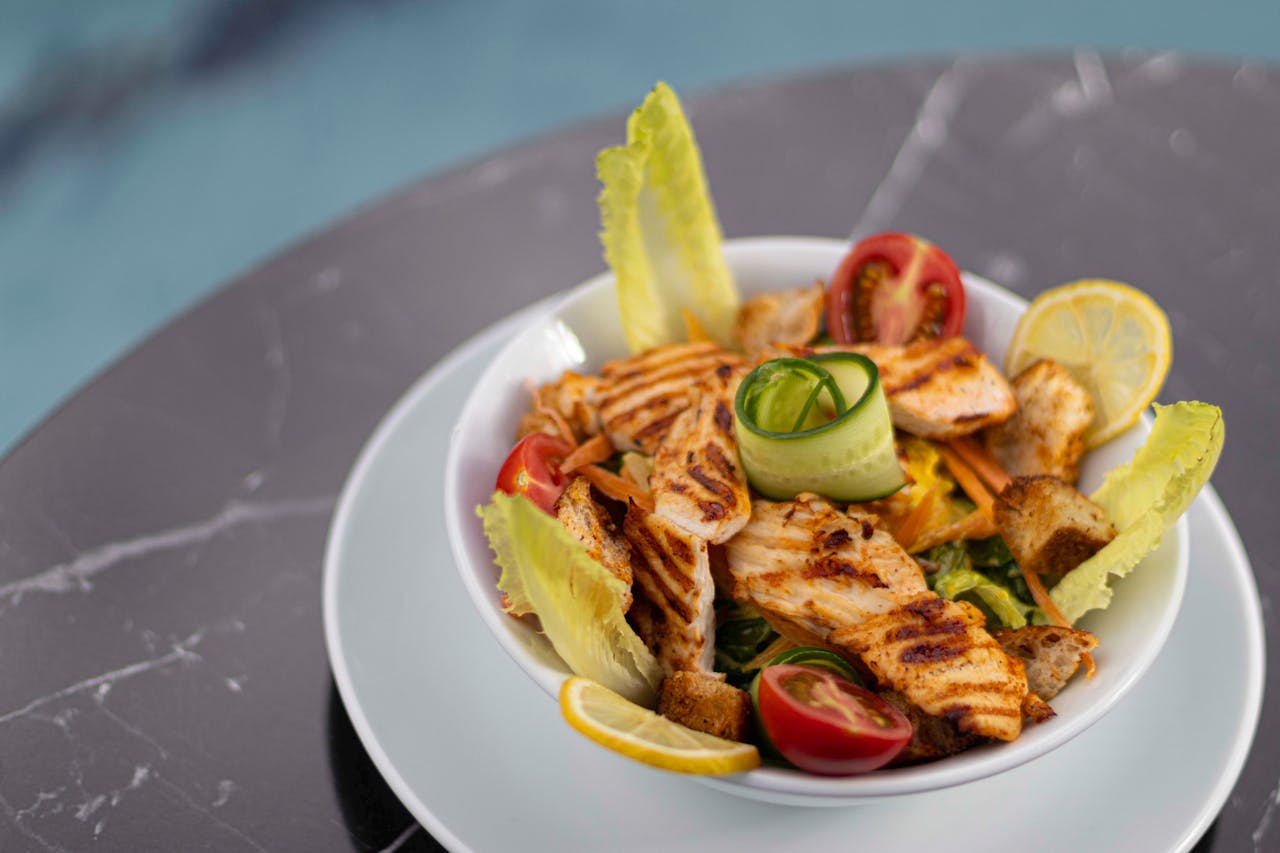
Caesar salad bears the name of Caesar Cardini, the Italian-born restaurateur who served the dish in the 1920s at his Tijuana spot, where travelers sought lively nights. The classic version is more than romaine and dressing; it’s a balanced blend of garlic, lemon, egg, and crunchy croutons, sometimes with a touch of showmanship. The name stuck because it sounded bold and grand, even though it honored a working chef rather than a mighty ruler. Today it appears everywhere—from diners to steakhouses—because it hits a reliable note: crisp greens, sharp dressing, and a satisfying bite. A culinary improv became a global standard, and the creator’s first name became the enduring label.
Nachos
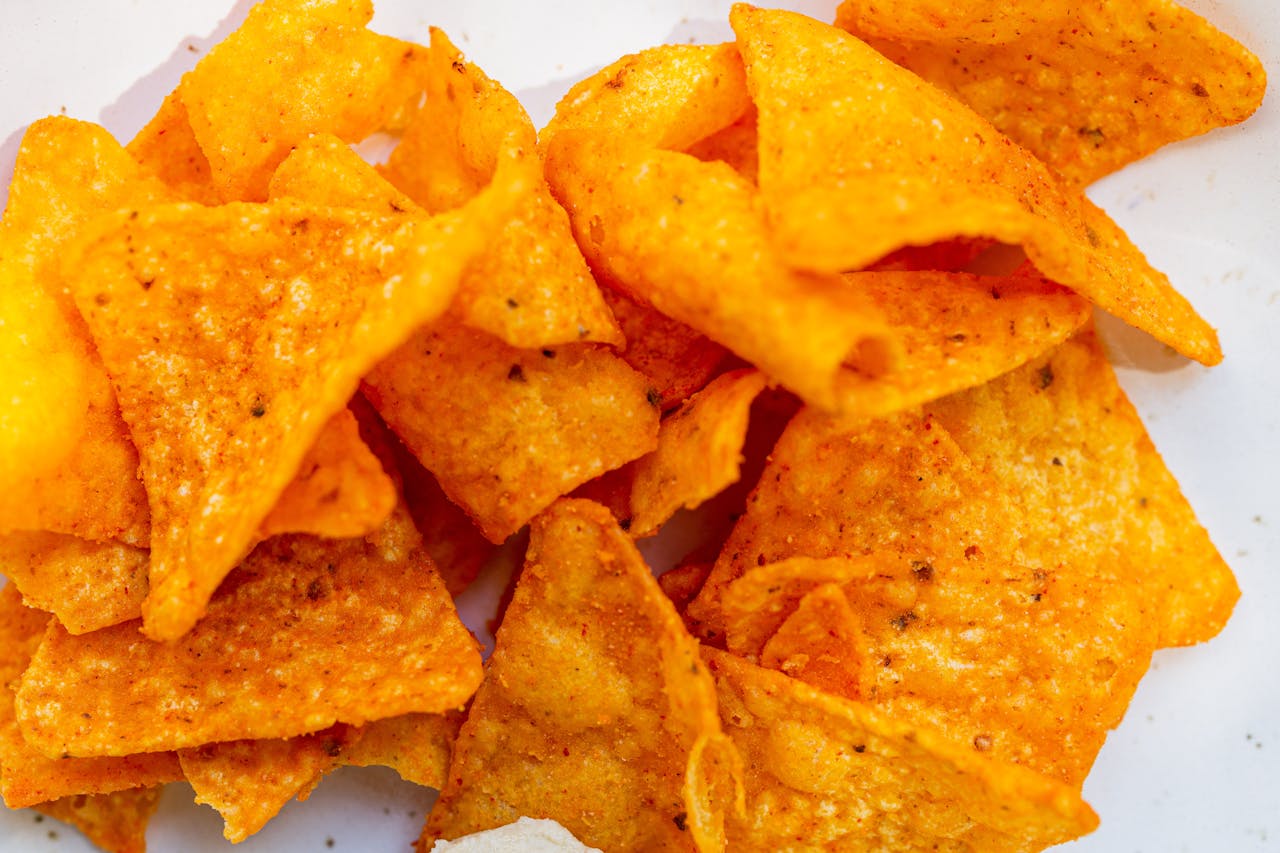
Nachos trace back to Ignacio Anaya, a maître d’ in Piedras Negras, Mexico, who reportedly piled fried tortilla chips with melted cheese and sliced jalapeños for unexpected guests. The snack spread because it was practical problem‑solving, created from what was on hand and meant to share without fuss. Calling them Nachos, a nickname for Ignacio, gave the bite a friendly human touch, as if the inventor were still nearby. Variations now stretch into full meals, but the core idea remains simple: heat, salt, and crunch for communal eating. It’s one of the rare dishes where the casual name and the casual format align perfectly. The appeal lies in the notion that great bar bites are often improvised solutions, and this one preserves its creator’s nickname forever.
Shirley Temple
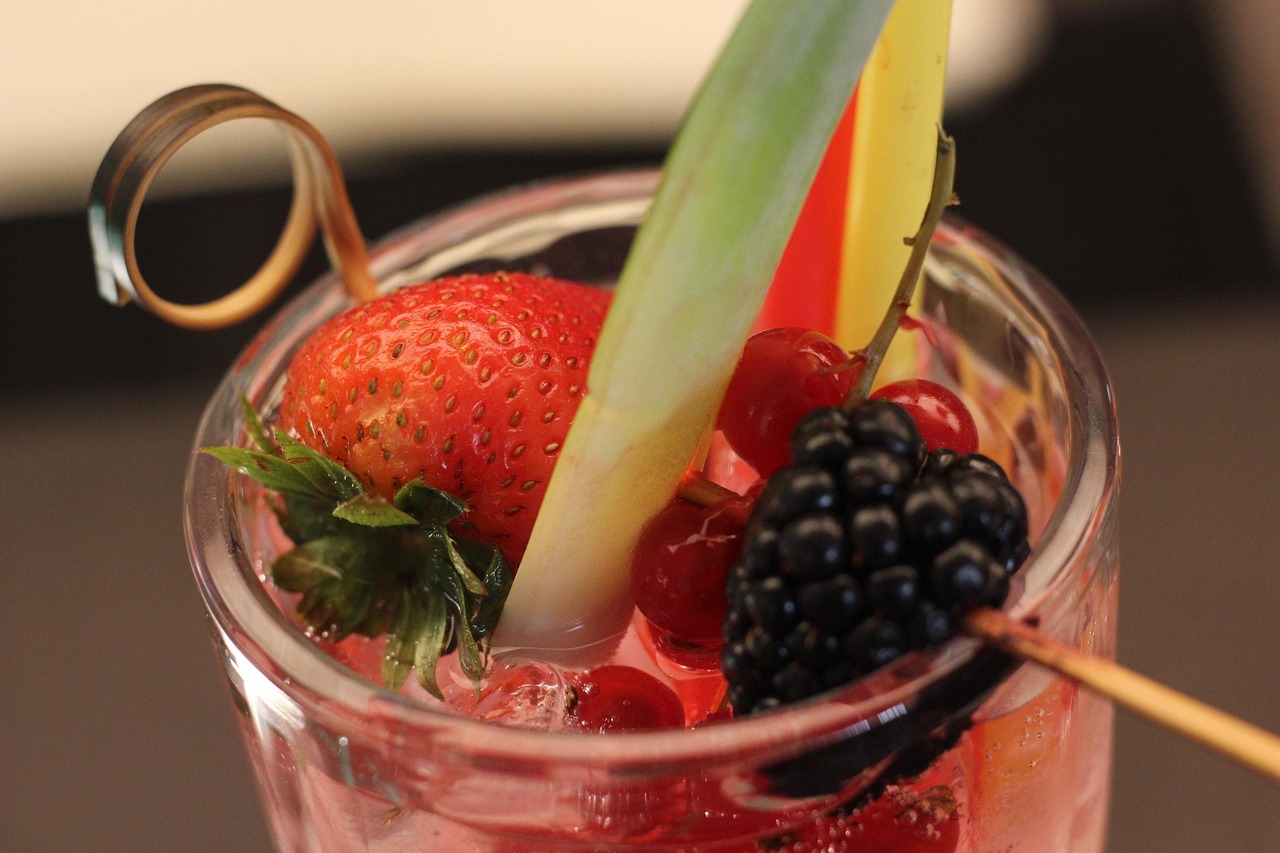
The Shirley Temple, a bright blend of ginger ale or lemon-lime soda with grenadine and a cherry, borrowed its name from the child star who became an icon of old‑Hollywood charm. The exact inventor is debated, but its role is clear: a mocktail that lets youngsters join restaurant rituals without alcohol. The name did half the work, promising sweetness, sparkle, and a touch of celebrity glow in a glass. Decades later, it still appears on menus as a family‑friendly celebration option. It endures because it feels ceremonial, not complicated, and the cherry finish makes it memorable. A famous face became a flavor cue, and the cue still works whenever a table wants a festive drink without the buzz.
The Arnold Palmer
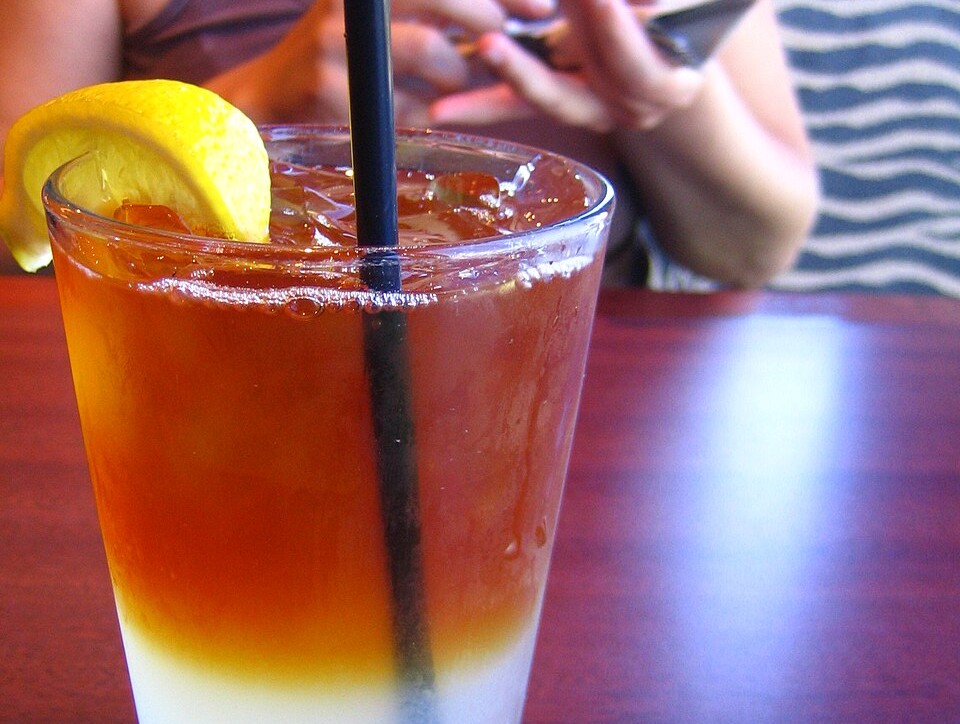
The Arnold Palmer is simply iced tea blended with lemonade, but the name turned a common mix into a signature order. It honors the legendary golfer associated with the combo, and the story fits his image: straightforward, refreshing, and quietly confident. In clubhouses and neighborhood delis alike, the drink signals balance, sweetness tempered by tannin, citrus smoothing the edge, and ice doing the rest. The name also carries an American summer mood: patios, warm afternoons, and condensation on plastic cups. It’s a rare case where the celebrity reference is gentle, yet it still gives the drink its own category. When a beverage earns a name, it stops being a mere mix and becomes a ritual, ordered the same way across towns and generations.
Graham Crackers
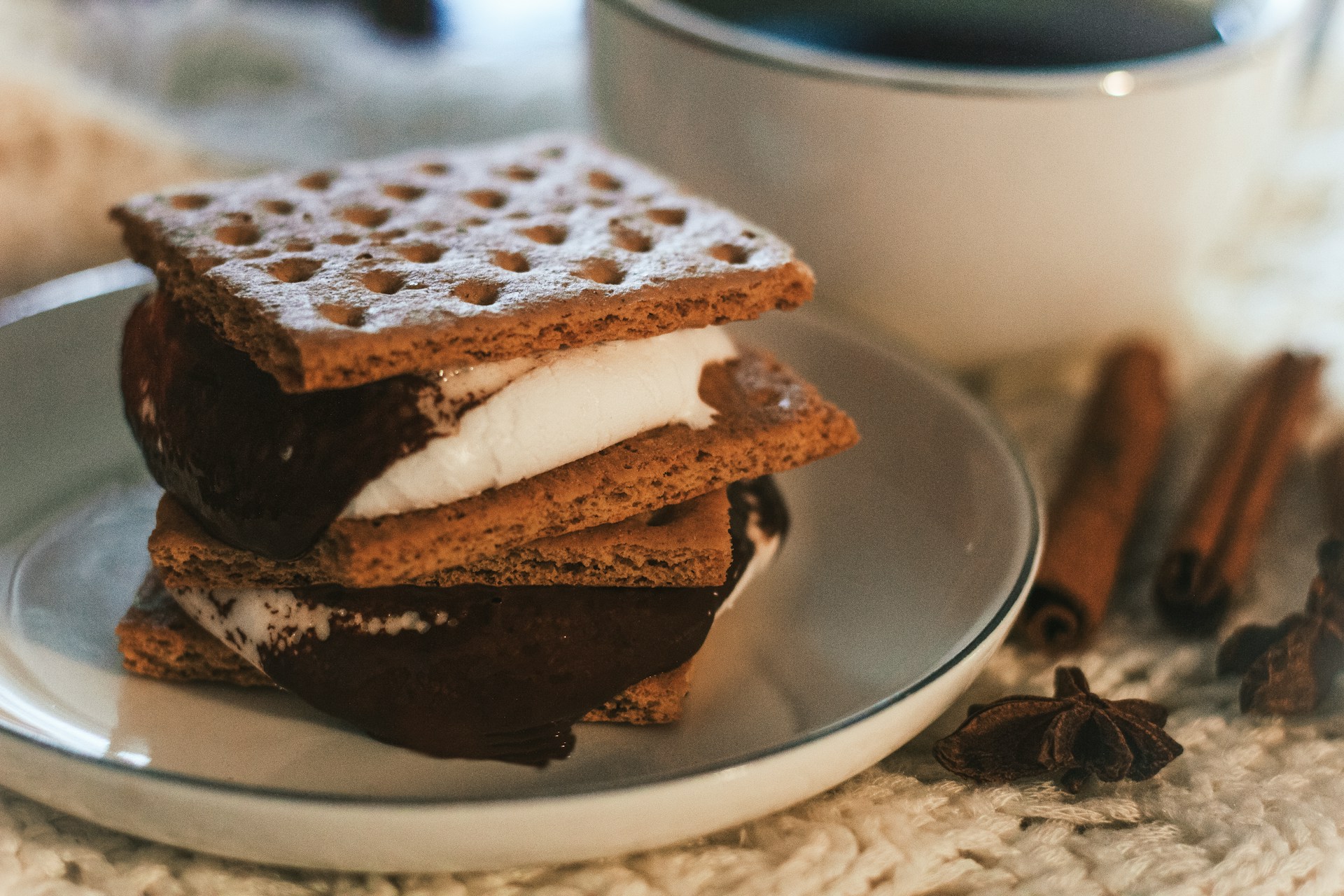
Graham crackers bear the name of Sylvester Graham, a 19th‑century reformer who promoted whole grains and plain eating as a path to discipline. His original ideas leaned toward restraint, yet the modern cracker grew sweeter over time, especially once it found a second life in s’mores and pie crusts. That twist is part of the charm: a stern advocate’s surname now sits beside marshmallows and chocolate at campfires. Still, the grainy snap hints at the original intent, and the name stands as a fossil of a moment when food carried moral lessons along with flavor. It also shows how culture edits history—the person may have wanted restraint, but the public kept the name and rewrote it into comfort and fun.