
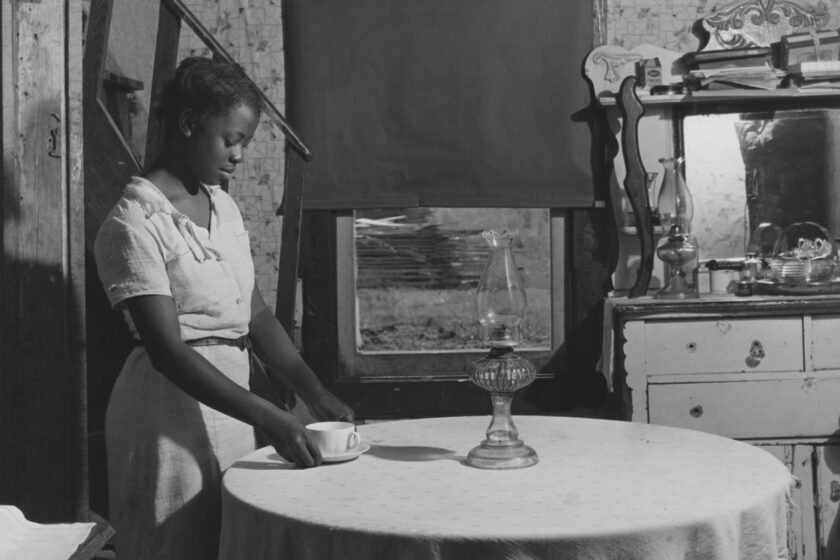
Daily life in medieval Europe demanded physical endurance that feels almost unimaginable today. Hygiene practices were shaped not by comfort or health science, but by survival, superstition, religion, and limited resources. Clean water was difficult to access, soap was expensive or homemade, and the medical understanding of germs did not exist. People believed illness came from bad air, divine punishment, or imbalanced bodily humors, not bacteria. As a result, many hygiene habits that seem harsh now were considered sensible or even protective at the time. These routines were shared across social classes, though the poor faced the greatest risks. Exploring medieval hygiene reveals how ordinary tasks like washing, waste disposal, and grooming required resilience, tolerance, and adaptation to a world where cleanliness was a luxury rather than a standard.
1. Bathing Was Rare and Often Actively Discouraged

Contrary to modern expectations, bathing during the medieval period was infrequent and sometimes deliberately avoided. From roughly the 12th century onward, many physicians warned that hot water opened the skin’s pores, allowing disease to enter the body. These beliefs came from ancient medical theories that still dominated European thinking. Public bathhouses, once common in earlier centuries, gradually closed as they were associated with moral corruption and the spread of illness. For rural families, bathing was also impractical. Heating enough water required large amounts of firewood, which was costly and time-consuming to gather. Most people settled for partial washing, cleaning only visible areas like hands, face, and feet. Full-body bathing was reserved for special occasions, highlighting how enduring discomfort was a normal part of medieval life.
2. Soap Was a Luxury Most People Rarely Used
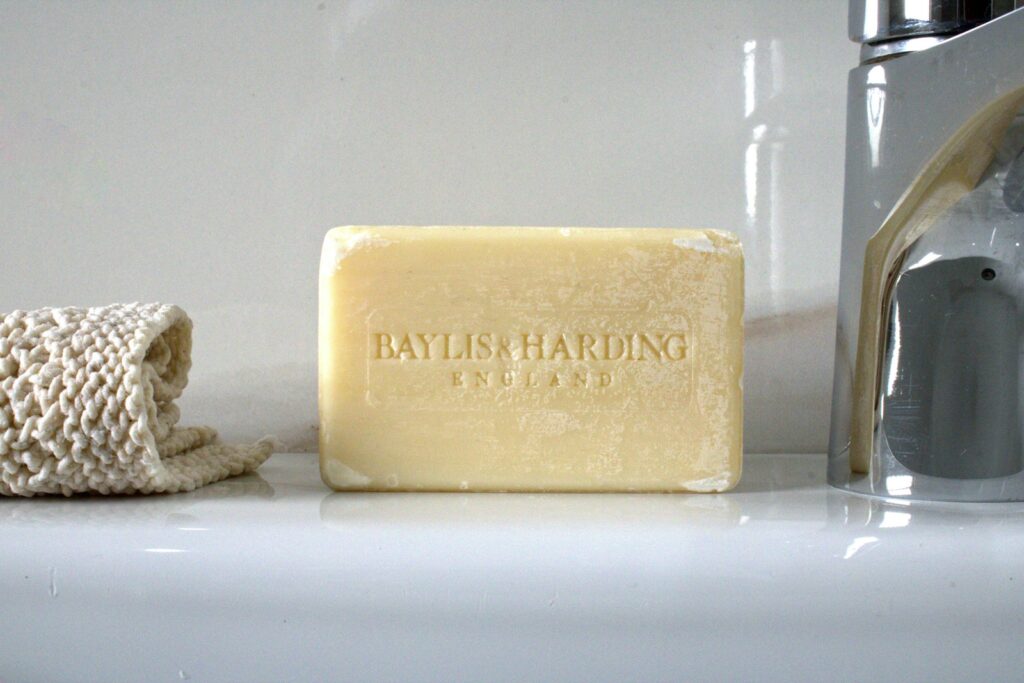
Soap existed in medieval times, but it was far from a household staple. Early soap was usually made from animal fat mixed with lye derived from wood ash, producing a harsh substance that could irritate skin. Commercially produced soap was expensive and mostly available in wealthier towns or port cities involved in trade. As a result, peasants and laborers often relied on plain water or rough cloths to remove dirt. Some used sand, straw, or ashes as scrubbing agents, which cleaned skin but caused abrasions. Herbal infusions were occasionally used for scent rather than cleanliness. Because soap was not regularly used, grime accumulated quickly, especially among those working in fields or workshops. This constant exposure to dirt, sweat, and bacteria shows how physically demanding medieval hygiene truly was.
3. Tooth Cleaning Was Crude, and Pain Was Endured, Not Treated
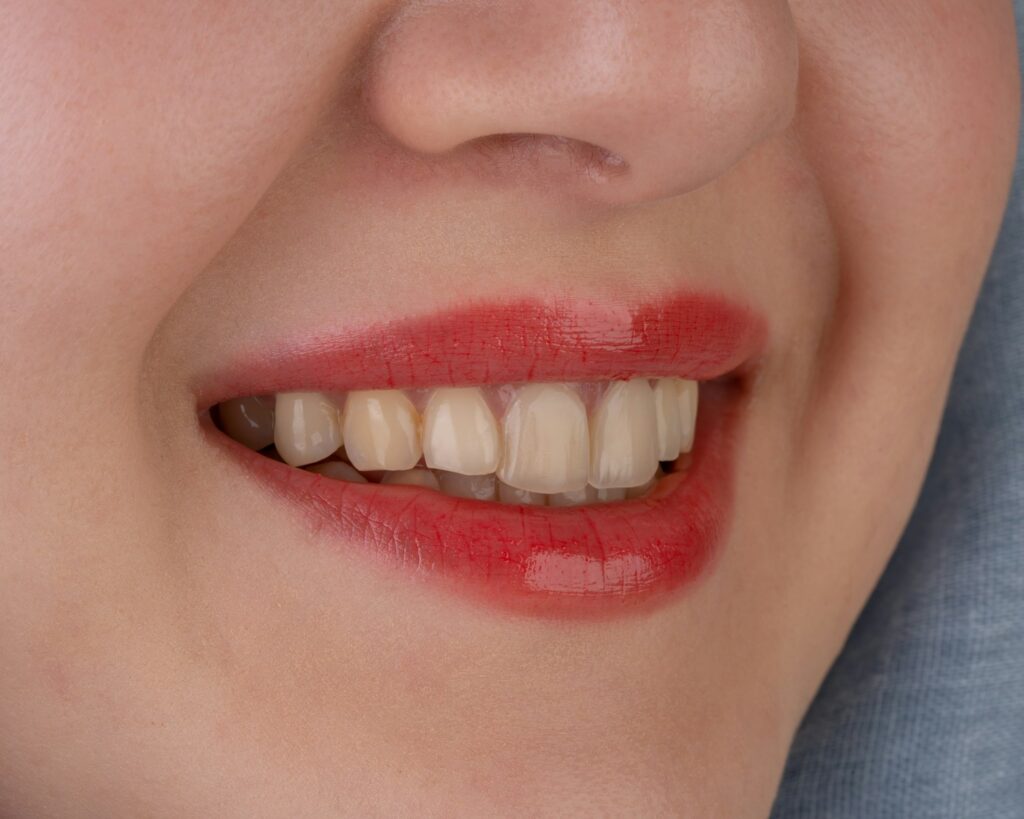
Medieval dental hygiene reflected both limited tools and limited medical understanding. Toothbrushes were unknown, so people relied on chewing sticks, linen cloths, or fingers to scrape food from their teeth. Common cleaning agents included salt, crushed charcoal, sage, or mint leaves, chosen more for tradition than proven effectiveness. While these substances could remove surface debris, they offered no real protection against decay or infection. Sugar was rare for peasants but increasingly common among nobles, leading to severe dental rot in wealthier households. Toothaches were widespread and often debilitating. Dentists did not exist, and barber-surgeons handled extractions using crude instruments without anesthesia. Many infections spread to the jaw or bloodstream, making oral pain a dangerous but accepted part of medieval life.
4. Shared Sleeping Spaces Increased Dirt and Disease Exposure

Sleeping arrangements in medieval households created constant hygiene challenges. Most families lived in single-room homes where parents, children, servants, and sometimes animals slept together. Beds were rare and expensive, so many people slept on straw-filled mattresses or directly on the floor. These bedding materials absorbed sweat, dirt, parasites, and bodily fluids over time and were rarely replaced. Straw mattresses became breeding grounds for fleas, lice, and mites, worsening infestations already present on clothing and skin. Bedding was aired rather than cleaned, as washing required water and labor that few could spare. Shared blankets spread skin infections and respiratory illnesses quickly. Nighttime offered no relief from filth or discomfort, making rest itself physically demanding. Enduring unhygienic sleeping conditions further shows how resilience was essential for survival in medieval daily life.
5. Lice, Fleas, and Other Parasites Were Part of Daily Routine

Parasitic infestations were so common in medieval society that they were viewed as unavoidable rather than signs of neglect. Infrequent bathing, crowded living conditions, and rarely washed clothing allowed lice and fleas to thrive. Wool garments, worn year-round and difficult to clean, trapped parasites close to the skin. Bedding made from straw or hay created ideal breeding grounds, especially when shared by multiple family members or animals. People scratched openly, even during social or religious gatherings, as itching was universal. Some used fine-toothed combs or herbal rinses, but results were limited. Fleas also spread diseases, though this connection was unknown. Constant discomfort, sores, and infections reveal how physically demanding everyday medieval hygiene truly was.
6. Clothing Was Rarely Washed and Absorbed Filth Over Time
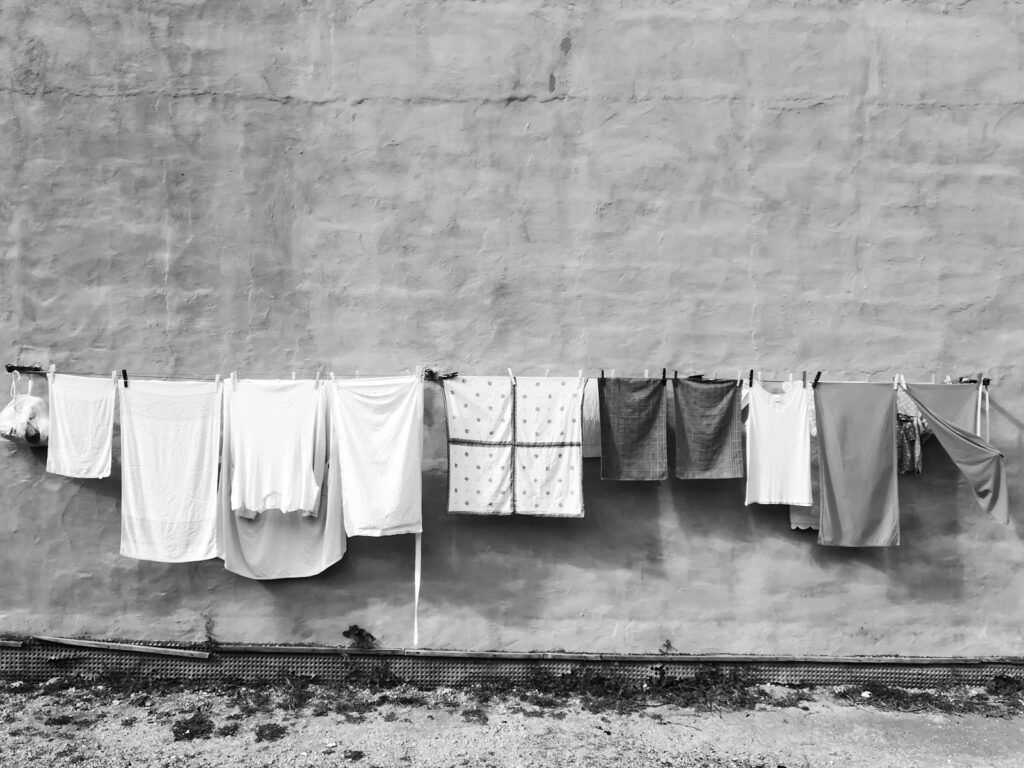
Washing clothes in medieval times was labor-intensive and infrequent, making garments long-term carriers of dirt, sweat, and bacteria. Most people owned only one or two outfits, worn daily for work, sleep, and travel. Fabrics like wool were especially difficult to clean because washing caused shrinking and damage. As a result, clothing was aired rather than washed, with the belief that sunlight removed foulness. Linen undergarments, when available, were washed more often, but soap use remained limited. Stains, odors, and parasites built up over weeks or months. Clothing absorbed bodily oils and environmental grime, creating constant skin irritation. Wearing unclean garments was unavoidable, showing how medieval hygiene demanded physical tolerance rather than cleanliness.
7. Menstrual Hygiene Relied on Reusable Cloth and Silence

Menstrual hygiene in medieval society was shaped by scarcity, secrecy, and cultural discomfort. Disposable products did not exist, so women used strips of linen, wool, or old fabric as absorbent pads. These clothes were washed and reused repeatedly, often in cold water without soap. For poorer women, access to extra fabric was limited, leading some to rely on layered clothing alone. Menstruation was rarely discussed openly and was surrounded by superstition, with beliefs that menstrual blood was dangerous or impure. Washing materials privately was difficult in shared living spaces. Managing discomfort, odor, and leaks while continuing physical labor required endurance. This hidden burden highlights how daily medieval hygiene demanded resilience, especially from women.
8. Drinking Water Was Often Unsafe and Rarely Clean

Access to clean drinking water was a constant challenge in medieval life. Wells, rivers, and streams were the main sources, but they were frequently contaminated by human waste, animal carcasses, and household runoff. In towns, waste dumped into streets is often washed directly into water supplies during rain. Boiling water was not a common habit, as fuel was expensive and the danger of microbes was unknown. To reduce risk, many people drank weak beer or ale instead, as the brewing process killed some harmful organisms. Children consumed diluted alcohol daily for this reason. Despite these precautions, waterborne illnesses were widespread. Living with constant stomach sickness and dehydration required endurance, showing how even basic hydration was a daily struggle.
9. Shared Grooming Tools Spread Infection Easily
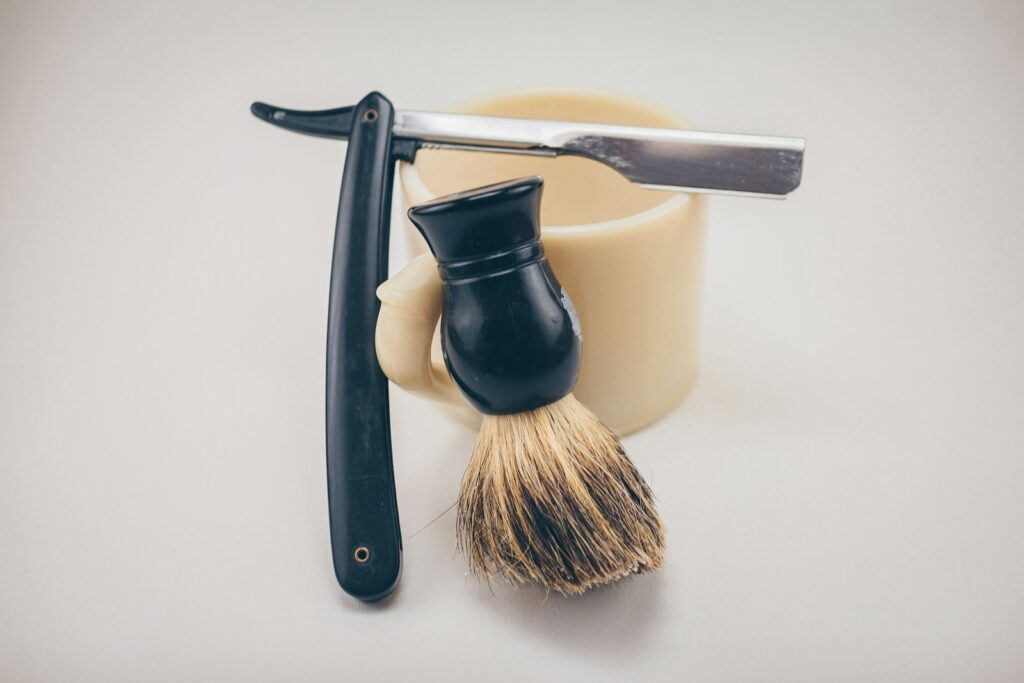
Personal grooming in medieval times involved widespread sharing of tools, which unknowingly increased disease transmission. Combs, razors, tweezers, and nail knives were often used by entire households or even communities. Barbers performed haircuts, shaves, bloodletting, and minor surgeries using the same instruments, rinsed only in water between uses. There was no understanding of sterilization, so cuts and nicks frequently became infected. Grooming tools also transferred lice, skin diseases, and fungal infections. Even monasteries and noble households shared equipment among many people. Grooming was less about hygiene and more about appearance or tradition. Enduring frequent infections and slow-healing wounds reflects how physically demanding personal care truly was in medieval society.
10. Illness Was Treated as a Hygiene Issue of Fate, Not Prevention

In medieval society, illness was closely tied to hygiene but rarely approached through prevention. People believed disease came from divine punishment, bad air, or imbalanced humors rather than unclean conditions. As a result, everyday hygiene habits focused on appearances or rituals, not stopping illness. Sick individuals were often treated at home in crowded spaces with poor ventilation. Washing the body during illness was sometimes avoided, as sweat was thought to expel disease. Medical advice encouraged bleeding, purging, or prayer rather than cleanliness. Shared bedding, clothing, and utensils allowed infections to spread rapidly within families. Without understanding germs, people endured recurring sickness as unavoidable. Surviving frequent illness alongside harsh hygiene realities demonstrates just how tough daily medieval life truly was.
Keep reading on The WiC Project Lifestyle Blog & Miriam’s Boutique: Home Goods, Beauty, & Fashion Store