
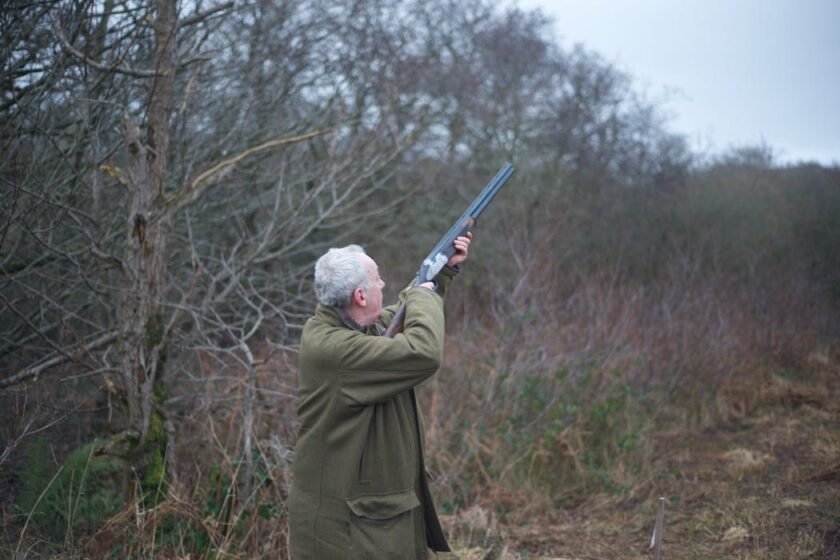
Hunting culture in the 1970s reflected a slower, more deliberate approach shaped by equipment, tradition, and expectations. Many hunters carried fewer rounds, yet consistently achieved successful harvests across seasons. Limited technology encouraged patience, careful observation, and disciplined shooting habits. Firearms lacked modern optics and accessories, reinforcing reliance on skill rather than volume. Time spent scouting and understanding animal behavior mattered as much as time spent afield. Success often meant one clean shot rather than repeated attempts. Examining this era reveals how restraint, preparation, and familiarity with environments influenced outcomes more than sheer firepower.
Emphasis On Marksmanship

Hunters in the 1970s placed strong emphasis on marksmanship developed through practice and repetition. Ammunition cost and availability encouraged careful shooting rather than casual volume. Many learned fundamentals through local ranges, mentors, and hunting clubs that stressed accuracy. Ethical hunting standards promoted taking shots only within confident distances. This mindset reduced wasted rounds and improved effectiveness. Rifles and shotguns often remained unchanged for years, allowing deep familiarity. Consistent trigger control and sight alignment mattered more than rapid follow-ups. As a result, hunters relied on confidence built through preparation, leading to fewer shots and higher success rates.
Simpler Equipment Expectations
Firearms and gear in the 1970s reflected simpler expectations that shaped hunting behavior. Rifles typically featured iron sights or basic scopes with limited magnification. Without rangefinders or ballistic calculators, hunters closed the distance and waited for clear opportunities. Ammunition choices were narrower, encouraging mastery of a single load. Clothing and packs lacked modern conveniences, reinforcing deliberate movement. These limitations encouraged planning and patience rather than rapid engagement. Hunters adapted to conditions instead of compensating with technology. The equipment demanded thoughtful use, which naturally reduced the number of shots taken while increasing the likelihood that each shot counted.
Stronger Mentorship And Tradition
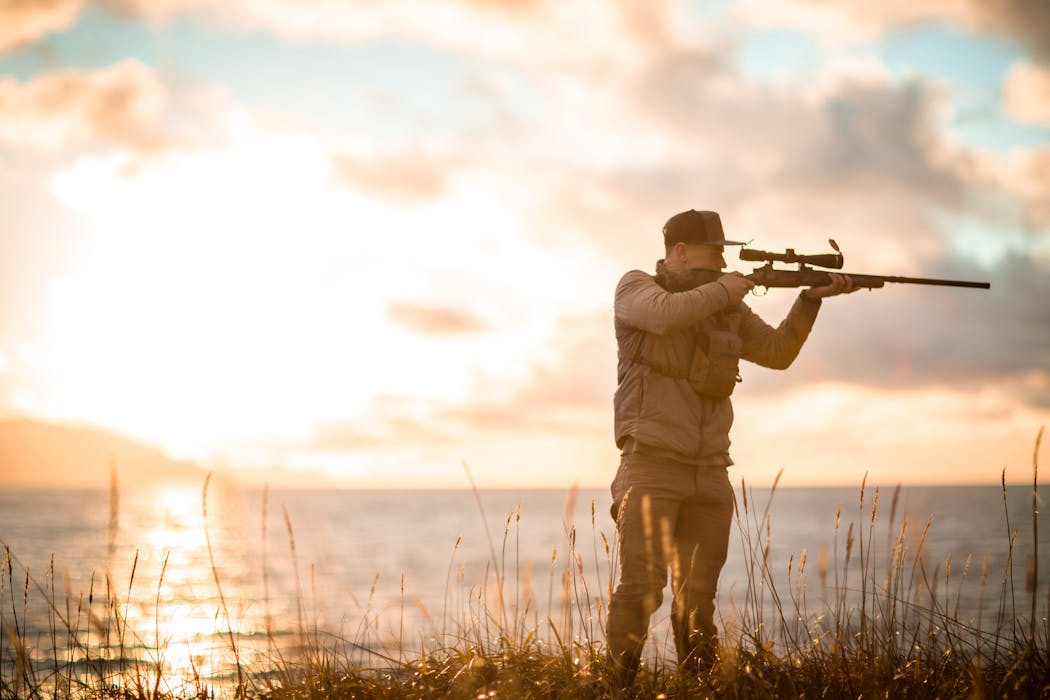
Hunting knowledge in the 1970s often passed directly through families and local communities. Experienced hunters mentored newcomers, emphasizing respect for game and careful shot selection. Stories and shared experiences reinforced values of restraint and responsibility. Many learned when not to shoot as clearly as when to shoot. This cultural reinforcement discouraged hurried decisions. Group hunts and camp traditions created accountability, where missed or careless shots carried social weight. Success meant ethical harvests rather than numbers. These traditions shaped disciplined habits, ensuring that fewer rounds were fired, yet outcomes reflected experience, patience, and deep respect for the hunt.
Limited Access To Rapid Resupply
Hunters in the 1970s often operated with limited access to additional ammunition once afield. Remote hunting areas, fewer sporting goods outlets, and longer travel distances encouraged careful planning. Carrying extra weight was avoided, reinforcing the habit of conserving rounds. This limitation fostered a mindset focused on making each opportunity count. Missed shots carried greater consequences, increasing attentiveness and restraint. Hunters evaluated wind, distance, and animal movement before firing. The absence of easy resupply reinforced discipline. Fewer rounds were fired because each cartridge mattered, promoting thoughtful decisions and higher success through careful execution.
Greater Familiarity With Hunting Areas

Many hunters in the 1970s returned to the same hunting areas year after year, developing deep familiarity with terrain and animal patterns. Knowledge of trails, feeding areas, and seasonal movement improved positioning. This familiarity reduced rushed shots and unnecessary attempts. Hunters anticipated opportunities rather than reacting impulsively. Repeated experience built confidence in judging distance and angles. Time spent observing mattered as much as time shooting. Familiar landscapes supported patience and strategic placement. This long-term relationship with hunting grounds allowed hunters to wait for ideal moments, contributing to fewer shots fired and consistently successful outcomes.
The post Why Hunters in the 1970s Shot Fewer Rounds But Had More Success appeared first on Bushcraft Base Camp.