
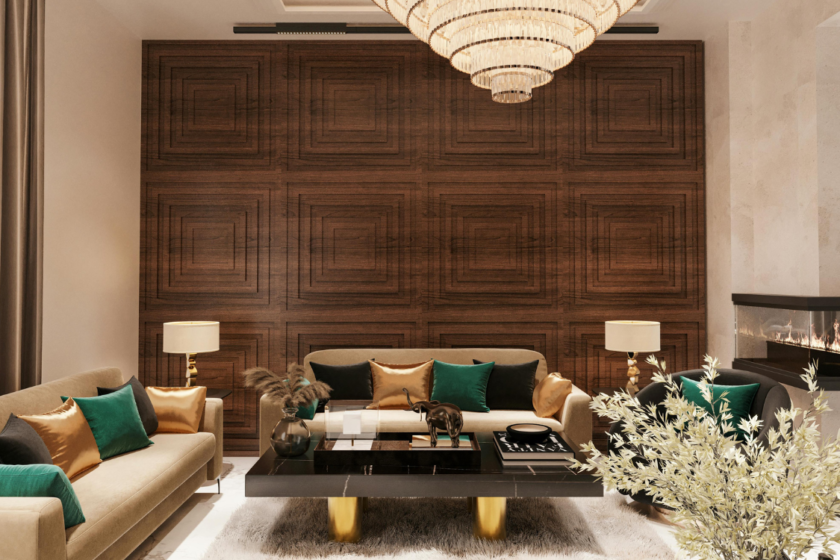
ALL WHITE EVERYTHING INTERIORS
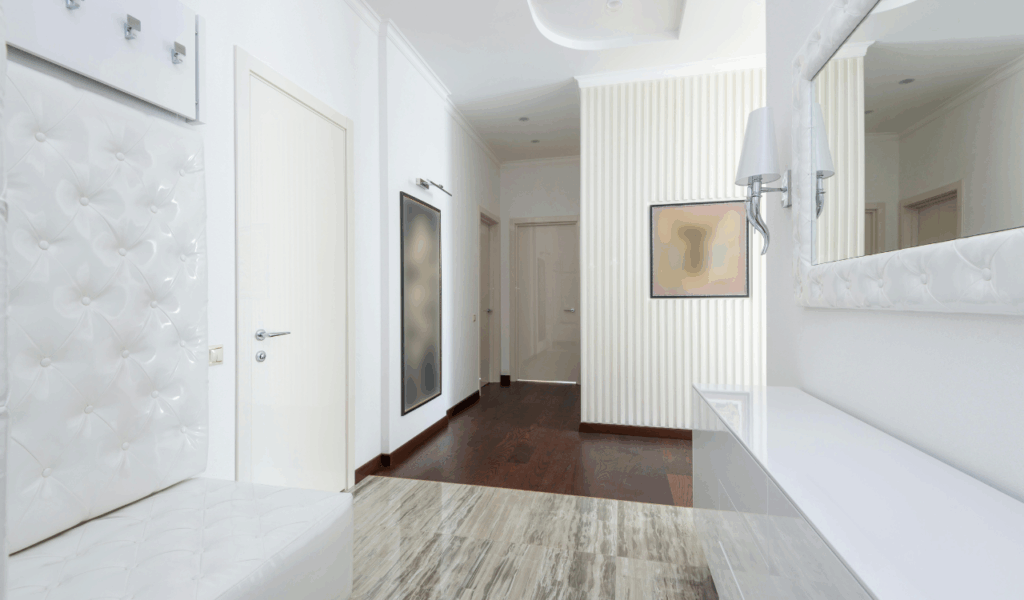
People who curate spaces for the camera often create rooms that look great online but aren’t practical in everyday living. In actual homes, what appears dazzling on a screen can be impractical, uncomfortable, or tough to maintain. Regular houses have kids, pets, belongings to store, and limited time for cleaning. Trends also don’t account for differences in climate, lighting, and layout. This piece discusses popular decorating ideas that fall short in real homes and explains why they become irritating over time. The aim isn’t to mock anyone’s style, but to help readers avoid costly mistakes and keep their homes stylish yet cozy and livable for the long haul.
OPEN SHELVING EVERYWHERE
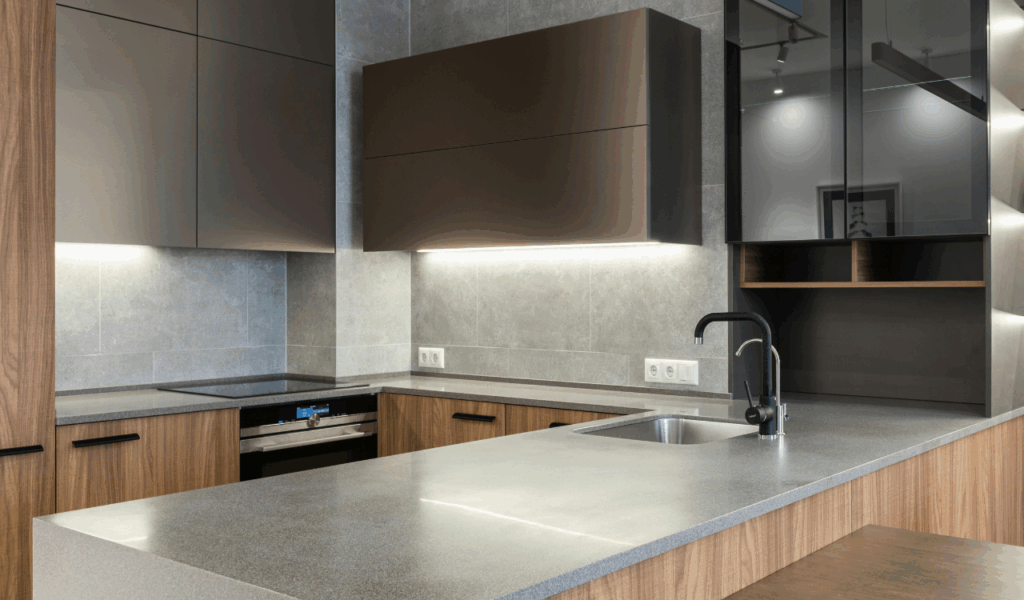
Online, exposed shelving looks roomy, but in reality it tends to get messy quickly. Kitchens and bathrooms need storage for mismatched items, backups, and common tools that don’t always look good. Dust, grease, and moisture can accumulate on open shelves, making cleaning harder. Items must be continually rearranged to keep things tidy, which isn’t feasible for many homes. Open shelves can also expose items to humidity. Enclosed cabinets hide visual noise and protect contents, making them a better choice for busy houses that prioritize function.
ULTRA LOW FURNITURE
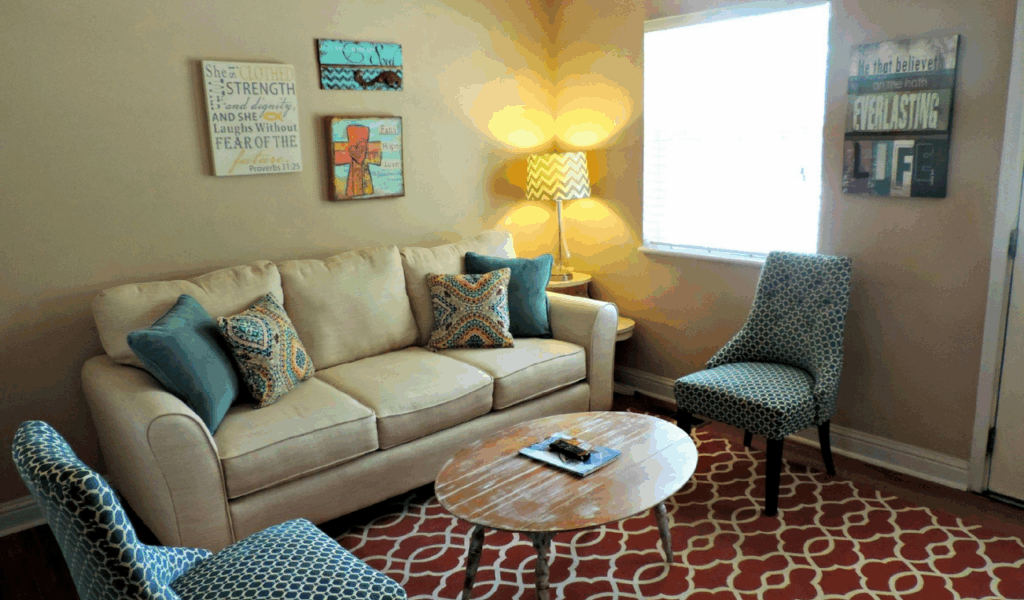
Sofas, beds, and tables with exceptionally low profiles look sleek and futuristic, but they’re not very comfortable or accessible. Getting up from low seating can strain knees and backs, especially for seniors or those with joint issues. Low beds complicate cleaning underneath and reduce storage. In smaller spaces, these pieces can feel out of place. While low furniture can suit minimal, organized spaces, most homes benefit from standard-height items that promote good posture, easy movement, and comfortable seating.
STATEMENT LIGHTING WITHOUT PROPER ILLUMINATION
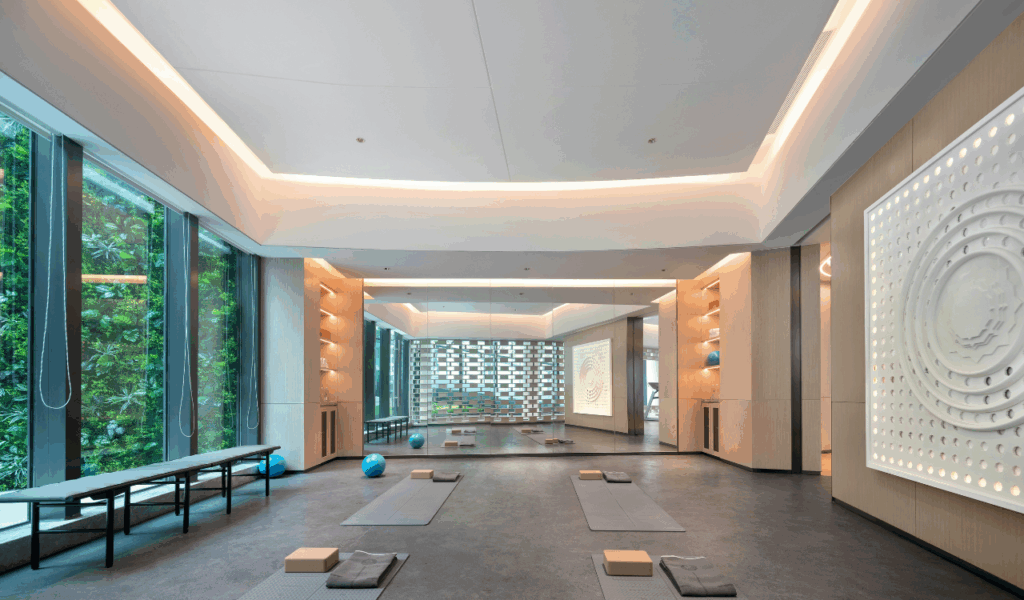
Lighting fixtures that are oversized or sculptural grab attention but don’t provide enough brightness for practical use. Some rooms may require editing or additional lighting gear that typical homes don’t possess. Poor lighting strains the eyes, affects mood, and makes tasks harder. Certain fixtures cast harsh shadows or uneven light, reducing usefulness. Effective lighting relies on multiple layers—ambient, task, and accent. Choosing fixtures solely for their appearance can leave spaces dark and unusable. Real homes need lighting that is both stylish and bright, capable of illuminating a wide area while conserving energy.
TRENDY COLOR PALETTES WITH NO FLEXIBILITY
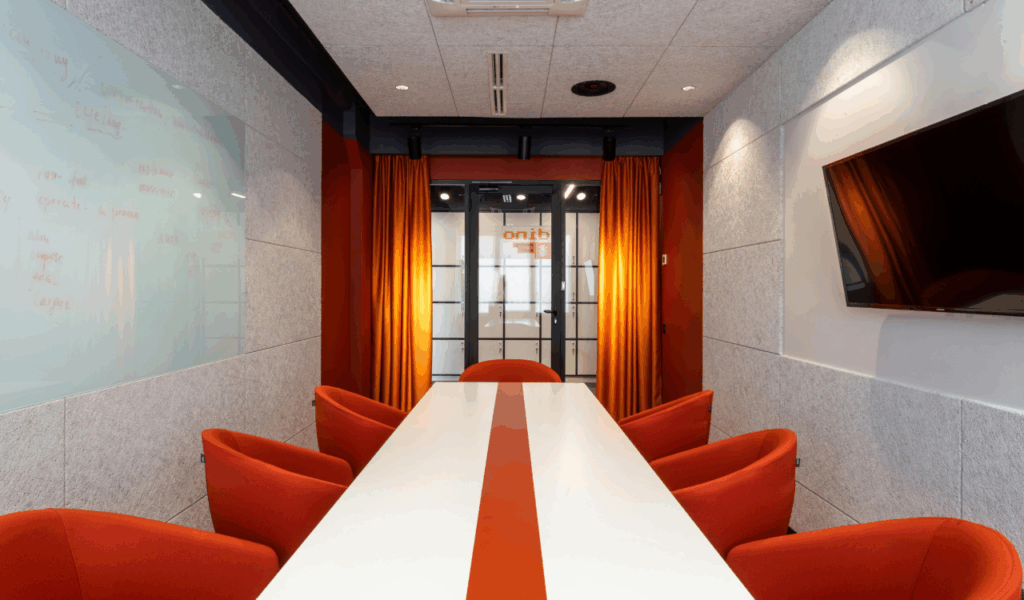
Color trends built around strict palettes feel fresh for a short time but don’t endure. Rigid schemes make it hard to adapt decor later and don’t coordinate well with existing furnishings. When tastes shift, repainting or replacing items becomes costly. Colors can also appear different under various lighting, and in real life they may read as dull or overly strong. Most people want homes that stand the test of time, while influencer spaces often change rapidly. Rooms that rely on neutral bases with flexible accent colors age gracefully. Flexible color choices save money, reduce waste, and avoid constant remodeling.
MINIMALIST ROOMS WITH NO STORAGE
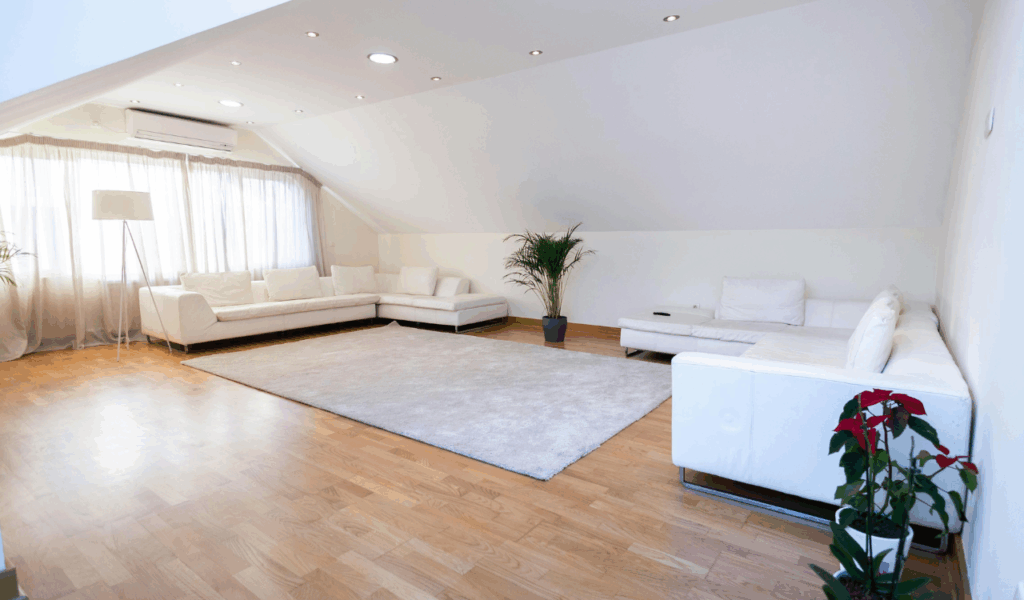
Minimalist interiors sometimes hide storage needs, creating unrealistic expectations. Everyday homes require spots to tuck away papers, devices, and personal items. Without sufficient storage, clutter can quickly take over and trigger stress. Furniture without drawers or cabinets sacrifices practicality for appearance. Real homes stay calm and usable with built-in storage, multi-functional furniture, and hidden compartments. Rather than replicating sparse, staged spaces online, a practical approach blends minimalism with clever storage solutions.
DECORATIVE ITEMS THAT ARE NOT DURABLE
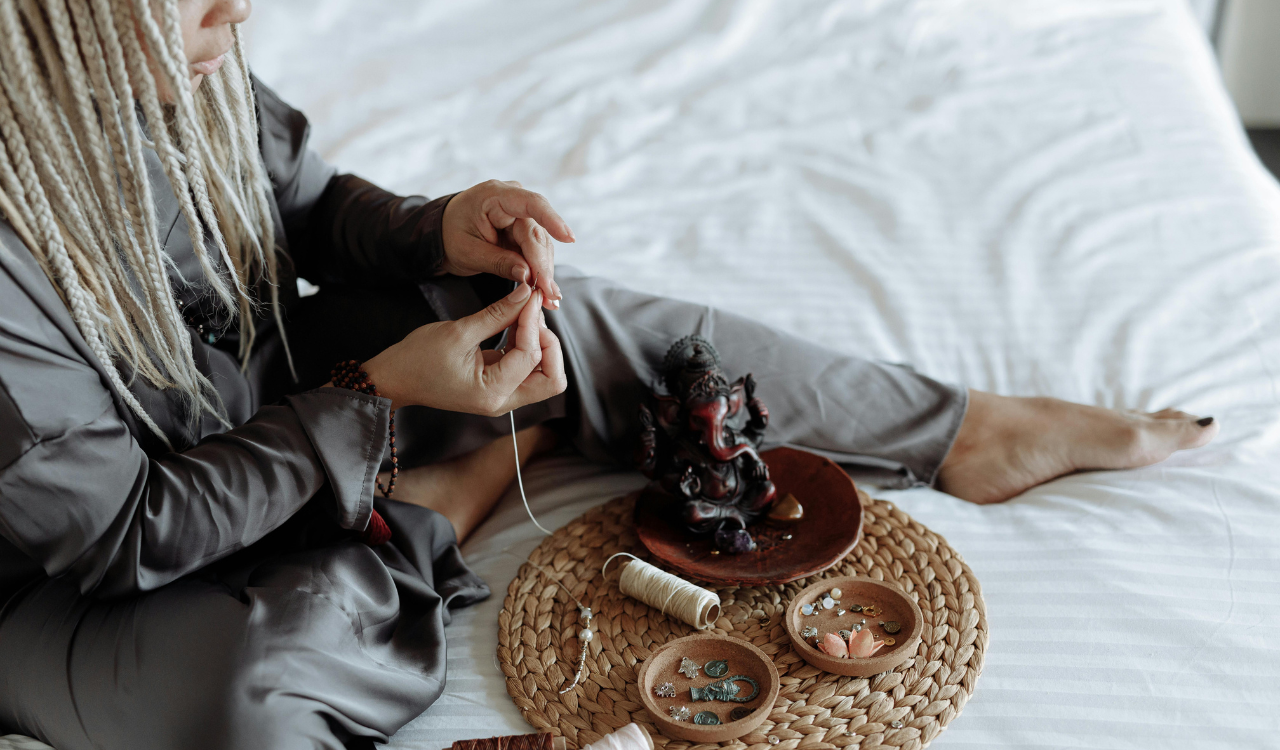
Influencer decor often features fragile glass, unfinished wood, or delicate fabrics. In busy households these items can chip, stain, or break easily. In small spaces, decorative trays, vases, and edges of furniture might pose hazards. Regularly replacing these pieces costs money and creates waste. Durable finishes that withstand wear, moisture, and temperature changes are ideal for real homes. Using sturdy materials like sealed wood, robust ceramics, and washable textiles keeps style intact for years without sacrificing practicality.
FURNITURE PUSHED AWAY FROM WALLS
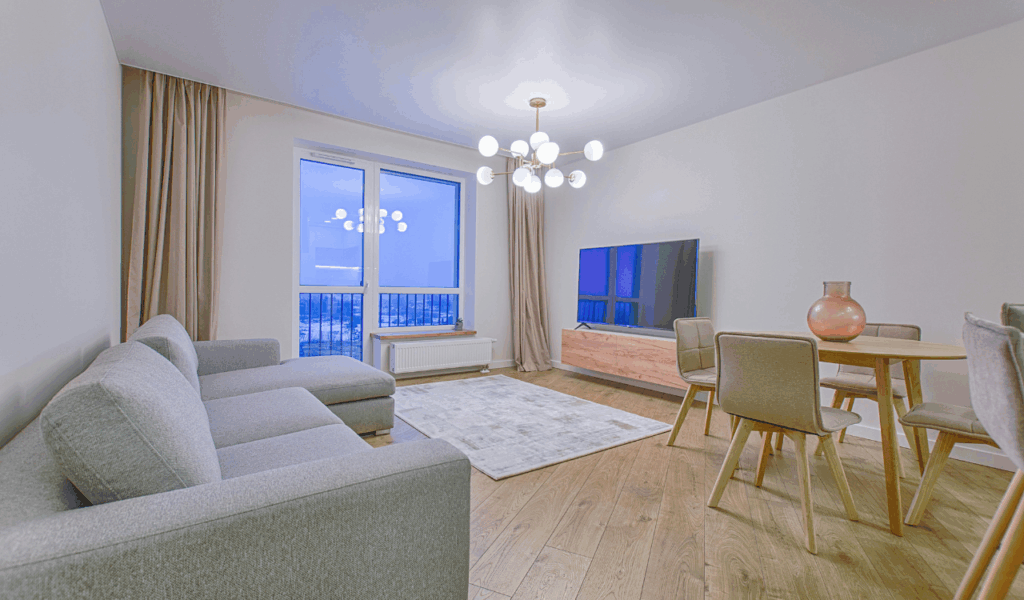
Floating furniture arrangements look appealing on screen but only work in large spaces. In medium-sized houses, pulling pieces away from walls wastes space and hinders movement. Rooms may feel snug rather than open, and walkways can become awkward. Influencer layouts often neglect outlets, door swings, and traffic flow. Most traditional homes function better with furniture positioned to facilitate easy movement and daily activities. Instead of duplicating staged setups for big rooms, well-planned layouts prioritize comfort, flow, and proportion.
DÉCOR CHOSEN ONLY FOR PHOTOS
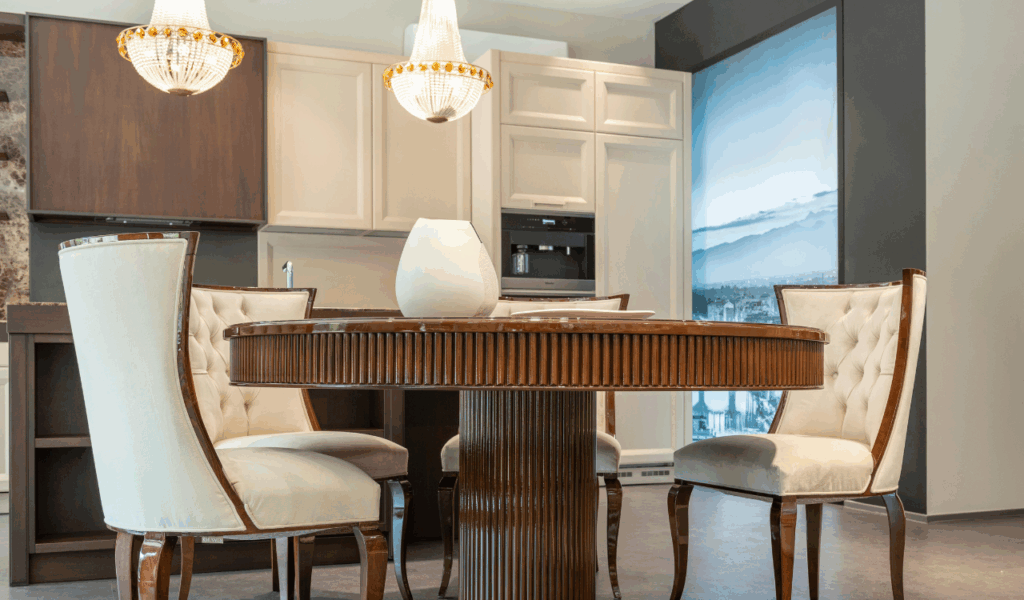
Some decorating trends are purely for drama and add little value in daily life. They may appear striking but aren’t comfortable, practical, or durable. When the cameras aren’t rolling, homes made for photography can feel impersonal or hard to use. Real living spaces should support relaxation, work, and connection with others. When style overshadows comfort, everyday life suffers. Durable, usable pieces that feel good to touch create spaces that remain inviting long after trends fade.