
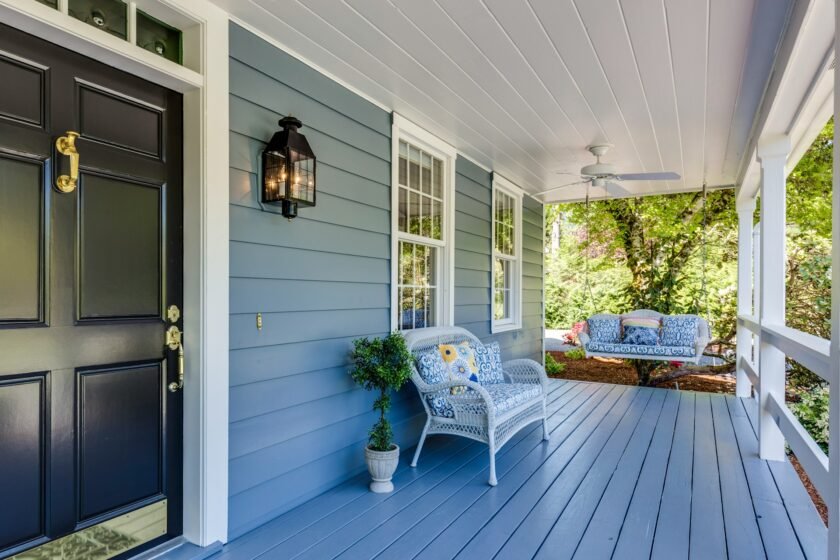
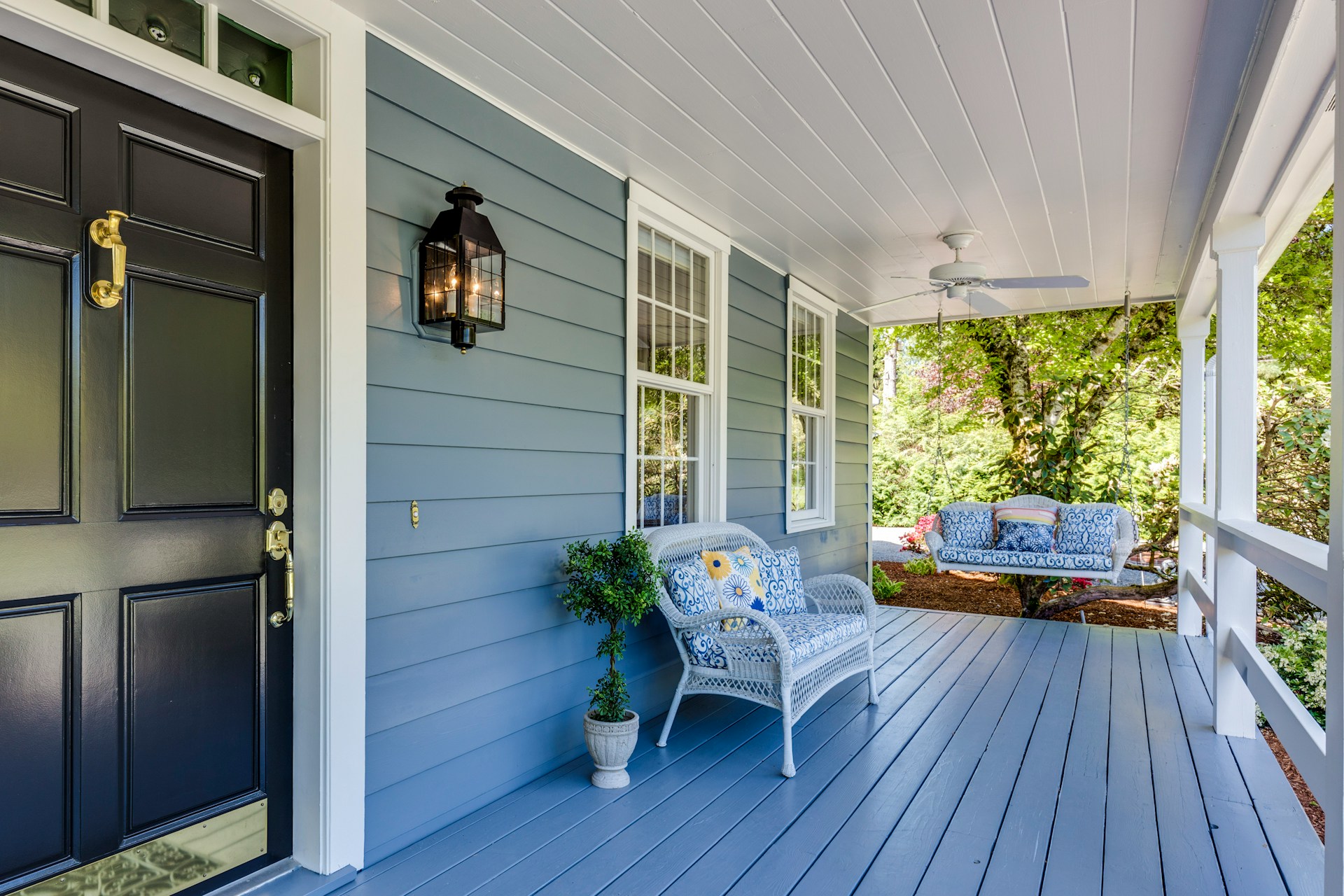
Buying a home is often the largest financial and emotional decision a family makes. Under pressure, many choices are made quickly to avoid losing a property or missing an opportunity. Over time, families realize that speed can hide important details. What felt urgent during the purchase can become stressful during daily living. Regret usually comes not from the home itself, but from overlooked realities. These common decisions reveal how emotional momentum, fear of scarcity, and short term thinking can quietly shape long term dissatisfaction.
Choosing Location Over Daily Livability
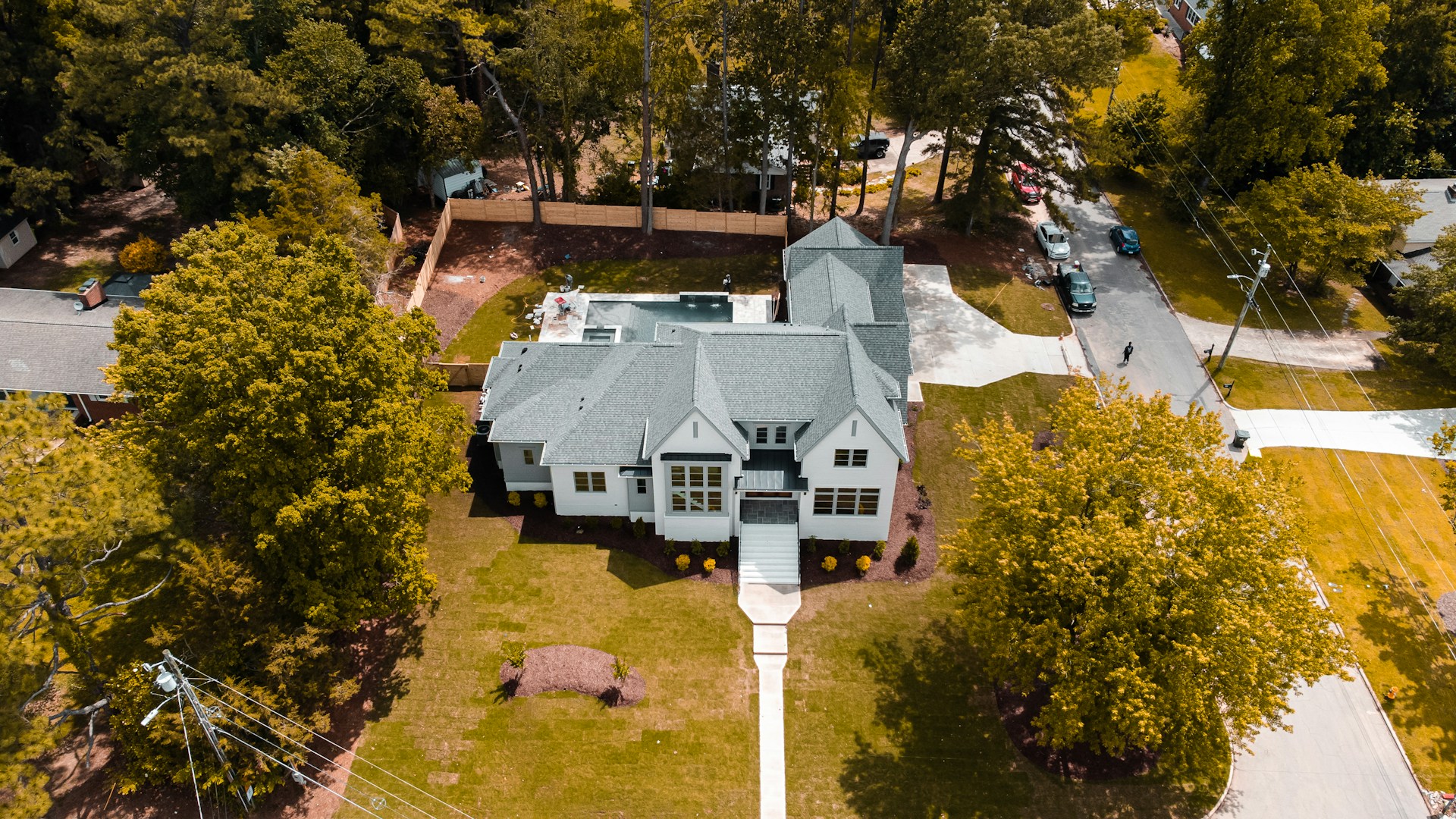
Families often rush into buying a home because the location sounds impressive or promising. Over time, they discover that daily routines matter more than reputation. Long commutes, poor access to essentials, and inconvenient school runs create constant friction. The neighborhood may look good on paper but feel exhausting in practice. Families regret not spending more time evaluating how the area supports everyday life. Livability is revealed slowly, and choosing too quickly can lock families into unnecessary stress.
More Space Than They Can Comfortably Maintain
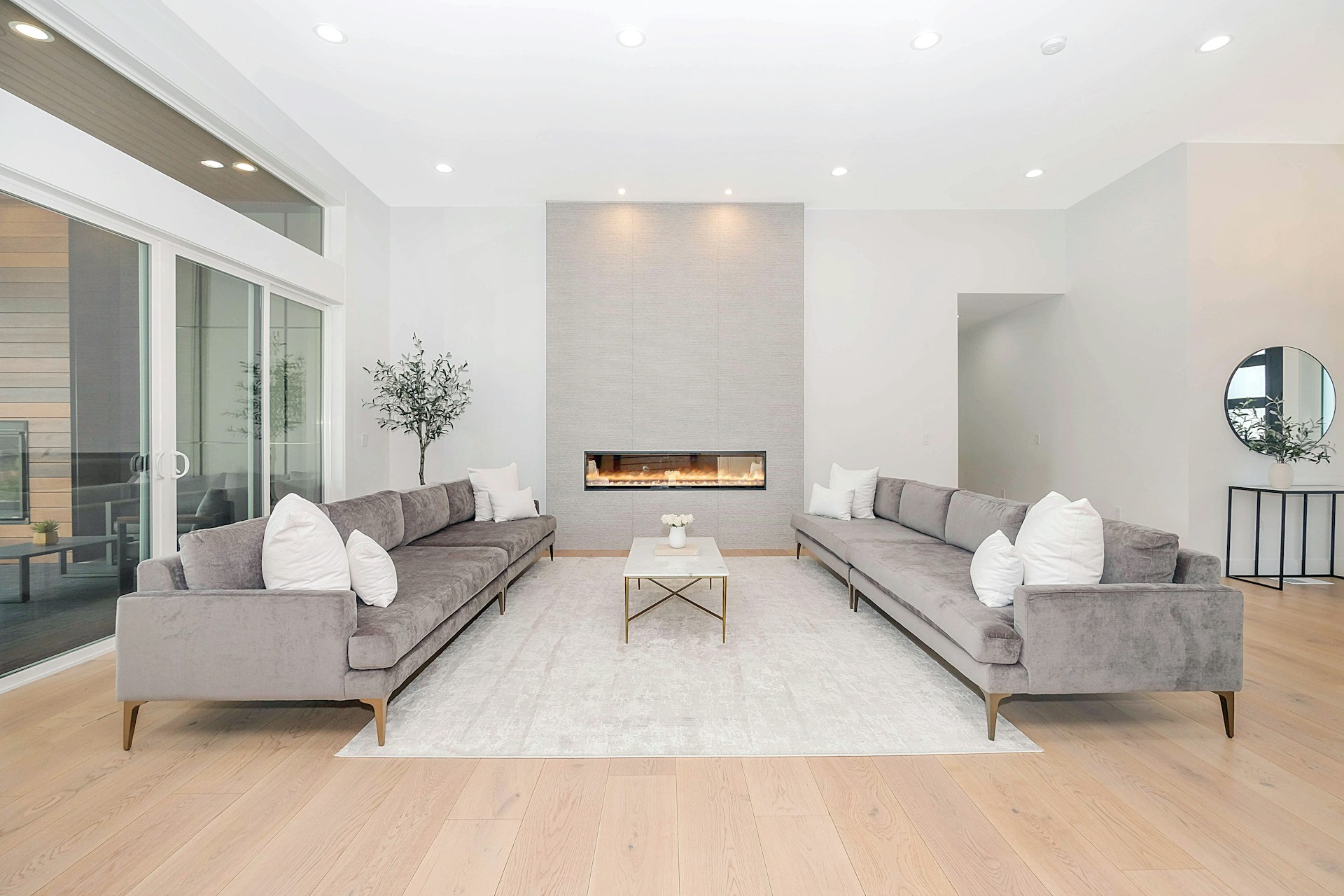
In the rush to secure a home, families often buy larger spaces than they realistically need. Extra rooms, yards, and storage seem appealing at first. Over time, maintenance, cleaning, and utility costs add pressure. The home begins to feel like a responsibility rather than a refuge. Families later wish they had chosen spaces that matched their energy and routines. Bigger does not always mean better, especially when upkeep becomes overwhelming.
Ignoring Commute Realities

Commute times are often underestimated during the excitement of buying. Families imagine adjusting easily, only to feel drained months later. Long or unpredictable commutes reduce family time and increase stress. Traffic patterns change, schedules shift, and fatigue builds. What seemed manageable during a short visit becomes exhausting in daily life. Families frequently regret not testing commutes thoroughly before deciding. Time lost in transit quietly erodes quality of life.
Overestimating Renovation Tolerance
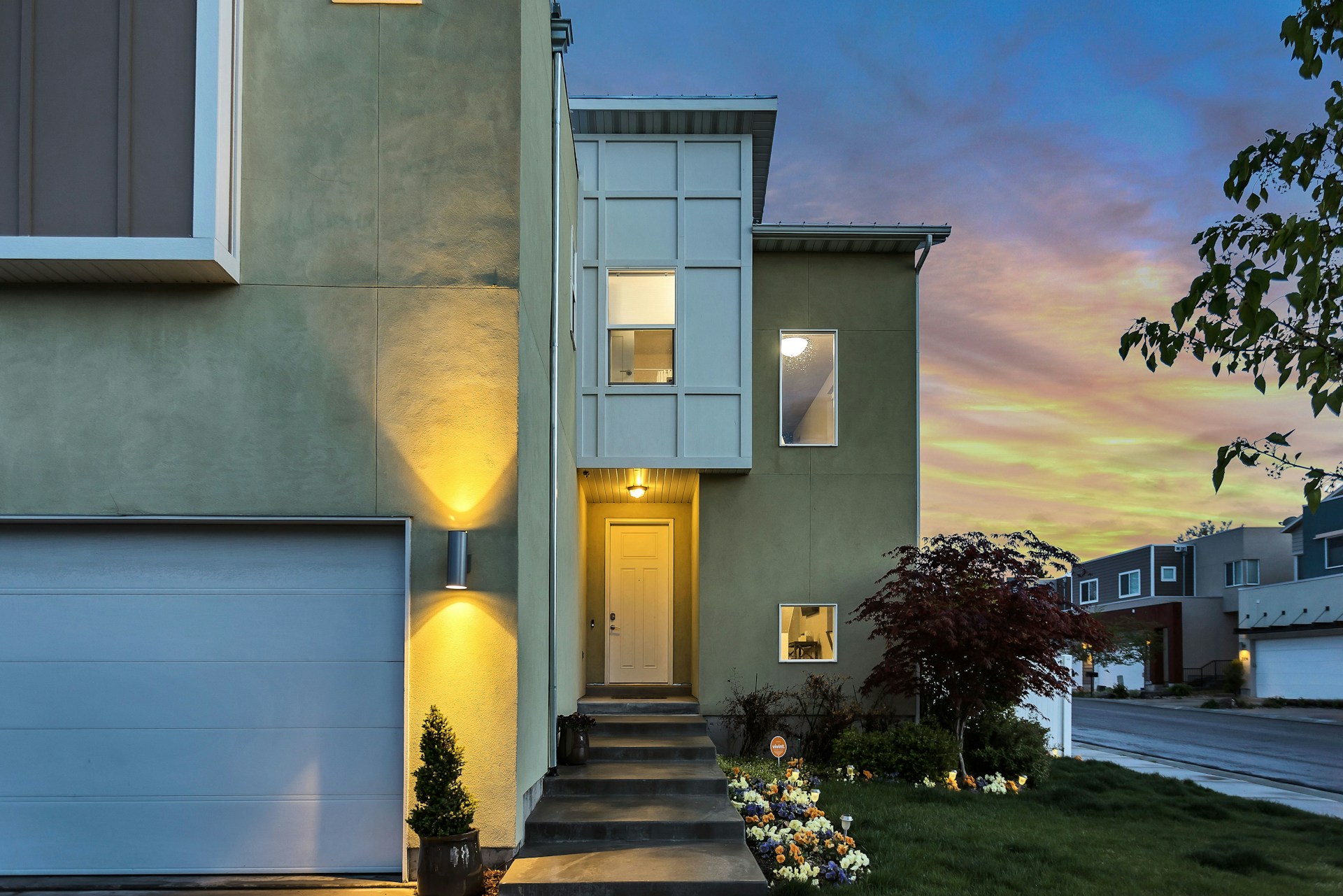
Homes needing updates can feel like opportunities when decisions are rushed. Families believe they will manage renovations gradually. Reality often brings cost overruns, delays, and emotional strain. Living through construction while managing work and family life is harder than expected. Renovation fatigue sets in quickly. Families regret underestimating the impact on routines and relationships. What felt like potential becomes a source of ongoing stress.
Letting Competition Override Clear Thinking
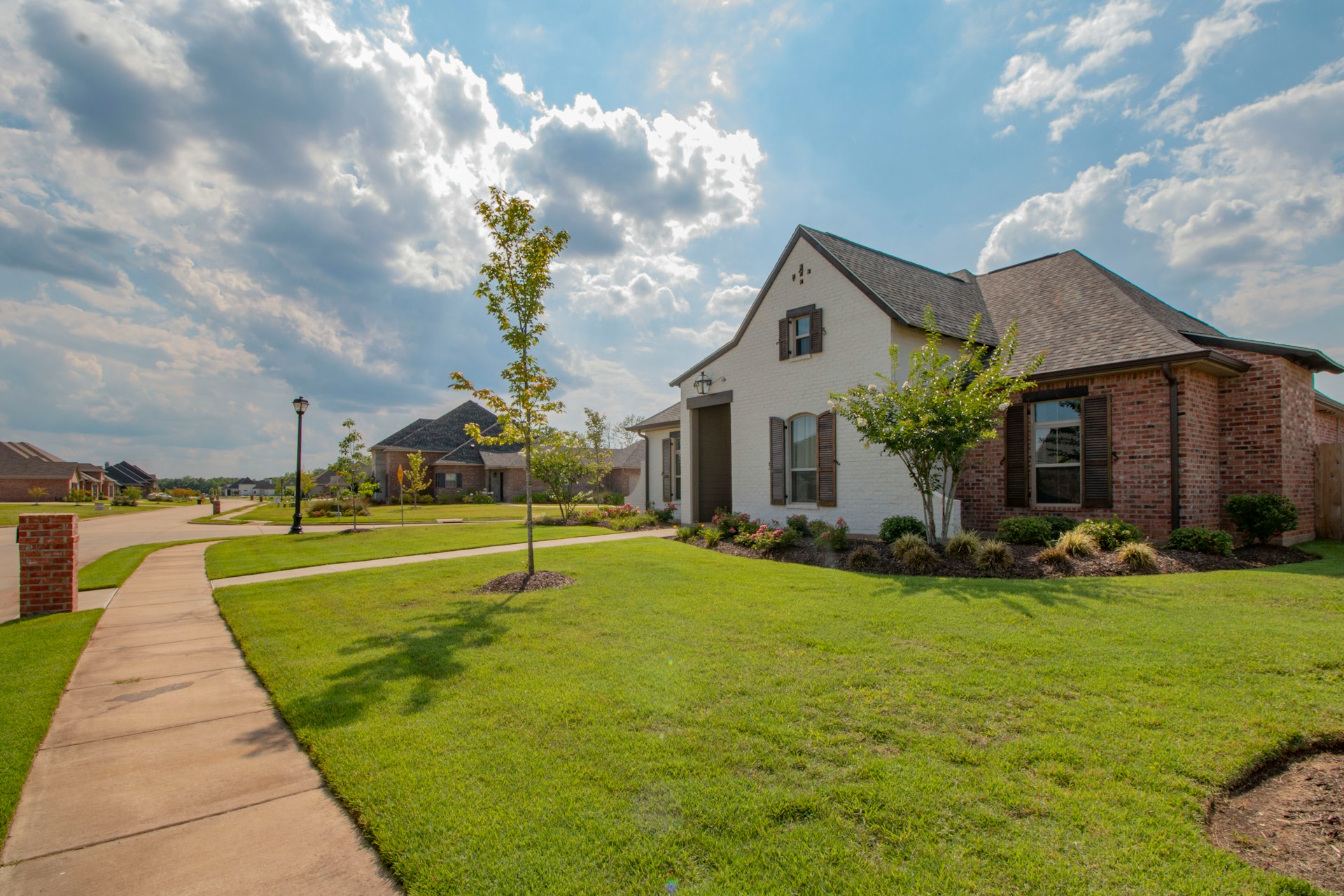
Competitive markets push families to act fast. Fear of losing a home leads to rushed offers and overlooked concerns. Families waive inspections or compromise on priorities to secure a deal. Later, hidden issues emerge that could have been avoided. The pressure to win often replaces thoughtful evaluation. Families regret decisions driven by urgency rather than alignment. Emotional competition can overshadow long term suitability.
Underestimating Monthly Costs

Families often focus on the purchase price while rushing decisions, overlooking ongoing monthly costs. Property taxes, insurance, utilities, and maintenance add up quickly. What felt affordable at closing can become stressful over time. Rising costs leave less room for savings or flexibility. Families regret not calculating a realistic monthly picture before committing. The emotional weight of constant expenses can overshadow the excitement of ownership. Slowing down to understand true affordability often prevents long term strain.
Choosing Layout Over Lifestyle Fit
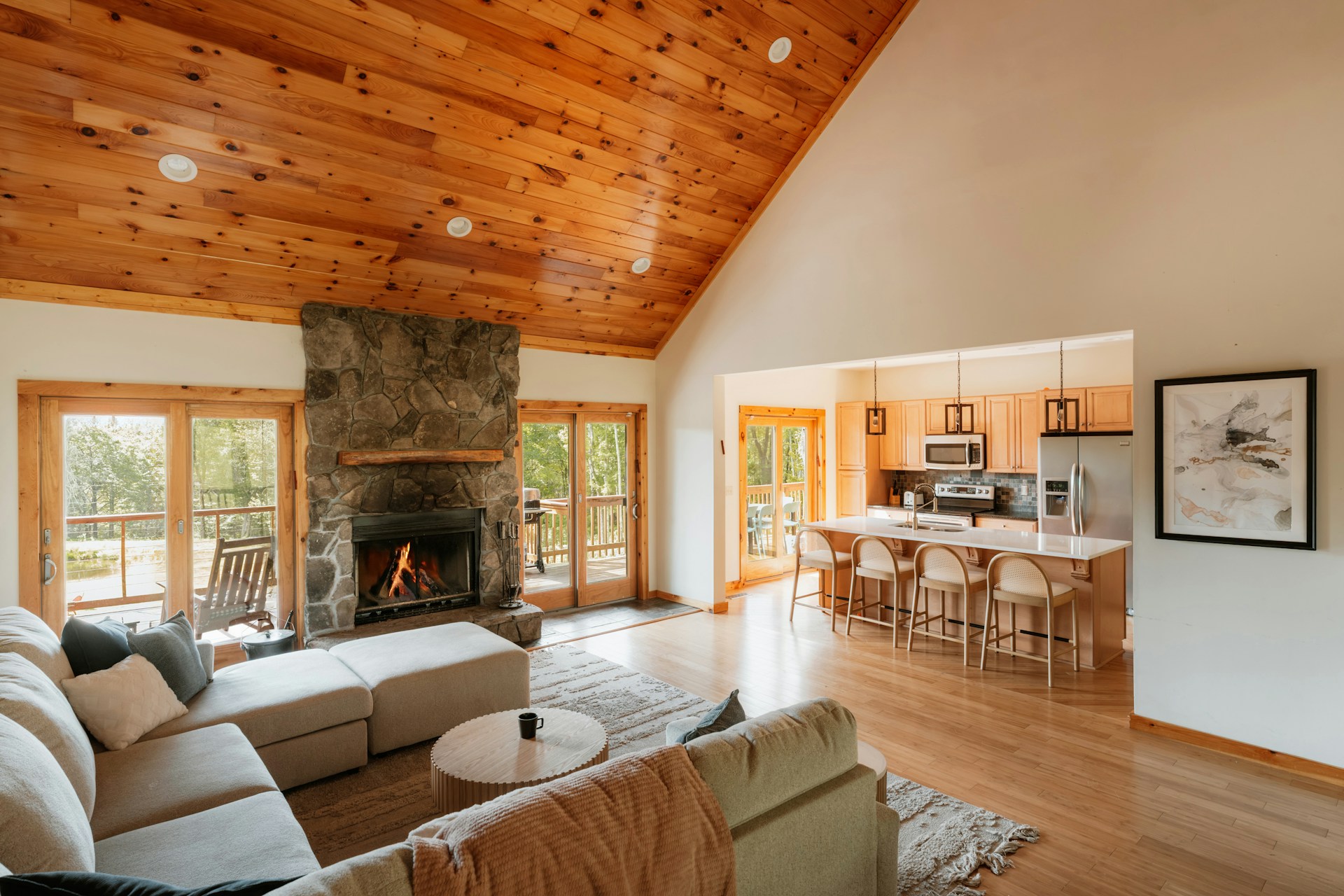
An attractive layout can distract families from whether a home supports their routines. Open spaces or trendy designs may look appealing but function poorly for daily life. Noise, lack of privacy, or awkward flow become apparent after moving in. Families regret prioritizing appearance over practicality. Homes should support how people live, work, and rest. Layout decisions made too quickly often reveal mismatches that are hard to correct later.
Assuming Schools Will Improve Over Time
Some families buy quickly believing school quality will improve or boundaries will change favorably. This assumption carries risk. School conditions often remain stable for years. Families later regret relying on future possibilities rather than current realities. Educational stability affects children deeply. Waiting to see improvement can create ongoing anxiety. Evaluating schools honestly before buying helps avoid disappointment and disruption later.
Skipping Professional Inspections
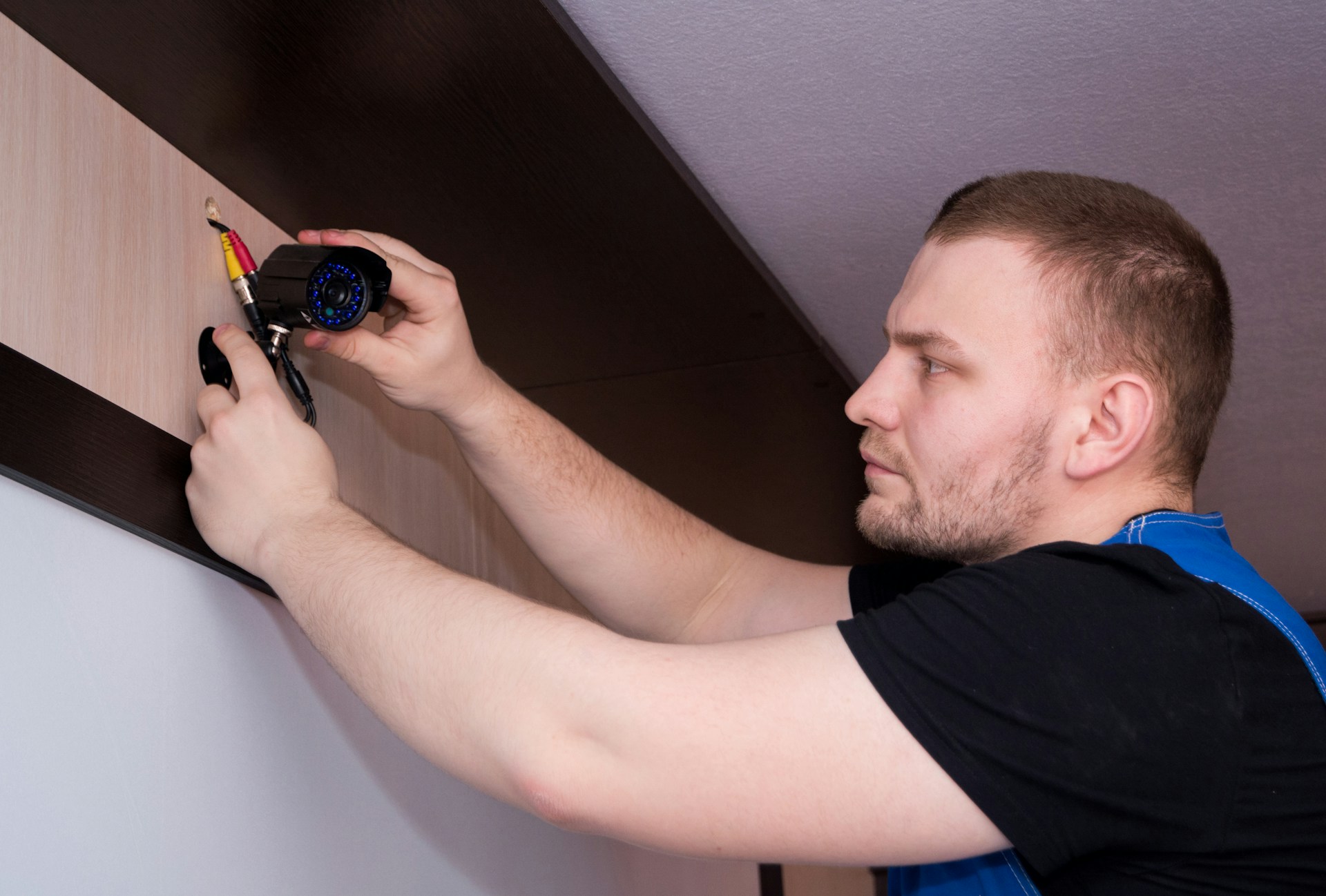
In competitive situations, families sometimes waive inspections to secure a home. This decision often leads to regret. Hidden issues with structure, plumbing, or electrical systems surface later. Repairs become expensive and disruptive. What felt like a strategic move turns into long term stress. Inspections provide clarity and protection. Skipping them to move quickly often costs more than it saves.
Buying Based on Emotion Rather Than Alignment
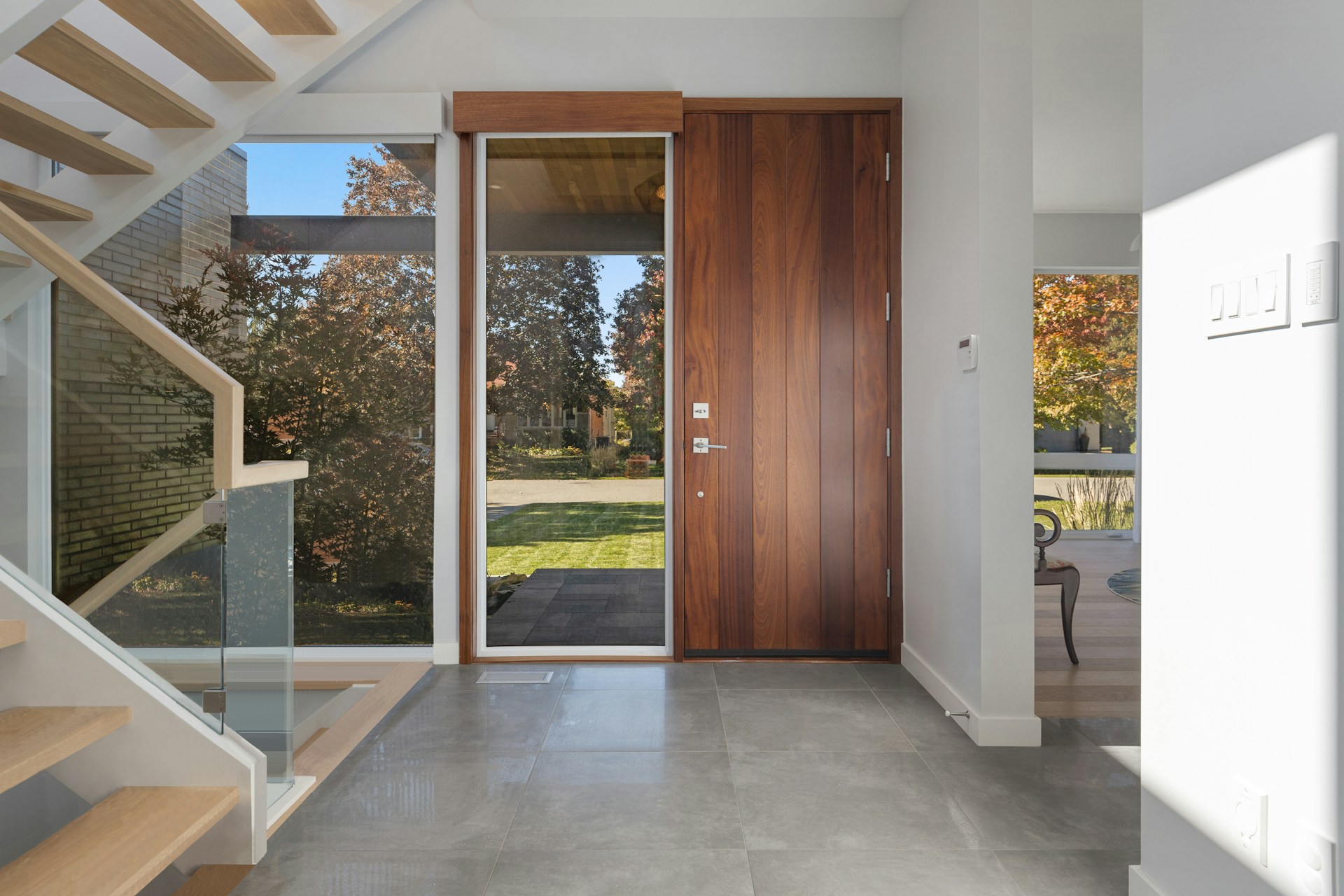
Strong emotional reactions can override careful evaluation during a rushed purchase. Families fall in love with a home’s look or story. Practical concerns are minimized or ignored. Over time, emotional appeal fades while daily realities remain. Families regret not aligning the decision with long term needs. Homes should support stability, not just excitement. Taking time to balance emotion with logic reduces future regret.
Real estate regret rarely comes from a single mistake. It grows from decisions made too quickly without space to reflect. Families benefit most when they slow down, test assumptions, and prioritize daily livability. Homes shape routines, finances, and emotional well being for years. Thoughtful decisions protect not just investment, but peace of mind. Taking time upfront often saves far more than rushing ever does.