
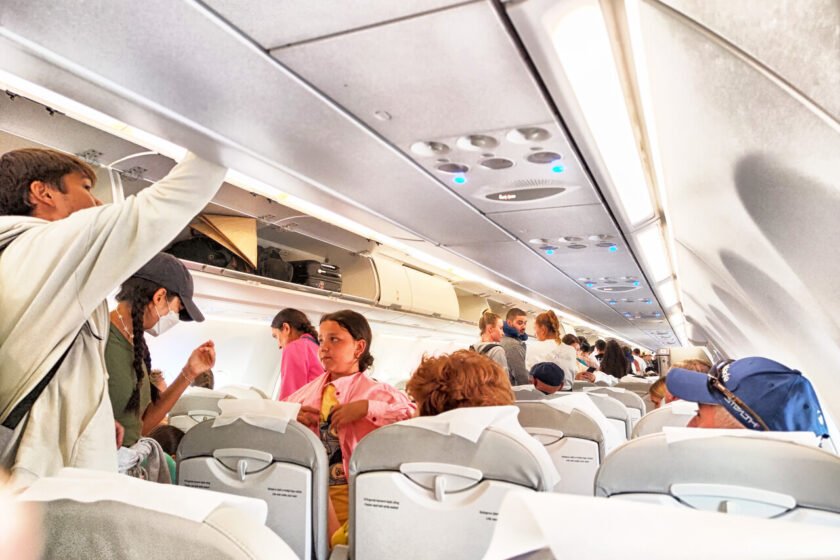
You are not imagining it when flying feels more tense than it used to. You notice louder arguments, less patience, and smaller problems turning into full scale confrontations. Data backs up that feeling. The U.S. Federal Aviation Administration reports that unruly passenger incidents spiked sharply after 2020 and remain well above pre pandemic levels. What this really means is not that people suddenly forgot manners, but that air travel now puts you under layered stress. You deal with tighter schedules, packed cabins, stricter rules, and less room to recover from frustration. Psychologists writing for the American Psychological Association note that prolonged stress lowers impulse control, especially in confined spaces. When you combine that with delays and uncertainty, behavior shifts. Flying has become less forgiving, and you feel the results every time you board.
1. Lingering Stress Changed How You React
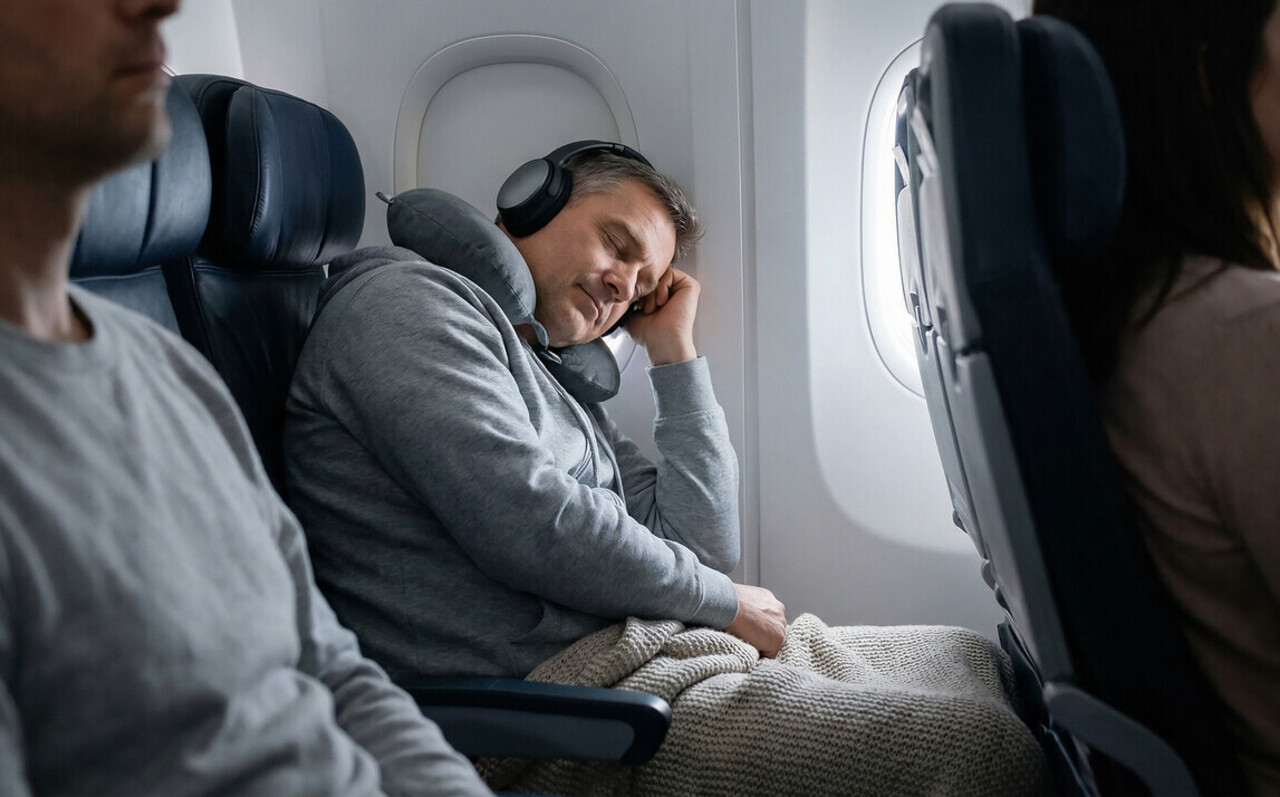
You carry more stress into the airport than you did a decade ago, and it shows in how you react onboard. Pew Research Center surveys show that many adults report higher baseline stress levels since the pandemic, even years later. When you fly, that stress has nowhere to go. You sit close to strangers, follow strict instructions, and lose control over timing. Behavioral scientists explain that stress narrows your tolerance window, meaning small annoyances feel personal. A reclining seat or a late drink order suddenly triggers anger. The International Air Transport Association notes that most serious incidents start with minor disputes that escalate. You are not worse as a person, but your nervous system stays closer to overload. In that state, patience becomes harder to access, especially when the flight already feels like a test.
2. Cabin Conditions Push You Faster

You feel more crowded than before because airlines fly fuller planes with tighter layouts. U.S. Department of Transportation data confirms that load factors have increased over time, meaning more occupied seats per flight. Less personal space raises tension even before conflict begins. Environmental psychologists have long shown that crowding increases irritability and reduces empathy. When you cannot move freely or claim small comforts, your sense of control drops. That loss matters. Studies cited by the National Institutes of Health link perceived control with calmer behavior. On a plane, you surrender control over seating, temperature, noise, and timing. When something goes wrong, your reaction speeds up because you already feel boxed in. The cabin does not cause bad behavior, but it removes the buffers that once kept tempers in check.
3. Rules Feel Stricter and Less Flexible
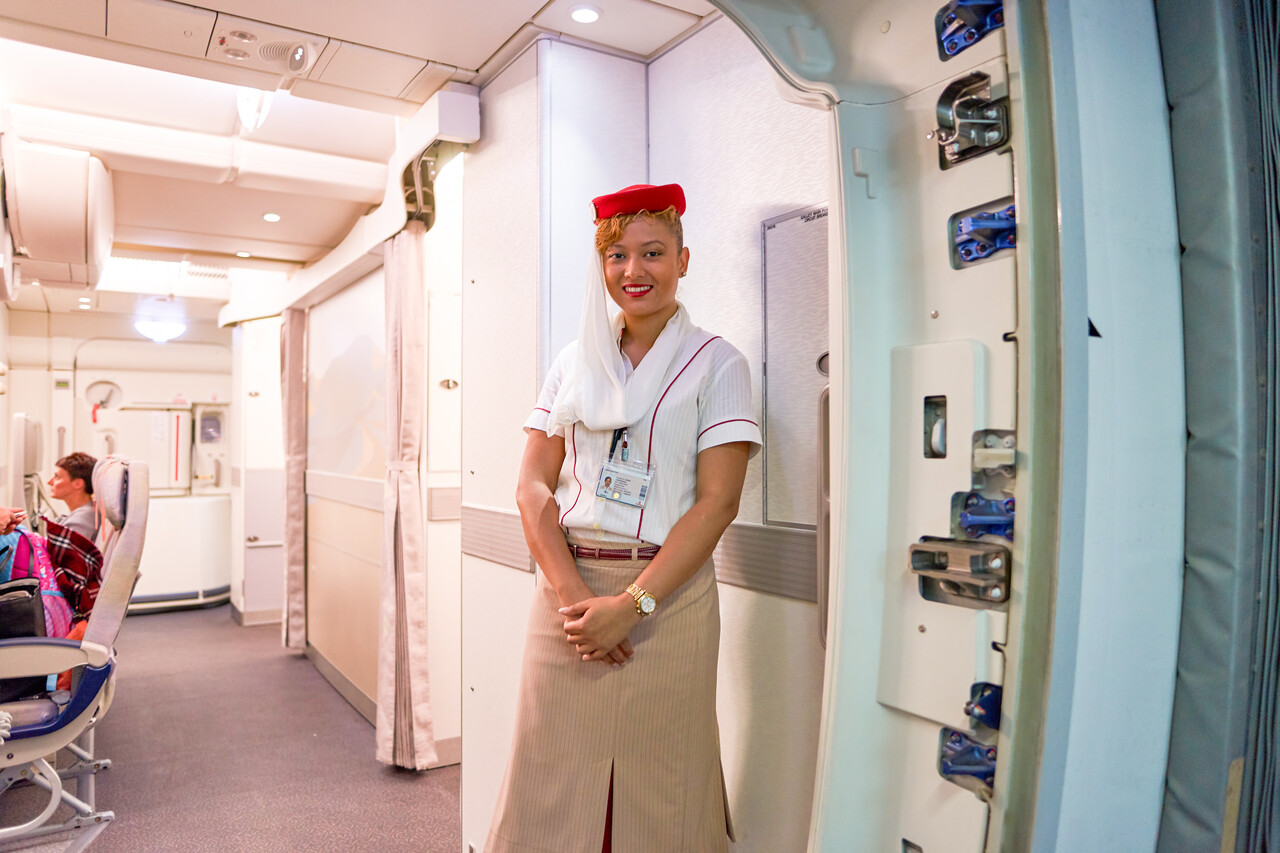
You now follow more visible rules when you fly, and enforcement feels firmer. Mask mandates may have eased, but other policies did not. You still hear constant announcements about compliance, safety, and penalties. The FAA emphasizes zero tolerance for interference with crew, and fines can reach tens of thousands of dollars. What this does is raise the emotional stakes. When you feel corrected or denied something, the response feels heavier. Sociologists studying authority and compliance note that people react poorly when rules appear inflexible and impersonal. You may agree with the rules, but the delivery matters. Flight crews face staffing shortages and tighter schedules, which limits their ability to negotiate. That rigidity makes interactions feel sharper, even when no one intends conflict.
4. Social Norms Broke and Never Fully Reset
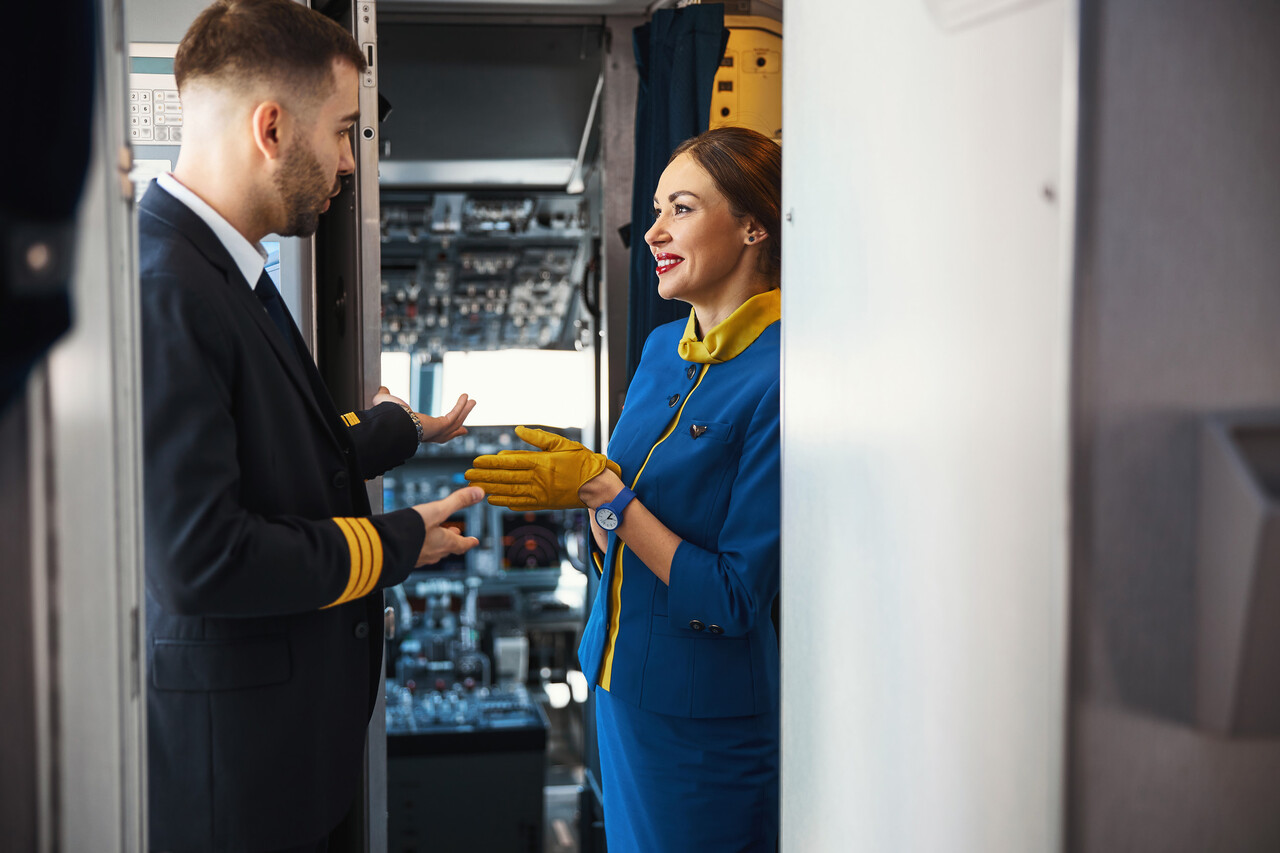
You are flying in a moment where shared social rules still feel unsettled. Sociologists point out that the pandemic disrupted everyday norms about personal space, patience, and public behavior. Research published in the Journal of Applied Social Psychology shows that when norms weaken, people rely more on personal judgment than collective expectations. On a plane, that means you may no longer assume others will queue calmly, follow instructions quietly, or compromise. Everyone brings a different rulebook onboard. When expectations clash, frustration rises fast. You feel it when someone ignores seat etiquette or argues with crew. Before, those behaviors felt rare and socially checked. Now, the correction system feels weaker, so conflicts linger longer and feel more visible.
5. Economic Pressure Makes Travel Feel High Stakes
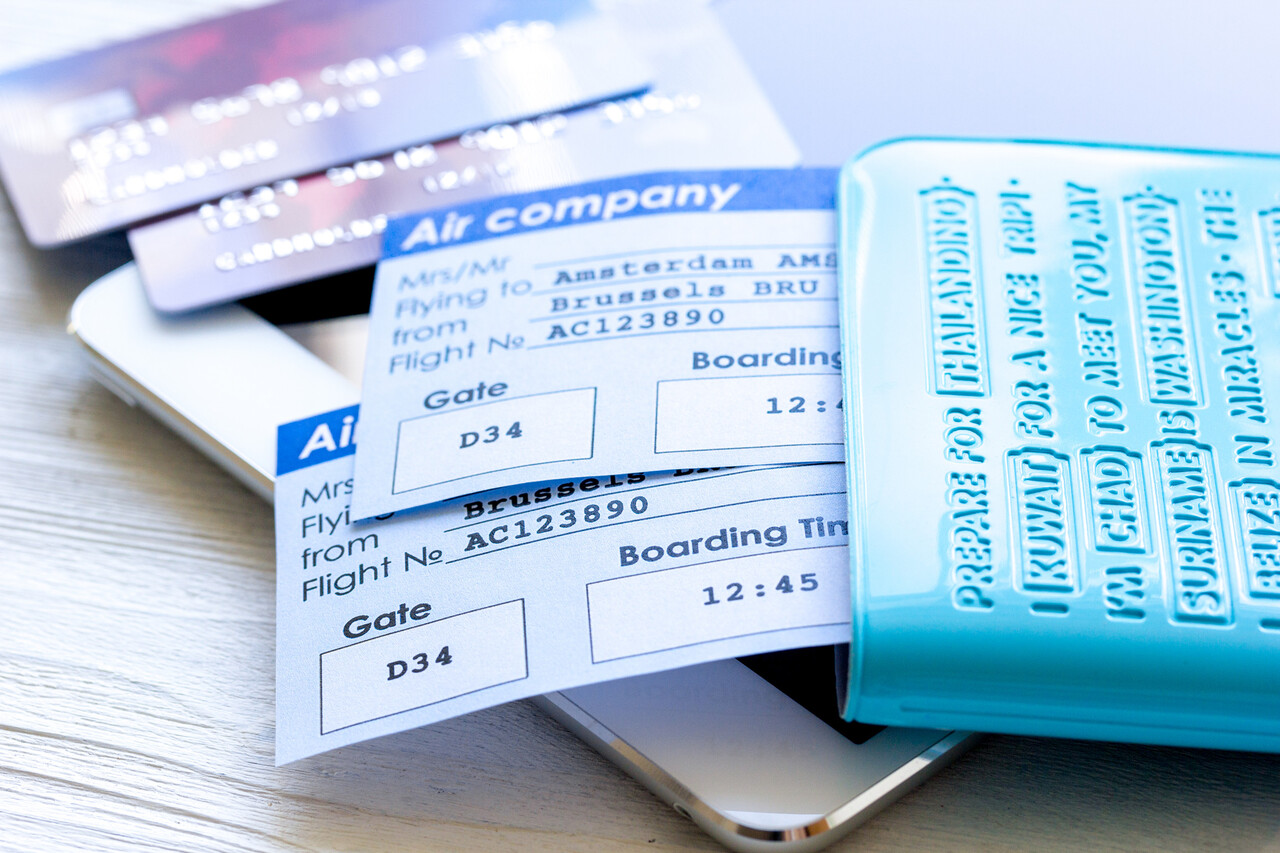
You feel more pressure because flying costs more and delivers less margin for error. Bureau of Labor Statistics data shows airfare prices and add on fees rose significantly compared to pre 2020 levels. When you pay more, expectations rise. A delay or inconvenience feels like a personal loss, not a minor setback. Behavioral economists note that people react more strongly to perceived losses than gains. If your flight disrupts work, family plans, or tight budgets, emotions spike quickly. That pressure follows you onboard. When something goes wrong, you are not just annoyed. You feel cheated. That emotional framing turns routine problems into confrontations because the trip already feels expensive and fragile.
6. Attention and Patience Are Weaker Than Before
You bring less patience with you because your attention habits changed. Cognitive researchers cited by the American Psychological Association explain that constant digital stimulation reduces tolerance for waiting and discomfort. Flying requires both. You wait to board, wait to depart, wait to land, often without reliable updates. When delays stretch, your brain looks for release. That release sometimes becomes irritation directed at nearby people or crew. This is not about manners alone. It is about reduced capacity to sit with uncertainty. When attention spans shorten, frustration surfaces faster. On a plane, there are few distractions that fully absorb you, so every delay feels louder and longer.
7. Crew Burnout Changes the Emotional Temperature
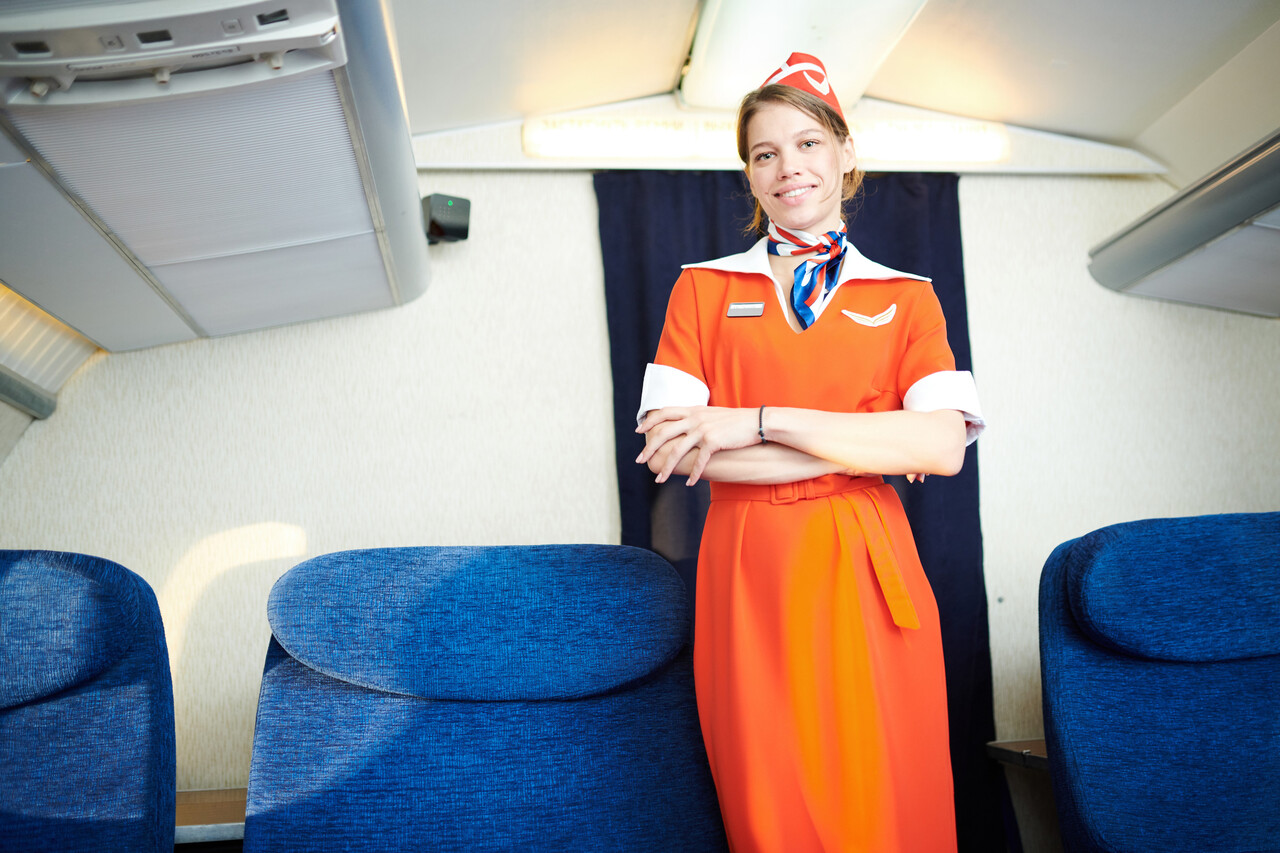
You sense tension faster because flight crews are under heavier strain than before. Airlines face ongoing staffing shortages, longer duty days, and tighter turnaround times, according to reports from the U.S. Government Accountability Office and major airline unions. When crews operate close to exhaustion, their margin for emotional flexibility shrinks. That does not mean they perform poorly, but it does mean interactions become more procedural and less forgiving. Social science research on emotional labor shows that burnout reduces warmth and patience in service roles. You pick up on that shift immediately. When responses feel clipped or rushed, you may interpret them as personal. That feedback loop raises stress on both sides, making the cabin feel sharper even when everyone follows the rules.