
Anticipating Urban Pace and Instant Service

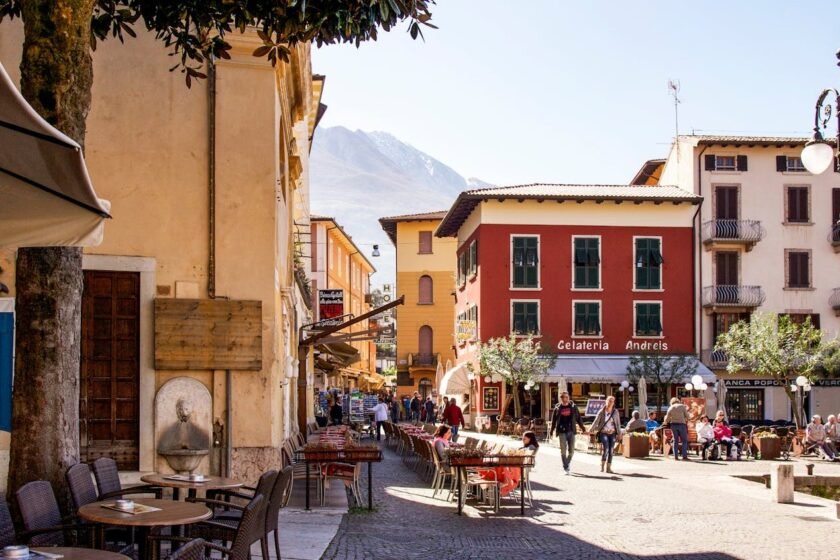
Small towns greet travelers differently than the big city scene. There’s less anonymity, fewer buffers, and a shared sense of daily life. A crowded sidewalk could also be the route for school drop-off. A quaint cafe might double as the owner’s midday meal spot. When visitors bring metropolitan habits, friction tends to be subtle rather than explosive. It unfolds quietly, accumulating through small moments that convey consideration or indifference. A touch of mindfulness preserves that local ease and helps a charming spot avoid feeling staged.
Treating a Home’s Porch as a Photo Backdrop

On the small-town scale, houses aren’t mere scenery; they are intimate spaces, often right beside the road, with porches acting like living rooms in public. Tourists may step onto steps, lean on rails, or stage shots by a pretty door, not noticing how personal it feels to someone inside, especially when curtains shift and someone is home. Locals perceive it as entitlement—even if it’s admiration—because it turns someone’s home into a prop. The mood shifts quickly when a driveway is blocked, a gate is opened, or a “quick photo” drags on for five minutes by the window.
Driving as If the Road Were a Scenic Loop

Small-town roads carry real routines: farm equipment, school buses, delivery trucks, and locals trying to finish errands on tight time. Visitors can disrupt that flow by stopping suddenly for photos, creeping far under the speed limit, or parking partly on a shoulder that locals use for passing and for visibility. The frustration grows when rental cars drift across center lines on narrow lanes or pull into private drives to turn around without asking, leaving gravel ruts behind. Locals are usually patient once, but repeated slowdowns and risky stops feel like outsiders treating the town as entertainment while residents are simply trying to get to work, pick up kids, and make it home before dark.
Complaining About Limited Options

Small towns rarely offer endless dining, shopping, or nightlife, and locals are often proud of what they do have because it is built with effort and kept alive through slow seasons. Tourists can unintentionally upset people by acting disappointed that there is one diner, not five, or by joking about the lack of chain stores, late hours, or delivery apps, especially when those comments land on the person serving food or running the register. It can feel like the town is being graded rather than appreciated. The red flag is the tone: treating local limitations as a problem to fix, instead of a reality shaped by staffing, seasonality, and a community that values a slower rhythm.
Underestimating How Far Noise Travels

In a small town, quiet is part of the appeal, and sound carries in ways city visitors do not expect. An outdoor speaker, late-night patio laughter, or a car stereo in a parking lot can echo across streets where people sleep with windows open and wake early for work. Tourists often do not realize how noticeable they are, especially when rentals sit near homes instead of a separate hotel zone. Locals may not confront anyone, but annoyance builds when groups linger outside after midnight, argue in the street, or treat a dock, overlook, or main-square bench like a party spot. Even one noisy weekend can change how residents feel about visitors all season.
Ignoring Local Parking Norms

Parking in small towns is often informal but deeply understood. Certain spots belong to the post office rush, the hardware store deliveries, the church crowd, or a neighbor who needs room for a trailer. Tourists can upset locals by parking in front of mailboxes, blocking alleys, taking the best spaces all day while wandering, or stopping in a clearly marked loading zone because it feels convenient. The issue is not just rules. It is respect for daily systems that keep the town moving. When a visitor’s car prevents a business from receiving supplies or makes a tight corner unsafe for larger vehicles, the town’s patience evaporates, even if nobody says it aloud.
Wandering Off Trails Into Working Lands

Small towns often sit beside farms, ranches, forests, and private waterfronts that look open from a distance. Tourists sometimes wander off trails to chase a better view, pick flowers, or follow a riverbank, not realizing they have crossed onto working land or sensitive habitat. Locals take it personally because it risks crops, livestock, fences, and safety, and it can create liability for landowners who never agreed to host hikers. Frustration spikes when visitors leave gates open, bring dogs into grazing areas, or ignore posted signs because the place looks empty. In a small community, one careless shortcut can lead to real damage and tighter restrictions for everyone.
Treating Local Businesses Like Theme Stops

In a small town, the shop owner may also be the baker, the bookkeeper, and the person coaching the local team after closing. Tourists sometimes treat businesses like quick theme stops: rearranging displays for photos, sampling without buying, bargaining over handmade goods as if they are mass-produced, or asking endless questions during a rush while a line forms behind them. It can feel disrespectful because margins are slim and reputation is personal. Locals notice when visitors talk loudly about prices, leave messes, or treat staff like background characters, because it affects real neighbors waiting, working, and trying to keep the place open through the off-season.
Treating Every Space as Public

Small towns blur the line between public and private in ways that require care. A dock may look communal but be tied to someone’s property. A field may seem open space but be part of a family’s livelihood. Tourists upset locals by assuming access, wandering into back areas, opening gates, or sitting on steps that are not theirs, simply because it feels quiet. Locals see it as a boundary issue, not curiosity. Tension grows when visitors leave trash behind, take small “souvenirs” like stones or flowers, or treat a calm street as permission to behave however they want because no one seems to be watching. In a small place, people are always watching, and they remember.
Demanding Urban Pace and Service

Small-town service can be warm, but it often runs with fewer staff and a slower, more human pace. Tourists sometimes upset locals by showing impatience at the only café, complaining about short hours, or expecting instant seating during peak weekends when the entire region seems to arrive at once. The pressure lands hardest on workers doing multiple jobs, and on locals who rely on those places year-round, not just for a weekend treat. A small town cannot scale like a city overnight, and it should not have to. When visitors treat slow service as incompetence instead of capacity, the mood shifts quickly, and the friendliness becomes guarded for the rest of the day.