
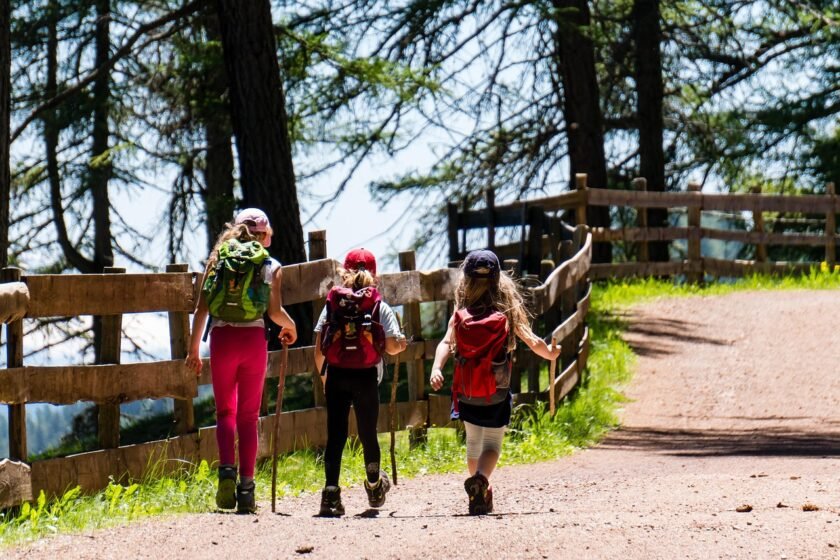
Camping for the first time often brings excitement as families prepare to explore nature together, yet it also introduces unfamiliar surroundings that require a thoughtful approach to child safety. Campsites contain open flames, uneven ground, wildlife attractants, and gear that can pose risks when children move quickly or explore curiously. Preparing a secure environment begins with small adjustments such as organizing gear, monitoring hazards, and choosing layouts that reduce the chance of accidents. Many families discover that child-proofing a campsite feels similar to preparing a home, only with added attention to natural elements and outdoor unpredictability. A well-planned setup allows children to enjoy fresh air, new adventures, and hands-on learning while parents relax knowing the environment supports safe exploration. With a clear strategy and an understanding of common outdoor challenges, first-time camping families can build confidence and focus on creating memories instead of managing preventable mishaps.
Clear the Ground of Sharp Objects and Tripping Hazards
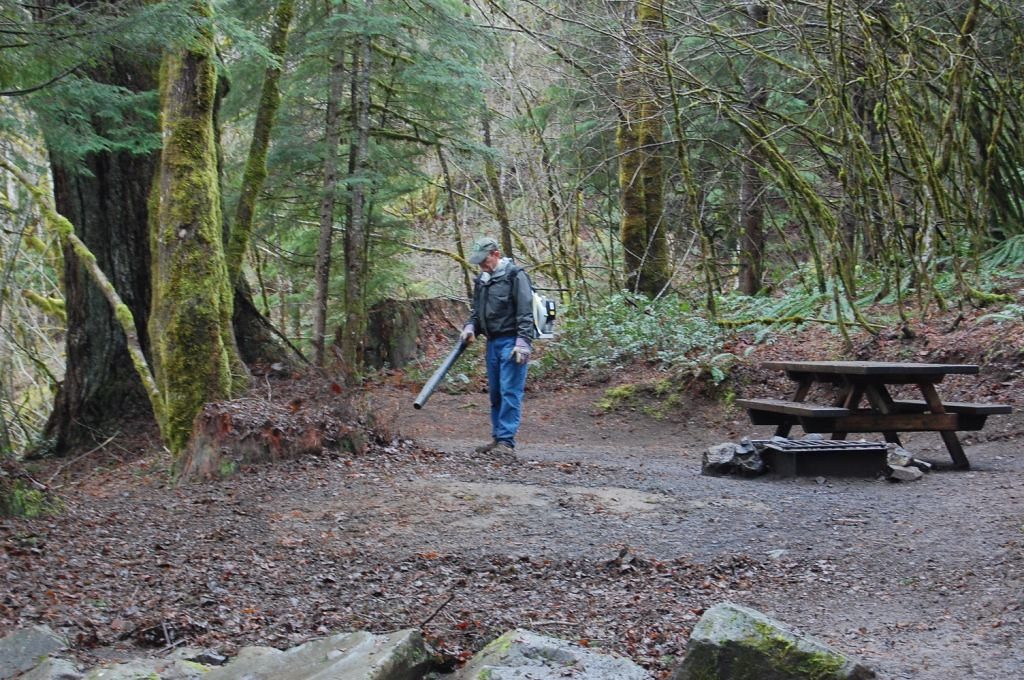
Clearing the ground of sharp objects and tripping hazards forms one of the easiest ways to child-proof a campsite, especially for families arriving at unfamiliar terrain. Sticks, pinecones, rocks, and leftover debris from previous campers may create hazards for children who run, play, or explore independently. Taking a few minutes to walk the site and move potential obstacles helps create a smoother surface around tents, cooking areas, and seating spaces. This simple step reduces the likelihood of cuts, bruises, or twisted ankles and provides a safer play zone for young campers. Clearing pathways also helps parents move more confidently during nighttime trips when visibility declines and the risk of stumbling increases in uneven outdoor environments.
Set Up a Safe Cooking and Fire Area
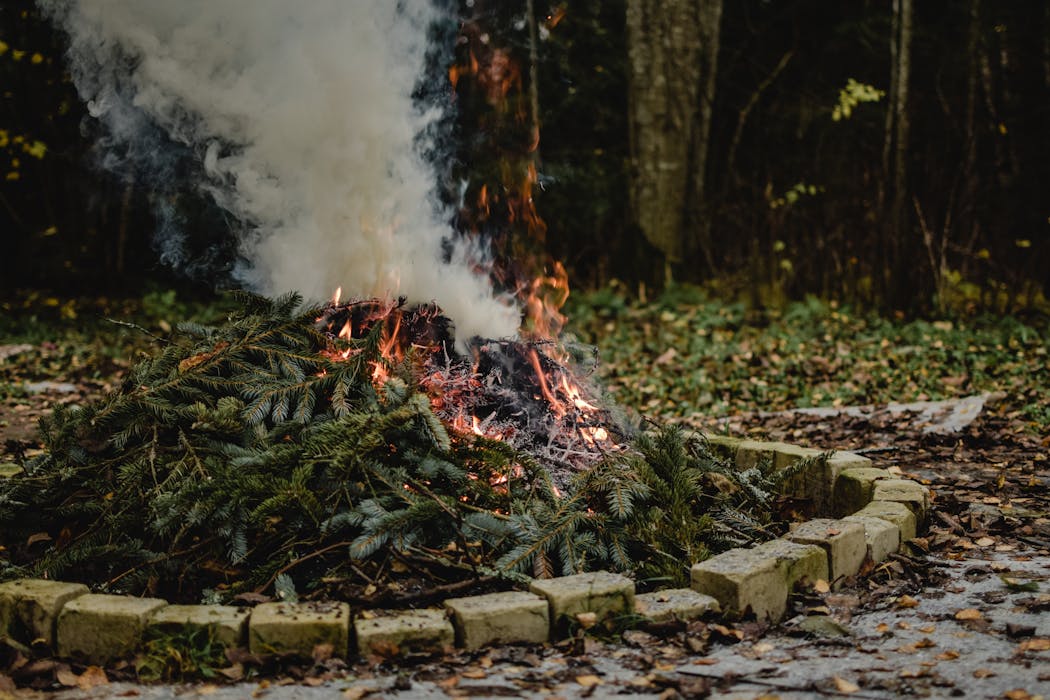
Setting up a safe cooking and fire area remains essential for child-proofing a campsite because flames and hot equipment attract curious eyes and wandering hands. Establishing a clear boundary around the fire pit or stove helps children understand where they cannot enter. Placing cooking gear on stable surfaces and keeping fuel containers away from open flames further reduces potential hazards. Families often benefit from assigning a designated adult to supervise this zone whenever heat sources are active. Smoke, sparks, and shifting wind also require attention, as they may reach children standing downwind. Creating a predictable, organized fire area allows families to enjoy meals outdoors while minimizing exposure to unexpected dangers.
Store Food and Scented Items Out of Reach

Storing food and scented items properly protects both children and wildlife by reducing the likelihood of unwanted encounters. Campsites in forests, mountains, and coastal areas attract animals searching for easy meals, making proper storage essential. Coolers with secure latches, elevated storage racks, or campground-provided bear boxes help keep items safely contained. Children may unknowingly open or disturb containers left within reach, increasing the risk of spills or wildlife interest. By consolidating food into one organized location away from sleeping areas, families reduce clutter and create a predictable routine during mealtimes. This habit also supports cleaner, more manageable campsites that remain comfortable for the duration of the trip.
Create a Safe Perimeter Around Tents and Sleeping Areas
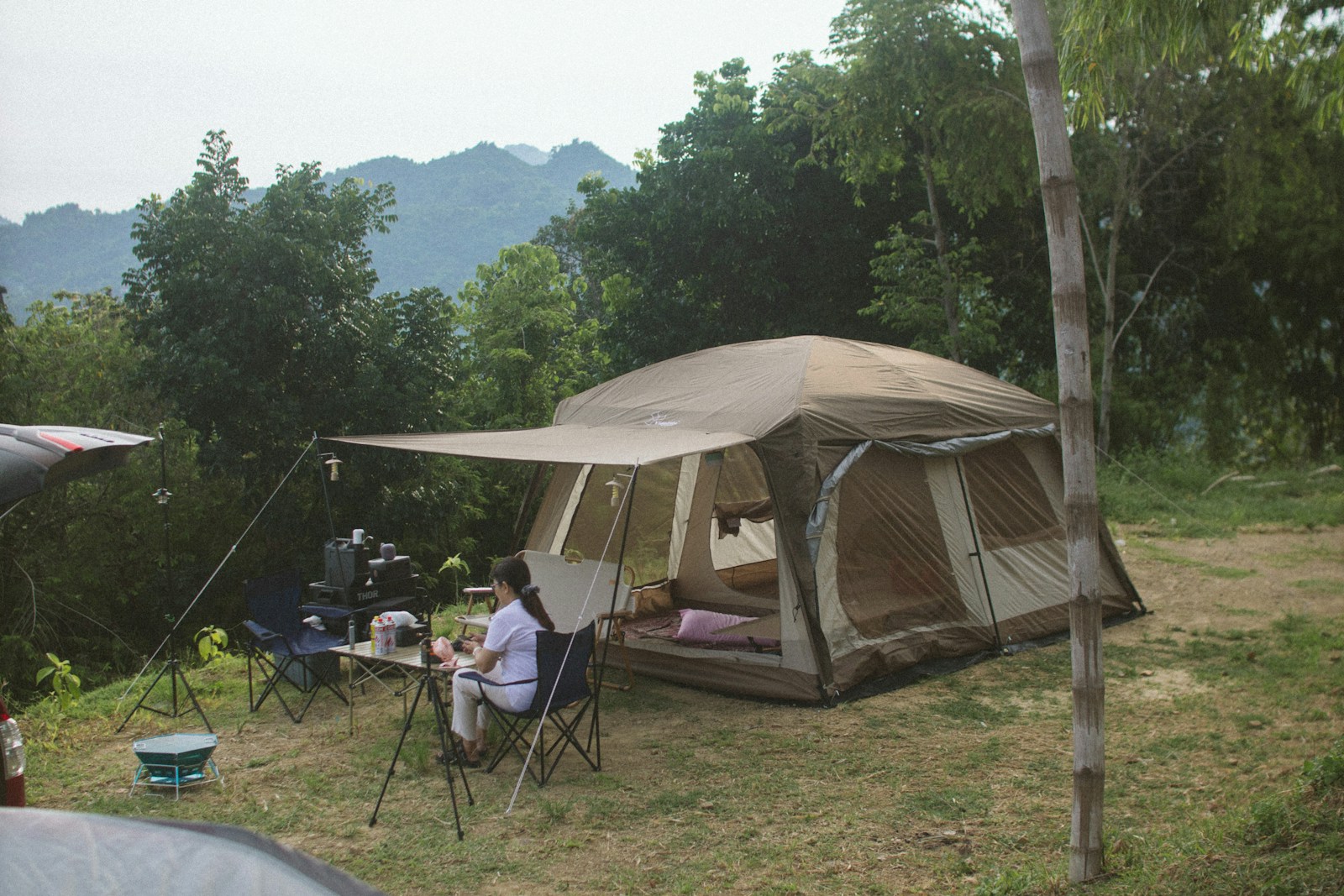
Creating a safe perimeter around tents and sleeping areas helps children understand boundaries while preventing accidents during nighttime movement. Placing tents away from fire pits, grilling stations, and steep edges ensures safer pathways when visibility drops. Soft lighting, such as lanterns or headlamps set at low intensity, provides guidance without disturbing sleep. Families may benefit from placing backpacks or soft items near tent entrances to cushion potential missteps in the dark. Establishing consistent entry and exit routes also helps children avoid tripping over guy lines or stakes. A thoughtful layout supports restful nights while maintaining a secure atmosphere for children exploring the new environment.
Keep Hazardous Tools and Gear in One Secured Area
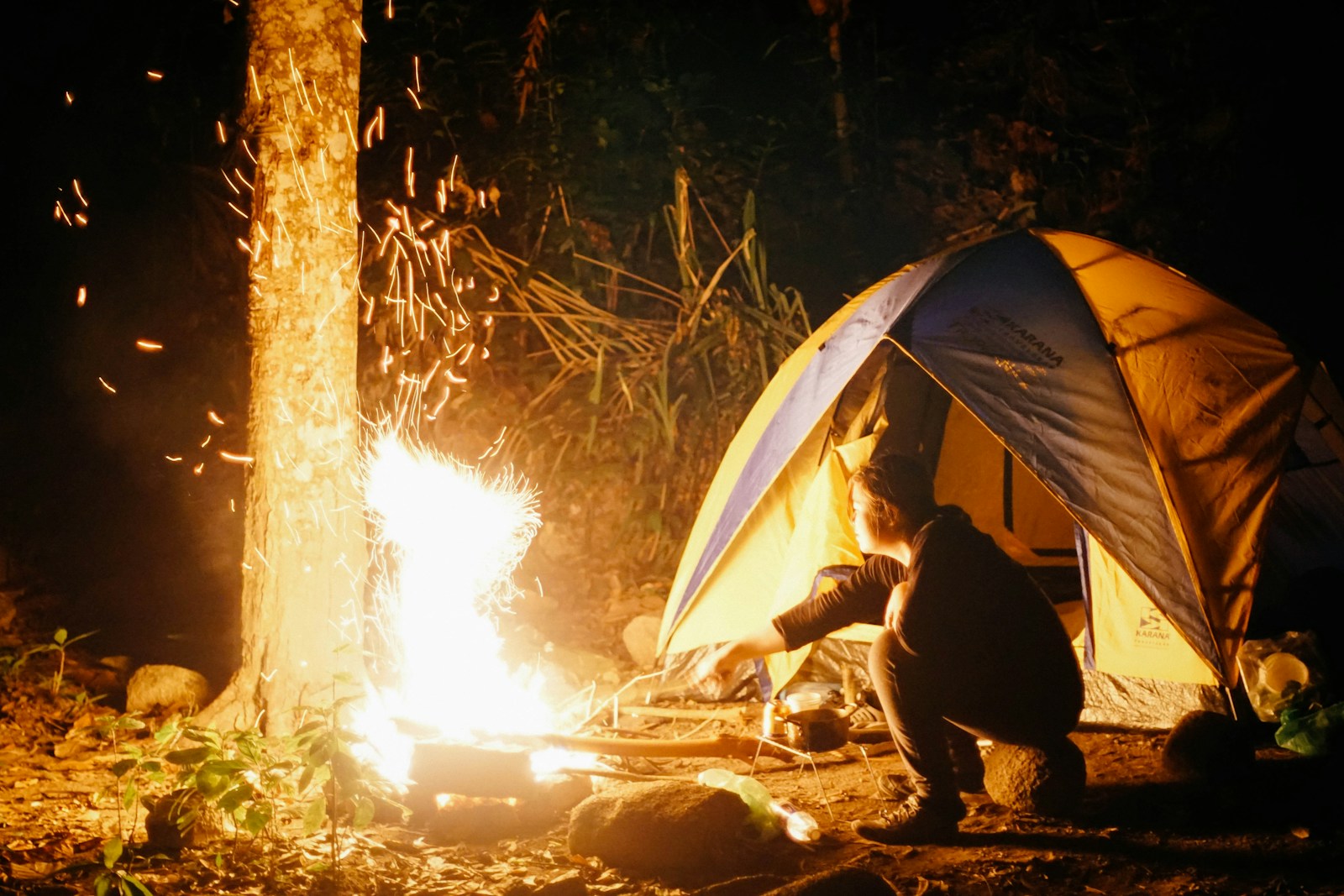
Keeping hazardous tools and gear in a secure area helps prevent accidental injuries during family camping trips. Items such as hatchets, pocket knives, saws, tent stakes, and fuel canisters should remain stored in a designated container or elevated location that children cannot access. Organizing these tools not only supports safety but also ensures adults can locate necessary items quickly when assembling tents or preparing firewood. Many campsites offer picnic tables or raised surfaces ideal for organizing gear. By separating hazardous items from general play zones, families minimize the risk of curious hands discovering something sharp or dangerous during moments of exploration.
Use Soft Lighting to Improve Night Visibility
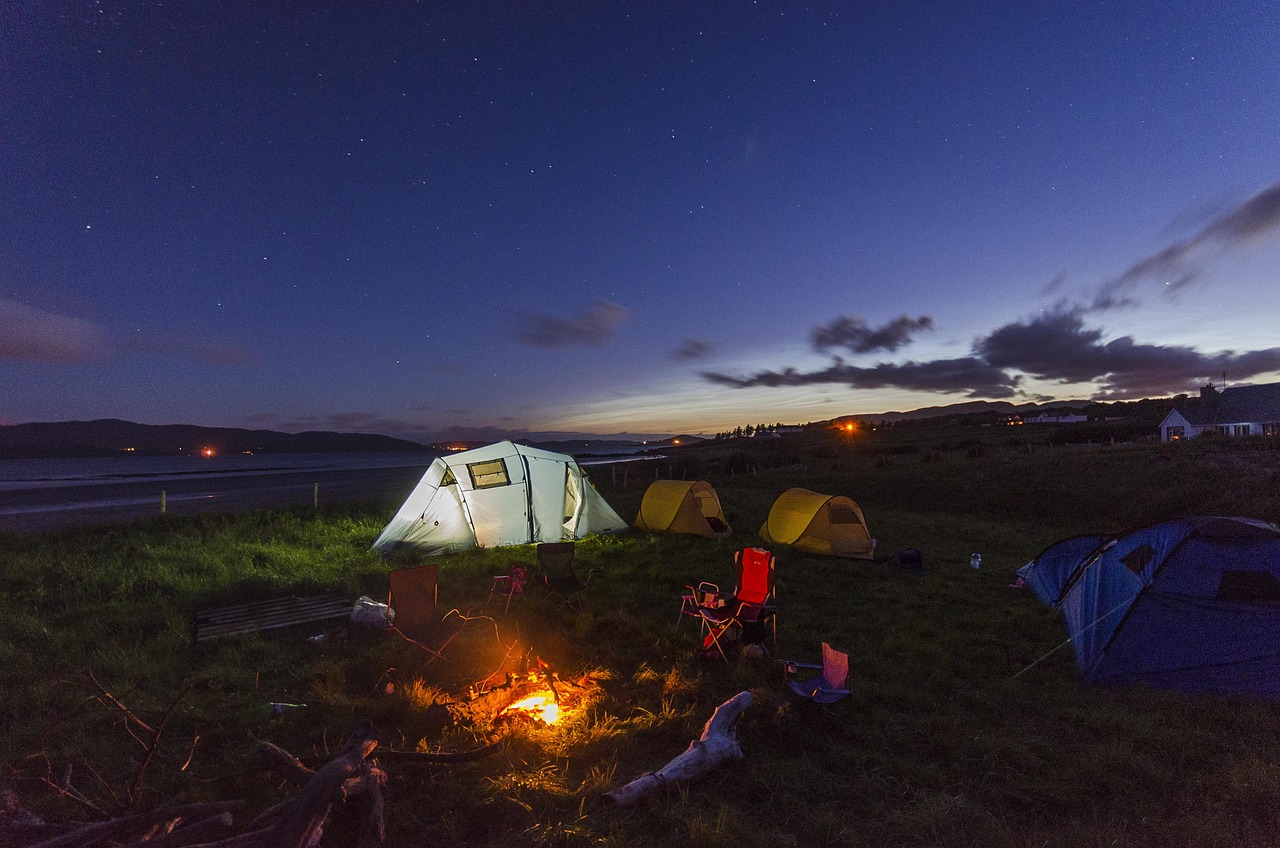
Soft lighting improves nighttime visibility and reduces the risk of falls or collisions when children move around after dark. Battery-powered lanterns, solar stake lights, and headlamps offer gentle illumination that defines pathways without disrupting the campsite’s peaceful atmosphere. Placing lights near major obstacles, such as tree roots or tent stakes, helps children navigate safely. A well-lit handwashing station or restroom path also decreases confusion during nighttime routines. Because shadows deepen and depth perception changes in outdoor settings, subtle lighting creates a comforting environment that guides movement and eases nighttime anxiety. Children gain confidence, and adults feel reassured knowing that visibility supports overall safety.
Inspect Nearby Water Sources and Set Clear Rules

Inspecting nearby water sources helps families understand their surroundings and create firm safety rules before children begin exploring. Lakes, rivers, and streams may appear calm but contain currents, sudden drop-offs, or slippery rocks that become more hazardous during rain or rising water levels. Walking the perimeter of the water area allows adults to identify safe zones for supervised play and note any areas children must avoid. Setting clear guidelines about when and how children may approach water supports responsible exploration. Even shallow water requires caution, especially for families camping near tidal zones or regions where wildlife frequently visits water sources.
Establish a Weather-Aware Shelter Plan
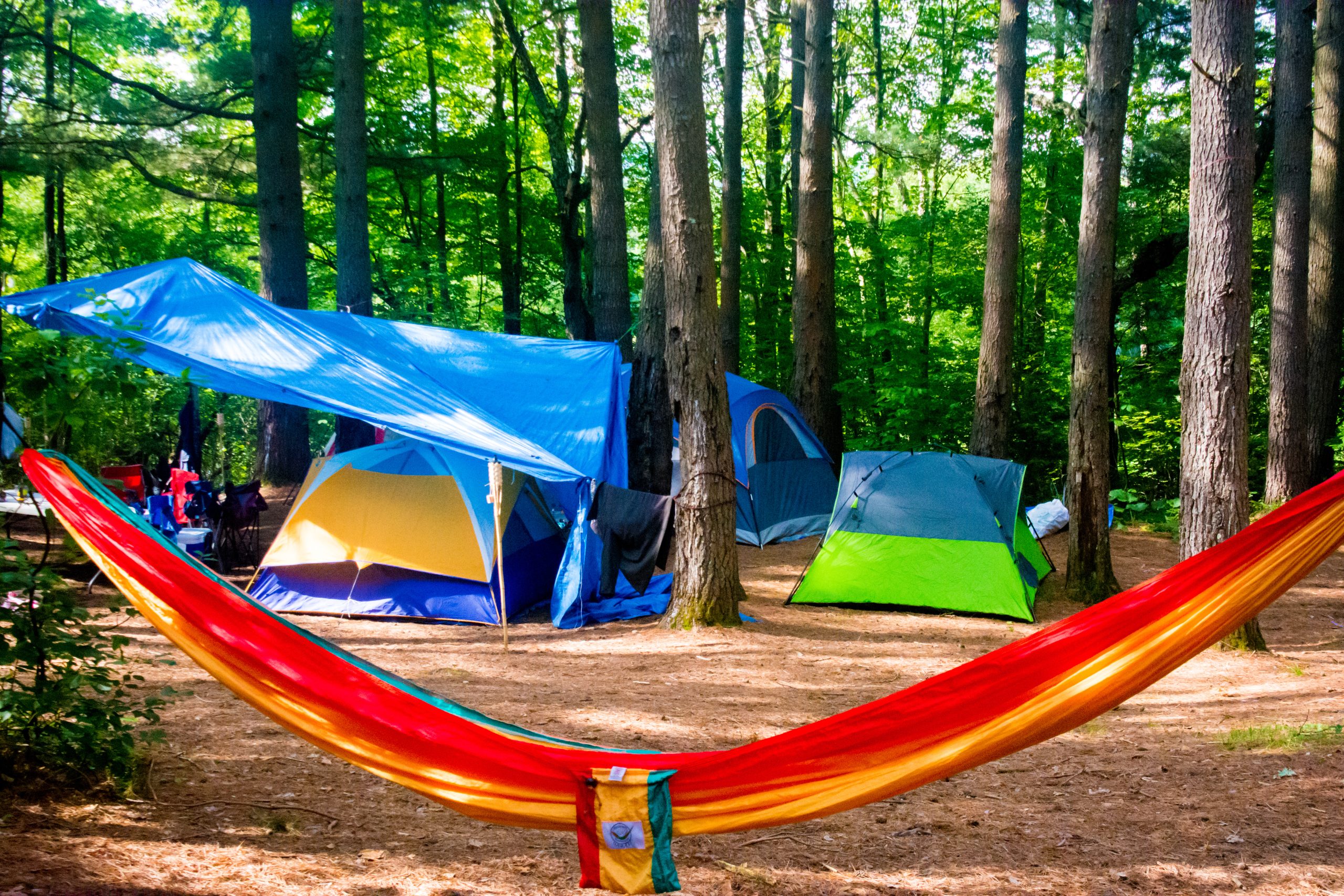
Establishing a weather-aware shelter plan protects families when storms, high winds, or temperature changes occur unexpectedly. Checking forecasts before and during the trip helps campers anticipate challenges that influence safety. Tents should be anchored securely, especially in regions known for sudden gusts or shifting conditions. Families may choose to identify a secondary shelter, such as a vehicle or covered campground structure, in case of severe weather. Teaching children what to do when thunder sounds, or wind picks up, supports calm and prepared responses. A clear plan ensures that the entire family knows where to go and how to react, reducing confusion during changing outdoor conditions.
Designate a Child Play Zone With Visible Boundaries
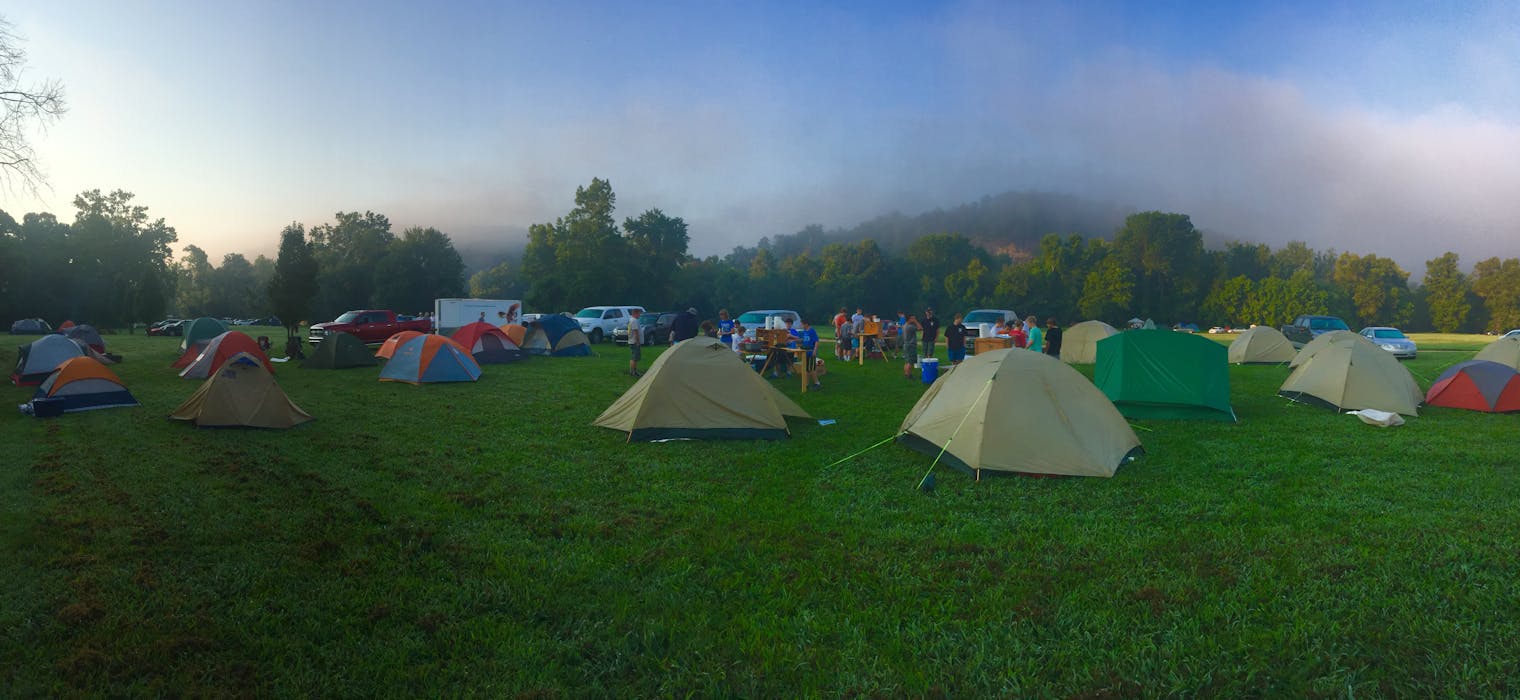
Designating a child play zone with visible boundaries offers security and structure for children exploring the campsite. Using natural markers such as logs, trees, or large stones helps define an area where children may play safely while adults handle cooking or gear organization. This approach minimizes wandering and prevents children from entering hazardous areas without supervision. A consistent play zone allows families to maintain awareness of children’s movements and supports cooperative play among siblings or friends. By creating a friendly, designated space, parents foster independence in a controlled environment while reducing concerns about unpredictable campsite hazards.
Keep Hydration and Snacks Easily Accessible

Keeping hydration and snacks accessible helps prevent fatigue and reduces frustration during active camp days. Outdoor environments often lead children to exert more energy than usual, making water breaks essential. Storing reusable bottles and simple snacks within reach encourages children to take small, frequent breaks that support steady energy levels. Parents may place water near seating areas or picnic tables to create a predictable routine. Easy access to food also prevents children from rummaging through coolers or storage bins where they might encounter sharp objects or heavy containers. Organized hydration and snack stations contribute to smoother mealtimes and fewer campsite distractions.
Secure Tent Openings and Zippers to Prevent Unwanted Exits
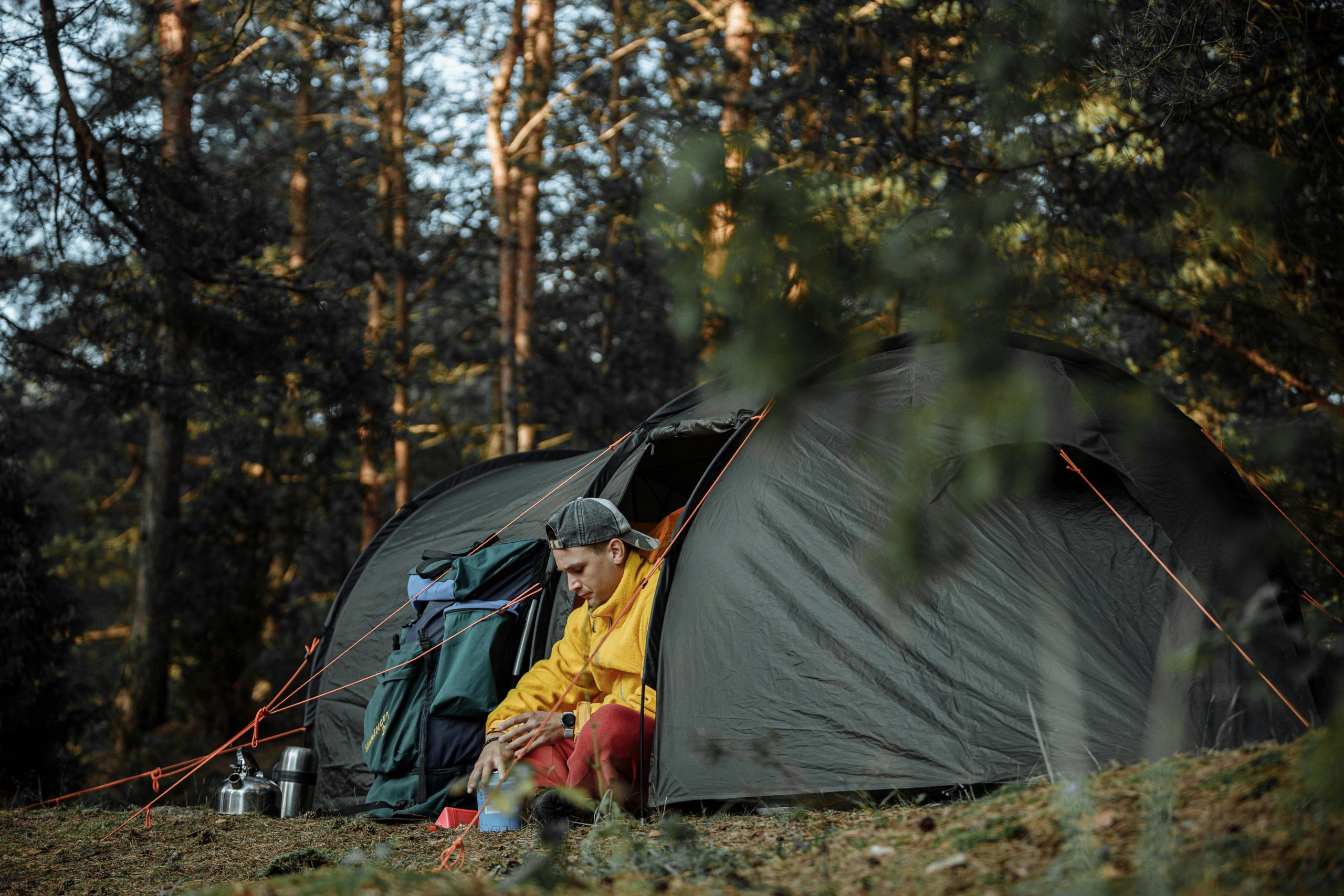
Securing tent openings and zippers helps ensure that children stay safely inside sleeping areas during nighttime or early morning hours. Zippers should close completely, and adults may place small objects or soft gear near openings to provide additional barriers. This practice prevents children from wandering outside unsupervised, especially in campgrounds near wildlife or rugged terrain. Well-secured tents also keep insects and small animals from entering, reducing nighttime disturbances. Establishing consistent bedtime routines that include closing and checking zippers supports safety and promotes restful sleep for the entire family. Keeping the interior tidy reduces tripping hazards during nighttime movements.
Clean Up Immediately After Meals to Reduce Wildlife Attraction
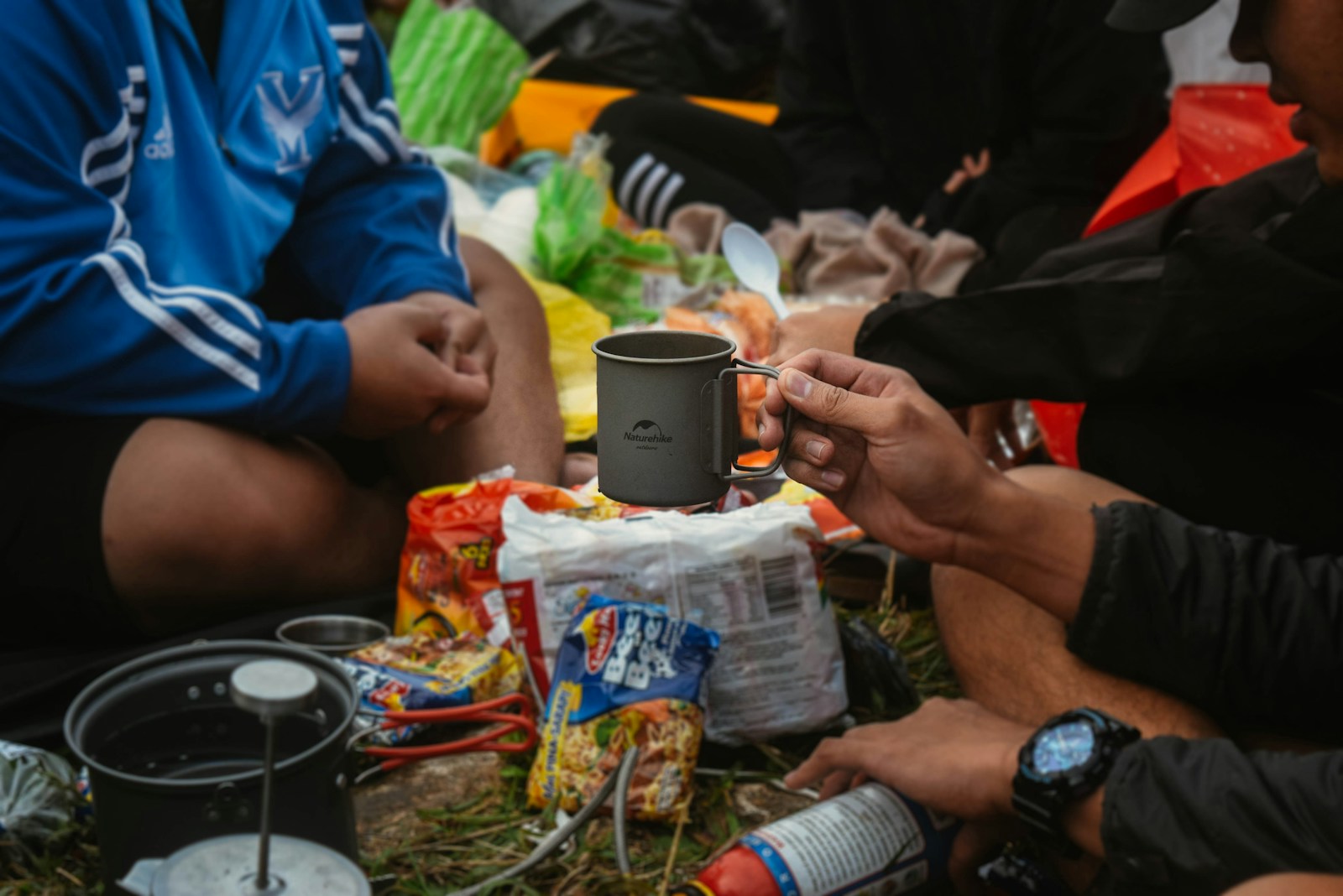
Cleaning up directly after meals supports child safety by minimizing the chance of drawing wildlife into the campsite. Food scraps, wrappers, and scented trash left uncovered may attract raccoons, birds, or larger animals, depending on the region. Families should dispose of waste in sealed containers or campground receptacles, ensuring all cooking areas remain free of strong smells. Teaching children to place leftover items into designated containers reinforces responsible habits and keeps the campsite tidy. A clean cooking space also reduces tripping hazards and helps maintain organization during meal preparation. This routine creates a more secure environment for everyone present.
Check Sleeping Bags and Clothing for Bugs Before Bedtime
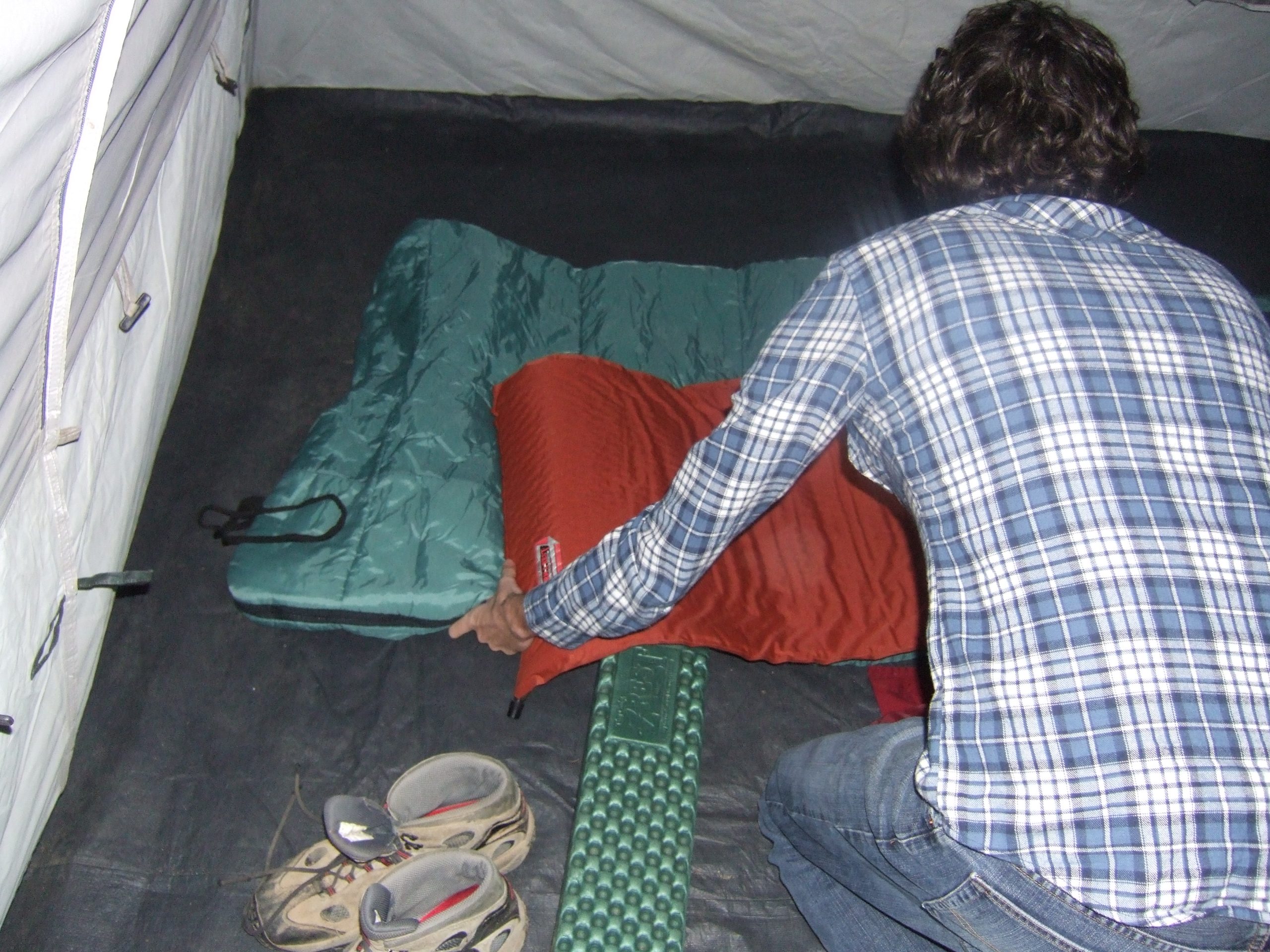
Checking sleeping bags and clothing for bugs each evening helps prevent discomfort and unexpected bites during the night. Insects such as ants, spiders, or mosquitoes may hide in warm, dark spaces when children leave gear open during the day. Shaking out clothing and sleeping bags ensures that children settle into bed without unwelcome surprises. Families camping in humid or wooded regions may encounter higher insect activity, making this simple procedure especially important. Keeping items off the ground and stored neatly also reduces insect access. This nightly habit contributes to smoother bedtime routines and provides peace of mind for families camping for the first time.
Model Safe Behavior to Encourage Awareness
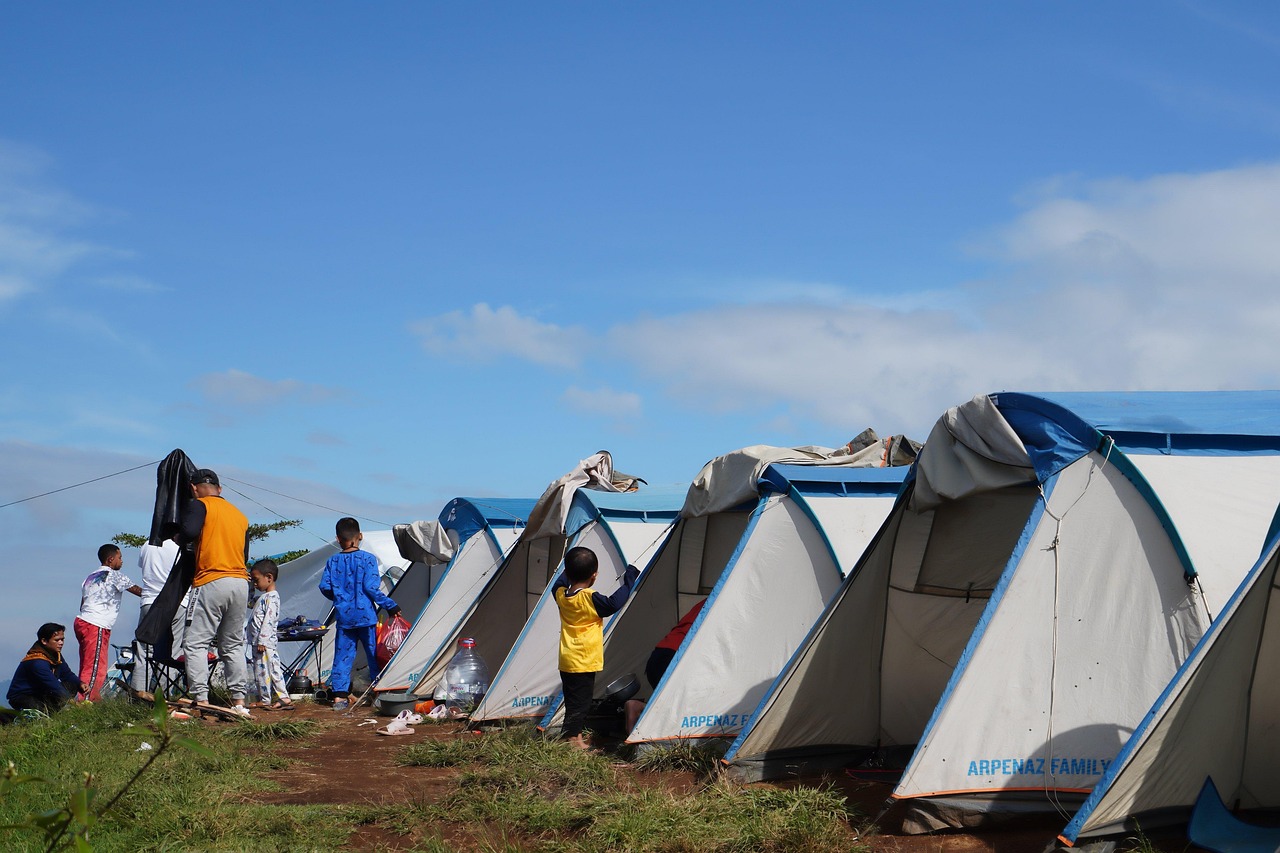
Modeling safe behavior teaches children how to engage responsibly with the campsite’s surroundings. Adults who demonstrate how to walk carefully on uneven terrain, maintain distance from fire pits, or handle gear thoughtfully set examples that children naturally follow. Clear communication about expectations reinforces these behaviors and helps children build confidence outdoors. Families benefit from treating safety as part of the experience rather than a set of restrictions. When children observe adults practicing awareness and respect for nature, they adopt these habits more quickly. This approach fosters a cooperative family environment that supports fun, learning, and safe exploration throughout the camping trip.
The post 14 Ways to Child-Proof a Campsite for Families Camping for the First Time appeared first on Bushcraft Base Camp.