

You have probably noticed that Christmas Day no longer belongs only to family dinners and reruns. In recent years, the NFL has treated the holiday like a premium broadcast window, stacking it with high-profile matchups. You hear fans argue about it every December, and this year the pushback feels louder. Some fans say football on Christmas disrupts traditions they value, while others feel the league has stretched itself too far in the hunt for ratings. According to reporting from ESPN and The Athletic, complaints often focus on players being forced to travel on a major holiday and fans feeling pressured to choose between games and family time. You are watching a familiar tension play out. The NFL keeps expanding its calendar, and you are left deciding whether this is harmless entertainment or another example of sports overtaking everything else.
1. Why Christmas Day Feels Different From Other Game Days

You treat Christmas differently from a typical Sunday or even Thanksgiving. It is structured around family schedules, travel, religious services, and long-standing rituals that often leave little room for uninterrupted television. Fans quoted in The Athletic explain that football works best when it fits into your routine, not when it forces you to rearrange deeply personal plans. You might find yourself missing key plays while helping cook or open gifts. That frustration builds when games stretch across the afternoon and evening. Unlike Thanksgiving, which the NFL has owned for decades, Christmas still feels personal. When football takes over that space, some fans feel the league is crossing an unspoken boundary.
2. Player Workload and Holiday Sacrifice Concerns

You cannot ignore that Christmas games affect players too. NFL players and coaches have spoken openly about missing family time due to travel and practice schedules tied to holiday games. ESPN reporting has highlighted how teams often practice on Christmas Eve or travel early Christmas morning, leaving little room for normal celebrations. You hear players say they accept it as part of the job, but fans still question whether it is necessary. When you see a league that already plays seventeen regular season games adding holiday pressure, it can feel excessive. For some fans, boycotting Christmas games is a way to stand up for player well-being without attacking the sport itself.
3. Burnout From an Overloaded NFL Calendar

You may love football, but even loyal fans admit the calendar feels crowded. Between Thursday night games, international matchups, expanded playoffs, and now Christmas broadcasts, the season rarely gives you a break. Analysts at The Athletic have described this as oversaturation, where quantity risks dulling excitement. You might notice that games no longer feel special when they happen nearly every day of the week. Christmas games become a symbol of that fatigue. Fans who talk about boycotts often say they are not rejecting football entirely. They are pushing back against a schedule that never pauses, even on a day traditionally reserved for rest and reflection.
4. Family Pressure and Viewing Guilt

You may feel subtle pressure when Christmas games air. If the television goes on, someone inevitably asks why football matters more than conversation or shared time. Fans interviewed by ESPN describe feeling torn, especially in households where not everyone follows sports. You might catch yourself checking scores on your phone instead of being present. That guilt adds up year after year. For some fans, skipping the games removes the tension altogether. They see it as a personal boundary rather than a protest. Christmas becomes easier when you do not have to negotiate screen time or explain why you are distracted during a holiday meal.
5. Ratings Strength Versus Fan Sentiment
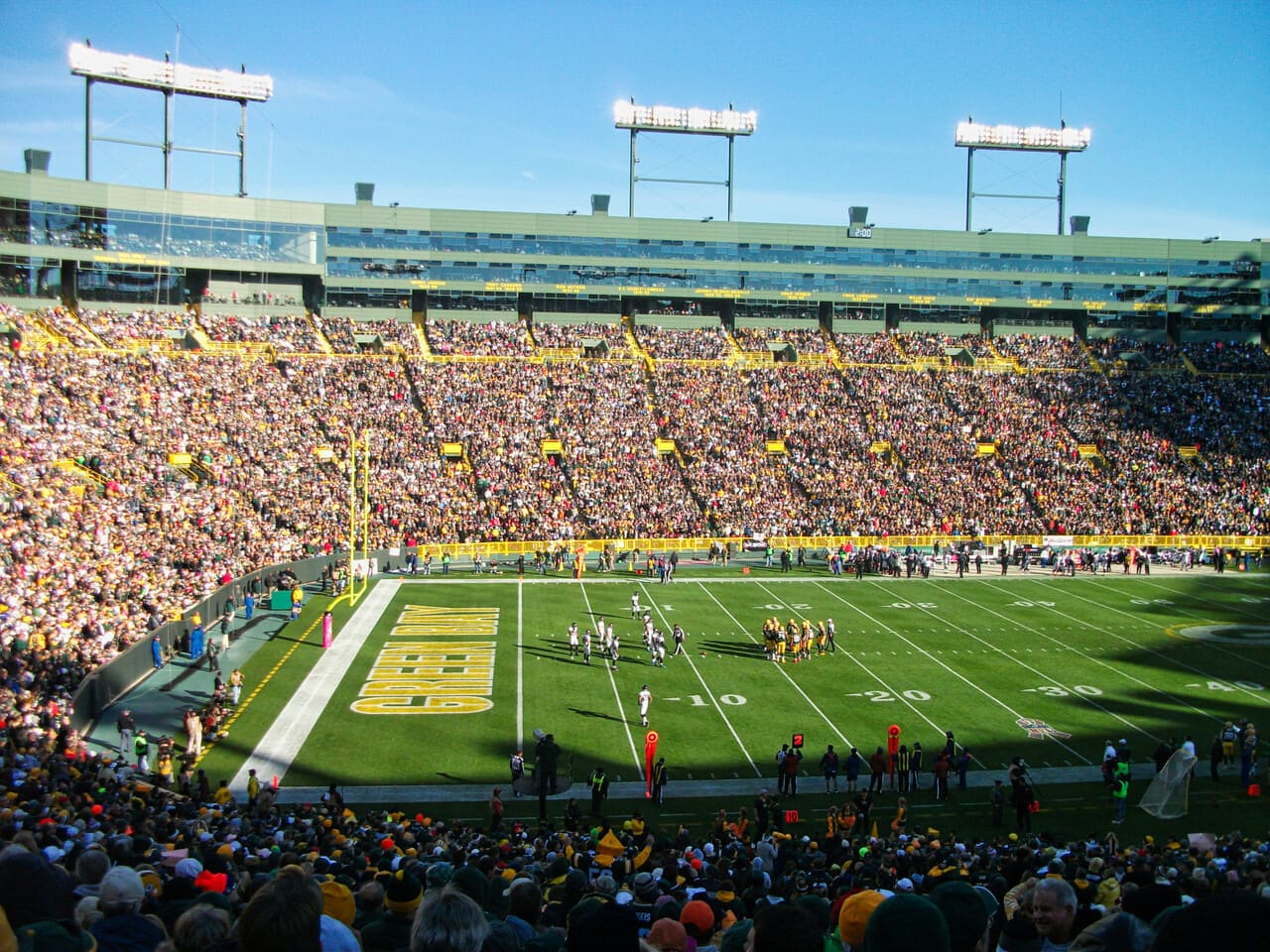
You cannot deny that Christmas Day games still pull strong numbers. Nielsen ratings cited by major networks show millions tune in, which reinforces the league’s decision to keep scheduling them. Yet viewership data does not tell the full story. Social media analysis and fan surveys referenced by sports journalists reveal persistent dissatisfaction beneath the surface. You may be part of the audience even while resenting the timing. That contradiction matters. Fans threatening boycotts may not dent ratings immediately, but they shape the conversation. Over time, sustained frustration can influence how the league balances revenue against goodwill.
6. Comparisons to Thanksgiving Football

You often hear people ask why Thanksgiving football works while Christmas football feels forced. The difference comes down to history and structure. Thanksgiving games are predictable, early in the day, and woven into decades of tradition. Christmas, by contrast, moves depending on the calendar and often includes multiple games at awkward times. Analysts at ESPN note that Thanksgiving complements the holiday, while Christmas competes with it. You may enjoy a Thanksgiving game without sacrificing family time, but Christmas games demand more attention. That distinction explains why resistance persists even as ratings remain strong.
7. What a Boycott Really Means for Fans

You should understand that most fans calling for a boycott are not organizing mass movements. They are making individual choices. For you, skipping a Christmas game might simply mean recording it or ignoring it altogether. Fans quoted by The Athletic say the goal is personal balance, not punishment. Whether the league changes course remains uncertain, but the message is clear. You want football to enhance your life, not dominate every meaningful moment. Christmas Day games force you to decide where that line sits, and more fans are choosing to draw it firmly. In the end, that choice reflects how much control you believe sports should have over your holidays.