

In the 1980s, family life was very different from today. Many expenses that modern families consider essential did not exist at that time. Families still had to manage costs for housing, food, transportation, and education, but digital technology, subscription services, and modern lifestyle habits had not yet created new financial pressures. Smartphones, internet access, and streaming devices were decades away. Families often relied on simpler routines, shared resources, and local community activities. Understanding the differences in family expenses between the 1980s and today shows how technology, culture, and lifestyle evolution have reshaped household budgets, making it clear why contemporary families face costs that previous generations never imagined.
1. Smartphones and Data Plans
Smartphones were not part of family life in the 1980s. Most families relied on landline phones for communication, which meant there were no monthly mobile bills, data plans, or phone upgrades. Internet access was rare and costly, so messaging apps, social media, and video calls did not exist. Parents and children communicated mostly in person or through written letters, and households shared one phone line. There was no pressure to maintain a personal mobile device, no insurance fees, and no recurring digital expenses. Families could enjoy uninterrupted time together without notifications, online distractions, or the constant need to upgrade devices, making budgets simpler and communication more straightforward compared to today.
2. Streaming Service Subscriptions
In the 1980s, families did not pay for streaming services. Television was the primary source of entertainment, and viewers relied on cable or broadcast channels with scheduled programming. Movie rentals were occasional physical purchases from video rental stores rather than recurring subscriptions. Music was played from cassette tapes, vinyl records, or CDs purchased once and reused indefinitely. Families could share a television or stereo system without worrying about multiple subscriptions or device compatibility. Modern streaming platforms like Netflix, Disney Plus, and Spotify, which charge monthly fees for access to movies, shows, and music, represent recurring expenses that 1980s families did not face. Entertainment was more communal, cost-effective, and less digitally driven.
3. Social Media Advertising and Promotion
Families in the 1980s did not spend money on social media promotion or online presence. Platforms like Facebook, Instagram, and TikTok were decades away, and advertising relied on word-of-mouth, local flyers, or newspaper ads. Small businesses or personal projects depended on physical promotion rather than online campaigns, sponsored posts, or influencer partnerships. Parents and teenagers did not feel pressure to maintain profiles or pay for visibility. Marketing and communication expenses were limited and often one-time costs. Families focused on real-world connections, events, and networking without digital metrics or engagement concerns. Modern social media has introduced a new recurring expense category for households, which simply did not exist for families in the 1980s.
4. Gym Memberships and Fitness Classes

In the 1980s, families exercised outdoors or at home without frequent gym memberships. Running, cycling, walking, or community sports were free or low-cost activities. Specialized fitness studios, boutique gyms, and exercise classes were rare and expensive. Structured workouts were often self-guided, with families relying on schools or local programs for sports activities. There were no monthly or annual subscription fees for personal training or fitness apps. Today, families often pay for gyms, yoga studios, and virtual fitness subscriptions, creating recurring costs that did not exist in the 1980s. Physical activity was more accessible, less commercialized, and focused on routine exercise, community involvement, and outdoor recreation without additional financial pressures.
5. Streaming Music and Digital Downloads

Families in the 1980s did not pay for digital music. Music was purchased on vinyl records, cassette tapes, or CDs, which were bought once and used repeatedly. There were no subscription services like Spotify or Apple Music, and songs could be listened to unlimited times without monthly fees. Radio stations and physical music stores were primary sources of entertainment, and sharing music involved lending tapes or records among friends. Today, families often subscribe to music streaming platforms for unlimited access to millions of songs. These recurring digital costs are a modern household expense that previous generations did not encounter, making entertainment budgets simpler and less continuous in the 1980s.
6. Video Game Consoles and Online Gaming
Video games existed in the 1980s, but were limited to arcade machines or early home consoles such as Atari or Nintendo. Online multiplayer games, subscription services, and downloadable content were nonexistent. Families typically purchased one console and a few physical game cartridges shared among siblings. Gaming was an occasional one-time expense rather than a recurring monthly cost. Today, online games often require subscriptions, digital purchases, and in-game spending, creating continuous financial demands on households. The contrast shows how technology has changed entertainment spending from occasional physical purchases to recurring digital costs. Families in the 1980s enjoyed simpler, communal gameplay without ongoing financial pressure.
7. Home Internet Bills

Home internet was virtually unavailable for most families in the 1980s. Accessing online services required expensive specialized equipment, which was uncommon in households. Families communicated through landlines, letters, and television, relying on physical information sources. There were no recurring monthly fees for high-speed connectivity, no streaming services, and no online shopping or social media expenses. Today, reliable internet is essential for work, education, entertainment, and social connections, representing a fixed monthly cost. Families in the 1980s had simpler budgets without digital obligations. The absence of this recurring expense allowed more flexibility in allocating household resources and made life less dependent on constant online connectivity.
8. Online Shopping and Delivery Fees

In the 1980s, families did not pay for online shopping or delivery services. Shopping occurred in local stores, supermarkets, and malls, with physical visits required. There were no e-commerce platforms, shopping apps, or delivery fees. Families selected items in person and carried them home, making expenses predictable and immediate. Today, families often pay for convenience with delivery services and online purchases, adding recurring or frequent costs. The absence of these modern conveniences meant that families in the 1980s had fewer discretionary costs and relied on physical access to products, creating a simpler, more direct shopping experience without shipping charges or app-based fees.
9. Ride-Hailing Services

Ride-hailing apps such as Uber or Grab were nonexistent in the 1980s. Families relied on personal vehicles, public transportation, or walking. There were no app-based convenience fees, surge pricing, or digital tipping. Transportation expenses were limited to fuel, vehicle maintenance, or public transit fares. Families had predictable costs without additional digital services, and mobility relied on practical planning rather than instant access. Today, ride-hailing apps offer convenience at the expense of monthly or per-ride charges. Families now face recurring transportation costs that were unnecessary in the 1980s. This demonstrates how modern technology has introduced both convenience and new financial considerations to household budgets.
10. Cloud Storage Services

In the 1980s, families stored data physically on floppy disks, CDs, or tapes. Cloud storage platforms such as Google Drive, Dropbox, or iCloud did not exist, and digital storage did not incur recurring fees. Backup and organization were manual, requiring careful handling of physical media. Families did not pay for online storage subscriptions or additional digital space. Today, cloud storage is common for photos, documents, and multimedia content across multiple devices. These recurring costs were absent in the 1980s, reflecting how modern technology has created new expenses for convenience, accessibility, and digital security. Household budgets now often include costs for digital storage that did not exist in previous decades.
11. Smartphone Accessories

Smartphone accessories such as cases, screen protectors, portable chargers, and wireless headphones did not exist in the 1980s. Landline phones required minimal upkeep, and there was no recurring cost for protective gear or gadgets. Families could use devices for decades without worrying about additional accessories or replacement fees. Today, modern smartphones rely on accessories for protection, convenience, and functionality, creating new monthly or occasional expenses. The technological dependency on gadgets has introduced recurring costs that did not exist in the 1980s, making household budgets more complex. Families then experienced simpler communication and device maintenance with little to no added financial burden for extras.
12. Subscription Boxes

Monthly subscription boxes for snacks, clothes, or lifestyle products were not part of family life in the 1980s. Families purchased products directly from stores or markets rather than receiving curated packages delivered to their homes. There were no recurring costs for novelty goods or personalized subscriptions. This absence allowed families to maintain predictable budgets while shopping locally. Today, subscription boxes are popular for convenience, personalization, and trends, creating additional monthly household expenses. Families in the 1980s relied on in-person shopping and physical marketplaces, and their spending was more controlled and less influenced by recurring commercial trends, making budgets simpler and more predictable.
13. Digital Learning Platforms

Education in the 1980s relied on textbooks, classroom instruction, and library resources. Online courses, tutoring platforms, and educational apps were not available, and families did not pay for subscriptions or virtual lessons. Learning was local and structured, with limited additional costs beyond school supplies. Today, families invest in digital education, paying for online courses, apps, and virtual tutoring, which create recurring expenses. The shift toward technology-based education has added new financial pressures that families in the 1980s did not encounter. Household budgets now include costs for educational subscriptions and online platforms, reflecting the increased reliance on digital learning tools in modern society.
14. Specialty Coffee and Gourmet Drinks

Specialty coffee drinks and gourmet beverages were not common household expenses in the 1980s. Families brewed basic coffee at home using simple equipment. Cafés were fewer, and daily takeaway drinks or premium coffee subscriptions were nonexistent. Parents and teenagers relied on home preparation for beverages, avoiding the recurring costs associated with modern coffee culture. Today, families often spend on specialty drinks, machines, and curated coffee subscriptions, creating new discretionary expenses. The 1980s approach emphasized affordability, self-preparation, and simplicity. Modern lifestyles have introduced new financial obligations for convenience, social trends, and luxury experiences that did not exist for families in previous decades, making daily household spending more varied and sometimes costly.
15. Smart Home Devices
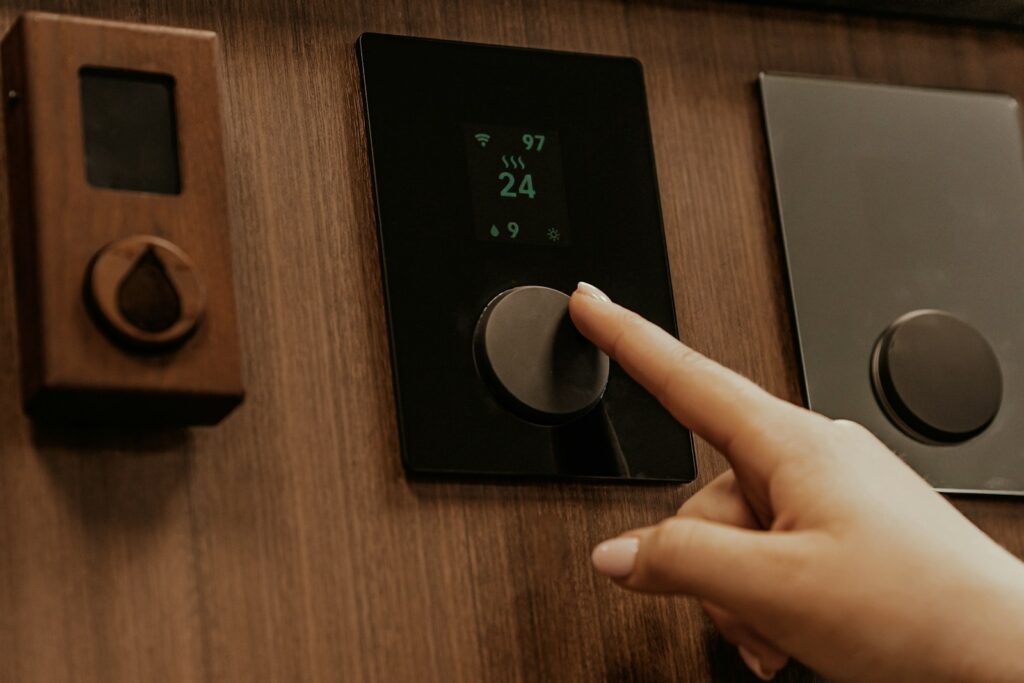
Smart home devices such as thermostats, security cameras, and voice assistants were nonexistent in the 1980s. Homes relied on manual systems for heating, security, and lighting. Families did not pay for internet-connected devices, app subscriptions, or monitoring services. Life was simpler, and households maintained control through physical systems without recurring digital costs. Today, smart home devices offer convenience but create new monthly or occasional expenses. Families invest in home automation, monitoring services, and connected devices, which were unnecessary in the 1980s. The rise of smart technology has transformed household management, introducing recurring costs tied to convenience, safety, and energy efficiency that did not exist for previous generations.
16. Online Streaming Fitness Classes

Fitness classes streamed online were not available in the 1980s. Families exercised outdoors, at home, or through community programs without recurring subscription fees. Access to virtual fitness platforms, live classes, and on-demand workout content was not part of household budgets. Today, families often subscribe to multiple online fitness platforms for yoga, strength training, and other exercise routines, creating recurring costs. The shift from local, self-guided activity to digital fitness subscriptions represents a significant change in lifestyle and financial management. Families in the 1980s maintained physical health without ongoing digital costs, relying on affordable, community-based, or home exercise routines that were free or low-cost.
Keep reading on The WiC Project Lifestyle Blog & Miriam’s Boutique: Home Goods, Beauty, & Fashion Store