
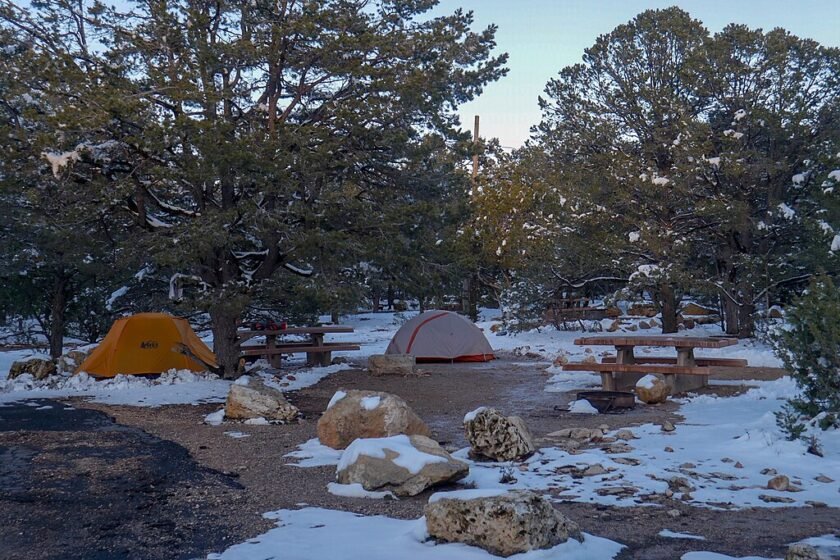
Winter camping places people closer to wildlife, adapting to harsh seasonal conditions across forests, mountains, and deserts. Animals change behavior to conserve energy, protect their young, and locate scarce food sources. Some species become more aggressive while others appear suddenly near camps. Understanding these patterns reduces risk and supports respectful coexistence. Campers who recognize signs of animal activity make better decisions about food storage, movement, and campsite placement. Awareness matters more during winter when resources shrink. This guide outlines twelve winter animal behaviors relevant to camper safety. Each behavior reflects survival responses shaped by cold weather.
Increased Food Seeking Near Camps
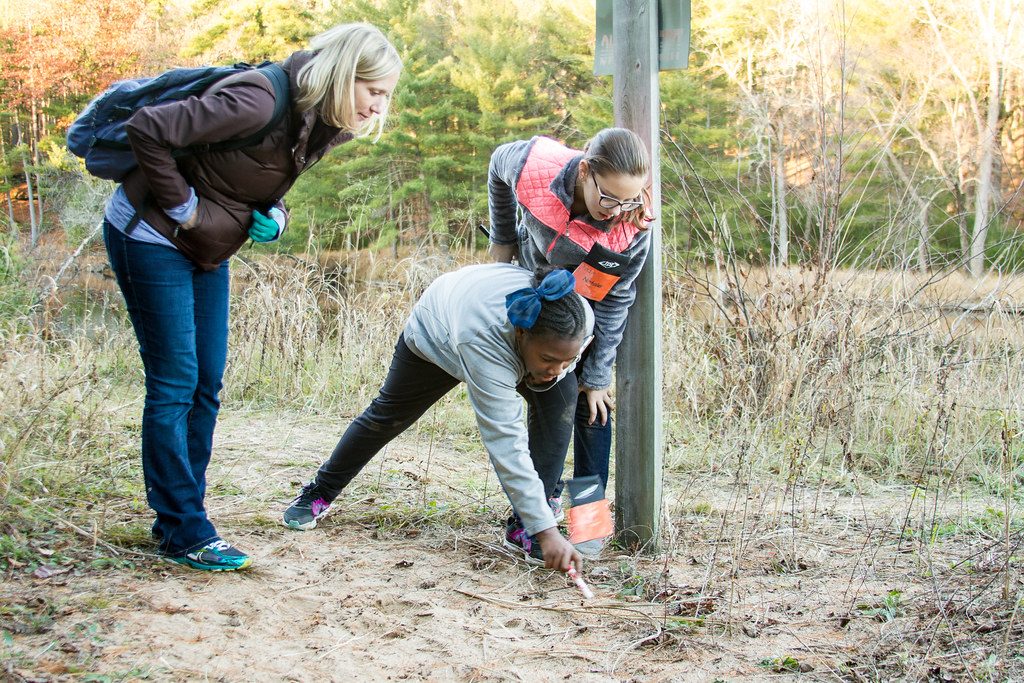
During winter, many animals expand their foraging range in search of calories. Scarce natural food pushes wildlife toward human campsites. Smells from cooking trash or stored food travel farther in cold air. Animals investigate these sources persistently. Campers may notice tracks circling tents or repeated nighttime visits. This behavior increases encounter risk. Proper food storage reduces attraction. Hanging food or using bear-resistant containers matters. Recognizing increased food-driven behavior helps campers stay alert. Animals act out of survival, not aggression. Awareness encourages preventative habits that reduce conflict and protect both people and wildlife during cold months.
Reduced Fear Of Humans
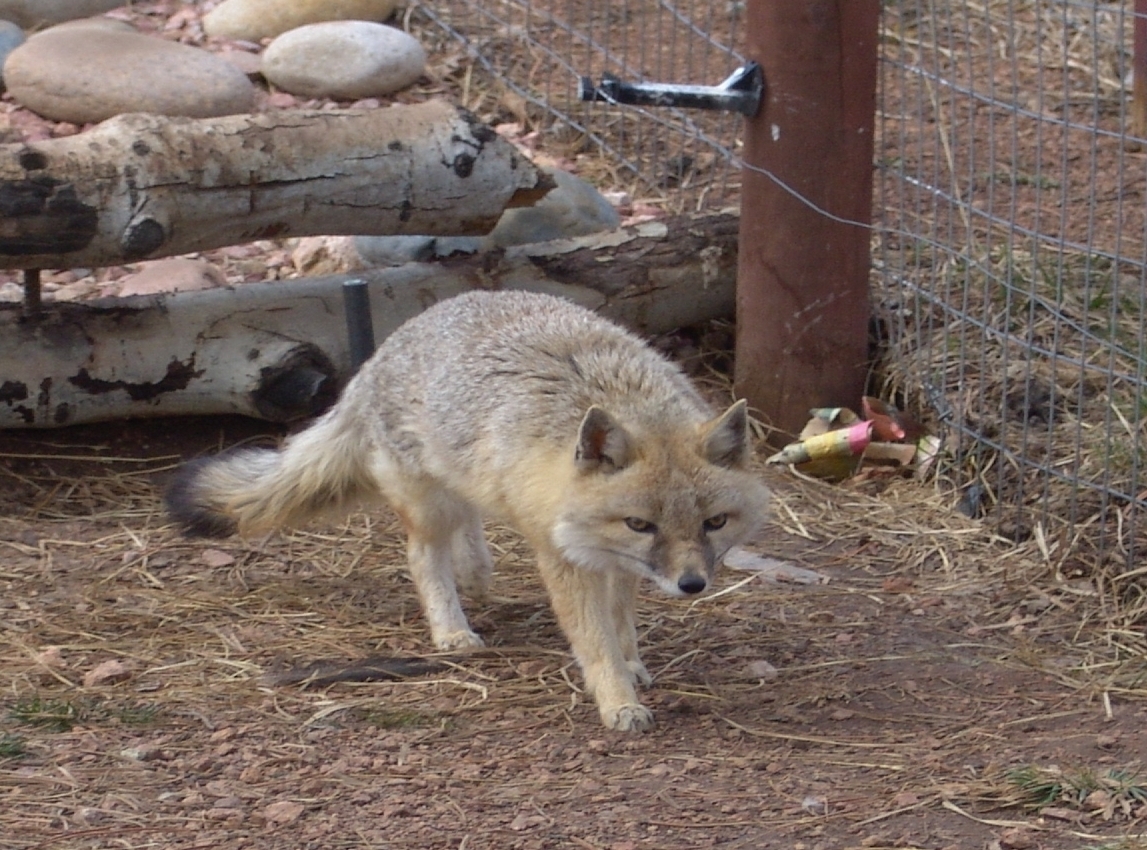
Winter conditions force animals to conserve energy and take calculated risks. Some species display reduced fear toward humans when hunger outweighs caution. Deer, foxes, and coyotes may approach camps more closely. This behavior surprises campers expecting avoidance. Reduced flight distance does not indicate tameness. Animals remain unpredictable. Campers should maintain distance and avoid feeding. Standing one’s ground and making noise discourages the approach. Understanding this shift prevents misinterpretation. Recognizing reduced fear allows safer responses. Calm, assertive behavior helps maintain boundaries. Winter scarcity alters risk assessment in wildlife, leading to closer encounters that require respectful caution.
Nocturnal Activity Increases

Many animals adjust their activity patterns during winter. Limited daylight and human presence push wildlife toward nighttime movement. Campers hear rustling footsteps or see reflective eyes after dark. Nocturnal foraging increases near camps due to food smells. This behavior raises surprise encounter risk during bathroom trips or food handling. Using headlamps and making noise helps. Securing food before dusk reduces attraction. Recognizing heightened nighttime activity encourages caution. Campers should avoid leaving shelters quietly at night. Understanding this pattern improves safety and reduces fear responses. Wildlife uses darkness strategically during winter scarcity periods.
Territorial Aggression
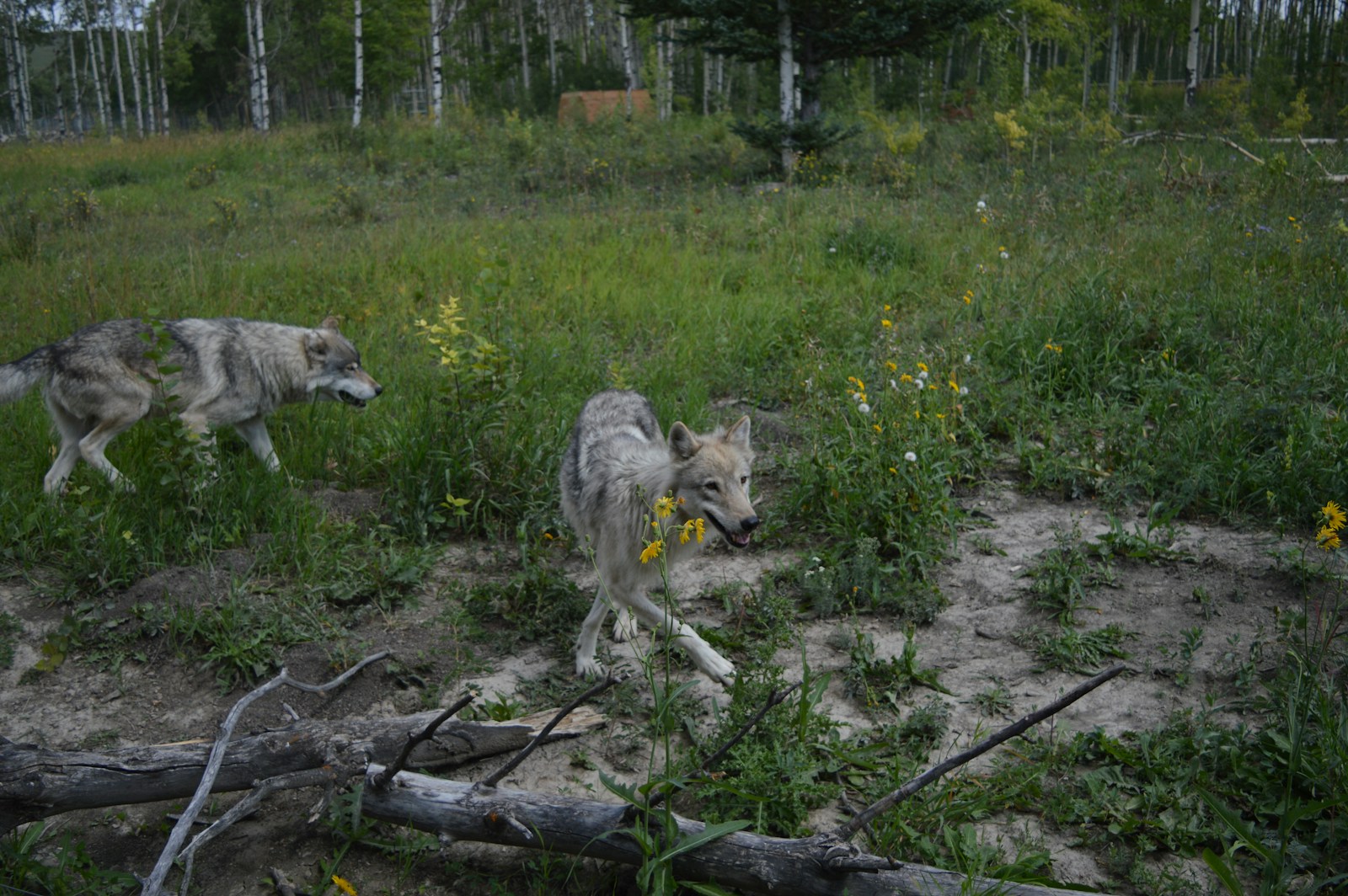
Winter intensifies territorial behavior for some species. Limited resources increase competition. Wolves, coyotes, and some ungulates defend areas aggressively. Campers entering these zones may trigger defensive displays. Signs include vocalizations, tracks, or scent markings. Aggression often aims to protect food caches or young. Campers should retreat calmly when noticing warning signs. Avoiding dense cover reduces surprise. Recognizing territorial behavior prevents escalation. Animals defend space more fiercely during winter stress. Understanding boundaries supports coexistence. Respecting animal signals and adjusting camp placement reduces the risk of confrontations that stem from survival-driven territorial defense.
Den Site Protection
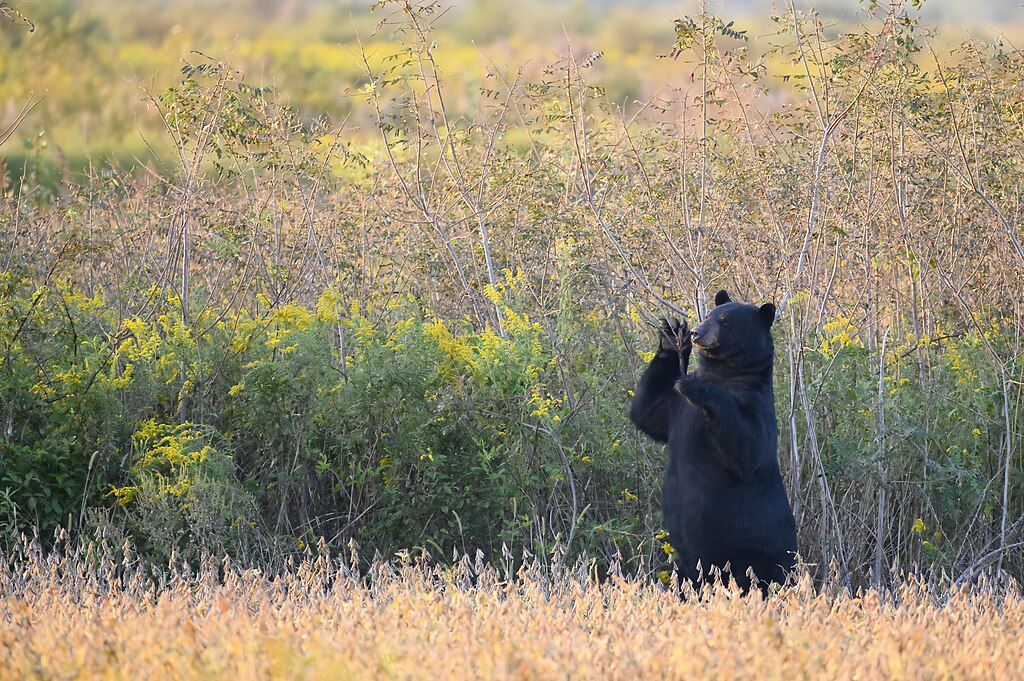
Animals using dens during winter guard these areas carefully. Bears, badgers, and foxes select sheltered sites for warmth. Disturbance near dens provokes defensive reactions. Campers unknowingly setting up camp nearby increase the risk. Signs include tracks leading to holes or concentrated activity. Avoiding such areas is essential. Den protection behavior peaks during extreme cold. Animals conserve energy and respond forcefully to threats. Recognizing den indicators allows relocation. Respecting den sites protects campers and wildlife. Winter dens are critical survival resources. Awareness prevents accidental encroachment into sensitive spaces where animals cannot easily flee.
Following Packed Trails
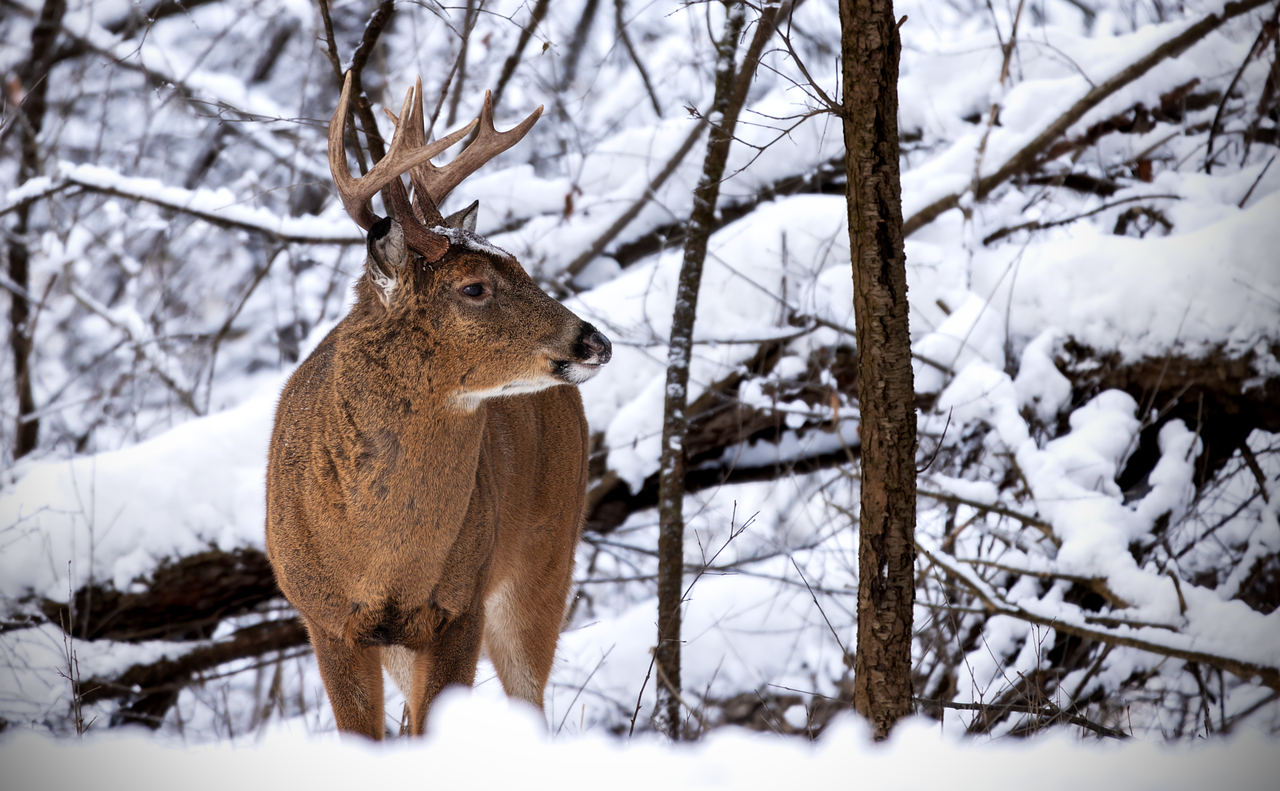
Snow compaction creates efficient travel routes. Animals follow packed trails to conserve energy. Campers may notice tracks directly overlapping their paths. This increases chance encounters. Wildlife does not follow trails intentionally toward humans but seeks easier movement. Campers returning after dark may meet animals unexpectedly. Making noise and scanning ahead reduces surprise. Avoiding food transport on trails limits attraction. Recognizing this behavior explains why animals appear suddenly on paths. Understanding energy conservation helps campers anticipate encounters. Shared use of trails during winter requires heightened awareness and respectful navigation.
Curiosity Toward New Objects
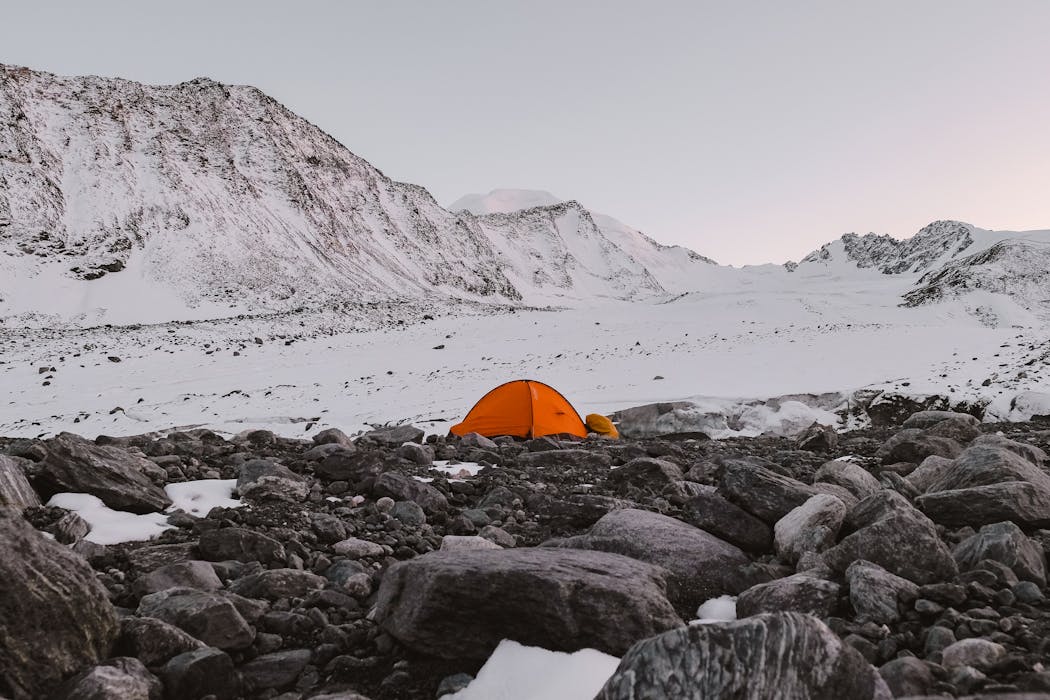
Winter landscapes change slowly, making new objects stand out. Tents, gear, and snow shelters attract animal curiosity. Shiny materials and unfamiliar shapes invite investigation. Animals sniff, bite, or paw equipment. This behavior increases damage risk. Curiosity stems from exploration and potential food detection. Campers reduce interest by minimizing exposed gear. Keeping camps tidy matters. Recognizing curiosity helps prevent loss. Animals are not malicious but adaptive. Understanding attraction to novelty encourages campers to blend camps visually. Reducing novelty reduces investigation and keeps wildlife interactions minimal during extended winter stays.
Aggressive Defense Of Food Caches
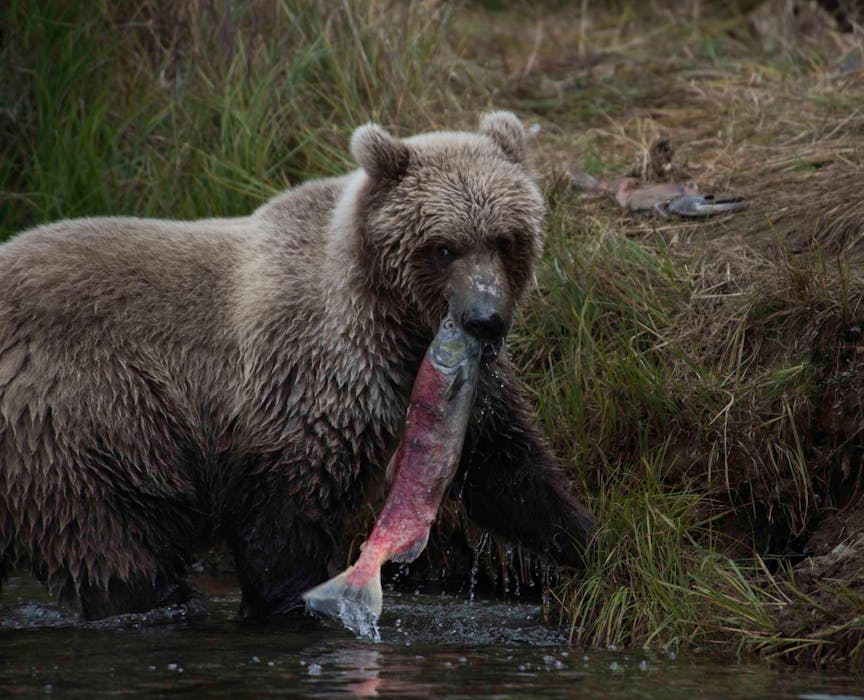
Some animals store food during winter. These caches represent survival lifelines. Species like foxes and martens defend them aggressively. Campers unknowingly approaching cache sites risk confrontation. Signs include repeated tracks and disturbed snow. Animals may vocalize or posture defensively. Campers should retreat calmly and relocate. Avoid digging or exploring animal activity sites. Recognizing cache defense behavior prevents conflict. Respecting stored food areas supports coexistence. Winter scarcity heightens defensive responses. Awareness allows campers to avoid triggering protection instincts tied to survival strategies developed through harsh seasonal pressures.
Increased Daytime Movement
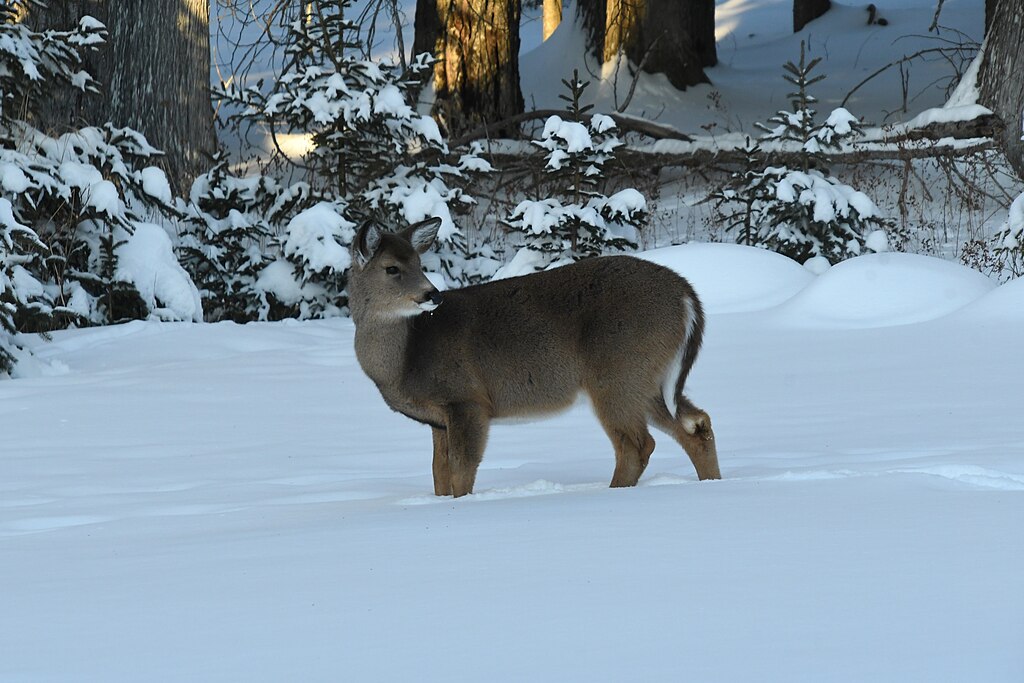
Short winter days compress feeding schedules. Animals shift activity into daylight hours. Campers encounter wildlife more frequently during daytime travel. This contradicts expectations of nocturnal avoidance. Increased daylight movement reflects energy efficiency. Campers hiking midday may surprise animals feeding. Staying alert and making noise helps. Recognizing this pattern reduces shock encounters. Daytime wildlife presence does not indicate aggression. It reflects survival adaptation. Understanding altered schedules helps campers anticipate sightings. Adjusting routines and maintaining awareness support safer interactions during winter when animals optimize limited daylight for essential activities.
Attraction To Warmth

Animals seek warmth during extreme cold. Campsites generate heat through fires, shelters, and bodies. Some species approach for thermal benefits. Rodents, birds, and even larger mammals investigate warmth sources. This increases nighttime encounters. Campers should secure shelters and avoid leaving doors open. Fire safety remains important. Recognizing warmth attraction explains unexpected proximity. Animals respond to temperature gradients instinctively. Minimizing heat leakage reduces interest. Understanding this behavior encourages better camp management. Warmth seeking is survival-driven not aggression. Awareness helps campers reduce unintended attraction while maintaining necessary warmth during cold conditions.
Reduced Escape Options
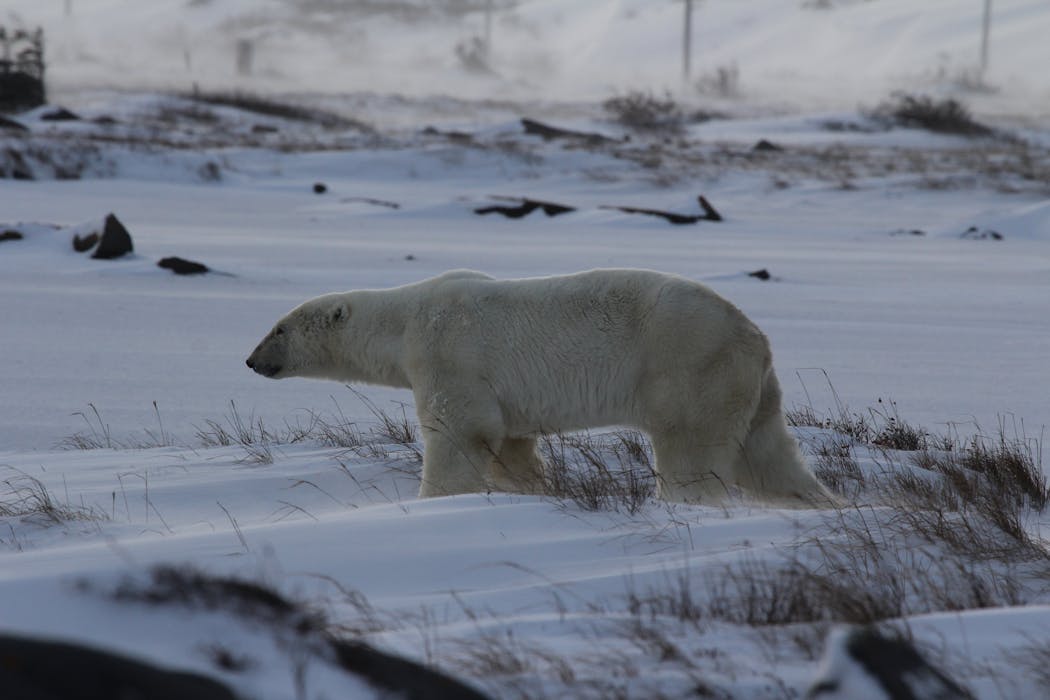
Deep snow limits animal movement. Reduced mobility increases stress. Animals may stand their ground instead of fleeing. Campers interpret this as aggression. In reality, escape costs energy. Giving animals space allows alternative routes. Avoid cornering wildlife. Backing away calmly reduces tension. Recognizing limited escape explains defensive postures. Snow depth alters behavior significantly. Campers must adapt responses. Understanding movement constraints prevents escalation. Providing clear retreat paths supports safety. Winter terrain changes how animals assess threats. Awareness promotes respectful distance and safer coexistence in challenging conditions.
Protective Behavior Around Young
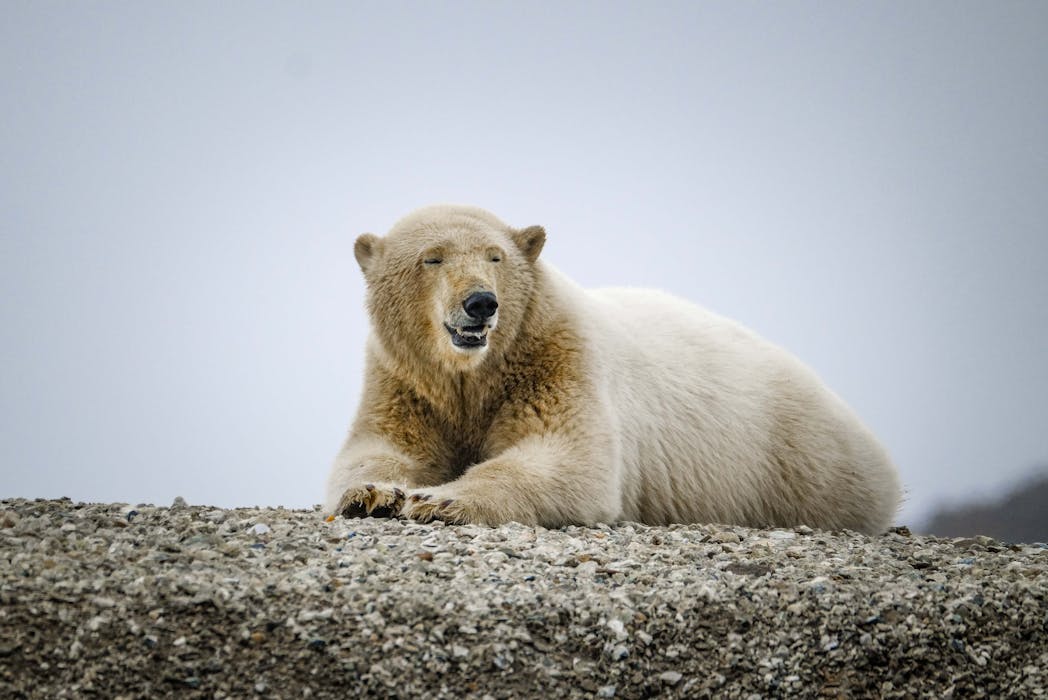
Some species give birth during winter. Mothers protect their young fiercely. Campers encountering young animals risk defensive attacks. Young may appear alone while adults remain hidden. Campers should leave the area immediately. Avoid photography or investigation. Recognizing breeding seasons matters. Protective behavior increases unpredictability. Understanding maternal defense reduces risk. Wildlife prioritizes offspring survival above all. Winter births align with seasonal cycles. Awareness encourages caution. Respecting family groups protects campers and animals. Recognizing this behavior supports ethical camping practices and prevents dangerous encounters during sensitive life stages shaped by seasonal survival strategies.
The post 12 Winter Animal Behaviors Campers Should Recognize for Safety appeared first on Bushcraft Base Camp.