
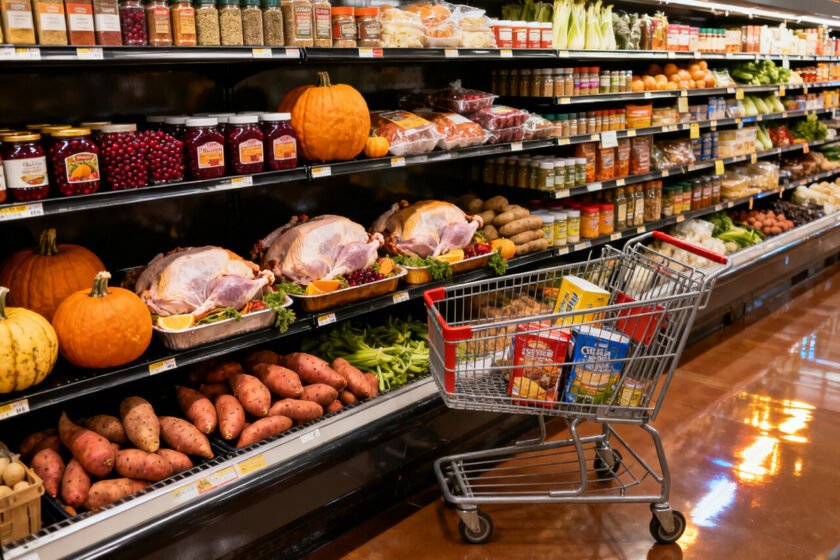
6 GROCERY STORE TRICKS THAT QUIETLY PUSH SHOPPERS TO OVERSPEND
Grocery outlets aim to feel familiar, cozy, and routine, yet that ease often carries a price. From entry onward, discreet techniques steer how you move, what you notice, and what lands in your cart. These methods don’t rely on overt pressure or obvious discounts; they shape behavior through layout, aromas, product placement, and timing. Many shoppers blame overspending on weak willpower, but the reality is more calculated. Grasping how these tricks operate makes it easier to shop with intention and stay within your budget.
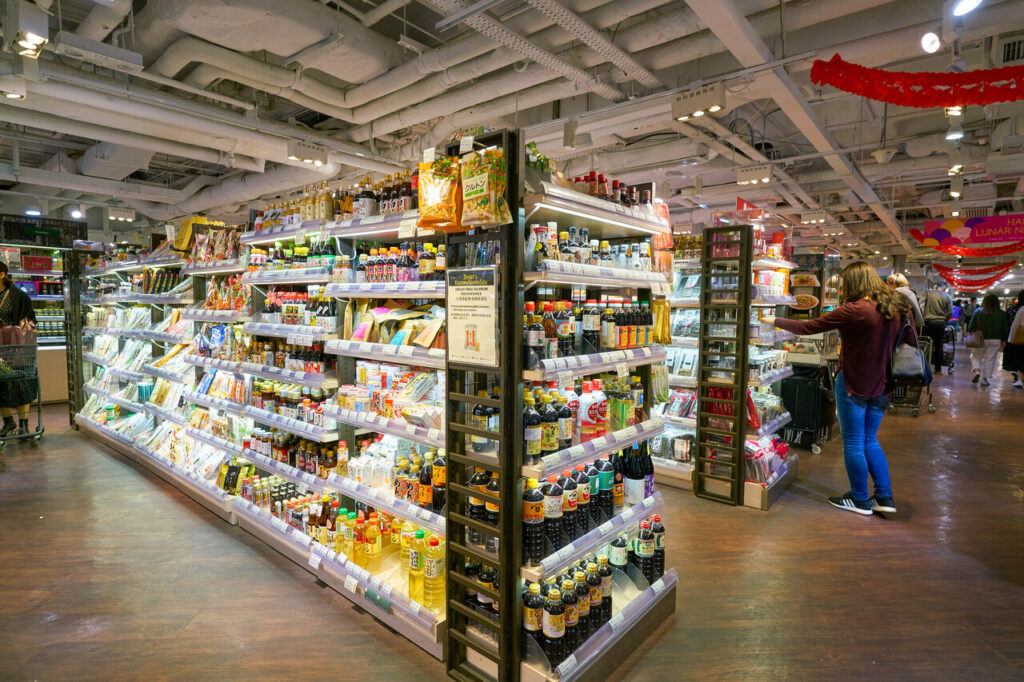
The truth is that many shoppers overlook the deliberate slowing of movement in grocery layouts. Staples like milk, eggs, and bread are rarely at the front; they’re tucked toward the back or along far walls, forcing you to navigate past numerous displays. Each step widens the chance of grabbing items you hadn’t planned. Wide aisles, gentle bends, and end caps divert you from a straight line and invite wandering. This is intentional. Retail psychology indicates the longer someone remains in a store, the more they spend. Even the most disciplined shoppers end up adding “one more item” as familiarity wears down resistance.
2. EYE-LEVEL SHELVING THAT PRIORITIZES PROFIT OVER PRICE
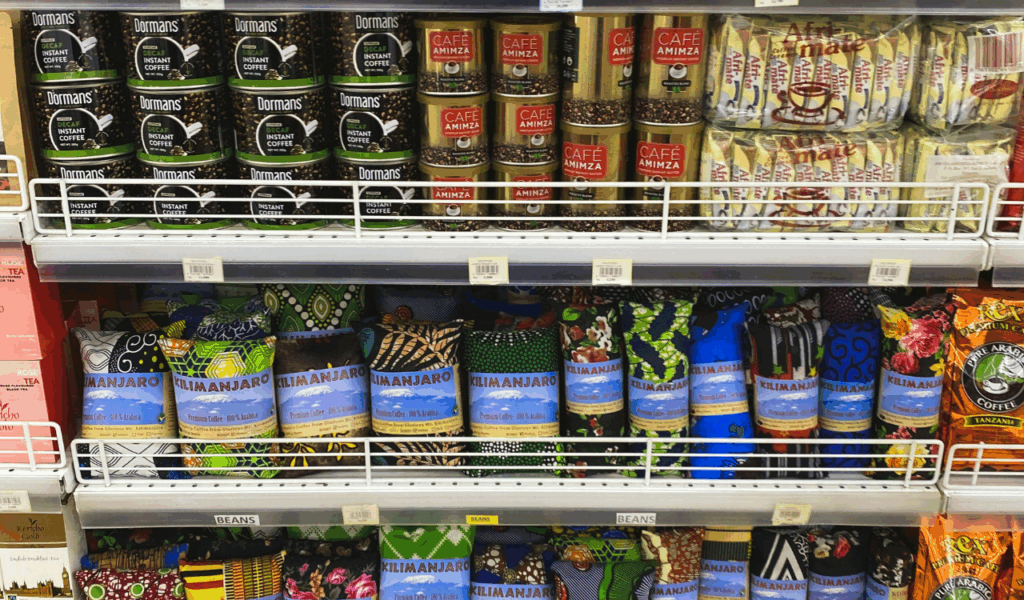
When customers assume the top option is the best value, they’re falling for a long-standing retail ploy. Products displayed at eye level occupy prime real estate, and manufacturers pay for that visibility. These items are frequently the most lucrative, not necessarily the cheapest. Cheaper options are tucked either below or above eye level, demanding extra effort to locate. Most shoppers don’t look down or upward unless they’re actively comparing prices. As this repeats, people default to familiar brands without weighing alternatives. Unit prices exist, but they’re easy to overlook when packaging and placement do the marketing for you.
3. BAKERY AND PREPARED FOOD SCENTS THAT TRIGGER HUNGER
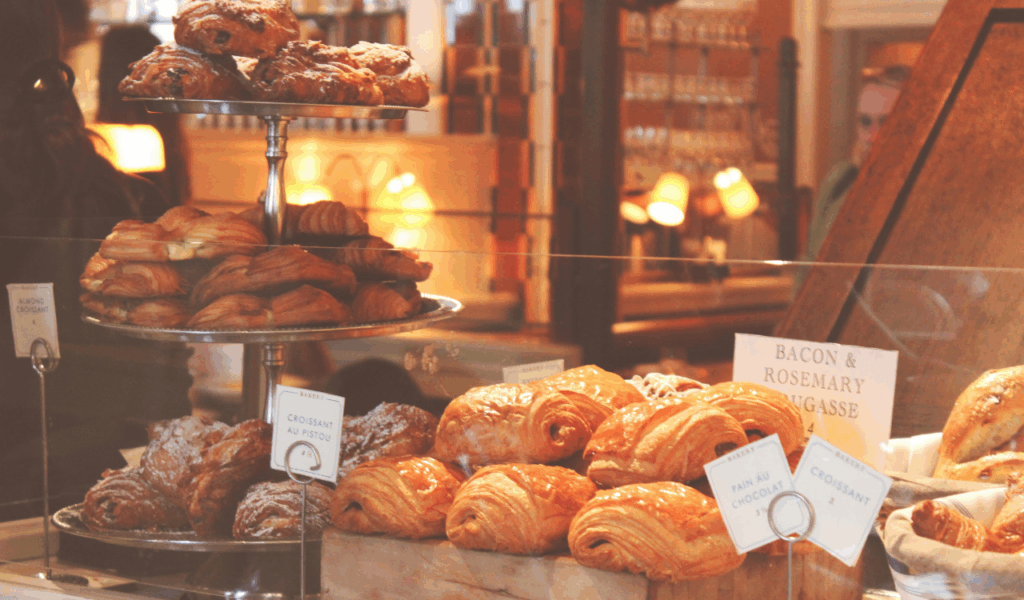
Entering a store while hungry makes decisions more challenging, and retailers know this. That’s why bakeries, rotisserie birds, and fresh pizza counters are often positioned near the door. The scent of warm food triggers hunger responses even after a full meal. Once hunger arises, self-control wanes. Shoppers tend to buy snacks, sweets, and quick meals they hadn’t planned. This isn’t merely emotional; it’s physiological. Olfactory cues rapidly activate memory and cravings in the brain, outpacing visual cues. By the time you reach your shopping list, judgment is already softened. What seems like a pleasant ambiance is, in fact, a deliberate nudge toward unplanned purchases.
4. MULTI-BUY PROMOTIONS THAT INFLATE YOUR CART
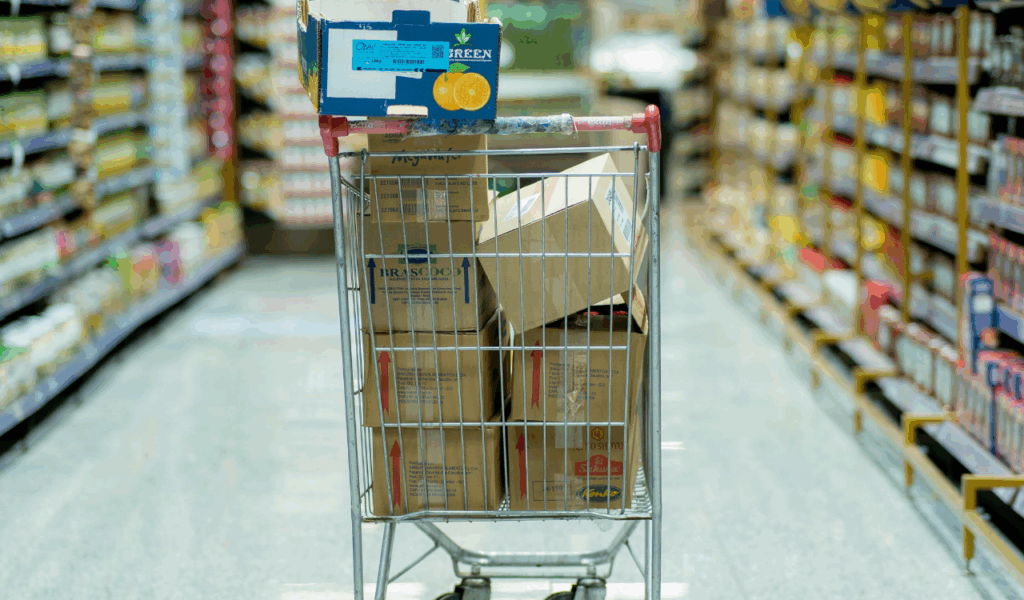
Offers such as “buy two, save more” may seem sensible, yet they frequently promote unneeded quantity. Many shoppers don’t verify if the per-unit price truly drops or if they actually require the extra unit. These promos succeed by presenting excess as savings. In truth, you’re paying more upfront and often discarding food later. Stores count on the fear of missing a deal outweighing the concern about overbuying. Hidden costs include pantry clutter, expired products, and forgotten purchases. Over time, these promotions teach shoppers to equate value with quantity rather than practicality.
5. CHECKOUT LANE IMPULSE ZONES THAT EXPLOIT FATIGUE
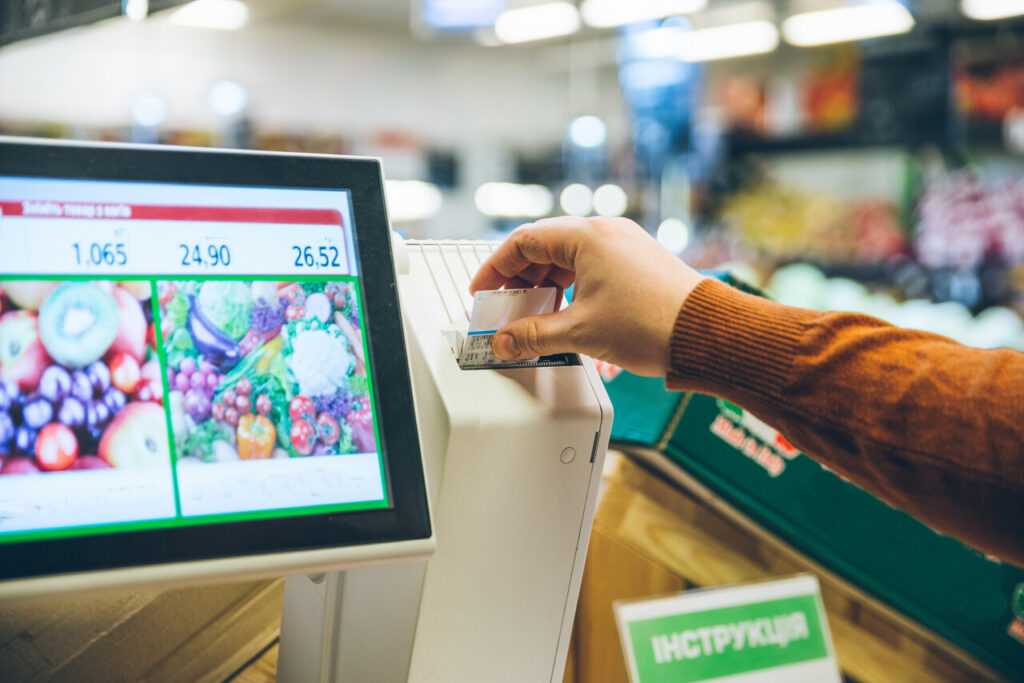
By the time you reach the checkout, mental energy is drained. Choices have been made, prices accepted, and spending rationalized. Then candy, sodas, magazines, and small gadgets appear within easy reach. These items feel inexpensive yet accumulate quickly over many trips. The logic is straightforward: after resisting temptations all along the store, the brain craves a quick payoff. Retailers exploit that drop in vigilance. Even those who followed a list often slip here, nudging a careful visit into a marginally higher total with little deliberation.
6. SHRINKFLATION THAT QUIETLY RAISES YOUR COST PER ITEM
One of the most understated overspending pitfalls isn’t an obvious price rise. Packages look the same, but contents shrink. Fewer ounces or servings, yet the shelf price stays the same. People rely on recognition and seldom detect the change. Retailers keep price points steady while offering less value. Over time, shoppers end up paying more per unit without noticing. This approach is particularly effective on staple items bought regularly. Unless weight or volume is checked, customers assume consistency where none exists. It’s among the quietest methods by which grocery costs creep upward month after month.