

Aging has never been a fixed experience. It is shaped by culture, technology, health systems, and economic realities that shift with every generation. People who entered midlife or older adulthood in the 1990s faced a world defined by slower communication, more linear career paths, and clearer social expectations around age. In contrast, aging in the 2020s unfolds in a period marked by digital saturation, longer life expectancy, medical advances, and ongoing social uncertainty. The very meaning of being “middle-aged” or “older” has changed, along with how people work, socialize, care for their bodies, and plan for the future. This article explores ten specific ways aging in the 2020s differs from aging in the 1990s, focusing on lived experience rather than nostalgia. Each section highlights structural changes, emotional shifts, and practical realities that redefine what growing older now truly looks like.
1. Aging Is More Digitally Integrated Than Ever Before
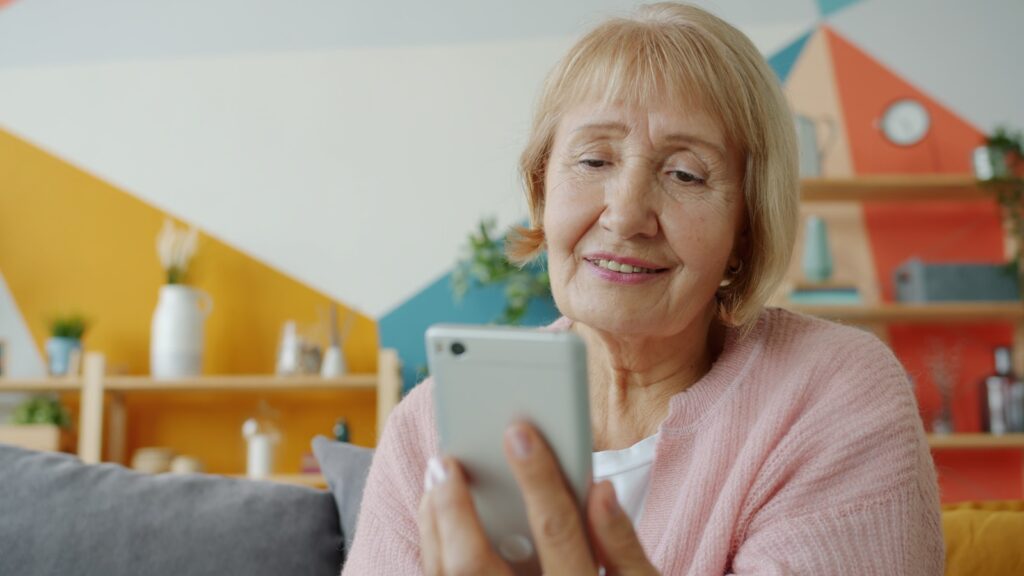
What defines daily life today is not just age, but how closely it is tied to screens, systems, and constant connectivity, something older adults in the 1990s never had to navigate. Back then, aging unfolded largely offline, supported by paper records, in-person interactions, and slower communication. Technology existed, but it remained peripheral rather than essential. In the 2020s, digital tools shape nearly every aspect of aging, from managing healthcare appointments to maintaining social connections and handling finances. Smartphones, wearable health devices, online portals, and virtual communication are now central to independence. Falling behind technologically can limit access to essential services, making digital literacy a practical necessity rather than a bonus. While this integration offers convenience and autonomy, it also demands continuous learning. Aging today involves adapting not only to physical changes, but also to evolving digital environments that never stop updating.
2. Health Awareness Has Shifted From Treatment to Prevention

Rather than waiting for illness to appear, people aging in the 2020s are taught to monitor, measure, and manage their bodies long before problems surface. In the 1990s, health care for aging adults focused more on responding to visible symptoms than preventing future decline. Regular checkups were common, but lifestyle factors such as stress, sleep, and nutrition received less emphasis. Today, preventive care is deeply woven into how people approach aging. Screenings, fitness routines, mental health awareness, and nutritional planning are encouraged years in advance. Technology also plays a role, allowing individuals to track heart rate, movement, and sleep patterns daily. While this shift empowers people to stay healthier longer, it can also create pressure to constantly optimize one’s body. Aging now feels like an active project, requiring attention and effort rather than passive acceptance.
3. Career Paths Are Less Linear and More Uncertain

Work no longer unfolds in predictable chapters, and this reality reshapes how aging feels for adults trying to remain economically relevant. In the 1990s, many people expected their careers to follow a steady upward path, with promotions, long-term employers, and a clear retirement horizon. Aging within this structure provided stability and identity. In the 2020s, employment landscapes are far more fragmented. Technological change, automation, contract work, and frequent layoffs have disrupted traditional career arcs. Many aging adults now retrain, change industries, or combine multiple income streams later in life. Staying employable often means updating skills continuously while navigating age bias. This uncertainty can be stressful, but it also challenges outdated assumptions about when learning or professional growth should end. Aging today is tied less to career completion and more to ongoing adaptation.
4. Social Connections Are Broader But Often Less Stable
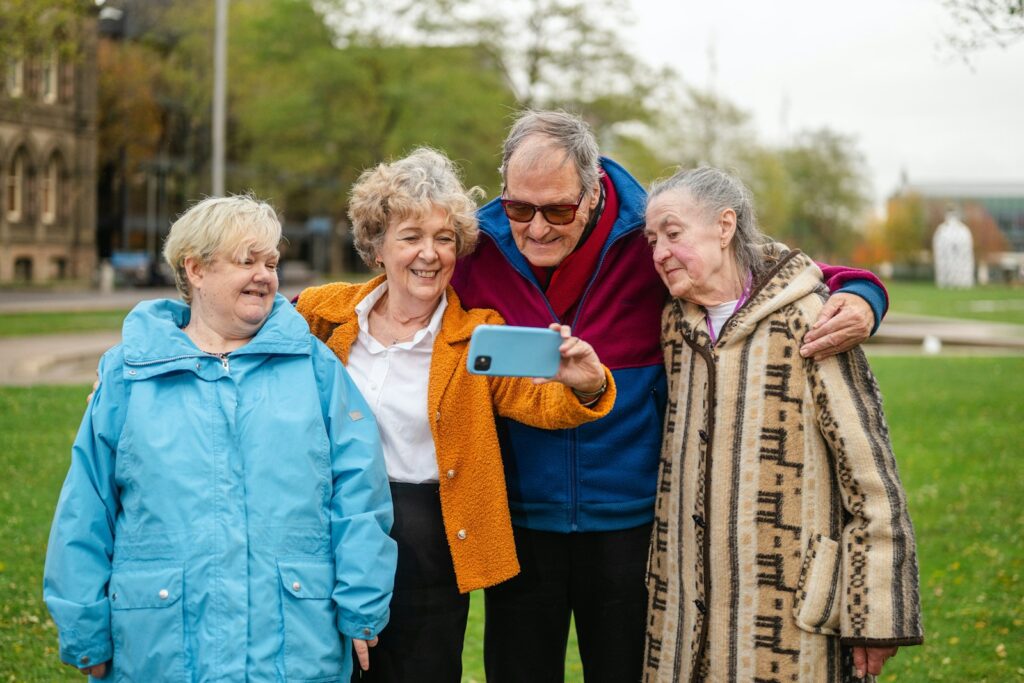
Relationships today stretch across platforms, cities, and time zones, fundamentally changing how social aging is experienced. In the 1990s, social lives were anchored in physical spaces such as workplaces, neighborhoods, and extended families. These connections, while smaller in number, were often long-lasting. In the 2020s, digital communication allows aging adults to maintain wider networks, reconnect with old acquaintances, and form new communities online. However, these relationships are often more fragile and require intentional effort to sustain. Algorithms, relocation, and shifting life priorities can weaken ties quickly. Aging individuals must now actively manage social bonds rather than rely on routine proximity. This creates new opportunities for connection but also introduces a sense of impermanence that makes social aging feel less secure than it once did.
5. Financial Planning Is More Complex and Less Predictable
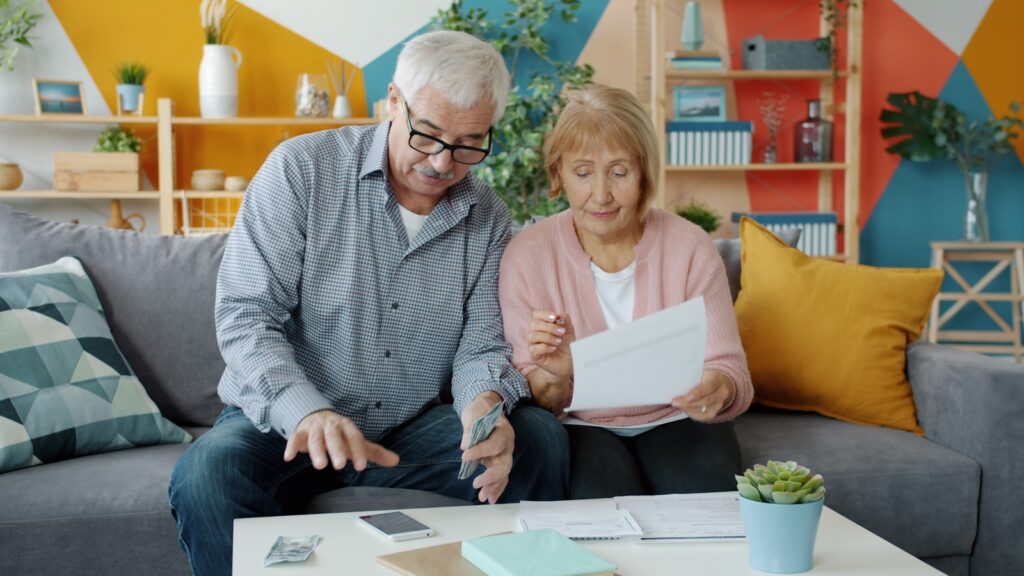
Money has become one of the most persistent sources of stress for people aging now, replacing the relative financial clarity many experienced decades ago. In the 1990s, long-term financial planning often revolved around steady employment, pensions, and manageable living costs. While not everyone was financially secure, the rules were easier to understand, and long-term expectations felt stable. In the 2020s, aging adults face rising healthcare expenses, volatile housing markets, inflation, and longer life spans that demand extended financial planning. Retirement is no longer a single milestone but a flexible concept shaped by economic realities. People are expected to manage investments, insurance, and savings independently while adapting to policy changes. This complexity makes aging financially demanding, turning money management into a lifelong responsibility rather than a late-stage concern.
6. The Definition of “Old” Has Become Increasingly Blurred
Age no longer signals a clear shift in identity, behavior, or ambition the way it once did. In the 1990s, certain ages came with socially accepted expectations about work, appearance, and lifestyle. Retirement, slowing down, and reduced ambition were commonly associated with getting older. In the 2020s, these boundaries have softened significantly. Advances in healthcare, changing cultural attitudes, and longer working lives mean people often remain active and professionally engaged far beyond previous norms. Someone considered “older” today may still be building careers, learning new skills, or pursuing personal reinvention. While this flexibility allows greater freedom, it can also create confusion about when to rest or redefine priorities. Aging now lacks clear markers, making it more self-determined but also more ambiguous.
7. Mental Health Is Acknowledged Rather Than Silenced
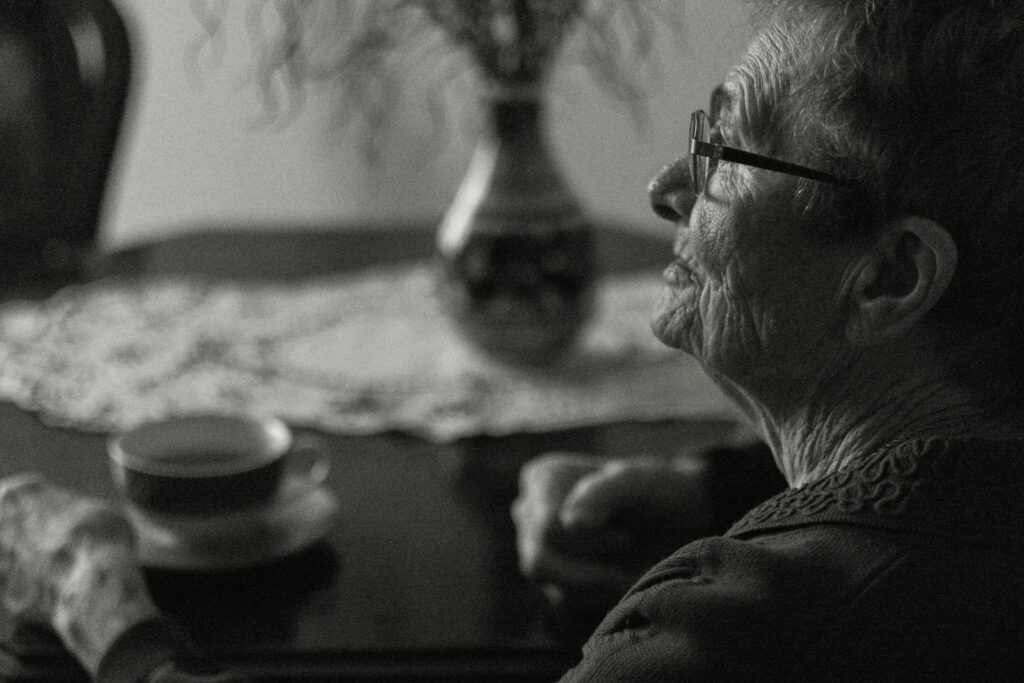
Emotional struggles that were once hidden behind endurance are now increasingly spoken aloud as part of the aging process. In the 1990s, many adults were expected to cope quietly with stress, grief, anxiety, or burnout, especially as responsibilities increased with age. Mental health conversations were limited, and seeking therapy was often stigmatized. In the 2020s, aging includes far more openness around emotional well-being. Public discussions, workplace initiatives, and healthcare systems increasingly recognize mental health as essential to overall quality of life. Older adults are more willing to acknowledge loneliness, caregiving fatigue, identity shifts, and cognitive concerns without shame. While stigma has not disappeared entirely, the language around emotional health has expanded. Aging today allows space for vulnerability, reframing mental care as a strength rather than a personal failure.
8. Family Roles Are More Fluid and Less Predictable
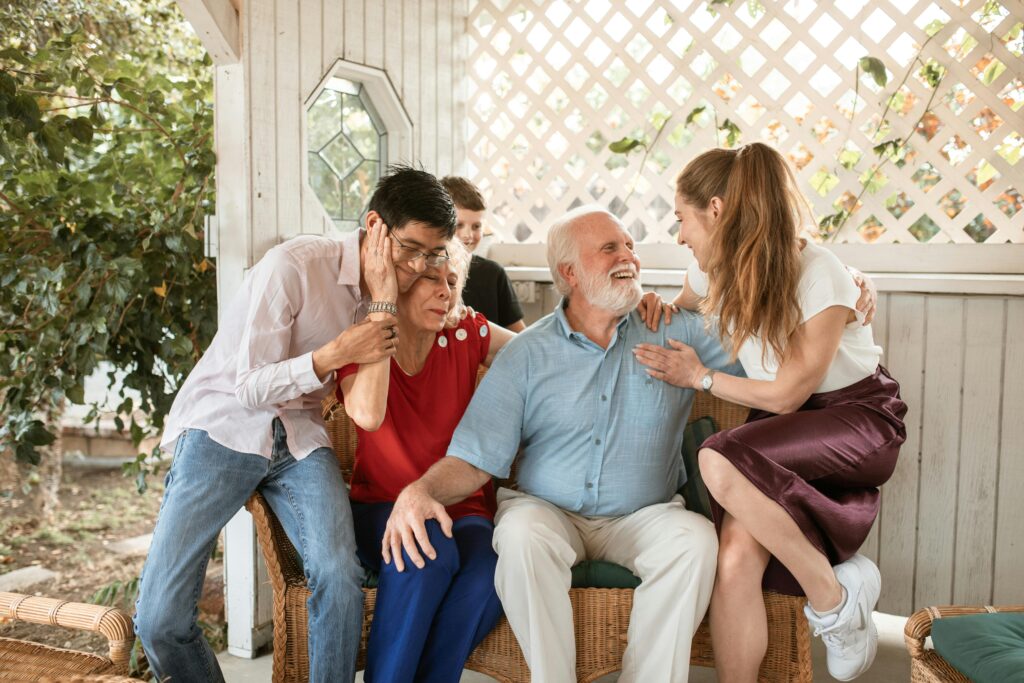
Few people age today by stepping neatly into expected family roles, as responsibilities overlap and extend longer than before. In the 1990s, family structures often followed clearer patterns, with predictable transitions into caregiving for parents and independence for children. Aging adults generally knew what stage came next. In the 2020s, these boundaries have blurred. Many people support aging parents while still assisting adult children financially or emotionally. Delayed life milestones, economic pressures, and geographic mobility have reshaped family dynamics. Health crises or job instability can rapidly shift responsibilities, leaving little time for preparation. Aging within modern families requires constant negotiation and flexibility. While emotional openness within families has increased, the lack of clear role transitions makes aging more demanding, as individuals juggle multiple forms of care simultaneously.
9. Aging Is More Public and Self-Documented

Growing older now leaves a digital trail, turning what was once private into something constantly visible. In the 1990s, aging unfolded quietly within families and close communities, with limited documentation beyond photographs and personal memory. In the 2020s, social media platforms, cloud storage, and online profiles chronicle lives in real time. Aging adults encounter frequent visual reminders of youth, success, and productivity, which can intensify self-awareness and comparison. At the same time, many people share honest accounts of health changes, reinvention, and resilience, helping normalize the realities of aging. This visibility creates connection and representation, but also pressure to age in socially acceptable ways. Managing how aging is perceived has become an additional emotional task, making self-presentation part of the modern aging experience.
10. Aging Involves Ongoing Reinvention Rather Than Gradual Decline
Instead of settling into fixed routines, many people find themselves reshaping their lives repeatedly as they age. In the 1990s, later adulthood was often framed as a period of stability and reduced ambition, with clear expectations to settle into established roles. In the 2020s, longer life expectancy and cultural shifts encourage continued growth well beyond midlife. Adults return to education, explore new careers, adopt evolving identities, or pursue delayed goals. While this openness creates opportunity, it can also feel exhausting, particularly when reinvention is driven by financial necessity rather than personal choice. Aging today blends possibility with pressure, redefining growth as a lifelong process. Rather than marking an endpoint, aging in the modern era feels like continuous adjustment, shaped by change rather than decline.
Keep reading on The WiC Project Lifestyle Blog & Miriam’s Boutique: Home Goods, Beauty, & Fashion Store