
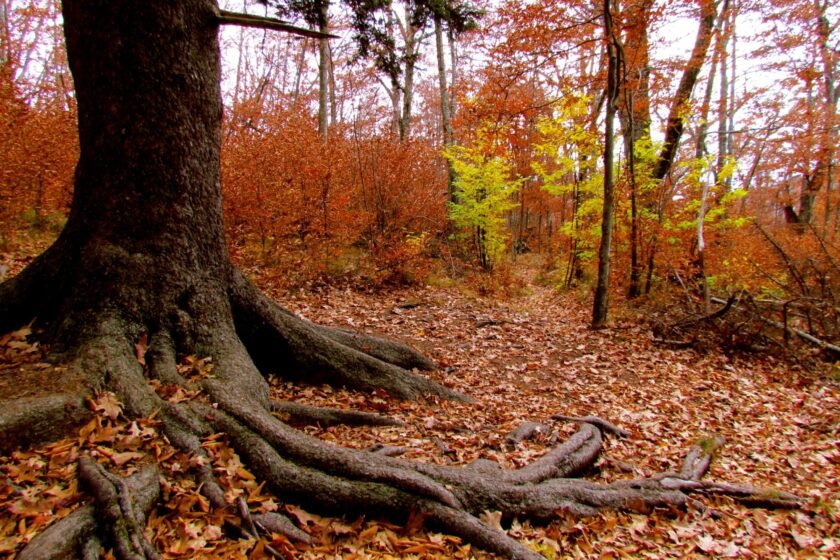
Late-winter hiking offers a rare balance between solitude and seasonal beauty, especially within America’s national forests. As crowds thin and temperatures remain manageable, hikers can experience snow-dusted landscapes, flowing winter streams, and wildlife activity without the extremes of deep winter or summer heat. Late winter often brings firmer trails, fewer insects, and clearer views due to leafless trees at lower elevations. Many national forests maintain accessible trail systems year-round, making them ideal destinations for careful winter exploration. This list highlights national forests that consistently receive positive ratings from hikers for late-winter conditions, based on accessibility, trail maintenance, scenic value, and overall safety during the season. Each section explains what makes these forests particularly suitable for late-winter hiking and what hikers can realistically expect during this transitional time.
1. Pisgah National Forest, North Carolina
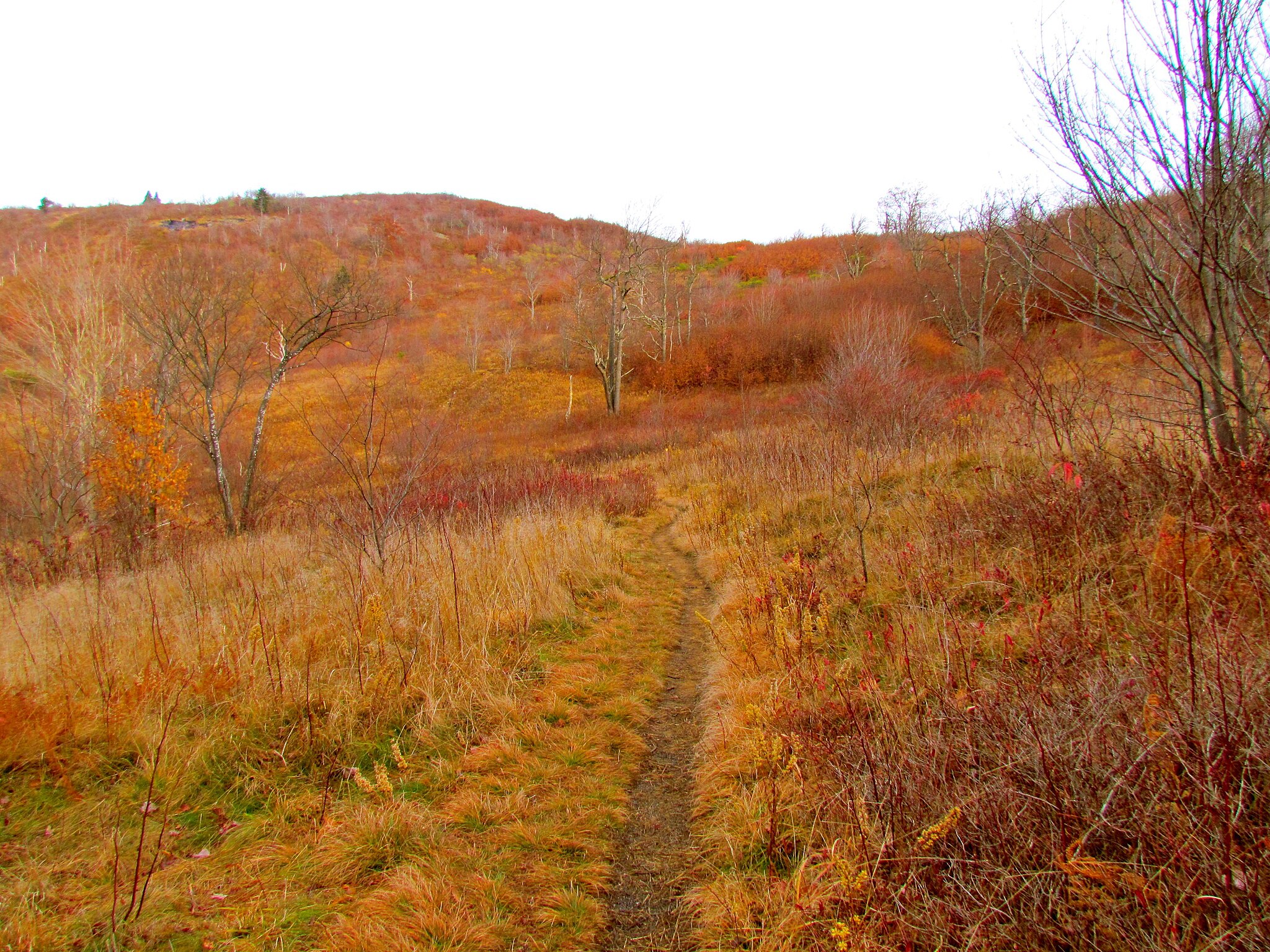
Pisgah National Forest is highly rated for late-winter hiking due to its moderate elevations, diverse trail network, and relatively mild seasonal temperatures. Located in the southern Appalachians, Pisgah often avoids the deep snowpack found farther north while still offering crisp winter scenery. Popular trails like Looking Glass Rock and Graveyard Fields remain accessible during late winter, especially during dry spells. Leaf-off conditions open up expansive mountain views that are hidden in summer. Well-maintained trailheads and frequent use keep many routes navigable. Hikers consistently praise Pisgah for its balance of solitude, scenery, and manageable winter conditions, making it one of the most dependable national forests for late-season hiking in the eastern United States.
2. Chattahoochee-Oconee National Forest, Georgia
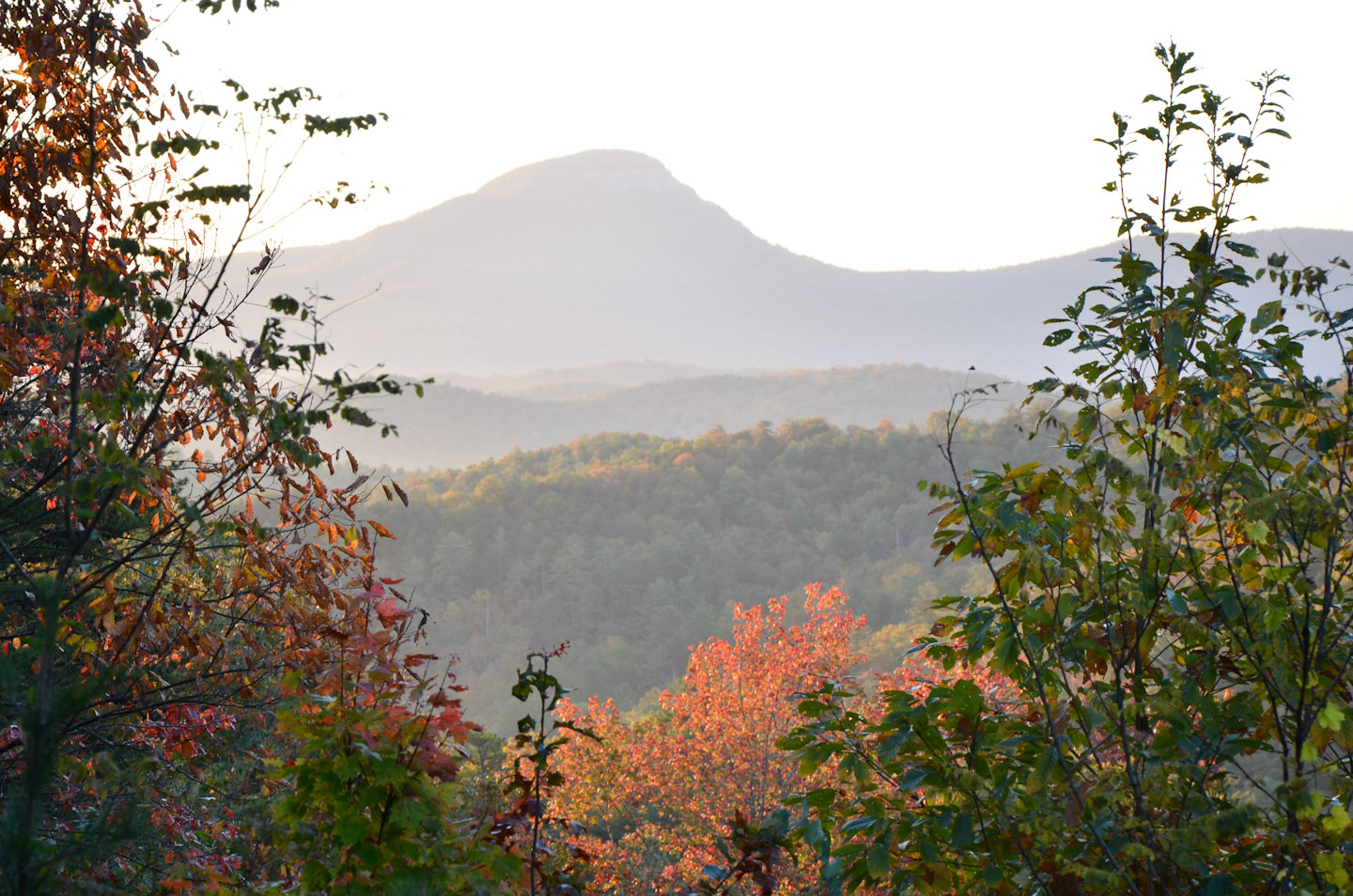
The Chattahoochee-Oconee National Forest earns strong late-winter hiking ratings because of its lower elevations and generally mild winter climate. Trails in the Chattahoochee portion, including sections of the Appalachian Approach Trail, remain hikeable throughout most of late winter with minimal snow accumulation. Cooler temperatures make climbs more comfortable, and reduced foliage improves long-range views across rolling ridgelines. Streams and waterfalls often flow strongly due to seasonal rains, adding visual interest. Hikers appreciate the forest’s accessibility, well-marked trails, and lower risk of severe winter weather, making it a reliable option for late-winter hiking when northern forests remain snowbound.
3. Ouachita National Forest, Arkansas
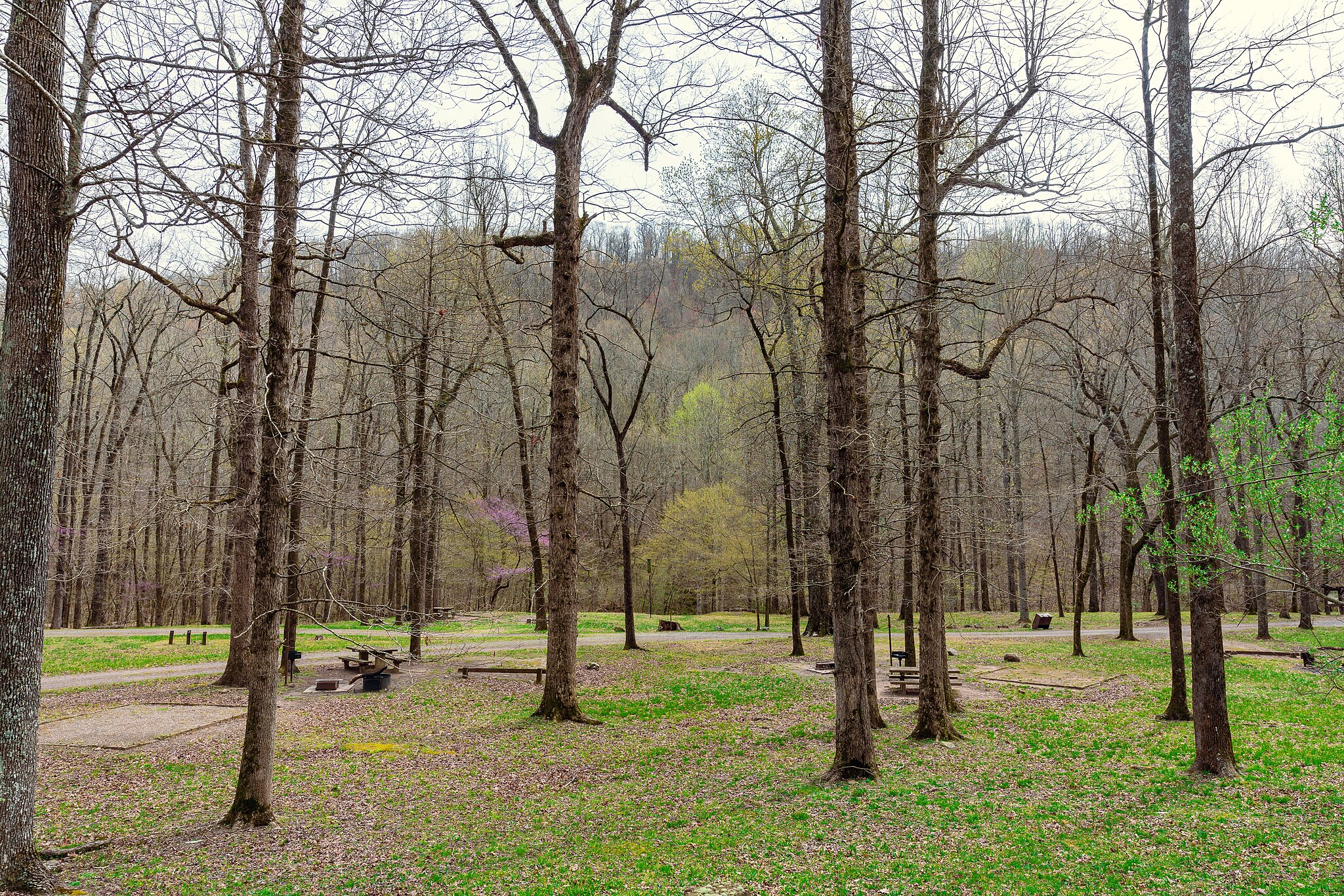
Ouachita National Forest is frequently recommended for late-winter hiking thanks to its temperate climate and rugged yet approachable terrain. Located farther south than many popular hiking destinations, it typically experiences cool but not extreme winter conditions. Trails along the Ouachita Trail offer long ridge walks with expansive views enhanced by leafless forests. Late winter brings quieter trail conditions and fewer insects, improving overall comfort. Trail maintenance is generally strong, and elevations are low enough to avoid prolonged snow cover. Hikers rate Ouachita highly for late-winter solitude and scenery, especially for those seeking a backcountry feel without harsh winter exposure.
4. Coronado National Forest, Arizona
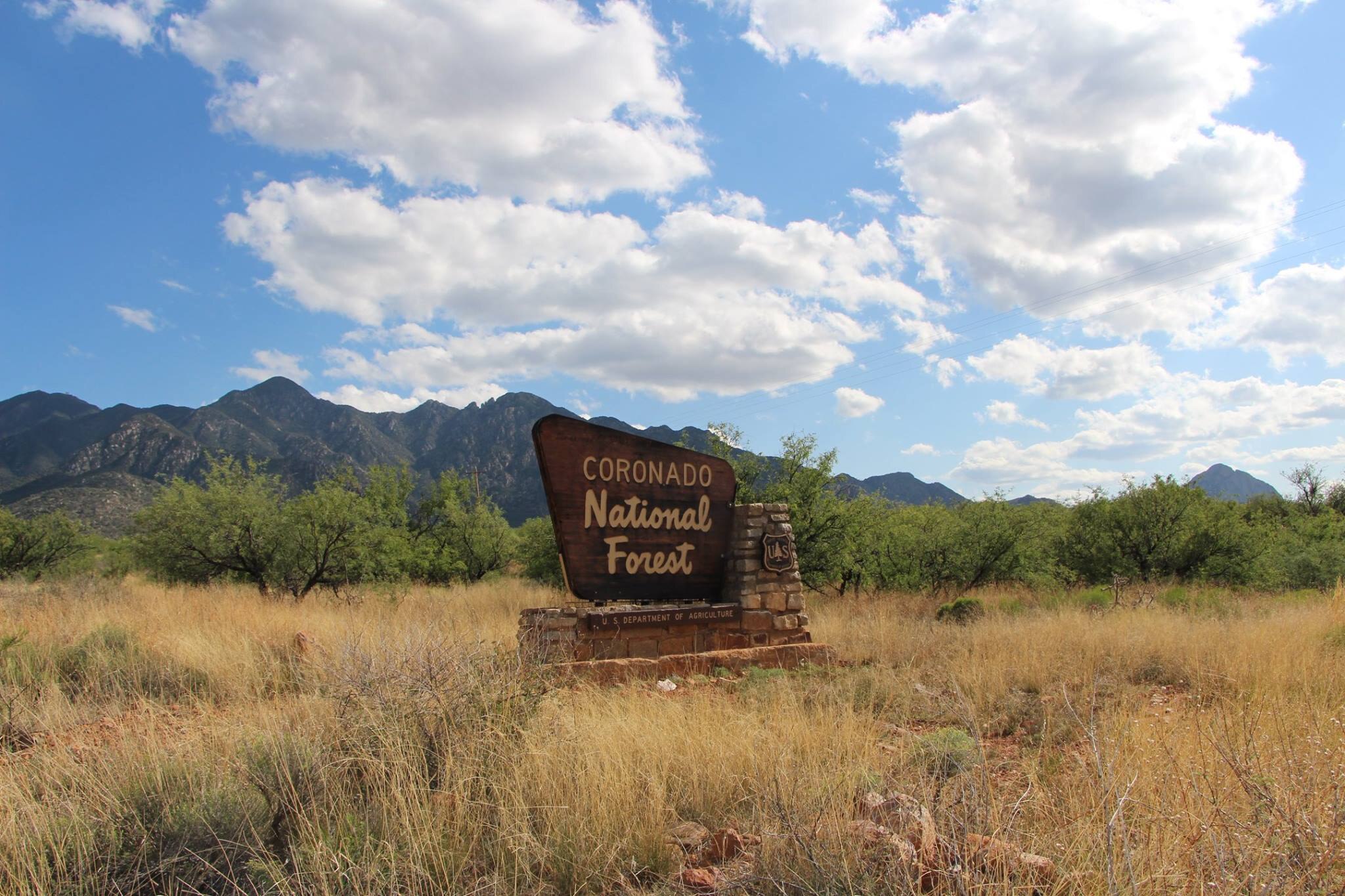
Coronado National Forest stands out for late-winter hiking due to its dramatic elevation range and desert-to-mountain diversity. While higher elevations may still hold snow, many lower-elevation trails remain accessible and comfortable during late winter. Areas around the Santa Catalina and Santa Rita Mountains offer cool daytime temperatures ideal for hiking. Winter moisture supports lush desert plant life, and clear skies are common. Hikers rate Coronado highly for variety and scenic contrast during late winter, as careful trail selection allows for rewarding hikes without deep winter conditions typically found in higher mountain forests.
5. Angeles National Forest, California
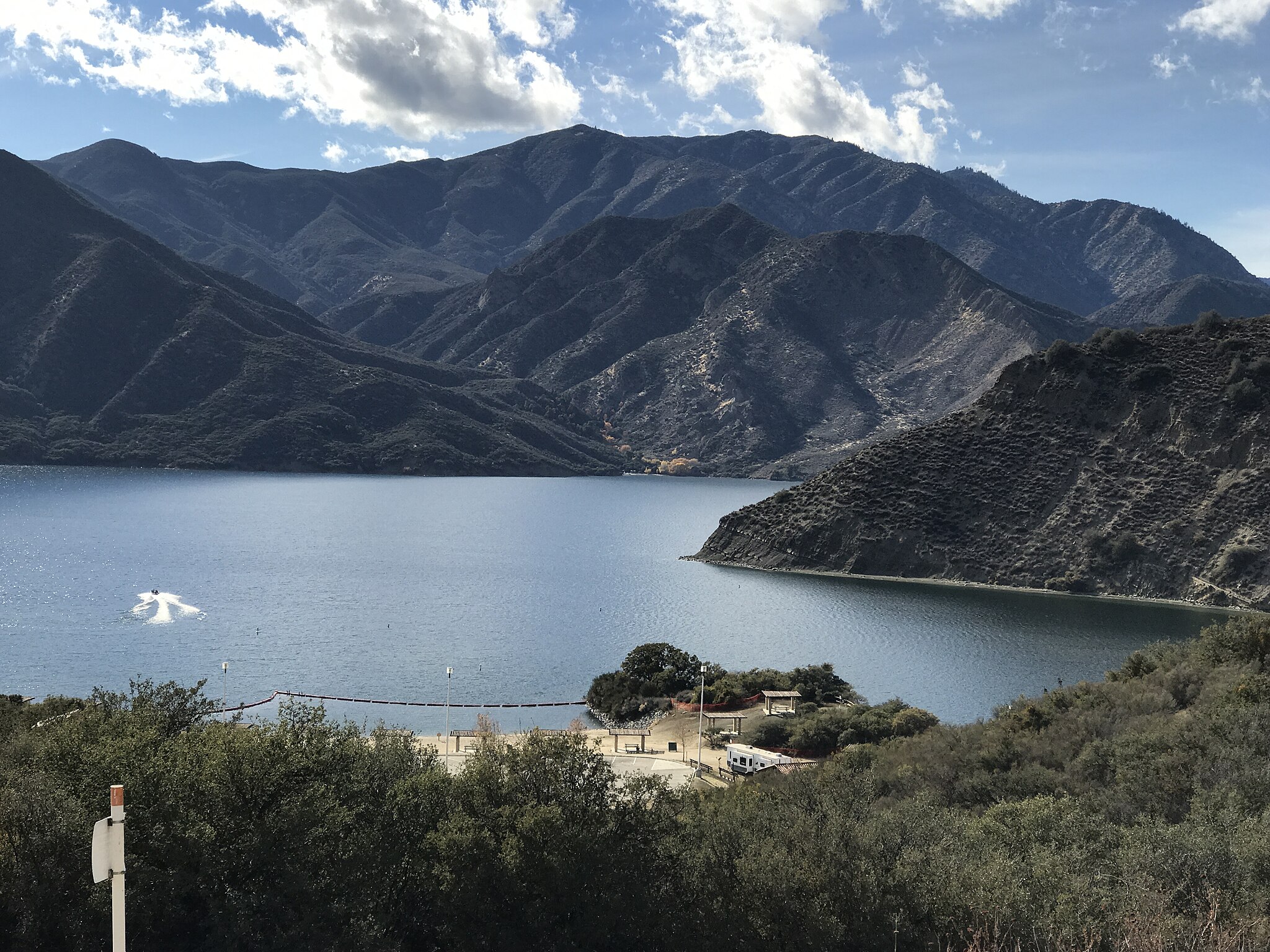
Angeles National Forest receives strong late-winter hiking ratings because of its proximity to Southern California’s mild climate and extensive trail system. Many lower-elevation trails remain open and snow-free during late winter, offering access to canyons, ridges, and chaparral landscapes. Cooler temperatures make climbs more comfortable than summer months, and winter rains often refresh vegetation. Hikers appreciate the forest’s accessibility and year-round trail options. While higher elevations may require snow awareness, careful route planning allows late-winter hikers to enjoy scenic outings without extreme conditions, making Angeles a dependable choice during this season.
6. Coconino National Forest, Arizona
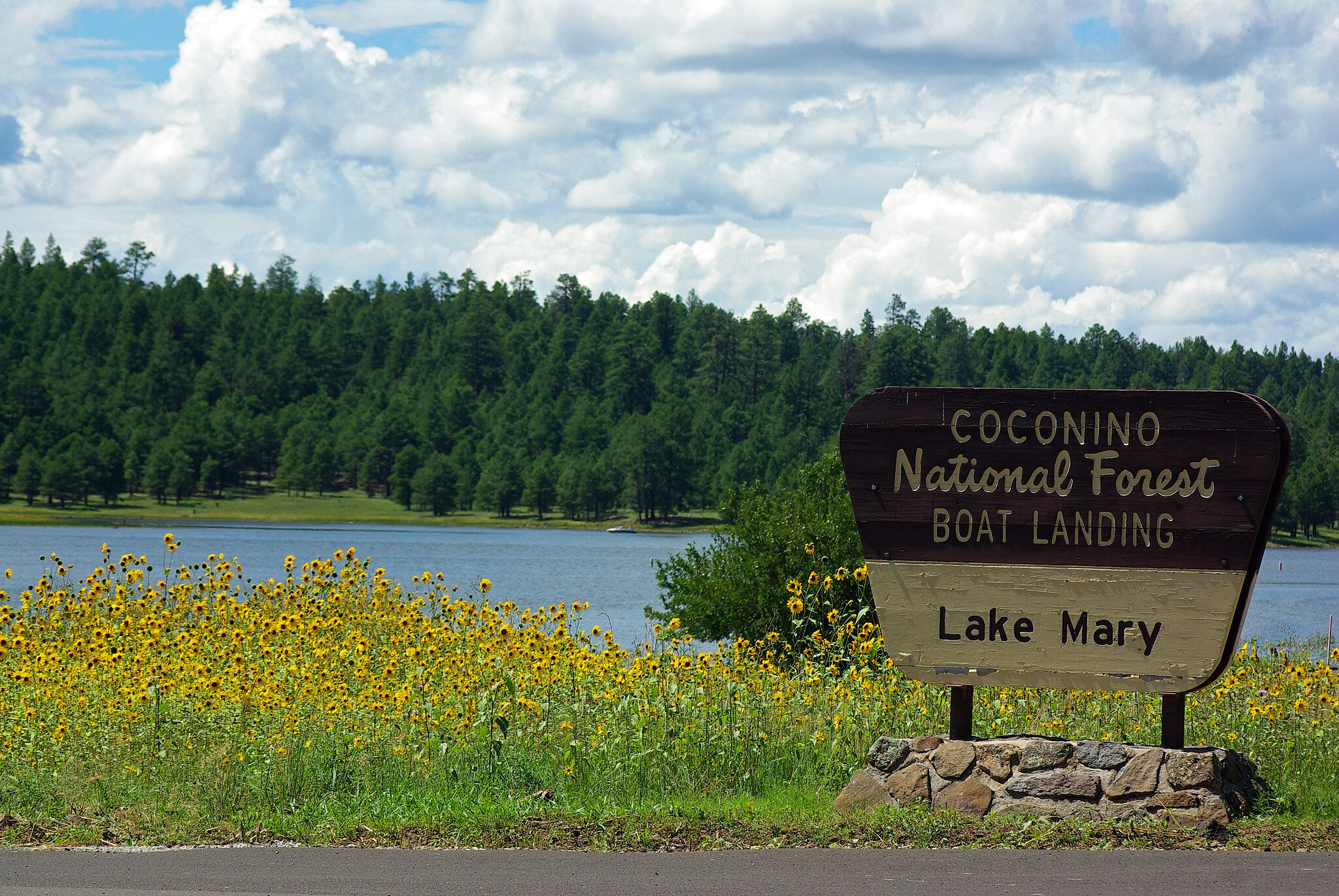
Coconino National Forest offers unique late-winter hiking opportunities thanks to its varied elevations and striking red rock scenery. While higher areas near Flagstaff may retain snow, lower-elevation trails around Sedona are often ideal during late winter. Cooler temperatures and fewer crowds enhance the hiking experience. Trails are well-marked and frequently maintained, and winter light highlights the region’s dramatic rock formations. Hikers consistently rate Coconino highly for late-winter hiking due to its combination of accessibility, scenery, and manageable seasonal conditions when routes are chosen thoughtfully.
7. Sam Houston National Forest, Texas
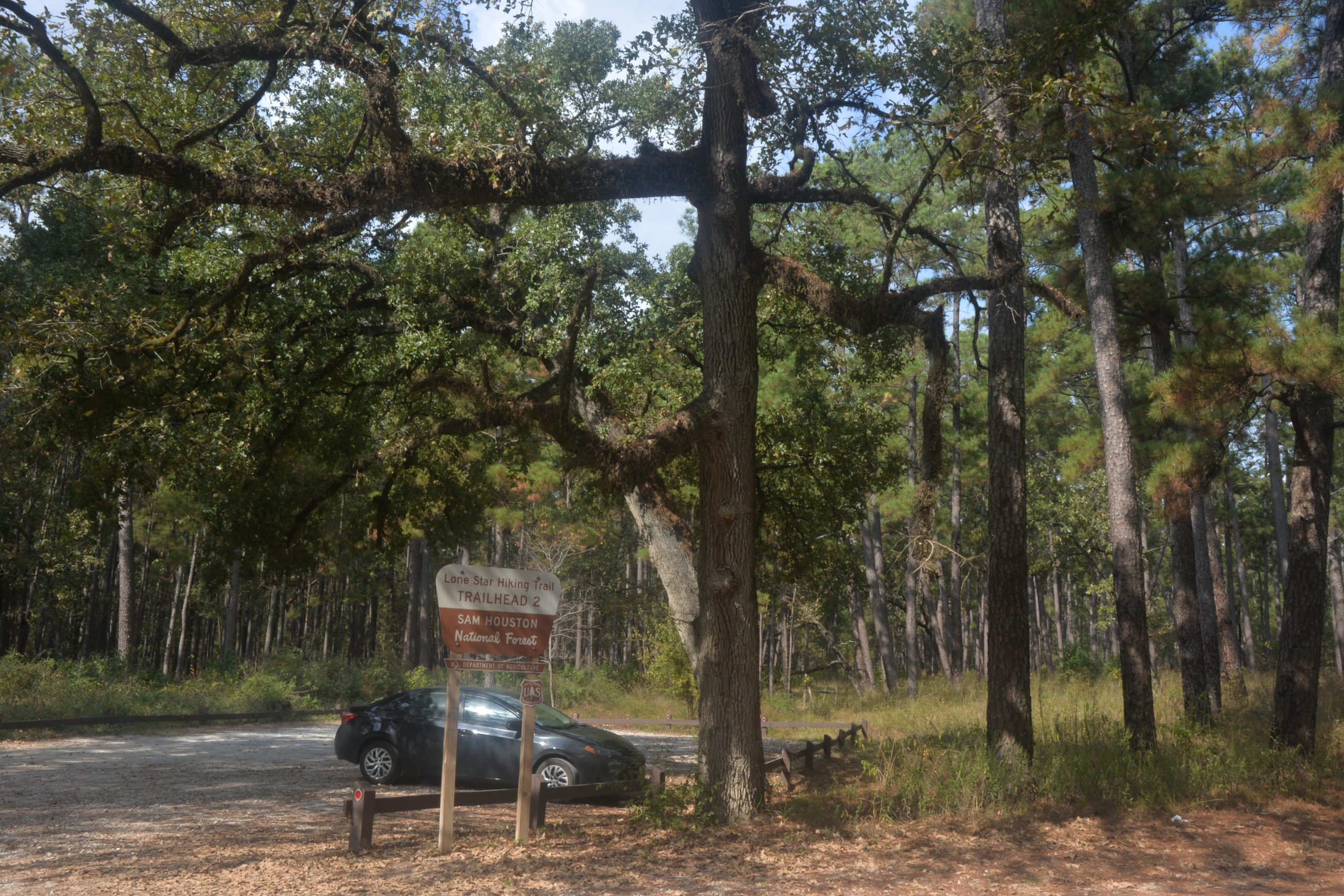
Sam Houston National Forest is well-suited for late-winter hiking due to its flat terrain and mild winter climate. Snow is rare, and trails often remain open throughout the season. Cooler temperatures reduce heat stress, making longer hikes more comfortable. The forest’s pine woods and wetlands provide a peaceful setting, and wildlife activity is often higher in late winter. Hikers rate Sam Houston favorably for its easy navigation and reliable conditions, especially for those seeking a low-risk late-winter hiking destination in the southern United States.
8. Ocala National Forest, Florida
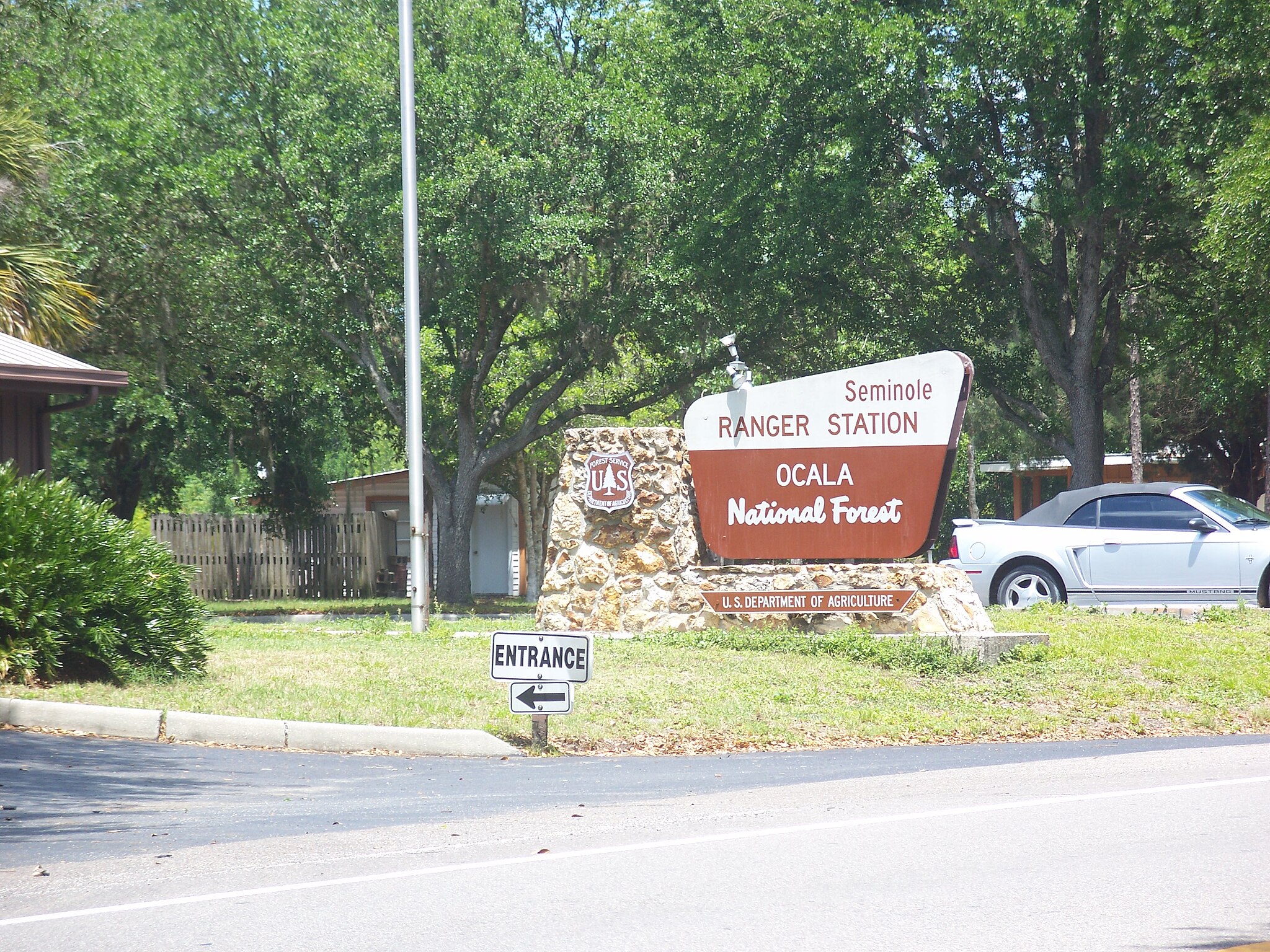
Ocala National Forest is consistently rated as an excellent late-winter hiking destination due to Florida’s mild seasonal temperatures. Winter humidity is lower, insects are minimal, and trails are generally dry and accessible. Sandy terrain drains well, reducing muddy conditions after rain. Clear weather and comfortable temperatures allow for relaxed, extended hikes. Hikers enjoy the forest’s unique ecosystems, including scrub pine and freshwater springs. Late winter is widely considered the best hiking season in Ocala, earning it high marks for comfort and accessibility.
9. Apache-Sitgreaves National Forests, Arizona
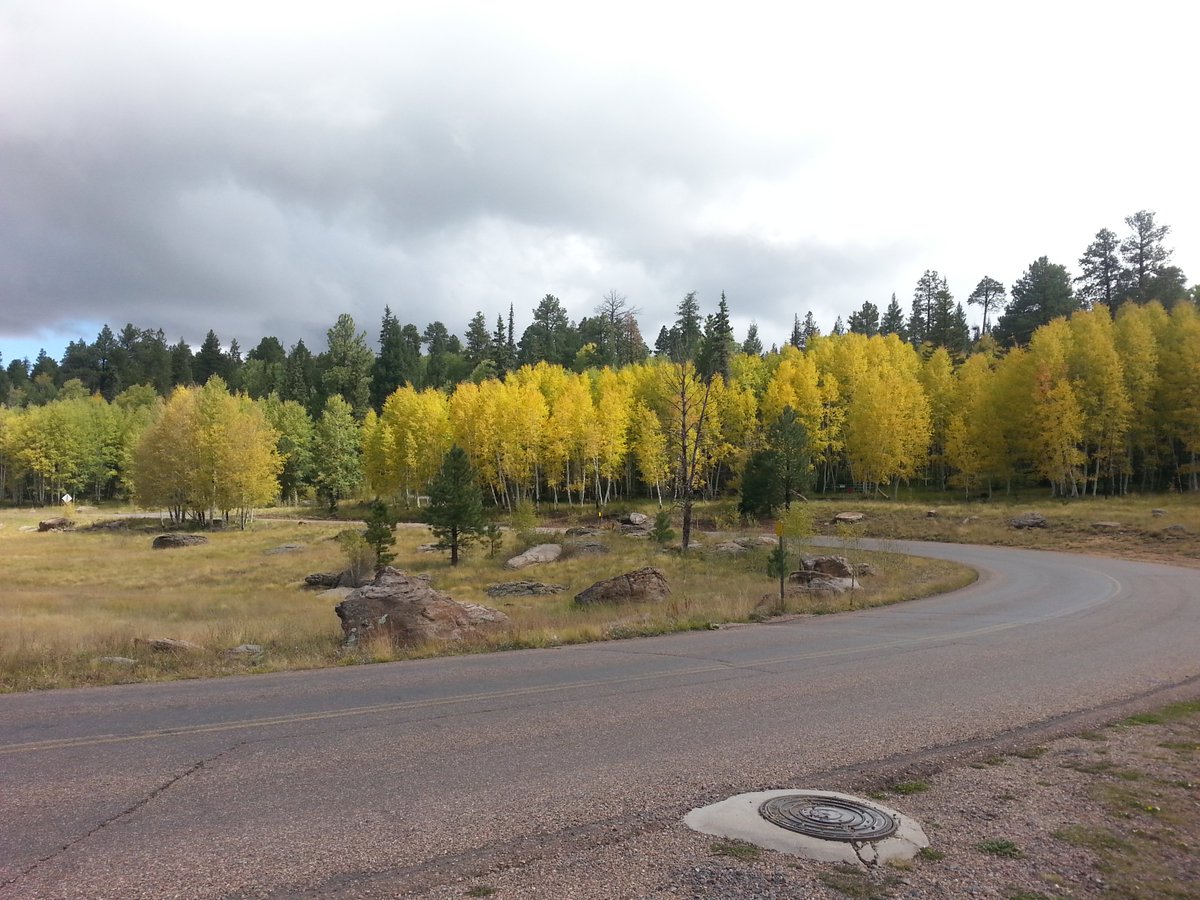
The Apache-Sitgreaves National Forests offer varied late-winter hiking opportunities depending on elevation. Lower-elevation trails often remain accessible while higher areas transition toward spring conditions. Snow levels vary, but many routes are manageable with proper planning. Open meadows, pine forests, and scenic overlooks are enhanced by winter light and reduced crowds. Hikers rate the area positively for its diversity and peaceful atmosphere during late winter. Selecting appropriate elevations allows for rewarding hikes without the intensity of deep winter conditions.
10. Kisatchie National Forest, Louisiana
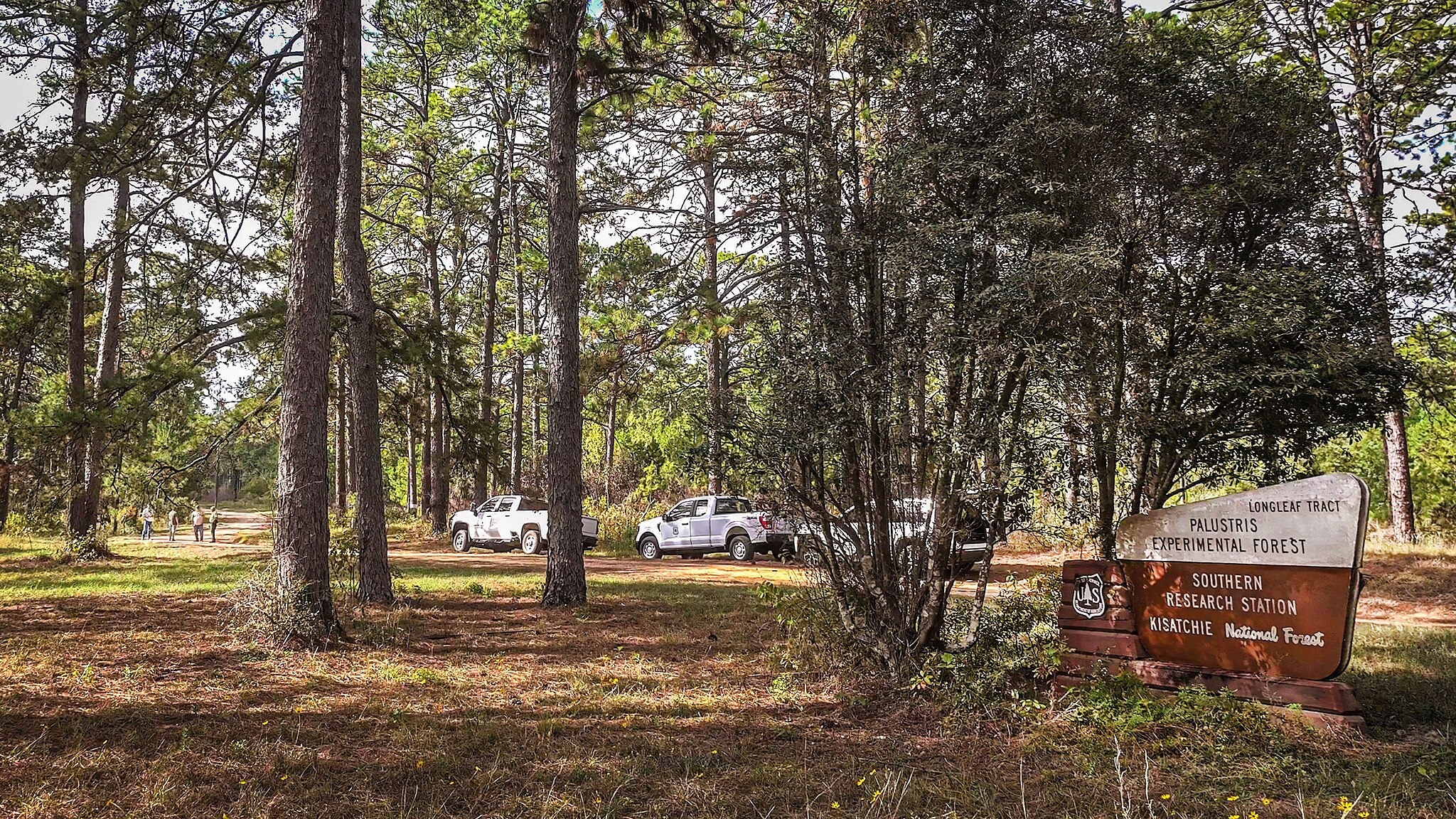
Kisatchie National Forest is well-regarded for late-winter hiking due to its mild climate and rolling terrain. Trails typically remain open year-round, and winter temperatures are comfortable for extended hikes. Reduced vegetation improves visibility and navigation. The forest’s sandstone formations and pine hills provide scenic variety. Hikers appreciate the lack of snow and minimal weather-related hazards, making Kisatchie a dependable choice for late-winter hiking in the Gulf South region.
11. Mount Hood National Forest, Oregon
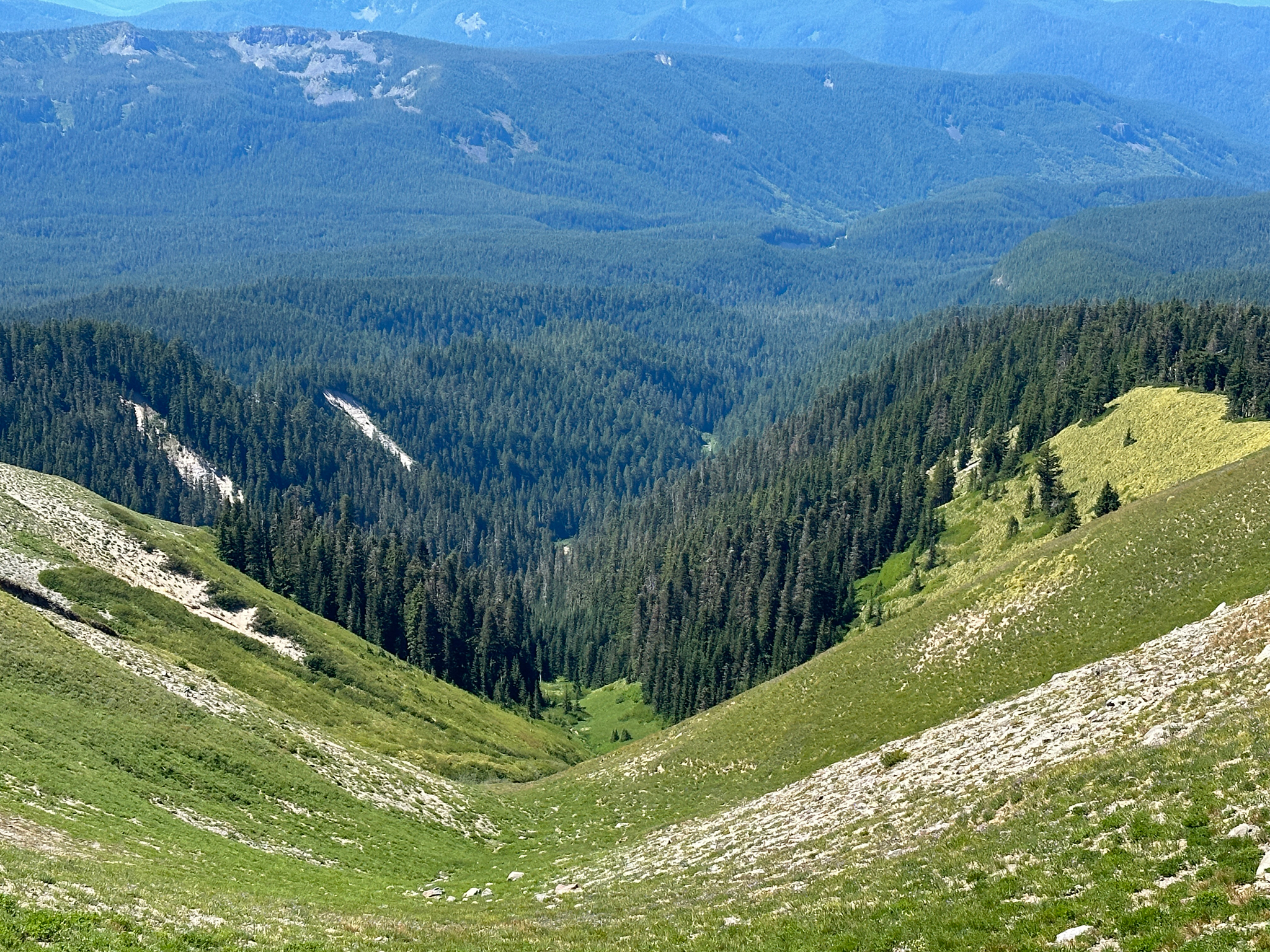
Mount Hood National Forest can be suitable for late-winter hiking at lower elevations, where snow begins to recede. While higher trails remain winter-oriented, lower forest routes offer cool temperatures and quiet conditions. Hikers enjoy mossy forests, flowing streams, and dramatic mountain views. Proper planning is essential, but many rate Mount Hood positively for shoulder-season hiking when snow conditions are monitored carefully. Late winter provides a peaceful alternative to peak summer crowds.
12. Deschutes National Forest, Oregon
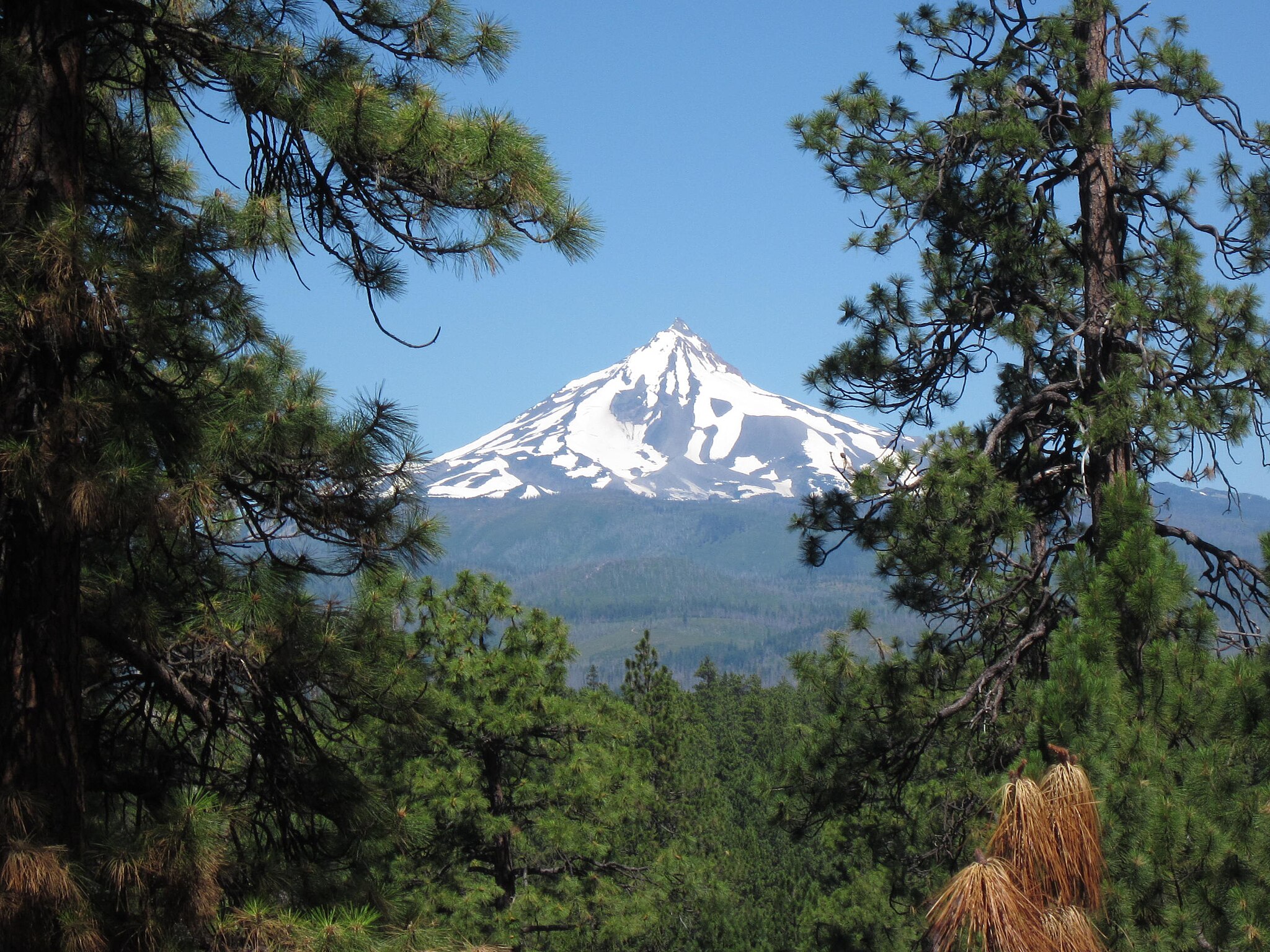
Deschutes National Forest offers selective late-winter hiking opportunities, particularly in lower-elevation areas east of the Cascades. Drier conditions and cooler temperatures make hiking comfortable when routes are chosen wisely. Snow levels vary, but many trails transition toward spring accessibility. Hikers appreciate the forest’s volcanic landscapes, open pine forests, and reduced crowds. Late winter rewards those who plan carefully, earning Deschutes solid ratings among experienced hikers seeking quiet seasonal trails.
The post 12 National Forests Perfect for Late-Winter Hiking appeared first on Bushcraft Base Camp.