
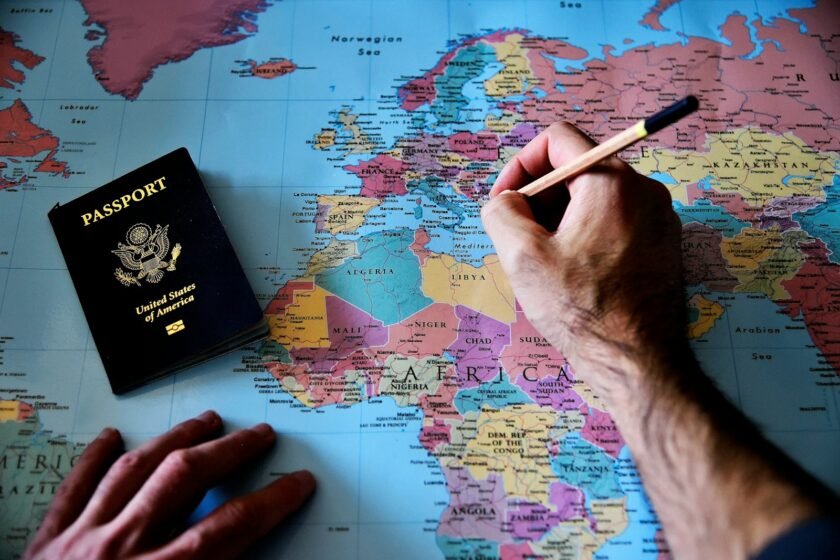
Traveling abroad can be deeply rewarding, but not every destination is as straightforward as glossy brochures suggest. For American travelers, especially, differences in laws, infrastructure, political stability, healthcare access, and cultural expectations can quickly turn a dream trip into a stressful experience if proper research is skipped. Some destinations are safe and enriching when visited with preparation, while others demand extra caution due to environmental risks, legal restrictions, or rapidly changing conditions. This does not mean these places should be avoided entirely, but rather approached with informed awareness. Understanding when areas were developed, how current systems function, and what recent travelers have encountered helps prevent costly mistakes. From strict legal systems to fragile ecosystems and limited emergency services, the following locations highlight why careful planning matters. Each section outlines specific reasons Americans should research thoroughly before booking flights, helping travelers make informed, respectful, and safer decisions abroad.
1. North Sentinel Island, India
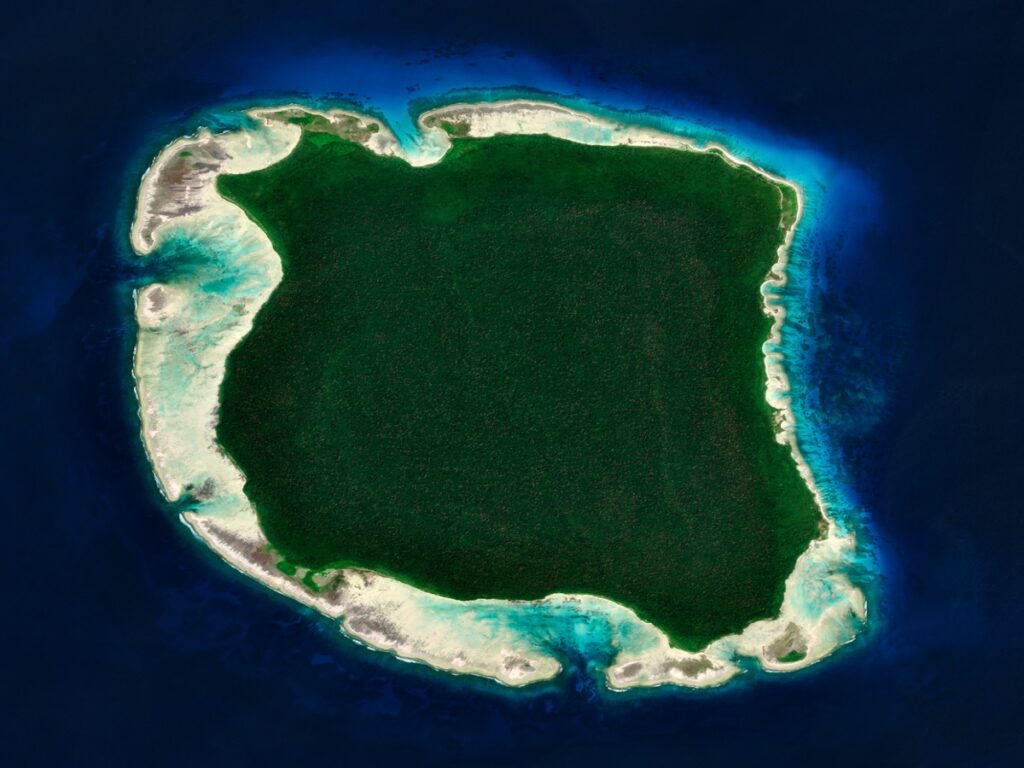
North Sentinel Island is one of the most restricted places on Earth and is part of India’s Andaman and Nicobar Islands, administered since the British colonial period in the late 1800s. The island is home to the Sentinelese, an Indigenous tribe that has lived in near-total isolation for tens of thousands of years. Indian law strictly prohibits anyone from approaching within five nautical miles of the island, a regulation reinforced after repeated violent encounters with outsiders. The restriction exists to protect both visitors and the tribe, as the Sentinelese have no immunity to common diseases and defend their territory aggressively. In 2018, an American missionary was killed after illegally attempting contact, highlighting the real dangers involved. There are no tourist facilities, ports, or medical services, and any unauthorized visit can result in arrest under Indian law. Travelers should understand that this is not a cultural attraction but a protected human community whose isolation is legally and ethically enforced.
2. Chernobyl Exclusion Zone, Ukraine
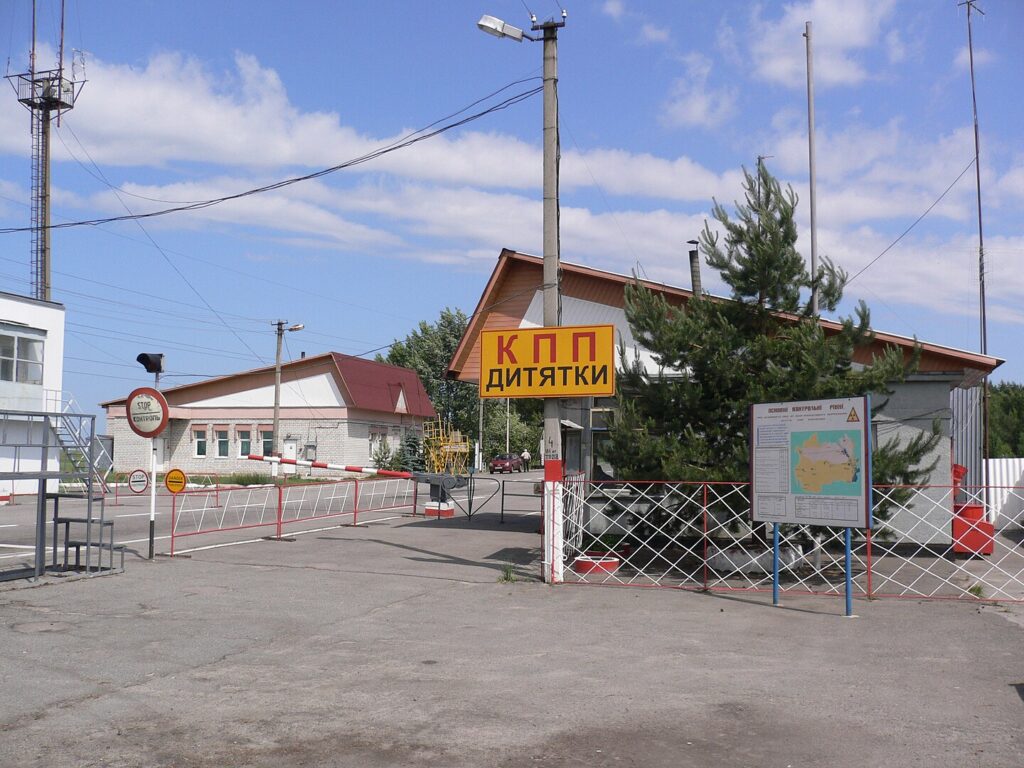
The Chernobyl Exclusion Zone was established in 1986 after the catastrophic nuclear reactor explosion at the Chernobyl Nuclear Power Plant, built in the late 1970s during the Soviet era. While controlled tourism began in the early 2010s, the area remains one of the most radioactively contaminated places in the world. Radiation levels vary widely by location, and exposure risks increase significantly if visitors stray from approved paths. Infrastructure is decaying, buildings are unstable, and emergency medical care within the zone is extremely limited. Since 2022, regional instability and military activity have further complicated access and safety conditions. Laws governing entry change frequently, permits are mandatory, and violations can result in detention. Americans considering a visit must research current political conditions, health risks, and tour operator credibility. Although visually fascinating, the zone is not a conventional tourist destination and requires strict compliance with safety rules.
3. Mount Everest Region, Nepal
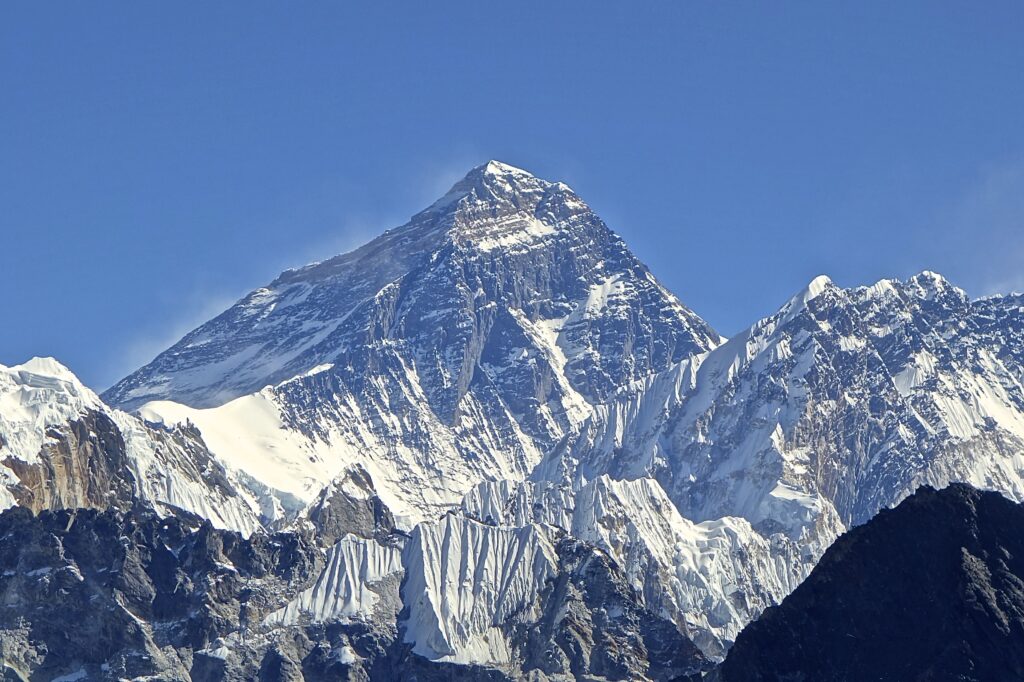
The Mount Everest region began seeing organized expeditions in the 1920s, with modern trekking infrastructure developing mainly after the 1960s. While it attracts thousands of visitors annually, it is far more dangerous than many Americans anticipate. Altitude sickness can affect travelers regardless of fitness level, and medical facilities are limited to basic clinics until evacuation by helicopter becomes necessary. Weather conditions change rapidly; flights into Lukla Airport, built in 1964, are frequently delayed or canceled, and supply shortages are common during peak seasons. Rescue operations are costly and not always guaranteed, especially during storms. Additionally, overcrowding on popular trails has led to sanitation problems and environmental strain. Permits, guides, and insurance requirements change regularly, and failing to comply can result in fines or denied access. Americans should research altitude preparation, emergency evacuation coverage, and seasonal risks thoroughly before attempting this region.
4. Somalia
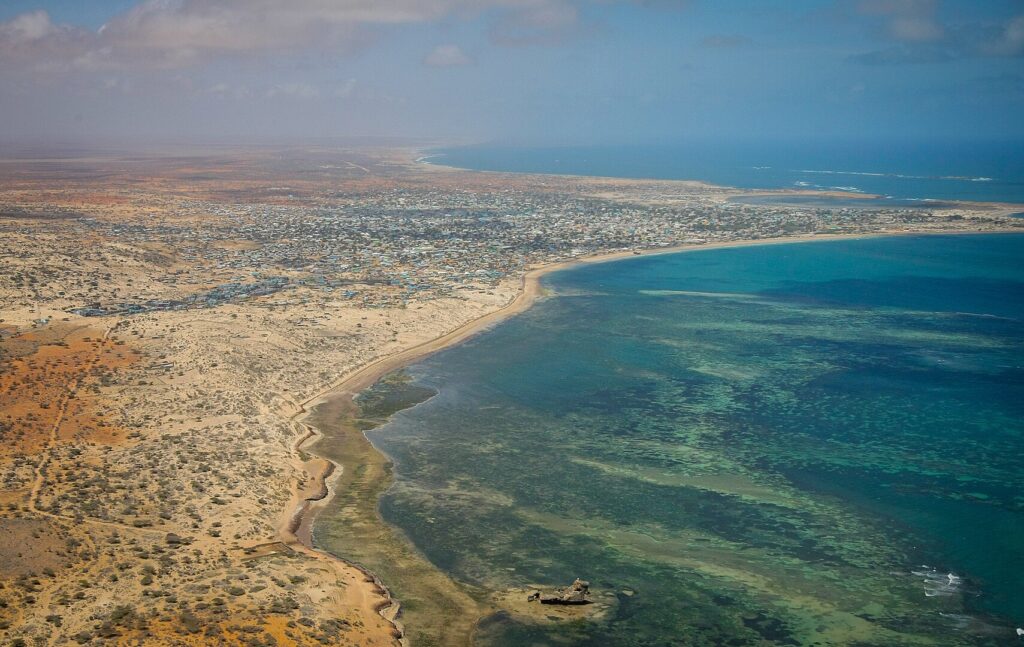
Somalia has experienced prolonged instability since the collapse of its central government in 1991, making it one of the most complex destinations in the world for travelers. While parts of the country, such as Somaliland, have established their own local governance, the overall security situation remains unpredictable. Infrastructure is severely limited, healthcare facilities are inadequate by Western standards, and kidnapping risks remain high, particularly for foreigners. U.S. government advisories consistently warn against all travel to Somalia due to terrorism, armed conflict, and crime. Airports and roads often lack reliable security, and travel between regions can be extremely dangerous. Legal protections for foreigners are minimal, and emergency evacuation options are scarce. Even experienced travelers can misjudge local conditions. Americans considering Somalia for professional or humanitarian reasons must conduct extensive research, coordinate with trusted local partners, and understand that conditions can deteriorate rapidly without warning.
5. Death Valley National Park, United States
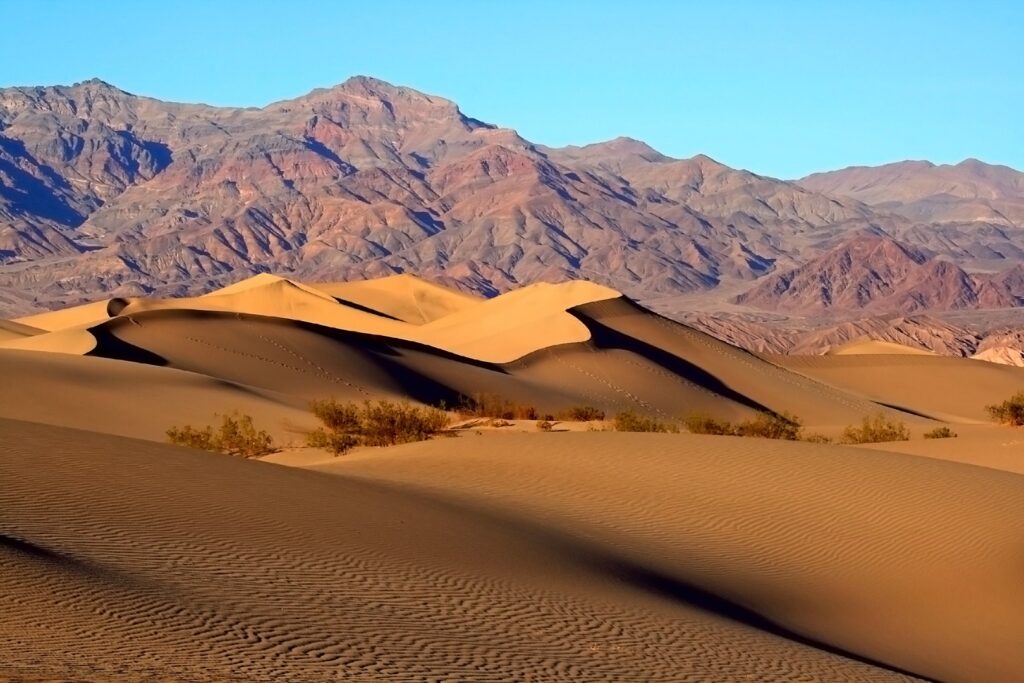
Death Valley National Park was officially designated in 1994, though its history as a mining and travel route dates back to the mid-1800s. Despite being inside the United States, it is one of the most dangerous places for unprepared visitors. Summer temperatures frequently exceed 120°F, and fatalities occur almost every year due to dehydration, heat stroke, or vehicle failure. Cell service is extremely limited, fuel stations are far apart, and roadside assistance can take hours or longer. Many visitors underestimate distances, assuming help is nearby because it is a national park. Roads can become impassable after flash floods, and hiking outside designated trails increases risk significantly. Park authorities recommend carrying more water than expected, informing others of travel plans, and avoiding summer travel altogether. Americans should research seasonal conditions, vehicle readiness, and emergency protocols carefully, as familiar surroundings do not reduce the park’s extreme environmental dangers.
6. Caracas, Venezuela
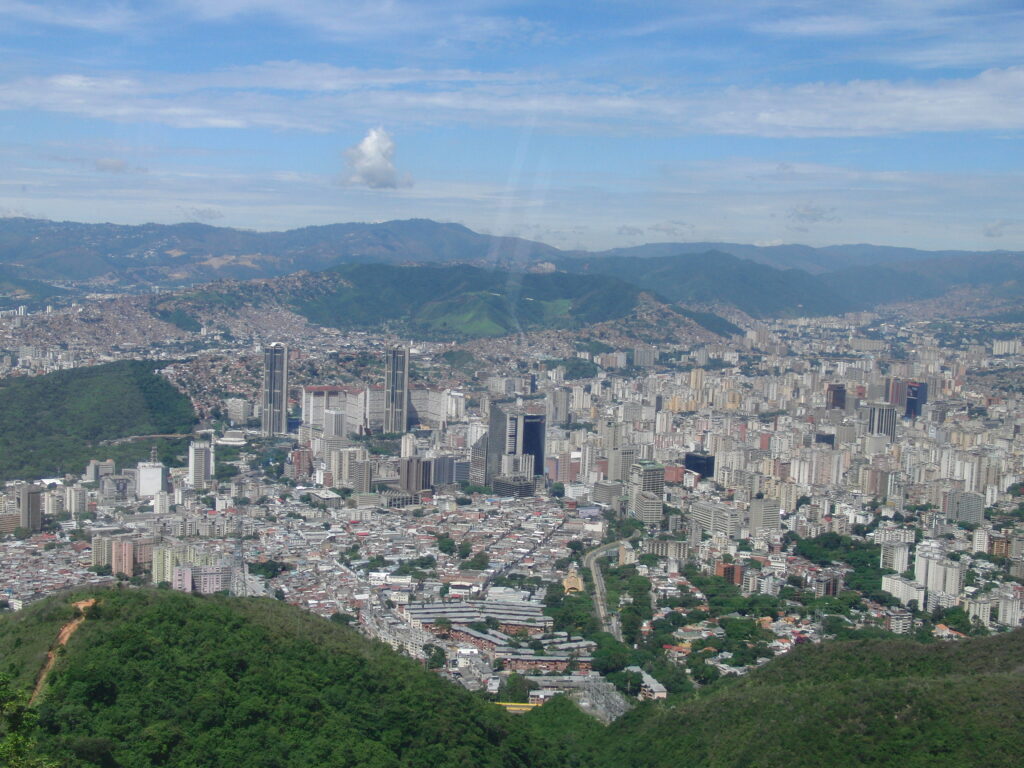
Caracas, founded in 1567, is one of South America’s oldest capital cities, but modern conditions require careful consideration before visiting. Over the past decade, Venezuela has experienced severe economic collapse, political instability, and shortages of basic goods. Caracas has consistently ranked among the world’s cities with the highest violent crime rates, including armed robbery and kidnapping. Infrastructure problems such as power outages, fuel shortages, and unreliable healthcare are common. Foreign visitors can struggle to access cash due to banking restrictions, and currency exchange laws are tightly controlled. U.S. diplomatic support is extremely limited, making emergency assistance difficult. Even routine activities such as transportation or dining require local knowledge to avoid dangerous areas. Americans must research current conditions, security arrangements, and exit options thoroughly. Without careful planning and trusted local contacts, visiting Caracas carries risks far beyond typical urban travel challenges.
7. The Danakil Depression, Ethiopia
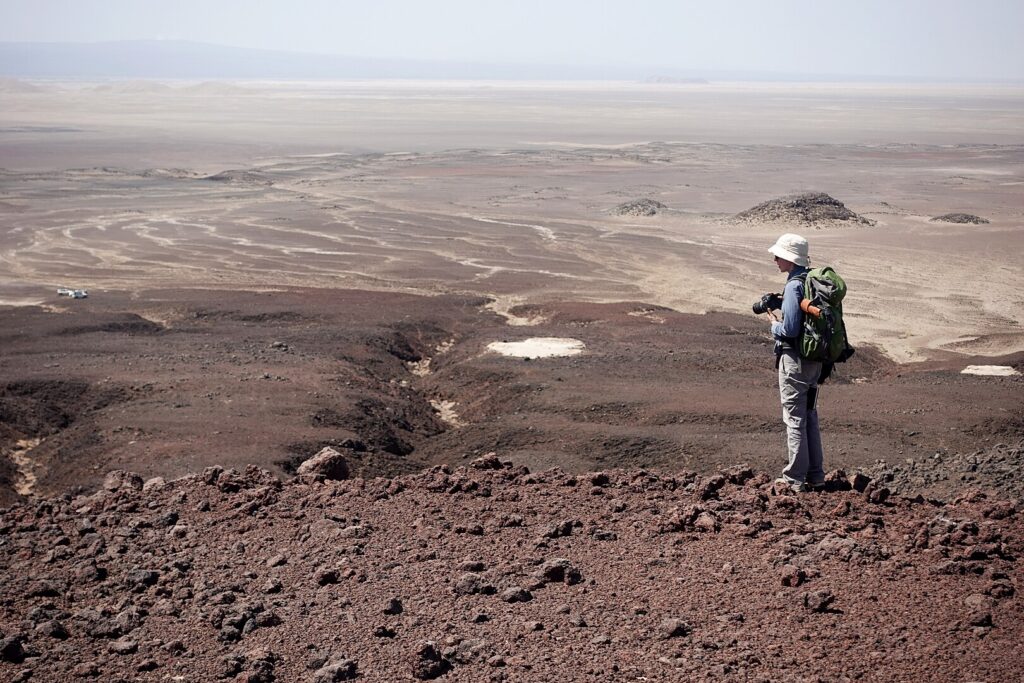
The Danakil Depression began forming millions of years ago due to tectonic activity and is considered one of the hottest inhabited places on Earth. Located in northeastern Ethiopia, parts of the region sit below sea level and experience average daytime temperatures exceeding 105°F year-round. Infrastructure is almost nonexistent, with no permanent roads, limited communication access, and minimal emergency medical support. The area is known for active volcanoes, toxic gas emissions, and acidic hot springs, all of which pose serious risks to untrained visitors. Political instability and occasional armed conflict in the surrounding Afar region further complicate travel. Guided tours are mandatory, yet even these carry inherent dangers due to environmental extremes and remoteness. Americans unfamiliar with desert survival conditions often underestimate how quickly dehydration and heat exhaustion can occur. Thorough research into climate conditions, security advisories, and tour operator safety records is essential before considering this destination.
8. Rio de Janeiro, Brazil
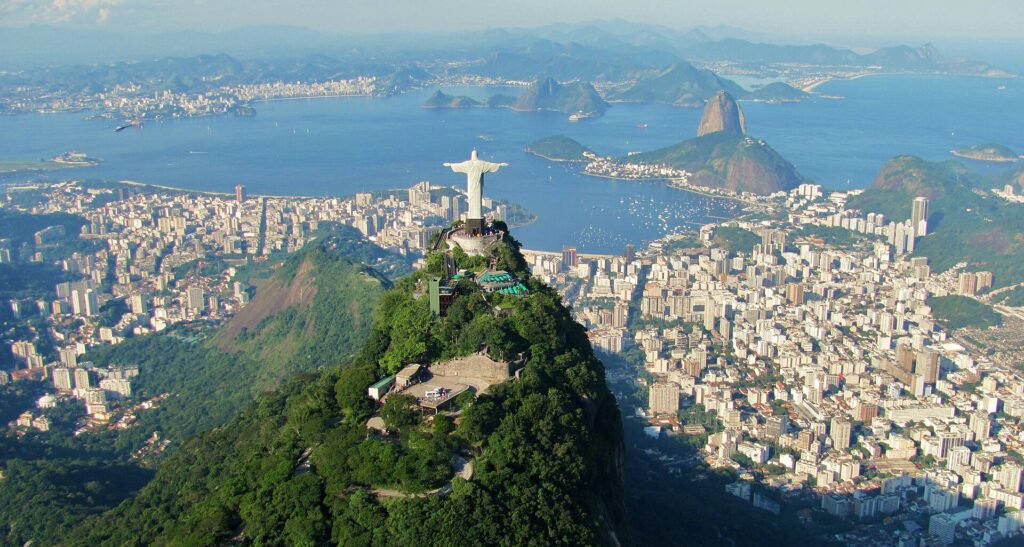
Rio de Janeiro was officially founded in 1565 and developed rapidly during Brazil’s colonial and imperial periods, but modern visitors must navigate significant safety concerns. While the city is famous for its beaches and landmarks, crime rates remain high, particularly theft and armed robbery targeting tourists. Some neighborhoods are controlled by criminal organizations, and boundaries between safe and unsafe areas can change quickly. Police presence varies widely, and emergency response times may be slow in certain districts. Infrastructure challenges, such as overcrowded public transportation and uneven healthcare access, can complicate emergencies. Tourists who display valuables or wander unfamiliar areas are especially vulnerable. Major events often increase petty crime rather than reduce it. Americans should research neighborhood safety, transportation options, and local customs carefully. Visiting Rio can be rewarding, but only when travelers understand the city’s complex social and security landscape.
9. Svalbard, Norway
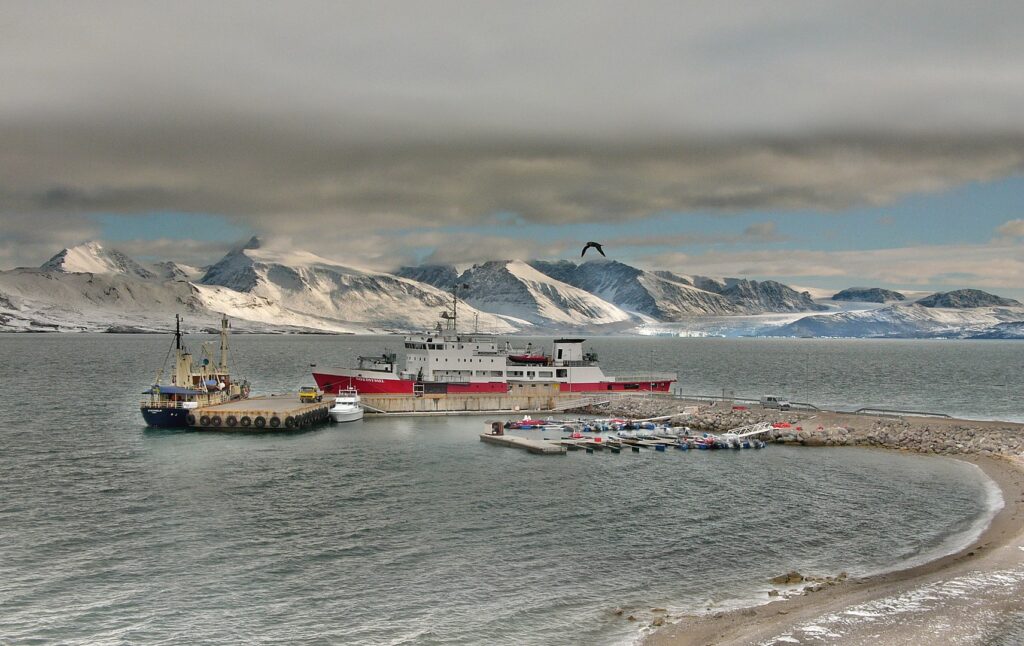
Svalbard was formally incorporated into Norway under the Svalbard Treaty of 1920, though it had been used for whaling and mining since the early 1600s. While technically open to visitors, it presents serious risks that many Americans underestimate. Polar bears outnumber humans outside settlements, and carrying a firearm is legally required for safety when traveling beyond town limits. Extreme cold, sudden weather shifts, and months of darkness during polar night increase danger significantly. Medical facilities are limited, and evacuation to mainland Norway can be delayed by storms or ice conditions. Food, lodging, and transportation costs are exceptionally high, often exceeding expectations. Search-and-rescue operations may take days, not hours. Americans must research seasonal conditions, wildlife safety laws, and insurance coverage thoroughly. Visiting Svalbard is not casual tourism but an Arctic expedition requiring preparation, awareness, and respect for harsh natural realities.
10. Acapulco, Mexico
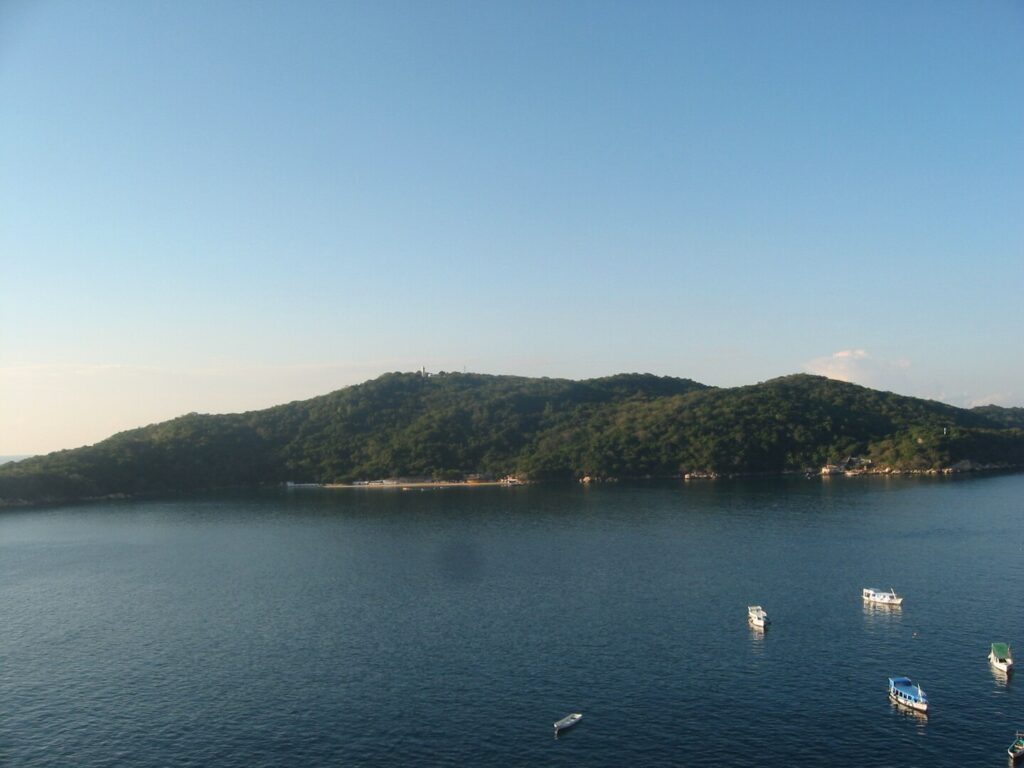
Acapulco rose to international prominence in the 1950s as a luxury resort city, but conditions have changed dramatically over recent decades. Organized crime violence has surged due to cartel activity, making Acapulco one of Mexico’s most dangerous cities in recent years. While resort areas maintain some security, violence often occurs nearby, affecting transportation routes and daily life. Emergency services can be overwhelmed, and police corruption has been a persistent concern. Infrastructure damage from hurricanes has further strained local systems, causing power outages and water shortages. Tourists unfamiliar with current conditions may rely on outdated perceptions of safety. U.S. travel advisories frequently warn against nonessential travel to the region. Americans should carefully research recent crime trends, safe zones, and evacuation options. Acapulco’s risks are real and evolving, requiring caution beyond typical beach destination planning.
11. The Galápagos Islands, Ecuador
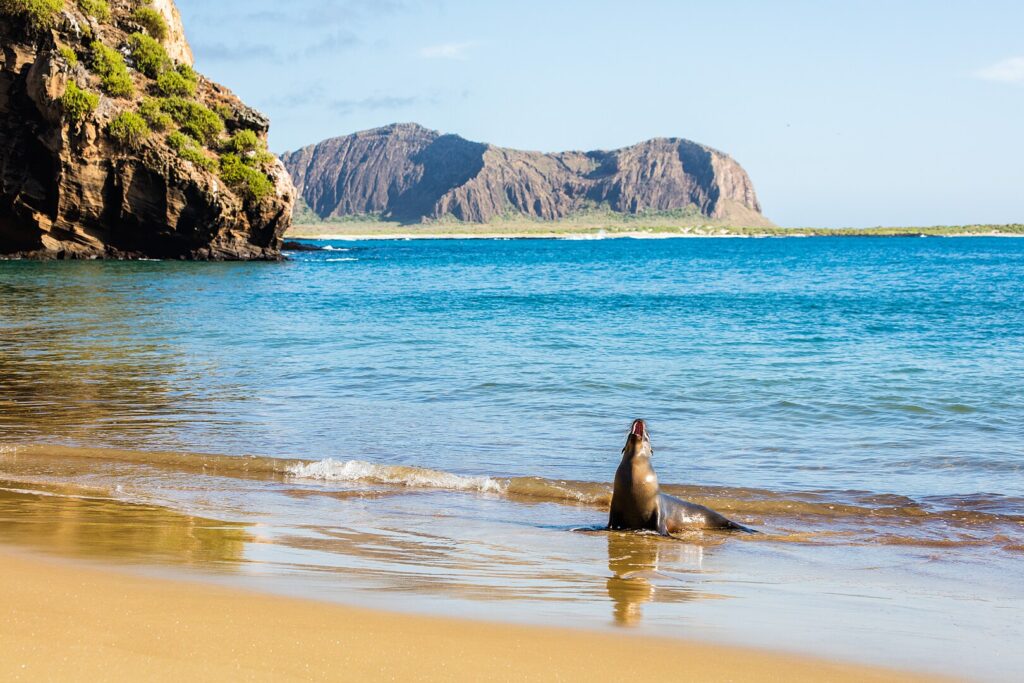
The Galápagos Islands were formally annexed by Ecuador in 1832 and later designated a national park in 1959, with strict conservation laws introduced to protect their fragile ecosystems. While often marketed as a pristine paradise, visiting the islands requires careful planning and awareness. Tourism is tightly regulated, with limits on visitor numbers, designated routes, and mandatory licensed guides in many areas. Costs are significantly higher than in mainland Ecuador, including park entry fees, inter-island flights, and approved accommodations. Medical facilities are basic, and serious emergencies may require evacuation to the mainland, which can take hours. Environmental rules are strictly enforced, and violations can result in heavy fines. Weather conditions and ocean currents can also affect travel schedules. Americans should research permit requirements, conservation regulations, and health considerations carefully, as the islands prioritize environmental protection over visitor convenience.
12. Lagos, Nigeria
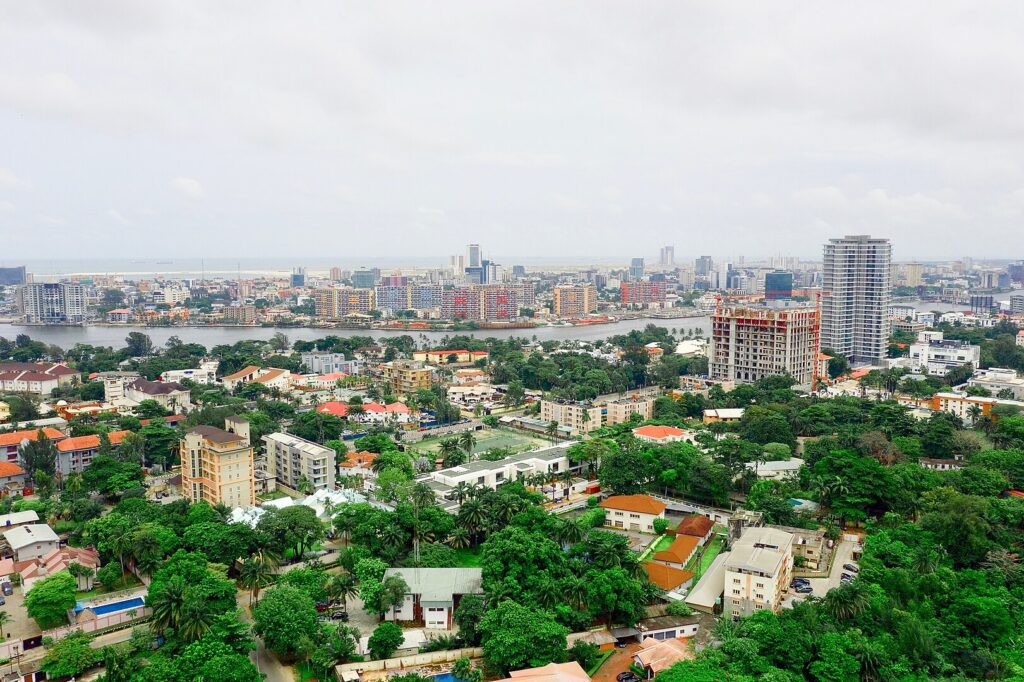
Lagos evolved into a major port city during British colonial rule in the late 1800s and is now one of Africa’s largest urban centers. Despite its economic importance, Lagos presents significant challenges for visitors unfamiliar with its conditions. Traffic congestion is extreme, often turning short distances into hours-long journeys. Crime, including armed robbery and scams targeting foreigners, remains a concern in many areas. Infrastructure struggles to keep pace with population growth, leading to frequent power outages and inconsistent water supply. Healthcare quality varies widely, and emergency response systems are limited compared to U.S. standards. Cultural norms and legal expectations differ significantly, and misunderstandings can escalate quickly without local guidance. Americans considering Lagos should research safe neighborhoods, trusted transportation options, and current security advisories. With preparation, visits can be productive, but assumptions based on Western urban norms can lead to serious difficulties.
13. Haiti
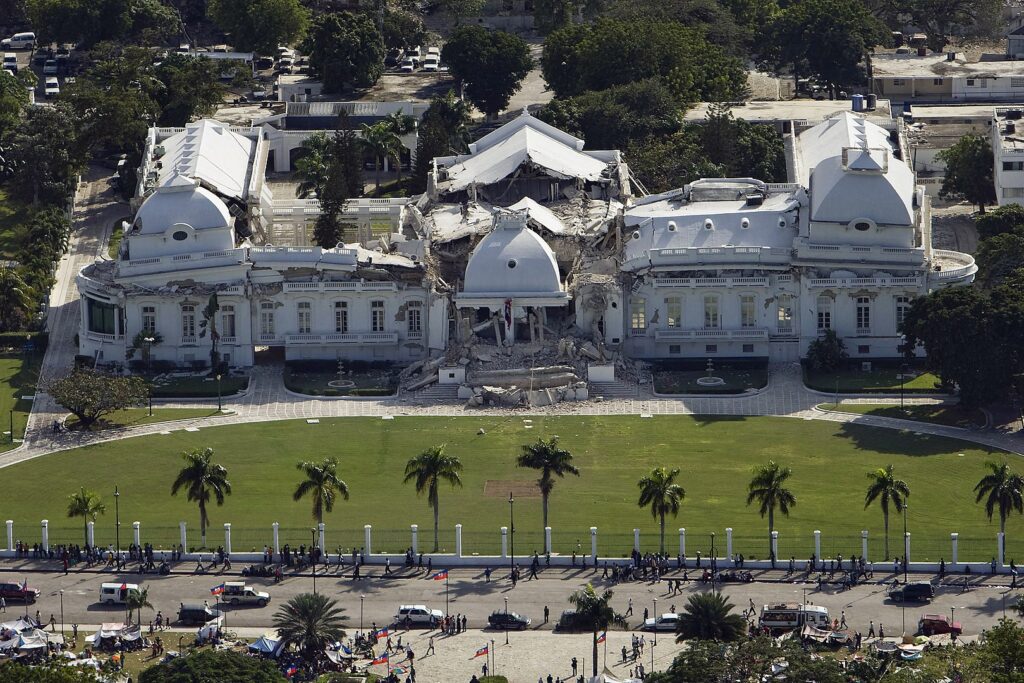
Haiti gained independence in 1804, becoming the first Black republic in the world, but modern conditions require serious consideration before travel. The country has faced repeated political instability, natural disasters, and economic hardship, all of which have weakened infrastructure and public services. In recent years, gang-related violence, kidnappings, and road blockades have increased significantly, particularly in and around Port-au-Prince. Healthcare facilities are limited, and access to clean water and electricity is unreliable in many areas. Emergency evacuation options are constrained, and foreign embassies operate with reduced capacity. Transportation networks are poorly maintained, making even short trips unpredictable and risky. Americans may assume cultural familiarity due to proximity, but conditions differ greatly from those of other Caribbean destinations. Thorough research into security conditions, local contacts, and contingency plans is essential before considering travel to Haiti.
14. The Darien Gap, Panama-Colombia Border
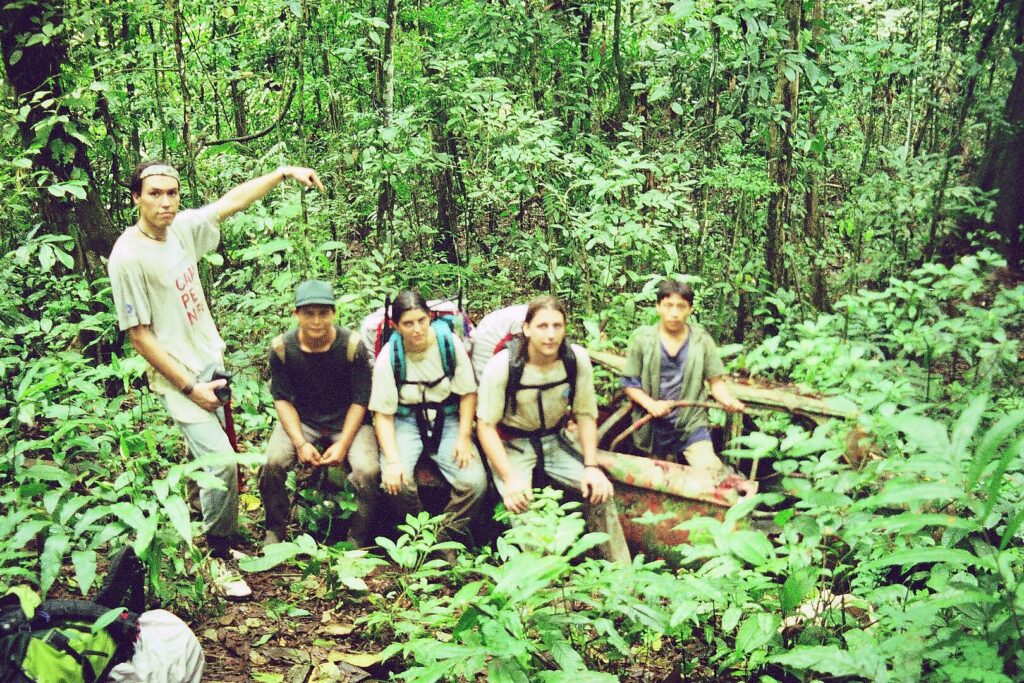
The Darién Gap is a dense, undeveloped jungle region separating Panama and Colombia, intentionally left without a road connection since the Pan-American Highway project halted there in the mid-20th century. Spanning roughly 100 miles, the area contains swamps, rivers, rugged mountains, and extremely limited access to medical or emergency assistance. It is notorious for criminal activity, including human trafficking and armed groups, as well as dangerous wildlife and tropical diseases. Navigation is difficult even for experienced guides, and weather conditions can rapidly turn deadly. There are no official tourist facilities, and entry is strongly discouraged by governments on both sides of the border. Americans attempting to cross often underestimate the physical and security risks involved. Researching the region makes clear that the Darién Gap is not an adventure destination but a highly hazardous zone best avoided entirely.
Keep reading on The WiC Project Lifestyle Blog & Miriam’s Boutique: Home Goods, Beauty, & Fashion Store