
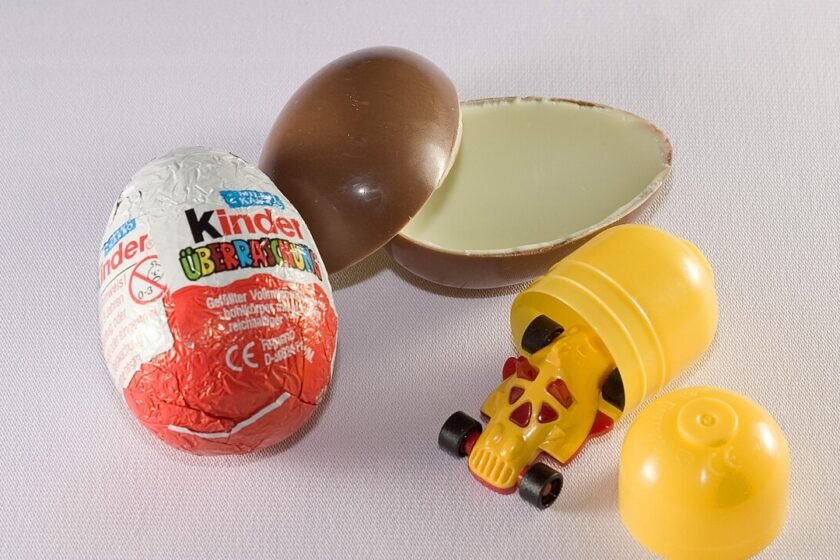
KINDER SURPRISE EGGS
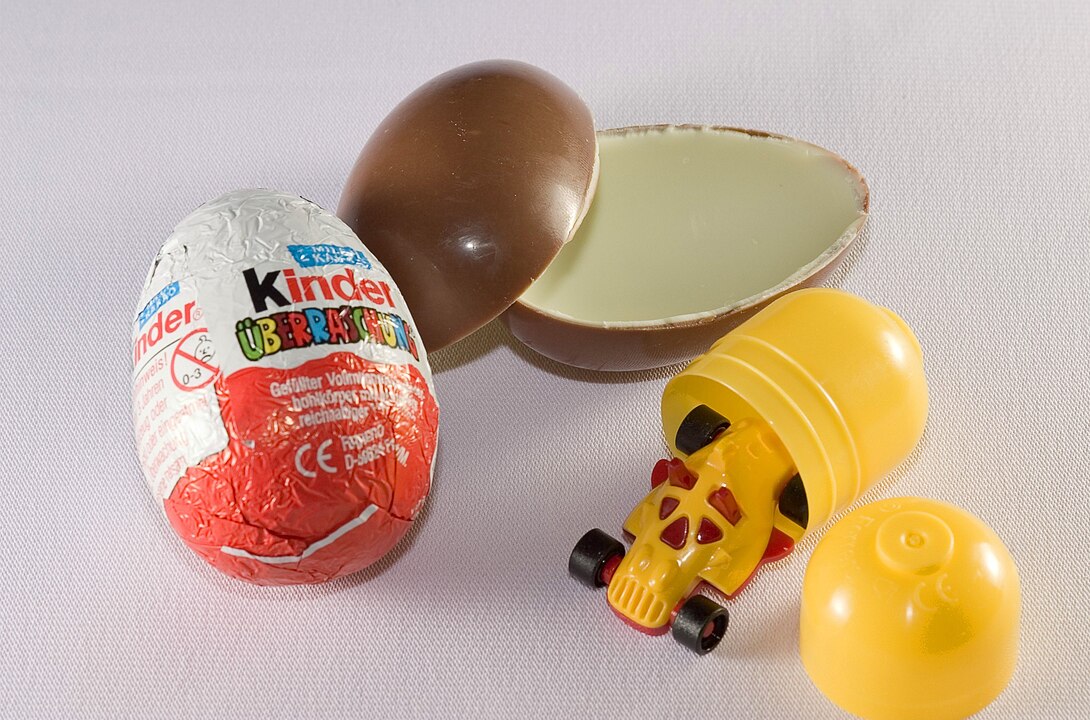
In 1974, Kinder Surprise transformed chocolate into a game by concealing a toy inside an edible shell, with the wrapper adding to the ritual. In the United States, the 1938 Federal Food, Drug, and Cosmetic Act regards confectionery containing a non-nutritive object as adulterated, a stance the FDA reinforced with import alerts citing choking hazards. As a result, the eggs cannot be legally imported or sold. For many kids outside the U.S., the thrill lay in the capsule’s rattle and the snap of chocolate; in America, it remained a coveted, distant indulgence, even when packaging warned about small parts and the need for close adult supervision.
RED DYE NO. 2 CANDIES

During parts of the 1970s, FD&C Red No. 2 lent licorice ropes, cherry gelatin, and hard candies a bold crimson that stained lips, spoons, and ice-pop molds. In February 1976, the FDA ended the dye’s provisional listing and certification, removing it from foods, drugs, and cosmetics and forcing manufacturers to switch to approved alternatives. The effect showed up on store shelves quickly: reds shifted toward orange, burgundy brands leaned on other certified colorants, and labels were revised so “cherry” remained a promise rather than a compromised shade.
RED DYE NO. 3 MARASCHINO CHERRIES
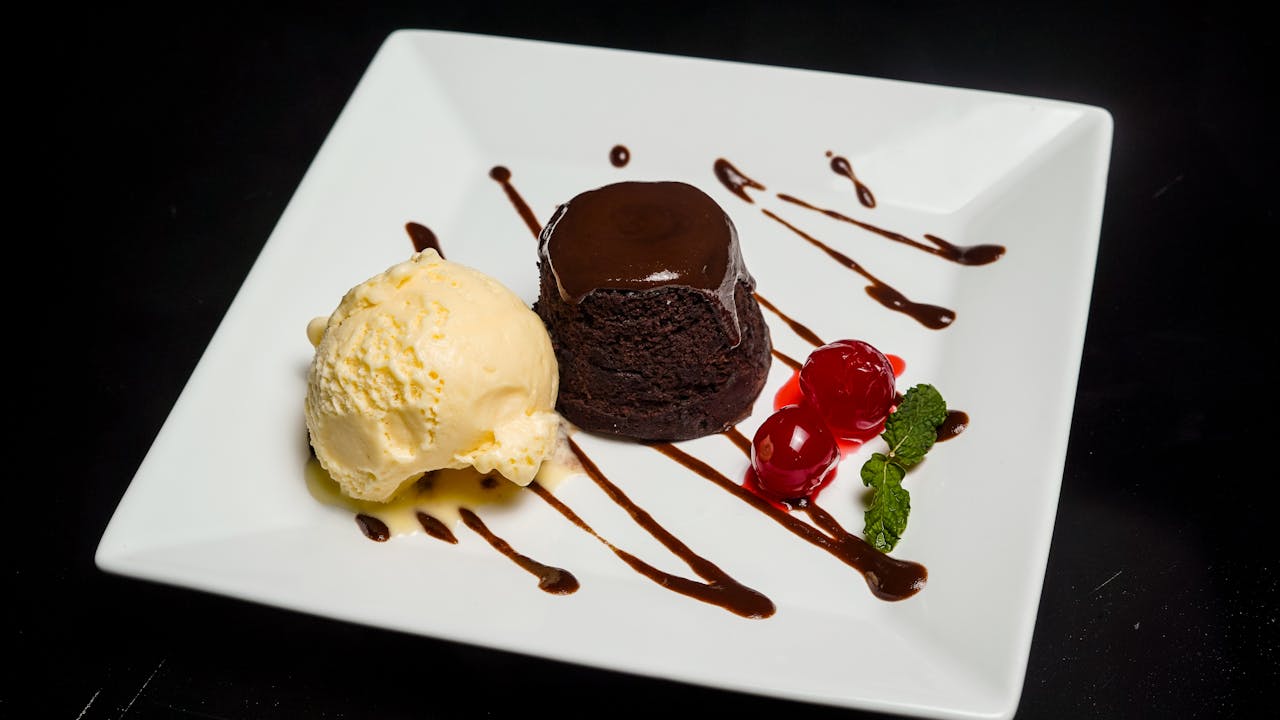
Red Dye No. 3 gave maraschino cherries their glossy pink sheen, along with frosted desserts and bright holiday treats. In January 2025, the FDA moved to ban Red No. 3 in foods and oral medicines under cancer-related provisions based on animal studies, granting manufacturers until January 15, 2027 to reformulate for foods and until January 18, 2028 for drugs. The hue can be mimicked with other colorants that rely on fruit and vegetable pigments, but the unmistakable glassy shine is now a vintage detail many recipes are steering away from while preserving the flavor cue.
CITRUS SODAS WITH BVO
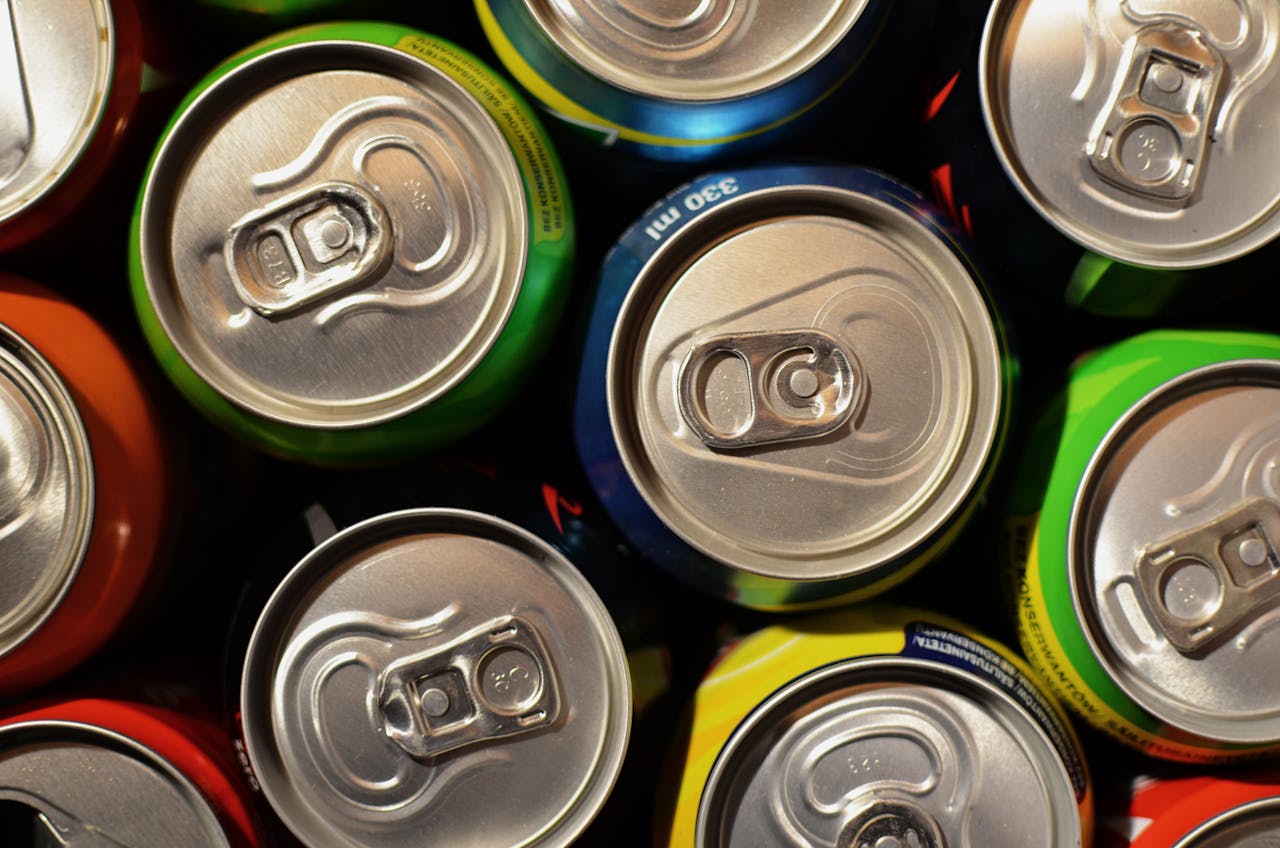
Citrus sodas and neon sports drinks from the era sometimes depended on brominated vegetable oil to keep flavoring oils evenly suspended instead of forming a top layer. On July 3, 2024, the FDA issued a final rule revoking BVO’s authorization due to safety concerns, effective August 2, 2024 with a compliance deadline of August 2, 2025 to allow reformulation and inventory clearance. Brands still aim for a crisp tang and clear pour, but the stabilizer that once held the citrus blend together is phasing out, even in the remaining varieties.
SNACK CAKES MADE WITH TRANS FATS
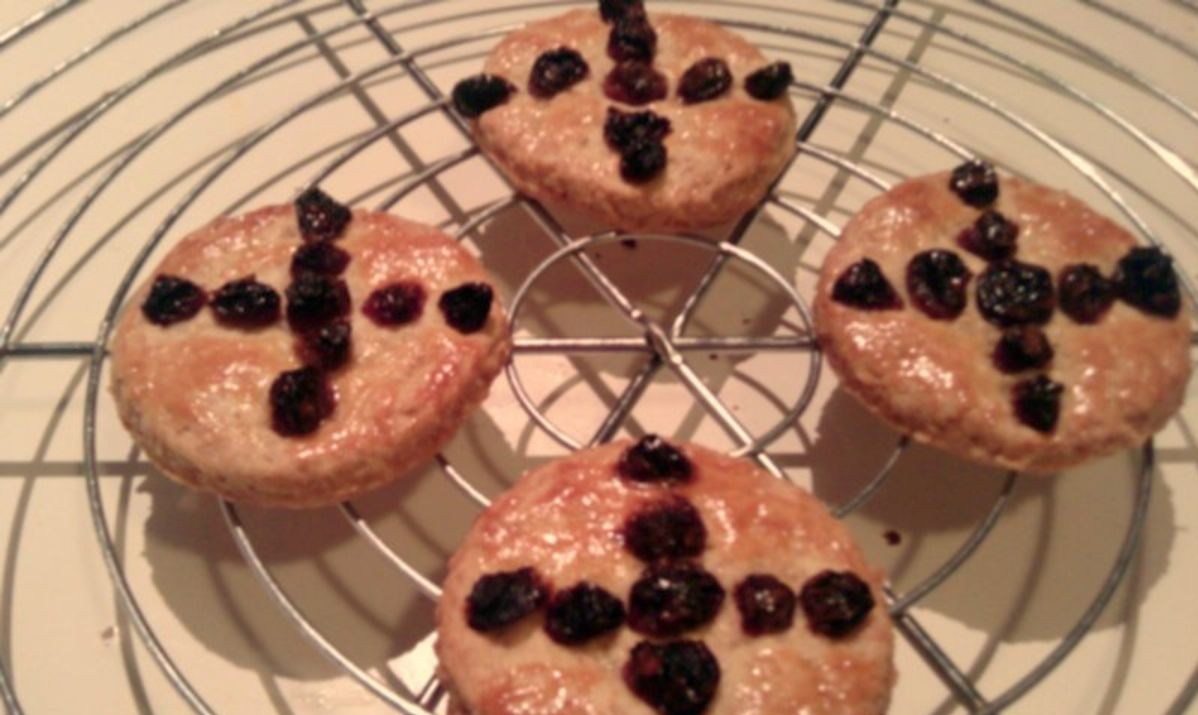
Many lunchbox favorites from the 1970s relied on partially hydrogenated oils, the primary source of industrial trans fats in processed foods. The FDA determined in 2015 that PHOs are no longer Generally Recognized as Safe, leading manufacturers to stop including them. Large-scale changes began mid-2018, with final allowances for distribution through early 2021. Recipes were rebuilt using different fats and stabilizers, preserving shapes and textures while producing subtle shifts in frosting snap, cookie crumb, or aftertaste.
CYCLAMATE DIET DRINKS
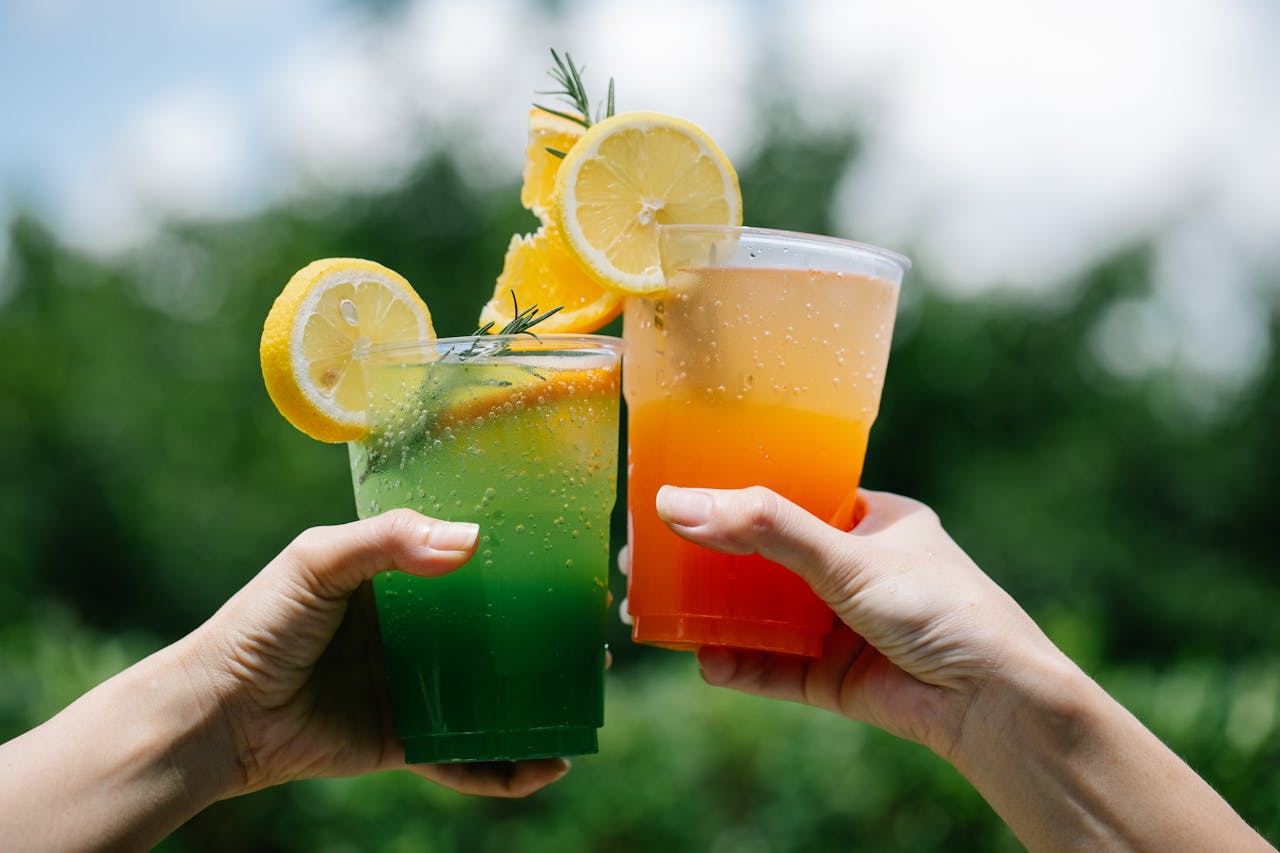
In the early 1970s, diet beverages and sweetened mixes rode a wave of modern, guilt-free branding, finding their way into family fridges and picnic coolers. Cyclamate, once a popular low-calorie sweetener, was banned in the U.S. in 1970 over safety concerns and remains prohibited there, despite approvals in many other nations. Today’s diet profiles rely on other sweeteners, leaving cyclamate’s taste mostly as a memory rather than a listed ingredient.
WHITE BREAD WITH POTASSIUM BROMATE
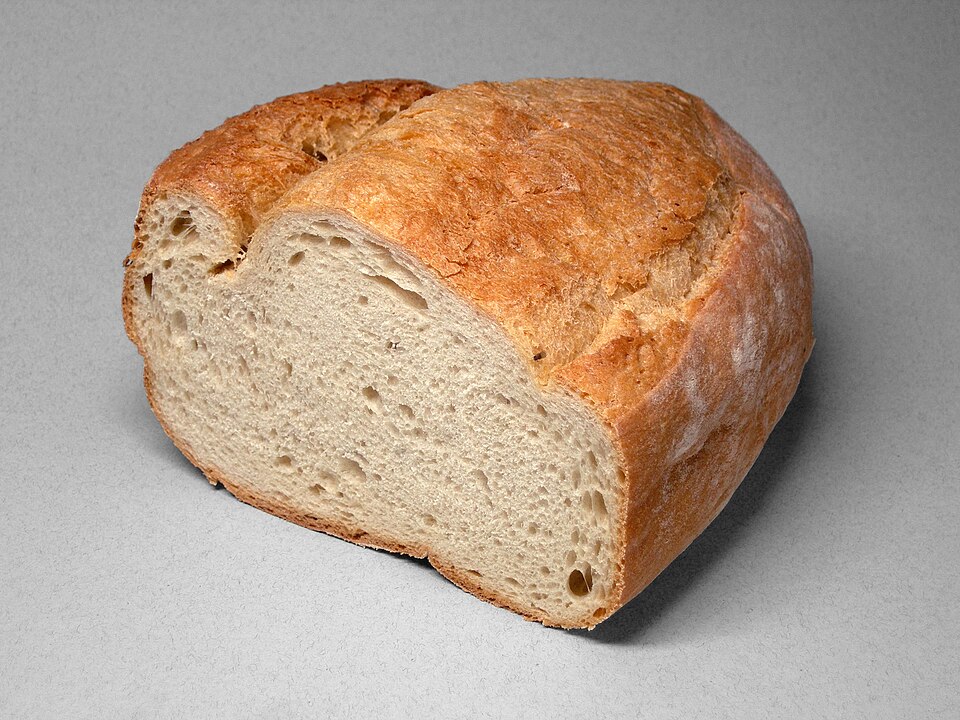
Soft sandwich bread was a staple in the 1970s, with potassium bromate helping strengthen dough and yield taller, more uniform loaves, buns, and rolls that sliced neatly. The U.K. banned potassium bromate as a flour improver in 1990, and California later enacted a ban effective January 1, 2027, nudging brands toward reformulation and simpler labels. Many packages now advertise “unbromated” flour, though the swap can alter proofing and crust color, turning an invisible additive into a visible divide between old and new bread.
PACKAGED PASTRIES WITH PROPYLPARABEN

Boxed pastries, mini muffins, and some tortillas often used propylparaben to slow mold growth and stabilize textures during long distribution. California’s AB 418 prohibits foods containing propylparaben starting January 1, 2027, accelerating recipe updates beyond the state as companies avoid maintaining separate formulas. Preservatives remain common, but that specific paraben is gradually disappearing, replaced by other inhibitors like propionates or sorbates under new naming conventions.
ROOT BEER WITHOUT SAFROLE
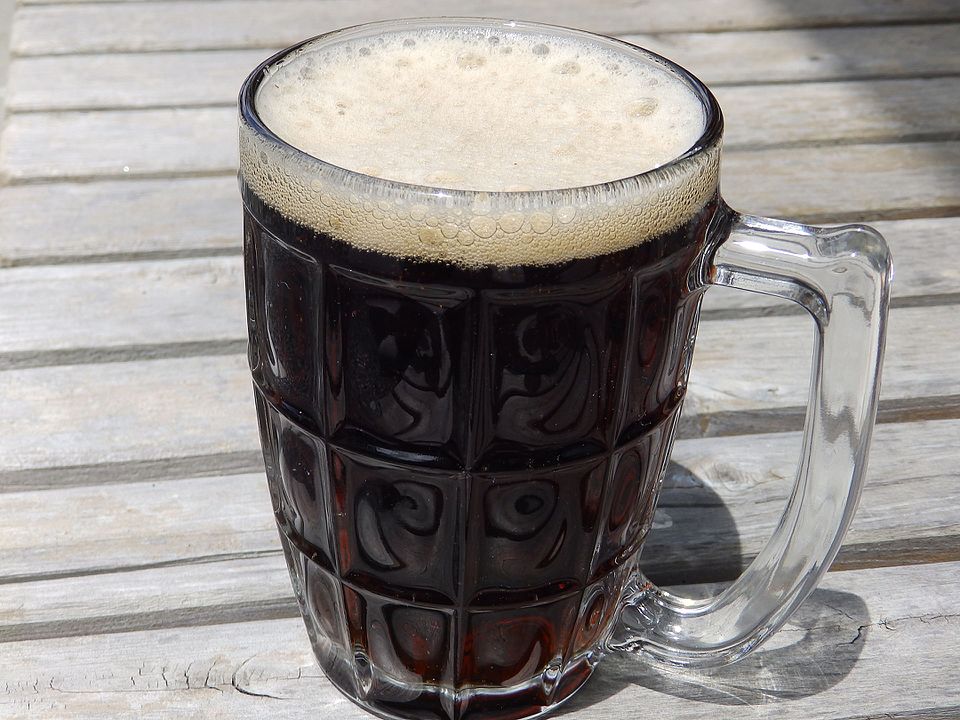
Root beer captured 1970s summertime nostalgia with its sassafras-forward aroma, a flavor profile reshaped by regulation years earlier. Safrole, a key component of sassafras oil, was banned by the FDA in 1960, prompting most commercial root beers to adopt safrole-free extracts or artificial flavors. The drink retained its characteristic vanilla-licorice scent and soda-fountain charm, but the botanical essence that once defined traditional roots faded to a regulated memory.