

Encounters with wild canines can feel alarming when size and behavior seem unclear at first glance. Coyotes and wolves share similar features, yet their habits, proportions, and responses to people differ in important ways across regions. Knowing how to recognize each animal helps guide calm, appropriate actions that reduce risk for humans and wildlife alike. This guide explains physical, behavioral, and environmental clues that distinguish a coyote from a wolf, then outlines practical steps to take during an encounter. Accurate identification supports safer decisions, respect for protected species, and coexistence within shared North American landscapes.
Physical Size And Shape
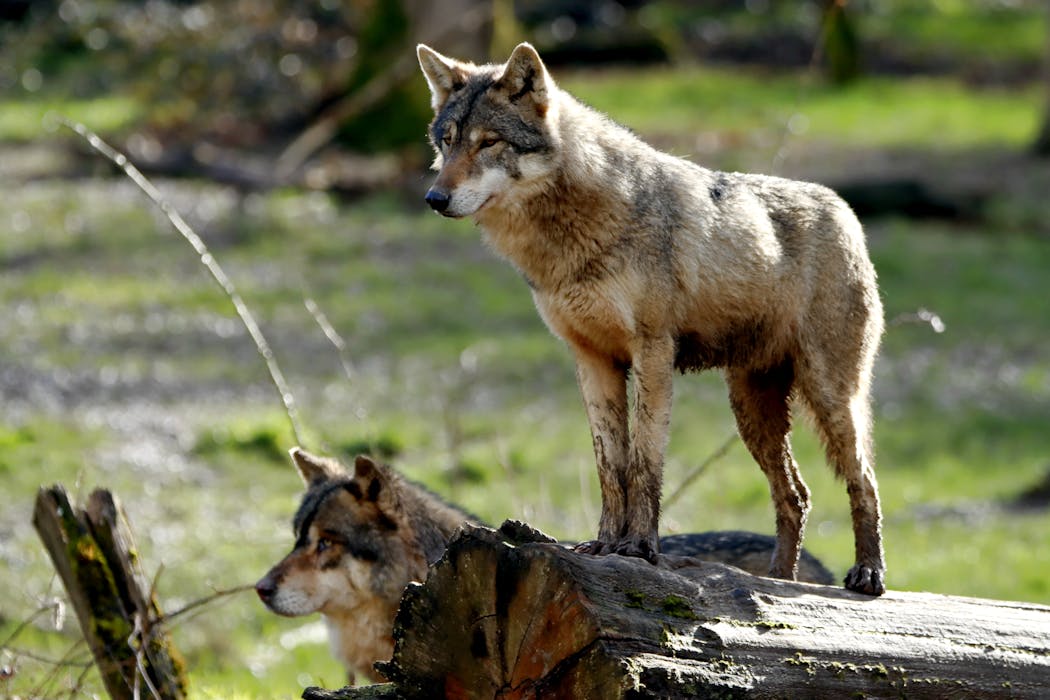
Wolves appear substantially larger than coyotes, with broad chests, long legs, and heavy heads proportioned to powerful bodies. Adult wolves commonly weigh over eighty pounds, while coyotes remain lighter, slimmer, and shorter overall. A wolf’s stride looks deliberate and steady, whereas a coyote moves quickly with narrow steps. Ears on wolves appear shorter relative to head size, and tails hang thick and straight. Observing overall scale against trees, fences, or roads provides helpful context when distance limits detail during brief wildlife sightings, especially in low light or uneven terrain conditions during dawn encounters or dusk.
Behavior And Social Patterns
Coyotes and wolves display different behaviors that help clarify identification during encounters. Coyotes often travel alone or in pairs, showing cautious curiosity and quick retreats. Wolves usually move in packs and demonstrate confident, coordinated actions. A wolf may pause and assess surroundings calmly, while a coyote tends to circle or withdraw. Vocalizations also differ, with coyotes producing high-pitched yips and wolves offering deeper howls. Posture, group size, and reaction to human presence provide valuable clues across seasons. Weather, food availability, and breeding cycles can subtly influence these patterns throughout the year in varied habitats.
Environmental Context And Location

Location and the surrounding environment offer additional clues when distinguishing coyotes from wolves. Coyotes adapt easily to farmland, suburbs, deserts, and open plains, often appearing near human development. Wolves prefer larger, remote territories with forests, mountains, or tundra landscapes. Tracks can also differ, with wolf prints appearing larger and more linear. Observing habitat type, prey availability, and distance from settlements helps narrow identification. Regional wildlife maps and known range boundaries further support accurate conclusions, especially in areas where both species exist seasonally, influenced by migration and prey movement patterns across North America in winter months alone.
What To Do Next
Remaining calm and creating distance form the safest response after identifying the animal. Stand tall, avoid sudden movements, and back away slowly while maintaining awareness. Never run, as fast motion can trigger pursuit instincts. If the animal approaches, use firm voices or gestures to appear larger. Secure pets immediately and keep children close. In wolf country, report encounters to wildlife authorities. Always allow an escape route, reinforcing natural avoidance and supporting long-term coexistence between people and predators. Local park guidance may vary by region and season, so remain observant at all times outdoors always.
When To Seek Help And Report
Certain situations require contacting wildlife professionals after an encounter. Repeated sightings near homes, bold behavior, or signs of injury warrant reporting. Agencies track patterns to protect both animals and communities. Documenting time, location, and behavior improves response accuracy. Never attempt to feed or follow wild canines. Education programs emphasize prevention through proper food storage and awareness. Prompt communication helps officials manage conflicts humanely while maintaining ecological balance. Knowing when to involve experts supports responsible outdoor recreation and safer shared spaces, especially in regions with protected wolf populations or expanding coyote ranges during seasonal changes annually.
The post How To Tell Whether You’re Facing a Coyote or a Wolf and What To Do Next appeared first on Bushcraft Base Camp.