From saffron’s gold to pepper’s bite, everyday spices recall royal ceremonies, far-reaching journeys, and the warm grandeur of home meals. Spices often began behind palace walls, with scent and flavor doubling as symbols of status, medicine, and diplomacy, arriving in guarded caravans and salt-stung ships. A pinch could crown a feast, perfume a ruler’s bath, or steady an apothecary’s remedy. Court cooks acted like strategists, blending color, aroma, and cost for maximum effect. Scarcity mattered: some spices demanded perilous voyages, others required thousands of blossoms for a single jar. As trade expanded, the rare became familiar, and royal luxuries slipped into everyday cooking. What remains is a pantry of quiet heirlooms, where ordinary meals still borrow a hint of grandeur from history, one fragrant breath at a time. Small rituals survived the thrones.
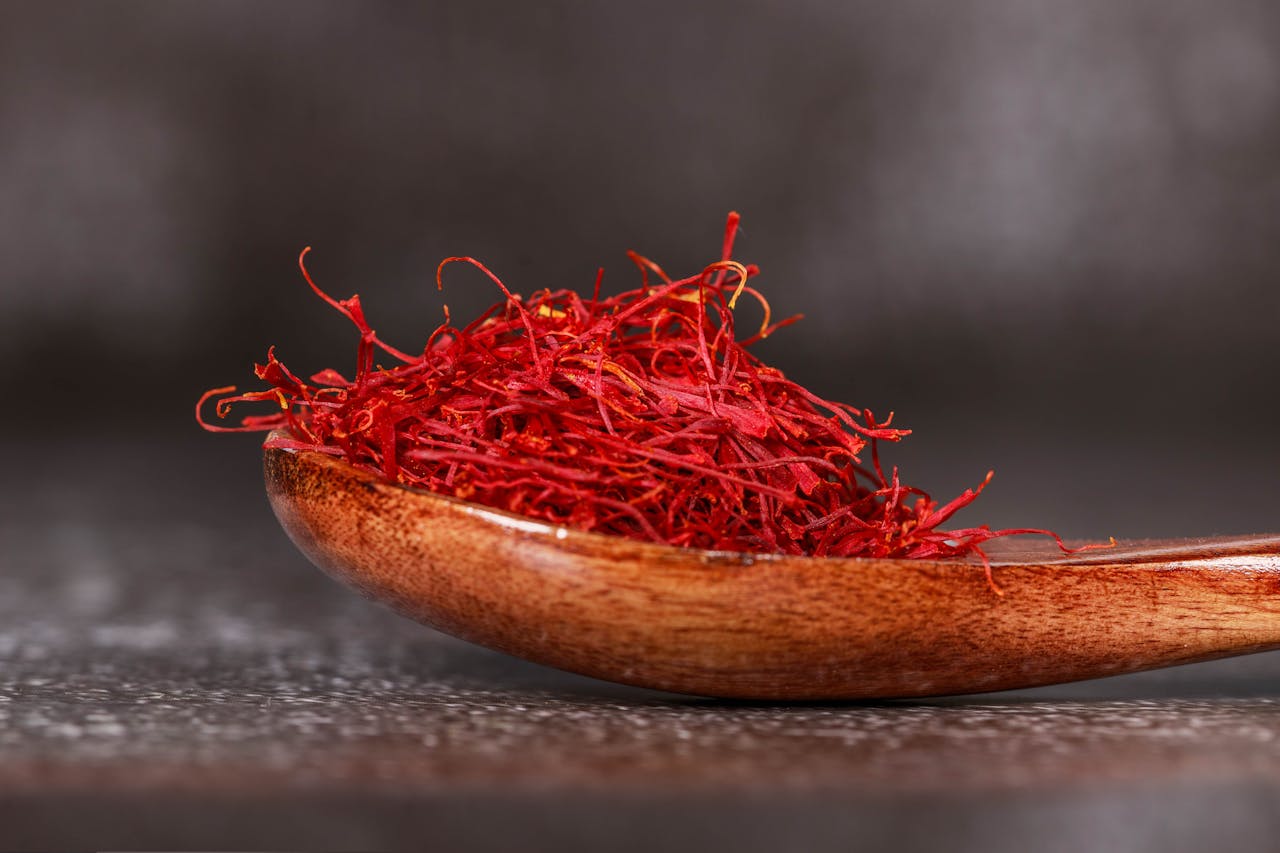
SAFFRON
Saffron once embodied power, used to dye royal fabrics, scent baths, and mark religious offerings across Persian courts and the broader Mediterranean world, where color carried meaning. It stayed scarce because it is brutally labor-intensive: each crocus yields only three tiny stigmas, all picked by hand at dawn and dried with care to preserve the perfume. That built-in scarcity is why saffron’s gold still feels ceremonial when it blooms in rice, stews, or sweet milk, turning a simple pot into something deliberate, patient, and unmistakably prized.
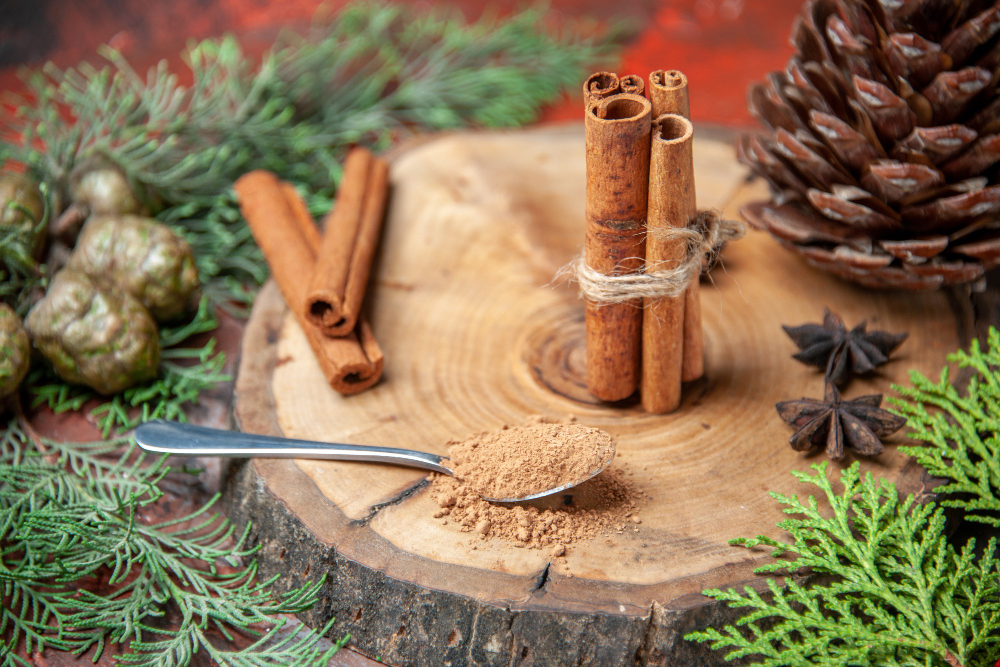
CINNAMON
Cinnamon arrived as curled bark from distant forests, and its aroma signaled rank well before it became a pantry staple, traded in small, guarded quantities that moved slowly. Ancient Mediterranean societies used it in ritual and embalming, and later European courts treated it as edible wealth, rationed for feasts, spiced wine, and showpiece desserts where guests could sense the cost. Even today, its warm sweetness can make plain bread, cocoa, or roasted fruit feel dressed for a formal table, adding depth that evokes linen, polished wood, and a room prepared for important company.
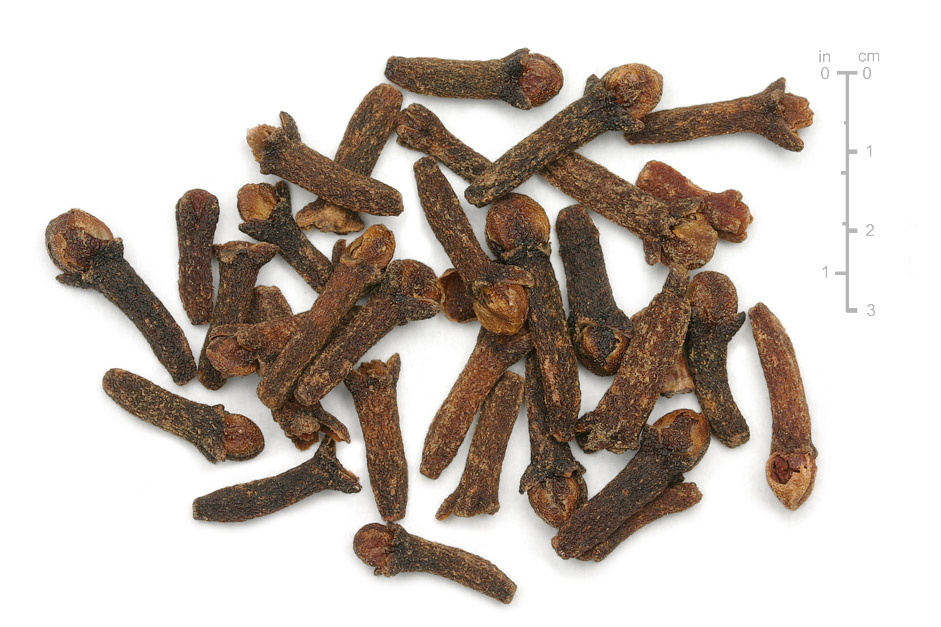
CLOVES
Cloves carried etiquette as much as flavor, a tiny bud that could shift the mood of a room with a sharp sweetness that reads almost medicinal, then suddenly dessert-like, and they never truly hide. Accounts from Han-era China describe courtiers holding cloves in the mouth to freshen breath before addressing the emperor, turning fragrance into court protocol and making aroma a sign of respect. From there, cloves perfumed medicine chests and royal kitchens, and they still lend a formal, incense-like note to broths, baked goods, and mulled drinks with just a few dark studs resting on the surface.
BLACK PEPPER
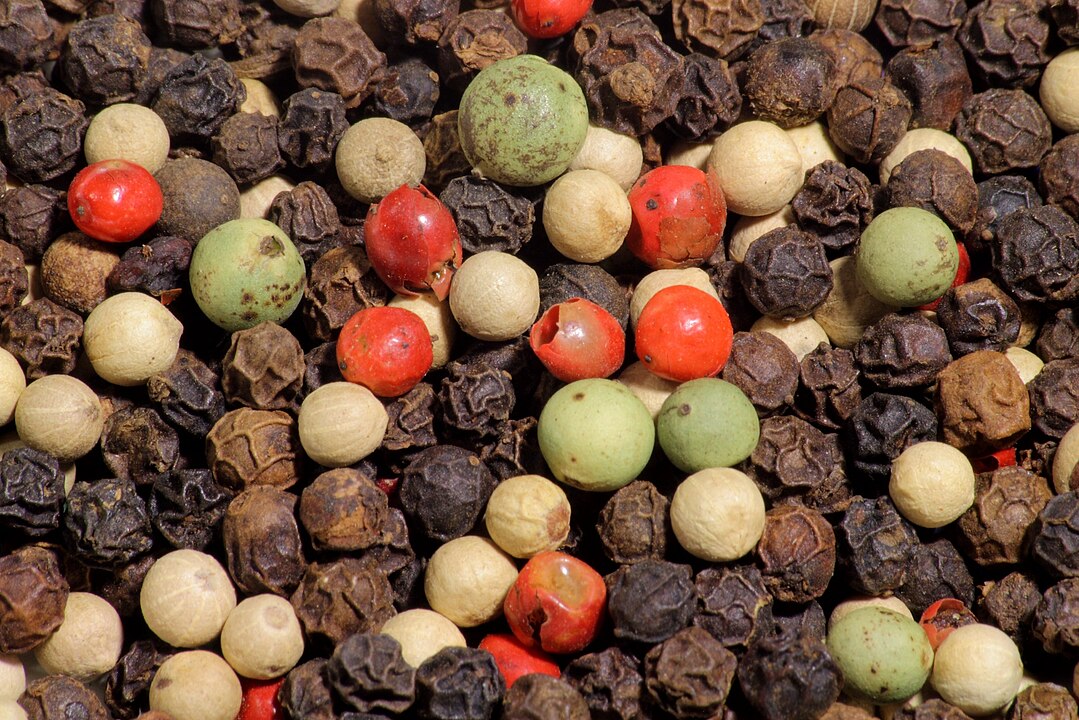
Black pepper’s everyday grind hides an ancient economy of power, the kind that once funded fleets, reshaped port cities, and made merchants as influential as nobles, all for a bite of heat. In Roman and medieval Europe it could be rare enough to function as a high-value trade good, sometimes treated like wealth that could secure loans, settle debts, or sweeten political bargains at the table. That sharp heat helped build fortunes long before pepper became common, and the aroma still lands with authority on soup, eggs, and roasted vegetables, brisk and unmistakable, as if it is signing the dish in ink.
NUTMEG
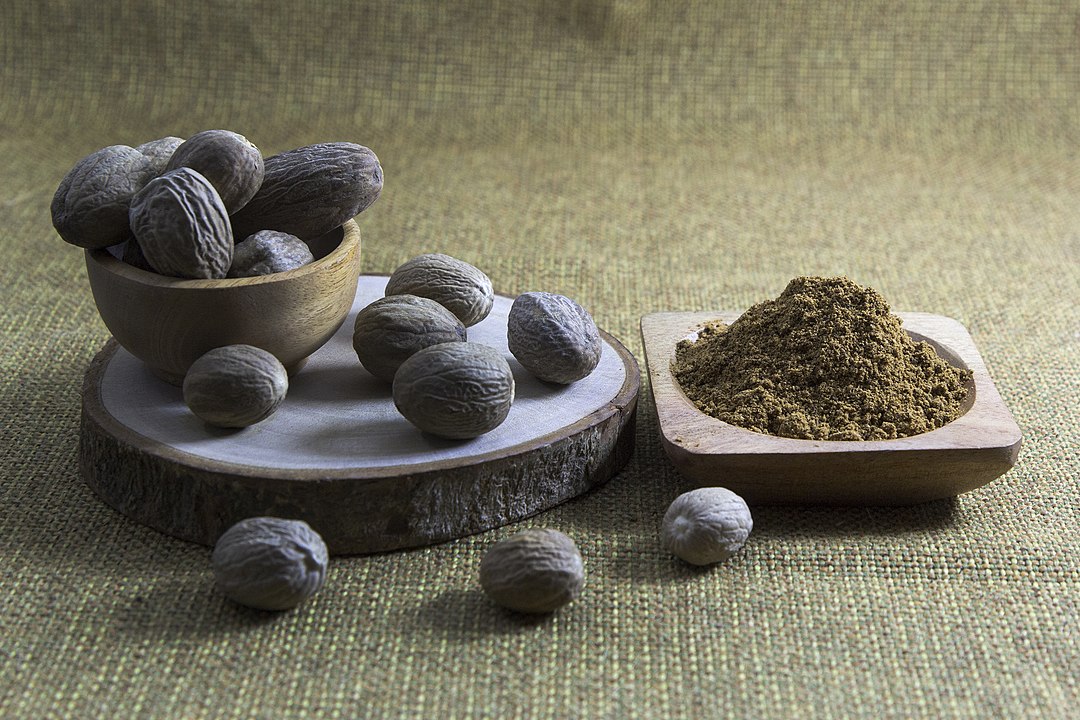
Nutmeg was once a perfume for the wealthy table, shipped from the Banda Islands and guarded like a secret worth fighting over, because control of supply meant control of price and prestige. European nobility treated it as a marker of taste and means, and tales endure of travelers carrying small graters so a final dusting could elevate an ordinary plate into an event, right at the table. Behind the glamour lay fierce competition over the Spice Islands, yet its kitchen use remained intimate: a single quick grate can make custard, spinach, or béchamel feel plush and rounded, with a sweetness that seems tailored rather than sugary.
CARDAMOM
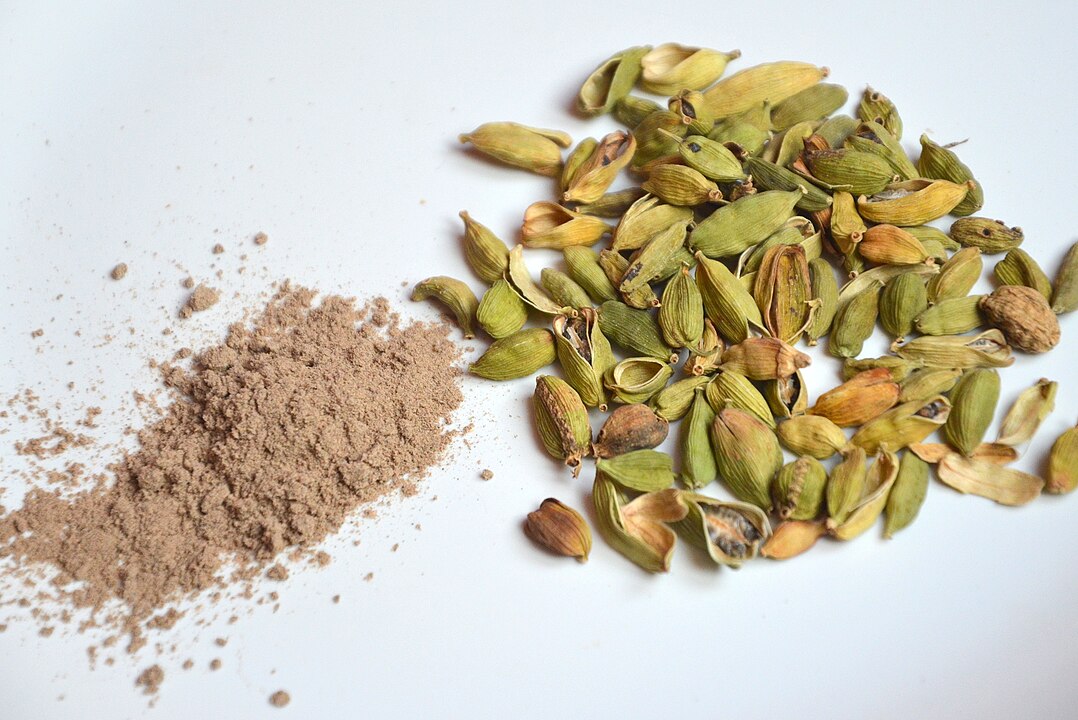
Cardamom’s bright, resinous scent has long been linked to medicine, luxury, and hospitality, moving through South Asian and Middle Eastern trade routes into elite kitchens where fragrance mattered as much as flavor. It appears in ancient medical traditions and later became a prized import elsewhere, valued enough to be taxed at major ports and saved for special company, weddings, or honored guests. In royal confections, perfumed coffee, and spiced rice it acted like a signature, and a single cracked pod still shifts the air quickly, clean at first, then richly floral and warm, leaving a cool finish that feels almost polished.
VANILLA
Vanilla’s softness is deceptive; for European courts it was rare, costly, and tied to the rise of flavored confections and perfumed desserts, particularly once it began pairing with chocolate and cream. Early modern cooks folded it into sweets, custards, and ice creams when supply was limited and cultivation beyond its native range was difficult, uncertain, and dependent on careful handling. That scarcity kept vanilla linked to luxury rather than everyday baking, and even in a common bottle its scent suggests velvet, sugar, and patience, lingering like the final note of a formal meal after the plates are cleared.

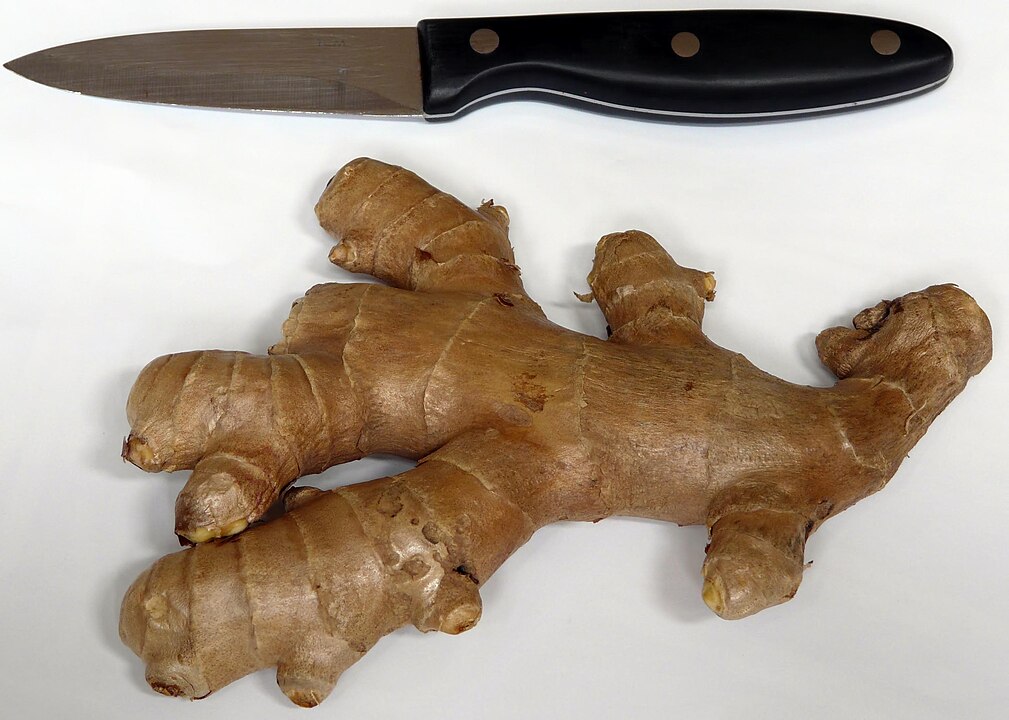
GINGER
Ginger traveled early and far, yet for long stretches it remained a spice for the privileged, arriving dried and knotted from distant markets in forms that endured long journeys. Medieval kitchens prized it for heat and believed it carried medicinal value, and in parts of Europe it could be expensive enough to signal status in sauces, desserts, and spiced wine served at winter gatherings and civic feasts. Today it appears in tea, stir-fries, and cookies, yet its bite still feels ceremonial, waking a dish like a trumpet call that keeps everyone’s attention and brightening rich foods with a fiery edge.