

Planning a trip used to be a relatively straightforward task. A few guidebooks, a call to a travel agent, and a flexible attitude were often enough to get people on the road or in the air. Today, however, trip planning has quietly become a much longer and more mentally demanding process. While travelers have access to more information, tools, and choices than ever before, that abundance has also introduced complexity. From fluctuating prices to digital overload, modern travel requires far more comparison, verification, and decision-making than it once did. The following sections explore the key reasons why planning a trip now takes significantly more time than it did in earlier decades, even for experienced travelers.
1. The Overload of Online Choices Creates Decision Fatigue
One of the biggest reasons trip planning takes longer today is the sheer number of options available online. Flights, hotels, rentals, tours, and even restaurants are presented through dozens of competing platforms, each offering slightly different prices, policies, and reviews. Instead of narrowing choices, this abundance often creates decision fatigue. Travelers spend hours comparing nearly identical options because they fear making the wrong choice. In earlier decades, options were limited to what travel agents or guidebooks recommended, which reduced mental strain. Now, algorithms constantly surface alternatives, upgrades, and “better deals,” making it difficult to feel confident about any decision. The pressure to optimize every aspect of a trip leads people to research longer than necessary, double-check decisions, and delay bookings. What once took a few confident choices now involves prolonged comparison, second-guessing, and revisiting the same decisions repeatedly, stretching the planning process far beyond what feels reasonable.
2. Constant Price Fluctuations Encourage Endless Monitoring
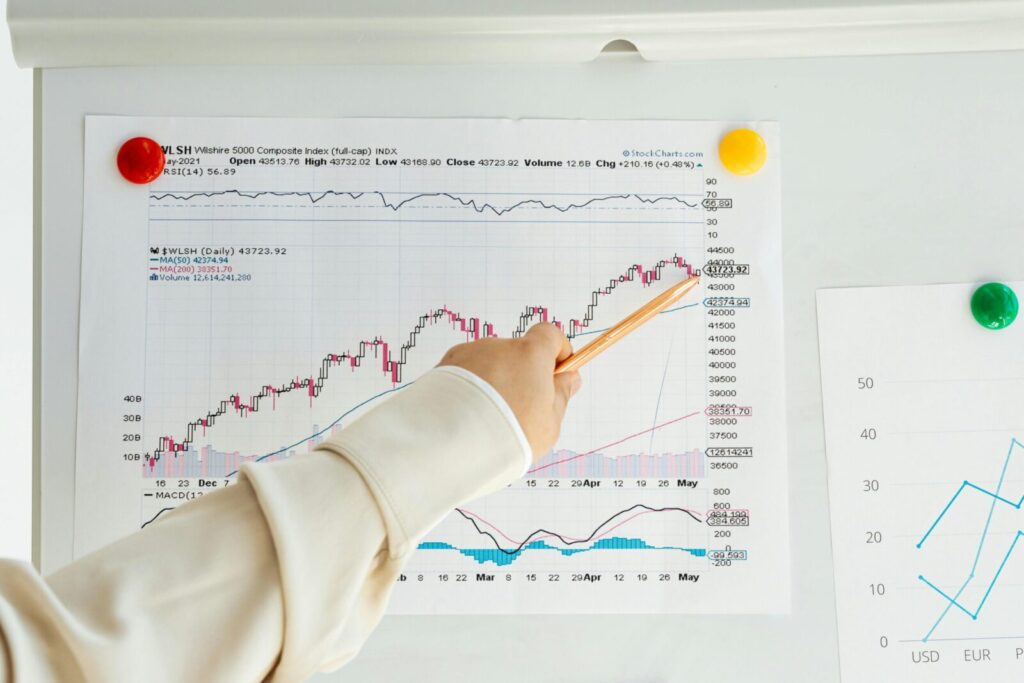
Modern travel pricing is highly dynamic, and this unpredictability significantly extends planning time. Airline tickets, hotel rooms, and even attraction passes can change price multiple times a day based on demand, timing, and browsing behavior. Travelers are now encouraged to monitor prices, set alerts, clear cookies, and wait for perceived “better” deals. This creates a cycle of hesitation where people delay booking in hopes of saving money, only to spend weeks watching prices fluctuate. In the past, prices were more stable and transparent, often printed in brochures or quoted directly by agents. Today’s variable pricing systems require ongoing attention and comparison across platforms. The fear of overpaying pushes travelers to research longer than necessary, turning planning into a prolonged waiting game. Instead of finalizing plans efficiently, people remain stuck in monitoring mode, unsure when the right moment to book has truly arrived.
3. Reviews and Ratings Require Careful Interpretation

Online reviews were meant to simplify travel planning, but they have ended up making it more time-consuming. Travelers now feel obligated to read dozens, sometimes hundreds, of reviews before committing to a hotel, airline, or activity. Star ratings alone no longer feel trustworthy, so people dig into detailed comments, dates, and reviewer profiles to judge relevance. A single negative review can trigger further research, even if hundreds of positive ones exist. In earlier eras, travelers relied on word of mouth or professional guidebooks, which offered curated opinions without overwhelming detail. Today, the sheer volume of user-generated feedback demands careful interpretation. Reviews can be outdated, biased, or based on unrealistic expectations, yet ignoring them feels risky. This forces travelers to cross-check sources, compare platforms, and weigh conflicting opinions. The result is extended planning time spent evaluating credibility rather than making decisions, turning what should be reassurance into an additional layer of complexity.
4. Travel Requirements and Regulations Are More Complex

Modern travel involves navigating a growing list of rules and requirements that did not exist or were far simpler in the past. Passports, visas, transit permissions, health declarations, insurance documentation, and entry restrictions vary widely by destination and nationality. Even experienced travelers must now verify official government guidance before booking, as rules can change with little notice. In previous decades, international travel requirements were relatively stable and communicated clearly through agents or embassies. Today, travelers must cross-check airline policies, immigration websites, and third-party advisories to ensure compliance. A missed form or misunderstood rule can result in denied boarding or entry, making thorough research feel essential. This additional administrative layer extends planning timelines significantly. Instead of focusing solely on destinations and experiences, travelers must spend hours ensuring paperwork accuracy, eligibility, and timing, transforming trip planning into a careful compliance exercise.
5. Customization Expectations Have Increased Dramatically

Trip planning now takes longer because travelers expect highly personalized experiences rather than generic itineraries. In the past, vacations often followed standard patterns, such as staying in central hotels, visiting major landmarks, and eating wherever was convenient. Today, travelers want trips tailored to their interests, budgets, dietary needs, work schedules, and travel styles. This requires researching niche neighborhoods, specialized tours, unique accommodations, and local experiences that fit specific preferences. Customization also means coordinating multiple components, so they align perfectly, from arrival times to activity pacing. While this approach can lead to richer experiences, it significantly extends planning time. Each personalized choice creates new decisions and dependencies that must be checked and rechecked. Instead of settling for “good enough,” travelers feel compelled to design the ideal trip, which turns planning into a detailed project rather than a quick preparation step.
6. Fear of Making a Costly Mistake Slows Decisions

Modern travel planning is heavily influenced by the fear of making an expensive or irreversible mistake. With higher travel costs and stricter cancellation policies, travelers feel greater pressure to get every decision right. A poorly chosen flight time, inconvenient hotel location, or nonrefundable booking can negatively affect the entire trip. This fear encourages excessive research, repeated comparisons, and delayed commitments. In earlier decades, travel mishaps were more accepted as part of the experience, and many arrangements were flexible or changeable. Today, fine print matters more than ever, and travelers carefully scrutinize terms and conditions before proceeding. The emotional weight attached to each decision slows the planning process. People pause, reconsider, and seek reassurance from multiple sources, stretching what could be simple choices into extended deliberations driven by caution rather than excitement.
7. Digital Tools Add Steps Instead of Removing Them
Although travel apps and planning tools promise convenience, they often add extra steps to the planning process. Travelers now juggle multiple platforms for flights, lodging, maps, reviews, budgeting, and itineraries, each requiring logins, settings, and comparisons. Instead of replacing effort, these tools fragment it across screens and systems. In the past, planning involved fewer sources and clearer boundaries. Today, syncing confirmations, managing notifications, and organizing digital documents are part of the work. Travelers frequently revisit the same information across apps to ensure accuracy, which consumes time. The expectation to use digital tools effectively also creates pressure to research the tools themselves. Rather than simplifying decisions, technology multiplies them, extending planning time through repeated checks, updates, and organization tasks that did not exist when planning relied on fewer, more centralized resources.
8. Social Media Raises Expectations and Increases Research
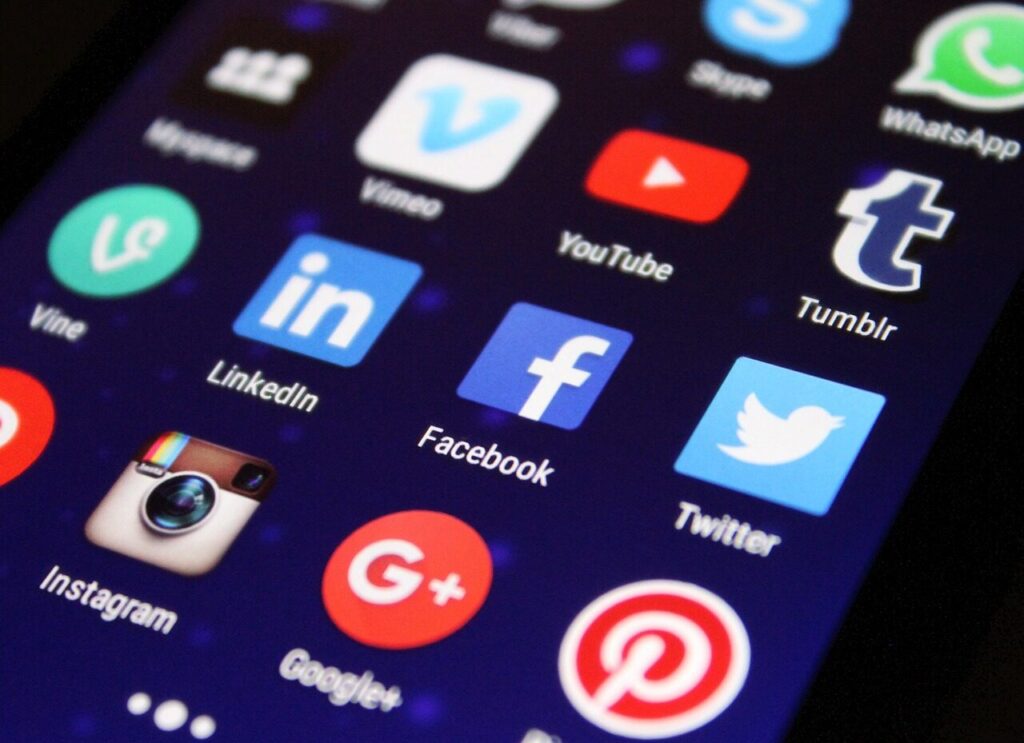
Social media has reshaped how people plan trips by constantly showcasing highly curated travel experiences. Photos, videos, and itineraries shared online create an expectation that trips should be visually impressive and unique. Travelers spend additional time researching destinations to match or exceed what they’ve seen, often chasing specific viewpoints, cafés, or experiences. This level of comparison did not exist before widespread social sharing. Instead of choosing destinations based on personal interest or practicality, people now consider how trips will appear and whether they align with popular trends. This leads to deeper research into timing, lighting, crowd levels, and locations. The pressure to replicate idealized experiences extends planning timelines. What could be simple decisions become layered investigations driven by online inspiration and the desire to avoid disappointment.
9. Coordination With Multiple Schedules Takes More Effort

Trip planning now takes longer because coordinating schedules has become more complex than it once was. Many trips involve aligning vacation time across different workplaces, remote work policies, school calendars, and personal commitments. In earlier decades, work schedules were often more predictable, and fewer people traveled in mixed groups with varying obligations. Today, travelers must consider blackout dates, flexible work hours, time zone overlaps, and childcare arrangements. Even short trips can require extensive back-and-forth communication to confirm availability. This coordination phase often happens before any bookings are made, extending the planning timeline significantly. Delays in responses or last-minute changes can restart the process entirely. What once involved a quick agreement now becomes a careful negotiation of responsibilities, deadlines, and expectations, making trip planning more time-intensive before logistics even begin.
10. Information Is Abundant, but Trust Takes Time

The final reason trip planning takes longer today is that trust in information has become harder to establish. Travelers are surrounded by blogs, videos, sponsored content, and comparison sites, all claiming authority. Determining which sources are reliable requires time, cross-referencing, and skepticism. In the past, travelers relied on a limited number of trusted sources, such as guidebooks or experienced agents. Today, conflicting advice is common, and misinformation can be costly. This encourages travelers to verify details repeatedly, even after decisions are made. The need to confirm accuracy slows the entire planning process. While access to information has increased, confidence in that information has decreased, extending planning timelines as travelers seek reassurance. The result is a longer, more cautious approach to trip planning driven by uncertainty rather than simplicity.
Keep reading on The WiC Project Lifestyle Blog & Miriam’s Boutique: Home Goods, Beauty, & Fashion Store